8 Long Blooming Flowers That Handle Texas Heat With Minimal Care
Texas heat has a way of testing every garden. Long stretches of sun, dry spells, and fast draining soils can leave flower beds looking tired sooner than expected.
That challenge has led many Texas gardeners to focus on plants that can keep blooming without constant care.
Some flowers are well suited to these conditions, offering steady color through much of the growing season while asking for very little in return.
From Houston to Dallas to San Antonio, gardeners across Texas are discovering that the right choices can keep beds bright and lively even during the toughest parts of summer.
1. Lantana Keeps Blooming In Texas Heat
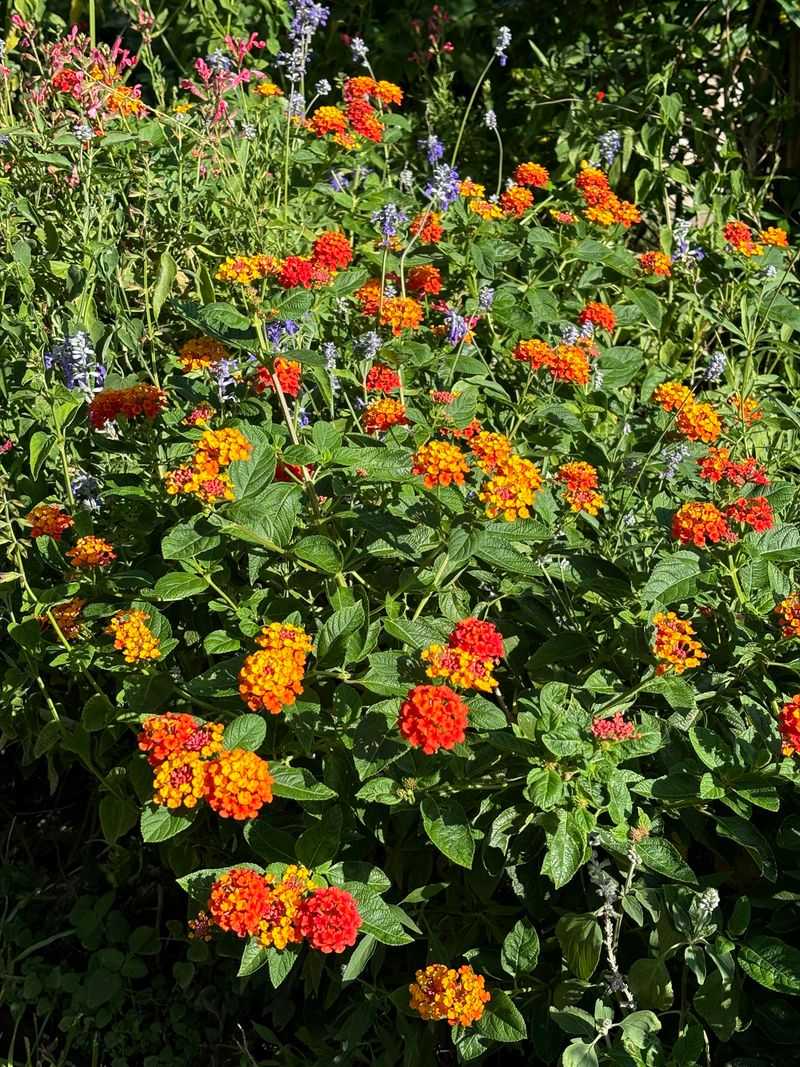
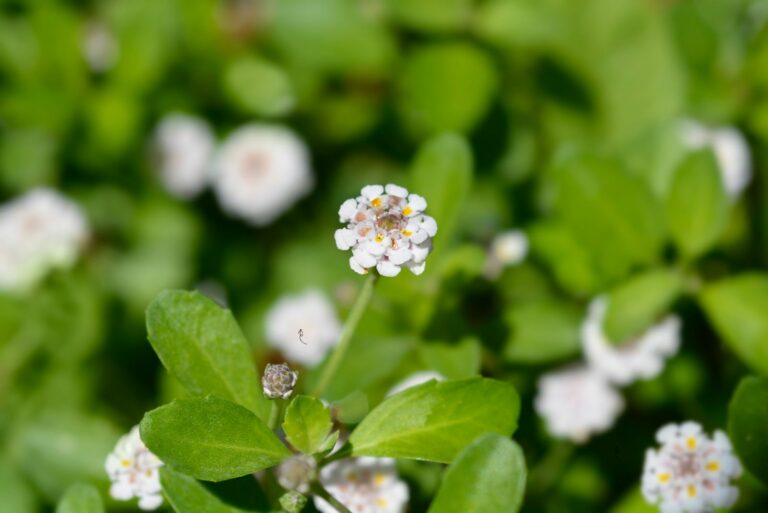
Few flowers put on a show quite like lantana during a Texas summer. While other plants wilt and fade under relentless heat, lantana just keeps producing clusters of tiny, vivid blooms in shades of orange, yellow, red, pink, and white.
It thrives in full sun and actually seems to bloom more intensely when temperatures climb.
Lantana is a tough perennial in most parts of Texas, though gardeners in colder northern regions may grow it as an annual.
Once established, it needs very little water, making it a smart choice during dry spells that are common across the state.
Poor or sandy soil does not slow it down much either.
Deadheading is not necessary for lantana to keep blooming, which saves time and effort. A light trim mid-season can encourage fresh growth and even more flowers.
Butterflies and hummingbirds visit lantana regularly, adding extra life and movement to the garden. One thing to keep in mind is that lantana berries are toxic to pets and small children, so placement matters.
With its long bloom season stretching from spring through the first frost, lantana delivers outstanding color with minimal care in Texas landscapes.
2. Autumn Sage Blooms For Months
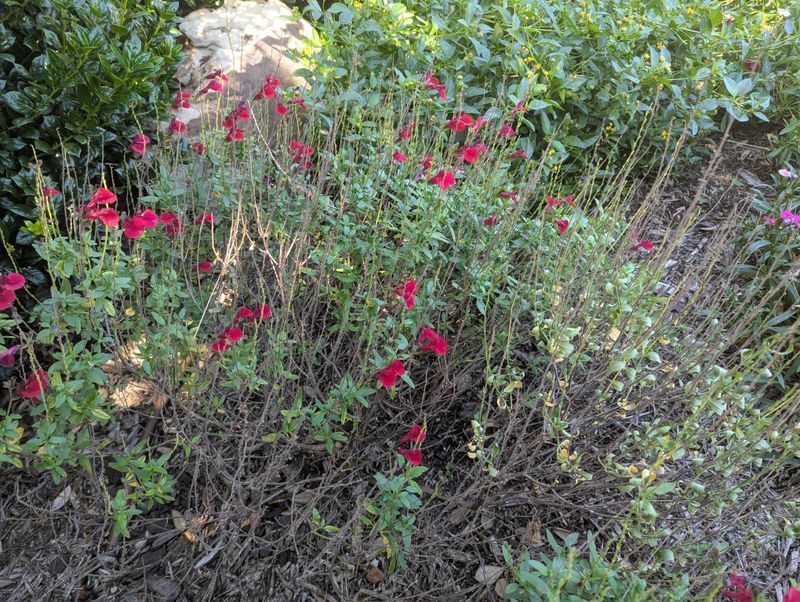
When the summer heat in Texas starts pushing most flowering plants toward dormancy, autumn sage keeps right on going.
Known botanically as Salvia greggii, this tough native perennial produces small tubular flowers in shades of red, pink, coral, and white from spring through fall, often with only brief pauses between bloom cycles.
Autumn sage is well adapted to the thin, rocky, or sandy soils found across much of Texas. It handles full sun with ease and, once rooted in, requires very little supplemental watering.
In fact, overwatering is one of the few things that can cause problems, so a light hand with the hose is actually the right approach here.
Hummingbirds are especially drawn to its tubular blooms, which makes it a favorite for wildlife-friendly gardens.
Cutting the plant back by about one-third after each bloom flush encourages fresh growth and extends the overall bloom season considerably.
Autumn sage typically grows two to three feet tall and wide, making it useful as a low border plant or in mixed beds.
It is also deer resistant, which is a notable advantage in many rural and suburban Texas areas where deer pressure can be heavy on landscape plants.
3. Blackfoot Daisy Thrives In Dry Sun
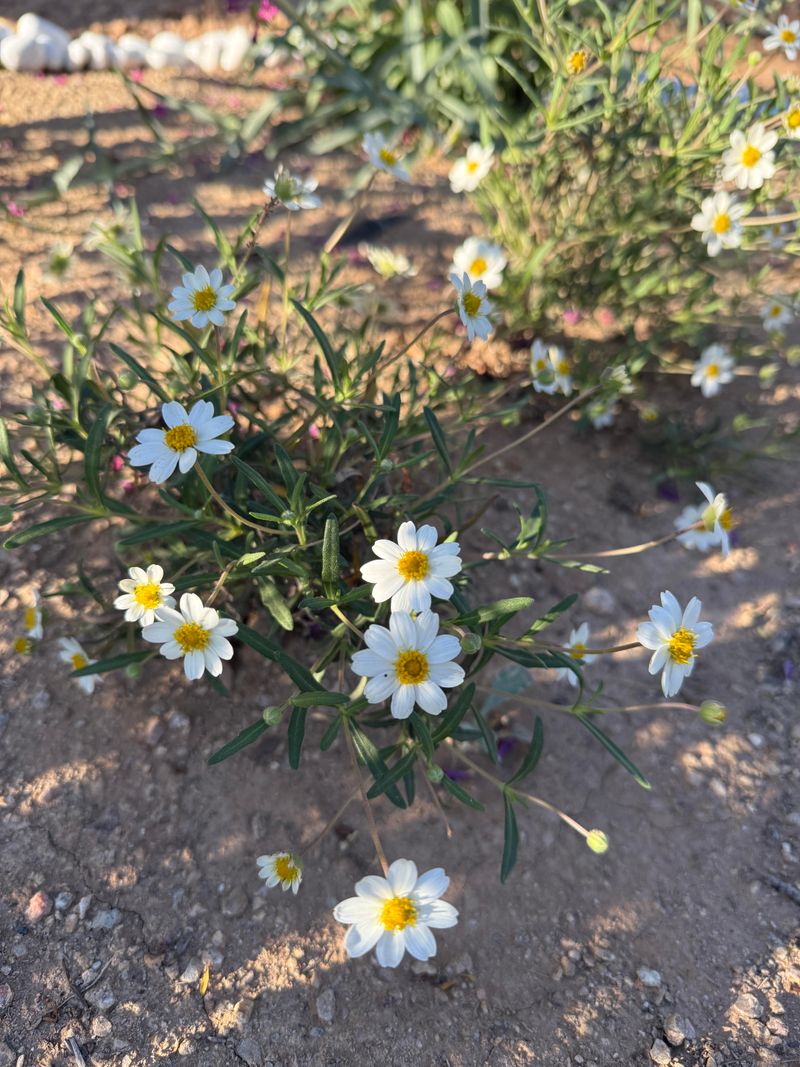
Gardeners who have struggled to keep flowers alive in rocky, fast-draining soil will find blackfoot daisy to be a welcome discovery.
Your Texas Garden Changes Every Week. Your Plan Should Too.
Gardening in Texas changes quickly throughout the season. Every Friday you’ll receive a simple weekly plan showing exactly what to plant, prune, fertilize, harvest, and protect so you never miss the right timing.
Native to Texas and the surrounding region, this cheerful little wildflower produces white daisy-like blooms with bright yellow centers almost continuously from late winter through late fall in most parts of the state.
Blackfoot daisy is built for dry conditions. It grows naturally in rocky limestone outcroppings and gravelly hillsides, so well-drained soil is not just preferred but genuinely necessary for good performance.
Heavy clay soils that stay wet after rain can cause root rot, so raised beds or amended planting areas work well for gardeners dealing with that soil type.
Full sun is where blackfoot daisy performs best, and it handles Texas heat with remarkable ease. Plants stay relatively compact, usually reaching about one foot tall and spreading up to two feet wide.
Minimal fertilization is recommended since rich soil actually tends to reduce blooming and cause leggy growth. A light trim after heavy bloom flushes can tidy the plant and encourage another round of flowers.
The blooms carry a faint honey-like fragrance that is noticeable up close, adding a subtle sensory bonus to this already low-maintenance Texas native.
4. Blanket Flower Brings Long Lasting Color
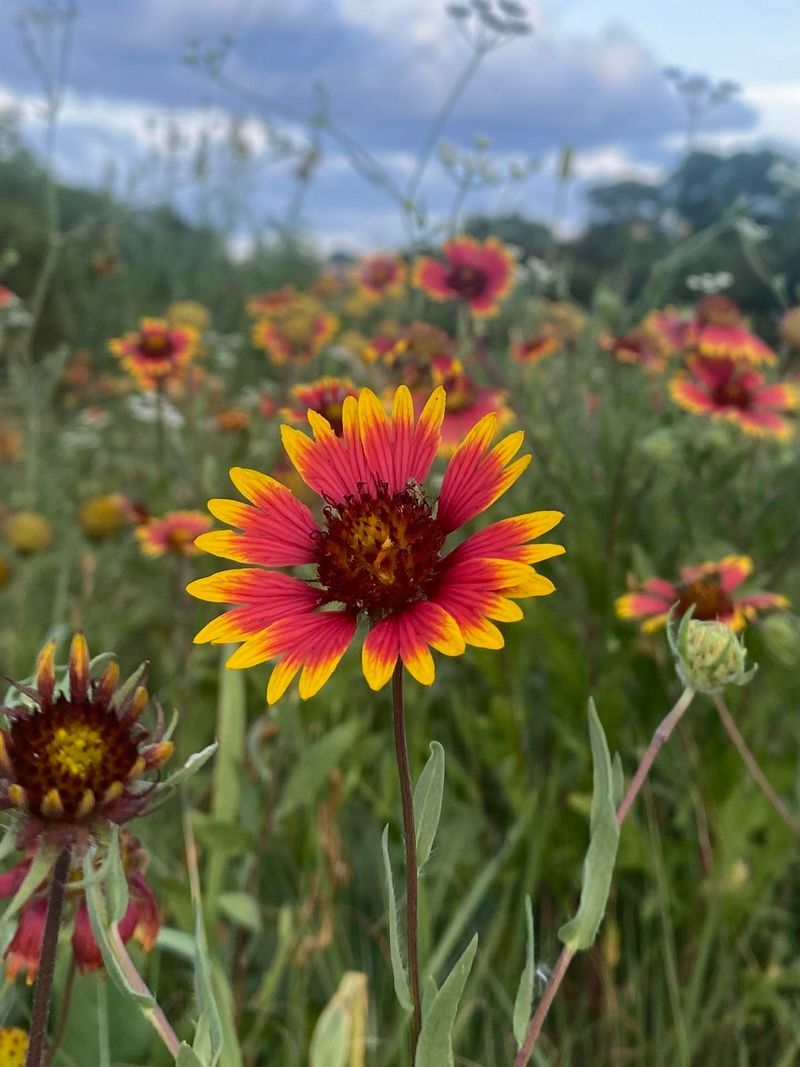
Bold, warm-toned, and almost impossible to overlook, blanket flower earns its place in Texas gardens by blooming heavily from late spring through fall without demanding much in return.
The daisy-shaped blooms feature rich combinations of red, orange, and yellow, often with striking two-tone petals that seem to glow in direct sunlight.
Gaillardia, its botanical name, is native to the central United States and has deep roots in Texas landscapes. It is extremely drought tolerant once established and performs well in sandy or rocky soils with good drainage.
Like blackfoot daisy, it does not appreciate soggy conditions, so planting in well-drained areas or raised beds helps avoid root issues.
Full sun is non-negotiable for blanket flower. Shaded conditions lead to weak, floppy stems and far fewer blooms.
Deadheading spent flowers regularly encourages the plant to keep producing new ones throughout the season, though even without deadheading it tends to rebloom on its own.
Some varieties are short-lived perennials or biennials in Texas, but they self-seed reliably, meaning new plants often fill in naturally.
Pollinators, including bees and butterflies, visit blanket flower frequently. The cheerful, heat-loving nature of this plant makes it a dependable choice for adding long-lasting color to Texas flower beds and borders.
5. Purple Coneflower Supports Pollinators
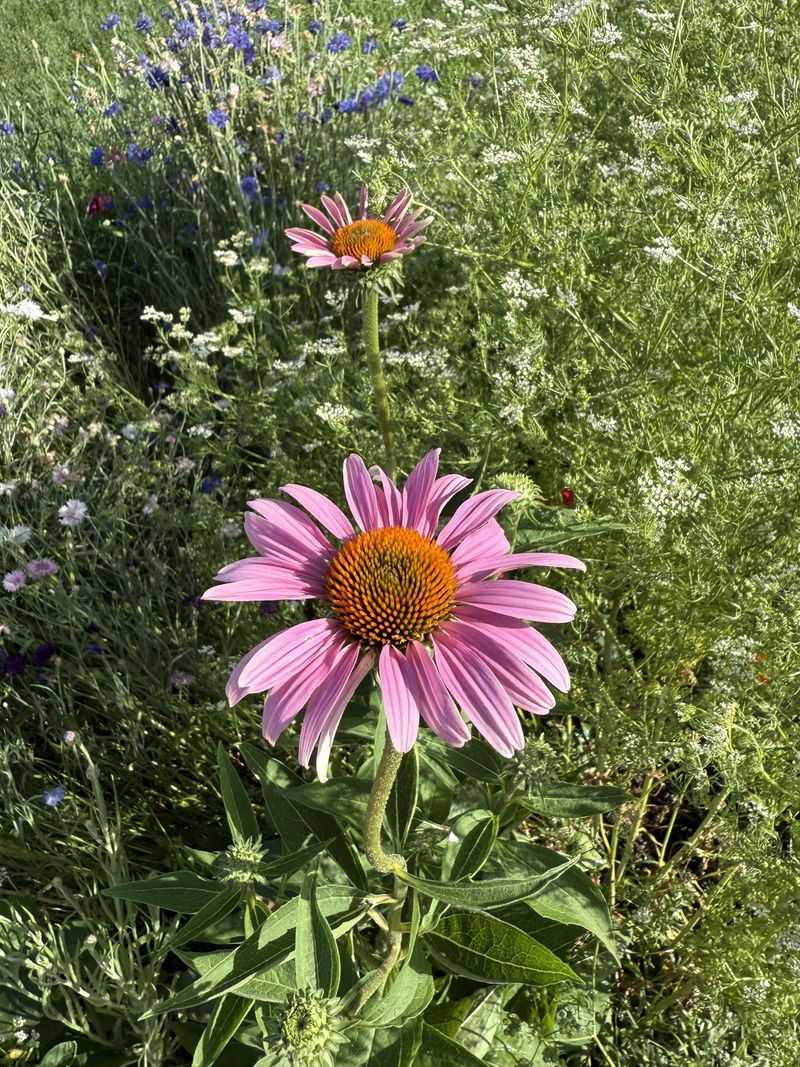
Walk past a patch of purple coneflower on a warm summer morning in Texas and you will likely hear it before you see it, buzzing with bees, hovered over by butterflies, and occasionally visited by goldfinches picking at the seed heads.
Echinacea purpurea is one of the most pollinator-friendly flowers available to Texas gardeners, and it earns that reputation all season long.
Purple coneflower blooms from early summer into fall, producing lavender-pink flowers with distinctive raised, spiky orange-brown centers.
It adapts well to a range of Texas soils, including clay-heavy ground that many drought-tolerant plants cannot handle.
Full sun produces the strongest plants and the most blooms, though light afternoon shade in hotter parts of the state can help reduce stress during peak summer heat.
Once established, purple coneflower is surprisingly drought tolerant, though occasional deep watering during extended dry stretches helps maintain bloom quality.
Deadheading extends the blooming period, but leaving some seed heads intact at the end of the season rewards birds with a natural food source.
Plants spread slowly over time through offsets and self-seeding, gradually filling in a bed without becoming invasive.
For gardeners who want to support local wildlife while enjoying reliable, low-effort blooms through a long Texas growing season, purple coneflower is a genuinely rewarding choice.
6. Mealy Blue Sage Adds Blue Spikes
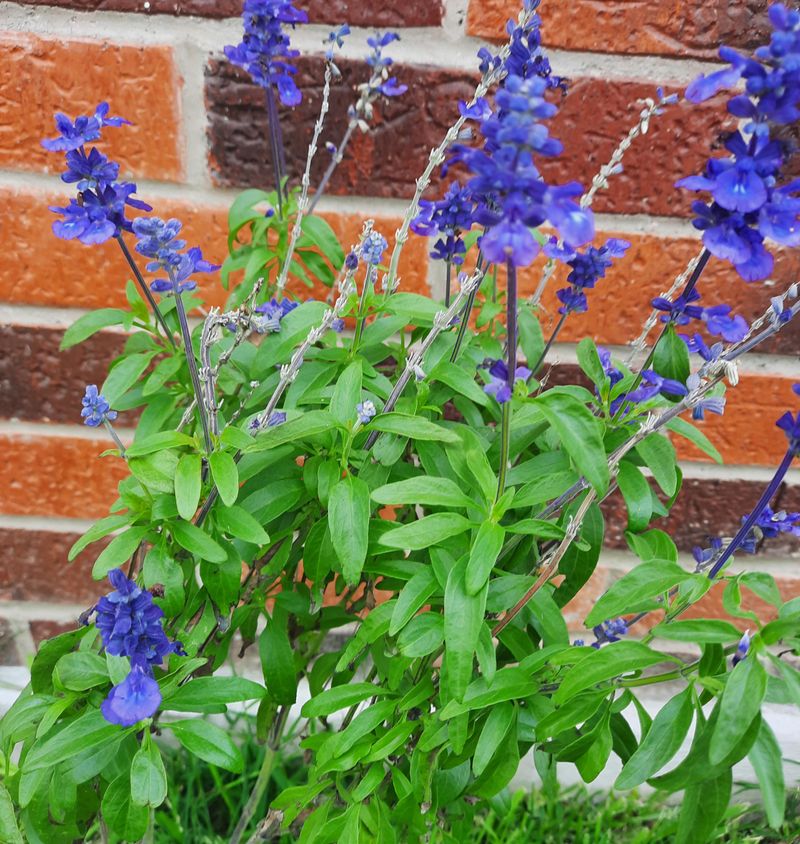
Blue is one of the hardest colors to find in heat-tolerant flowers, which makes mealy blue sage something of a standout in Texas gardens.
Salvia farinacea produces tall, slender spikes covered in small violet-blue blooms from spring through fall, offering a cool visual contrast to the warm reds, oranges, and yellows that dominate summer gardens.
Native to Texas and New Mexico, mealy blue sage is genuinely at home in the state’s hot, dry conditions. It thrives in full sun and handles both drought and heat without much complaint once it has settled in.
Sandy or well-drained loamy soils suit it well, and like most salvias, it does not perform well in waterlogged ground.
Deadheading or shearing back spent spikes encourages the plant to push out fresh bloom stalks, which extends the flowering season well into autumn.
Plants typically reach two to three feet tall, making them useful as mid-border plants or as vertical accents among lower-growing ground covers.
Butterflies and hummingbirds are regular visitors, adding movement and life to the garden. Deer tend to leave mealy blue sage alone, which is a practical benefit in many Texas neighborhoods.
For gardeners searching for reliable blue color in a tough, low-care plant, mealy blue sage delivers season after season.
7. Firebush Blooms Through Summer
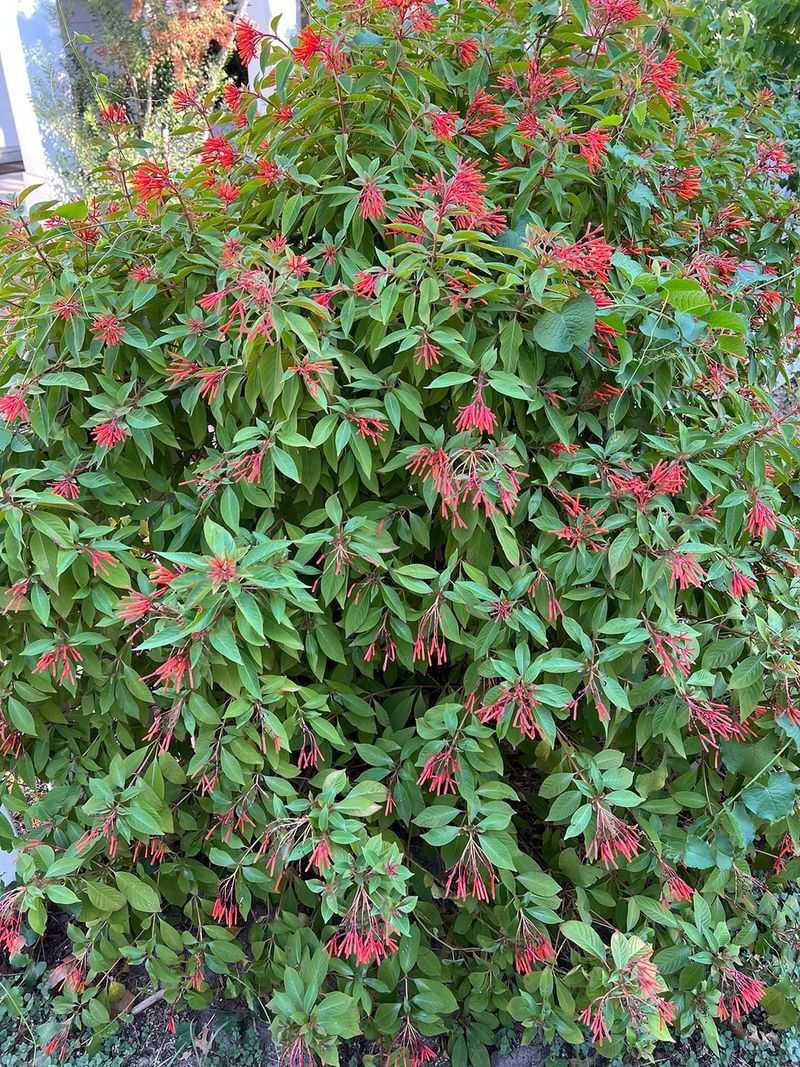
There is something almost tropical about firebush, and in the hottest parts of Texas, that quality is exactly what gardeners want.
Hamelia patens produces clusters of narrow, tubular flowers in vivid shades of orange-red from late spring through fall, and it does so with a vigor that many other flowering shrubs cannot match in prolonged heat.
In South Texas and the Gulf Coast region, firebush behaves as a woody perennial, dying back to the roots in colder winters but returning reliably in spring. In Central Texas, it may need some winter protection or be grown as a large annual.
Either way, it grows quickly and fills space with lush foliage and nearly non-stop blooms throughout the warm season.
Full sun brings out the best in firebush, though it tolerates partial shade reasonably well. Moderate watering during establishment is helpful, but once rooted, firebush handles dry periods without significant stress.
The tubular flowers are a hummingbird magnet, and butterflies and bees also visit regularly. Firebush can grow quite large, sometimes reaching six feet or more, so giving it room to spread pays off.
Pruning in early spring encourages compact, bushy growth and sets the stage for a full season of intense color in Texas landscapes.
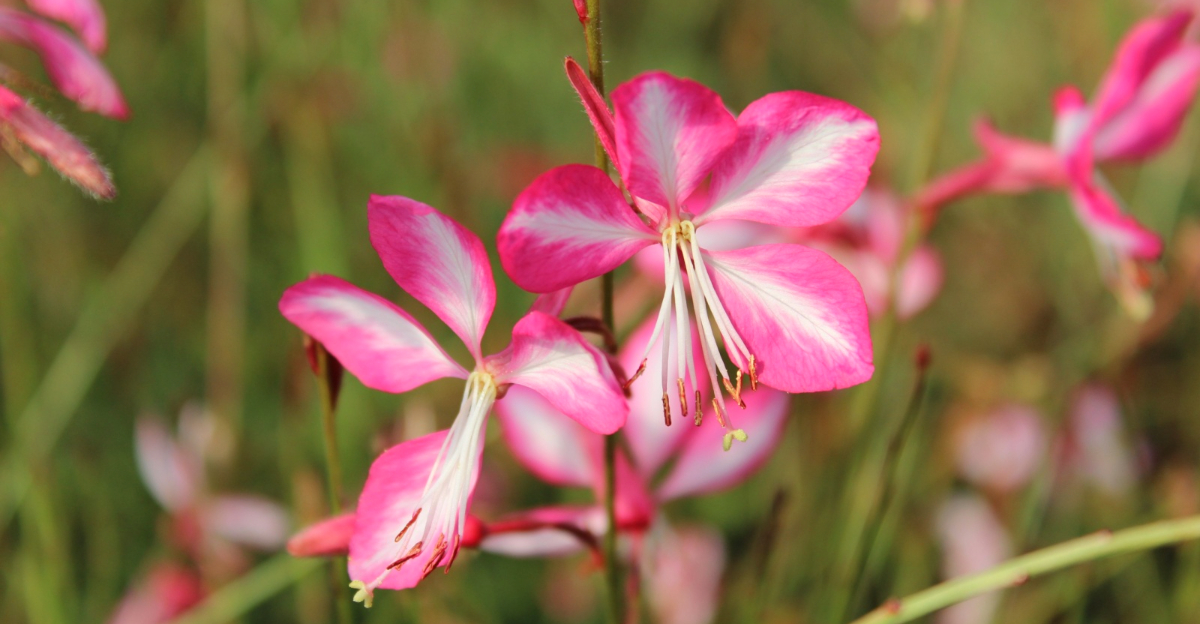
8. Gaura Creates Airy Blooms
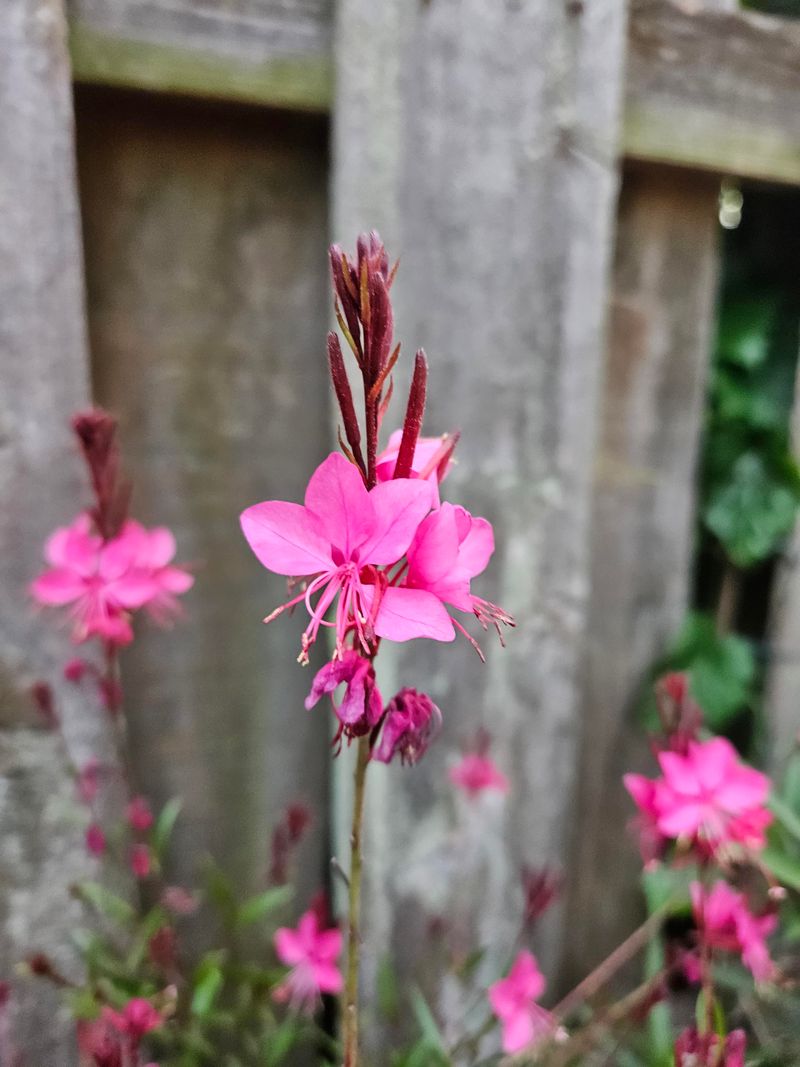
On a breezy Texas afternoon, gaura looks like a cloud of tiny butterflies hovering over a garden bed.
The slender, wiry stems carry small white or pink blooms that flutter with the slightest movement of air, giving the plant an airy, graceful quality that contrasts beautifully with bolder, denser flowering plants nearby.
Gaura lindheimeri, also called wand flower or whirling butterflies, is native to Texas and Louisiana, so it comes by its heat tolerance honestly.
It blooms from spring through fall, with peak performance during the warm months when many other plants slow down.
Full sun and well-drained soil are its main requirements, and once established, it is impressively drought tolerant.
Heavy clay soils that hold moisture can cause root rot, so amending the planting area or choosing a naturally well-drained spot is worth the effort.
Cutting stems back by about half mid-season rejuvenates the plant and encourages a strong flush of new blooms heading into fall.
Gaura tends to self-seed moderately, so new plants often appear nearby without any effort. The blooms attract butterflies and small native bees.
For gardeners who want movement, lightness, and long-season color without a heavy maintenance routine, gaura brings a quiet elegance to Texas flower beds that few other plants can replicate.