The 9 Rat-Repelling Flowers Texas Gardeners Are Planting Now
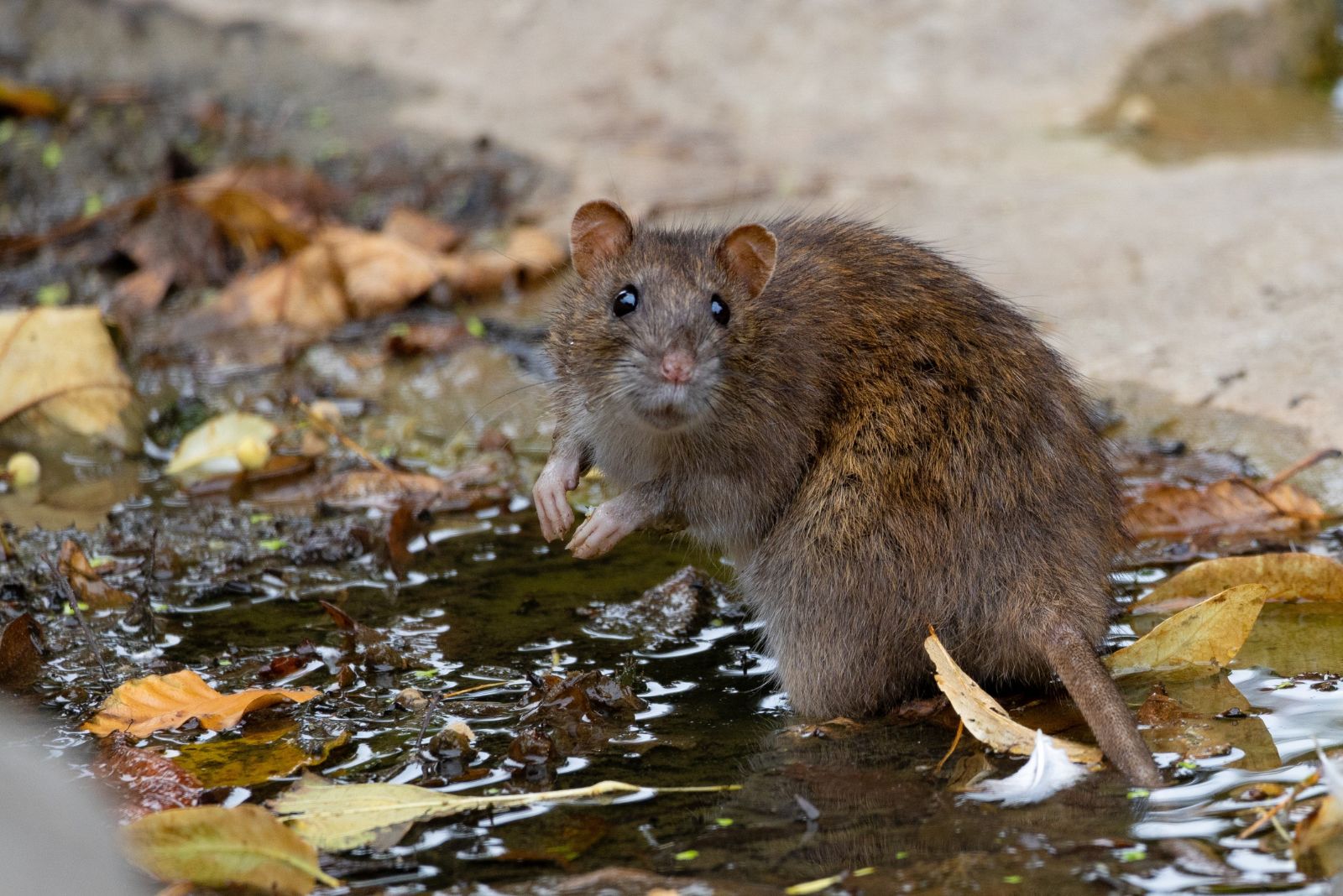
Nobody wants to step into the yard and wonder what has been sneaking around at night. Rats are the kind of garden problem that can make any outdoor space feel less inviting, especially when they start digging, chewing, or hanging around near beds and borders.
That is part of the reason more Texas gardeners are paying attention to plants that do more than just look pretty. When a flower can add color and help make the yard less appealing to pests, it gets people interested fast.
In Texas, that matters even more because gardens work hard year-round. You want plants that can handle the heat, brighten up the landscape, and bring a little practical value at the same time.
Certain flowers are believed to help discourage rats with their strong scent or overall presence, which makes them an appealing choice for gardeners who want beauty with a purpose.
It is an easy idea to like. Instead of treating your flower beds as decoration only, you can turn them into part of a smarter plan for a more enjoyable Texas garden.
1. Marigolds
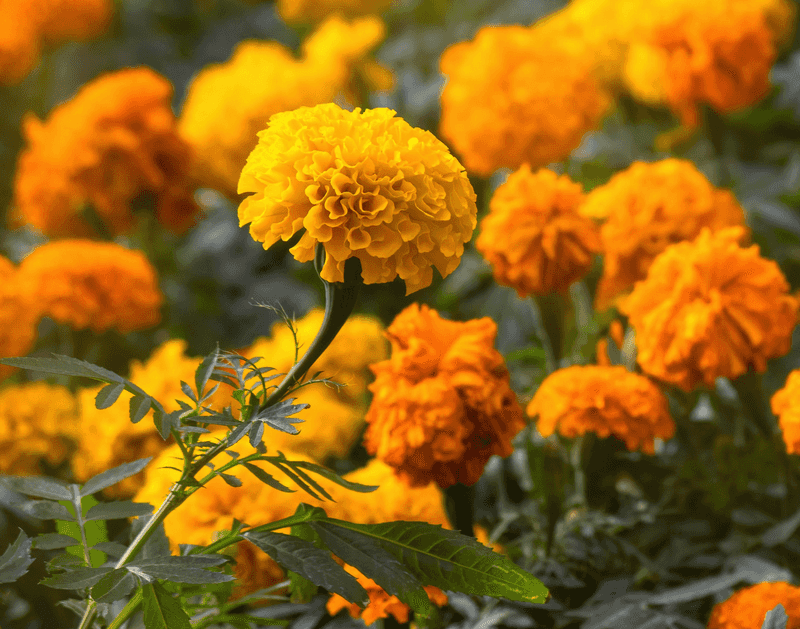
Few flowers pack as much punch as the marigold. These bold, bright blooms are practically a Texas garden staple, and for good reason.
Their strong, pungent scent is something most pests absolutely cannot tolerate, including rats.
Marigolds release a sharp chemical odor from their roots and petals that overwhelms a rodent’s sensitive nose. Planting them along garden borders, near entry points, or around vegetable beds creates a natural scent barrier.
Rats tend to turn around and go elsewhere when they catch a whiff. Beyond pest control, marigolds are incredibly tough. They thrive in Texas heat without much fuss, needing only full sun and occasional watering.
They bloom from spring all the way through fall, giving your garden months of colorful protection.
You can find marigold seeds or transplants at nearly every Texas nursery or garden center. Plant them in rows or clusters for the best effect.
The more you plant, the stronger the scent barrier becomes. Marigolds are also great companion plants for tomatoes and peppers, helping protect your food crops while looking absolutely stunning. They are low-maintenance, affordable, and genuinely effective.
2. Alliums (Ornamental Onions)
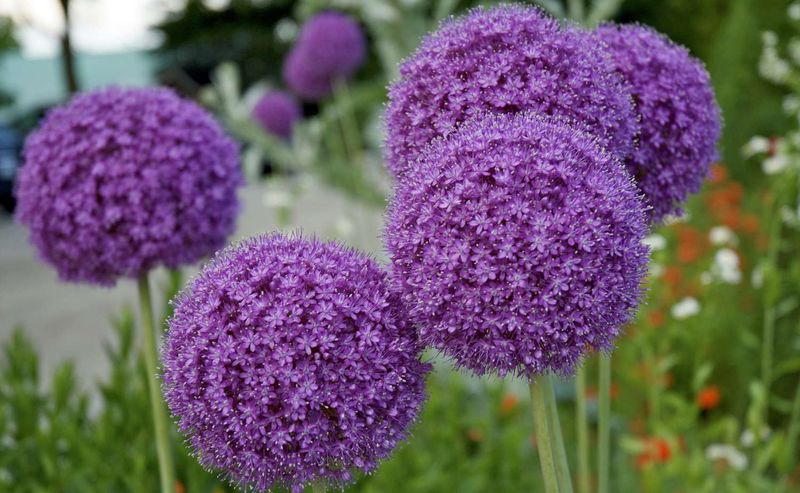
Ornamental onions, or alliums, are one of those flowers that stop people in their tracks. Their perfectly round, globe-shaped blooms in shades of purple, white, and pink look almost too cool to be real.
But beyond their striking appearance, alliums have a secret weapon against rats. The strong onion-like smell these plants produce is deeply unpleasant to rodents. Rats rely heavily on their sense of smell to explore and find food.
When alliums fill the air with that sharp, sulfur-rich scent, rodents quickly decide your Texas garden is not worth the trouble.
Alliums are perennials in many Texas regions, meaning they come back year after year with very little effort on your part. Plant the bulbs in fall for beautiful spring blooms.
They prefer well-drained soil and full sun, conditions that are easy to meet across much of the Lone Star State.
Your Texas Garden Changes Every Week. Your Plan Should Too.
Gardening in Texas changes quickly throughout the season. Every Friday you’ll receive a simple weekly plan showing exactly what to plant, prune, fertilize, harvest, and protect so you never miss the right timing.
Planting alliums near vegetable patches or along garden edges gives you both visual impact and natural pest protection. They also attract pollinators like bees and butterflies, making your garden a livelier, healthier place overall.
Alliums are a smart, stylish, and surprisingly powerful choice for any Texas gardener serious about keeping rats away.
3. Lavender
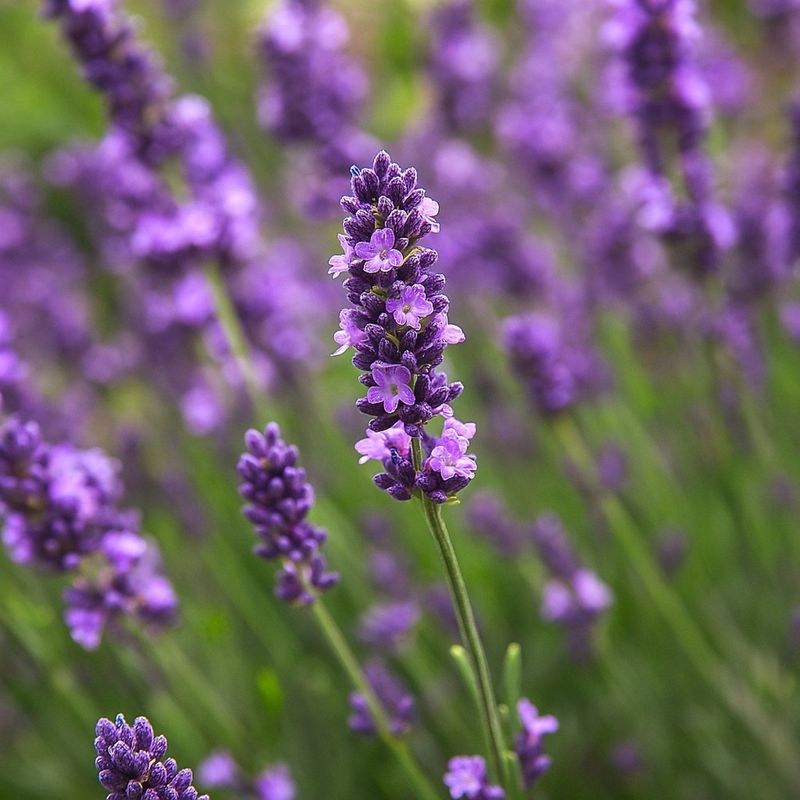
Walk past a lavender plant and you instantly feel calm. Humans adore its soft, sweet fragrance, but rats?
They want nothing to do with it. Lavender produces strong aromatic oils that overwhelm a rodent’s sensitive nose, making it one of nature’s most pleasant pest deterrents.
The key to growing lavender successfully in Texas is choosing the right spot. It needs full sun and well-drained soil, since soggy roots are its biggest enemy.
Once established, lavender is surprisingly drought-tolerant, which makes it a perfect match for the hot, dry conditions found across much of the state.
Plant lavender near doorways, along walkways, or around your garden’s perimeter to create a fragrant barrier that rats prefer to avoid. The more plants you cluster together, the stronger the scent becomes.
Spanish lavender varieties tend to perform especially well in the Texas climate and bloom for extended periods.
Beyond keeping rats away, lavender attracts bees, butterflies, and other beneficial pollinators that help your entire garden thrive. It also looks gorgeous with its tall purple spikes swaying in a warm breeze.
Lavender is truly a multi-purpose plant that earns its place in any Texas yard, offering beauty, fragrance, and natural protection all at once.
4. Chrysanthemums
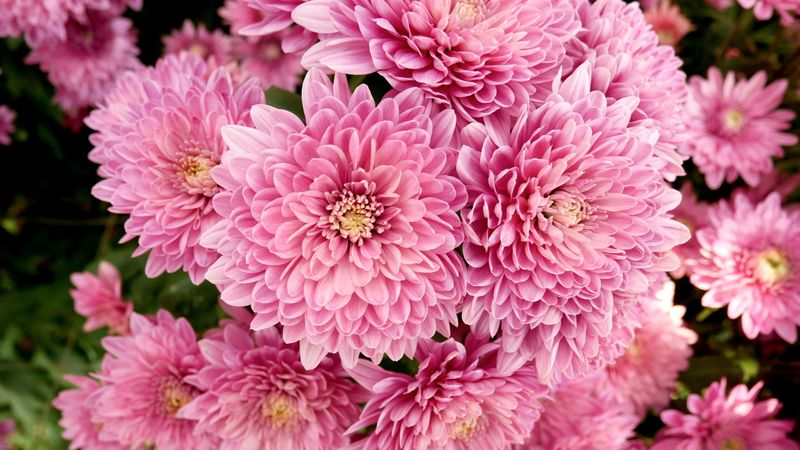
Chrysanthemums, or mums as most gardeners call them, are more powerful than they look. Behind those cheerful, layered petals lies a natural compound called pyrethrin, which is actually used in many commercial insect and pest repellents.
Rats and other unwanted visitors tend to steer clear of gardens where mums are growing. Pyrethrin affects the nervous systems of many pests, making chrysanthemums one of the most scientifically backed flowers on this list.
Texas gardeners have long used mums as companion plants alongside vegetables and herbs, and the pest-repelling benefit is a huge bonus on top of their visual appeal.
Chrysanthemums grow well in Texas during the cooler months of fall and spring. They prefer full sun to partial shade and regular watering.
With proper care, they reward you with an explosion of color that brightens up any yard or garden space.
Place them near entry points to your home, around vegetable beds, or along fences where rats might try to sneak through. Combining mums with other repellent flowers on this list can make your Texas garden even more resistant to rodent activity.
They are easy to find at local nurseries, come in dozens of colors, and are an all-around excellent choice for natural, beautiful pest management.
5. Lantana
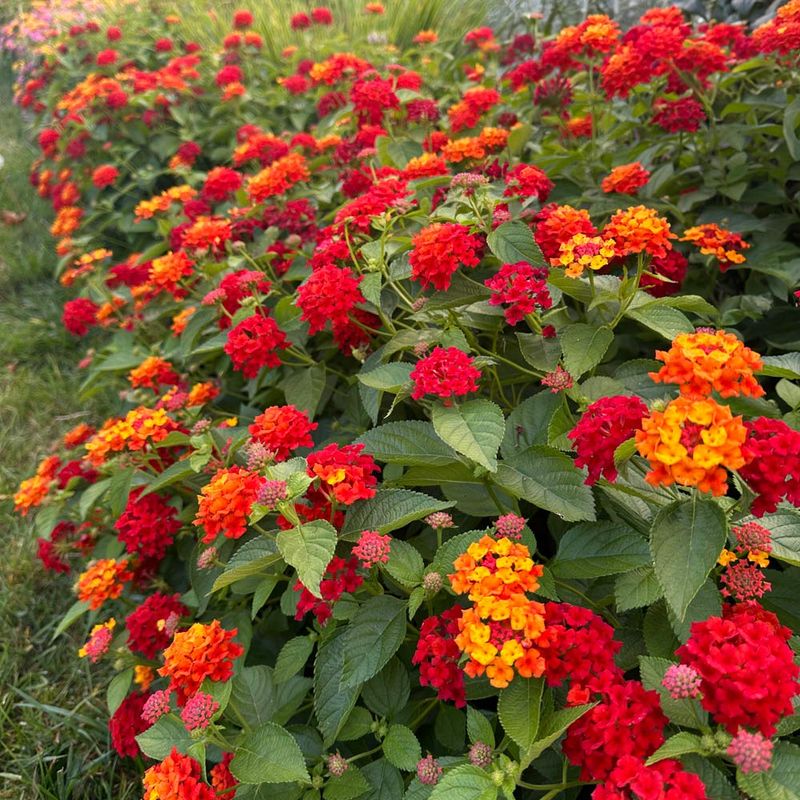
Lantana is basically built for Texas. This tough, heat-loving plant thrives in conditions that would stress most other flowers, making it a favorite across the Lone Star State.
But here is something many gardeners do not realize: its powerful, resinous scent is something rats find deeply unappealing.
The strong fragrance that lantana releases, especially on hot days, helps make outdoor areas less attractive to rodents.
While it is primarily loved for drawing in butterflies and hummingbirds, its pest-deterring properties are a welcome bonus for any Texas homeowner dealing with rat concerns around their property.
Lantana is drought-tolerant and can handle Texas summers without much extra watering once established.
It spreads quickly, making it great for filling large garden spaces along fences, borders, or slopes. Plant it in full sun for the best growth and most vibrant blooms.
One important note: lantana berries are toxic to pets and small children, so keep that in mind when choosing where to plant it. When placed thoughtfully, though, lantana offers a colorful, resilient, and naturally protective addition to your yard.
Its combination of toughness, beauty, and rodent-unfriendly scent makes it one of the most practical flowering plants any Texas gardener can add to their outdoor space.
6. Geraniums (Scented Types)
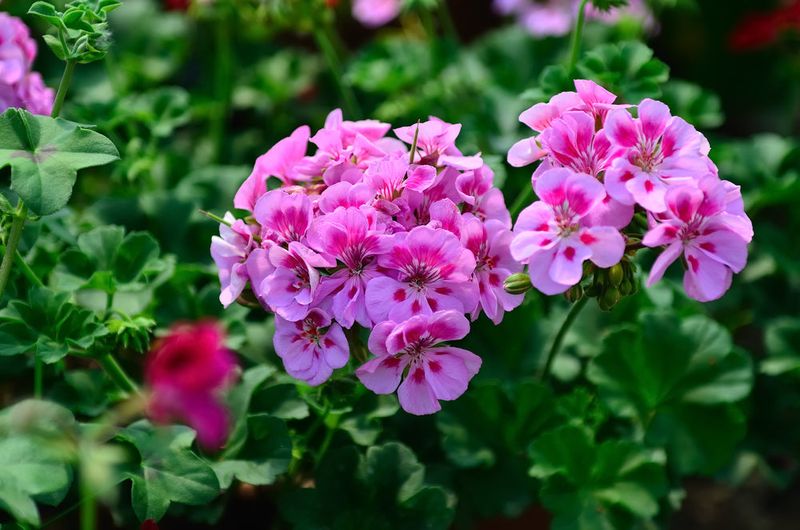
Not all geraniums are created equal. While standard geraniums are lovely, it is the scented varieties that Texas gardeners should reach for when rat prevention is the goal.
Scented geraniums release strong aromatic oils from their leaves that can discourage rodents and even some insects from hanging around.
Rose-scented, citrus-scented, and peppermint-scented geraniums are among the most effective options. The oils in their leaves are potent enough to confuse and repel pests that rely on their sense of smell to navigate.
Simply brushing against the leaves releases a burst of fragrance that makes the surrounding area less inviting to rats.
Scented geraniums grow well in Texas with full sun and well-drained soil. They do best in containers or raised beds where drainage is easy to manage.
During the hottest Texas summers, a bit of afternoon shade can help them stay healthy and keep producing their protective oils.
Place potted scented geraniums near doorways, patios, windows, and garage entries to create a fragrant buffer zone around your home. They are also charming enough to display indoors near windows.
With their varied scents and pretty blooms, scented geraniums offer a stylish, natural, and genuinely useful way to keep rats from feeling welcome anywhere near your Texas property.
7. Daffodils
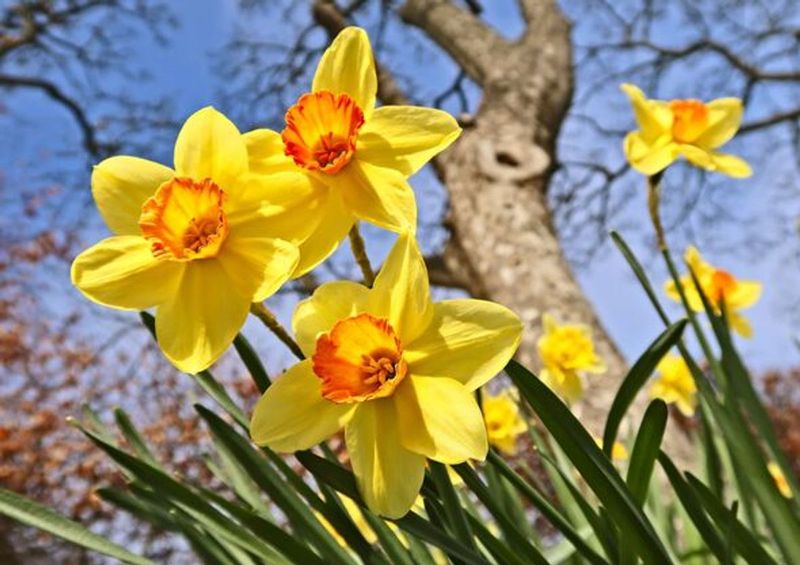
Daffodils look cheerful and innocent, but they carry a serious secret. Every part of the daffodil plant contains a compound called lycorine, which is highly toxic to rats and other rodents.
Rats instinctively avoid these flowers, making daffodils one of the most effective natural deterrents you can plant in a Texas garden.
Unlike many repellent plants that work through scent alone, daffodils provide a physical deterrent. Rodents seem to sense the danger and choose to stay away.
Planting daffodil bulbs around the perimeter of your yard or garden creates a natural protective border that rats are very reluctant to cross.
Daffodils bloom in late winter to early spring across Texas, which is actually a great time to establish that barrier before warmer months bring increased rodent activity. They prefer well-drained soil and full to partial sun.
Once planted, bulbs multiply on their own over time, strengthening your garden’s defenses year after year.
Mix daffodils with other flowering plants for a garden that looks beautiful and works hard. They come in dozens of varieties, from tiny miniatures to large showy blooms, giving you plenty of creative options.
For Texas gardeners wanting reliable, low-maintenance, and genuinely powerful rat protection, daffodils are absolutely worth adding to your planting plan this season.
8. Bee Balm (Monarda)
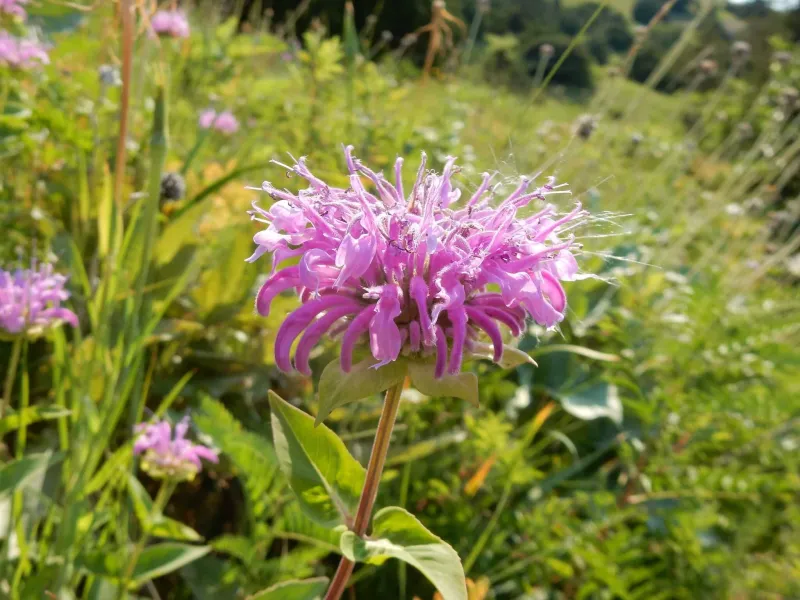
Bee balm has a reputation for being a pollinator magnet, and that reputation is well earned. Bees, butterflies, and hummingbirds flock to its wild, spiky blooms.
But what many Texas gardeners are now discovering is that bee balm’s strong, minty-herbal aroma is something rats and other unwanted pests find very off-putting.
The aromatic oils in bee balm’s leaves and flowers are intense and distinctive. For a rat navigating by scent, a patch of bee balm sends a clear signal to move along.
Planting it around the edges of your garden or near compost areas, which often attract rodents, can help keep those spaces less appealing.
Bee balm grows well in Texas with regular watering and partial to full sun. It spreads steadily over time, forming fuller clumps that become even more fragrant as the plant matures.
Pruning it back after flowering encourages fresh growth and keeps the plant looking tidy through the season.
Beyond its pest-deterring qualities, bee balm adds a wildflower charm to any yard that is hard to replicate with other plants. Its vivid red, pink, and purple blooms light up garden beds from summer into early fall.
For a Texas gardener who wants beauty, biodiversity, and natural rodent protection all in one plant, bee balm truly delivers on every level.
9. Salvia (Ornamental Sage)
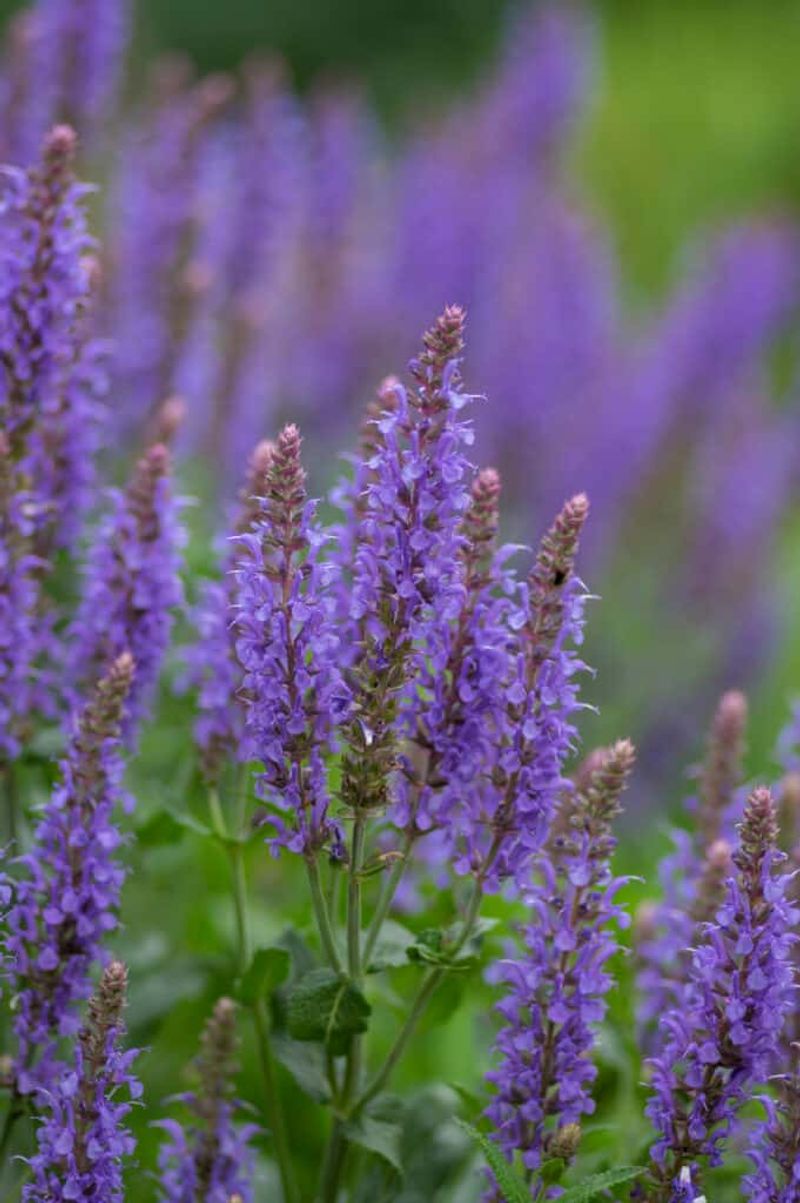
Salvia is a Texas gardener’s best friend, and it has been for a long time. This tough, heat-tolerant plant thrives in the intense Texas sun with very little fuss.
What makes it even more valuable is the strong, earthy, herbal scent its leaves produce, a smell that many pests, including rats, strongly prefer to avoid.
Ornamental sage releases aromatic oils that make the surrounding air less inviting to rodents. The scent is pleasant to most people but functions almost like a natural warning signal to rats.
Planting salvia along walkways, near the foundation of your home, or throughout garden beds helps create a scent-rich environment that discourages rodent activity.
Salvia comes in a huge range of varieties suited to Texas conditions. Texas Sage, Salvia greggii, and Salvia farinacea are all popular options that handle heat and drought like champions.
Most varieties produce stunning spikes of blue, purple, red, or white flowers that bloom for months, adding serious visual appeal alongside their protective benefits.
Maintenance is minimal. Trim spent flower stalks to encourage reblooming, water occasionally once established, and let the Texas sun do the rest.
Salvia also attracts hummingbirds and bees, making your garden a lively, healthy ecosystem. For natural rat deterrence combined with stunning good looks, ornamental sage is a top-tier choice for any Texas yard.