10 Vegetables Pennsylvania Gardeners Should Plant In April
April tends to feel like a turning point in Pennsylvania gardens. After months of frozen ground, the soil begins to loosen, and suddenly planting feels possible again.
Cool days, crisp nights, and the chance of a late frost are still part of the picture, but many vegetables actually respond well to these conditions.
Early planting gives crops time to establish before summer heat speeds things up too quickly.
Across Pennsylvania, gardeners who take advantage of this window often see stronger growth and earlier harvests, especially with vegetables that prefer a slower, cooler start to the season.
1. Lettuce Grows Fast In Cool Spring Weather
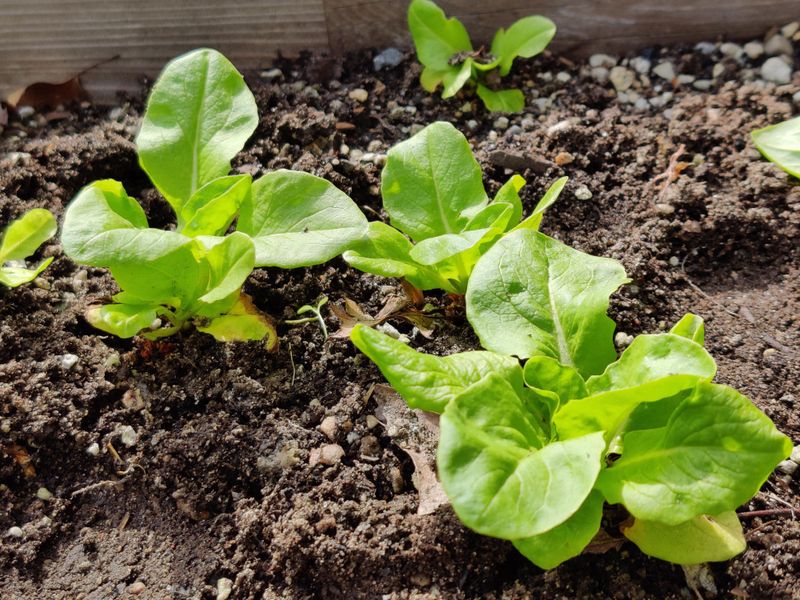
Few things feel more rewarding than cutting your first salad greens straight from the garden, and April in Pennsylvania is one of the best times to make that happen.
Lettuce is a cool-season crop that genuinely thrives when daytime temperatures stay between 45 and 65 degrees Fahrenheit.
When soil temperatures reach around 40 degrees, lettuce seeds can germinate and grow steadily without much fuss.
April conditions across much of Pennsylvania hit that sweet spot well. You can direct sow lettuce seeds about a quarter inch deep in loose, well-draining soil with plenty of organic matter mixed in.
Loose-leaf varieties tend to mature faster than head types, often ready to harvest in as little as 30 to 45 days after sowing.
Spacing rows about 12 to 18 inches apart gives plants enough airflow to reduce moisture-related issues. Keep the soil consistently moist but not waterlogged, since lettuce has shallow roots that dry out quickly.
If a late frost threatens, a lightweight row cover can protect young seedlings overnight.
Succession planting every two weeks extends your harvest window well into late spring before summer temperatures cause the plants to bolt and turn bitter.
2. Spinach Loves Early Spring Soil
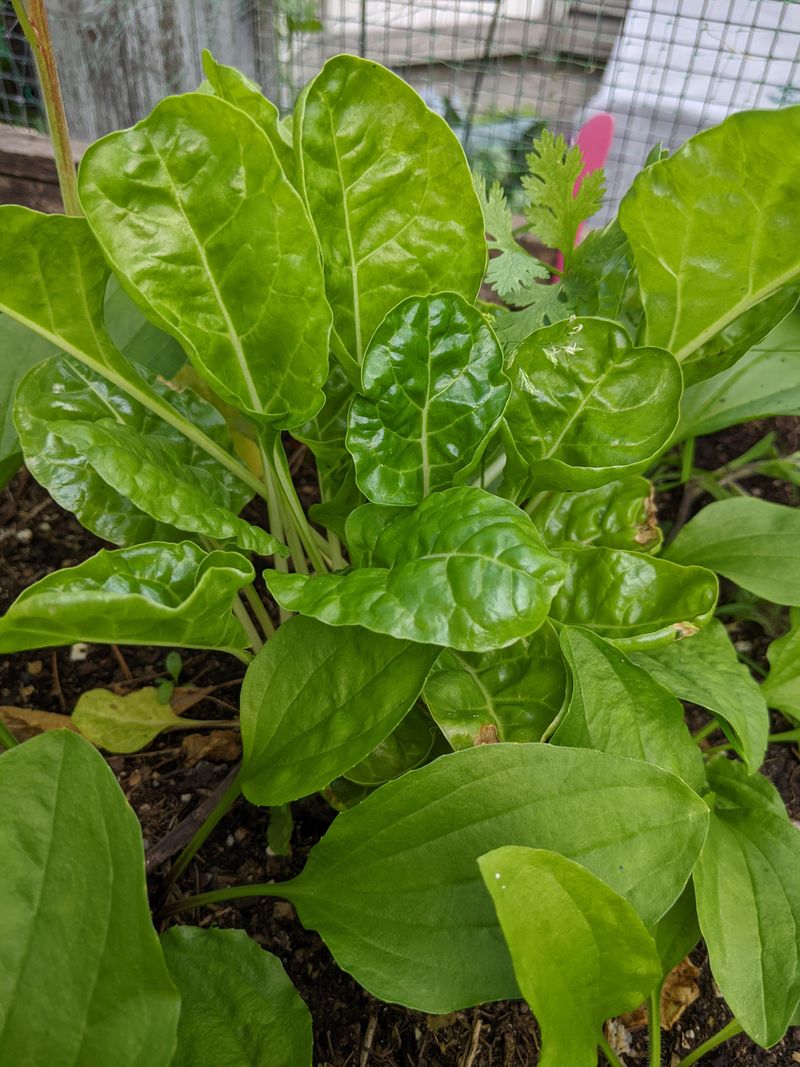
Cool, damp soil and crisp spring mornings might not sound ideal to everyone, but spinach absolutely loves those conditions.
In Pennsylvania, April offers exactly the kind of environment where spinach can establish strong roots and produce tender, flavorful leaves before summer heat pushes it past its prime.
Soil temperatures as low as 35 degrees Fahrenheit are enough for spinach seeds to germinate, making early April planting a smart move.
Direct sowing is the most common approach. Sow seeds about half an inch deep and roughly two inches apart in rows spaced 12 inches apart.
Thinning seedlings to about four to six inches apart once they emerge helps each plant develop more fully.
Spinach prefers slightly alkaline soil with a pH around 6.5 to 7.0, so adding a bit of lime to acidic Pennsylvania soils can improve results noticeably.
One thing many gardeners appreciate about spinach is how quickly it matures. Many varieties are ready to harvest in 37 to 50 days.
Picking outer leaves regularly encourages the plant to keep producing new growth.
Keeping the soil evenly moist and providing some afternoon shade as temperatures climb in late spring can extend your harvest window by several weeks.
3. Kale Handles Cold And Keeps Producing
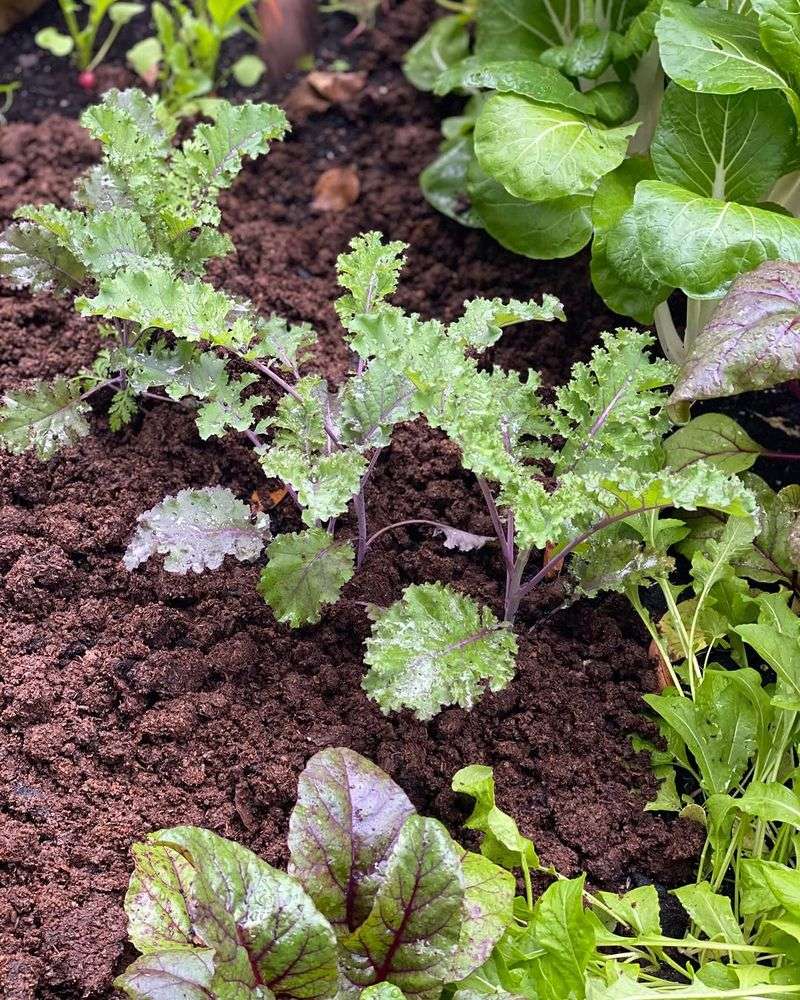
Among the toughest leafy greens a Pennsylvania gardener can grow in spring, kale stands out for its ability to shrug off cold snaps that would set back more tender crops.
Your Pennsylvania Garden Changes Every Week. Your Plan Should Too.
Gardening in Pennsylvania changes quickly throughout the season. Every Friday you’ll receive a simple weekly plan showing exactly what to plant, prune, fertilize, harvest, and protect so you never miss the right timing.
Established kale plants can handle temperatures down to around 20 degrees Fahrenheit, and a light frost can actually improve the flavor by converting starches into sugars, giving leaves a slightly sweeter taste.
April is an excellent time to either transplant kale seedlings started indoors or direct sow seeds outdoors in Pennsylvania. Seeds germinate well in soil temperatures between 45 and 85 degrees Fahrenheit.
Space transplants about 18 to 24 inches apart to give each plant room to spread as it matures. Kale thrives in fertile, well-drained soil enriched with compost before planting.
Varieties like lacinato, also called dinosaur kale, and dwarf blue curled are popular choices that perform well across Pennsylvania’s varied growing regions.
Regular harvesting of outer leaves keeps plants productive and prevents them from becoming too woody.
Kale can continue producing well into early summer and even survive into fall if replanted in late summer. For spring gardens, it provides reliable, nutritious greens over a long stretch of the cool growing season.
4. Radishes Grow Quickly In Spring Beds
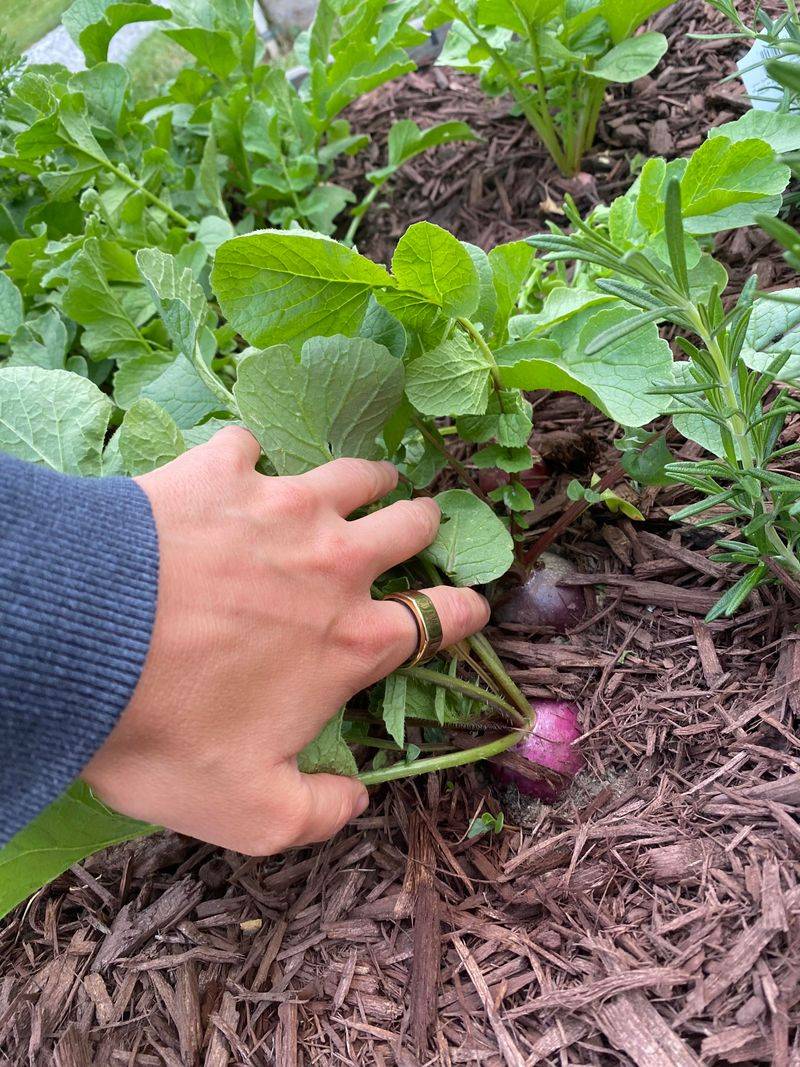
If you are looking for one of the fastest payoffs in the spring garden, radishes deliver in a big way.
Some varieties go from seed to harvest in as little as 22 to 30 days, making them one of the quickest vegetables you can grow in Pennsylvania’s April garden beds.
That rapid turnaround makes radishes especially satisfying for newer gardeners who want to see results without a long wait.
Direct sowing is the standard method, since radishes do not transplant well. Sow seeds about half an inch deep and one inch apart in rows spaced about six inches apart.
As seedlings emerge, thin them to about two inches apart to give roots room to swell properly.
Crowded plants tend to produce more leaf than root, which is a common frustration that simple thinning can prevent.
Radishes prefer loose, well-drained soil that has been worked to a depth of at least six inches. Rocky or compacted soil causes roots to fork or become misshapen.
Cool April temperatures across Pennsylvania keep radishes growing steadily without bolting. Cherry Belle and French Breakfast are two reliable varieties well suited for spring sowing.
Succession planting every week or two keeps a steady supply coming throughout the cool spring season.
5. Carrots Do Best When Started Early
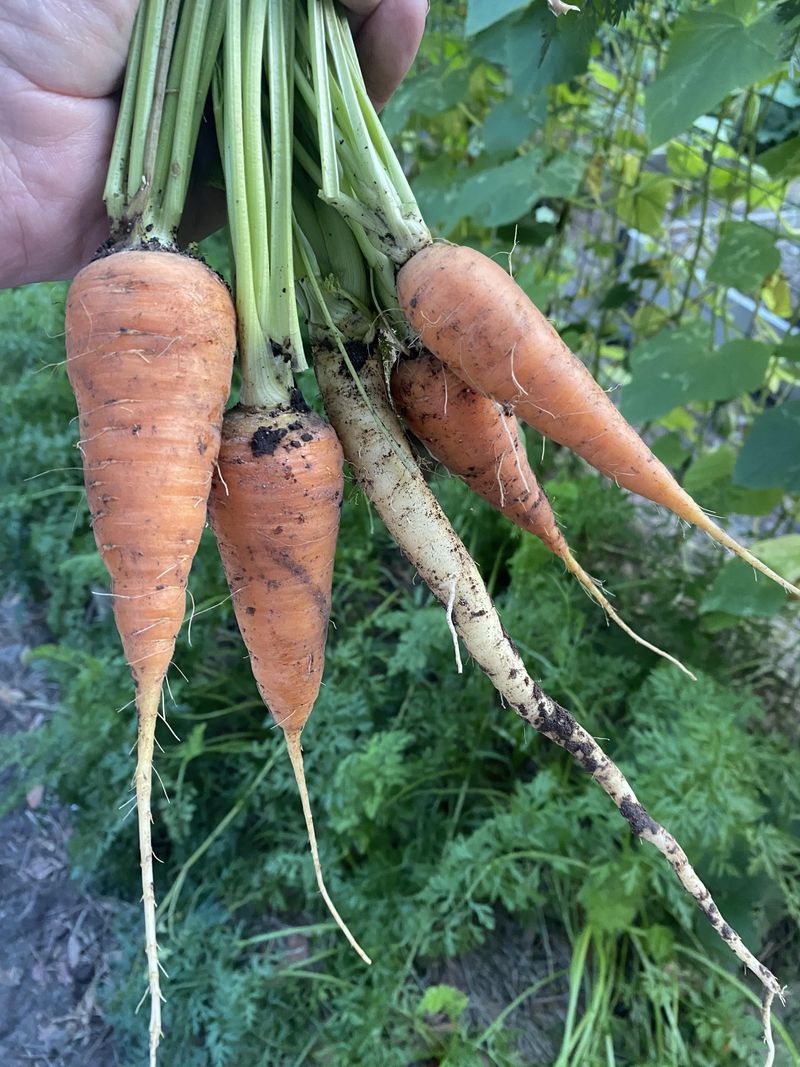
Getting carrots into the ground early in April gives them time to develop in cool soil before summer warmth arrives and can cause roots to become fibrous or bitter.
In Pennsylvania, soil temperatures around 50 degrees Fahrenheit are enough to support carrot germination, though sprouting can take two to three weeks, so patience is part of the deal with this crop.
Carrots need loose, deep, stone-free soil to develop straight, smooth roots.
Raised beds or deeply tilled garden rows work well across Pennsylvania, where native soils can be heavy with clay in many regions.
Work the soil to a depth of at least 12 inches and mix in compost to improve drainage and structure.
Sow seeds about a quarter inch deep and two inches apart, thinning later to three to four inches apart once seedlings reach about two inches tall.
Keeping the seedbed consistently moist during germination is one of the more important steps, since carrot seeds are small and shallow and can dry out quickly.
Covering the row with a thin layer of vermiculite or burlap until sprouts emerge helps retain moisture.
Nantes and Danvers types tend to perform well in Pennsylvania’s spring conditions and are worth considering when choosing a variety.
6. Beets Grow Well In Cool Conditions
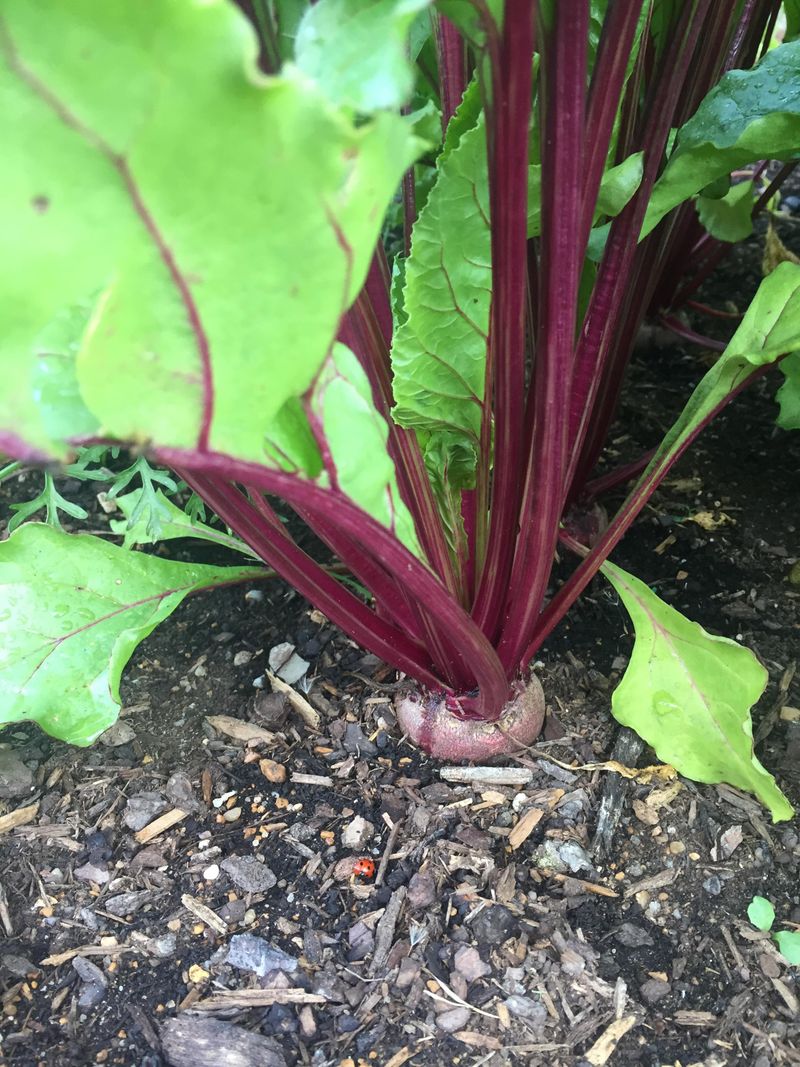
Early spring in Pennsylvania creates some of the most favorable conditions beets will see all year. Beets thrive when soil temperatures hover between 50 and 65 degrees Fahrenheit, and they can tolerate light frosts without much trouble.
That combination makes April an ideal window for getting beet seeds into the ground across most of the state.
What many gardeners find interesting about beets is that what looks like a single seed is actually a small cluster of seeds, which means thinning is almost always necessary.
Sow seeds about half an inch deep and one inch apart, then thin seedlings to three to four inches apart once they reach two inches tall.
The thinned seedlings are edible and make a flavorful addition to salads, so nothing goes to waste.
Beets grow best in loose, well-drained soil with a pH between 6.0 and 7.0. Adding compost before planting improves soil structure and provides nutrients that support both root and leaf development.
Both the roots and the greens are edible, which makes beets a particularly productive choice for small garden spaces.
Bull’s Blood and Detroit Dark Red are popular varieties that adapt well to Pennsylvania spring planting and produce reliable, flavorful harvests within 55 to 70 days.
7. Peas Thrive In Mild Spring Temperatures
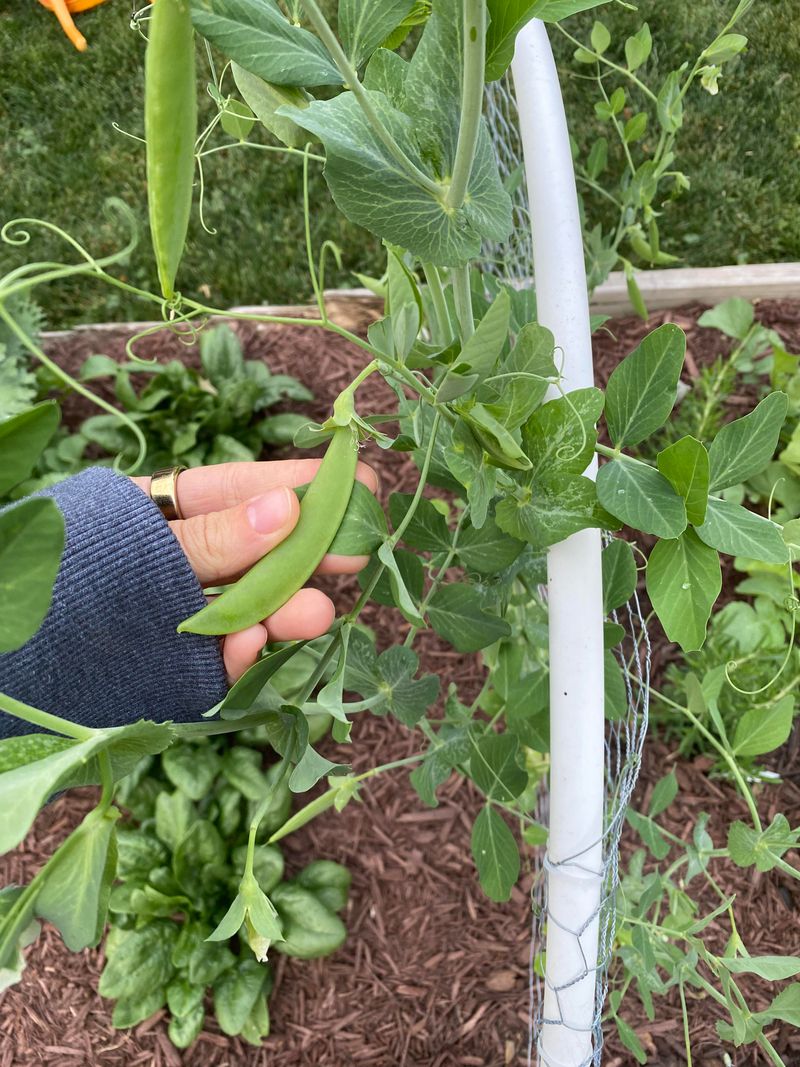
Cool mornings, mild afternoons, and soil that has just shed its winter chill – that describes Pennsylvania in April almost perfectly, and it also happens to describe what peas love most.
Peas are a classic cool-season crop that performs at its best when temperatures stay between 45 and 65 degrees Fahrenheit.
Planting too late, once summer heat sets in, causes plants to struggle and produce poorly.
April is the sweet spot for direct sowing peas across most of Pennsylvania. Sow seeds about one inch deep and two inches apart in rows spaced 18 to 24 inches apart.
Most climbing varieties benefit from a trellis or wire support installed at planting time, before vines start reaching upward. Bush types need less support but still appreciate some loose staking as they fill out.
Peas fix nitrogen in the soil through their root systems, which is a bonus for garden health over the long run. They prefer well-drained soil with a pH between 6.0 and 7.5.
Consistent moisture during flowering and pod development is especially helpful for a strong yield.
Sugar snap and snow pea varieties are popular in Pennsylvania gardens and tend to produce generous harvests when planted during the cool window that April reliably provides across the region.
8. Onions Get Established In Cool Weather
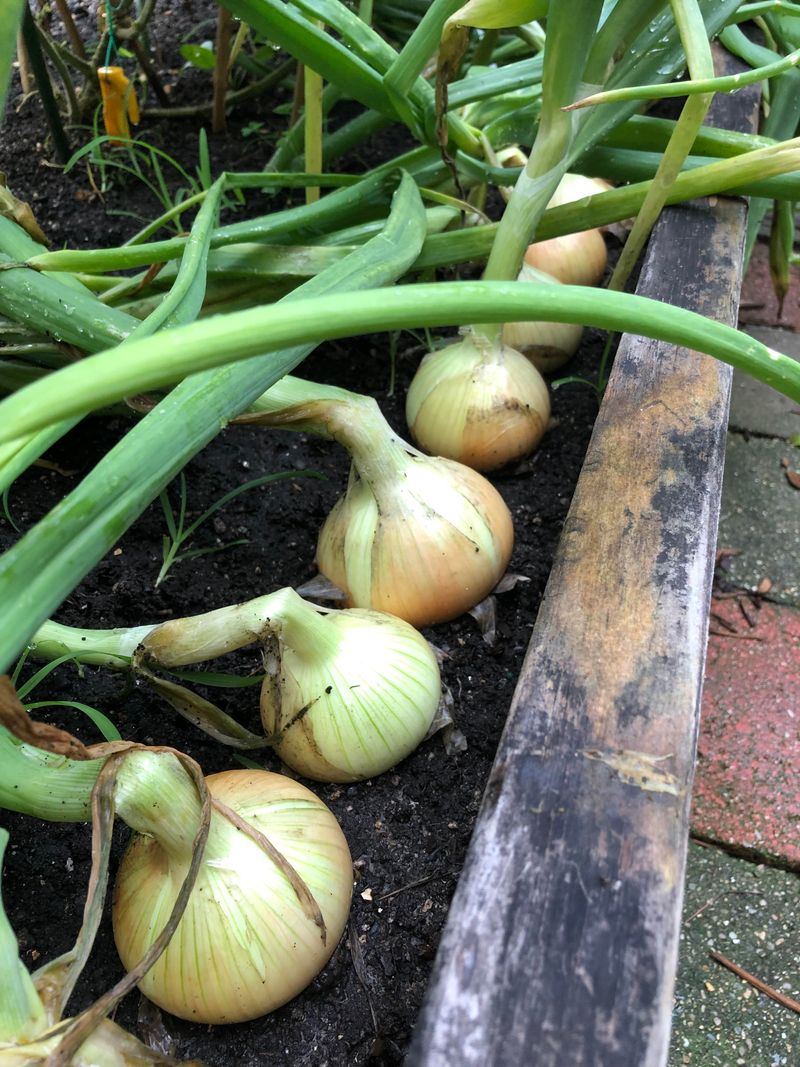
Planting onions in April takes advantage of one of their most useful traits – they are remarkably tolerant of cool soil and light frost.
In Pennsylvania, where spring temperatures can swing between warm afternoons and near-freezing nights well into April, onions hold their own without much protection.
That cold hardiness makes them one of the more reliable early-season crops to establish before summer arrives.
Onion sets, which are small bulbs started the previous season, are the most common planting method for Pennsylvania home gardeners. Press sets into prepared soil about one inch deep and four to six inches apart in rows spaced 12 inches apart.
Transplants started indoors from seed are another solid option and can offer a wider variety selection than sets typically provide at garden centers.
Onions need full sun and well-drained soil with a pH between 6.0 and 7.0 to develop properly. Working compost or a balanced fertilizer into the soil before planting supports steady early growth.
Consistent watering during bulb formation in late spring and early summer matters quite a bit for final size.
Walla Walla, Candy, and Patterson are varieties that have shown solid performance in Pennsylvania’s Mid-Atlantic growing conditions and are worth looking for at local nurseries this spring.
9. Potatoes Are Ready For April Planting
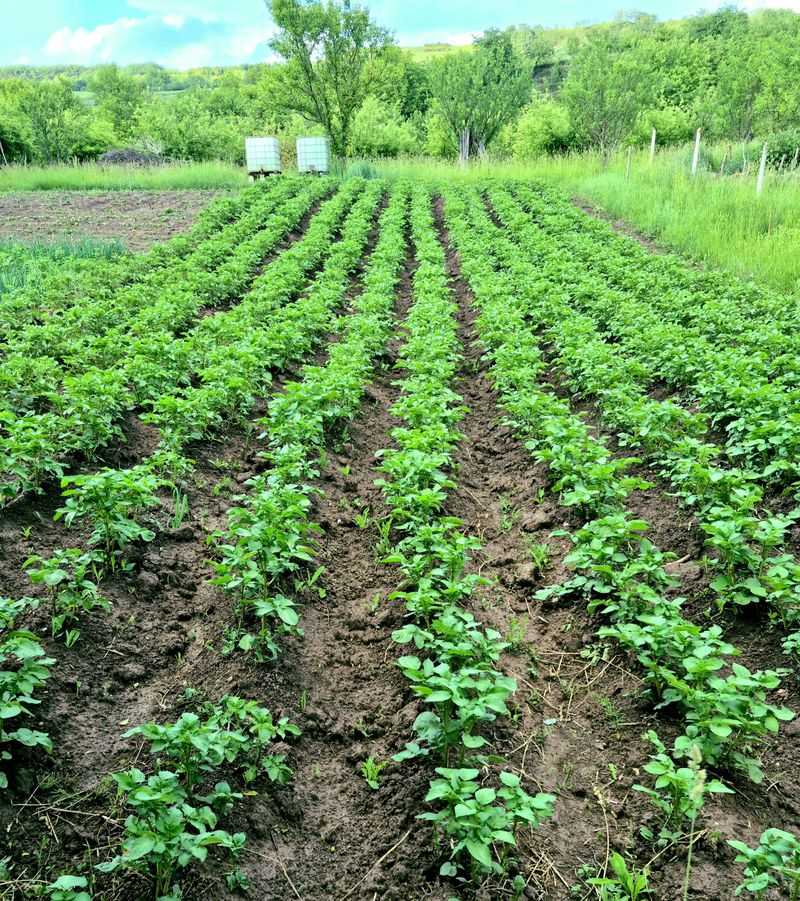
April marks one of the most anticipated planting events in Pennsylvania gardens – putting seed potatoes in the ground.
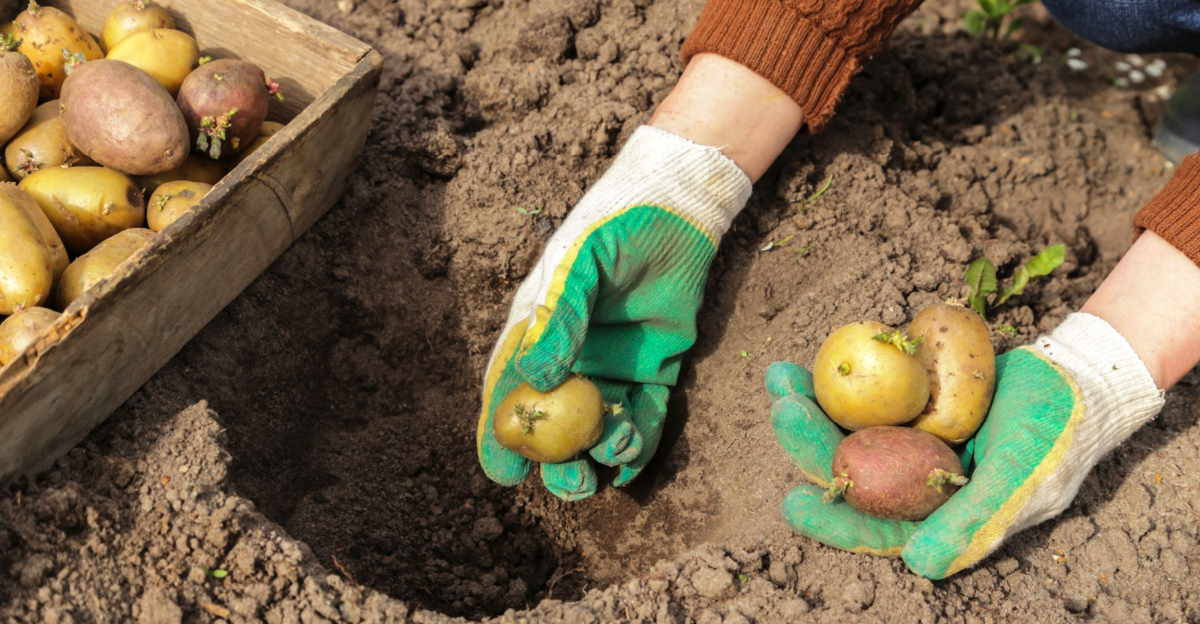
Early varieties can go in at the start of April, while maincrop types are generally planted in mid-April once soil temperatures reach at least 45 degrees Fahrenheit consistently.
Getting timing right makes a noticeable difference in how well the crop establishes and ultimately yields.
Seed potatoes should be cut into pieces with at least two eyes each, then allowed to cure for a day or two before planting. Plant pieces about four inches deep and 12 inches apart in rows spaced 30 to 36 inches apart.
Hilling soil up around the base of stems as plants grow is an important step that protects developing tubers from sunlight, which causes them to turn green and become unpalatable.
Pennsylvania’s cool April soil conditions give potatoes a strong start before summer heat pushes in. Well-drained, loose soil with a slightly acidic pH between 5.0 and 6.0 tends to produce the best results.
Yukon Gold and Kennebec are two varieties that consistently perform well in the state’s growing conditions.
Keeping a close eye on moisture levels during the growing season helps support steady tuber development from planting through harvest in midsummer.
10. Broccoli Transplants Prefer Cooler Conditions
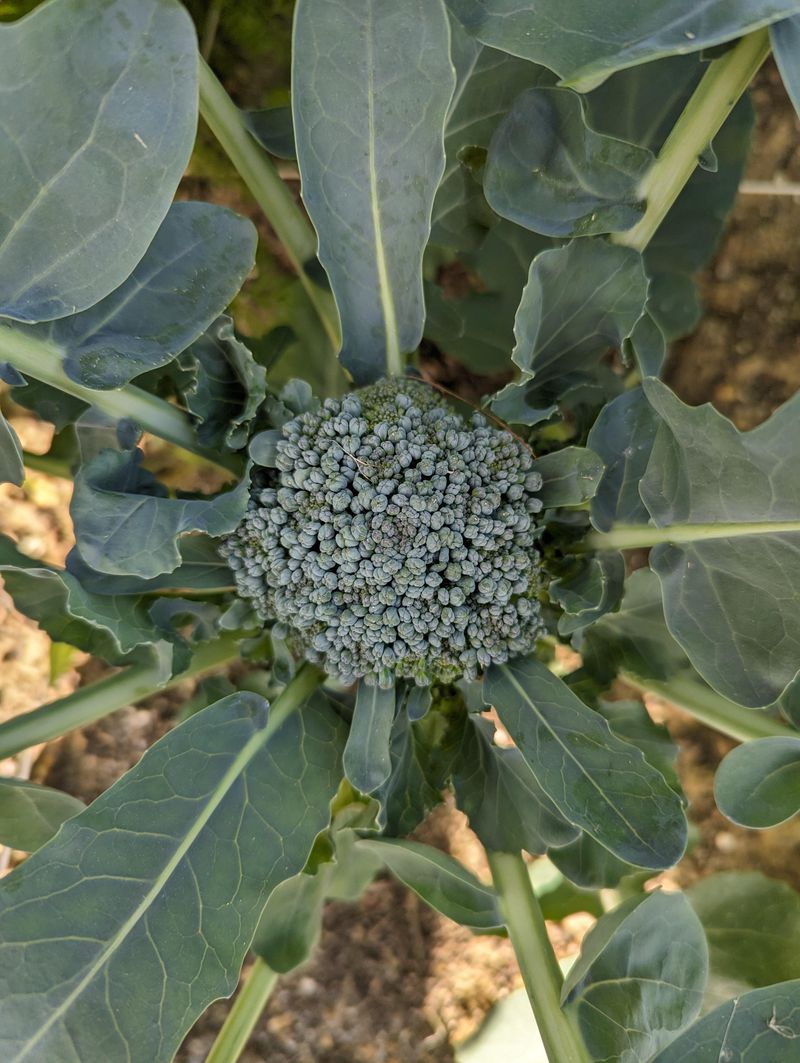
Broccoli is the kind of crop that rewards gardeners who plan ahead.
Starting seeds indoors four to six weeks before transplanting outdoors, which puts transplant time around early to mid-April in Pennsylvania, gives plants a helpful head start.
Transplants should be hardened off for about a week before going into the garden, gradually exposing them to outdoor temperatures and wind.
Set transplants about 18 to 24 inches apart in rows spaced 24 to 36 inches apart.
Broccoli is a heavy feeder, so incorporating compost and a nitrogen-rich fertilizer into the soil before planting supports the leafy, vigorous growth that eventually produces the central head.
Soil pH between 6.0 and 7.0 suits broccoli well, and consistent moisture throughout the growing period keeps plants from becoming stressed.
In Pennsylvania, cool April and May conditions give transplants time to develop steadily before summer arrives.
Once the central head is cut, many varieties produce smaller side shoots that extend the harvest by several weeks.
Calabrese and Belstar are two varieties with reliable track records in Mid-Atlantic spring gardens and are worth seeking out at local garden centers this season.