4 Pennsylvania Perennials You Should Divide Before May End And 3 You Shouldn’t Divide At All
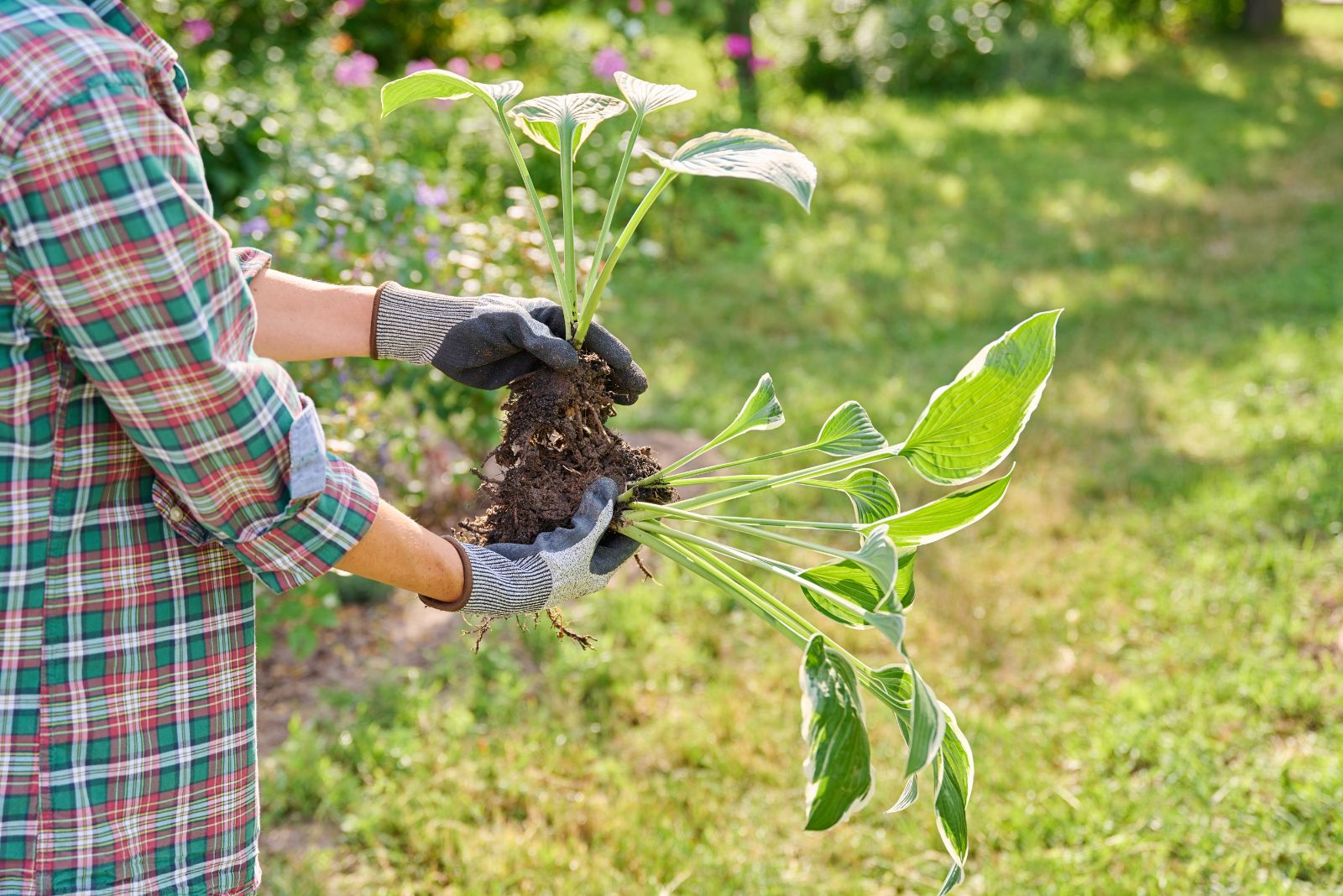
Dividing perennials is one of those garden tasks that sounds straightforward until you’re standing in front of a plant trying to remember whether this is one of the ones you’re supposed to split or one of the ones that will resent you for trying.
The advice online is all over the place, the general rules have enough exceptions to make them unreliable, and making the wrong call can set a plant back by an entire season or more.
May in Pennsylvania is a genuinely important month for perennial division. Some plants are in exactly the right growth stage right now to handle being dug up and separated, and dividing them this month gives the new divisions enough time to establish before summer heat arrives.
Others are in active bloom or at a vulnerable point in their growth cycle where division would cause more harm than good, and a few should simply never be divided at all.
Knowing which category your perennials fall into before you reach for the shovel makes all the difference.
1. Hosta
Few plants are as forgiving and rewarding as hostas, and Pennsylvania gardeners have been counting on them for decades. These leafy perennials thrive in shaded spots under trees, along fences, and beside porches all across the state.
But here is the thing: when hostas get too crowded, their leaves start pushing against each other and the whole clump looks messy and tired.
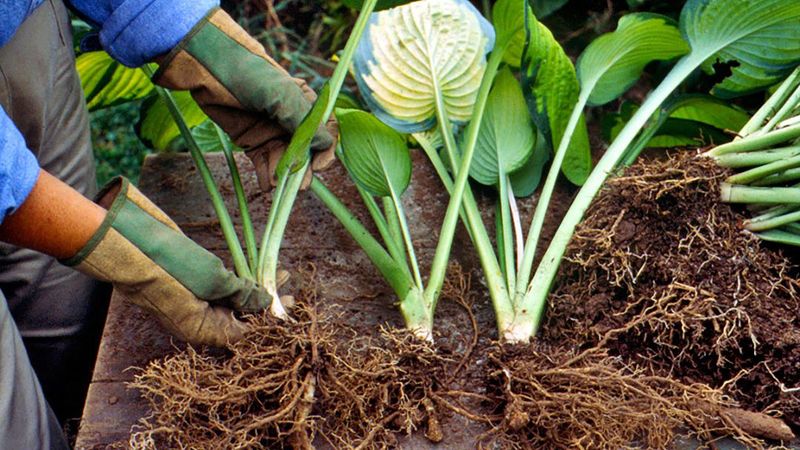
Dividing hostas before the end of May gives each new section plenty of room to spread out. The best time to do it is when the new shoots are just poking up from the ground. At that point, the clumps are easier to dig and the plant bounces back quickly.
Use a sharp spade to slice through the root ball. Each division should have at least two or three “eyes,” which are the small pointed growths that turn into new shoots. Replant them at the same depth they were growing before and water them well.
Hostas divided in late spring will often look almost normal by midsummer. They are incredibly adaptable plants that handle Pennsylvania’s variable spring weather without much complaint.
Gardeners in Harrisburg and Allentown especially love them because they do well even in partially shaded urban yards.
One extra tip: if your hosta clump has a dry center with healthy growth around the edges, that is a sure sign it needs dividing soon. Catching it early makes the whole process easier and keeps your shade garden looking full and vibrant all season.
2. Daylily
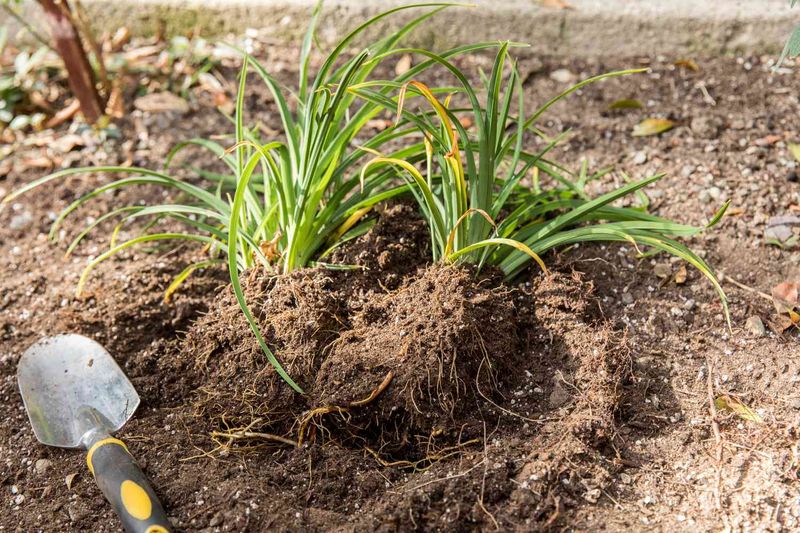
Daylilies are some of the toughest, most cheerful flowers you can grow in Pennsylvania. They line roadsides, fill front yard borders, and brighten up gardens from Erie to Easton every summer.
But daylilies are also enthusiastic spreaders, and after a few years, a single plant can turn into a massive, tangled clump that blooms less and less each season.
Dividing daylilies before May ends gives each new fan-shaped division time to establish strong roots before the summer heat kicks in. A “fan” is the natural growing unit of a daylily, with leaves fanning out from a central base.
Your Pennsylvania Garden Changes Every Week. Your Plan Should Too.
Gardening in Pennsylvania changes quickly throughout the season. Every Friday you’ll receive a simple weekly plan showing exactly what to plant, prune, fertilize, harvest, and protect so you never miss the right timing.
You can split a big clump into dozens of individual fans with a sharp spade or even two garden forks pressed back to back.
Once divided, plant each fan about 18 inches apart. Water them in well and they will take off fast.
Most divided daylilies will still bloom their first season, which makes them one of the most satisfying plants to divide in a Pennsylvania spring garden.
Another benefit of dividing daylilies is that you end up with lots of extra plants. Share them with neighbors, fill in bare spots in your yard, or line a pathway with a row of matching colors.
Gardeners in the Lehigh Valley and Central Pennsylvania have long used daylilies as budget-friendly landscape workhorses.
Healthy divisions also tend to resist pests and handle drought better than overcrowded clumps. Giving them space is one of the simplest ways to get the most out of these cheerful bloomers year after year.
3. Bee Balm
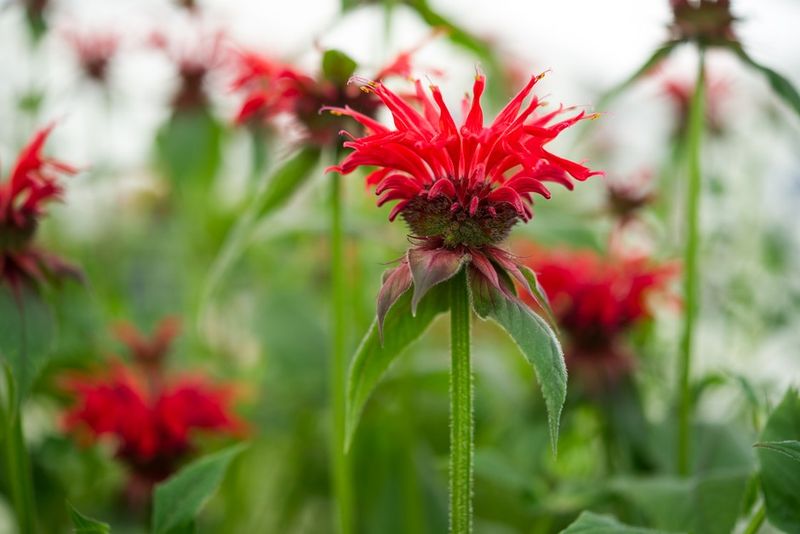
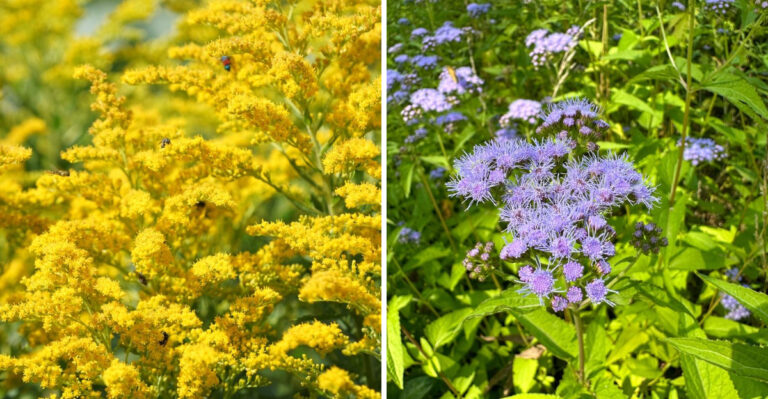
Walk past a healthy bee balm plant in full bloom and you will likely hear it before you see it. The buzzing of bees and hummingbirds hovering around those spiky, colorful flowers is one of the most lively sounds of a Pennsylvania summer garden.
But bee balm has a well-known weakness: it loves to spread and, when it gets too crowded, powdery mildew moves right in.
Dividing bee balm before the end of May is one of the best things you can do to fight that mildew problem. Better air circulation between plants means less moisture sitting on the leaves, and that is exactly what mildew needs to take hold.
Pennsylvania summers can be hot and humid, especially in areas like the Delaware Valley, making mildew a real concern for gardeners.
When dividing, dig up the whole clump and pull apart the younger, outer sections. The center of older clumps tends to get woody and less productive, so toss that part out and replant the fresh outer growth.
Space new divisions at least 18 to 24 inches apart to give air room to move freely. Bee balm also spreads by underground runners, so dividing it every two to three years keeps it from taking over nearby plants.
It is a native plant across much of Pennsylvania and an important food source for pollinators, so keeping it healthy benefits far more than just your garden’s appearance.
After dividing, water regularly until the new plants are settled in. You should see strong new growth within a few weeks, setting you up for a beautiful summer display.
4. Shasta Daisy
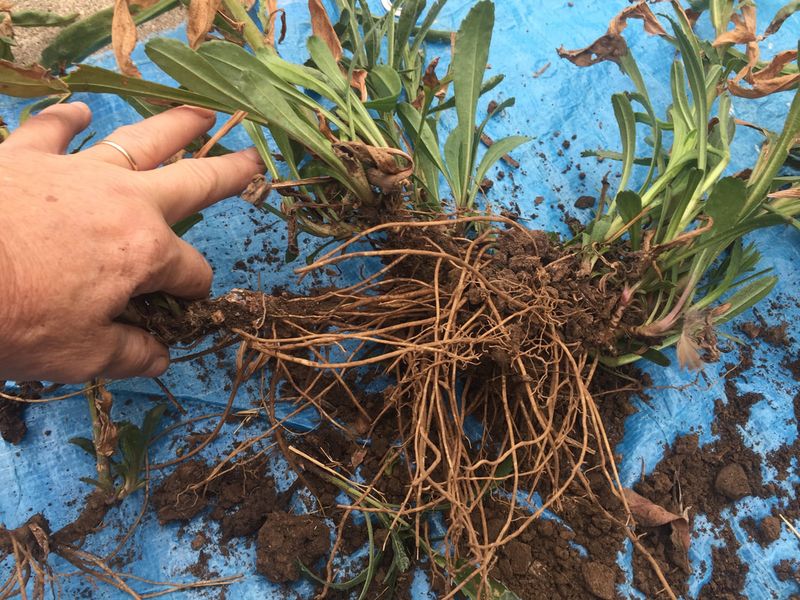
Shasta daisies are classic garden favorites, with their crisp white petals and bright yellow centers brightening up borders all across Pennsylvania from June through August. They look effortless, but after a few years, those cheerful clumps start to show their age.
The center of the plant gets crowded, woody, and produces fewer blooms while the outer edges stay fresh and full of energy.
Dividing Shasta daisies before May ends is the fix for that problem. By splitting up the clump and replanting the healthiest outer sections, you essentially reset the plant.
It gets a fresh start with more room to grow, better access to nutrients in the soil, and stronger flowering power for the coming season.
Dig up the entire clump with a spade and use your hands or a garden fork to separate the outer sections from the tired center.
Each division should have several shoots and a healthy root system. Replant divisions about 12 to 18 inches apart in a sunny spot with well-drained soil.
Pennsylvania gardeners in places like York and Reading often notice that divided Shasta daisies actually bloom better the same year they are split.
That is because the remaining plants are no longer competing as hard for water and nutrients. A little compost mixed into the planting hole gives each division an extra boost.
Shasta daisies also benefit from deadheading throughout the summer to keep blooms coming. Combined with regular division every two to three years, this simple care routine keeps them looking full, bright, and healthy season after season without much fuss.
5. Baptisia
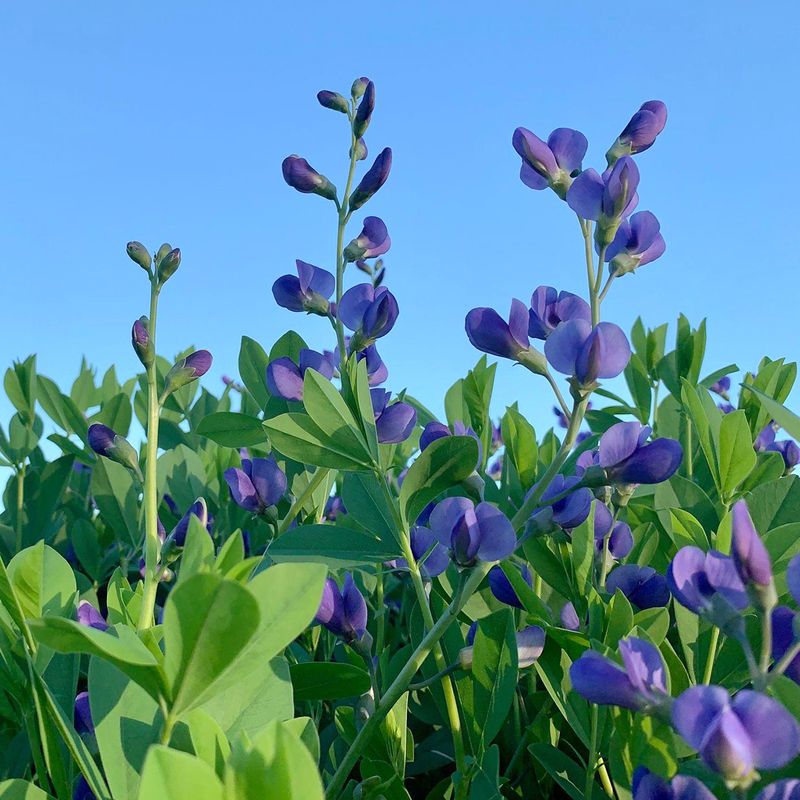
Baptisia, also called wild blue indigo, is one of Pennsylvania’s most beautiful native perennials.
Its tall spikes of blue-purple flowers rise up in late spring like something out of a wildflower meadow, and the whole plant takes on a shrub-like, rounded shape as the season progresses.
Pollinators absolutely love it, and once it is happy in a spot, it is extremely long-lived. Here is the catch: baptisia develops a very deep, thick taproot over the years.
That root system is what makes it so tough and drought-tolerant once established, but it also means the plant really resents being dug up and divided.
Disturbing a mature baptisia can set it back significantly, and it may take several years before it blooms well again.
Most experienced Pennsylvania gardeners simply leave established baptisia alone. If you need more plants, the better option is to grow new ones from seed or purchase young plants from a nursery.
Starting fresh is far less stressful on the plant than attempting to split a mature clump. If you absolutely must move a baptisia, do it only when the plant is very young, ideally in its first or second year before the taproot has gone too deep.
Even then, try to keep as much of the root intact as possible and water the transplant consistently for the rest of the season.
Pennsylvania native plant enthusiasts in areas like Chester County and the Pocono region treasure baptisia for its low-maintenance beauty. The best advice is simply to plant it where you want it and let it grow undisturbed for many years to come.
6. Butterfly Weed
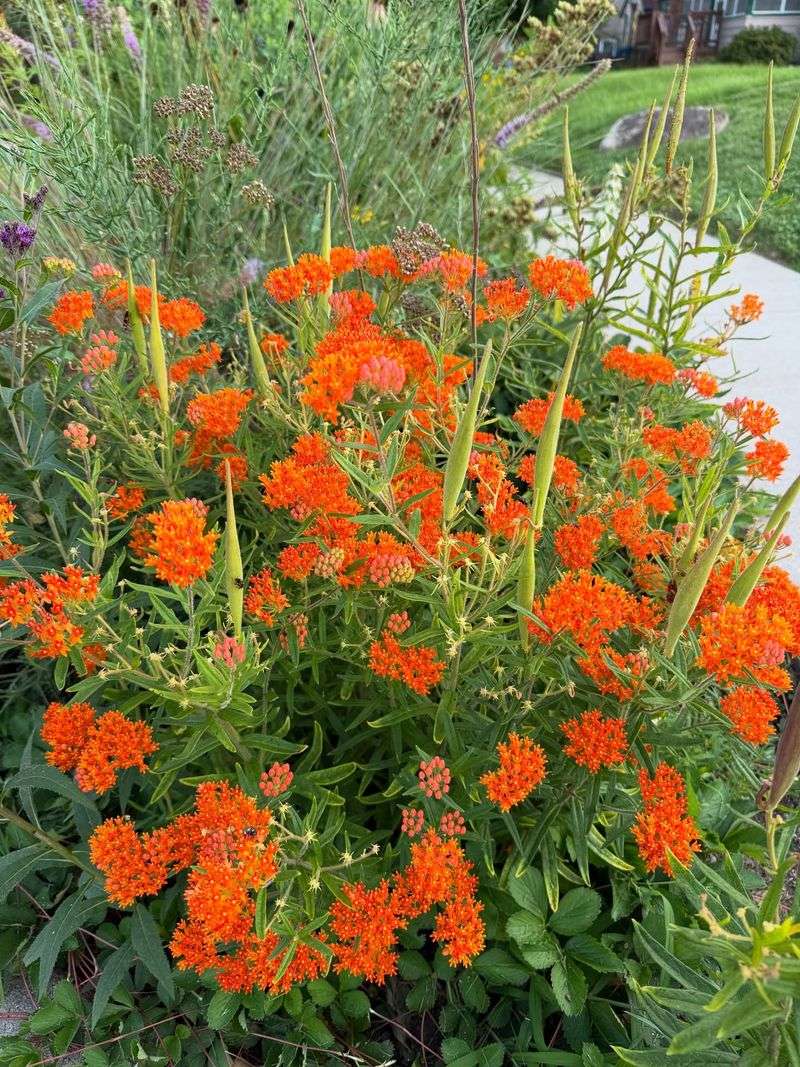
Butterfly weed is one of those plants that earns its place in any Pennsylvania garden almost immediately. Its clusters of vivid orange flowers show up in midsummer and attract monarch butterflies, native bees, and all kinds of other pollinators.
It is a native milkweed species, which makes it especially important for monarch populations that pass through Pennsylvania during their annual migration.
But butterfly weed has a reputation among experienced gardeners for being tricky to move. Like baptisia, it grows a deep, fleshy taproot that stores water and nutrients, which is why it handles dry, rocky soils so well.
That same taproot makes division a risky move that the plant often struggles to recover from.
Gardeners across southeastern Pennsylvania who have tried to split or transplant butterfly weed often report that the divided sections fail to grow back. Even careful digging can damage the taproot enough to weaken the plant severely.
It is simply not a good candidate for the kind of spring division that works so well on hostas or daylilies.
If you want more butterfly weed in your garden, the best approach is to collect seeds in the fall and start new plants from scratch. Seeds germinate fairly easily when given proper cold stratification.
You can also find young plants at native plant sales, which are held at many Pennsylvania nature centers and botanical gardens each spring.
Once established in a sunny, well-drained spot, butterfly weed is wonderfully low-maintenance. Leave it alone, enjoy the monarchs it brings in, and let it do what it does best without any interference from a garden spade.
7. Peony
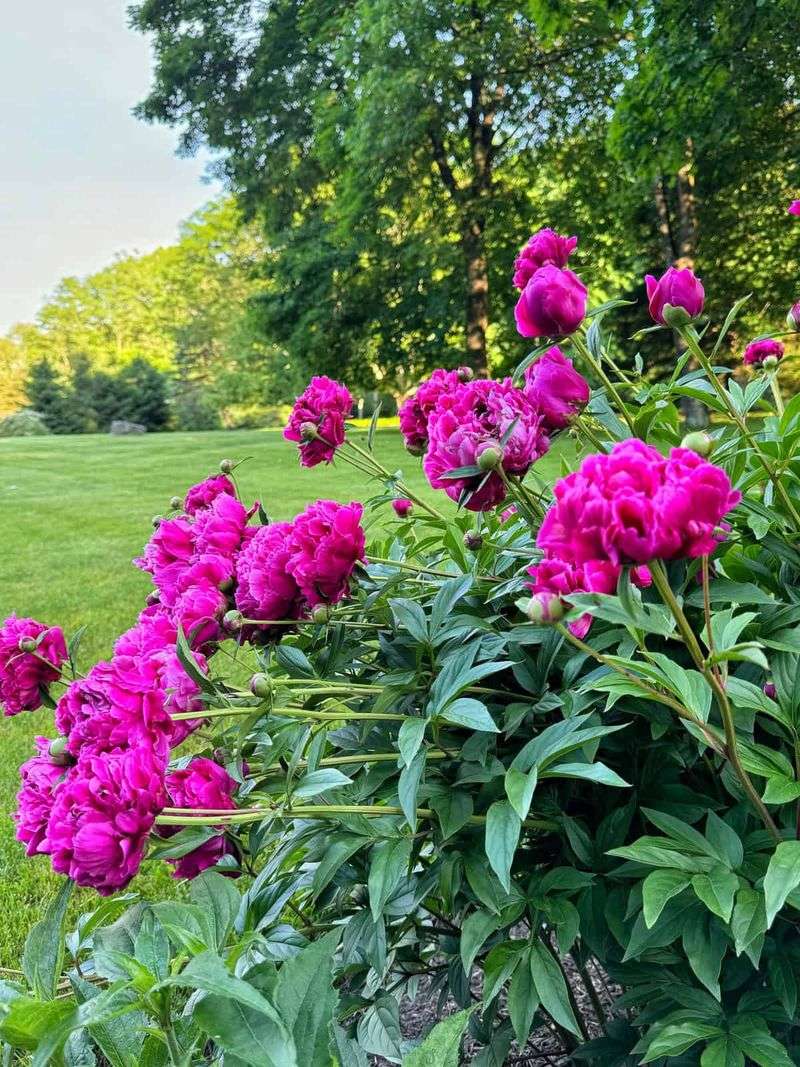
Peonies are legendary garden plants, and Pennsylvania gardeners have a special affection for them. There is something almost magical about a fully open peony bloom in late May or early June, with its layers of silky petals and sweet fragrance.
Some peony plants in Pennsylvania have been growing in the same spot for 50 years or more, passed down through generations of families.
That kind of longevity tells you something important: peonies do not need to be divided. In fact, they actively dislike it.
A peony that gets dug up and divided may refuse to bloom for two, three, or even four years afterward. That is a long time to wait for a plant that you were probably hoping to enjoy sooner rather than later.
Peonies bloom best when their “eyes,” which are the reddish buds near the crown of the plant, are planted at the right depth. If they are too deep, they will not bloom at all.
Dividing and replanting a peony risks changing that depth, which is another reason why most experienced Pennsylvania gardeners advise leaving them alone.
The only real reason to divide a peony is if you are moving and want to take it with you, or if the plant has become seriously overcrowded after many decades. Even then, fall is a much better time to do it than spring.
Attempting division in late spring, when the plant is putting all its energy into blooming, is especially hard on it.
Gardeners in Lancaster County and the Main Line suburbs often treat their peonies like heirlooms. Water them well, feed them lightly in spring, and let them do their thing. They will reward your patience with stunning blooms year after year.