Pennsylvania Vegetables To Plant In June For The Best Fall Harvest
June planting for a fall harvest is one of the most underused strategies in Pennsylvania gardening, and missing it means leaving a significant chunk of the growing season on the table.
Most gardeners are so focused on what is already in the ground that they overlook the fact that June is the ideal starting point for a whole second wave of vegetables.
Pennsylvania’s fall window is generous, stretching well into October and sometimes beyond, and the cooler temperatures that come with it actually improve the flavor of many crops in ways that summer heat simply cannot.
The key is getting plants in the ground early enough that they have time to mature before the first frost closes things down.
Timing matters more in June than at almost any other point in the season, and knowing which vegetables to prioritize right now determines how productive your garden stays all the way into autumn.
1. Broccoli
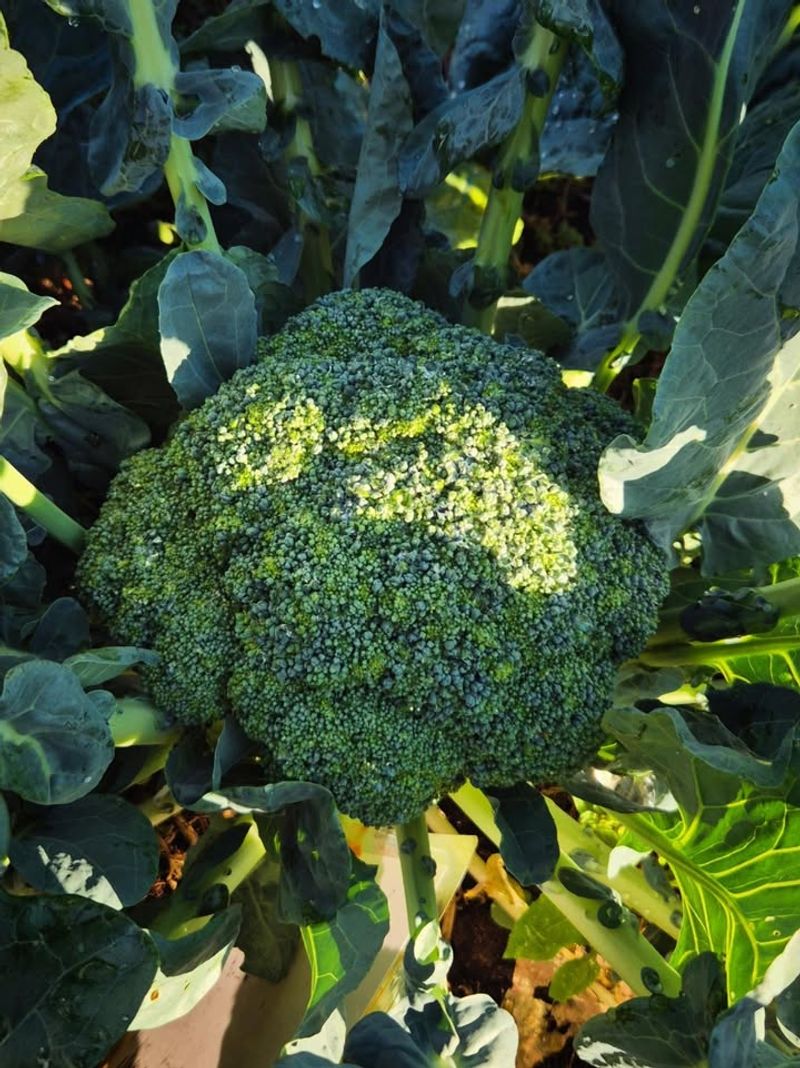
Most people think of broccoli as a spring vegetable, but here is a little secret that experienced Pennsylvania gardeners already know: broccoli actually tastes better when it matures in cool fall air.
Summer heat causes broccoli to bolt, meaning it flowers too fast before the heads fully form.
Planting in June gives the seedlings time to establish strong roots while the weather is warm, so they are ready to produce tight, flavorful heads right when fall temperatures arrive.
Start your broccoli seeds indoors in early June or transplant seedlings into the garden by mid-June. Give each plant about 18 inches of space so air can circulate freely between them.
Broccoli is a heavy feeder, so mixing compost into the soil before planting will really help it grow strong.
Water consistently, especially during dry spells in July and August. Broccoli needs about one inch of water per week to stay healthy.
Watch out for cabbage worms, which love to munch on broccoli leaves. A simple row cover can protect your plants without using any chemicals.
By September and into October, your broccoli heads should be ready to harvest. Pick them before the tiny buds start to open for the best flavor and texture.
Side shoots will keep producing even after the main head is cut, giving you multiple harvests from a single plant. Broccoli is packed with vitamins C and K, making it one of the most nutritious vegetables you can grow in your fall garden.
2. Carrot
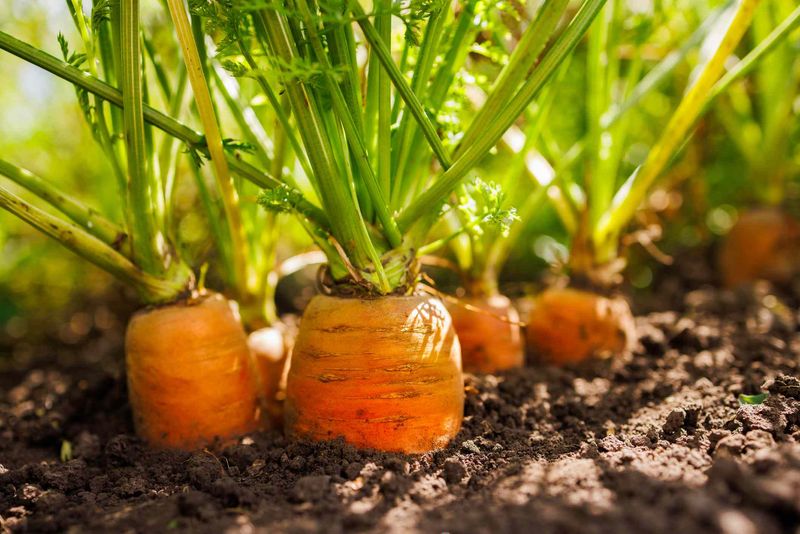
Carrots are one of those vegetables that actually get better as the season winds down. When fall temperatures drop, carrots convert some of their starches into sugars, making them noticeably sweeter than carrots harvested in summer.
Planting in June means your carrots will be finishing up their growth right when that natural sweetening process kicks in. Pennsylvania gardeners who have tried fall carrots often say they will never go back to growing them only in spring.
Choose a loose, well-draining soil for carrots because rocky or compacted ground causes them to fork and grow crooked. Raised beds work really well for growing straight, long carrots.
Your Pennsylvania Garden Changes Every Week. Your Plan Should Too.
Gardening in Pennsylvania changes quickly throughout the season. Every Friday you’ll receive a simple weekly plan showing exactly what to plant, prune, fertilize, harvest, and protect so you never miss the right timing.
Sow seeds about a quarter inch deep and thin them to about two inches apart once the seedlings come up. Patience is key here because carrot seeds can take up to two weeks to germinate.
Keep the soil consistently moist during germination, as dry soil can cause seeds to fail before they even sprout. Once established, carrots are fairly low-maintenance.
They do not need a lot of fertilizer, but they do appreciate a light feeding of a low-nitrogen fertilizer to encourage root development. Avoid high-nitrogen fertilizers, which push leafy top growth instead of the roots you actually want to eat.
Harvest your carrots in October or November after a few light frosts have passed over the garden. The cold snaps actually improve the flavor even more.
Leave them in the ground a little longer for extra sweetness, just be sure to harvest before a hard freeze sets in.
3. Kale
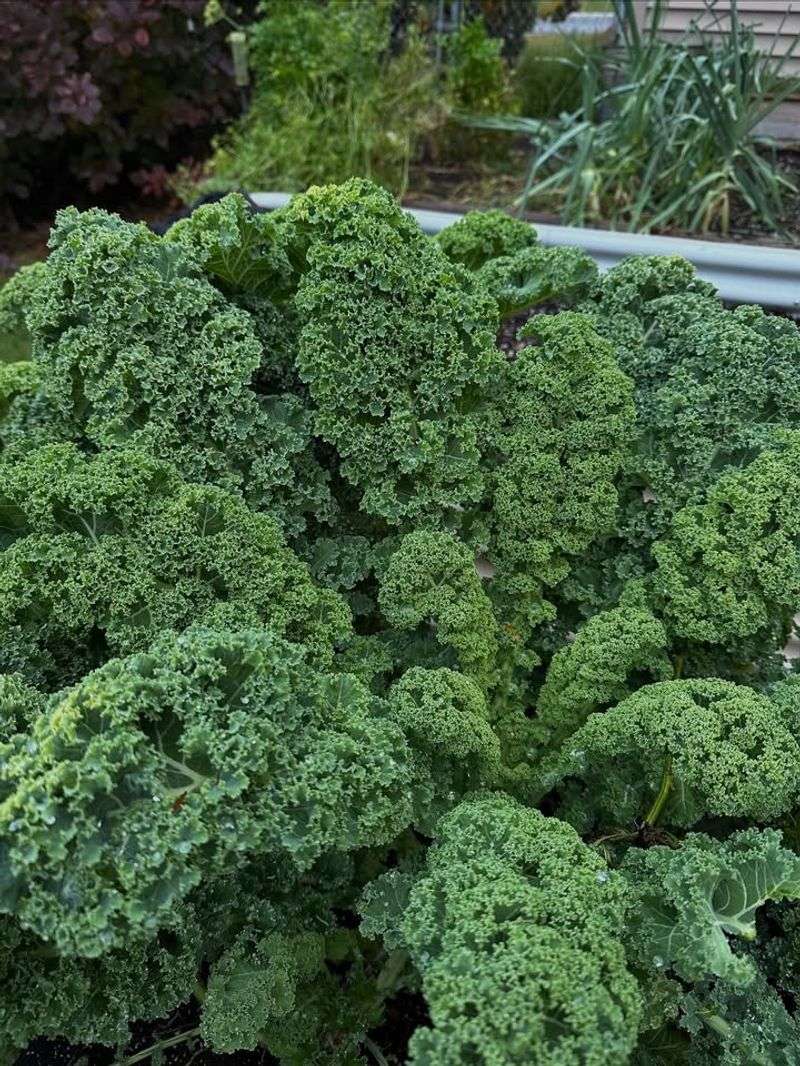
If you want a vegetable that practically thrives on cold weather, kale is your answer. Unlike many vegetables that struggle once frost arrives, kale actually welcomes it.
A light frost triggers kale to convert starches into sugars, giving the leaves a mild, almost sweet flavor that you simply cannot get from summer-grown kale.
Pennsylvania gardeners who plant kale in June can enjoy fresh harvests well into November and sometimes even December.
Kale is one of the easiest vegetables to grow from seed. Direct sow seeds about half an inch deep in a sunny spot, or start transplants indoors and move them to the garden by mid-June.
Space plants about 12 to 18 inches apart to give each one room to spread its large, leafy canopy. Kale grows quickly and can handle both the heat of summer and the chill of fall without missing a beat.
Pick the outer leaves first and leave the inner growth to keep producing fresh leaves. Regular harvesting actually encourages the plant to keep putting out new growth, so the more you pick, the more you get.
Kale is loaded with vitamins A, C, and K, making it one of the most nutritious greens you can grow at home. It also works in so many ways in the kitchen, from salads and smoothies to soups and roasted chips.
Varieties like Lacinato, Red Russian, and Curly Kale all perform well in Pennsylvania’s fall climate. Give kale a try this June and you might just find a new favorite garden staple.
4. Beet
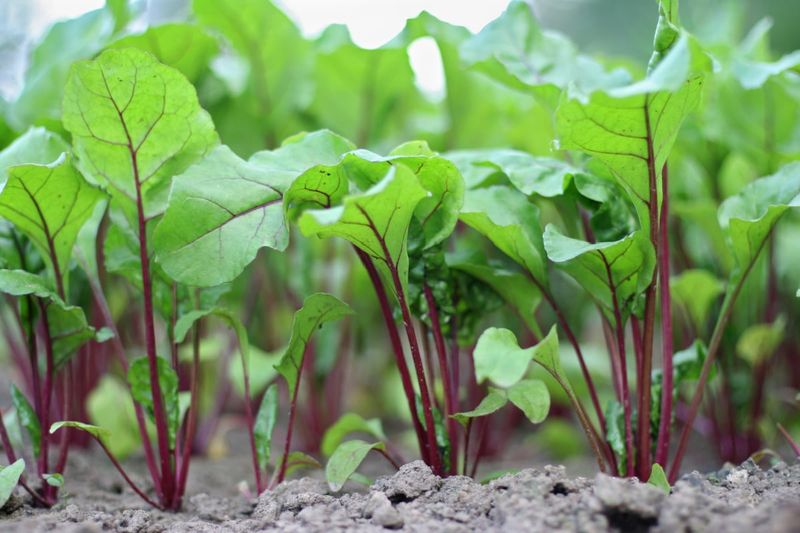
Beets are wonderfully reliable vegetables that do not ask for much and give back a lot. Plant them in June and they will be perfectly sized and ready to pull from the ground by fall.
One of the best things about beets is that you get two harvests in one: the sweet, earthy roots and the tender greens on top, which are delicious sauteed just like spinach. Not many vegetables offer that kind of double value from a single planting.
Sow beet seeds directly into the garden in June because beets do not transplant well. Each beet seed is actually a cluster of two or three seeds, so be prepared to thin the seedlings once they sprout.
Thin them to about three to four inches apart so the roots have enough room to swell properly. Skipping the thinning step leads to crowded, stunted roots that never reach their full size.
Beets prefer loose, well-drained soil with a slightly neutral pH. Add a little compost before planting to give them a nutrient boost without overdoing the nitrogen.
Water regularly, about one inch per week, and mulch around the plants to keep the soil cool and moist as summer heats up.
Beets are fairly cold-hardy and can handle light frosts without any trouble, which makes them a great fit for Pennsylvania’s unpredictable fall weather.
Harvest them when they are about the size of a golf ball to a tennis ball for the best texture and sweetness. Leaving them too long in the ground can make them woody and tough.
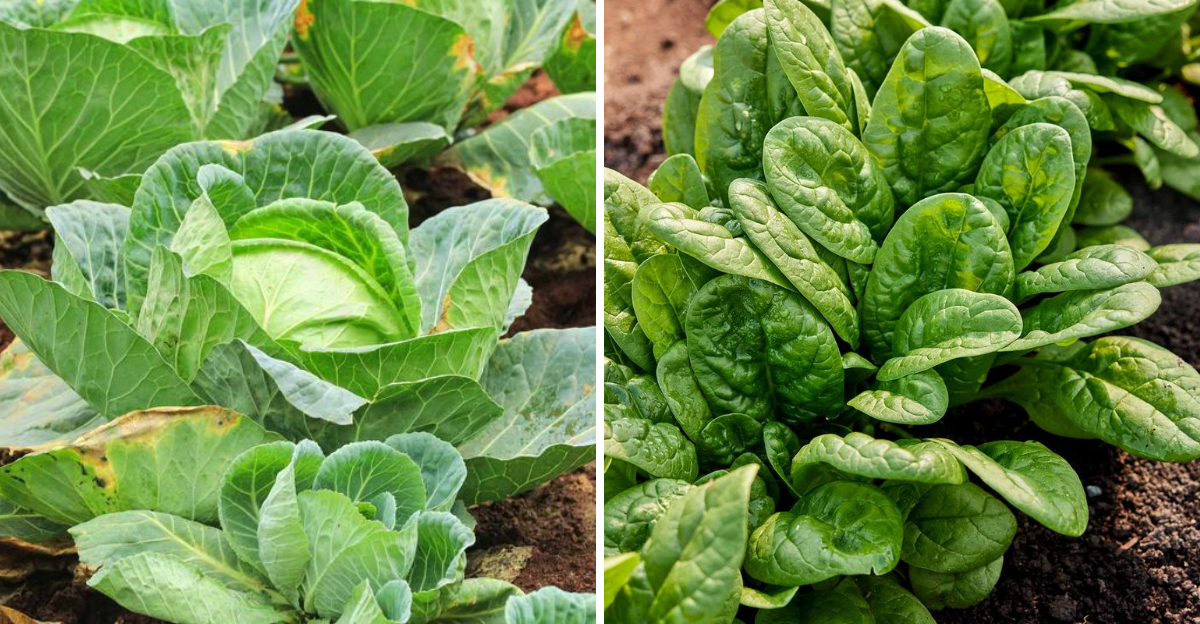
5. Cabbage
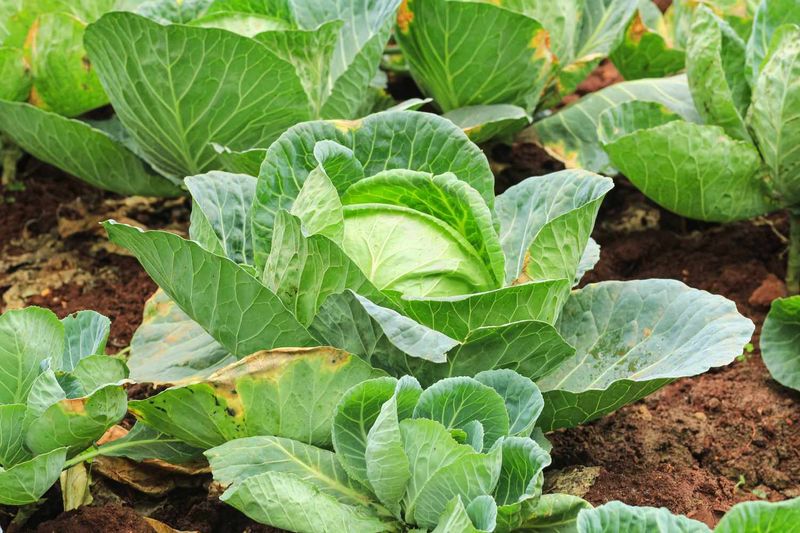
Summer-grown cabbage often ends up soft, cracked, or bitter because of the heat. But fall-grown cabbage?
That is a completely different story. Cabbage that matures during cooler fall weather develops tight, firm heads with a crisp texture and mild, sweet flavor.
Planting cabbage transplants or seeds in June gives them the full summer to grow, so by the time September and October roll around, they are ready to shine in cooler conditions.
Start seeds indoors in early June and transplant seedlings to the garden around mid-June when they are about four to six weeks old. Space them about 18 to 24 inches apart because cabbage heads need room to form properly.
Cabbage is a heavy feeder, so prepare your bed with compost and a balanced fertilizer before planting. A side dressing of nitrogen fertilizer about four weeks after transplanting will keep the plants growing strong through the heat of summer.
Cabbage worms and aphids are the main pests to watch for. Checking plants regularly and using row covers early in the season can prevent a lot of headaches down the road.
Keep the soil consistently moist, as uneven watering can cause the heads to crack just before harvest. Pennsylvania gardeners can expect to harvest cabbage anywhere from late September through November, depending on the variety they choose.
Early varieties like Golden Acre and late varieties like Danish Ballhead both perform well here. Homegrown fall cabbage is perfect for coleslaw, soups, stuffed cabbage rolls, and fermented dishes like sauerkraut.
6. Radish
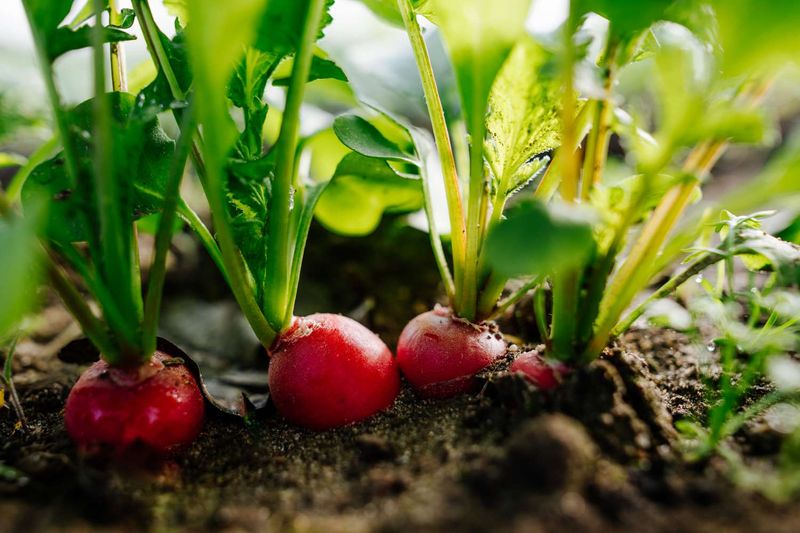
Radishes are the sprinters of the vegetable garden. While most vegetables take months to mature, radishes can go from seed to table in as little as three to four weeks.
That speed makes them one of the most satisfying vegetables to grow, especially for gardeners who are just getting started or who want to fill in empty spots in the garden quickly.
Planting radishes in June opens up multiple rounds of harvests before the first hard frost arrives in Pennsylvania.
Sow radish seeds directly in the garden about half an inch deep and one inch apart. Thin them to about two inches apart once the seedlings emerge.
Radishes grow best in loose, well-drained soil and do not need much fertilizer. In fact, too much nitrogen causes them to put all their energy into leafy tops instead of the crisp, round roots you are after.
A spot with full sun or light partial shade works well for a summer planting. Water evenly to prevent the roots from becoming pithy or cracking. Radishes that go too long without water tend to get hot and woody, losing that satisfying crunch.
Because they mature so fast, you can plant a new batch every two to three weeks through the summer for a continuous supply. As fall approaches and temperatures drop, radishes become even more tender and mild.
Varieties like Cherry Belle and French Breakfast are reliable choices for Pennsylvania gardens. Toss them in salads, slice them on sandwiches, or just snack on them straight from the garden with a little salt.
7. Spinach
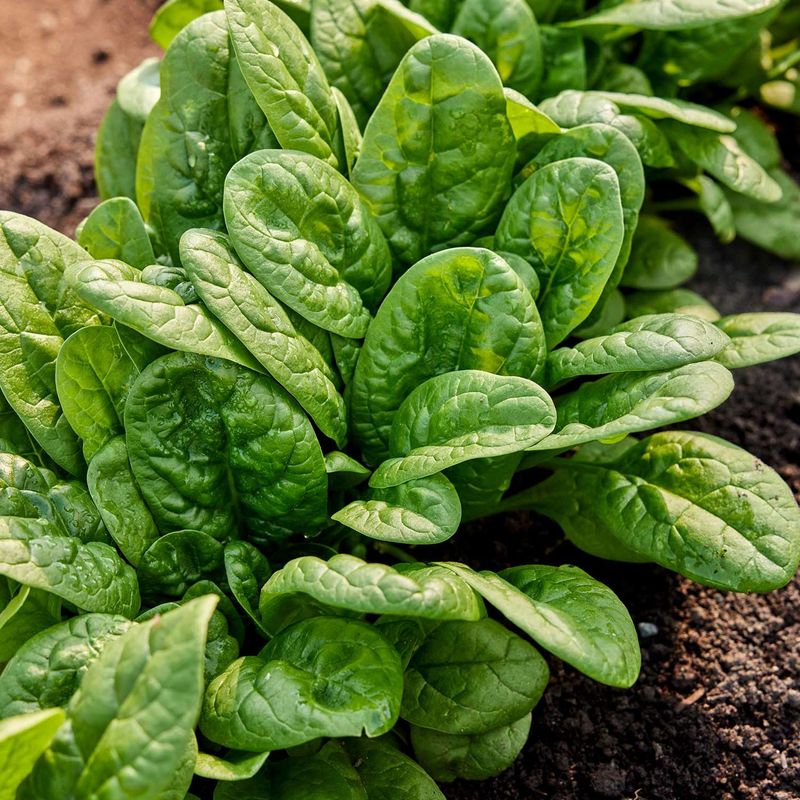
Spinach is one of those vegetables that seems to have a personality all its own. It dislikes summer heat with a passion, bolting and turning bitter almost overnight when temperatures climb too high.
But give it the cool, crisp air of a Pennsylvania fall and it absolutely flourishes. Planting spinach in June might seem counterintuitive, but timing it right means your plants will push through summer and hit their stride just as the weather turns in September and October.
Sow spinach seeds directly in the garden about half an inch deep and two inches apart. If you plant in early June, the seedlings will be well established by the time the intense summer heat sets in.
Providing some light afternoon shade during the hottest weeks of July and August can really help the plants survive until fall conditions arrive. A shade cloth or planting near a taller crop like tomatoes can offer just enough relief from the heat.
Once temperatures cool down in September, spinach takes off and grows quickly, producing tender, dark green leaves that are perfect for salads, pasta dishes, and smoothies.
It is rich in iron, folate, and vitamins A and C, making it one of the most nutritious greens you can add to your plate.
Spinach can handle light frosts and even light freezes, especially when protected with a simple row cover. Some Pennsylvania gardeners harvest fresh spinach well into November and even early December.
Varieties like Bloomsdale Long Standing and Tyee are especially well-suited to fall growing conditions in the state.