9 Flowers Texas Gardeners Should Plant In April
April is when Texas gardens start to feel full of possibility. The weather warms up, the days get longer, and suddenly it seems like everything is ready to grow.
It is also one of the best times to add fresh color to your yard before the real summer heat takes over. The tricky part, of course, is choosing flowers that can handle Texas conditions without giving you constant trouble.
Some plants look amazing at the garden center, then struggle once the sun starts blazing. Others seem almost made for Texas and keep blooming even when the weather turns tough.
That is why picking the right flowers in April can make such a big difference in how your garden looks and how much work it takes to keep it thriving.
Whether you want bright beds, cheerful containers, or a yard that draws butterflies and compliments from the neighbors, the right spring picks can set the tone for months of color ahead.
1. Zinnias
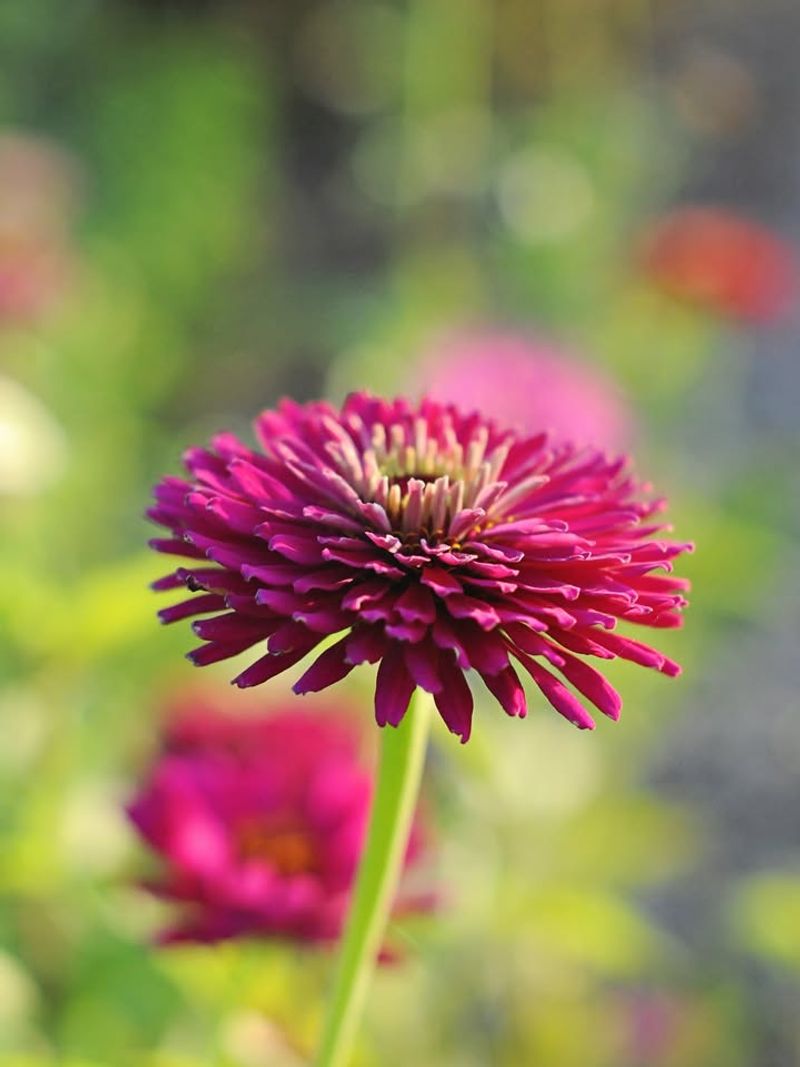
Few flowers put on a show quite like zinnias. These bright, cheerful blooms come in almost every color you can imagine, from deep red and hot pink to sunny yellow and soft white.
If you plant them in April in Texas, they will reward you with flowers from late spring all the way through fall.
Zinnias love full sun and heat, which makes them a natural fit for Texas gardens. They grow fast, sometimes blooming just six to eight weeks after planting from seed.
That means you will not be waiting long to enjoy their beauty. Plant them in well-drained soil and water them at the base to keep the leaves dry and healthy.
They work beautifully in flower beds, along borders, or even in large containers on a patio. Zinnias are also excellent cut flowers, so you can bring their color indoors too.
Butterflies absolutely love them, which adds even more life to your yard. Deadhead spent blooms regularly to keep new flowers coming all season long.
For Texas gardeners who want maximum color with minimum fuss, zinnias are simply one of the best April planting choices available.
2. Marigolds
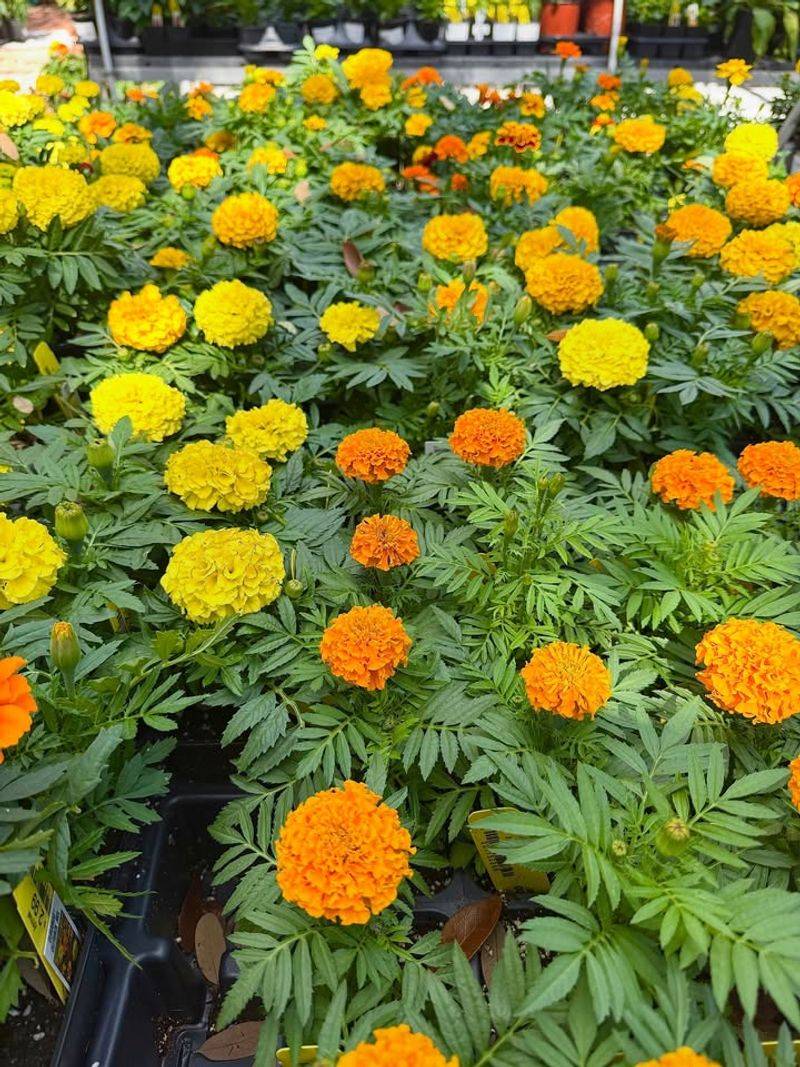
Marigolds have been a garden staple for generations, and there is a very good reason for that. These tough little flowers can handle Texas heat like champions, and they keep blooming even when temperatures start climbing into the 90s.
Plant them in April and they will be going strong all summer. One of the coolest things about marigolds is that they can help protect your garden naturally.
Their strong scent is known to deter certain insects and pests, making them a smart companion plant near tomatoes, peppers, and other vegetables. Texas gardeners who grow both flowers and food will love having marigolds nearby.
They thrive in full sun and are not picky about soil, which makes them super easy to grow even for beginners. Water them regularly but do not overdo it, since soggy roots can cause problems.
Marigolds come in shades of gold, orange, and yellow, and some varieties even have a two-tone look. They are great for borders, containers, and raised beds alike.
Your Texas Garden Changes Every Week. Your Plan Should Too.
Gardening in Texas changes quickly throughout the season. Every Friday you’ll receive a simple weekly plan showing exactly what to plant, prune, fertilize, harvest, and protect so you never miss the right timing.
With almost no effort required, marigolds deliver big, bold color throughout the long Texas growing season without much fuss at all.
3. Cosmos
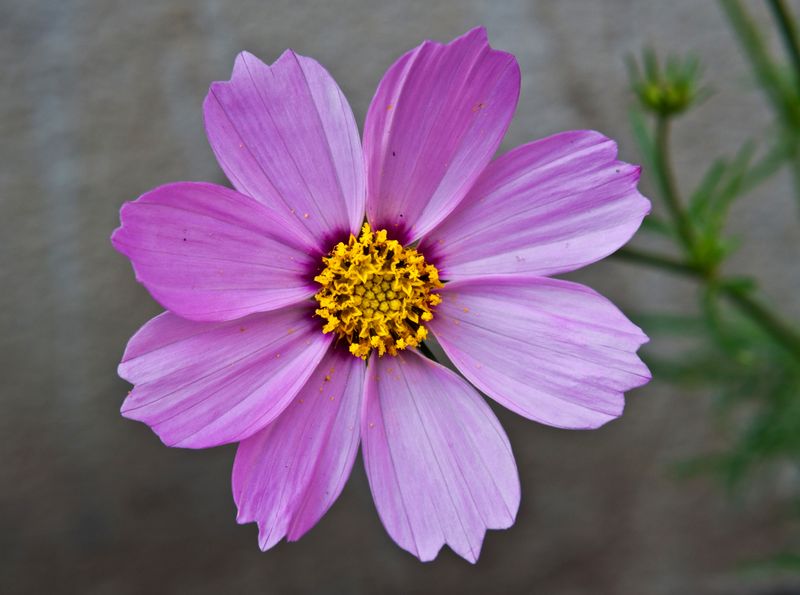
Cosmos are like the free spirits of the flower world. Their feathery, fern-like leaves and daisy-shaped blooms give any garden a soft, natural look that feels relaxed and effortless.
In Texas, where summers can be brutal, cosmos are a surprisingly tough choice that handles poor soil and dry spells without missing a beat.
April is the ideal time to direct sow cosmos seeds in Texas because the warm soil helps them sprout quickly. They actually prefer not to be over-fertilized since too much nitrogen leads to more leaves and fewer flowers.
Less is more with these beauties. Just give them full sun, decent drainage, and occasional watering, and they will take care of the rest.
Pollinators go absolutely wild for cosmos. Bees, butterflies, and even some moths are drawn to their open, accessible blooms.
If you want to support local wildlife in your Texas garden, cosmos are a fantastic option. They also self-seed, meaning you may find new plants popping up next year without any extra effort on your part.
For a low-effort, high-reward flower that brings movement and charm to your outdoor space, cosmos are hard to beat.
4. Sunflowers
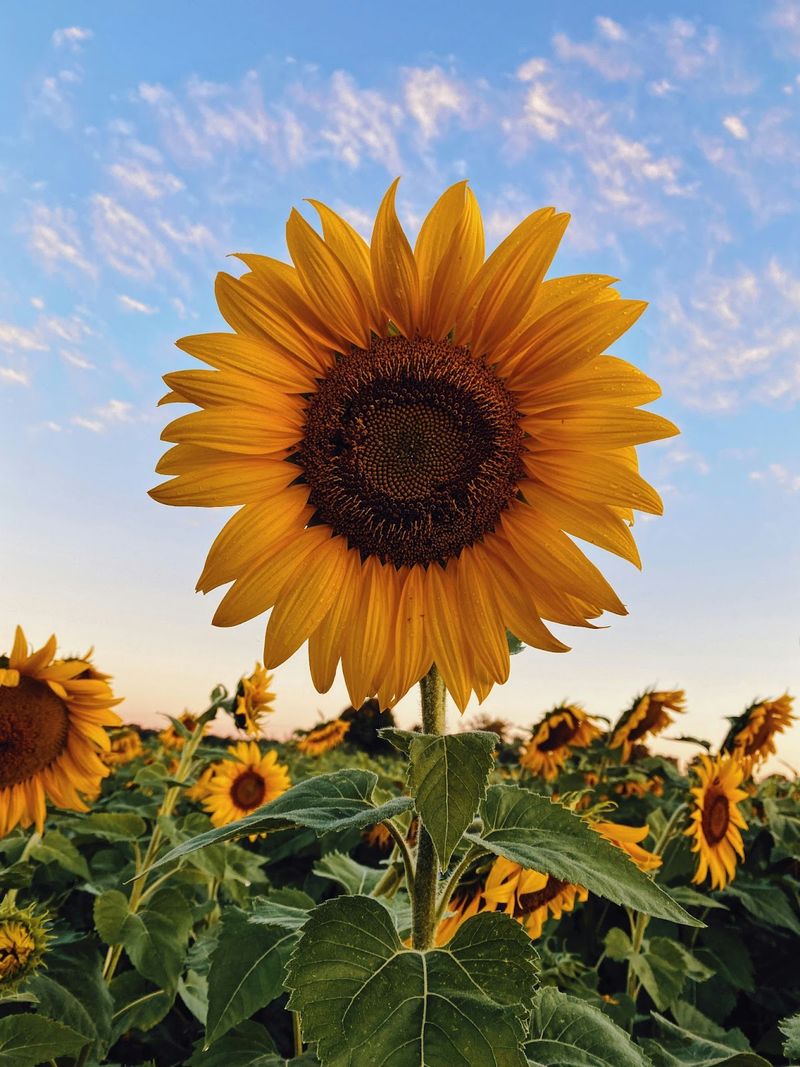
Bold, tall, and absolutely impossible to ignore, sunflowers are one of the most satisfying plants you can grow in Texas.
April is a great time to push seeds directly into the ground because sunflowers love warm soil and will sprout fast once temperatures are consistently above 60 degrees. Within weeks, you will have sturdy seedlings reaching for the sky.
Did you know that sunflowers actually track the sun across the sky when they are young? This behavior, called heliotropism, helps them absorb maximum sunlight each day.
Once they mature and the blooms open, they typically face east. It is one of the coolest little nature tricks you will ever witness right in your own Texas backyard.
Sunflowers grow well in most Texas soil types as long as drainage is good. They do not need much water once established, which is a huge plus during hot, dry Texas summers.
Taller varieties can reach six feet or more, adding serious height and drama to garden beds. Shorter varieties work well in containers or along fences.
Birds love the seeds too, so leaving a few spent flower heads standing gives local wildlife a tasty treat after the blooms fade.
5. Gomphrena
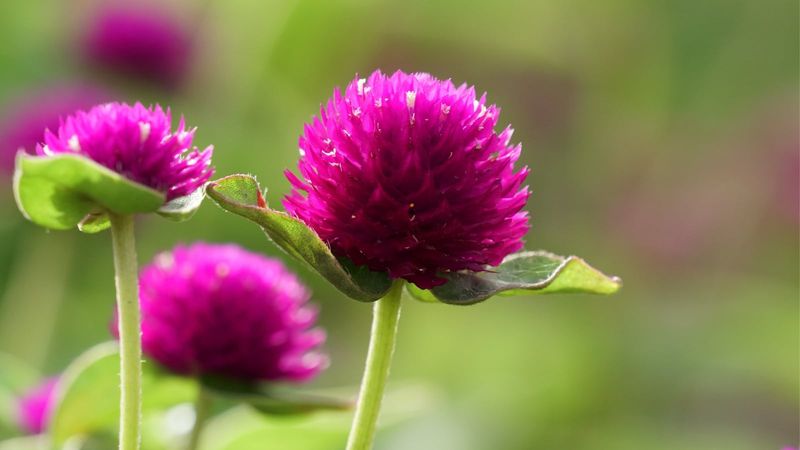
If there is one flower that was practically made for Texas summers, it is gomphrena. Also called globe amaranth, this compact plant produces round, clover-like blooms in shades of purple, pink, magenta, orange, and white.
It is one of the most heat- and drought-tolerant flowers you can plant in April across the state.
Gomphrena just keeps going even when the summer heat becomes intense. While other flowers may start to fade in July and August, gomphrena stays bright and fresh-looking.
It is a real workhorse in the garden. Plant it in full sun with well-drained soil, water it while it gets established, and then mostly let it do its thing.
Another bonus is that gomphrena makes stunning cut flowers, both fresh and dried. The blooms hold their color beautifully when dried, making them a favorite for wreaths and floral arrangements.
They also attract butterflies and bees throughout the season. For Texas gardeners in areas like Dallas, Fort Worth, or San Antonio who deal with long stretches of hot, dry weather, gomphrena is a reliable and gorgeous solution.
It proves that tough and beautiful can absolutely go hand in hand.
6. Vinca
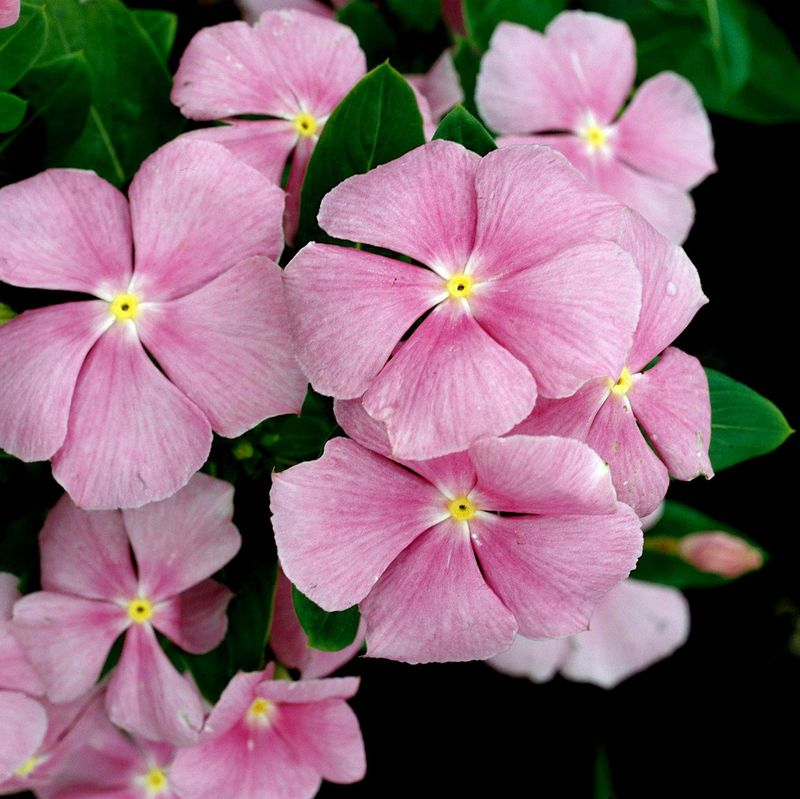
Walk through any neighborhood in Texas during the summer, and chances are you will spot vinca growing somewhere.
Also known as periwinkle, this flower has earned a legendary reputation among Texas gardeners for its ability to handle extreme heat and high humidity without skipping a beat. It is a true Texas favorite for very good reason.
Vinca thrives in conditions that would stress most other flowers. Full blazing sun? No problem. Stretches without rain? It handles that too.
Once established in April, vinca will bloom continuously from spring all the way through the first cool snap of fall.
The flowers come in shades of pink, red, white, lavender, and bicolor combinations that look stunning in beds and containers alike.
This plant grows in a neat, mounded shape that makes it easy to use as edging, in landscape beds, or in pots on a sunny porch or patio. It does not need much fertilizer and prefers well-drained soil to prevent root issues.
For gardeners in humid Texas cities like Houston or Beaumont, vinca is especially valuable because it handles moisture in the air without developing the fungal problems that plague other flowers in those conditions.
7. Portulaca
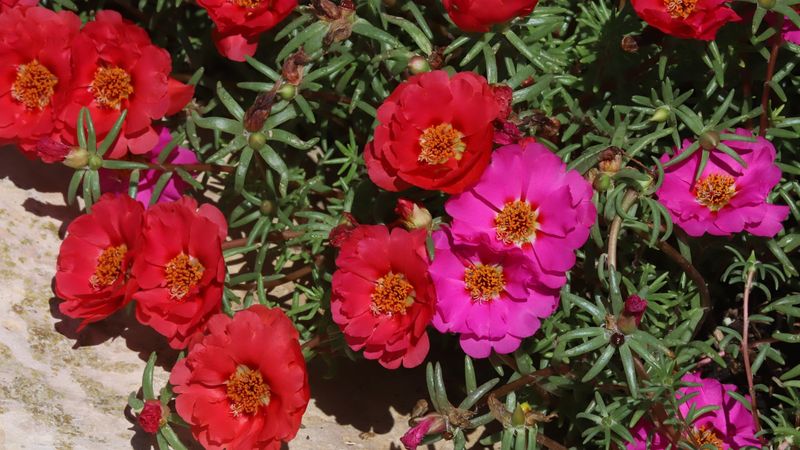
Portulaca, often called moss rose, is the ultimate flower for the hottest, driest spots in your Texas garden. Got a patch of rocky soil that bakes in the sun all day?
That is exactly where portulaca will thrive. This succulent-like annual stores water in its thick, fleshy stems, which means it laughs in the face of summer heat and drought.
The blooms are absolutely gorgeous, resembling tiny roses in jewel-bright shades of red, orange, yellow, pink, and white. They open wide in full sun and close up at night or on cloudy days.
Planting portulaca in April gives it time to establish before the really intense Texas heat arrives in June and July. Once it is settled in, it practically takes care of itself.
Portulaca is perfect for rock gardens, slopes, sandy soil, and the edges of pathways where other plants struggle. It spreads low and wide, creating a colorful carpet effect that looks amazing all summer.
It even self-seeds, so you may see it return the following year. For Texas gardeners who want a flower that truly thrives on neglect and still delivers jaw-dropping color, portulaca is an absolute must-plant this April.
8. Salvia
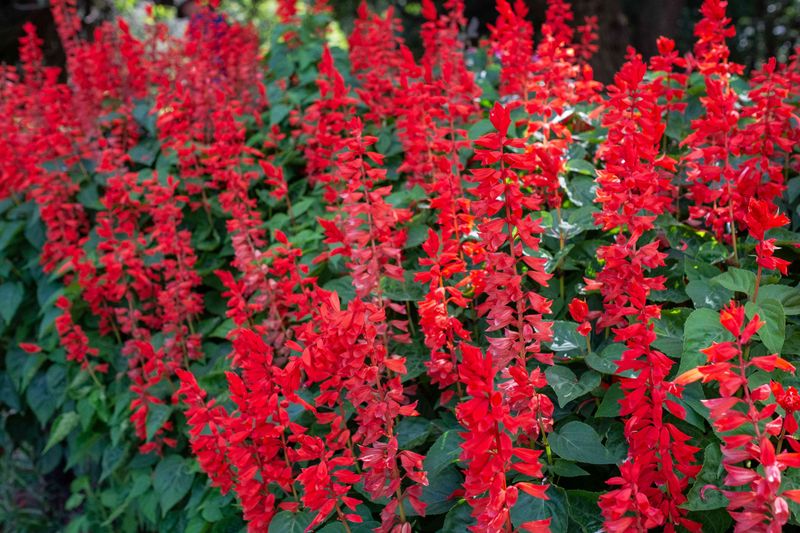
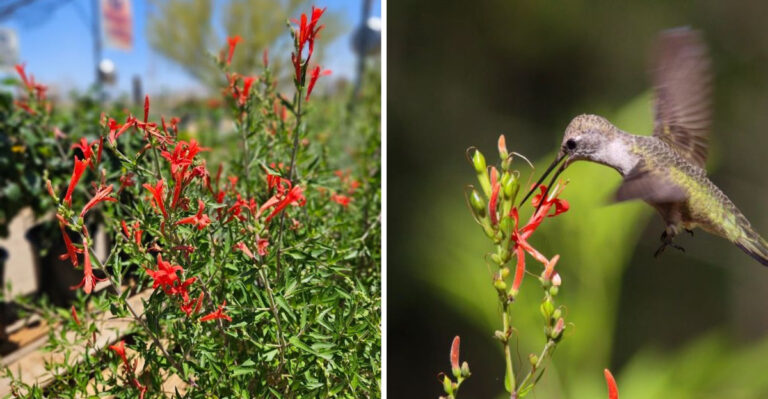
Hummingbirds cannot resist salvia, and honestly, neither can gardeners. Scarlet sage, the most popular annual salvia variety in Texas, produces tall spikes of brilliant red flowers that light up a garden like nothing else.
Plant it in April and you will have a pollinator magnet blooming all season long across your Texas landscape.
Annual salvias are incredibly tough once they get established. They handle the Texas heat well and bounce back quickly after a hot spell.
Full sun is best, though they can tolerate a little afternoon shade in the hottest parts of the state. Well-drained soil and regular watering during the first few weeks will help them develop strong roots.
Beyond red, annual salvia also comes in pink, purple, white, and salmon, giving you plenty of options to mix and match in your garden design. They look stunning in mass plantings along walkways or mixed into garden beds with other bold-colored flowers.
Butterflies and bees are also frequent visitors, making your yard feel alive with movement and energy.
For Texas gardeners in areas like Austin or Waco who want a flower that combines bold color, wildlife appeal, and reliable heat tolerance, scarlet sage is a top-tier April planting choice.
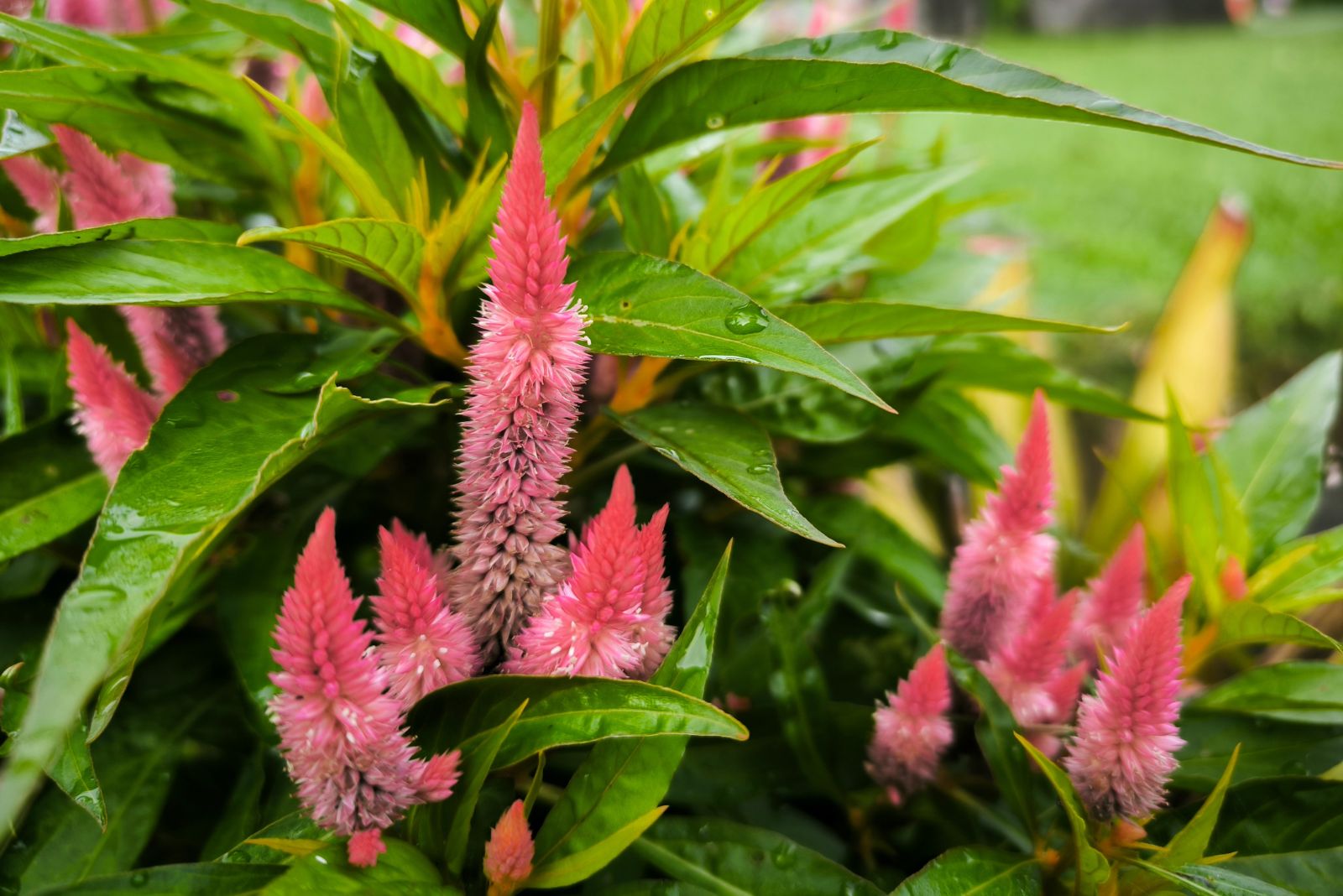
9. Celosia
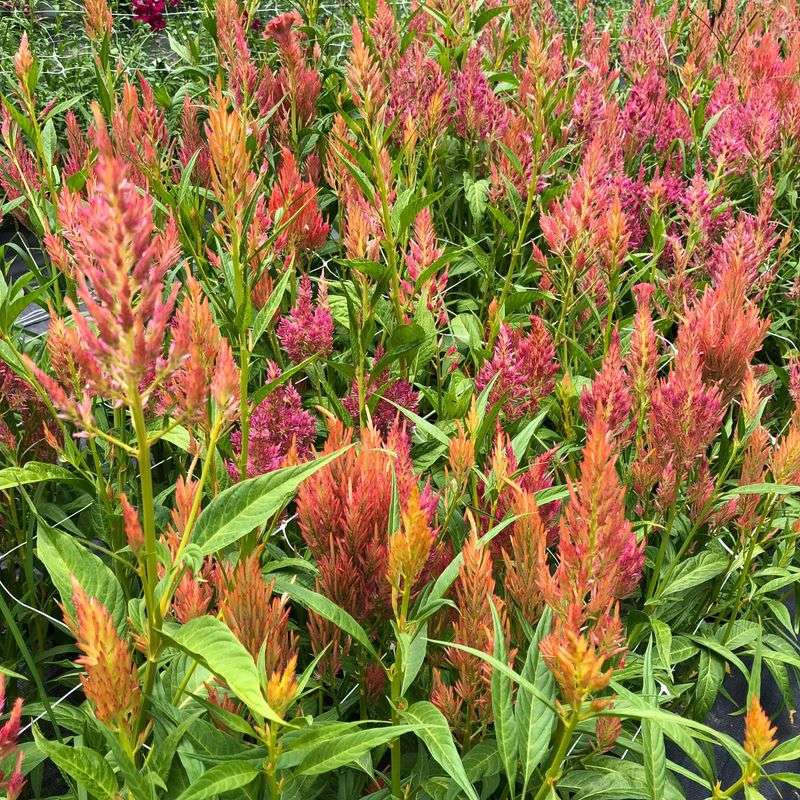
Celosia is one of those flowers that makes people stop and stare. Its blooms come in two main forms: soft, feathery plumes that look like colorful flames, and crested types that resemble coral or brain-shaped rosettes.
Either way, celosia brings a dramatic, eye-catching look to any Texas garden that is hard to replicate with any other plant.
April is the perfect time to get celosia in the ground in Texas. It loves heat and full sun, and it will grow stronger and more colorful as summer temperatures rise.
Celosia is also very drought-tolerant once established, which is a huge advantage during the dry stretches that Texas gardeners know all too well. Plant it in well-drained soil and give it a little fertilizer to encourage lush, vibrant growth.
Colors range from deep crimson and hot pink to bright orange, yellow, and even gold. Celosia works beautifully in garden beds, borders, and containers.
It also makes an excellent cut flower and dries well for arrangements. Birds are attracted to the seeds as the blooms age, adding another layer of wildlife activity to your yard.
For any Texas gardener looking for something bold, unique, and summer-tough, celosia absolutely delivers from April through the first cool days of fall.