7 Bugs That Destroy Texas Vegetable Gardens (And How To Stop Them)
A Texas vegetable garden can look great one day and stressed the next. You head outside expecting healthy tomatoes or squash, and instead find holes in the leaves or plants that suddenly look weak.
It is frustrating, especially after all the effort it takes to get things growing in the first place. Warm weather gives insects plenty of time to settle in and cause damage fast.
Some chew through leaves, others attack stems, and a few seem to show up overnight and take over before you notice. It does not take long for a thriving garden to start struggling.
The good news is you do not have to let them win. Once you know which pests are most common and how to stop them early, it becomes much easier to protect your plants and keep your garden on track.
1. Aphids
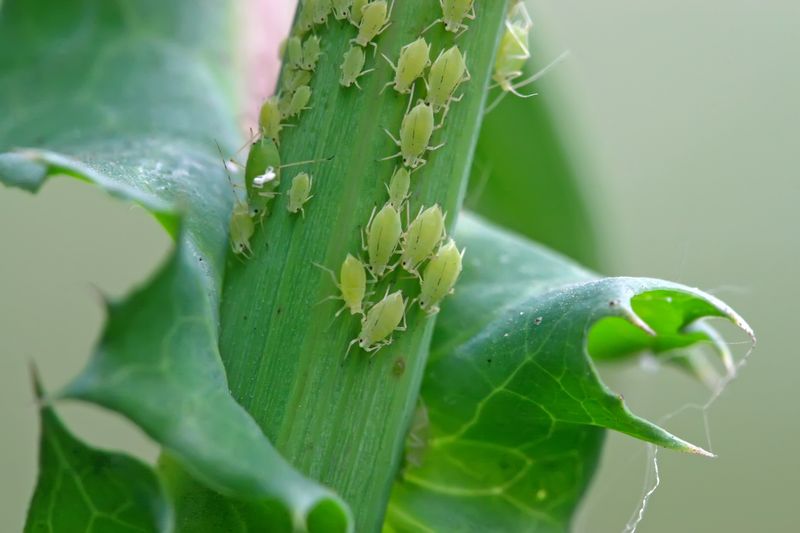
Spotting a cluster of tiny, pear-shaped bugs on your plants is never a good sign. Aphids are some of the most common and frustrating pests Texas gardeners deal with, and they work fast.
These soft-bodied insects attach themselves to stems and leaves, sucking out the plant’s sap like a straw. Over time, this weakens the plant and causes leaves to curl, yellow, and look shriveled.
One sneaky thing about aphids is that they also leave behind a sticky substance called honeydew. This gooey residue attracts ants and can lead to a black, sooty mold growing on your plants.
If you notice a shiny or sticky coating on your leaves, aphids are likely nearby. They reproduce incredibly fast, so a small group can turn into a full-blown infestation within days in the Texas heat.
The good news is that aphids are actually one of the easier pests to manage. A strong blast of water from your garden hose can knock them off plants quickly.
Insecticidal soap spray is also very effective and safe to use around vegetables. You can even bring in natural helpers like ladybugs, which love to munch on aphids.
Planting companion plants like sweet alyssum or marigolds near your garden can attract these beneficial insects naturally.
Check your plants every few days, especially the undersides of leaves where aphids like to hide, and act quickly at the first sign of trouble to keep your Texas garden healthy.
2. Tomato Hornworms
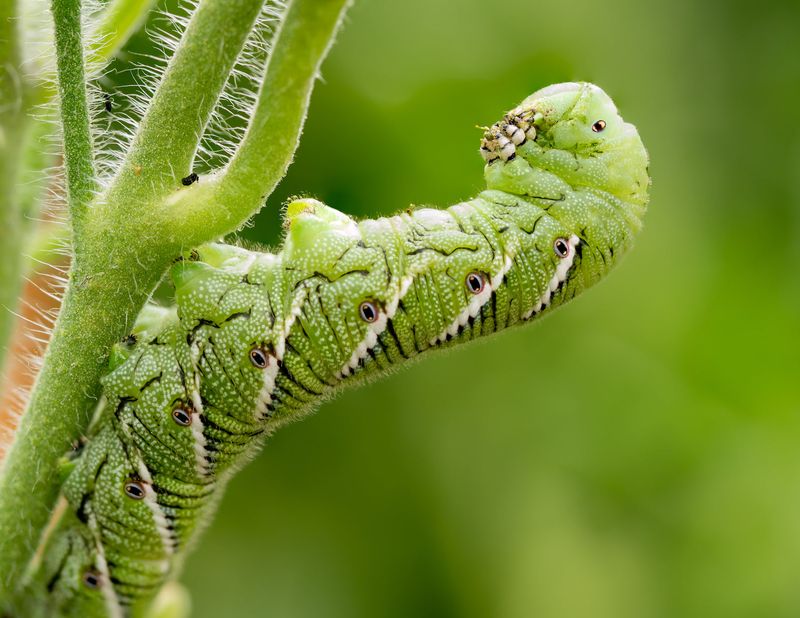
Imagine walking out to your tomato plants one morning and finding the leaves almost completely gone. That is exactly what tomato hornworms can do, and they can do it overnight.
These caterpillars are massive, often growing up to four inches long, and they are bright green with white stripes, which makes them surprisingly hard to spot against plant stems and leaves.
Texas gardeners growing tomatoes and peppers need to watch for these hungry crawlers all summer long.
Hornworms do not just eat a few leaves here and there. They strip entire branches bare, leaving behind only the central stem.
They also chew on the fruit itself, leaving large, irregular gouges that ruin your harvest. Look for dark green droppings on the soil or leaves below your plants as a clue that a hornworm is nearby.
Your Texas Garden Changes Every Week. Your Plan Should Too.
Gardening in Texas changes quickly throughout the season. Every Friday you’ll receive a simple weekly plan showing exactly what to plant, prune, fertilize, harvest, and protect so you never miss the right timing.
Once you spot the droppings, look carefully along the stems until you find the caterpillar hiding in plain sight.
Hand-picking is one of the most reliable ways to remove hornworms from your garden. Drop them into a bucket of soapy water to stop them from returning.
If you have a large garden and hand-picking feels overwhelming, try using Bacillus thuringiensis, commonly known as BT. This is a natural, soil-based bacteria that is toxic to caterpillars but completely safe for people, pets, and beneficial insects.
Spray it on your plants in the evening for the best results. Checking your plants every two to three days during peak summer heat in Texas can save your crop before serious damage sets in.
3. Squash Bugs
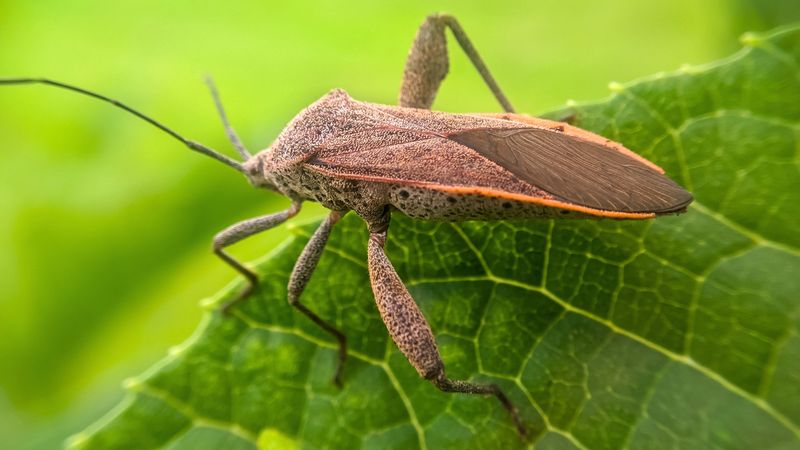
Squash bugs are sneaky, stubborn, and one of the most destructive pests in Texas vegetable gardens. These flat, gray-brown insects target squash, zucchini, and pumpkins, and they are hard to get rid of once they settle in.
Adult squash bugs hide under leaves and along stems, making them easy to miss during a quick garden check. But the damage they cause is hard to overlook.
Affected plants start to wilt, turn yellow, and eventually decline even when they are getting enough water.
The real problem with squash bugs is how they feed. They pierce the plant tissue and inject a toxic substance that blocks the flow of water and nutrients inside the plant.
Leaves turn crispy and brown at the edges, and entire vines can collapse within a week or two during a hot Texas summer. Female squash bugs lay neat rows of shiny bronze eggs on the undersides of leaves, and those eggs hatch quickly in warm weather.
Getting ahead of squash bugs means staying consistent with garden checks. Flip leaves over and look for egg clusters, then scrape them off with a butter knife or piece of tape.
Hand-pick adults and drop them into a container of soapy water. Removing plant debris from your garden at the end of the season is also important because squash bugs love to overwinter under dry leaves and mulch.
Row covers placed over young plants can provide strong early protection. For heavy infestations, insecticidal soap applied directly to bugs and nymphs can help bring the population under control in your Texas garden.
4. Whiteflies
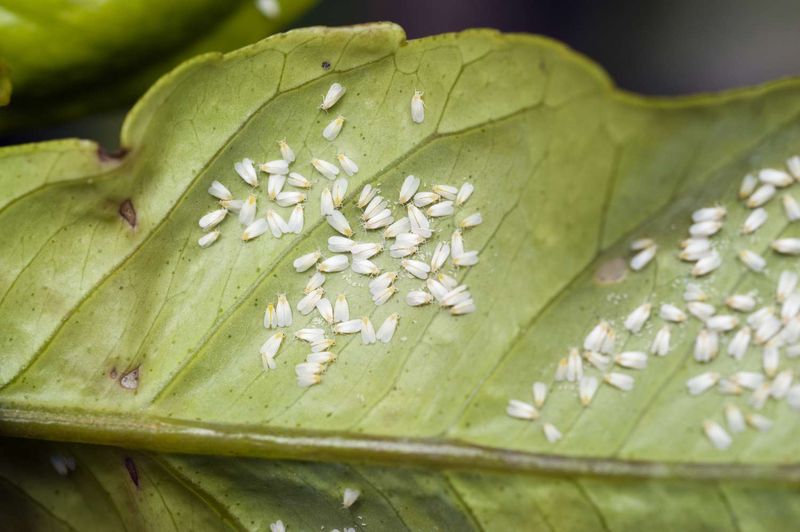
Walk past your pepper or tomato plants and give them a gentle shake. If a cloud of tiny white insects flies up around your hands, you have got whiteflies.
These minuscule pests are barely the size of a sesame seed, but they can cause serious trouble for Texas vegetable gardens, especially during the long, hot summers the state is known for.
They gather in large numbers on the undersides of leaves and feed constantly, draining the plant of the energy it needs to grow and produce food.
Whiteflies weaken plants gradually, causing leaves to turn yellow, wither, and drop early. What makes them especially dangerous is their ability to spread plant viruses as they move from one plant to the next.
In Texas, where gardens can stay warm and productive for much of the year, a whitefly infestation can spread through an entire bed of vegetables in just a few weeks. They also produce honeydew like aphids do, which invites mold and further stresses your plants.
Managing whiteflies requires a combination of approaches. Insecticidal soap spray applied directly to the undersides of leaves is one of the most effective tools available.
Neem oil is another solid option that disrupts the life cycle of whiteflies over time. Yellow sticky traps hung near plants can catch large numbers of adult whiteflies before they reproduce.
Keeping your plants well-watered and healthy reduces their vulnerability, since stressed plants tend to attract more pests. Avoid over-fertilizing with nitrogen, as lush, leafy growth is especially appealing to whiteflies looking for a place to settle in your Texas garden.
5. Spider Mites
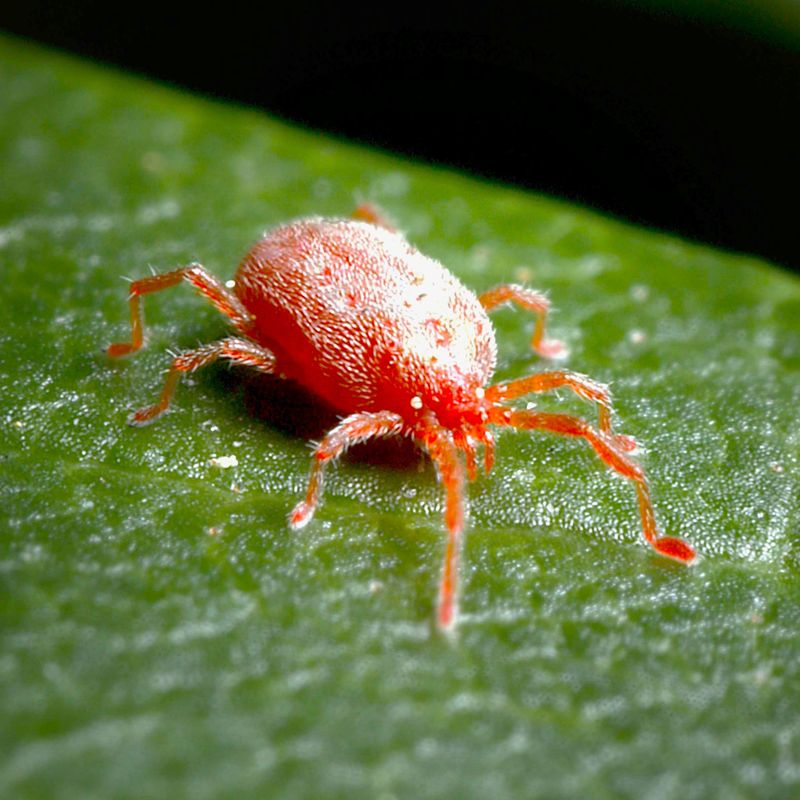
Spider mites are not technically insects, but they are one of the most damaging garden pests you will face in Texas, especially during the dry, scorching weeks of mid-summer. These tiny arachnids are barely visible to the naked eye, but the damage they leave behind is easy to spot.
Leaves develop a speckled, dusty appearance, almost like someone sprinkled them with fine yellow or white dots. As the infestation grows, the speckling gets worse and leaves eventually turn fully yellow and fall off.
One of the clearest signs of a spider mite problem is the presence of fine, silk-like webbing stretched across leaves and between stems. It almost looks like a tiny spider web, which makes sense given that mites are cousins of spiders.
Hot, dry conditions are their best friend, and Texas summers give them exactly what they love. Plants that are already stressed from heat or lack of water are especially vulnerable to a rapid mite takeover.
Regularly spraying your plants with a strong stream of water is one of the simplest and most effective ways to manage spider mites. Mites hate moisture, and knocking them off the leaves regularly prevents populations from exploding.
Make sure to spray the undersides of leaves, where mites prefer to live and lay eggs. If water alone is not enough, miticides or neem oil can be applied to bring a serious infestation under control.
Keeping your garden well-watered during dry spells and avoiding dusty, compacted soil around your plants also goes a long way toward preventing spider mites from taking hold in your Texas vegetable garden.
6. Cabbage Loopers
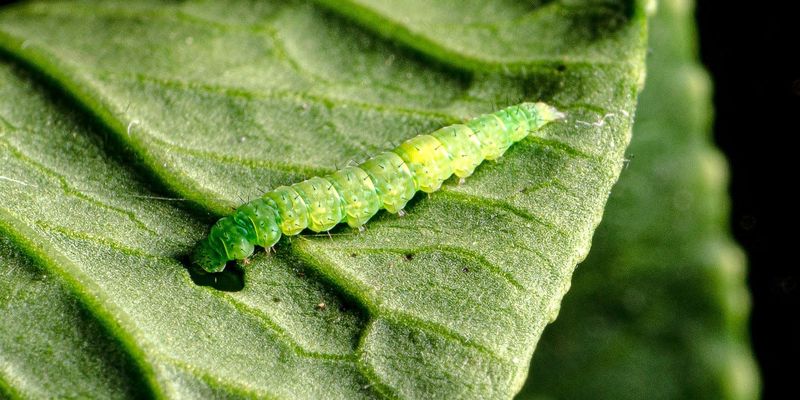
There is something almost charming about the way a cabbage looper moves, arching its body up into a loop with each step like a tiny green inchworm. But do not let that cute movement fool you.
Cabbage loopers are voracious feeders that can turn a healthy bed of cabbage, kale, or collard greens into a tattered mess in a very short amount of time.
Texas gardeners who grow cool-season leafy vegetables in the fall and spring need to stay especially alert for these caterpillars.
Cabbage loopers chew large, irregular holes through the middle and edges of leaves, making plants look ragged and unhealthy. They are the larvae of a brownish moth that lays its eggs on the undersides of leaves at night.
The eggs hatch within a few days, and the young caterpillars begin feeding immediately. Because they blend in so well with green foliage, it is easy to miss them during a quick garden walk.
Look for the chewed holes and tiny dark droppings on and below the leaves as your first clue.
Bacillus thuringiensis, or BT, is one of the best tools for managing cabbage loopers without harming other wildlife. This natural bacteria targets caterpillars specifically and can be sprayed directly onto leaves where loopers are feeding.
Row covers placed over young plants before moths arrive can also prevent eggs from being laid in the first place. Hand-picking caterpillars off plants in the early morning, when they are slower and easier to spot, is a practical option for smaller Texas gardens.
Staying consistent with checks every few days during the growing season will help you catch an infestation early before real damage spreads.
7. Fire Ants
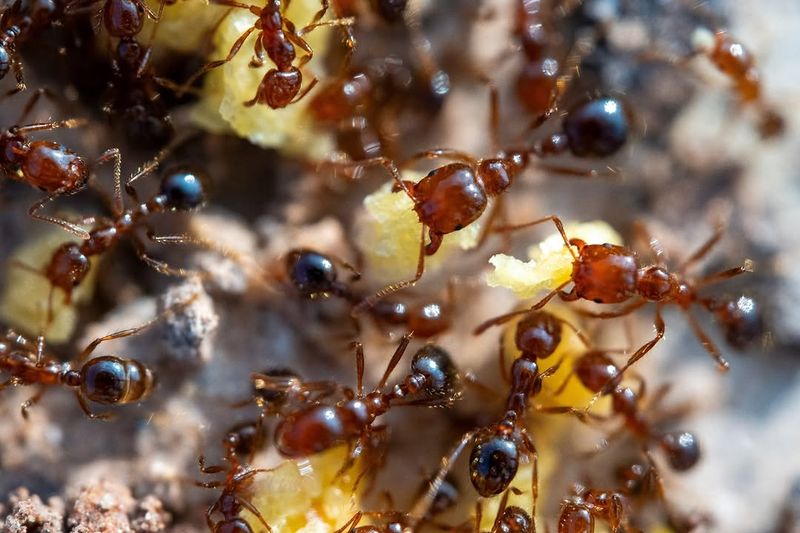
Ask any Texas gardener about fire ants and you will likely hear a story involving a mound that appeared overnight right in the middle of their garden bed. Fire ants are a uniquely Texas-sized problem, and they cause trouble in ways that go beyond just a painful sting.
In the vegetable garden, fire ants actively protect aphid colonies from natural predators because they feed on the honeydew aphids produce. That means having fire ants around can make your aphid problem significantly worse over time.
Beyond their relationship with aphids, fire ants can damage plant roots directly when they build their mounds in garden beds. The tunneling disrupts the soil structure around roots, and plants in heavily infested areas can start to show signs of stress and decline.
Fire ants also pose a real safety risk to gardeners, especially children, who may not notice a mound until they have already stepped on it. Their stings are painful and can cause allergic reactions in some people.
Targeted bait treatments are one of the most effective and environmentally responsible ways to manage fire ants in a Texas vegetable garden. Baits work slowly, but they reach the queen deep inside the mound, which is the key to long-term control.
Scatter the bait around the mound without disturbing it so the worker ants carry it inside. Avoid using broad insecticide sprays in your vegetable garden, as these can harm beneficial insects.
Keeping garden beds clean and free of food scraps or standing water also makes the area less attractive to fire ants looking for a new place to set up their colony.