7 Plants That Hold Their Color From Spring Through Summer In Arizona
Spring color in Arizona can look great at first, but it often does not last. One week a yard feels full and bright, and soon after, that color starts to fade under strong sun.
It can make a space feel tired much sooner than expected. That shift is something many gardeners notice every year.
Some plants simply cannot keep up once the season settles in. Others stay steady and hold their look even as conditions get tougher.
The difference becomes clear as days grow hotter and the soil dries faster. A landscape that keeps its color through this stretch feels more complete and far less frustrating to manage.
It all comes down to knowing which plants stay reliable when everything else starts to slow down and lose its impact.
1. Angelita Daisy Keeps Bright Yellow Blooms Going Without A Break
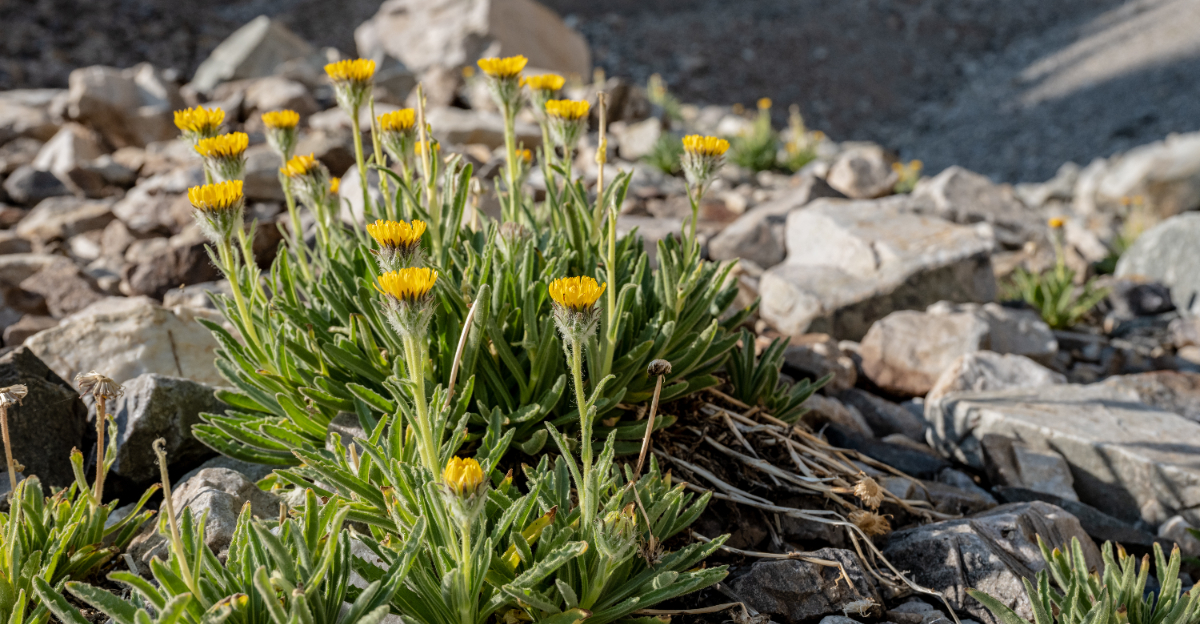
Bright yellow and completely unbothered by heat — that pretty much sums up Angelita Daisy. In Arizona, this little plant punches way above its weight when it comes to color output.
Most plants start looking rough by late May, but Angelita Daisy just keeps going like the heat is nothing.
Growing only about a foot tall, it fits easily into borders, rock gardens, or container plantings. Those cheerful yellow flowers sit right on top of fine, thread-like foliage that stays green even during the driest stretches.
You can find it thriving in Tucson, Phoenix, and everywhere across the low desert.
Water it every week or two during summer and it stays happy. It does not need rich soil — in fact, sandy or gravelly ground suits it just fine.
Overwatering is the one thing to avoid, because roots sitting in wet soil will cause real problems fast.
Deadheading spent blooms encourages fresh ones to open sooner. Even without deadheading, it keeps producing flowers at a steady pace from early spring well into the summer months.
Pollinators absolutely love it, so expect butterflies and bees to show up regularly.
Plant it in full sun for best results. In partial shade, blooming slows down noticeably.
If you want a plant that delivers consistent yellow color without a lot of fuss during Arizona’s toughest season, Angelita Daisy earns its spot in any garden.
Cheerful blooms keep the garden lively when most other plants fade under the desert sun. Its low-maintenance nature makes it perfect for adding color and attracting pollinators with minimal effort.
2. Red Yucca Sends Up Bold Flower Spikes That Last For Months
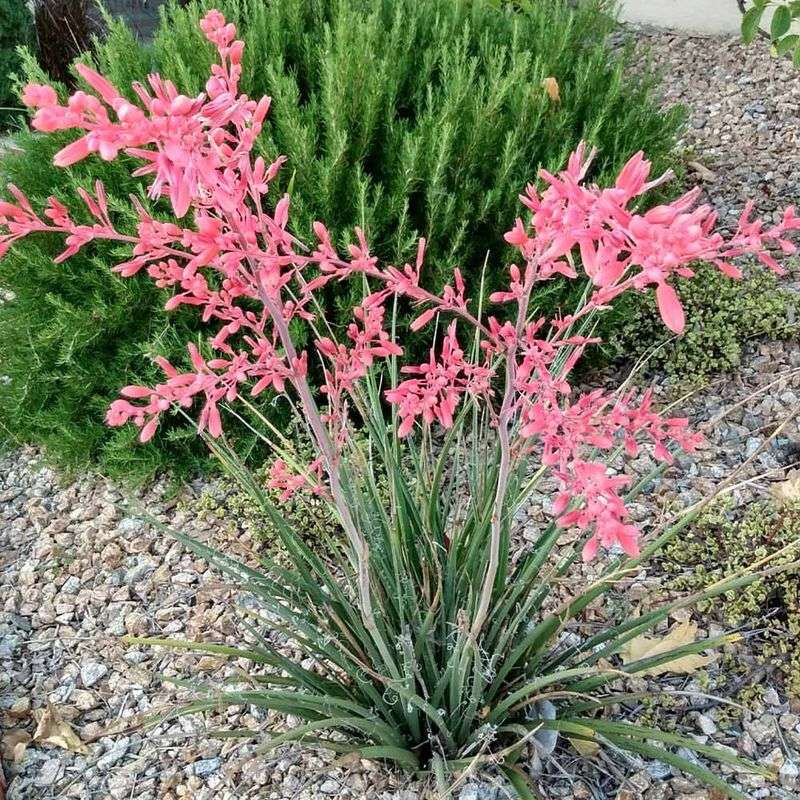
Nothing in an Arizona garden draws the eye quite like a Red Yucca spike shooting straight up into the sky. Those coral-red tubular flowers appear in late spring and just keep coming, with new buds opening along the spike for weeks and weeks.
It is one of the longest-lasting bloomers you can plant in the state.
Despite the name, Red Yucca is not actually a true yucca. Its leaves are softer and more grass-like, which makes it easier to place near walkways or seating areas without worrying about sharp points.
Your Arizona Garden Changes Every Week. Your Plan Should Too.
Gardening in Arizona changes quickly throughout the season. Every Friday you’ll receive a simple weekly plan showing exactly what to plant, prune, fertilize, harvest, and protect so you never miss the right timing.
The plant forms a tidy clump and rarely looks messy even when it is not blooming.
Hummingbirds are crazy about those tubular flowers, so if you have Red Yucca in your yard, expect regular visits throughout the season. Planting it near a patio or window gives you a front-row seat to all that activity.
In Phoenix and throughout the Sonoran Desert, Red Yucca handles brutal summer temperatures without any drama. It roots deep and pulls moisture from well below the surface, which means it can go long stretches between waterings once it gets settled in.
Full sun is ideal, but it tolerates some afternoon shade without losing much of its flowering energy. Plant it in well-drained soil and give it room to spread a bit — mature clumps can reach three feet wide.
For bold vertical interest that lasts from spring through summer, very few plants in Arizona compete with this one.
The tall, coral-red spikes create a striking focal point that draws attention throughout the garden. Low-maintenance and heat-tolerant, Red Yucca keeps hummingbirds coming while adding lasting color and structure.
3. Trailing Lantana Spreads Low With Constant Color
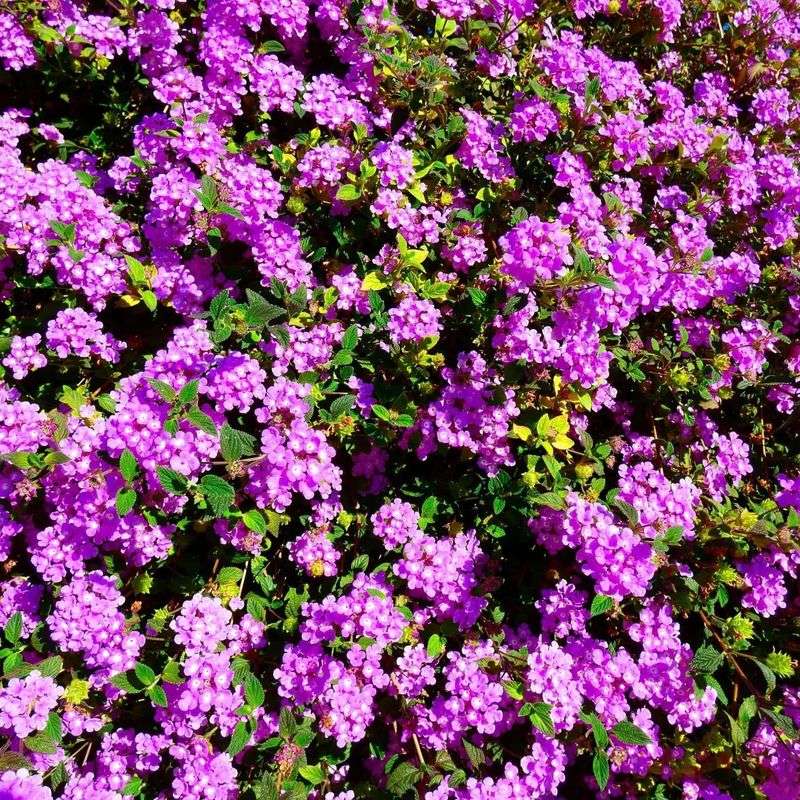
Ask any experienced Arizona gardener what covers ground and keeps blooming all summer, and Trailing Lantana comes up almost every time.
It sprawls outward rather than growing tall, blanketing dry slopes, borders, and rocky areas with clusters of tiny flowers in shades of orange, yellow, and pink.
Color is practically non-stop from spring right through the hottest part of summer.
What makes it especially useful in Arizona is how well it handles reflected heat. Planted along a south-facing wall or a sun-baked driveway edge, it shrugs off conditions that would stress most other plants.
The more sun it gets, the more flowers it tends to produce.
Butterflies flock to Lantana like it is a buffet. On a warm afternoon in Tucson or Scottsdale, a well-established Trailing Lantana can have dozens of butterflies working the blooms at the same time.
That kind of wildlife activity adds a whole other layer of interest to the garden.
Watering every week during the hottest months keeps it looking its best. Cutting it back in late winter encourages fresh, vigorous growth in spring.
Without pruning, older plants can get a bit woody and open in the center, so a hard cutback every year or two helps maintain a full, dense look.
Trailing Lantana is not picky about soil, and it spreads quickly enough to fill in large areas without needing many plants. If blank, bare ground in your Arizona yard drives you crazy, this plant solves that problem fast.
4. Globe Mallow Brings Warm Tones That Hold Through Heat
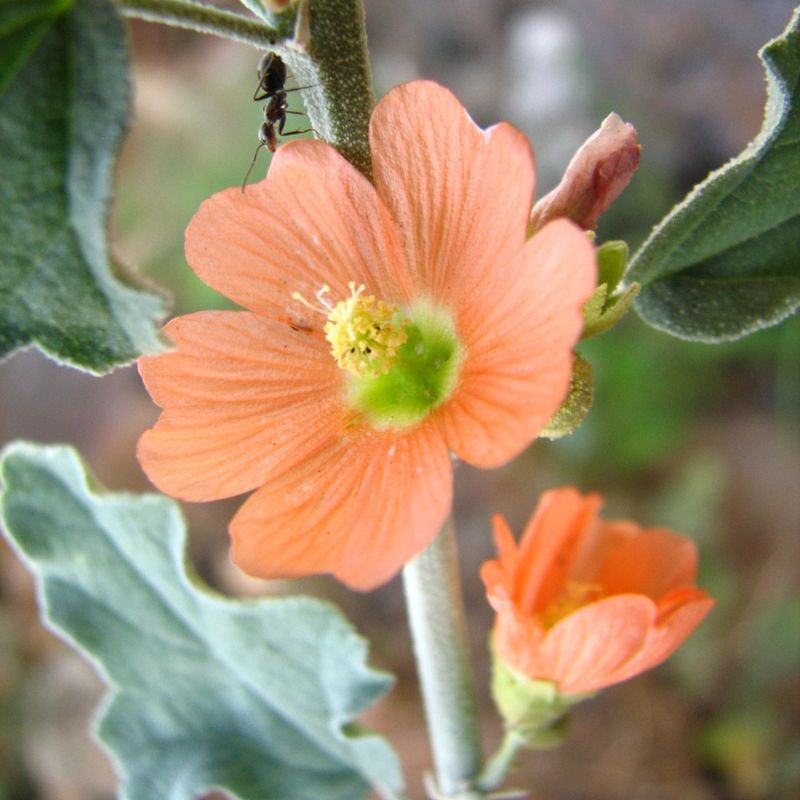
Burnt orange, soft apricot, and warm peachy tones — Globe Mallow has a color palette that looks like it was designed specifically for the Arizona desert.
It blooms heavily in spring, slows a little during peak summer heat, then picks right back up when temperatures ease even slightly.
Throughout all of that, the plant keeps its structure and never looks like it is struggling.
Globe Mallow is native to Arizona, which tells you everything about how well it fits in here. It evolved in this exact climate, with these soils, under this sun.
That native background means it needs very little from you once it gets going in your yard.
Growing two to three feet tall with a rounded, shrubby shape, it works well in naturalistic plantings, xeriscapes, and along roadsides or fence lines. The silver-green foliage contrasts beautifully with those warm-colored flowers and stays attractive even between bloom cycles.
One important note — Globe Mallow has tiny hairs on its leaves that can irritate sensitive skin, so wear gloves when handling it or pruning it back. That is a small trade-off for a plant that performs this well across Arizona.
Plant it in full sun and avoid overwatering. Supplemental irrigation every couple of weeks during summer is usually enough.
Cutting it back by about half after the spring bloom flush encourages a fresh round of growth and more flowers heading into the warmer months. Few plants deliver this kind of warm-toned color with this little effort in the Arizona heat.
Its long-lasting blooms and low-maintenance nature make Globe Mallow a standout choice for any Arizona garden.
5. Damianita Stays Covered In Small Yellow Flowers For A Long Stretch
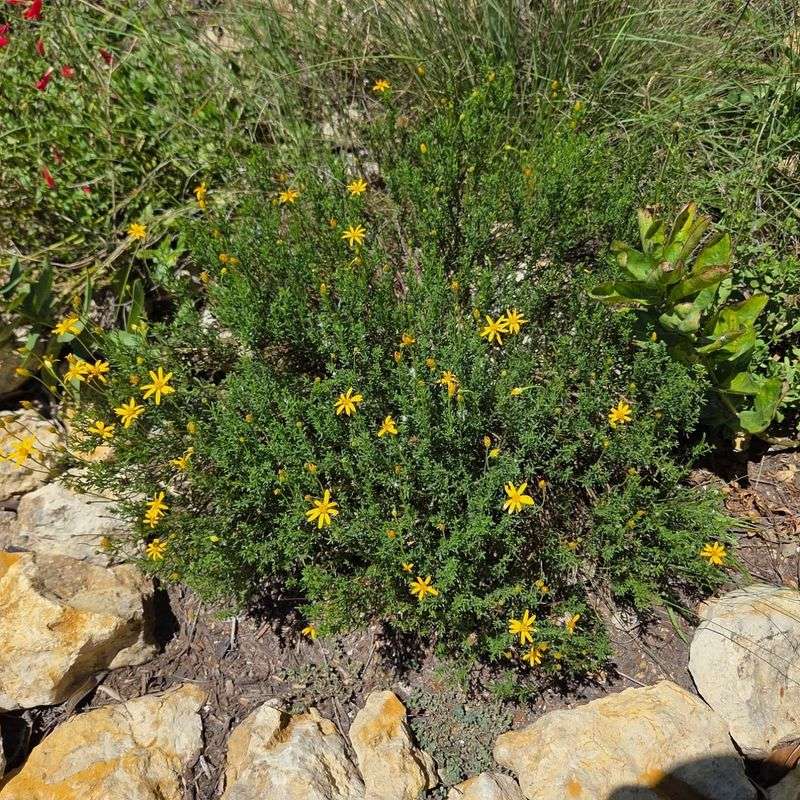
Damianita is one of those plants that gardeners in Arizona discover and then wonder why they waited so long to plant it. From spring through summer, it covers itself in small bright yellow flowers that sit above fine, aromatic foliage.
The fragrance alone is worth planting it near a path or patio where you will brush against it regularly.
It grows as a compact, rounded shrub — usually between one and two feet tall — which makes it easy to fit into almost any spot. Rock gardens, low borders, and hillside plantings all suit it well.
The tidy growth habit means it rarely needs much shaping.
In the Chihuahuan Desert and across southern Arizona, Damianita is a common sight along roadsides and in natural areas. Seeing it growing wild in those conditions confirms just how tough it really is.
Heat, drought, and rocky soil are not obstacles for this plant — they are basically its ideal growing conditions.
Water it occasionally during summer, maybe once every two weeks in extreme heat, and it stays productive. Too much water actually works against it, causing the plant to get leggy and reducing bloom production.
Lean soil and dry conditions bring out its best performance.
Full sun is non-negotiable. In shade or even partial shade, Damianita gets sparse and stops blooming reliably.
Plant it where it gets direct sun all day and it will reward you with months of yellow color that barely pauses even during Arizona’s most punishing summer stretches.
6. Desert Marigold Produces Waves Of Golden Blooms Into Summer
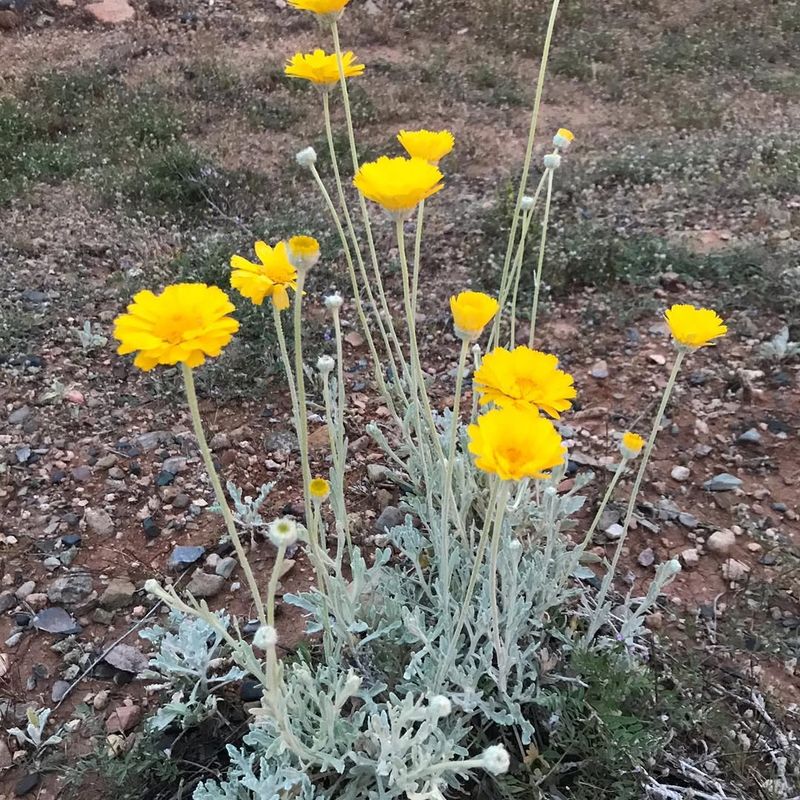
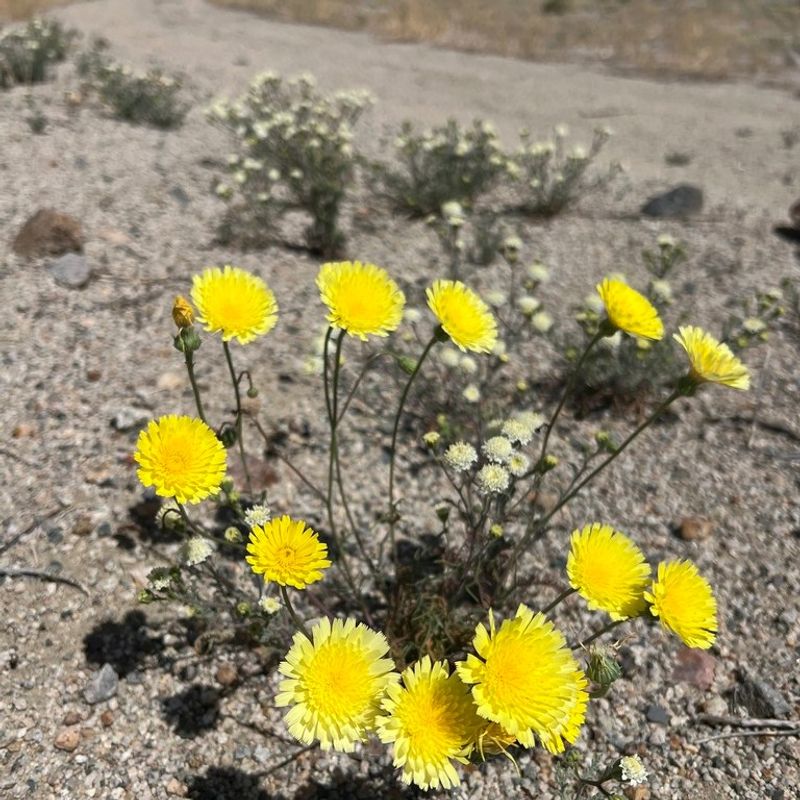
Golden yellow flowers popping up from silver-white woolly foliage — Desert Marigold is one of the most recognizable wildflowers across Arizona’s roadsides and open desert.
In a garden setting, it performs even better because it gets a little extra care that helps it push out wave after wave of blooms from spring deep into summer.
Each flower looks like a classic daisy, bright and cheerful, sitting on a tall stem above the soft basal foliage. Deadheading spent blooms is the single best thing you can do to keep fresh flowers coming.
Snip off the old ones every week or two and the plant responds quickly with new buds.
Desert Marigold is a short-lived perennial, which means individual plants may only last two to three years. However, it reseeds freely, so once you have it in your yard, it tends to come back on its own.
In Phoenix and Tucson, gardeners often find it popping up in unexpected spots where seeds landed the previous season.
Full sun and excellent drainage are the two requirements it really cares about. Soggy soil during monsoon season can cause root issues, so raised beds or sloped ground helps a lot in areas that get heavy summer rain.
Pollinators visit Desert Marigold constantly throughout the bloom season. Bees especially seem drawn to those golden flowers.
If supporting local wildlife in your Arizona yard matters to you, this plant belongs in your garden without question — practical, beautiful, and genuinely useful.
Adding to its appeal, Desert Marigold creates a long-lasting, sunny display that keeps Arizona gardens vibrant with minimal effort.
7. Autumn Sage Pushes Out New Flowers Again And Again
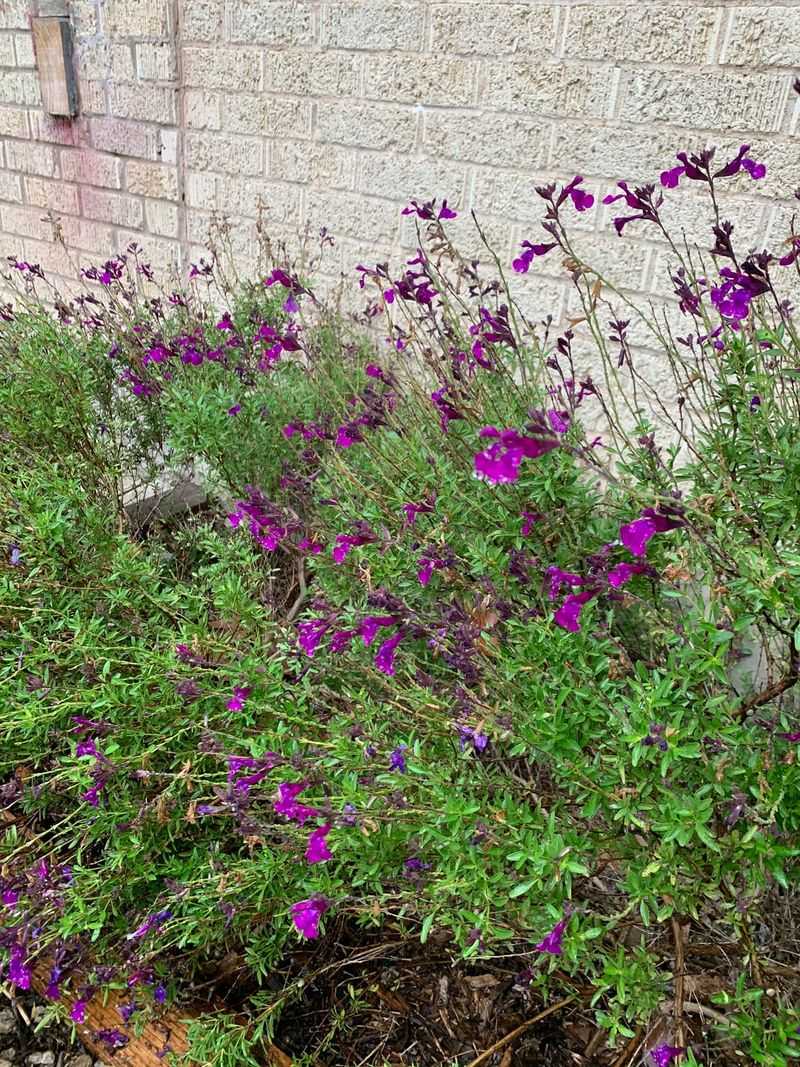
Red tubular flowers covering a shrubby plant from spring all the way through summer — Autumn Sage earns its reputation as one of the most reliable bloomers in Arizona.
Despite the name suggesting a fall plant, it starts early in spring and just keeps cycling through bloom after bloom without much encouragement from the gardener.
The flowers come in red most commonly, but pink, coral, white, and orange varieties are all available. Red tends to be the most heat-tolerant, which is why you see it so often in Phoenix and Tucson gardens.
Hummingbirds zero in on those tubular flowers and visit repeatedly throughout the day.
Autumn Sage grows about two to three feet tall and wide, forming a mounding shape that looks tidy without a lot of pruning. Cutting it back by about a third after each heavy bloom flush encourages fresh growth and another round of flowers within a few weeks.
That cycle can repeat several times between spring and the end of summer.
It handles Arizona heat well when planted in full sun, though a little afternoon shade in the lowest desert zones can help it maintain better leaf color during the most intense part of summer. Water it weekly during hot stretches and it stays vigorous and productive.
Soil quality is not a big concern — average, well-drained ground works perfectly. Avoid planting in areas with poor drainage, especially during monsoon season.
For consistent, repeating color that keeps refreshing itself throughout the warm season, Autumn Sage is a standout choice across Arizona.