This Is Why Every Arizona Garden Needs A Rosemary Bush By The Front Door
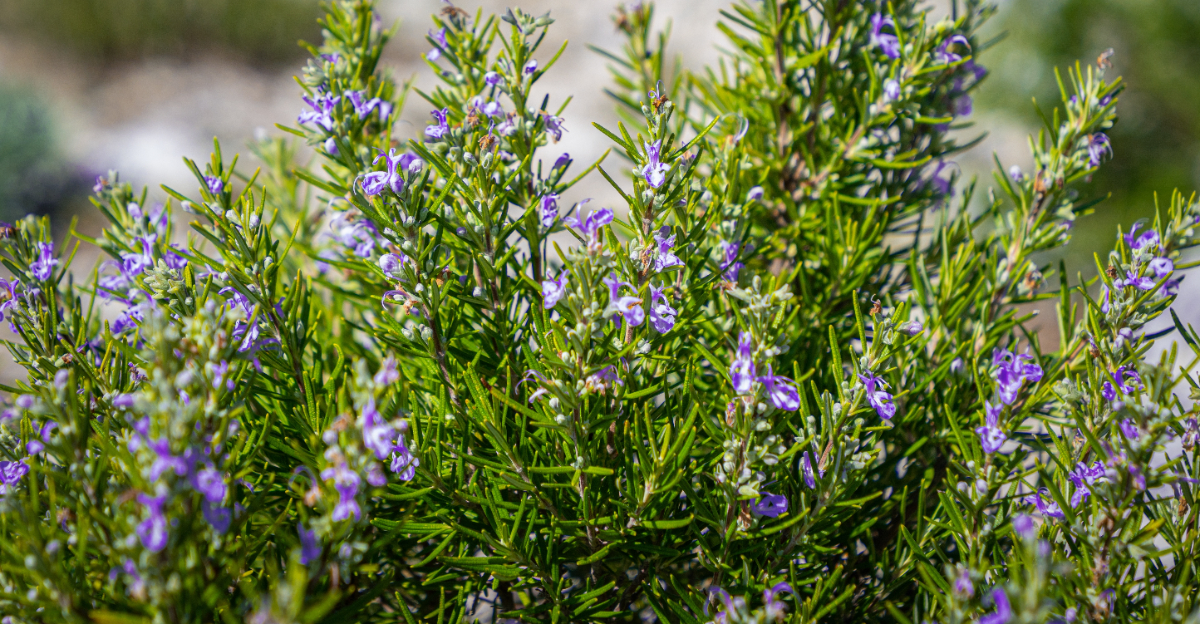
Front doors in Arizona tend to show every little mistake fast. Heat reflects, soil dries out, and plants that looked good at first can start to fade sooner than expected.
That entry area ends up setting the tone for the whole yard, whether it works or not. Rosemary stands out in a way that feels natural without trying too hard.
Strong structure, steady color, and a scent that hits right away make it feel like it belongs there from the start. Even in tough conditions, it keeps its shape and does not fall apart when temperatures rise.
Plenty of plants get swapped in and out near the front door, but something still feels off in many setups.
There is a reason this one keeps showing up in Arizona gardens and sticking around long after others struggle.
1. Rosemary Handles Heat And Sun Well
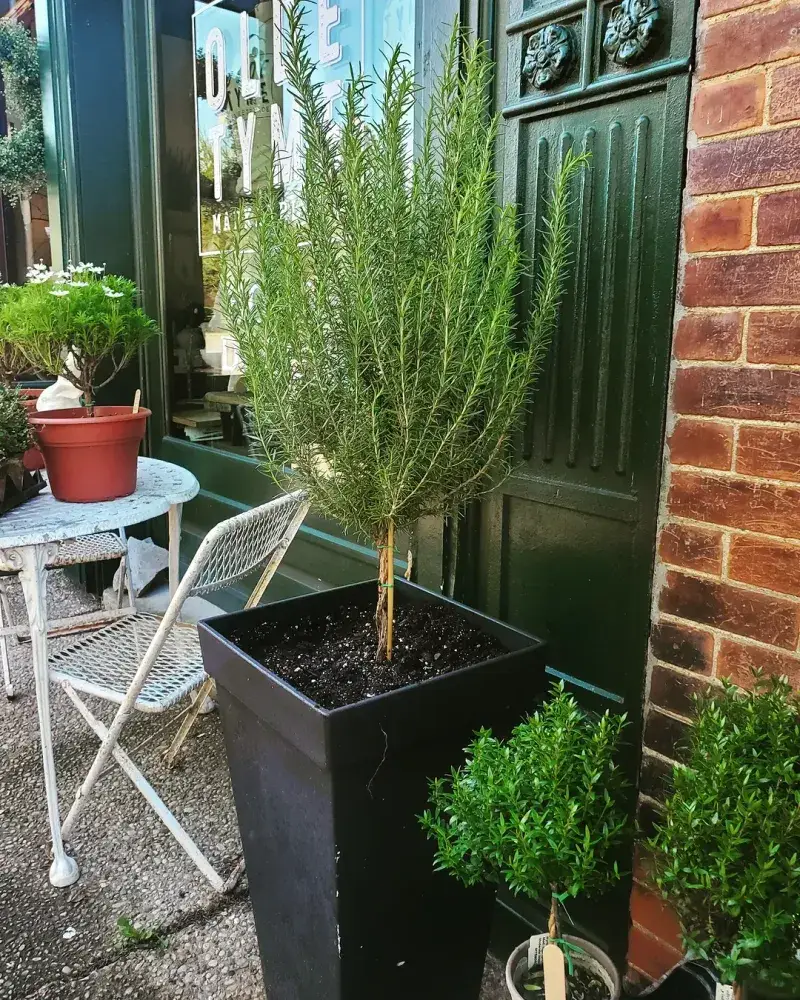
Arizona summers are not gentle, and most plants will struggle without shade or constant watering. Rosemary is built differently.
Native to the rocky, sun-baked coastlines of the Mediterranean, this plant evolved to thrive in exactly the kind of conditions Arizona throws at it every single year.
Temperatures above 100 degrees Fahrenheit are routine in Phoenix, Tucson, and across the valley. Rosemary handles that kind of heat without much complaint.
Its narrow, waxy leaves are designed to reduce moisture loss, which means the plant keeps going even when the sun is relentless and the pavement is radiating heat back upward.
Placing a rosemary bush near a south or west-facing front door, where reflected heat can be intense, is actually a solid choice. Other plants in those spots often struggle by midsummer, but rosemary tends to hold its shape and color.
It does not need shade cloth or afternoon cover.
Full sun is genuinely what rosemary prefers. Six to eight hours of direct sunlight per day keeps it growing strong and fragrant.
In shadier spots, rosemary can get leggy and lose some of its natural density, so the sunny Arizona exposure near a front entry is almost ideal.
2. Strong Scent Helps Deter Some Pests
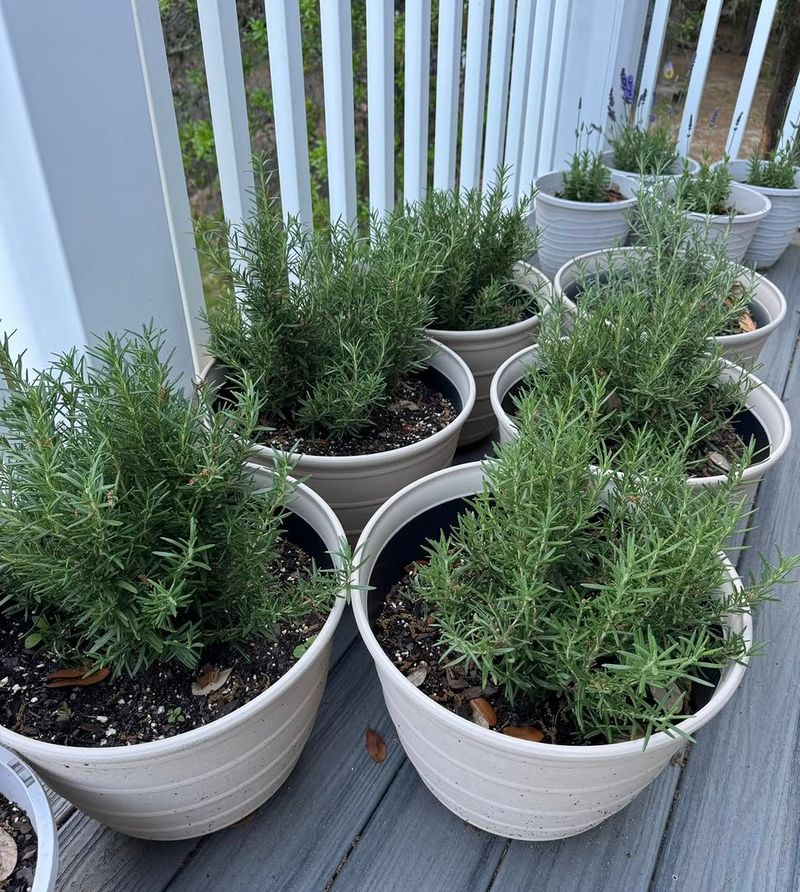
Walk up to a rosemary bush and brush your hand against the leaves. That sharp, almost medicinal scent is not just pleasant for people.
For a range of insects and pests, it is a strong signal to go elsewhere. Rosemary contains natural oils, including camphor and cineole, that many insects find unpleasant.
In Arizona, common garden nuisances like aphids, cabbage moths, and certain beetles tend to avoid areas where rosemary is growing. Planting it near a front door creates a natural buffer zone right at the entrance to your home.
It is not a guaranteed pest barrier, but it does add a layer of natural deterrence without any sprays or chemicals.
What rosemary does consistently is disrupt the scent trails and environmental cues that certain pests rely on. Ants, for example, often avoid crossing through strongly scented herb plantings.
Near an entryway in Arizona, where ants can be a persistent problem during monsoon season, this is a practical benefit.
Your Arizona Garden Changes Every Week. Your Plan Should Too.
Gardening in Arizona changes quickly throughout the season. Every Friday you’ll receive a simple weekly plan showing exactly what to plant, prune, fertilize, harvest, and protect so you never miss the right timing.
3. Thrives In Dry Soil With Less Water
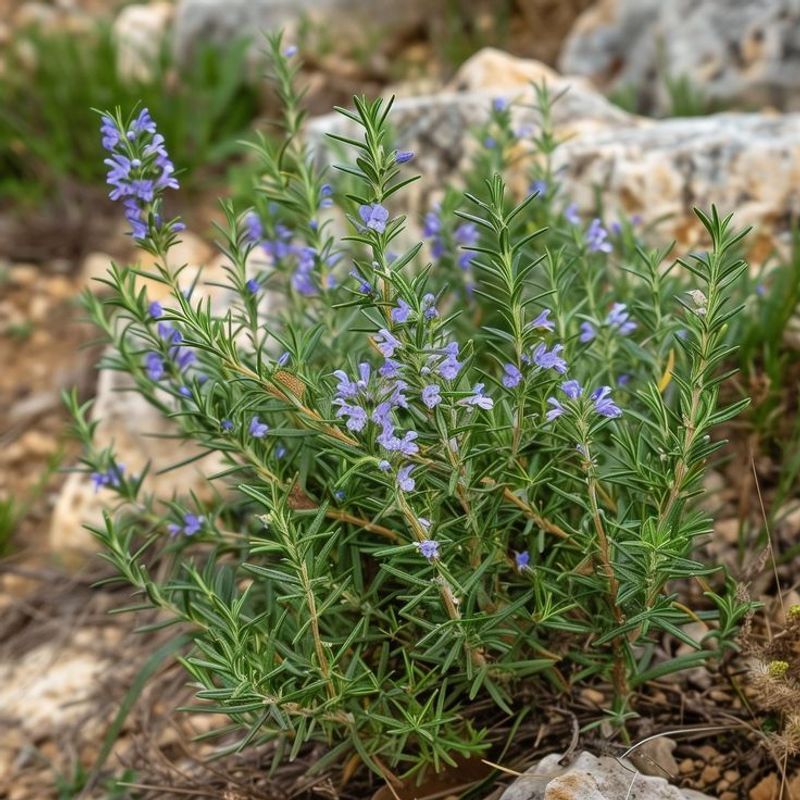
Water is precious in Arizona, and every plant you add to your landscape is a commitment. Rosemary makes that commitment easy.
Once established, it is one of the most drought-tolerant plants you can grow in the desert Southwest, needing far less water than most flowering shrubs or ornamental plants.
During the first growing season, water a new rosemary plant once or twice a week to help the roots spread. After that first year, deep watering every two to three weeks is typically enough during dry periods.
In years when Arizona gets a decent monsoon season, established rosemary can often go even longer between waterings.
Overwatering is actually a bigger concern than underwatering with rosemary. Soggy soil leads to root problems that no amount of sunshine can fix.
In Arizona, where many yards have caliche layers or clay pockets beneath the surface, it is worth amending planting areas with sand or gravel to improve drainage before putting rosemary in the ground.
Sandy, fast-draining soil is close to ideal for this plant. Arizona’s desert soils, though often low in organic matter, tend to drain well in many regions, which rosemary genuinely appreciates.
Raised beds and rocky slopes are excellent spots if your yard has drainage challenges.
4. Compact Growth Stays Neat And Manageable
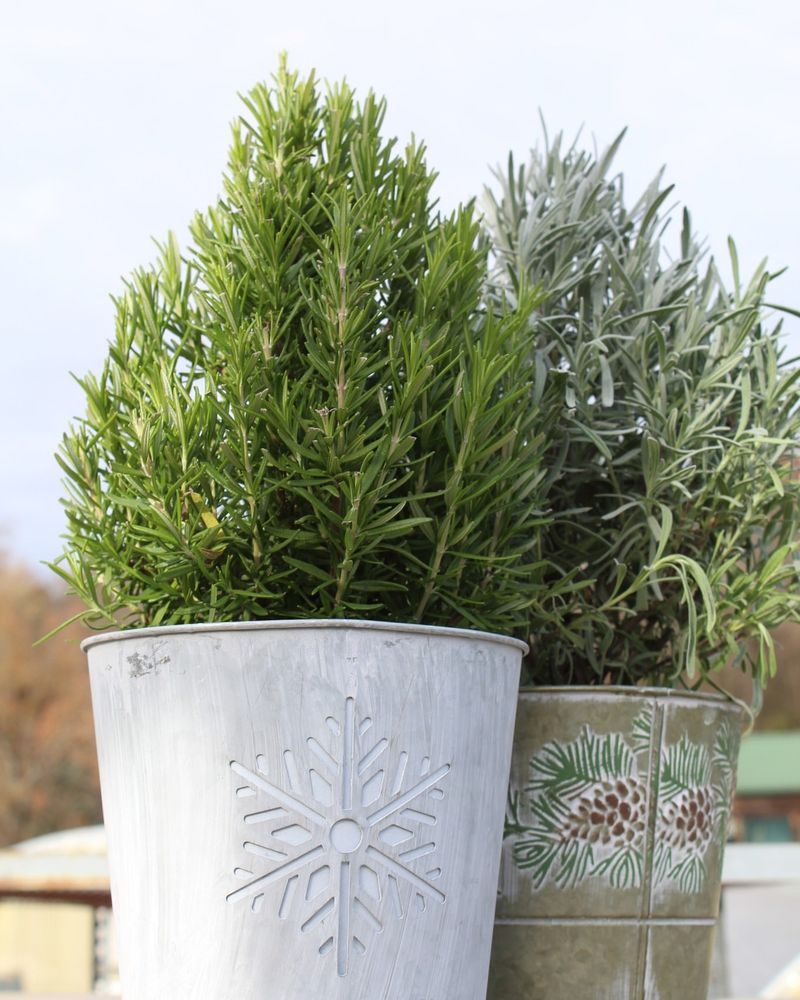
Not every plant plays nicely near a front door. Some shrubs spread aggressively, others drop leaves constantly, and a few send roots in directions you did not plan for.
Rosemary is refreshingly well-behaved in comparison, especially in the Arizona climate where growth rates tend to be more moderate than in wetter regions.
Most common rosemary varieties grown in Arizona reach two to four feet tall and wide over several years. That is a manageable size for a front entry planting.
It frames a doorway without crowding it, and it does not require constant cutting back to stay presentable.
Light trimming a couple of times per year keeps rosemary looking tidy and encourages bushier, denser growth. The best times to trim in Arizona are late winter before new growth begins and again after the spring bloom period ends.
Avoid heavy pruning during the peak of summer heat, as recovery can be slow during those intense months.
Upright varieties like Tuscan Blue work well as accent plants near doors because they grow tall and narrow without sprawling outward. Trailing varieties like Prostratus have a different growth habit and work better along walkway edges or in raised planters where they can cascade naturally.
5. Evergreen Leaves Keep Year Round Color
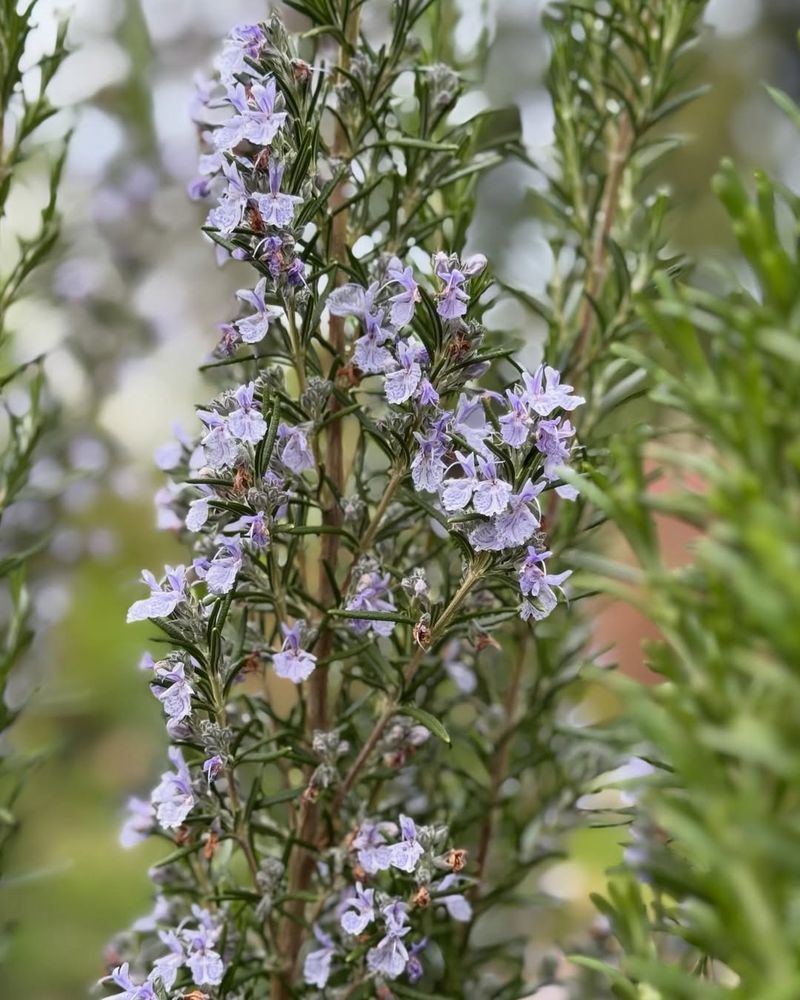
Arizona winters are mild compared to most of the country, but even here, many plants go dormant, drop leaves, or look worn out by February. Rosemary keeps its color through all of it.
The deep green, needle-like leaves stay on the plant year-round, giving your front entry a polished, cared-for look even in the slowest gardening months.
Evergreen plants are especially valuable in desert landscapes because so much of the surrounding scenery turns brown or gray during dry spells. A rosemary bush near the front door provides consistent visual structure when flowering annuals are gone and ornamental grasses look ragged.
In most parts of Arizona, including the Phoenix metro area and Tucson, rosemary rarely faces temperatures cold enough to cause serious leaf damage.
Occasional frost in higher elevation areas like Flagstaff or Prescott can affect rosemary, but in the low desert, it stays green and healthy through December, January, and February without any protection.
That consistency matters for curb appeal. A front entry that looks sharp in July and equally sharp in January creates a strong impression throughout the year.
Rosemary delivers that without seasonal replanting, without fertilizer schedules, and without much fuss at all.
6. Flowers Attract Bees And Pollinators
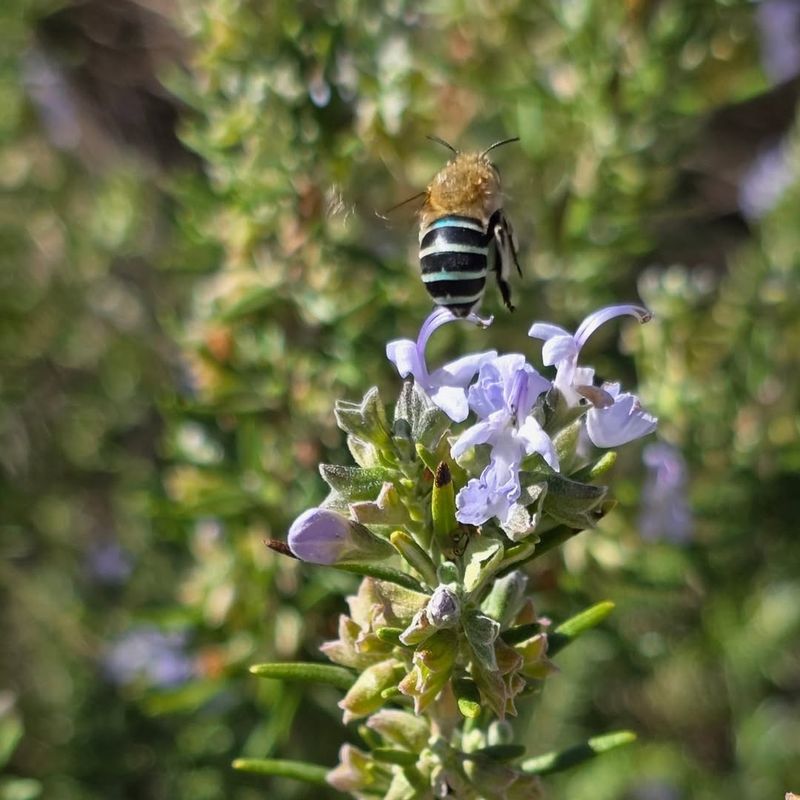
Somewhere between January and April, depending on your Arizona location and elevation, rosemary does something quietly spectacular. Small blue, purple, or white flowers emerge along the stems, and within days, bees show up.
Native bees, honeybees, and bumble bees are all drawn to rosemary blooms with noticeable enthusiasm.
Pollinators are under real pressure across North America, and planting rosemary near your front door is a small but meaningful contribution to supporting them.
Arizona has an impressive diversity of native bee species, and early-blooming plants like rosemary are especially valuable because they provide food when few other things are flowering yet.
The flowers are small but produced in large numbers, which makes rosemary a reliable nectar source. Bees tend to work the plant methodically, moving from flower to flower without straying far.
Watching that activity from a front porch on a warm February morning in Arizona is genuinely enjoyable.
Butterflies occasionally visit rosemary flowers as well, though bees are clearly the primary beneficiaries.
If you have a vegetable garden or fruit trees nearby, the increased pollinator activity that rosemary attracts can have a positive ripple effect on your overall garden productivity.
One practical note: bees on rosemary near a busy front entry are not a safety concern under normal circumstances.
7. Good Drainage Prevents Root Rot
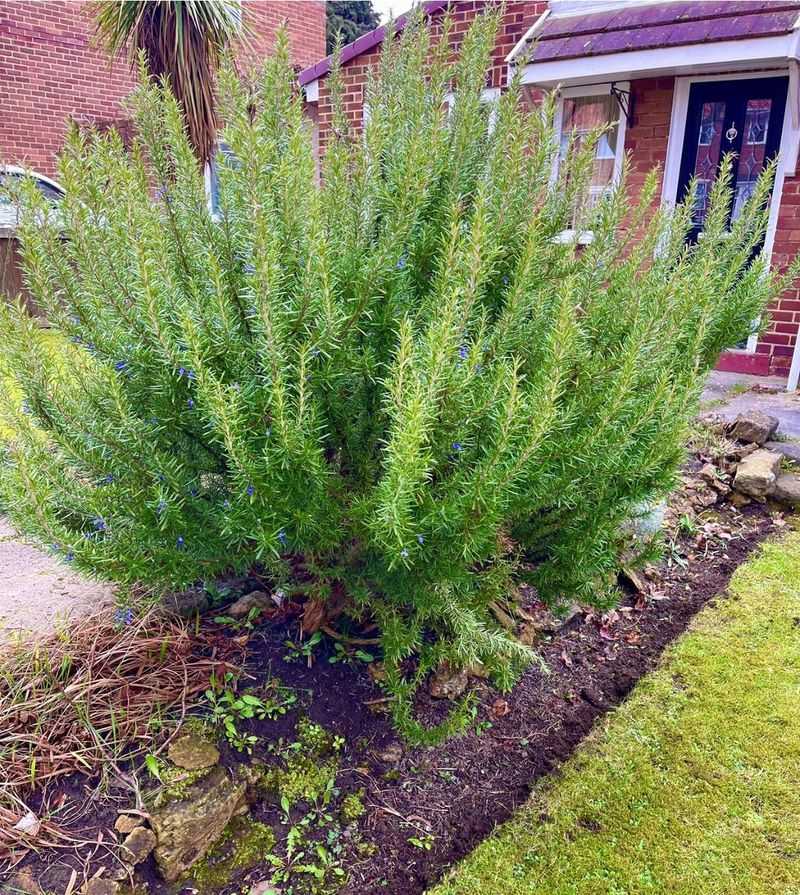
Root rot is the most common reason rosemary struggles or declines in home gardens, and in Arizona, it is entirely preventable with the right setup. Rosemary roots need oxygen around them.
When soil stays wet for extended periods, oxygen gets displaced and root tissue breaks down. Good drainage is not optional for this plant.
It is the foundation everything else depends on.
Arizona’s monsoon season brings heavy, fast rainfall between July and September. Even in a drought-tolerant landscape, that kind of sudden moisture can pool around plants if the soil is not prepared properly.
Before planting rosemary near your front door, check how water moves through the soil in that spot after a hard rain.
If water sits for more than an hour, the drainage needs improvement. Mixing coarse sand or fine gravel into the planting hole, or raising the planting area slightly above the surrounding grade, makes a real difference.
Some Arizona gardeners plant rosemary in raised beds or large containers specifically to control drainage conditions more precisely.
Container-grown rosemary near a front door is a great option for renters or people with heavily compacted soil. Use a pot with multiple drainage holes and a fast-draining cactus or Mediterranean herb mix.
Elevating the container slightly on pot feet helps prevent water from pooling beneath it.