These 9 Plants Survive California’s Worst Heat Waves
When a California heat wave hits, it does not ease in gently. Temperatures spike fast, soil dries out in days, and many plants start to show stress almost immediately.
Leaves scorch, blooms fade, and entire beds can struggle to hold on. Yet some plants seem unfazed, holding their color and structure even through the most intense stretches of heat.
These are the ones built for California’s climate, often adapted to long dry summers, strong sun, and limited water. Choosing the right plants can mean the difference between constant damage control and a garden that stays steady and vibrant.
With a few smart additions, your landscape can handle extreme conditions far better and still look full of life when everything around it starts to fade.
1. Agave
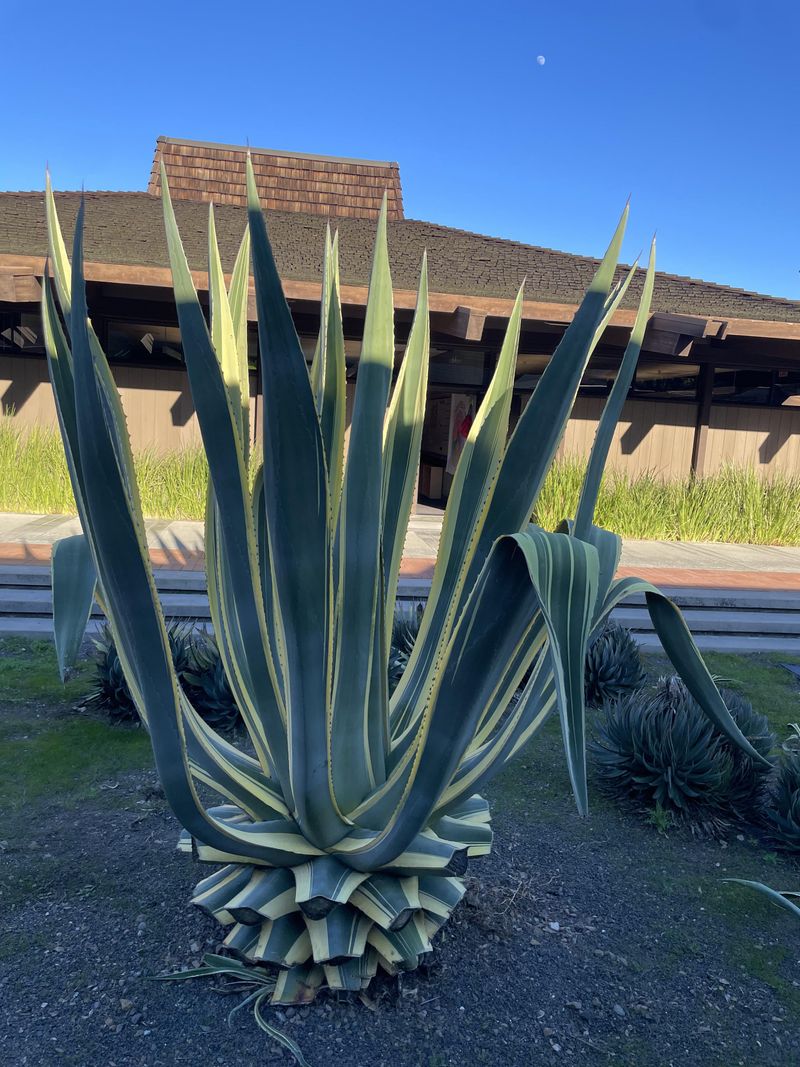
Few plants look as bold and confident as agave does standing in a California yard during a heat wave. Its thick, fleshy leaves store water like a natural tank, which means it barely needs your help to stay healthy.
Agave is built for survival in hot, dry places, and California’s intense summers are no problem for it at all.
You can find agave growing happily across Southern California, from desert gardens in Palm Springs to coastal yards in San Diego. It comes in many sizes, so whether you have a small patio or a wide open yard, there is an agave variety that fits.
Some grow only a foot tall, while others stretch several feet wide and become a real showstopper.
Planting agave is simple. Choose a sunny spot with well-draining soil, and you are basically done.
It needs very little water once it gets settled in. Avoid overwatering, because soggy roots are the one thing agave truly dislikes.
Pair it with gravel mulch or rocks for a clean, modern look that also helps keep moisture in the soil during California’s long dry season.
2. Aloe
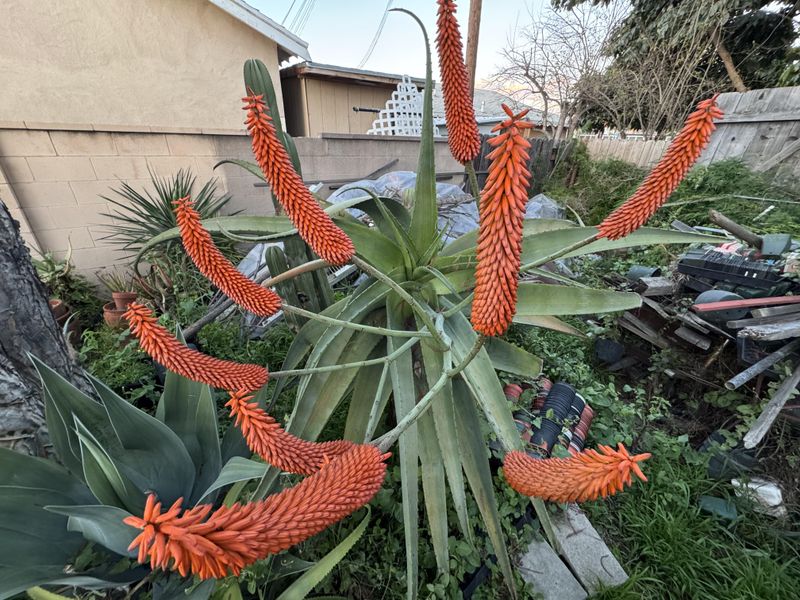
Walk through almost any California neighborhood and you will spot aloe growing along fences, in pots, or spilling over garden borders. It is one of the most popular heat-tolerant plants in the state, and for good reason.
Aloe stores water inside its thick, juicy leaves and uses it slowly during hot, dry stretches when other plants would struggle.
Beyond looking great, aloe is genuinely useful. Break off a leaf and you get a natural gel that soothes sunburns and skin irritation.
Californians have been growing aloe in their yards for generations, and it has earned its place as a garden staple. It thrives in full sun but can also handle partial shade, making it flexible for different yard setups.
Aloe grows well in containers, raised beds, or directly in the ground. It prefers sandy or well-drained soil and does not need much fertilizer.
During a heat wave, it keeps its color and structure while nearby plants wilt. Water it every couple of weeks in summer, and even less in winter.
Aloe also blooms with tall, tubular orange or red flowers that attract hummingbirds, adding a lively touch to any California garden.
Your California Garden Changes Every Week. Your Plan Should Too.
Gardening in California changes quickly throughout the season. Every Friday you’ll receive a simple weekly plan showing exactly what to plant, prune, fertilize, harvest, and protect so you never miss the right timing.
3. California Poppy
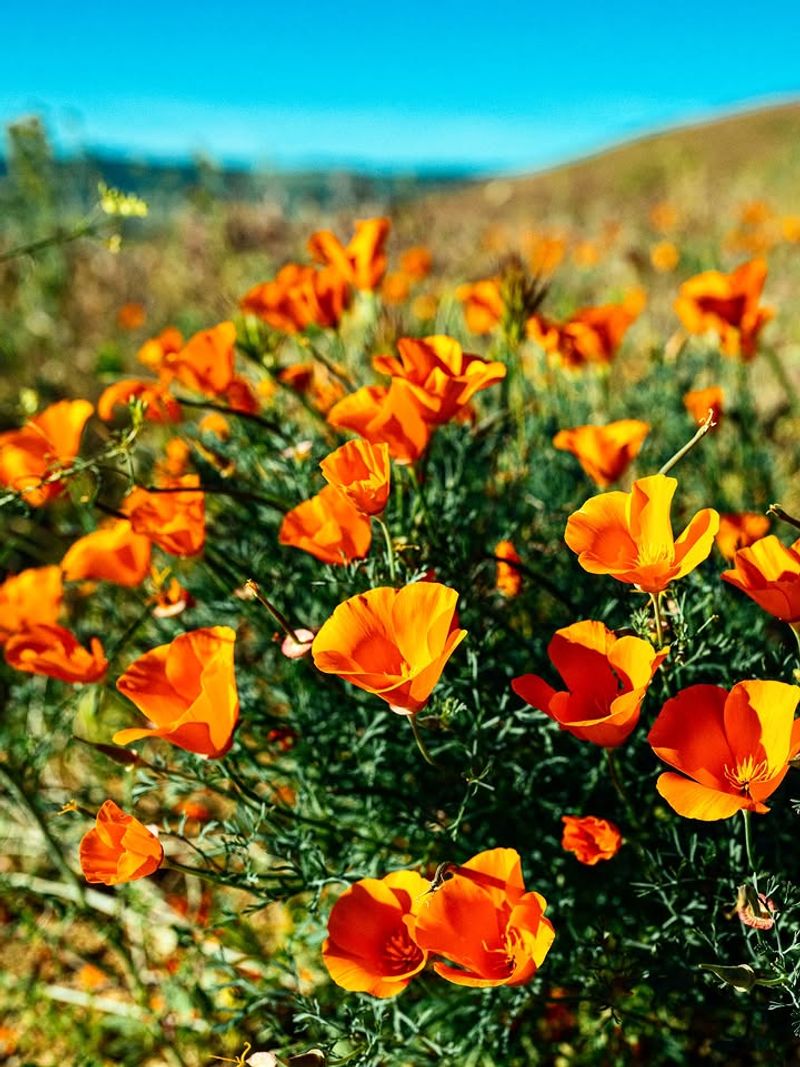
Bright orange and completely carefree, the California poppy is the official state flower for good reason. It pops up every spring across roadsides, hillsides, and home gardens from the coast to the inland valleys.
Even during scorching heat waves, this little wildflower keeps on blooming with almost no help from the gardener.
What makes the California poppy so special is how naturally it fits into the state’s climate. It evolved here, so it knows exactly how to handle the heat, the drought, and the dry summer air.
You do not need to water it much once it sprouts. In fact, too much water can cause problems.
It thrives in poor, dry soil and full sun, the kind of conditions that send most other flowers into shock.
Scatter seeds in fall or early spring in a sunny patch of your yard, and let nature do the rest. The poppies will self-seed year after year, coming back reliably each season.
They work beautifully in wildflower gardens, borders, or even mixed into gravel landscapes. The cheerful orange blooms also attract bees and butterflies, making your California garden a little more alive and buzzing with activity all season long.
4. Lavender
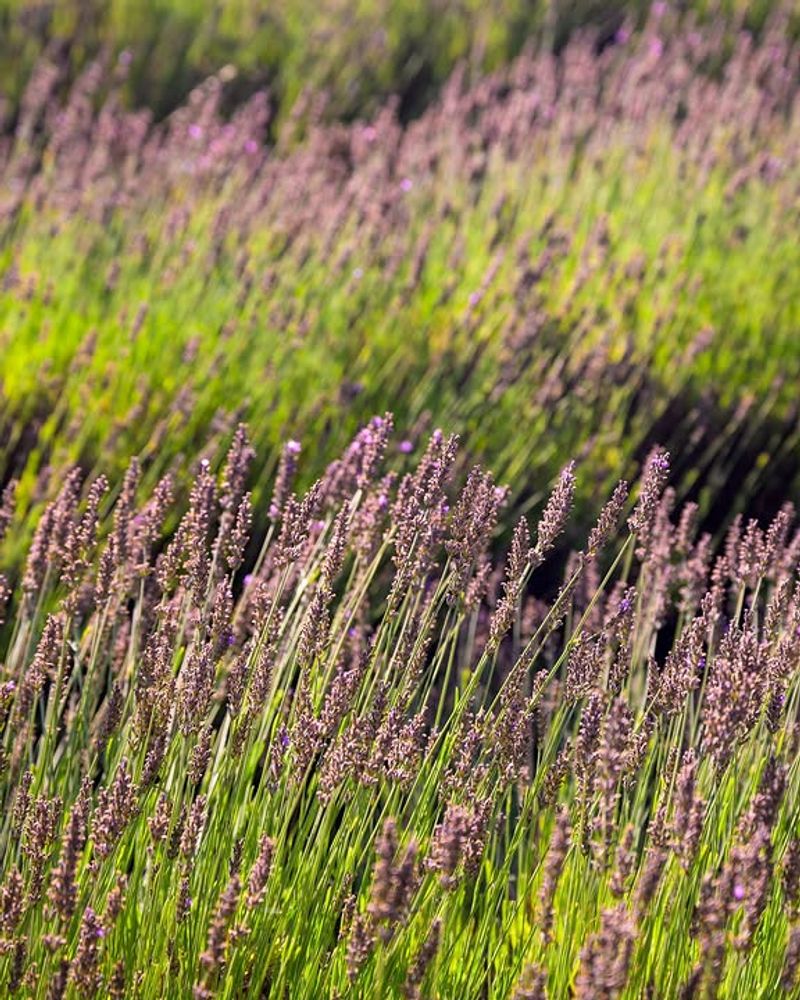
There is something almost magical about the smell of lavender on a hot California afternoon. The purple blooms sway gently in the breeze, releasing that familiar, calming fragrance that makes you stop and take a slow breath.
But lavender is more than just a pretty scent. It is one of the toughest heat-tolerant plants you can grow in California.
Originally from the dry, rocky hillsides of the Mediterranean, lavender feels completely at home in California’s climate. The heat, the dry air, and the long sunny days are exactly what it loves.
Once established, it needs very little water, making it a smart choice for water-conscious gardeners across the state. It also resists most pests, which means less work for you.
Plant lavender in a spot that gets full sun for most of the day. Make sure the soil drains well, because lavender hates having wet feet.
Trim it back lightly after it blooms to keep it bushy and full. It looks stunning along garden paths, in raised beds, or as a low hedge.
Lavender also attracts bees and butterflies, so planting it helps support local pollinators. For California gardeners who want beauty and toughness in one plant, lavender delivers every single time.
5. Rosemary
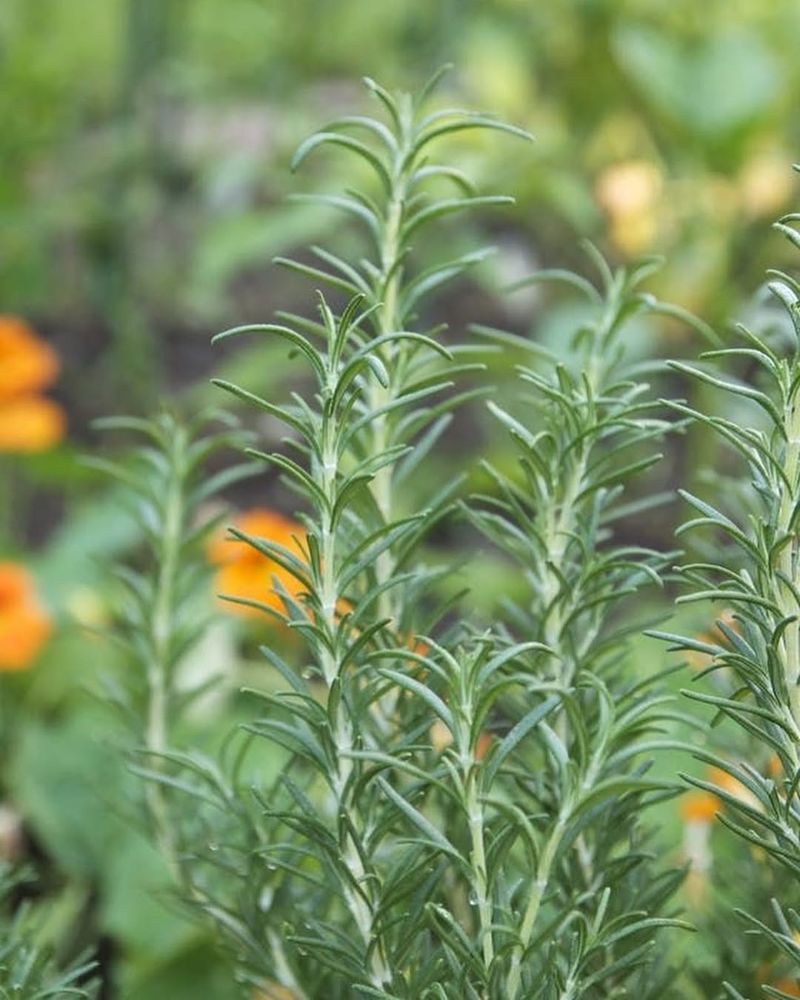
Rosemary is one of those plants that does double duty in a California garden. It looks great, smells amazing, and you can cook with it too.
Snip a few sprigs for roasted chicken or homemade bread, and your kitchen fills with that warm, woodsy aroma. But beyond the kitchen, rosemary is a heat-wave champion that keeps performing when temperatures spike.
Like lavender, rosemary comes from the Mediterranean region, where summers are hot and dry. That background makes it perfectly suited for California gardens, especially in areas like the Central Valley, Inland Empire, and Southern California coastal zones.
It handles full sun without complaint and can go long stretches without water once it is established in the ground.
Rosemary grows as a low spreading ground cover or as an upright shrub, depending on the variety you choose. Both forms are equally tough and heat-tolerant.
The small blue or purple flowers that appear in late winter and spring attract bees and other beneficial insects. Plant it along walkways, in herb gardens, or on dry slopes where other plants struggle.
Give it good drainage and plenty of sunshine, and rosemary will reward you with years of lush, fragrant growth even through California’s harshest heat waves.
6. Sage (Salvia)
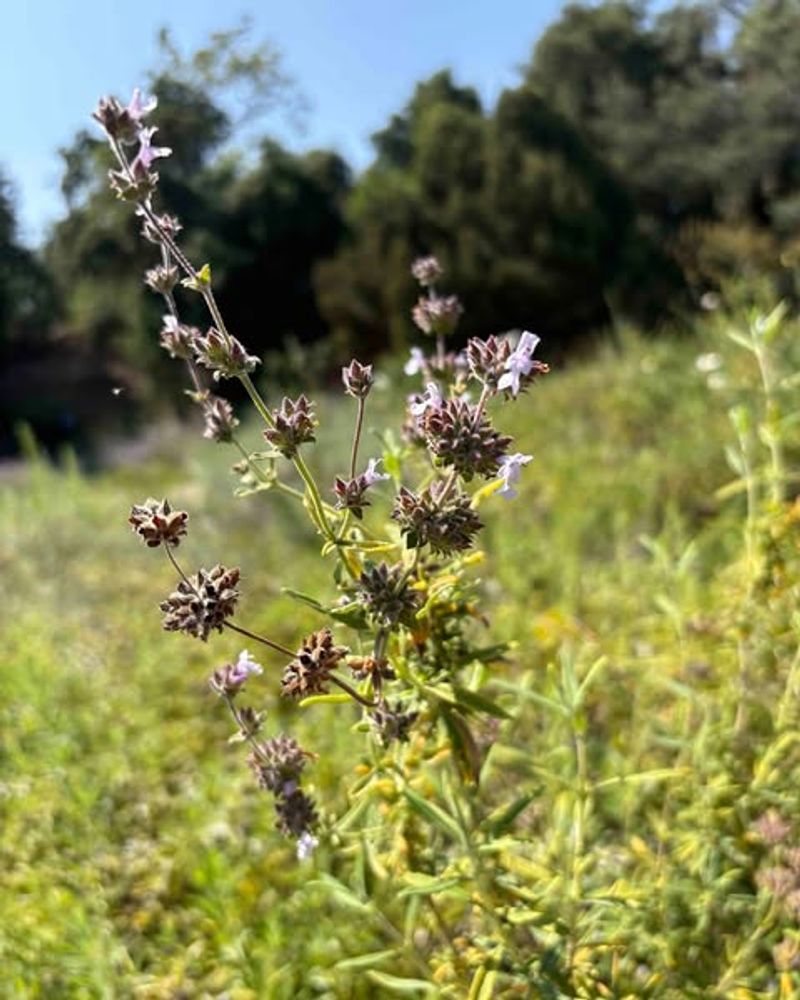
Salvia, commonly called sage, is one of California’s most beloved native plants, and gardeners across the state have been planting it for good reason. During heat waves, when the air shimmers and the ground turns hard, salvia keeps putting out those gorgeous spikes of purple, blue, or red flowers.
It is tough, reliable, and genuinely beautiful all at once.
California has its own native sages, like Cleveland sage and white sage, that are especially well-adapted to the state’s dry summers and fire-prone landscapes. These varieties evolved here and know how to handle the worst the California sun can throw at them.
Their aromatic leaves release a wonderful herbal scent when you brush against them, making a walk through the garden feel like a sensory experience.
Salvia thrives in full sun and well-drained soil. Water it regularly during the first season to help it get established, then cut back to occasional deep watering.
Avoid overhead watering, which can cause mildew on the leaves. Prune it lightly after flowering to encourage new growth and more blooms.
Hummingbirds absolutely love salvia flowers, so planting a few in your California yard is a great way to attract these tiny, colorful visitors throughout the warm season.
7. Red Yucca
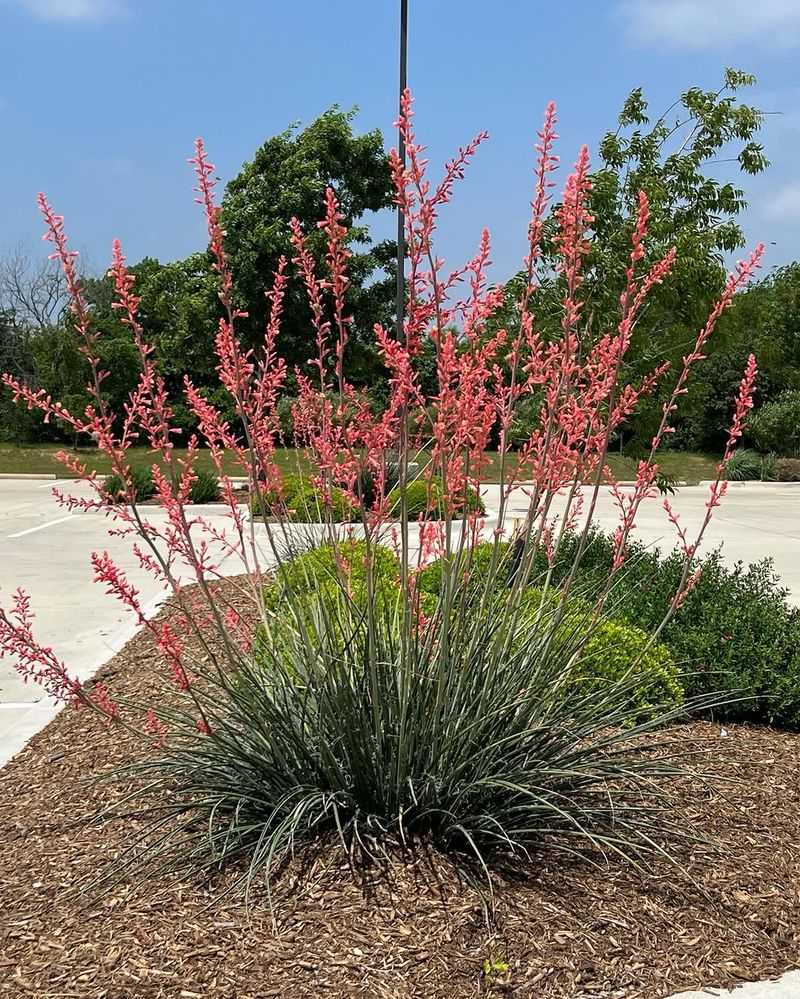
Red yucca is not actually a true yucca, but do not let that confuse you. It is one of the most stunning heat-tolerant plants you can add to a California garden.
The long, arching green leaves stay attractive all year, and in late spring, tall flower spikes shoot up carrying dozens of coral-pink tubular blooms. Hummingbirds cannot resist them.
Native to Texas and northern Mexico, red yucca has adapted beautifully to California’s hot, dry conditions. It handles intense summer heat without breaking a sweat.
Once established, it is extremely drought-tolerant and needs almost no supplemental watering in most parts of California. The roots go deep to find moisture on their own, which makes it a low-maintenance win for busy gardeners.
Plant red yucca in full sun with well-draining soil. It looks fantastic in xeriscape gardens, rock gardens, or as a focal point in a mixed border.
The grass-like texture adds softness to landscapes that might otherwise feel too stiff or spiky. Red yucca also works well in containers on sunny patios or decks.
Give it space to spread naturally, and avoid planting it in areas with heavy clay soil or poor drainage. In California’s heat-wave climate, this plant is a true standout from spring all the way through fall.
8. Oleander
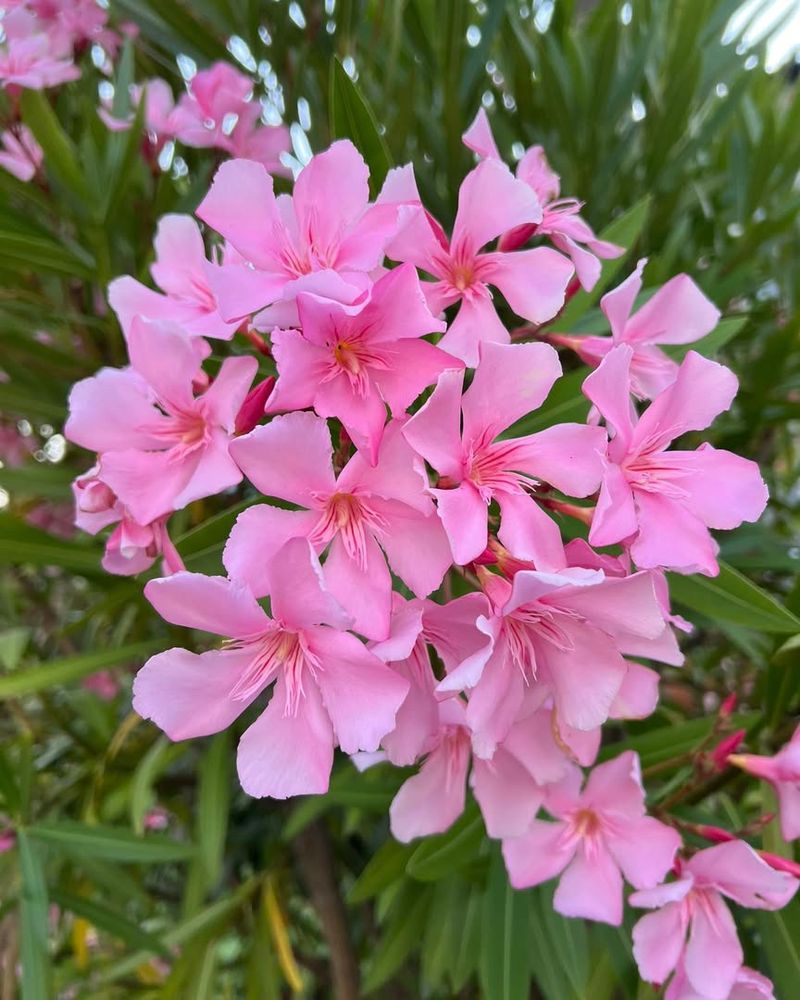
Drive along any California freeway and you will notice oleander growing in the median strips, blooming cheerfully in the blazing sun. That image says everything you need to know about this plant.
It handles heat, smog, poor soil, and drought without missing a beat. Oleander is one of the most heat-tolerant shrubs in the entire state.
Oleander produces clusters of beautiful flowers in shades of white, pink, red, and yellow throughout the summer. It blooms for months, even during the hottest stretches of a California heat wave.
The plant grows fast and can reach eight to twelve feet tall if left unpruned, making it useful as a privacy screen or windbreak in larger yards.
One important note for gardeners with young children or pets: all parts of oleander are toxic if eaten. Keep that in mind when choosing where to plant it.
Outside of that concern, oleander is incredibly easy to grow. It thrives in full sun and tolerates a wide range of soil types.
Water it occasionally during its first year, then let it fend for itself. Trim it after flowering to keep a tidy shape.
For California gardens that need a tough, colorful, low-maintenance shrub, oleander has been the go-to choice for decades.
9. Lantana
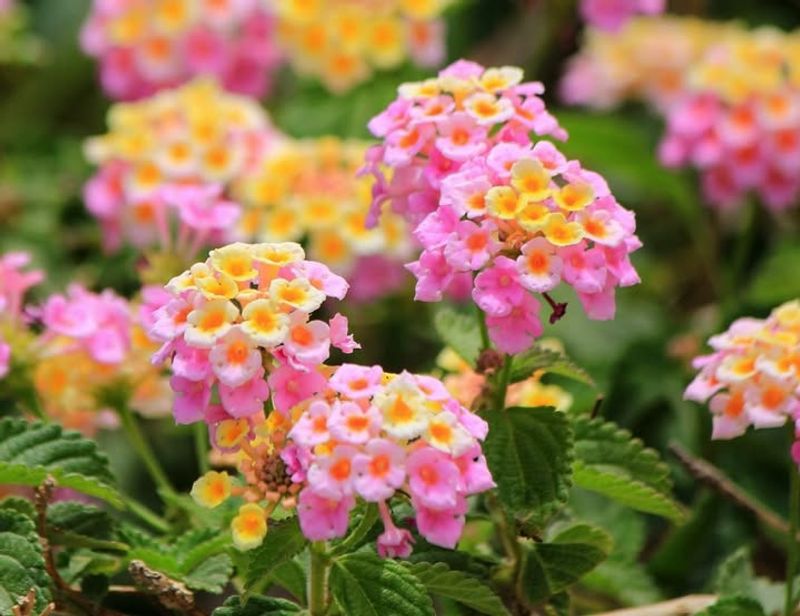
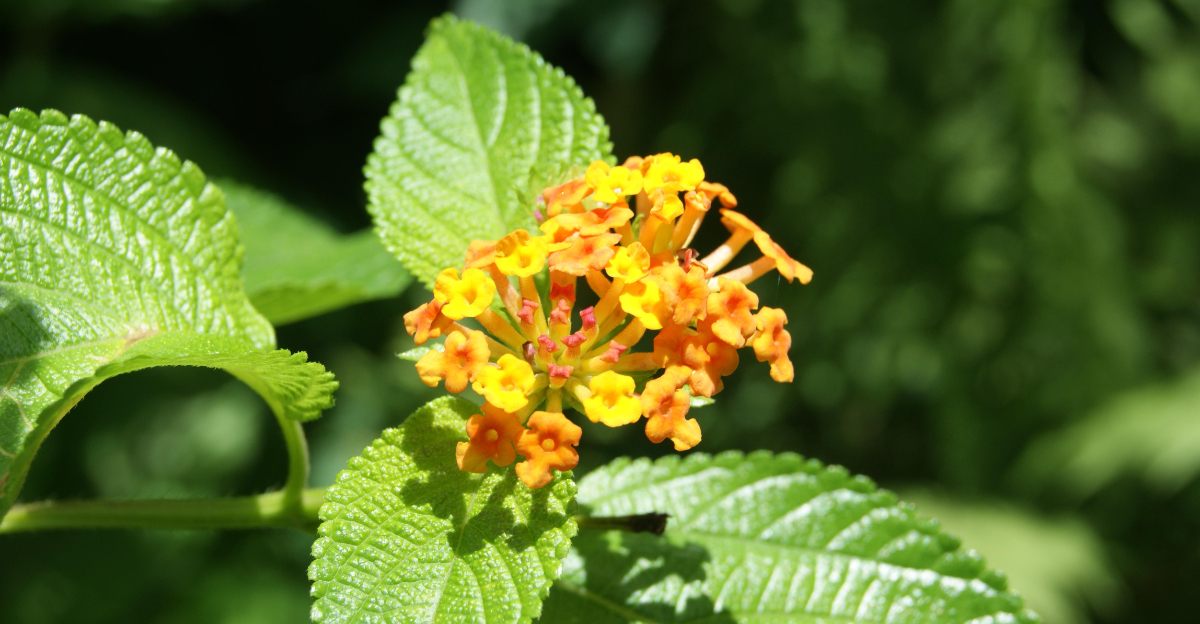
If you want nonstop color during a California heat wave, lantana is the answer. This tough little plant blooms like crazy in the hottest weather, producing clusters of tiny flowers in wild combinations of orange, yellow, pink, red, and purple.
The more sun it gets, the better it looks. Butterflies and bees flock to it all summer long.
Lantana originally comes from tropical and subtropical regions, so it was practically designed for California’s warm climate. It thrives in full sun and handles heat that would stress most flowering plants.
Once established, it needs very little water, making it a smart pick for water-wise gardeners across Southern California and the Central Valley. It also resists deer, which is a big bonus in many California neighborhoods near open land.
You can grow lantana as a ground cover, in hanging baskets, or as a low spreading shrub. It fills in quickly and looks lush even in dry conditions.
Deadheading spent flowers is not necessary, but light trimming keeps it looking tidy. Plant it in well-draining soil and give it room to spread.
Lantana is also great for erosion control on dry slopes. For a California garden that needs bold color and zero drama during summer, lantana is one of the best choices you can make.