These 11 Vegetables Can Handle California Heat And Still Produce
California heat does not play nice. One minute your vegetable garden looks perky and promising, and the next the lettuce has given up, the peas have vanished emotionally, and the spinach is auditioning for a wilted salad.
Summer separates the delicate darlings from the backyard tough guys, and honestly, some vegetables are built for the drama.
These are the crops that see hot afternoons, blazing soil, and long sunny days and say, “Cute. Watch this.”
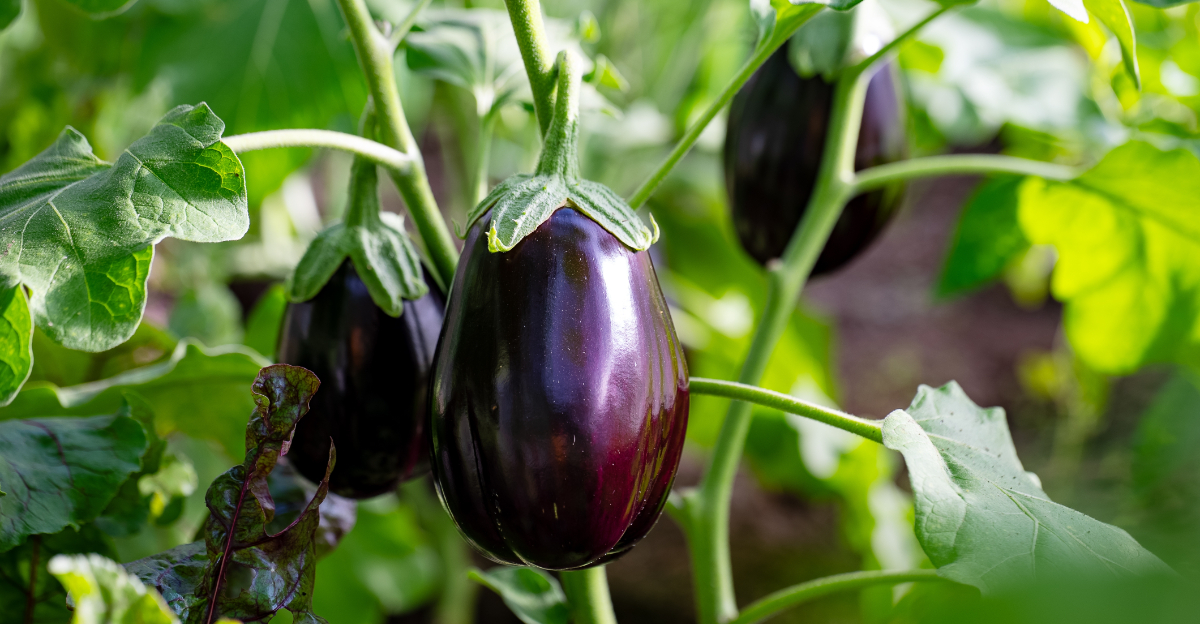
Okra gets taller, peppers load up with color, eggplant shines like it was polished for a photo shoot, and sweet potatoes quietly start building an underground treasure chest.
The trick is choosing vegetables that do not just survive California heat, but actually keep producing through it. Plant the right ones, and your garden can go from sweaty struggle zone to summer harvest machine.
1. Okra
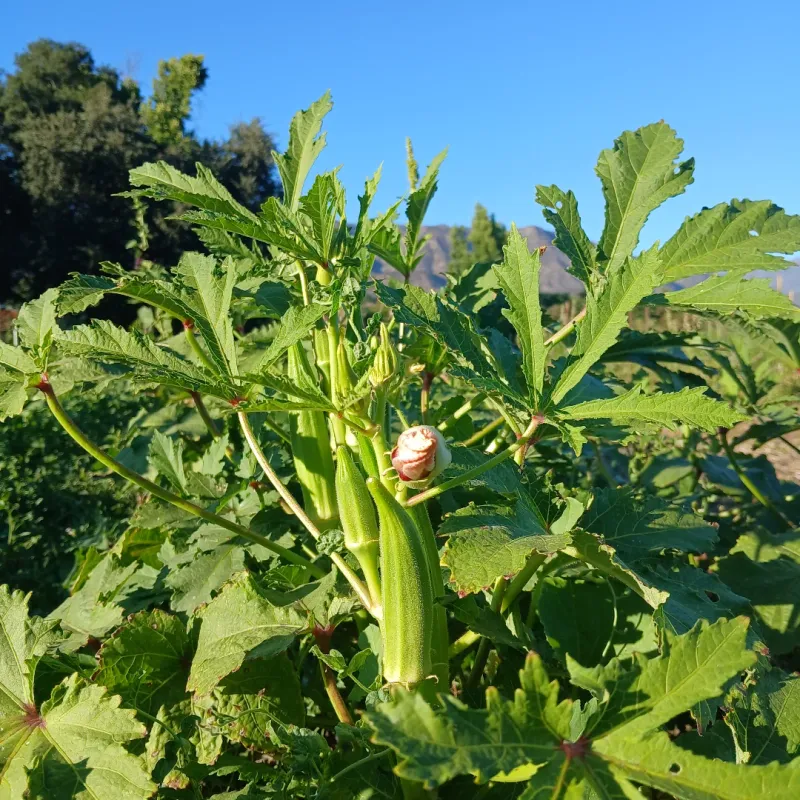
Few vegetables love the heat quite like okra does. This tall, tropical plant thrives when temperatures climb above 90 degrees, making it one of the best choices for California gardeners dealing with brutal summer conditions.
It actually slows down in cool weather, so the hotter your location, the happier your okra will be.
Okra grows fast once the soil warms up. Plant seeds directly in the ground after all chance of cold has passed, and make sure your soil drains well.
In places like Fresno or Bakersfield, okra can reach six feet tall and keep producing pods all the way through late summer. Harvest the pods when they are about three to four inches long for the best texture and flavor.
One thing many people do not realize is that okra is related to hibiscus, and its flowers are genuinely beautiful. The plant adds a nice visual element to any garden while also giving you food.
It is low-maintenance, pest-resistant, and incredibly productive. If you have never grown okra before, California summers give you every reason to start.
2. Eggplant
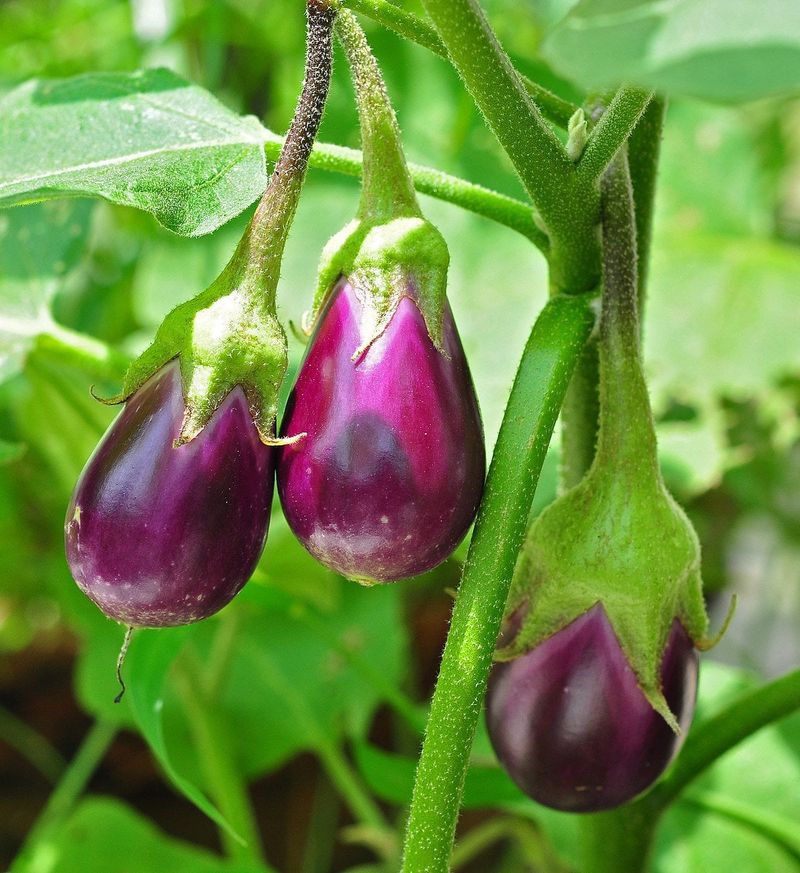
Eggplant is one of those vegetables that actually gets better as summer heats up. Originally from South Asia, it was bred for warm, humid climates, which means California’s long hot season is practically perfect for it.
Many gardeners in the Sacramento Valley and Southern California treat eggplant as a summer staple for exactly this reason.
Start seeds indoors about eight to ten weeks before your last frost date, then transplant them outside once nighttime temperatures stay consistently above 55 degrees. Eggplant needs full sun and regular watering, but it handles heat much better than tomatoes or zucchini.
Once it gets going, the plant pumps out fruit steadily through the hottest months of the year.
There are several varieties worth trying in California. Japanese eggplant is long and slender, cooks quickly, and tends to be less bitter than globe varieties.
Varieties like Ichiban and Orient Express are especially popular with California home gardeners. Add a thick layer of mulch around the base of each plant to keep soil moisture steady.
That one simple step can make a noticeable difference in how well your eggplant performs through a long, dry California summer.
Your California Garden Changes Every Week. Your Plan Should Too.
Gardening in California changes quickly throughout the season. Every Friday you’ll receive a simple weekly plan showing exactly what to plant, prune, fertilize, harvest, and protect so you never miss the right timing.
3. Peppers
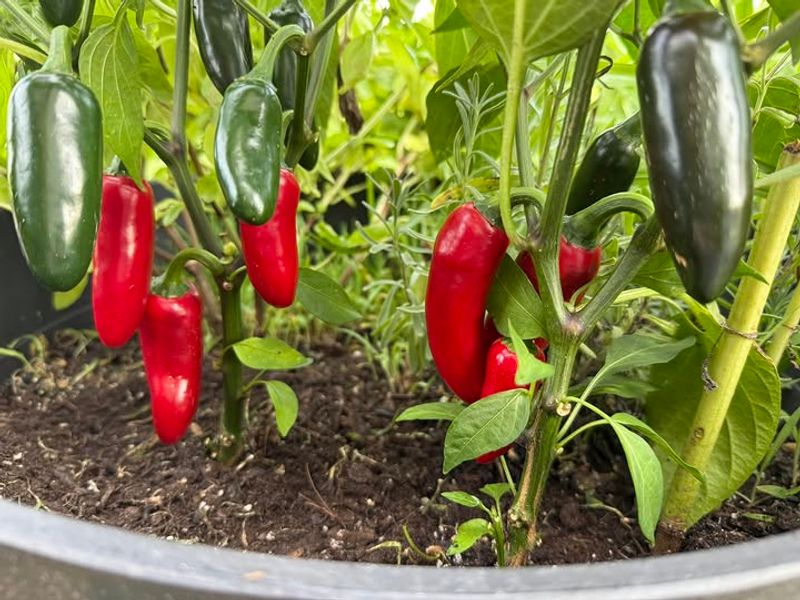
Peppers and California heat are a natural match. Whether you are growing sweet bell peppers, jalapeños, serranos, or something even spicier, peppers love long warm seasons and plenty of direct sunlight.
They are one of the most reliable producers in California gardens from late spring all the way into fall.
One thing to watch for is blossom drop during extreme heat. When temperatures push past 95 degrees for several days in a row, pepper plants may drop their flowers before setting fruit.
This sounds alarming, but the plant usually bounces back once temperatures ease a little. Shade cloth rated at 30 to 40 percent can help protect plants during the hottest stretches without blocking too much light.
Peppers do best when planted in well-draining soil with consistent moisture. They do not like to sit in soggy ground, but they also struggle when the soil dries out completely.
Drip irrigation works really well for peppers and saves water, which matters a lot in California. Try growing varieties like Anaheim, Padron, or Shishito for something a little different.
These types handle heat well and produce generously throughout the summer months in most California growing regions.
4. Sweet Potatoes
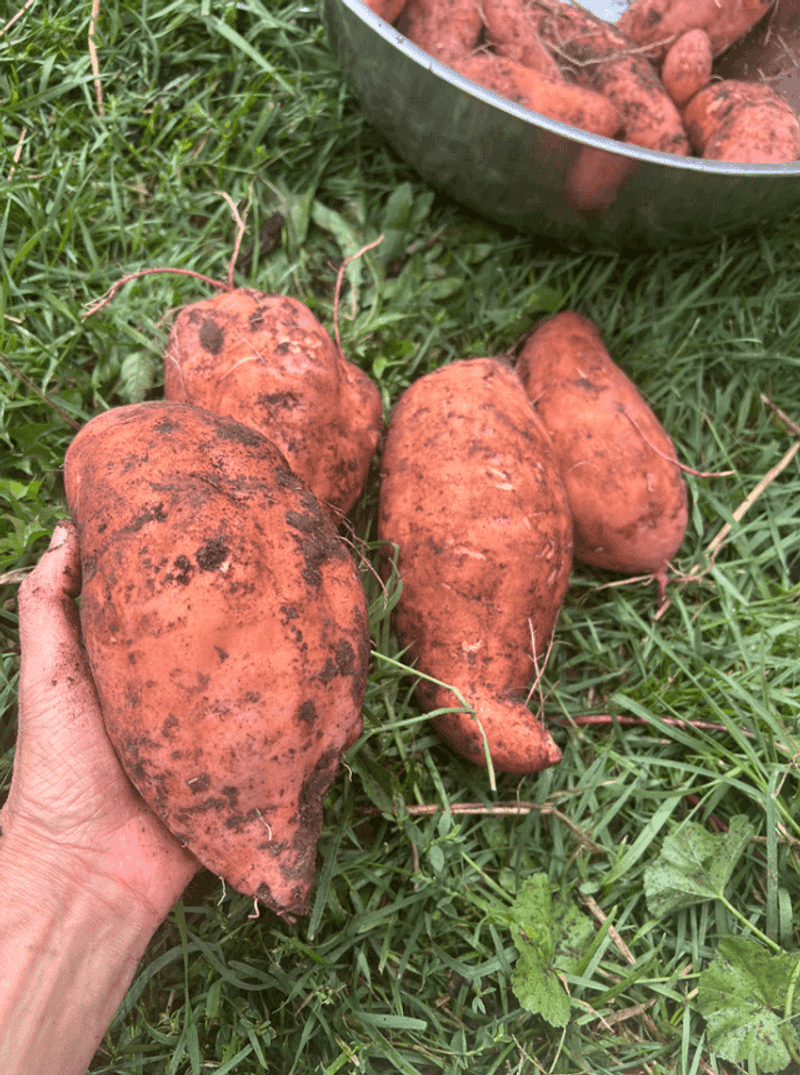
Sweet potatoes were practically made for warm climates. They love heat, they tolerate drought better than most vegetables, and they keep spreading and growing all summer long without much fuss.
In California, where the growing season is long and warm, sweet potatoes can produce an impressive harvest with surprisingly little effort.
Instead of seeds, sweet potatoes are grown from slips, which are small rooted shoots that come from a mature tuber. Plant slips after the soil has warmed to at least 65 degrees and give each plant plenty of room to spread.
The vines can run several feet in every direction, so either give them space or plant them in a raised bed where you can manage the growth a little more easily.
One of the best things about sweet potatoes is that the vines themselves are edible. Young leaves and shoot tips can be cooked like spinach and are popular in many Asian and African cuisines.
So even before the tubers are ready, you are getting food from the plant. In warmer parts of California like the Coachella Valley or the San Joaquin Valley, sweet potatoes can be in the ground from April through October, giving you a generous harvest by the time fall arrives.
5. Yardlong Beans
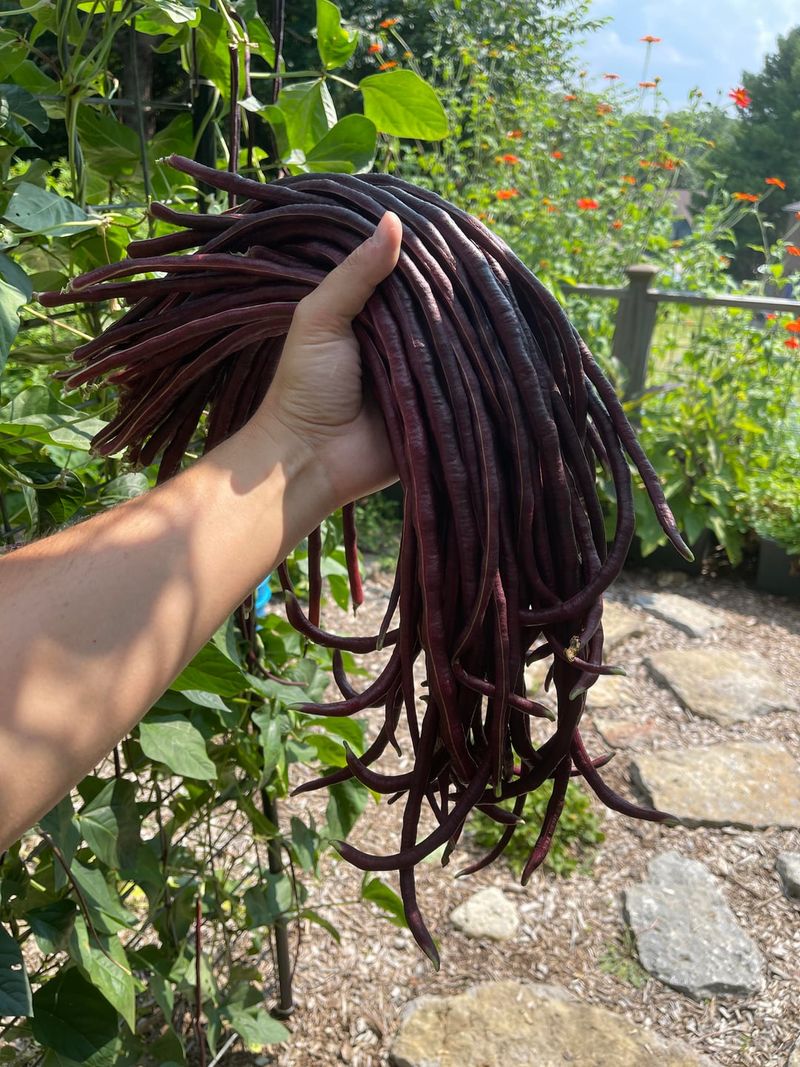
Yardlong beans get their name from their impressive length. These pods can grow up to 18 inches long, and sometimes even longer, making them one of the most visually striking vegetables you can grow.
They are popular across Southeast Asia and have found a loyal following among California gardeners who deal with intense summer heat.
Unlike common green beans, yardlong beans are actually more closely related to black-eyed peas. That relationship gives them excellent heat tolerance.
They keep flowering and setting pods even when temperatures are well above 90 degrees, which is exactly what California gardeners need during July and August. Plant them in a spot with full sun and set up a sturdy trellis because the vines can climb six to eight feet tall.
Harvest the pods when they are pencil-thin and about 12 to 18 inches long. If you wait too long, they get tough and the seeds inside become too large.
Regular picking actually encourages the plant to produce more pods, so check your trellis every couple of days during peak season. Yardlong beans stir-fry beautifully, work well in curries, and can even be pickled.
They are a fun, productive, and heat-tough option for any California summer garden.
6. Malabar Spinach
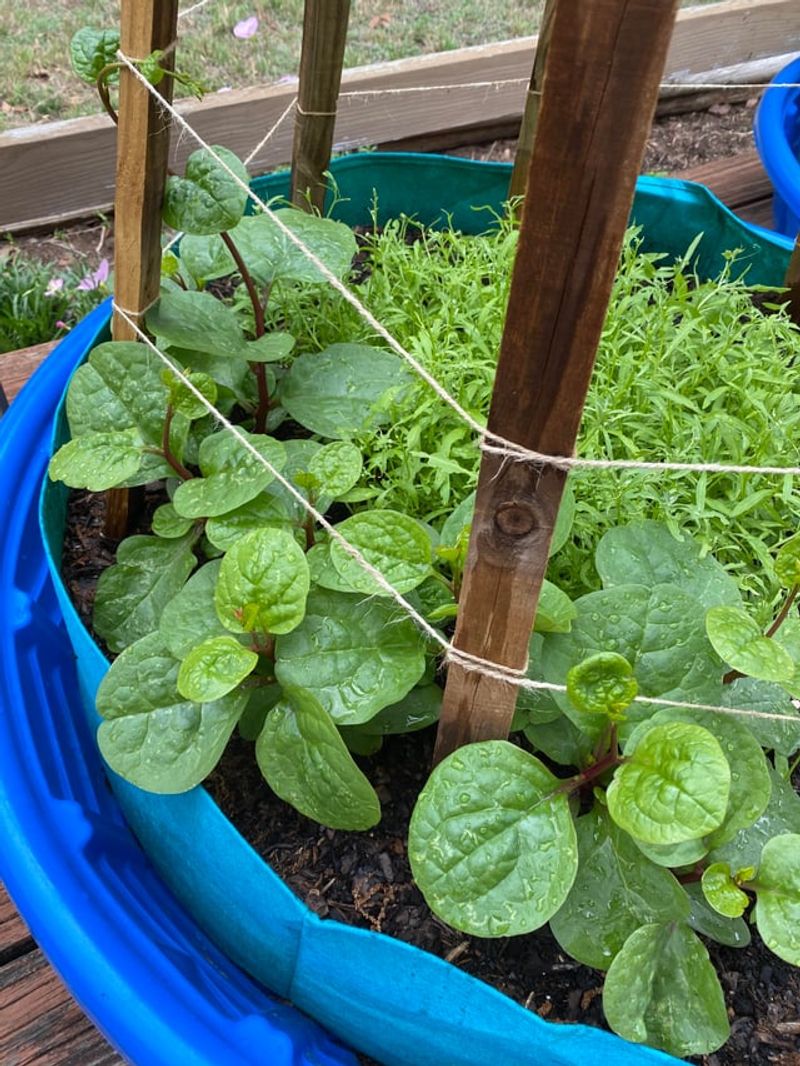
Regular spinach gives up completely when California summer arrives. It bolts, turns bitter, and stops being worth harvesting almost overnight.
Malabar spinach, on the other hand, is just getting started when the heat turns up. It is not actually related to true spinach, but it fills the same role in the kitchen and absolutely loves warm weather.
The plant is a vigorous climber with thick, glossy leaves that have a slightly succulent texture. It grows fast in warm conditions and can quickly cover a trellis or fence.
The leaves taste mild and slightly earthy, similar to regular spinach, and work well in salads, stir-fries, soups, and smoothies. Some people enjoy the red-stemmed variety, which adds a pop of color to the garden as well as the plate.
Malabar spinach grows best in full sun with regular watering. It handles humidity well, which is helpful in coastal parts of California like the Bay Area or San Diego during summer.
Start seeds indoors a few weeks before the last frost and transplant once the weather is reliably warm. Once established, this plant is low-maintenance and incredibly productive.
It is one of the smartest swaps a California gardener can make to keep leafy greens coming through the hottest months.
7. Swiss Chard
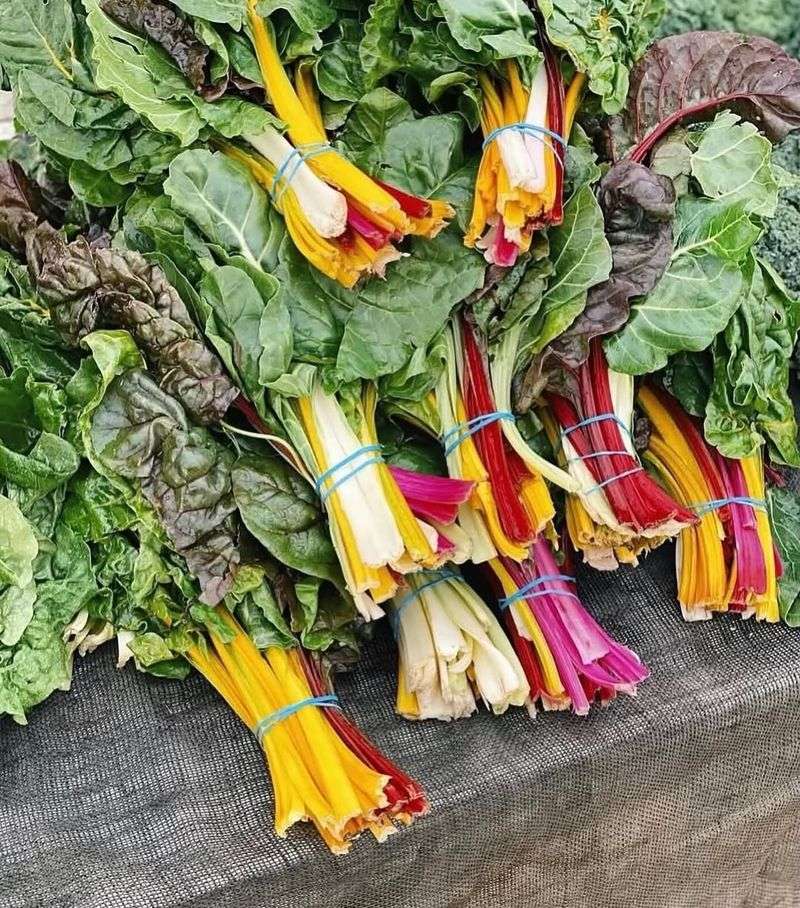
Swiss chard is one of the toughest vegetables you can grow in a California garden. It handles heat, cold, drought, and poor soil better than almost anything else.
While it prefers mild temperatures, it keeps producing through warm summers when other leafy greens have completely given up. That kind of reliability is hard to find.
Rainbow chard varieties add a lot of visual appeal to the garden. The stems come in bright red, orange, yellow, pink, and white, making the plants almost too pretty to eat.
But eat them you should, because Swiss chard is packed with vitamins and minerals. The leaves can be used raw in salads when young or cooked like spinach when mature.
The stems take a little longer to soften, so many cooks add them to the pan a few minutes before the leaves.
Plant Swiss chard in well-amended soil with good drainage and give it regular water during dry spells. In most parts of California, you can start seeds in late winter for a spring harvest and again in late summer for a fall and winter crop.
During the hottest months, provide a little afternoon shade if you can. Even without shade, Swiss chard usually hangs on and keeps producing.
It is a reliable workhorse that every California garden deserves to have.
8. Armenian Cucumbers
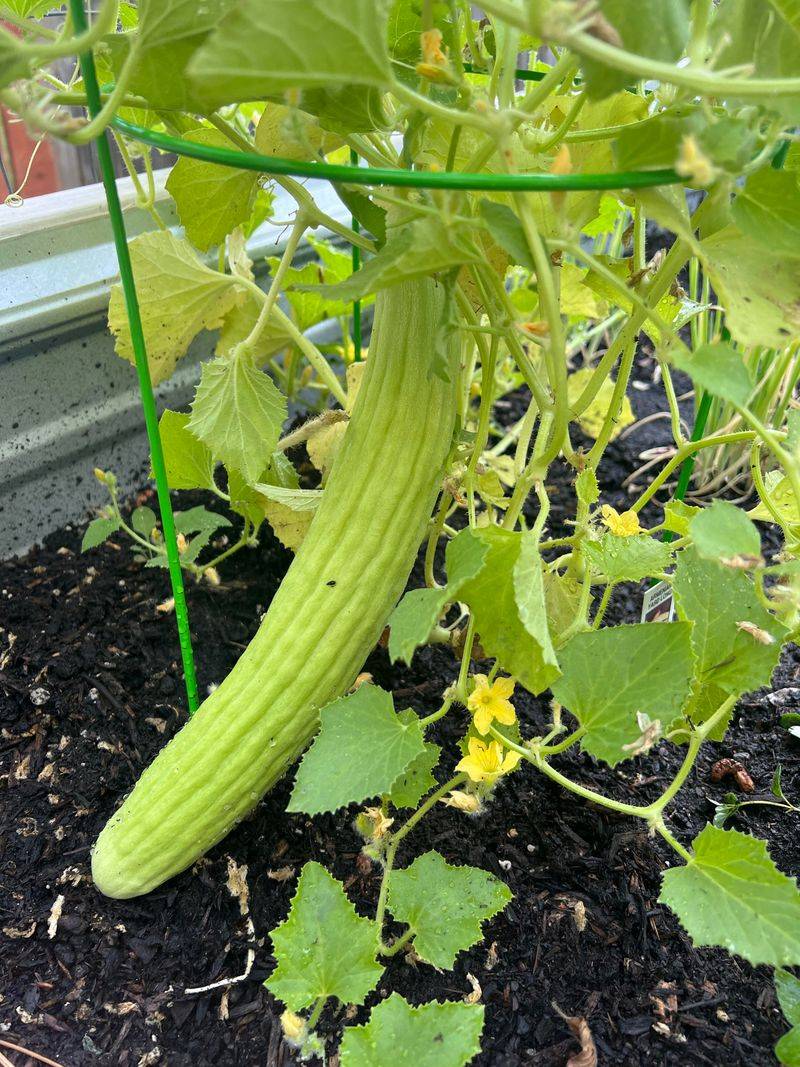
Despite the name, Armenian cucumbers are technically a type of muskmelon, not a true cucumber. But they taste and look enough like cucumber that most people use them exactly the same way.
What sets them apart from regular cucumbers is their remarkable ability to handle intense heat without getting bitter or stopping production.
In California, where summer temperatures can regularly top 100 degrees in the Central Valley and Inland Empire, regular cucumbers often struggle. Armenian cucumbers keep going.
The vines are vigorous and love to climb, so set up a strong trellis and give them room to spread. Fruits can grow very long, sometimes reaching 24 to 30 inches, though most people harvest them around 12 to 15 inches for the best flavor and texture.
The skin is pale green, thin, and slightly ridged. You do not need to peel Armenian cucumbers, and the seeds are small and tender, so there is very little waste.
They are incredibly refreshing eaten raw, sliced into salads, or used in cold soups and dips. Plant seeds directly in the garden after the last frost and watch them take off once the heat arrives.
They are one of the most rewarding and heat-tough summer crops a California gardener can grow.
9. Tomatillos
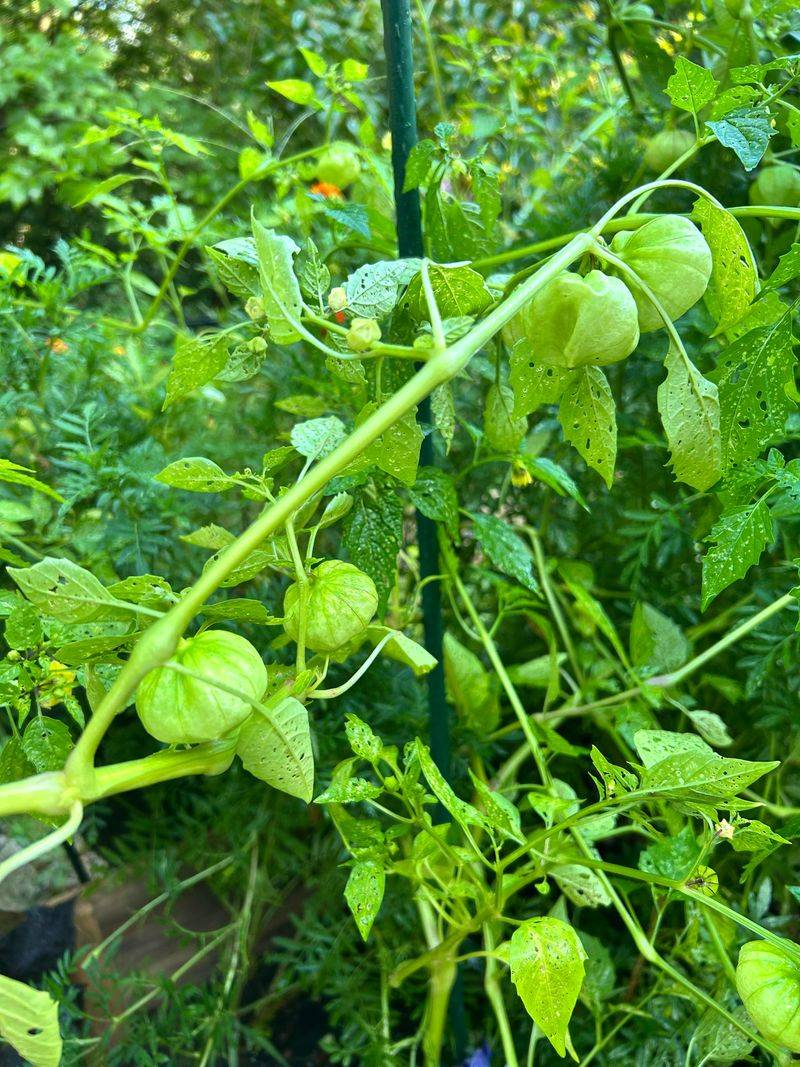
Tomatillos are a staple of Mexican cooking, and they grow brilliantly in California’s warm climate. These small, husk-covered fruits are the base for salsa verde and countless other dishes, and the plants that produce them are surprisingly tough and productive even when summer temperatures are soaring.
One important thing to know about tomatillos is that you need at least two plants for pollination. A single plant will bloom but rarely set fruit.
Plant two or more near each other, and you will get a much better harvest. The plants grow into large, sprawling bushes that can reach four feet tall and wide, so give them plenty of space or plan to stake them up.
Tomatillos are ready to harvest when the husk fills out and the fruit inside feels firm. The husk will sometimes start to split open when the fruit is fully ripe.
They store well on the counter for a week or two, and even longer in the refrigerator. In warm California locations like the Central Coast, Sacramento, and the San Fernando Valley, tomatillos are one of the most productive summer crops you can grow.
They ask for very little and give back a lot. Add them to your garden once and you will probably never stop growing them.
10. Southern Peas
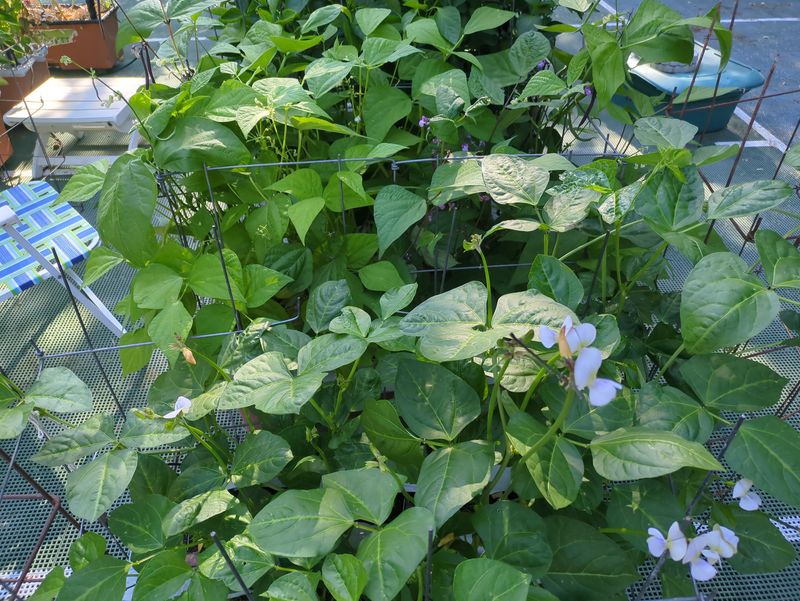
Southern peas go by many names. Black-eyed peas, cowpeas, crowder peas, and cream peas are all part of the same family, and they all share one very useful trait: they love hot weather.
These legumes were developed in warm, dry regions of Africa and have been grown across the American South for centuries. That heritage makes them a natural fit for California’s punishing summers.
Plant Southern peas directly in the garden once the soil has warmed to at least 65 degrees. They do not need rich soil and actually fix their own nitrogen, which means they improve the ground they grow in.
That is a real bonus for California gardeners who want to build healthier soil over time without spending a lot on fertilizer.
The pods can be harvested at different stages depending on what you want. Pick them young and green for fresh shelling peas.
Let them dry on the plant for dried beans that store beautifully through winter. Either way, you get a satisfying harvest from plants that barely complain about the heat.
In inland California locations like Stockton, Modesto, or Riverside, Southern peas are one of the easiest and most rewarding summer crops you can put in the ground.
11. New Zealand Spinach
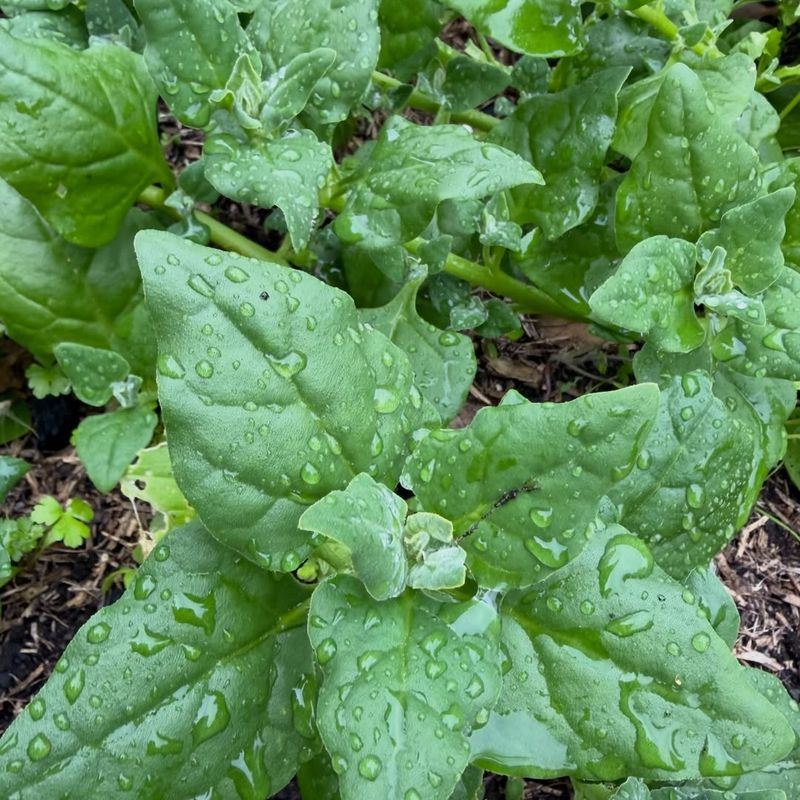
New Zealand spinach is not from New Zealand originally, but it was first introduced to European botanists there during Captain Cook’s voyages in the 1700s. What makes it special for California gardeners is its unusual ability to thrive in heat and dry conditions that would quickly finish off regular spinach.
It is a completely different plant, but the leaves taste remarkably similar when cooked.
The plant grows low and spreading, sending out thick succulent stems in every direction. It does not bolt in heat the way regular spinach does, which means you can keep harvesting fresh leaves all the way through summer.
Just pinch off the growing tips regularly and the plant will branch out and produce even more leaves. It is a cut-and-come-again crop that keeps giving with very little effort.
New Zealand spinach grows well in coastal California gardens where marine layer and mild temperatures help most of the year, but it also handles the dry inland heat of places like the Sacramento Valley and San Diego County. Plant it in full sun with decent drainage and water it regularly until it is established.
After that, it is remarkably self-sufficient. For anyone who has struggled to keep greens going through a California summer, New Zealand spinach is a genuinely satisfying solution worth trying.