These Are The Crops Georgia Gardeners Start Planting In April
April flips the switch in Georgia gardens. One week the soil feels cool and slow, the next it warms up and suddenly planting season is in full swing.
Longer days and milder nights create the kind of conditions warm-season crops have been waiting for. Across Georgia, gardeners start filling beds with vegetables that thrive in heat, humidity, and full sun.
From the foothills in North Georgia to the open fields in the south, this is the moment when the growing season really begins to take shape and momentum starts to build.
1. Snap Beans Grow Fast Once Georgia Soil Warms Up
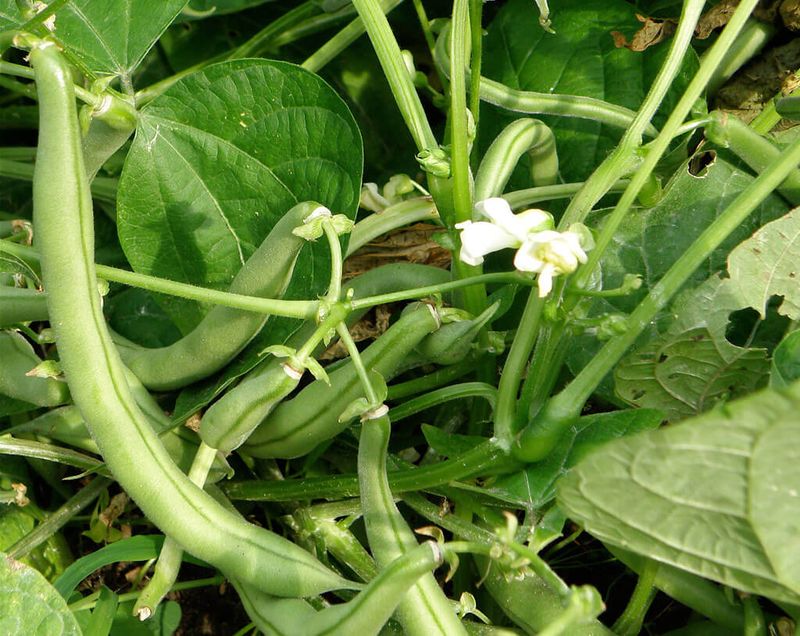
Few crops reward a Georgia gardener quite as quickly as snap beans do once the ground finally holds warmth through the night.
These compact, bushy plants are direct-seeded right into the garden bed, and they tend to take off fast when soil temperatures reach at least 60 degrees Fahrenheit.
In most of Georgia, that happens comfortably by mid-April, though South Georgia gardeners may be ready a week or two earlier.
Plant seeds about one inch deep and space them roughly three to four inches apart in rows set about eighteen inches apart. Snap beans prefer full sun, which means at least six to eight hours of direct light each day.
They are not heavy feeders, but working a balanced fertilizer into the soil before planting helps establish strong early growth.
Varieties like Blue Lake 274 are popular choices for Georgia gardens because they produce tender, flavorful pods over a concentrated harvest window.
Water consistently, aiming for about one inch per week, and avoid overhead watering late in the day to reduce the risk of fungal issues.
Snap beans can go from seed to harvest in as few as 50 to 55 days, making them a satisfying crop for gardeners eager for results.
2. Pole Beans Climb And Produce Through The Season
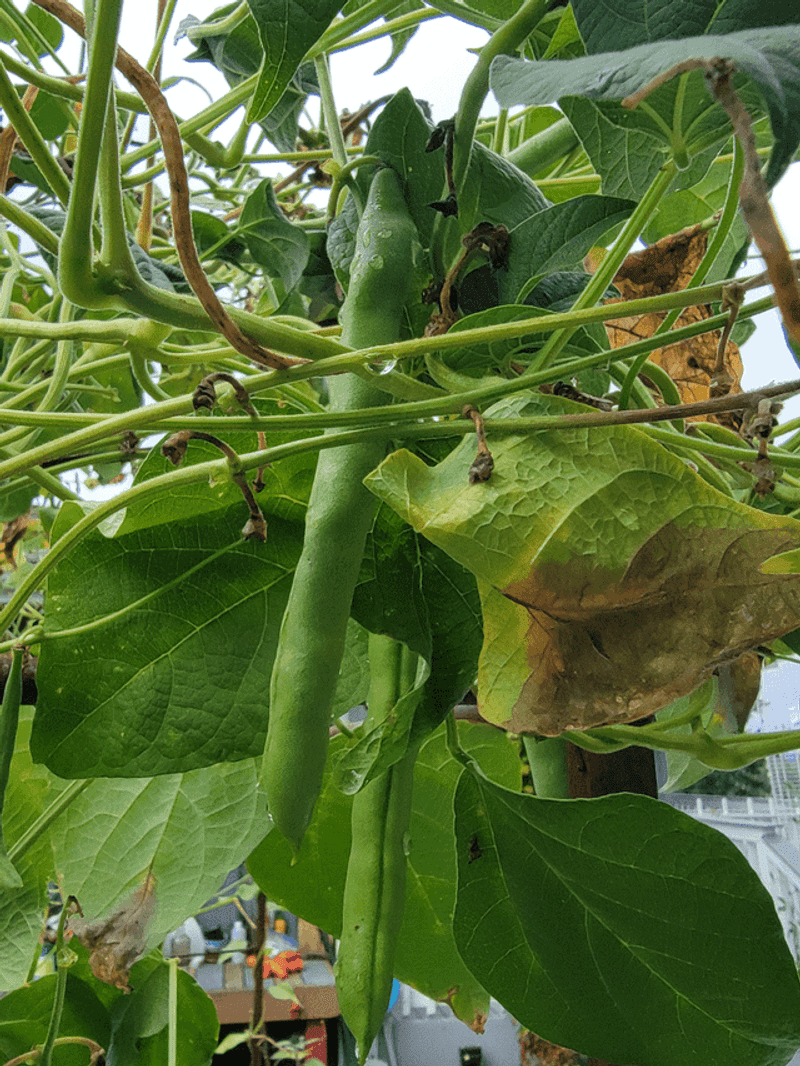
Warm soil and a sturdy trellis are really all pole beans need to get going in a Georgia garden.
Unlike their bush cousins, pole beans keep producing pods over a much longer stretch of the season, which makes them a smart pick for gardeners who want a steady harvest rather than one big flush.
April planting sets them up to hit their stride right as Georgia summers begin building heat.
Sow seeds about one inch deep and four to six inches apart along the base of a trellis, fence, or teepee structure at least six feet tall.
Rows should be spaced about three feet apart to allow good air circulation, which matters a lot in Georgia’s humid conditions.
Full sun is a must, and consistent watering encourages strong vine growth and steady pod development.
Kentucky Blue and Kentucky Wonder are two varieties that have long been trusted performers in Georgia gardens. Both produce tender, flavorful pods and handle heat reasonably well.
Pole beans typically begin producing about 60 to 65 days after planting and continue setting pods for several weeks when harvested regularly.
Picking pods before they become overly mature encourages the plant to keep producing throughout the season.
Your Georgia Garden Changes Every Week. Your Plan Should Too.
Gardening in Georgia changes quickly throughout the season. Every Friday you’ll receive a simple weekly plan showing exactly what to plant, prune, fertilize, harvest, and protect so you never miss the right timing.
3. Cantaloupe Loves Georgia Heat And Sunny Garden Beds
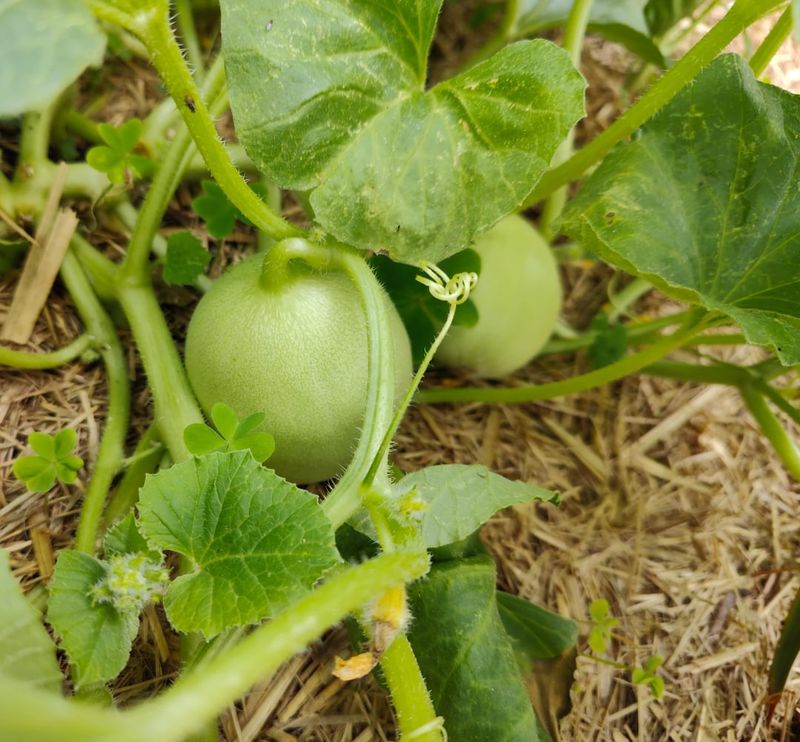
There is something deeply satisfying about growing cantaloupe in a Georgia garden, partly because the state’s hot, sunny summers are genuinely well-suited to bringing out the best flavor in the fruit.
April is the right time to get seeds or transplants in the ground across most of Georgia, though South Georgia gardeners can often start a week or so earlier without worry.
Cantaloupes need warmth from the start, so waiting until soil temperatures reach at least 65 degrees Fahrenheit is a smart move.
Sow seeds about one inch deep in hills or rows, spacing hills roughly four to six feet apart to give the sprawling vines room to spread. If garden space is limited, training vines along a sturdy fence or trellis is possible with smaller fruited varieties.
Cantaloupes need full sun, at least eight hours daily, and consistent moisture during fruit development.
Varieties like Ambrosia and Athena are popular in Georgia for their sweet flavor and good disease tolerance. Reducing watering slightly as fruit approaches maturity can concentrate sugars and improve flavor.
A light layer of mulch under developing fruit helps prevent rot and keeps the soil from drying out too quickly during Georgia’s increasingly warm May and June days.
4. Sweet Corn Takes Off In Warm Georgia Conditions
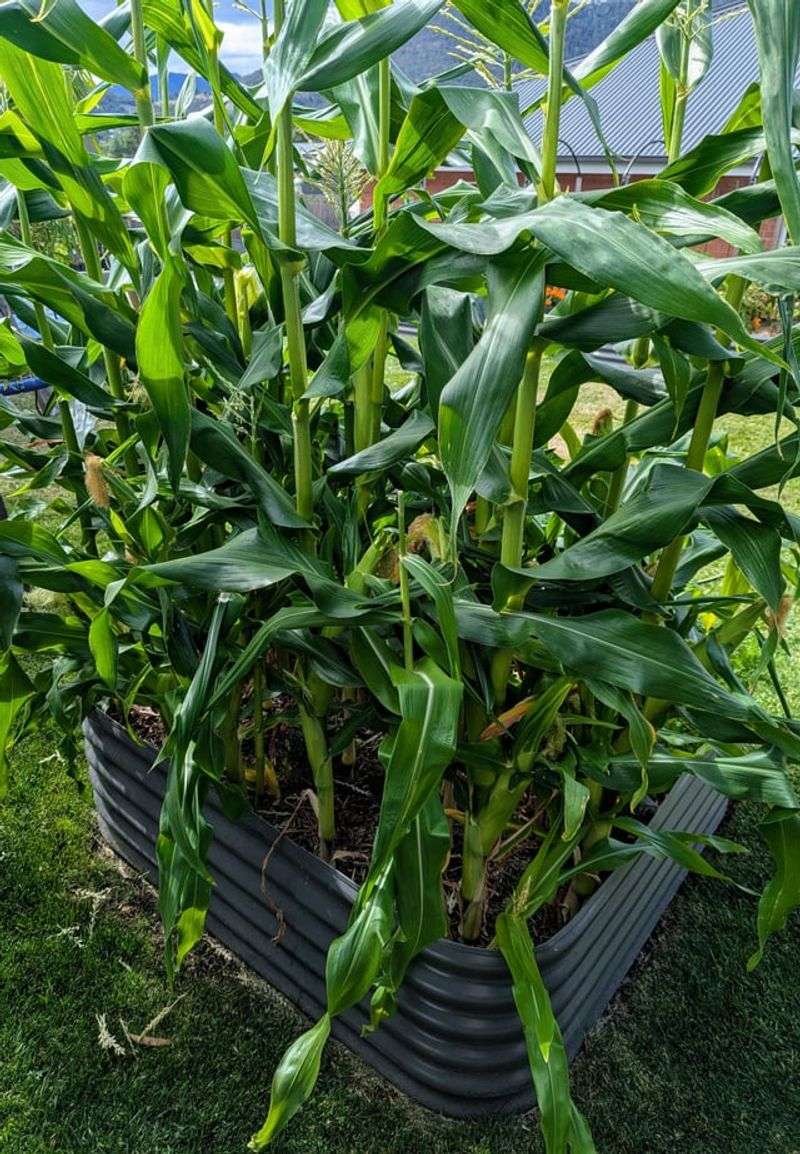
Planting sweet corn in Georgia feels like a rite of spring, and April gives gardeners the soil warmth they need to make it work.
Corn germinates best when soil temperatures are at or above 60 degrees Fahrenheit, a threshold that most of Georgia crosses comfortably by early to mid-April.
South Georgia gardeners often get a head start, sometimes planting as early as late March without issue.
Sweet corn is wind-pollinated, so planting in blocks rather than long single rows dramatically improves pollination and kernel development.
Plant seeds about one inch deep and eight to twelve inches apart, with rows spaced about thirty inches apart.
Blocks of at least four rows side by side give pollen the best chance of reaching silks on nearby plants.
Varieties like Silver Queen, Merit, and Peaches and Cream have long track records in Georgia gardens. Corn is a heavy feeder and benefits from a nitrogen-rich fertilizer applied when plants are about knee high.
Consistent watering is especially important during tasseling and silk development, as drought stress during that window can reduce kernel fill noticeably.
Sweet corn typically matures in 70 to 90 days depending on the variety and growing conditions throughout the season.
5. Cucumbers Grow Quickly In Georgia’s Spring Warmth
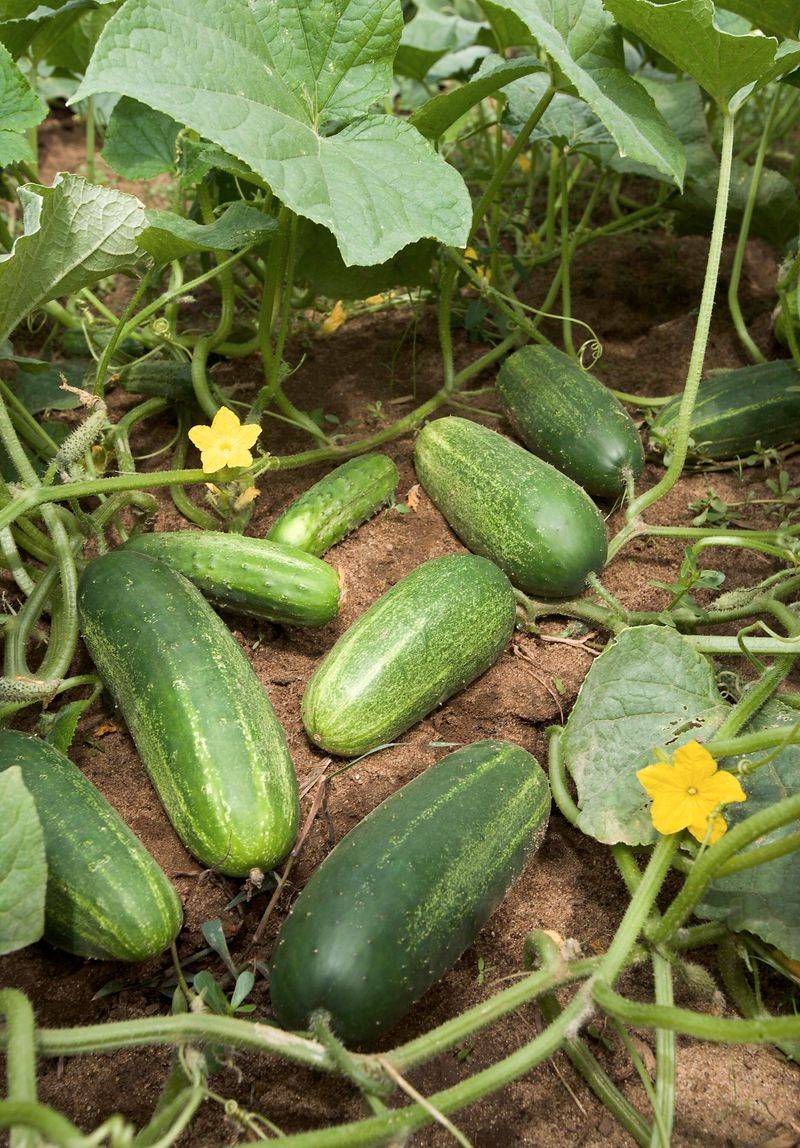
April in Georgia brings exactly the kind of warm, bright days that cucumbers respond to with rapid growth.
Cucumbers are among the fastest-producing warm-season crops a Georgia gardener can plant, often going from seed to first harvest in as little as 50 to 60 days.
That quick turnaround makes them a satisfying addition to the spring garden, especially for newer gardeners looking for early wins.
Sow seeds about half an inch to one inch deep and space plants about twelve inches apart if growing on a trellis, or about eighteen to twenty-four inches apart in hills if letting them sprawl.
Trellising is a practical choice in Georgia because it keeps fruit off the ground, improves air circulation, and makes harvesting easier.
Full sun is essential, and cucumbers appreciate consistent, deep watering rather than frequent shallow sprinkles.
Dasher II and Diva are two varieties with proven performance in Georgia’s climate, offering good yields and reasonable tolerance to common diseases.
Harvesting cucumbers regularly while they are still firm and medium-sized encourages the plant to keep setting new fruit.
Leaving overripe cucumbers on the vine tends to slow production. A layer of mulch around the base of plants helps keep soil moisture steady during Georgia’s increasingly warm spring afternoons.
6. Eggplant Settles In As Temperatures Rise Across Georgia
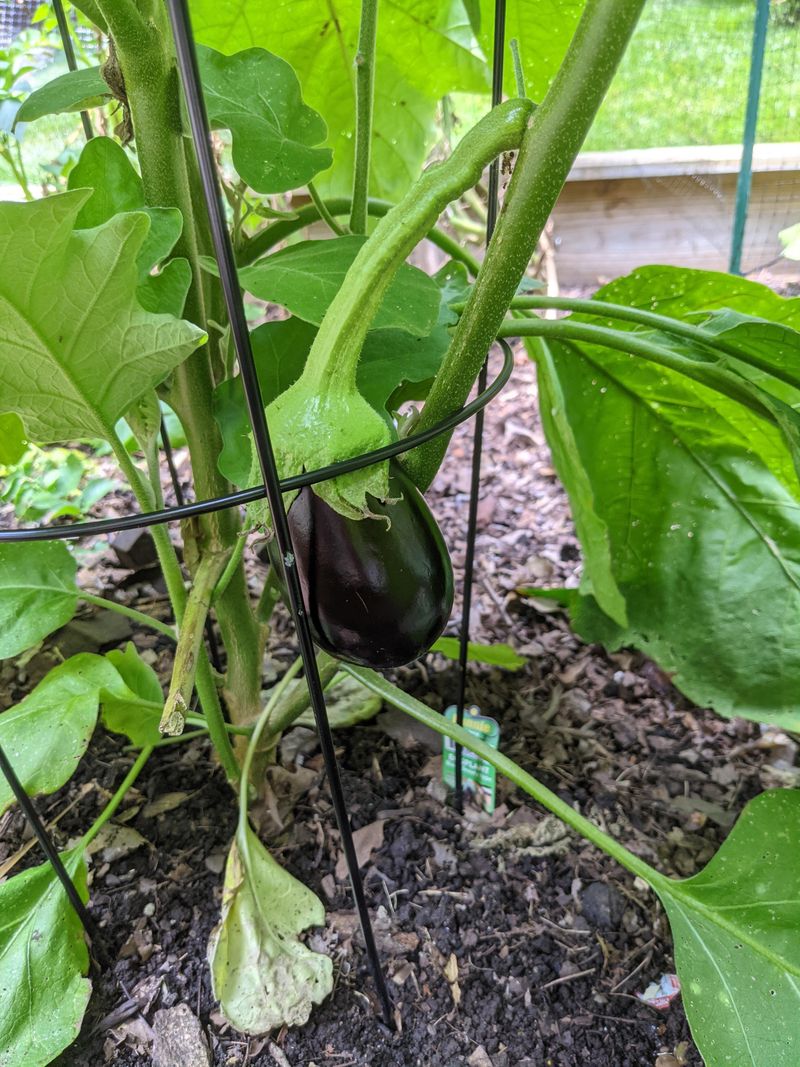
Eggplant is the kind of crop that rewards patience, and April in Georgia is exactly when that patience starts to pay off.
These plants are heat-lovers through and through, and they genuinely struggle when temperatures are still fluctuating or nights remain cool.
Transplanting eggplant into Georgia soil after mid-April, when nights are reliably warm, gives them the stable conditions they need to settle in and grow steadily.
Set transplants about eighteen to twenty-four inches apart in rows spaced roughly thirty to thirty-six inches apart. Eggplant needs full sun, at least six to eight hours daily, and soil that drains well.
Adding compost or aged organic matter before planting helps create the loose, fertile conditions eggplant roots prefer. Water deeply once or twice a week rather than giving frequent light sprinkles.
Black Beauty and Ichiban are two varieties that have shown solid performance in Georgia gardens, with Black Beauty producing large, traditional dark purple fruit and Ichiban offering long, slender Japanese-style eggplants.
Mulching around transplants conserves moisture and keeps soil temperatures stable, which eggplant appreciates as Georgia summers build intensity.
The plants tend to produce steadily from midsummer into fall when kept watered and harvested regularly before fruit becomes overripe and seedy.
7. Okra Handles Heat Better Than Most Garden Crops
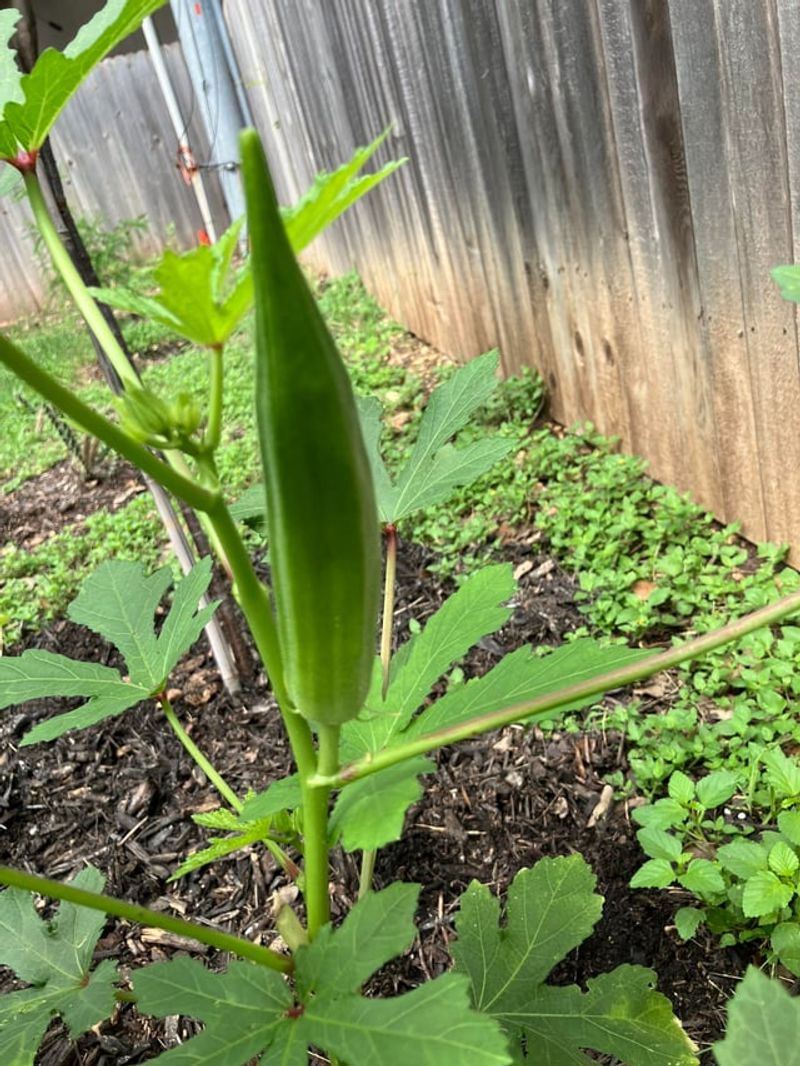
If there is one crop that seems almost tailor-made for Georgia summers, it is okra.
This plant thrives in the kind of intense heat that causes other vegetables to slow down or struggle, making it a staple in Georgia gardens from the piedmont to the coast.
April is the right time to get okra seeds in the ground across most of the state, with South Georgia gardeners often starting a bit earlier in the month.
Okra seeds have a hard coat, and soaking them in water for a few hours before planting can help speed up germination.
Sow seeds about half an inch to one inch deep and thin plants to about twelve to eighteen inches apart once they are a few inches tall.
Rows should be spaced around three feet apart to accommodate the plant’s upright, branching growth habit. Full sun is non-negotiable for okra.
Clemson Spineless is the most widely grown variety in Georgia and for good reason. It produces tender, ribbed pods and performs reliably in the state’s heat and humidity.
Harvest pods when they are two to four inches long for the best texture and flavor. Letting pods grow too large makes them fibrous and tough.
Okra planted in April can produce well into September across much of Georgia with minimal care.
8. Field Peas Fit Right Into Georgia’s Summer Growing Season
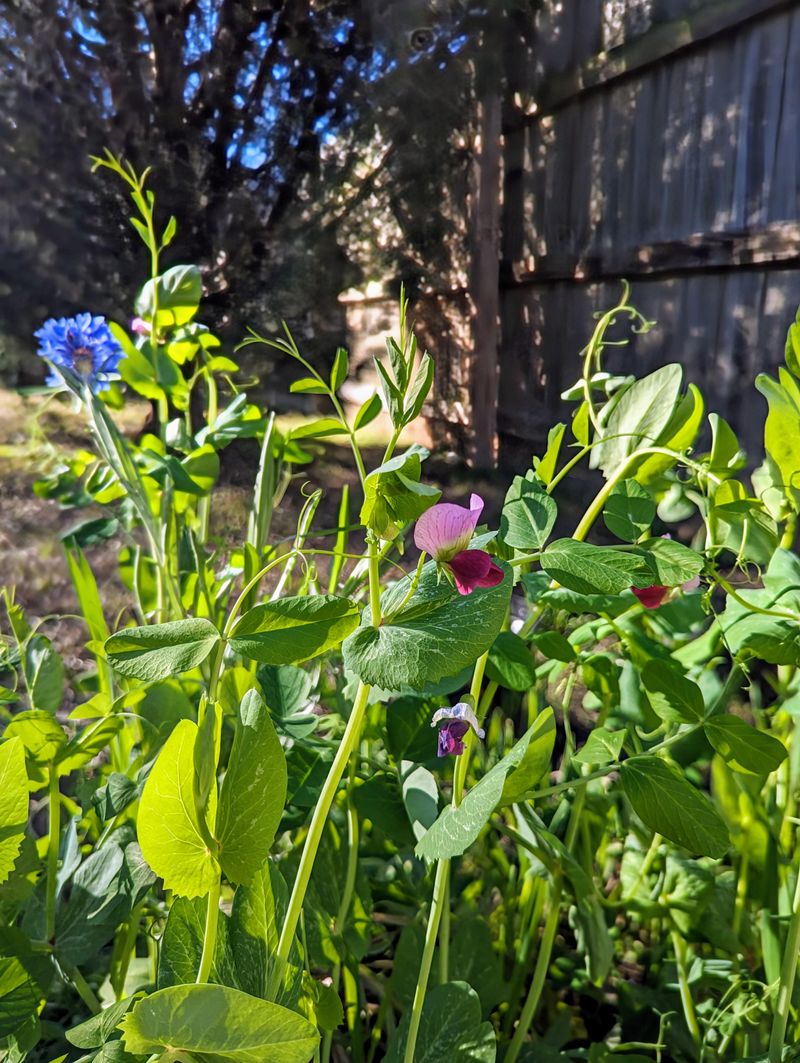
Field peas have deep roots in Southern gardening culture, and Georgia is no exception. These warm-season legumes are well-suited to the state’s long, hot summers, and April planting puts them in position to produce right as the heat builds.
Unlike cool-season garden peas, field peas genuinely prefer warm soil and warm air, making them a natural fit for Georgia’s spring-to-summer transition.
Sow seeds about one inch deep and space plants about three to four inches apart, with rows roughly two to three feet apart depending on the variety.
Some field pea types are more vining and benefit from support, while others grow in a more compact, bush-like habit.
All of them need full sun and soil that drains well. Field peas are also nitrogen-fixing, meaning they add nutrients back to the soil as they grow.
Varieties like Iron and Clay, Whippoorwill, and Pinkeye Purple Hull are popular in Georgia for their flavor, yield, and heat tolerance.
Water consistently during establishment and during pod fill, but field peas are generally more drought-tolerant than many other warm-season crops once they are established.
They typically mature in 60 to 70 days and can be harvested fresh or allowed to dry on the vine for storing and cooking later in the year.
9. Peppers Benefit From Georgia’s Long Warm Stretch
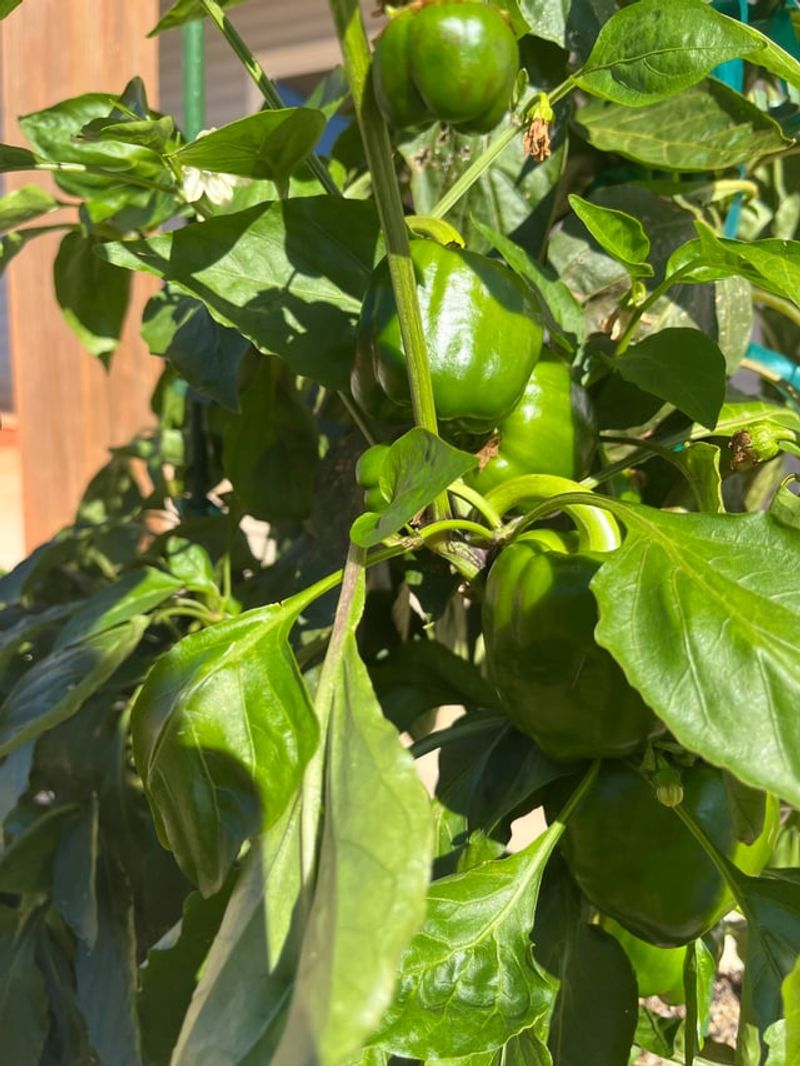
Georgia’s long, warm growing season is a real advantage when it comes to peppers.
These plants need time to establish, flower, and produce fruit, and the state’s extended stretch of warm weather from late spring through early fall gives them plenty of opportunity to do all three.
April is the right time to set out transplants across most of Georgia, once nighttime temperatures are consistently staying above 55 degrees Fahrenheit.
Space pepper transplants about eighteen inches apart in rows roughly two feet apart. They prefer full sun and well-drained soil with a slightly acidic pH, somewhere around 6.0 to 6.8.
Working a balanced fertilizer into the soil before transplanting gives plants a solid start. Peppers also respond well to consistent watering, though they do not appreciate sitting in soggy soil.
Bell pepper varieties like Aristotle X3R and Jupiter have shown good performance in Georgia conditions, offering disease resistance that matters in the state’s humid environment.
For hot pepper lovers, varieties like Cayenne Long Slim and Jalapeno M are reliable producers.
Peppers may be slow starters, but once Georgia’s summer heat arrives in full force, established plants tend to set fruit steadily.
Mulching around the base of plants helps keep roots cool and moisture levels more consistent through the warmest months.
10. Squash Produces Quickly In Georgia Spring Gardens
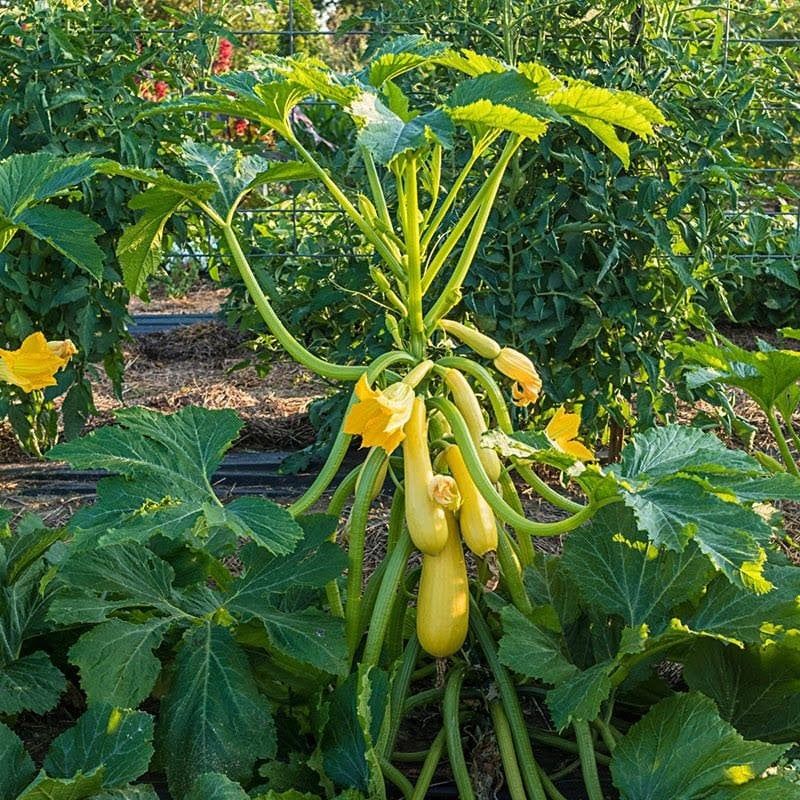
Spring squash is one of those crops that almost seems to grow before your eyes in a Georgia garden.
The combination of warming soil, long sunny days, and adequate spring moisture creates near-ideal conditions for squash to germinate fast and start producing in just a few weeks.
April is a strong planting window across Georgia, giving squash time to produce heavily before summer heat and insect pressure build.
Plant seeds about one inch deep in hills or rows, spacing plants about twenty-four to thirty-six inches apart. Squash vines spread outward, so giving them room to sprawl without crowding neighboring plants makes management easier.
Full sun is essential, and consistent watering helps prevent blossom drop and supports steady fruit development.
Avoid wetting the foliage when watering to reduce the risk of powdery mildew, which can be a concern in Georgia’s humid conditions.
Gold Rush yellow squash and Justice III zucchini are two varieties that perform reliably in Georgia gardens. Harvest squash when fruit is six to eight inches long for the best flavor and texture.
Leaving squash on the vine too long results in oversized, seedy fruit and signals the plant to slow production.
Regular harvesting, every two to three days during peak season, keeps plants productive well into early summer across much of Georgia.
11. Tomatoes Grow Strong As Georgia Days Get Warmer
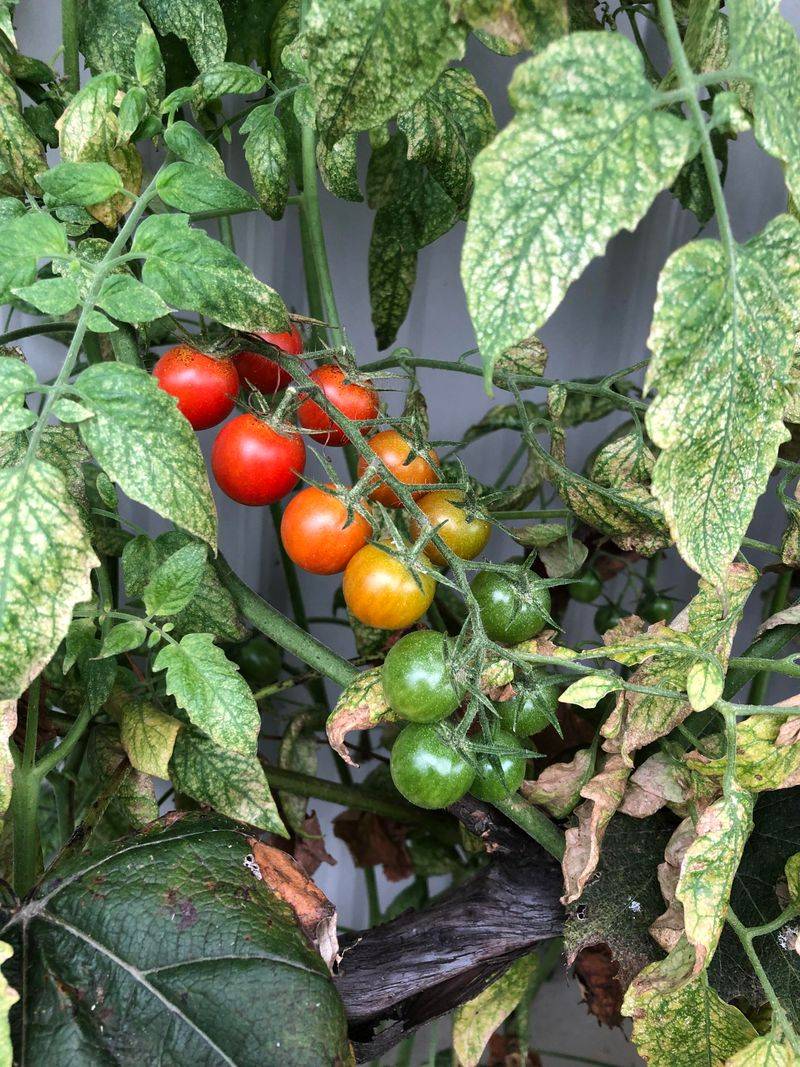
Tomatoes might be the most anticipated crop of the Georgia spring garden season.
The moment nighttime temperatures stop dipping below 50 degrees Fahrenheit consistently, tomato transplants can go into the ground across most of Georgia, which typically falls right around early to mid-April.
South Georgia gardeners often get transplants in the ground a week or two earlier, taking advantage of the region’s warmer early spring temperatures.
Set transplants deep, burying the stem up to the lowest set of leaves to encourage strong root development along the buried stem.
Space plants about twenty-four to thirty-six inches apart in rows roughly four feet apart, and provide sturdy caging or staking from the start.
Tomatoes need full sun, at least eight hours daily, and consistent, deep watering to prevent blossom end rot and fruit cracking.
Heat-tolerant varieties like Better Boy, Big Beef, and Celebrity are popular choices for Georgia gardens because they hold up reasonably well even as summer temperatures climb.
Heirloom varieties can also perform well when planted early enough to produce before peak summer heat arrives.
Mulching around the base of plants is especially helpful in Georgia, where spring afternoons can turn warm quickly, keeping soil moisture more consistent and root temperatures more stable through the growing season.
12. Watermelon Spreads Out In Georgia’s Warm Garden Soil
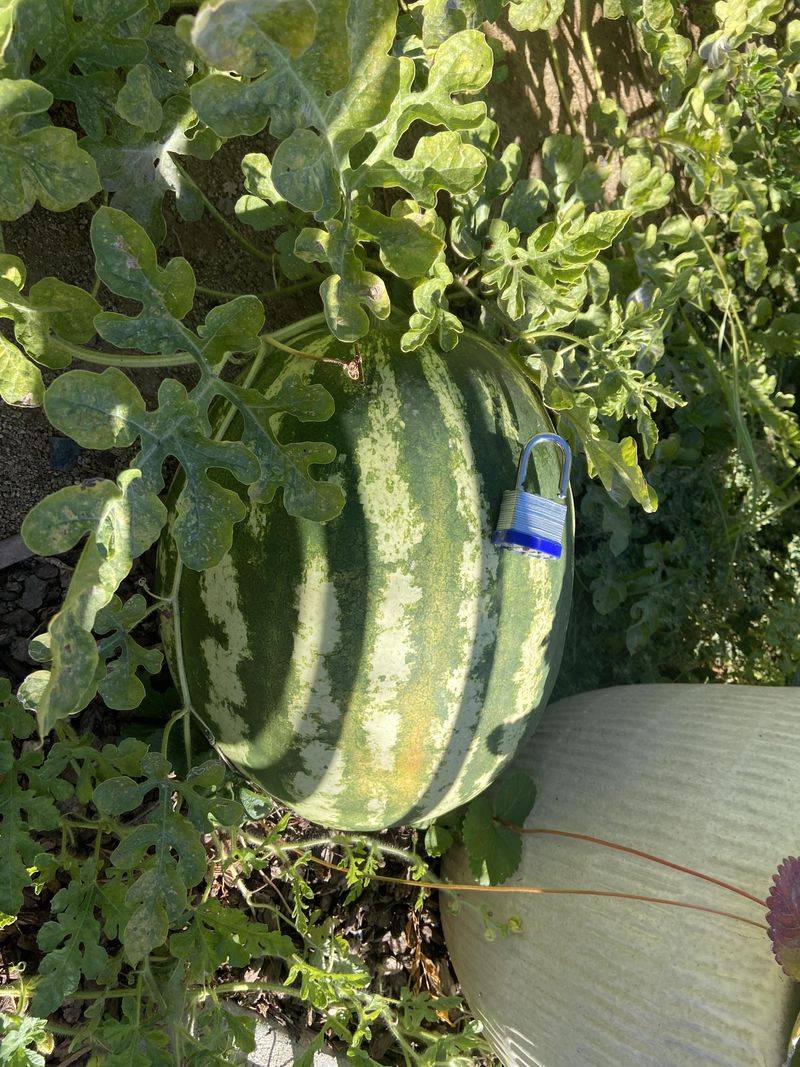
Georgia has a well-earned reputation as watermelon country, and April planting is a big part of why.
The state’s long warm season gives watermelon vines the extended growing period they need to develop large, sweet fruit, and getting seeds or transplants in the ground by mid-April sets the whole process in motion at the right time.
Soil temperatures should be at or above 65 degrees Fahrenheit before planting to support reliable germination and early vine growth.
Watermelons need space, quite a bit of it. Plan on giving hills or transplants at least six to eight feet of room in all directions, as the vines spread aggressively once established.
Full sun is essential, and the plants benefit from deep, infrequent watering that encourages roots to reach down into the soil. Reducing water slightly as fruit approaches maturity can improve sweetness by concentrating sugars in the flesh.
Varieties like Crimson Sweet, Jubilee, and Sugar Baby are common in Georgia gardens, with Sugar Baby being a good option for smaller spaces due to its compact, round fruit.
A light layer of straw mulch under developing melons helps keep fruit off bare soil and reduces the risk of rot.
Watermelons planted in April across Georgia typically reach harvest readiness in late July or August, depending on the variety and growing conditions.