8 Fungus-Prone Gardening Mistakes Georgia Homeowners Make In May
Many Georgia gardeners lose half their harvest to the same invisible enemy every single May. Not deer. Not drought. Not even the brutal summer heat.
Something quieter. Something that moves through your garden while you sleep, while you water, and yes, even while you try to help your plants grow. The frustrating part? The damage usually starts before you ever notice it.
By the time those yellow spots appear on your tomato leaves or that white powder coats your squash, the problem has already been growing for days. Sometimes weeks.
And the real kicker is that most gardeners actually cause it themselves without realizing it, through everyday habits that seem completely harmless on the surface.
Georgia’s May weather is gorgeous and brutal at the same time. That warm humidity that makes your garden explode with growth? It has a dark side.
There are mistakes quietly destroying Georgia gardens this month, and many homeowners in the state are making at least one of them.
1. Crowded Plants That Give Fungus Room To Spread
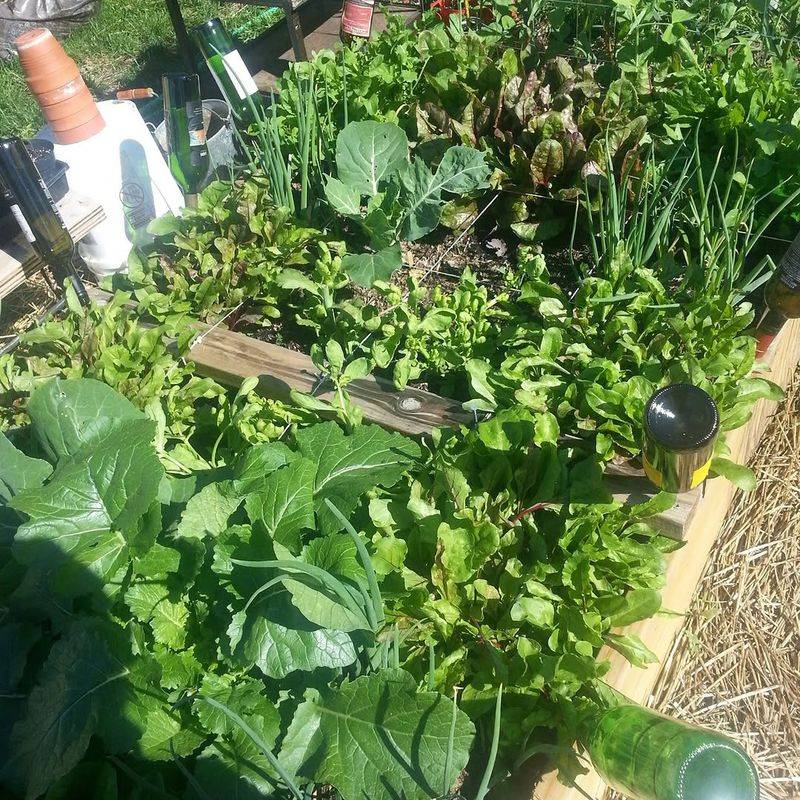
Your garden looks full and lush. Satisfying, right? Not so fast. Packing plants too close together is basically rolling out a welcome mat for fungal disease. When leaves overlap and press against each other, air stops moving.
That trapped dampness between foliage is prime real estate for fungal spores. Georgia’s May humidity is already working against you. Dense planting makes it worse.
Leaves stay wet for hours longer than they should after rain or a quick watering session. Powdery mildew, gray mold, and leaf spot absolutely thrive in those damp pockets. Think of it this way. Fungus loves a crowd. Your plants do not.
There are spacing guidelines on seed packets for a real reason. Those numbers are not arbitrary. They reflect exactly how much room each plant needs to breathe, grow, and stay healthy through a humid summer.
Thinning seedlings early is one of the best moves you can make right now. It feels counterintuitive to pull plants out, but the ones that remain will reward you for it.
Already packed in tight? Light pruning of lower leaves can open up airflow without stressing the plant. Resist that urge to squeeze in one more tomato. One more row of beans. One more anything. That empty-looking space is not wasted.
It is working. A little room now means stronger, more productive plants from May all the way into August. Give your garden space to breathe, and it will have a lot less to wheeze about later.
2. Leaf Watering That Turns Humidity Into Trouble
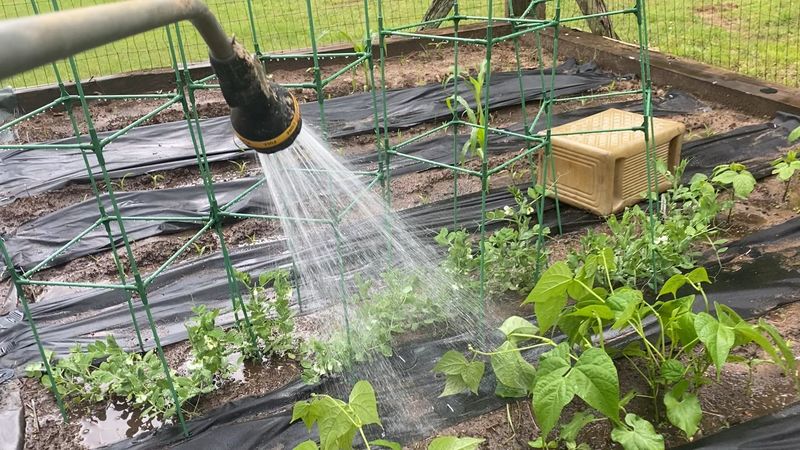
Roots are thirsty. Leaves are not. Say it again until it sticks. Spraying water over the top of your plants feels natural, but in muggy May heat, wet foliage is an open invitation for trouble.
Fungal diseases do not need much. Just moisture, warmth, and a leaf surface to land on. Early blight on tomatoes. Angular leaf spot on cucumbers. Downy mildew creeping across your basil. All of them love a good soaking from above.
Your Georgia Garden Changes Every Week. Your Plan Should Too.
Gardening in Georgia changes quickly throughout the season. Every Friday you’ll receive a simple weekly plan showing exactly what to plant, prune, fertilize, harvest, and protect so you never miss the right timing.
Georgia’s humidity already slows how fast leaves dry. Overhead watering on top of that keeps foliage wet for hours. That is hours of prime fungal opportunity on every single leaf.
The fix does not require fancy equipment. Just redirect where the water goes. Aim low. Water at the base of the plant, not the top.
Drip irrigation and soaker hoses do this beautifully. They put moisture exactly where it belongs, down at the root zone, without touching a single leaf above.
No drip system? A watering wand held close to the soil works just as well. Deep, infrequent watering beats shallow daily spraying every time. Deep watering pushes roots down into the soil to chase moisture.
That makes plants tougher, more anchored, and more resilient overall. Daily surface spraying keeps roots lazy and shallow, and shallow roots mean weaker plants that struggle when real stress hits.
Give your garden a deep, focused drink at the base. Let the leaves stay dry. Wet leaves are not refreshed. They are just one warm night away from a fungal problem you did not see coming.
3. Evening Sprinklers That Keep Foliage Wet Overnight
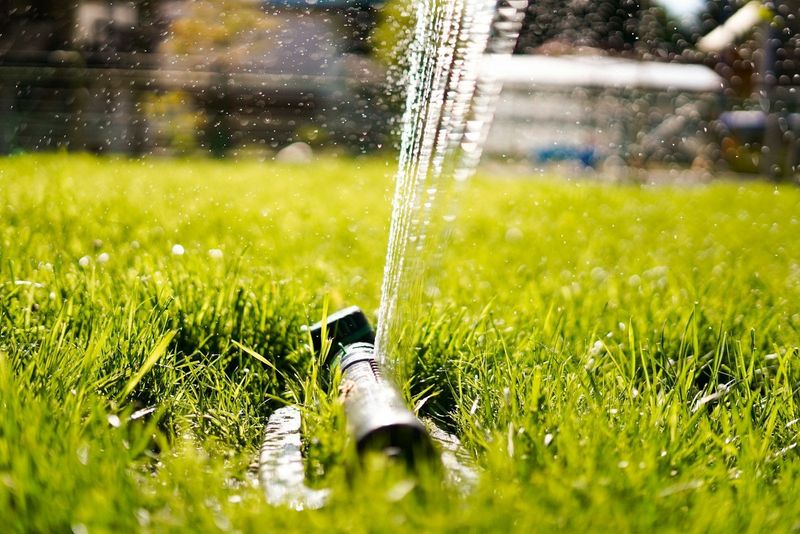
Timing matters more than most gardeners realize. Run your sprinklers at the wrong hour, and you are not just watering your plants. You are hosting a fungus sleepover.
Evening watering soaks foliage right before the sun goes down. Then Georgia’s warm, still night air takes over. Evaporation slows dramatically. Leaves that got wet at seven p.m. can still be damp at eight the next morning.
That is a solid twelve hours of moist leaf surface in exactly the temperature range fungal spores love most.
Gray mold, early blight, and anthracnose do not need an alarm clock. They just need wet leaves and time. Georgia’s May nights hand them both on a silver platter.
However, morning watering changes everything. Water early, and the sun does the cleanup work for you. Natural air movement builds throughout the day. Leaves dry fast.
Any accidental splash evaporates long before evening conditions roll in. Roots still get the deep drink they need, but the canopy stays dry and well-ventilated all day long.
Busy schedule making early watering feel impossible? A basic timer on your hose bib solves that completely.
Set it to run between five a.m. and eight a.m. and forget about it. Your garden gets watered. Your leaves stay dry. Fungal spores find nothing to work with.
That one small shift in timing costs nothing and pays off in a big way. A garden that looks genuinely good come midsummer instead of spotted, yellowed, and struggling. Do not let your evening routine become your garden’s worst enemy.
4. Bare Soil That Splashes Problems Onto Plants
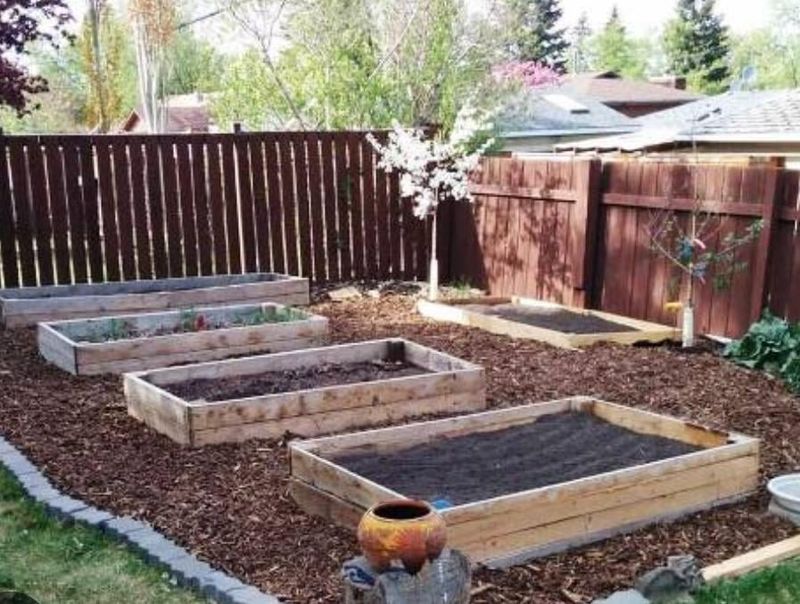
Georgia rain is no gentle drizzle. May storms come in hard, and bare soil takes the full hit. Every raindrop that smacks exposed dirt sends a tiny spray of soil particles flying back up into the air.
Those particles land on your lower leaves. And they do not come alone. They bring fungal spores with them.
This is exactly how early blight gets started on tomatoes. It shows up on the lowest leaves first, right where soil splash lands. From there it climbs. Slowly at first, then faster as the season heats up and rain keeps coming.
Bare soil is basically a fungal launch pad sitting right at the base of your plants. Luckily, the solution is simple and satisfying to apply. Mulch. Georgia gardeners have great options. Pine straw is everywhere and works beautifully.
Straw, shredded leaves, and wood chips all do the job, depending on what you are growing. Lay down two to three inches around your plants, and the whole dynamic changes.
Rain hits the mulch instead of the dirt, and spore-carrying splash never makes it off the ground. Mulch also holds soil moisture, so you water less. It keeps root zones cooler as Georgia’s May days get progressively warmer.
It breaks down over time and feeds the soil underneath. One material, multiple jobs, zero downsides. Think of mulch as a bodyguard for your lower leaves. It stands between your plants and the ground, and it stops a lot of trouble before it ever gets started.
5. Weeds That Hold Damp Air Around Your Garden
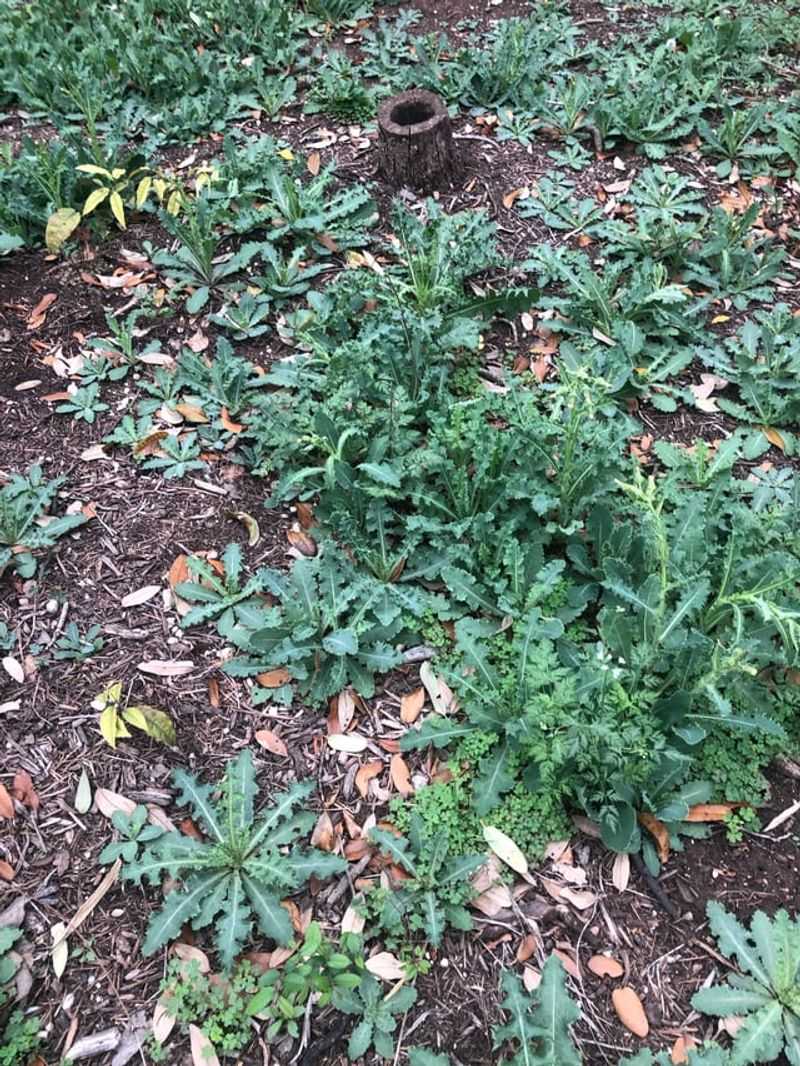
Weeds never just mind their own business. It is a humidity trap sitting right at the plant level. Chickweed, henbit, and annual bluegrass. These low, dense growers form mats that slow air movement near the soil surface.
They hold moisture against stems and lower leaves long after rain has stopped. That lingering dampness is exactly what fungal diseases need to get comfortable. Damping off in seedlings. Crown rot in established plants.
Both love the kind of persistent moisture that weedy, overgrown beds create. Your plants are already dealing with Georgia’s humidity. Weeds make an already tough situation significantly worse.
There is more. Weeds steal water, nutrients, and light that should be going straight to your vegetables. A plant that is stressed and underfed has a much harder time fighting off disease. Healthy, well-fed plants have natural defenses. Hungry, crowded plants do not.
Hand-pull weeds while they are small and manageable. Waiting until they are established makes the job three times harder.
Pull before they go to seed, and you stop the next generation before it starts. That matters in May when Georgia soil is warm, and weed seeds are practically sprinting to germinate.
Mulch between rows handles the rest. It smothers seeds before they sprout and reduces the moisture loss that makes bare soil so weed-friendly.
Check your beds every week or two. Staying ahead of weeds is genuinely one of the highest-return habits a gardener can build.
6. Wet-Plant Gardening That Spreads Trouble Fast
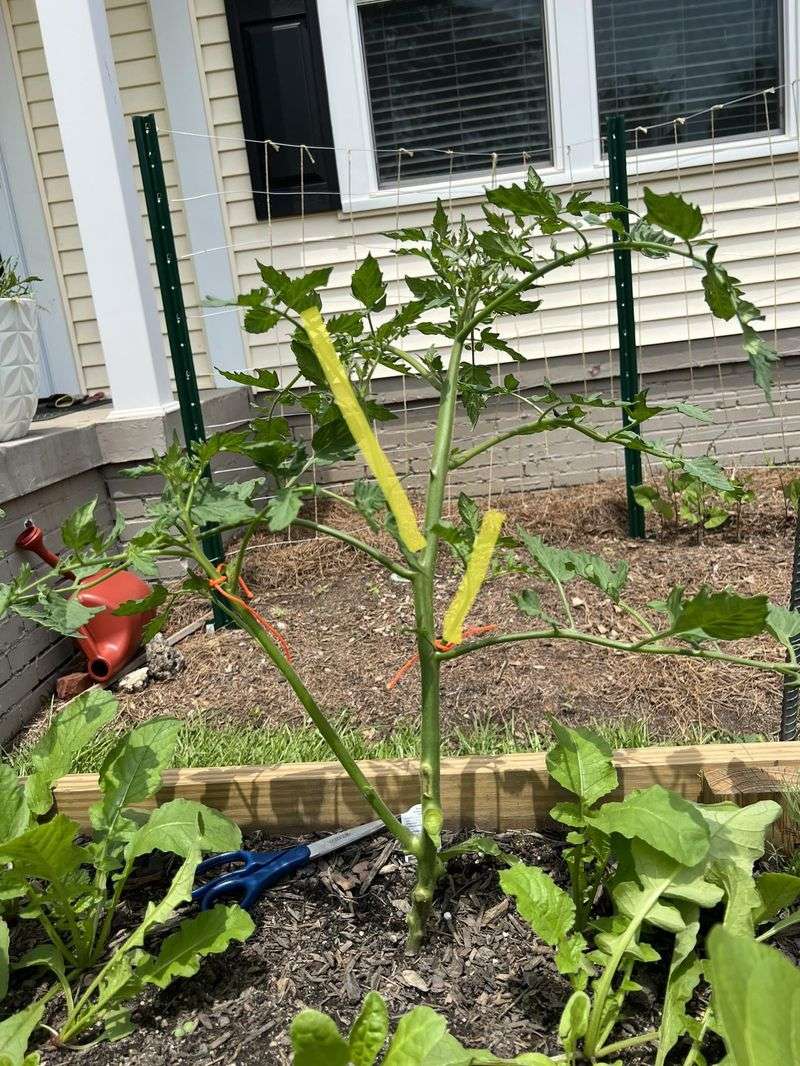
There is nothing quite like walking into the garden after a good Georgia rain. Everything smells alive. Leaves are gleaming. The whole place looks like it is thriving. Do not touch anything yet.
Wet plants are spore highways. Fungal disease moves through moisture, and when foliage is soaked, spores transfer onto everything that makes contact.
Your hands, your gloves, your pruning shears. Even the sleeve of your shirt as you brush past a tomato cage. Every touch becomes a potential delivery system. So, one infected plant becomes two. Two becomes a row.
A row becomes a problem that takes the rest of the season to manage. It happens faster than most gardeners expect, and it starts with something as innocent as checking on your cucumbers after breakfast in the rain.
Wait for the foliage to dry before pruning, harvesting, tying up vines, or pulling leaves. That patience costs you nothing and protects everything you have worked to grow.
However, sometimes the garden can’t wait. Tasks need doing, and the plants are still wet. In that situation, clean your tools between each plant. A quick wipe with rubbing alcohol or a diluted bleach solution on the blades is enough.
Small cuts and contact points on wet stems are open doors for infection. Close them. Then, move gently through your beds. Avoid rough contact with leaves and stems.
Wounds on wet plant tissue heal slowly and invite exactly the kind of pathogens you are trying to avoid.
The garden will still be there in two hours when the sun has done its work. Let it dry. Your plants are not going anywhere, and neither is the trouble if you rush in too soon.
7. Untrellised Tomatoes, Beans, And Cucumbers Sitting In Moisture
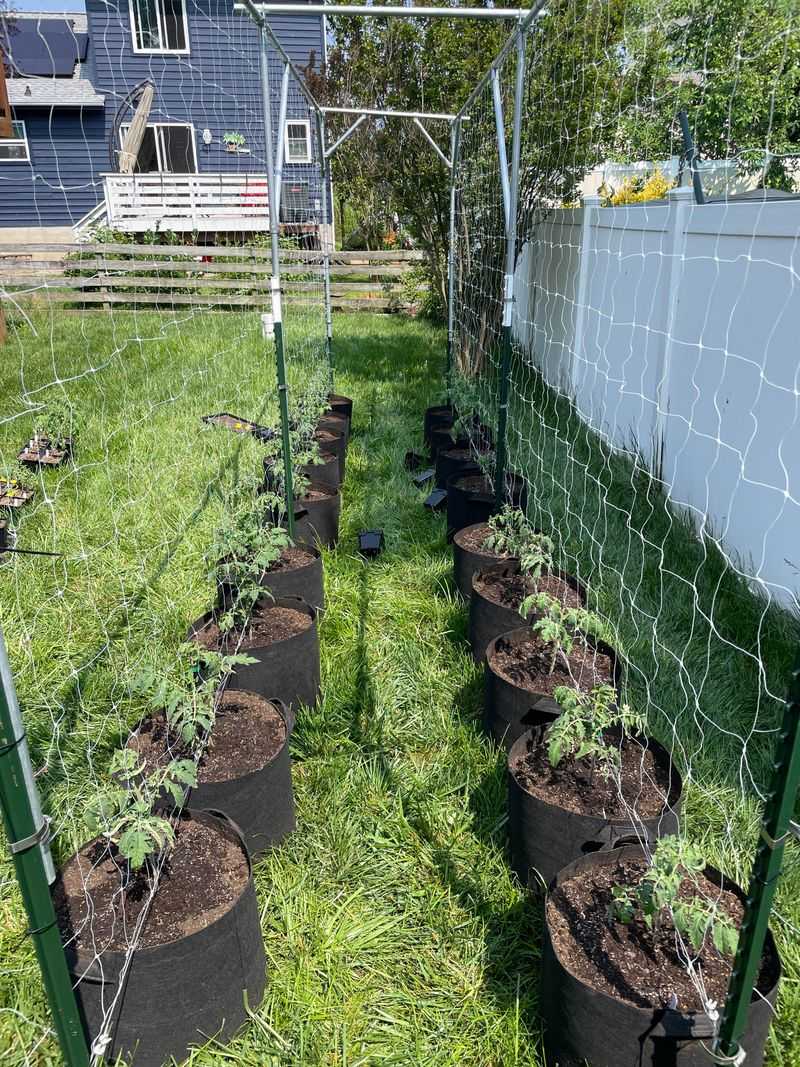
Letting your tomatoes sprawl across the ground feels low-maintenance. It is also a fast track to a fungal nightmare.
Tomatoes, pole beans, and cucumbers that flop onto damp soil stay in constant contact with every soilborne spore living in that dirt. The connection between wet soil and plant tissue is relentless.
Stems sit in it, and leaves press against it. Spores do not need to travel far when the plant comes to them.
Airflow disappears completely when vines pile up and tangle. Leaves in that dark, damp, ground-level environment stay wet for a long time after rain.
Septoria leaf spot on tomatoes and angular leaf spot on cucumbers thrive in exactly those conditions. By the time you notice the damage, it has usually been building for days.
Cages, stakes, and trellises all solve this. So, get support in place early: staking or caging tomatoes at transplant time, before the plant grows large.
A six-inch tomato is easy to stake. A sprawling, bushy four-footer is a project. Lifted plants are easier to manage in every way. You can walk around them.
You can spot early disease signs before they spread. The whole plant is simply healthier and more resistant to the pressure that humid weather puts on every garden.
So, support your plants now. The five minutes it takes at planting time is worth every bit of the trouble it saves you later.
8. Fertilizer Guesswork That Leaves Plants More Vulnerable
Grabbing a random bag of fertilizer and spreading it around feels productive. It might also be quietly sabotaging your entire garden.
Too much fertilizer is one of the most common mistakes Georgia gardeners make. It pushes fast, lush, soft growth.
Yes, that growth looks great in a photo. But, in reality, soft tissue is exactly what fungal pathogens prefer. It is easier to penetrate, easier to colonize, and harder for the plant to defend.
Overloaded, fertilizer-heavy plants also produce thick, dense canopies that trap moisture and cut off airflow. Powdery mildew and botrytis love that combination.
Soft tissue plus poor circulation is practically a written invitation. But underfed plants are no better. A stressed, nutrient-deficient plant loses its ability to fight back. Disease resistance requires resources. A hungry plant simply does not have them.
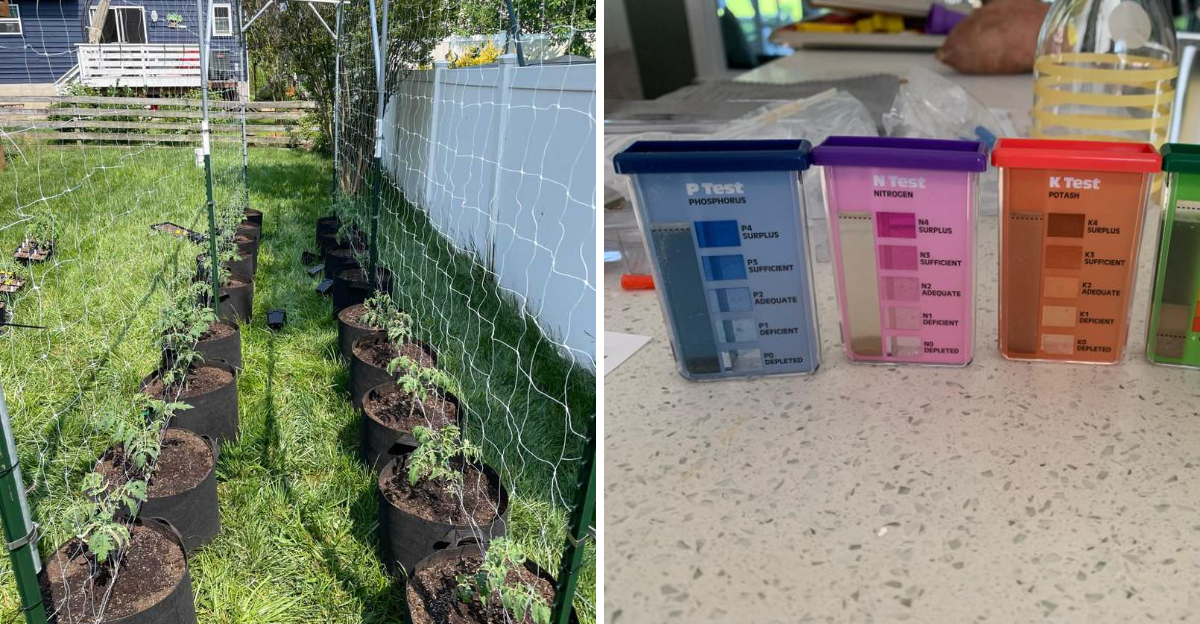
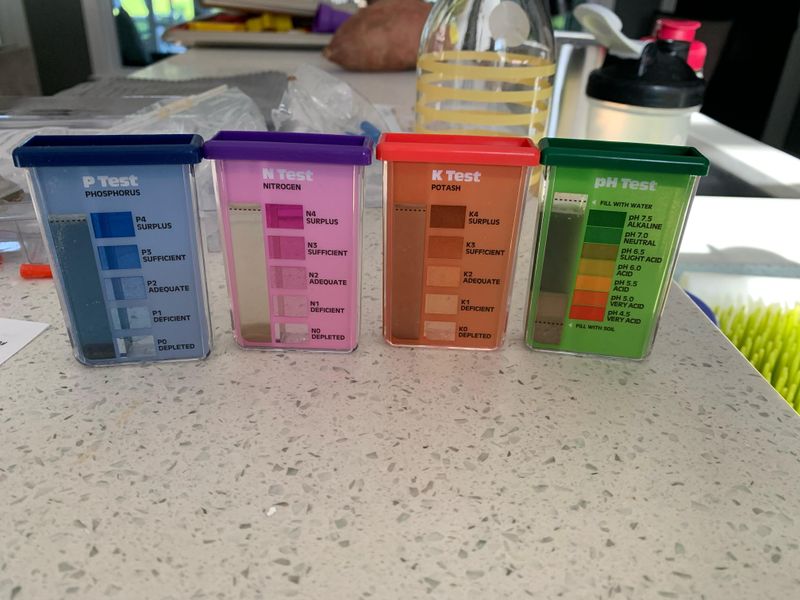
Your answer is a soil test. The results tell you exactly what is in your soil, what is missing, and how much of each nutrient to add. No more guessing. No more hoping the bag you grabbed at the hardware store is the right one.
Balanced fertility produces steady, moderate growth. That kind of growth is structurally stronger, more resistant to disease, and far better equipped to handle humid conditions.
A soil test costs a few dollars. Fixing a season full of fungal problems costs much more, in time, money, and the harvests you never got to enjoy.
Test first. Feed smart. Let your plants build the kind of strength that fungus can’t easily break through.