7 Native Pennsylvania Trees To Plant Instead Of Crape Myrtle
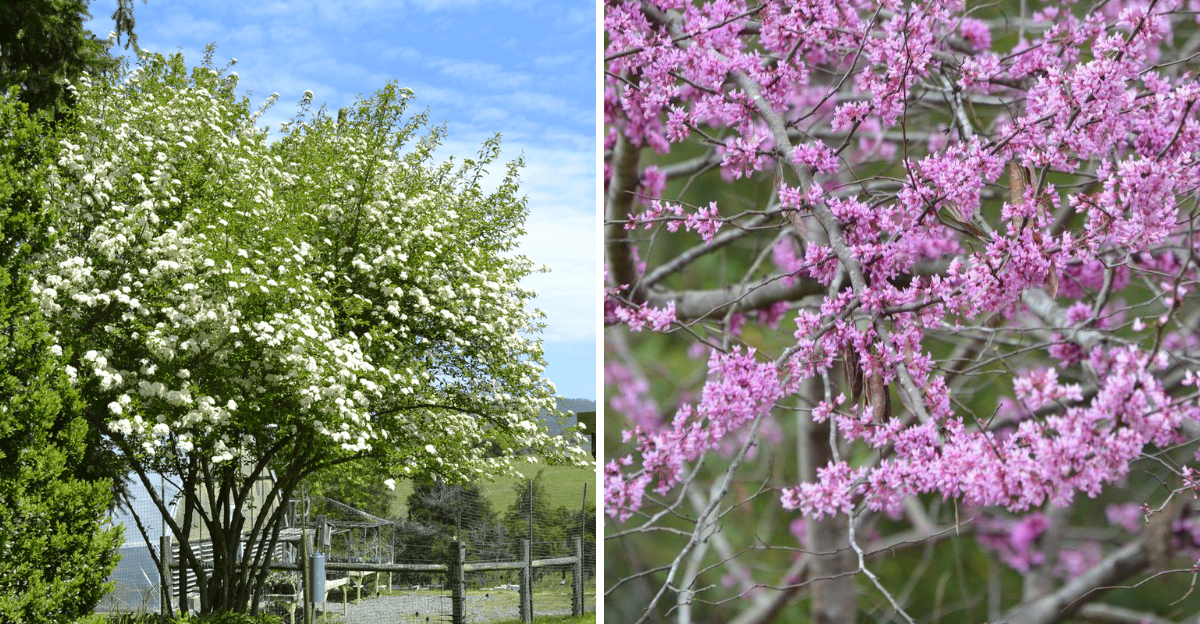
Crape myrtle gets a lot of attention for its long bloom season and eye-catching color, but it is not the only tree that can bring beauty to a Pennsylvania yard. In fact, many gardeners would be better off choosing something native.
A tree that naturally belongs in the region usually makes more sense from the start. It is already suited to local weather, seasonal changes, and soil conditions, which can mean fewer struggles and a better long-term fit.
There is also the bigger picture to think about. Native Pennsylvania trees do more than fill space or look pretty near the curb.
They support birds, pollinators, and other wildlife in ways that many popular ornamentals do not. At the same time, they can offer just as much charm through flowers, fall color, interesting bark, or graceful shape.
If you like the idea of planting a tree that feels more connected to the landscape around you, there are plenty of strong native options worth considering. Some may even give your yard more character than crape myrtle ever could.
1. Eastern Redbud (Cercis Canadensis)
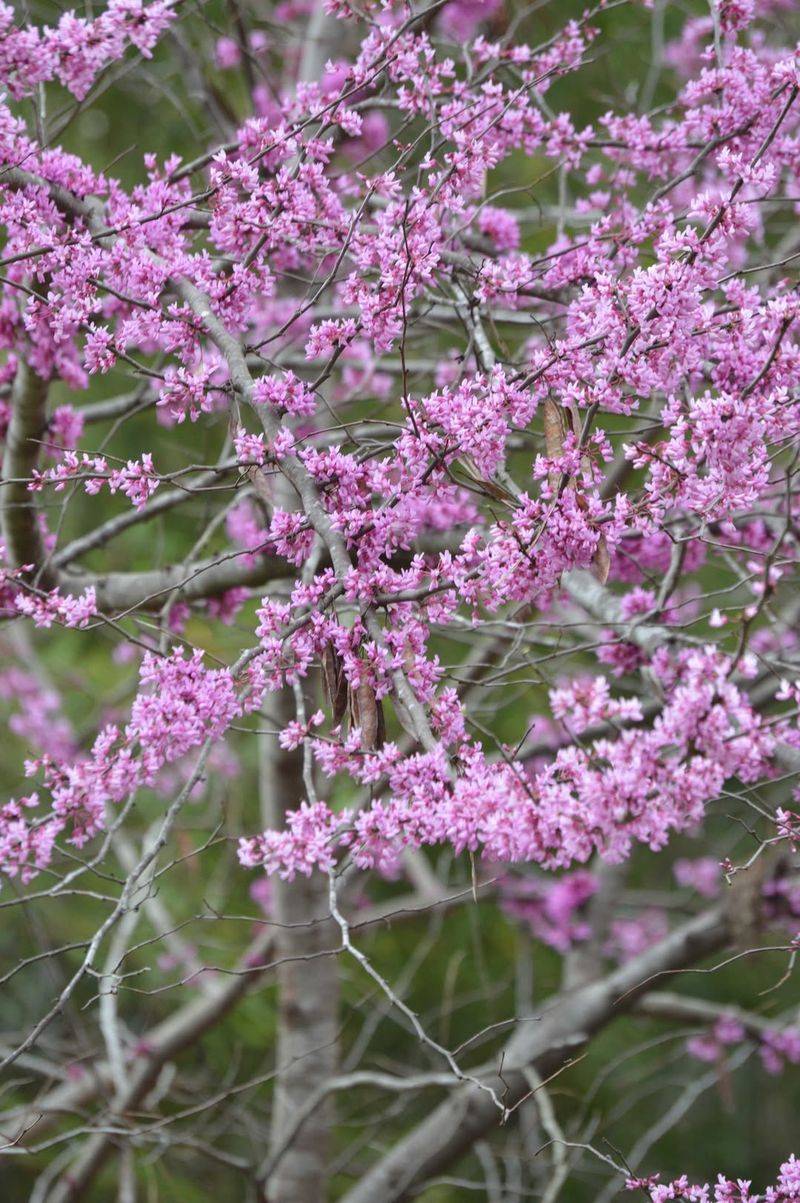
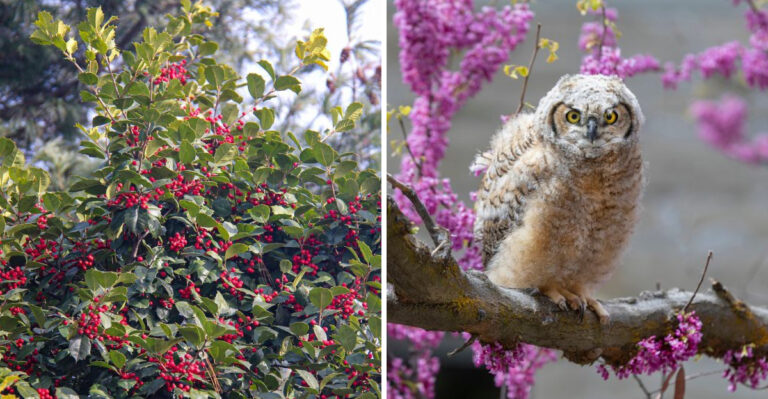
Before the leaves even think about showing up, the Eastern Redbud puts on one of the most breathtaking flower shows in all of Pennsylvania.
Tiny, bright pink blooms burst right out of the bare branches in early spring, covering the whole tree in a cloud of color. It looks almost magical, and it happens before most other trees have woken up from winter.
Eastern Redbud grows to about 20 to 30 feet tall, making it a perfect fit for front yards and focal points in your landscape.
It handles full sun to partial shade really well, and it is surprisingly adaptable to different soil types found across Pennsylvania. Homeowners love it because it does not need a lot of fuss to look amazing year after year.
Beyond the spring blooms, this tree keeps giving. The heart-shaped leaves turn a lovely yellow in fall, adding another season of color to your yard.
Birds and pollinators go absolutely wild for this tree, especially early bees that need food right after winter. If you want one tree that anchors your whole landscape and makes your neighbors stop and stare, the Eastern Redbud is it.
It is a true Pennsylvania treasure that earns its spot in any yard, big or small. Planting one near your front entrance or along a driveway creates a stunning welcome that you will enjoy every spring without fail.
2. Flowering Dogwood (Cornus Florida)
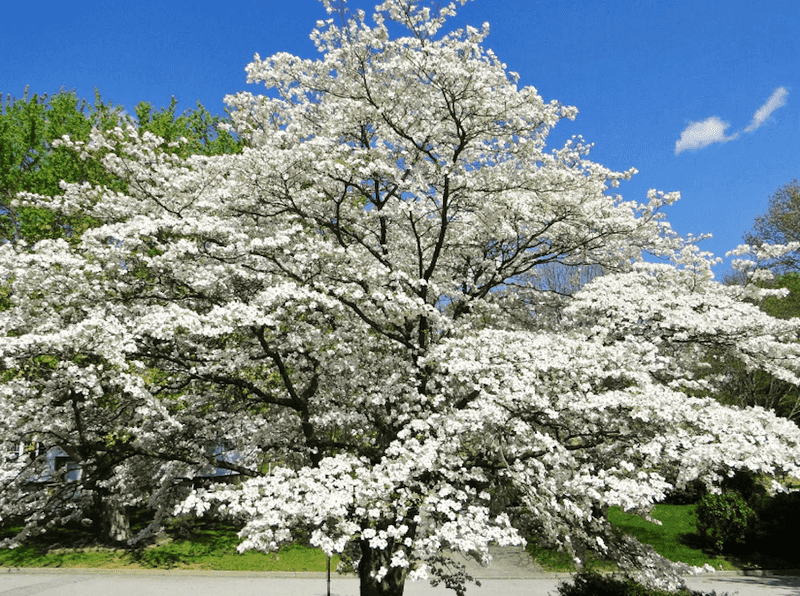
Ask any long-time Pennsylvania gardener which tree they would never remove from their yard, and there is a good chance the Flowering Dogwood is at the top of the list. It is that beloved.
With its wide, layered branches and showy white to soft pink flowers in spring, this tree looks like something straight out of a painting. It has a natural elegance that very few other trees can match.
Growing between 15 and 30 feet tall, the Flowering Dogwood fits comfortably in most residential landscapes across Pennsylvania. It prefers a spot with partial shade and well-drained, slightly acidic soil, which is exactly what many Pennsylvania yards naturally offer.
Your Pennsylvania Garden Changes Every Week. Your Plan Should Too.
Gardening in Pennsylvania changes quickly throughout the season. Every Friday you’ll receive a simple weekly plan showing exactly what to plant, prune, fertilize, harvest, and protect so you never miss the right timing.
Once it is established, it is a low-maintenance beauty that rewards you season after season.
Spring brings the stunning blooms, but the show does not stop there. By fall, the leaves turn a rich, deep red, and bright red berries appear on the branches.
Those berries are a favorite food source for songbirds, which means your yard will be buzzing with wildlife well into autumn. The layered branching structure also gives the tree a striking silhouette in winter, so it looks interesting even when bare.
Did you know that Flowering Dogwood is actually the state tree of Virginia and has been cherished across the eastern United States for centuries? In Pennsylvania, it is a classic ornamental choice that never goes out of style and always impresses visitors and passersby alike.
3. Serviceberry (Amelanchier Canadensis)
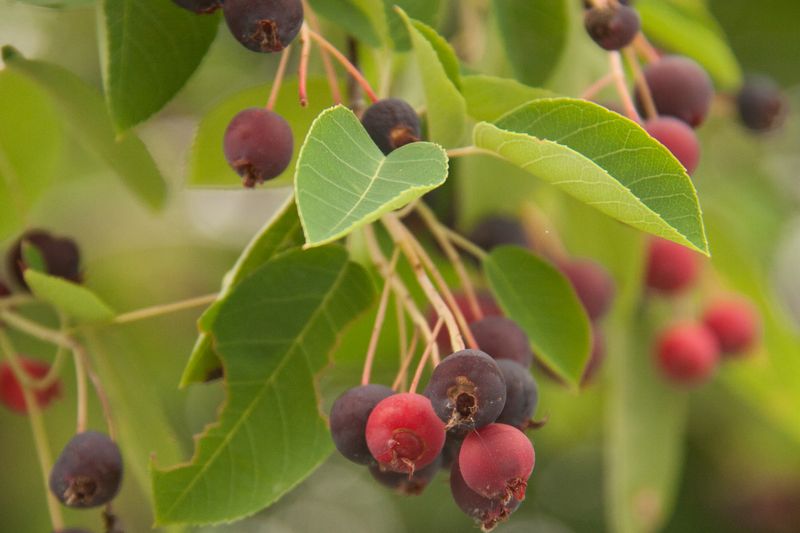
Not many trees can say they offer something spectacular in every single season, but the Serviceberry pulls it off with ease. In early spring, it explodes with clusters of small white flowers that almost look like tiny stars scattered across the branches.
It is one of the first trees to bloom in Pennsylvania, which makes it a real standout when everything else is still gray and bare.
After the flowers fade, the Serviceberry produces small, round berries that ripen in early summer and taste a little like blueberries. People actually eat them, and so do birds, making this tree a lively hub of activity in your yard.
By fall, the leaves shift to stunning shades of orange, red, and yellow, wrapping up the growing season in style.
Serviceberry grows to about 15 to 25 feet tall and adapts well to a wide range of soil types and light conditions found throughout Pennsylvania. It works beautifully as a multi-season focal point, a naturalized planting along a property edge, or even as part of a wildlife garden.
Gardeners who want a tree that earns its keep all year long tend to fall hard for this one. It supports pollinators in spring, feeds birds in summer, and dazzles the eye in fall.
For Pennsylvania homeowners looking for maximum impact with minimal effort, Serviceberry checks every single box without hesitation and keeps your yard looking alive and vibrant from the first warm day straight through to the first frost.
4. Eastern Fringe Tree (Chionanthus Virginicus)
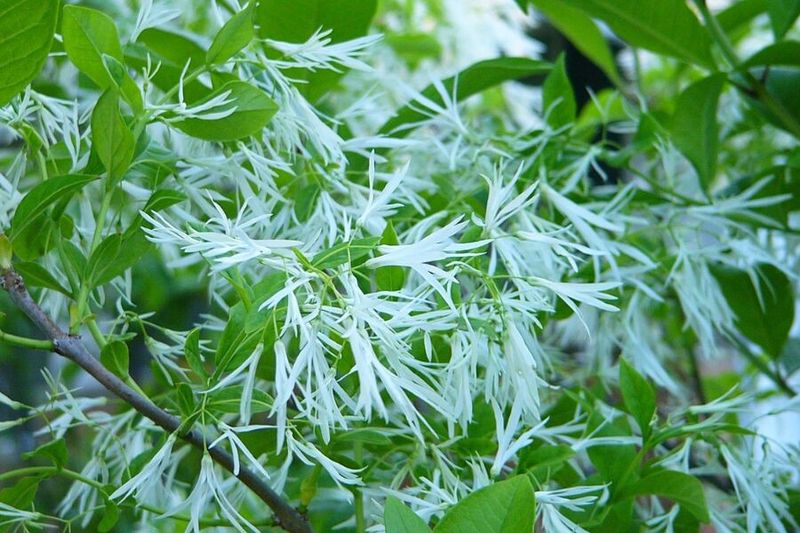
If you want a tree that makes people stop in their tracks and ask, what is that beautiful thing, then the Eastern Fringe Tree is your answer. In late spring, it produces the most unique flowers you will ever see on a tree.
Long, feathery, white petals hang in loose clusters that look like soft fringe or delicate lace draped all over the branches. The effect is genuinely show-stopping and unlike anything else growing in Pennsylvania yards.
Eastern Fringe Tree stays relatively compact, reaching about 12 to 20 feet tall, which makes it a fantastic choice for smaller yards or tight spaces where you still want a big visual impact.
It thrives in full sun to partial shade and adapts to a variety of soil conditions, including the clay-heavy soils common in many parts of Pennsylvania. It is also notably tough and long-lived once it gets established in your landscape.
Beyond its wild good looks, this tree is a strong supporter of local wildlife. Pollinators love the flowers, and birds are attracted to the small, dark blue berries that develop on female trees in late summer.
The foliage turns a soft yellow in fall, offering one last pop of color before the season ends. For gardeners who want a standout feature plant that sparks conversation and supports the local Pennsylvania ecosystem, the Eastern Fringe Tree delivers on every front.
It is rare enough to feel special but tough enough to thrive in your yard for generations to come.
5. American Hornbeam (Carpinus Caroliniana)
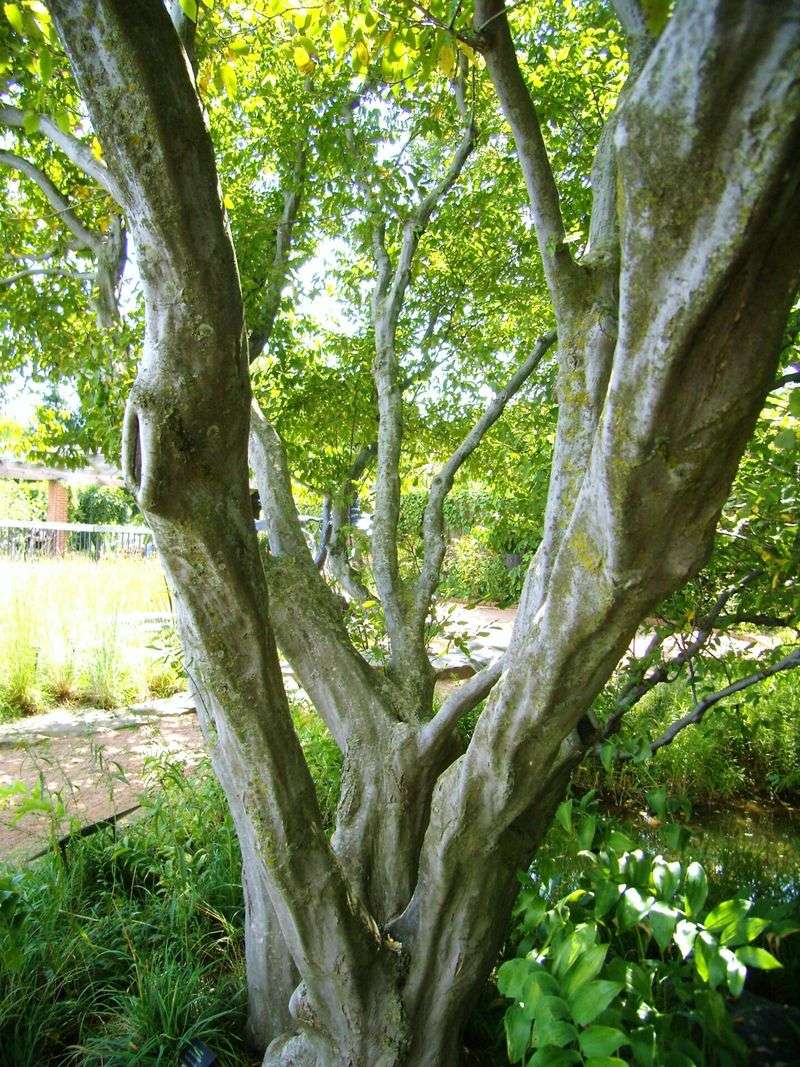
Some trees shout for attention with flashy flowers, and others win you over quietly with their understated beauty. The American Hornbeam belongs firmly in that second category.
Its smooth, muscle-like gray bark has a sculptural quality that makes it look interesting and distinguished every single month of the year, even in the winter when most trees look forgettable and bare.
Growing to about 20 to 35 feet tall, the American Hornbeam is a native Pennsylvania tree that naturally grows along stream banks and in shaded woodland areas.
It actually prefers partial to full shade, which makes it one of the best choices for those tricky spots in your yard where other trees simply refuse to thrive.
If you have a shady corner that needs a refined, elegant presence, this tree fills that role beautifully.
Come fall, the leaves shift to warm shades of orange, red, and yellow, giving the tree a surprisingly vibrant seasonal display that contrasts beautifully with its cool, silvery bark.
The seeds are also a reliable food source for birds and small mammals throughout the colder months in Pennsylvania.
Landscape designers often recommend American Hornbeam for naturalistic, woodland-style gardens because it looks completely at home in that setting.
It has a slow, steady growth habit, meaning it will not overwhelm your yard, but it will quietly become one of your most admired plants over the years.
Subtle, sophisticated, and genuinely tough, this tree is a long-term investment in your landscape that you will never regret making.
6. Sweetbay Magnolia (Magnolia virginiana)
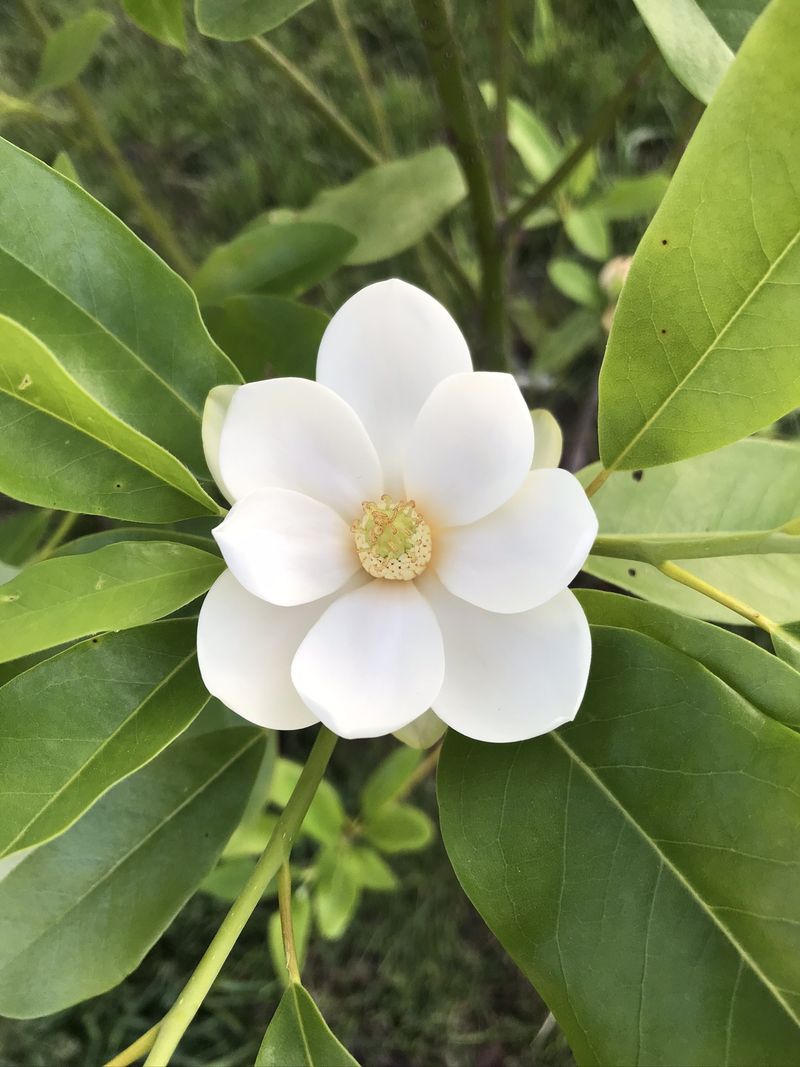
Close your eyes and imagine walking past a tree and catching a wave of sweet, lemony fragrance drifting through the warm summer air. That is exactly what it feels like to have a Sweetbay Magnolia in your Pennsylvania yard.
From late spring into early summer, this tree produces creamy white, cup-shaped flowers that smell absolutely wonderful and attract a parade of pollinators looking for a good meal.
Unlike the more dramatic Southern Magnolia, the Sweetbay stays at a manageable 15 to 30 feet tall and has a softer, more graceful appearance.
The leaves are glossy green on top and silvery white underneath, so when the breeze catches them, the whole tree seems to shimmer.
In the milder parts of Pennsylvania, the foliage can stay on the tree well into winter, giving it a semi-evergreen quality that most other native trees cannot offer.
Sweetbay Magnolia is also one of the more flexible native trees when it comes to growing conditions. It tolerates moist to wet soils really well, making it a smart pick for low spots in the yard where water tends to collect after rain.
It also handles partial shade gracefully, which gives Pennsylvania homeowners plenty of placement options. The bright red seeds that appear in fall attract birds and add another layer of visual interest to the tree.
If you want fragrance, soft texture, and multi-season appeal all wrapped up in one native tree, Sweetbay Magnolia delivers the full package with quiet confidence and effortless charm every single year.
7. Blackhaw Viburnum (Viburnum Prunifolium)
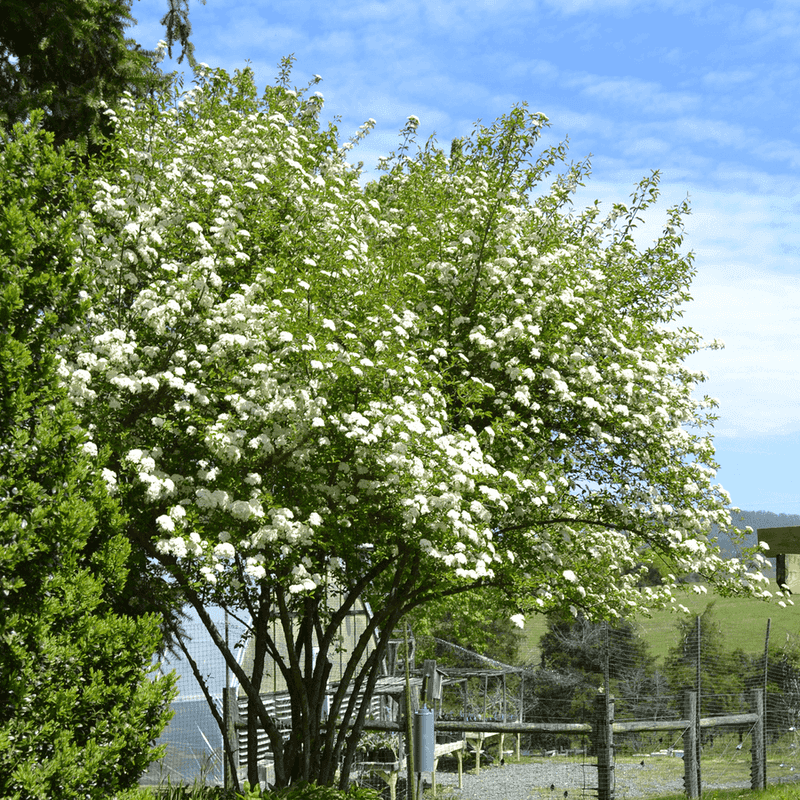
Here is a plant that cannot make up its mind about whether it wants to be a tree or a large shrub, and honestly, that flexibility is one of its greatest strengths.
Blackhaw Viburnum can be trained as a small multi-stemmed tree or kept as a large, rounded shrub, giving Pennsylvania gardeners a lot of creative freedom when it comes to using it in the landscape.
Either way, it is a four-season performer that punches well above its weight. In spring, flat-topped clusters of small white flowers cover the plant and attract bees and butterflies in impressive numbers.
By late summer and fall, those flowers turn into clusters of dark blue-black berries that birds absolutely love.
The foliage follows up with a brilliant show of deep red and purple fall color that rivals almost anything else growing in Pennsylvania at that time of year.
Blackhaw Viburnum grows to about 12 to 25 feet tall and is incredibly tough once established. It handles full sun to partial shade, tolerates a range of soil types, and is naturally resistant to most pests and diseases that bother other ornamental trees.
For small yards, tight spaces, or spots where you want a layered, naturalistic planting, this native Pennsylvania plant is a brilliant solution. It also works wonderfully as a privacy screen or a wildlife hedge along a property line.
Few native plants offer this combination of ornamental beauty, wildlife value, and flexible form, making Blackhaw Viburnum one of the most underrated gems in the entire Pennsylvania native plant toolkit.