The Most Stunning Underrated Pennsylvania Perennial That Blooms From Spring Through Fall
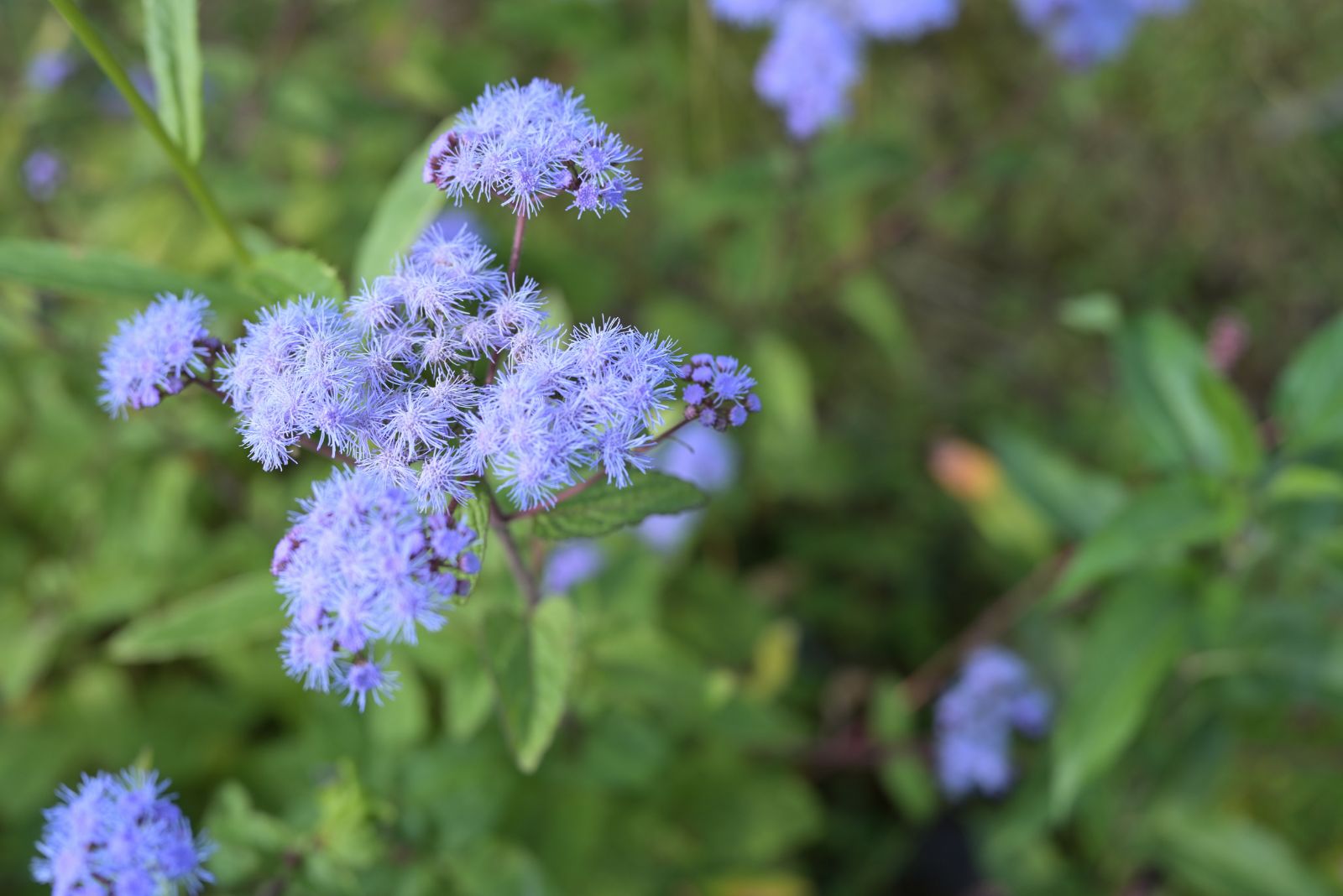
Pennsylvania perennial gardens tend to cycle through the same familiar names, and while those plants earn their place, they leave a lot of room for something more unexpected.
There is one perennial that blooms across a stretch of the season that most plants cannot come close to matching, carrying color from spring well into fall without demanding much in return.
It is not a new discovery or a rare find. It grows across Pennsylvania without much fuss, handles a range of soil conditions, and comes back reliably year after year.
Yet it shows up in far fewer gardens than it deserves to, overlooked in favor of flashier options that bloom for a fraction of the time.
Once this plant is established and doing what it does through an entire season, it tends to become the first thing people ask about when they visit the garden. It earns that attention without ever asking for it.
Blue Mistflower Is The Pennsylvania Perennial More Gardeners Should Be Growing
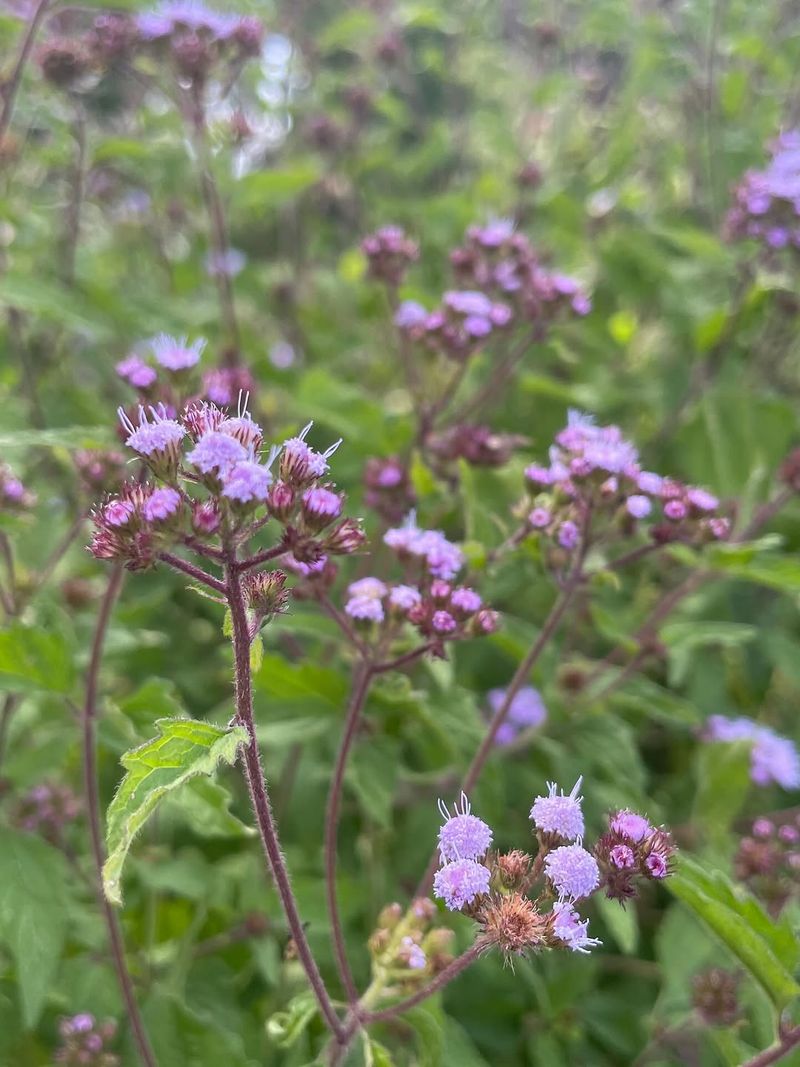
Walk through almost any Pennsylvania garden center and you will find shelves packed with coneflowers, black-eyed Susans, and daylilies. Blue Mistflower, known scientifically as Conoclinium coelestinum, rarely gets a spot on those shelves.
That overlooked status has nothing to do with quality and everything to do with how slowly garden trends spread.
Blue Mistflower is a native perennial that grows naturally across the eastern United States, including Pennsylvania. It was blooming along creek banks and forest edges long before anyone thought to put it in a garden bed.
Somehow, despite its impressive beauty and wildlife value, it never caught on the way other natives did.
Part of the reason it stays overlooked is its modest appearance early in the season. The plant spends spring and early summer putting on leafy green growth without a single flower.
Gardeners who want instant color sometimes give up on it before it has a chance to shine. That patience, though, pays off in a big way.
When Blue Mistflower finally blooms, it produces dense clusters of tiny flowers in a soft, hazy blue-purple color that is almost unlike anything else in the garden. The texture is feathery and light, giving borders a relaxed and natural look.
It feels less like a formal garden plant and more like something you discovered growing wild in the woods, which is exactly what makes it so charming.
Gardeners who grow it once almost always grow it again. Its combination of native roots, long bloom time, and wildlife appeal makes it one of Pennsylvania’s best-kept gardening secrets.
It Blooms For An Exceptionally Long Time
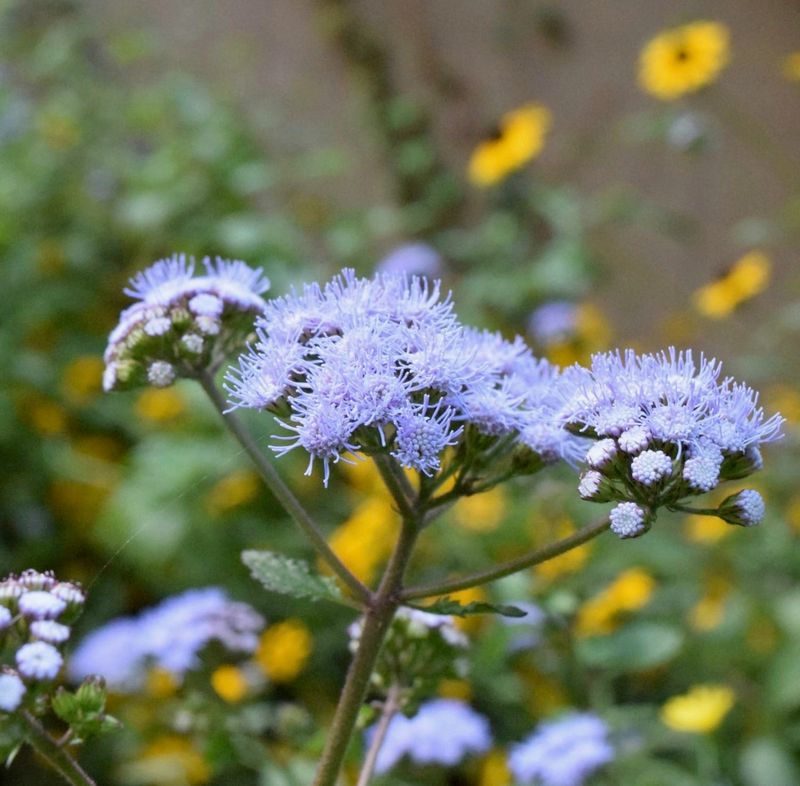
One of the biggest frustrations for home gardeners is watching a favorite plant bloom for two weeks and then go quiet for the rest of the season. Blue Mistflower does not work that way.
Its bloom season stretches from late summer well into October, giving your garden reliable color during a time when many other perennials have already finished for the year.
Most perennials have a peak window of two to four weeks. After that, they shift energy into seed production and start looking tired.
Your Pennsylvania Garden Changes Every Week. Your Plan Should Too.
Gardening in Pennsylvania changes quickly throughout the season. Every Friday you’ll receive a simple weekly plan showing exactly what to plant, prune, fertilize, harvest, and protect so you never miss the right timing.
Blue Mistflower keeps producing fresh flower clusters over a much longer stretch. New blooms continue opening as older ones fade, so the plant always looks active and alive during its season.
That extended bloom period matters more than many gardeners realize. A long-blooming plant fills visual gaps in the garden that would otherwise be bare.
It also gives pollinators a consistent food source during the late summer and fall months, when nectar becomes harder to find.
Pennsylvania gardeners know that August and September can feel like the end of the garden season. Temperatures start dropping, and many summer bloomers give out.
Blue Mistflower steps in right at that moment and carries the garden through to the first frost. It is like having a reliable teammate who shows up exactly when you need them most.
Planting Blue Mistflower alongside earlier-blooming perennials creates a garden that stays interesting from spring all the way to fall. That kind of layered, season-long color is what separates a good garden from a truly great one.
Butterflies Absolutely Cover It
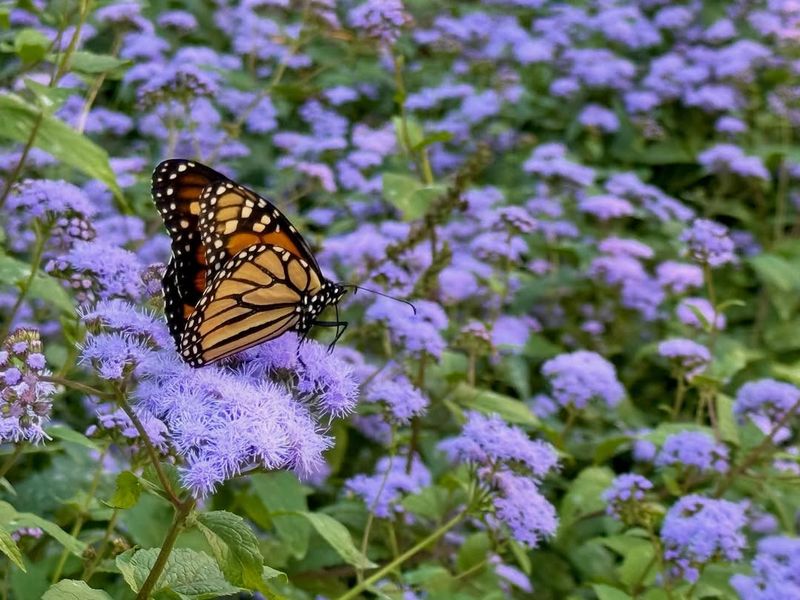
Imagine stepping outside on a warm September morning and finding your garden plant covered in dozens of fluttering wings. That is not an exaggeration when it comes to Blue Mistflower.
Butterflies are drawn to it with a kind of intensity that is genuinely exciting to watch, especially during migration season.
Monarch butterflies are among the most frequent visitors. As they make their way south through Pennsylvania each fall, they stop to refuel on nectar-rich flowers.
Blue Mistflower blooms at exactly the right time to serve as a critical fuel stop for these travelers. Planting it in your yard means you are actively supporting one of the most famous butterfly migrations in North America.
Monarchs are not alone. Painted ladies, skippers, swallowtails, and sulphur butterflies also visit Blue Mistflower regularly.
On a sunny afternoon during peak bloom, it is common to count five or more butterfly species on a single plant. Bees join the party too, making the whole plant hum with activity.
Beyond the beauty, that wildlife activity has real ecological value. Every butterfly that feeds in your garden is a butterfly that can go on to pollinate other plants and contribute to the local ecosystem.
Growing Blue Mistflower is a simple way to make your backyard part of something bigger.
For families with kids, Blue Mistflower creates an easy and exciting nature lesson right outside the door.
Watching butterflies feed up close, identifying different species, and learning about migration turns an ordinary garden into a living classroom that kids actually want to spend time in.
It Handles Pennsylvania Conditions Surprisingly Well
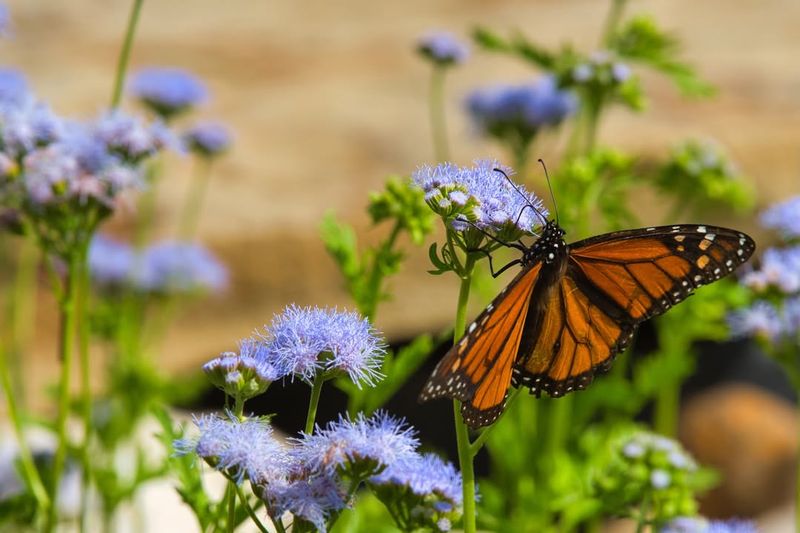
Pennsylvania weather is not always easy on garden plants. Summers bring thick humidity, sudden downpours, and stretches of intense heat.
Winters can be harsh, and spring temperatures bounce around unpredictably. Many ornamental plants struggle to keep up with those swings, but Blue Mistflower takes them in stride.
Because it evolved right here in the eastern United States, Blue Mistflower is already adapted to the exact conditions Pennsylvania gardeners deal with every year. It does not need extra coddling during humid spells the way some imported ornamentals do.
The plant simply grows through the tough patches and keeps producing foliage and flowers on schedule.
Blue Mistflower performs best in moist to average soil and can handle both full sun and partial shade. That flexibility makes it useful in spots where other plants give up.
A partially shaded border near a fence, a moist low spot in the yard, or a sunny garden bed along a walkway all work well for this plant.
Established plants are also quite drought-tolerant once they settle in. During the first growing season, some regular watering helps the roots get established.
After that, Blue Mistflower is remarkably self-sufficient. It does not demand constant attention or special fertilizers to look its best.
For Pennsylvania gardeners who want beautiful results without high maintenance, this plant delivers. It grows, it blooms, and it comes back stronger each spring without requiring much fuss.
That reliability is something every gardener appreciates, especially during the busy summer months when there is already plenty to manage in the yard.
It Spreads Into Beautiful Natural-Looking Drifts
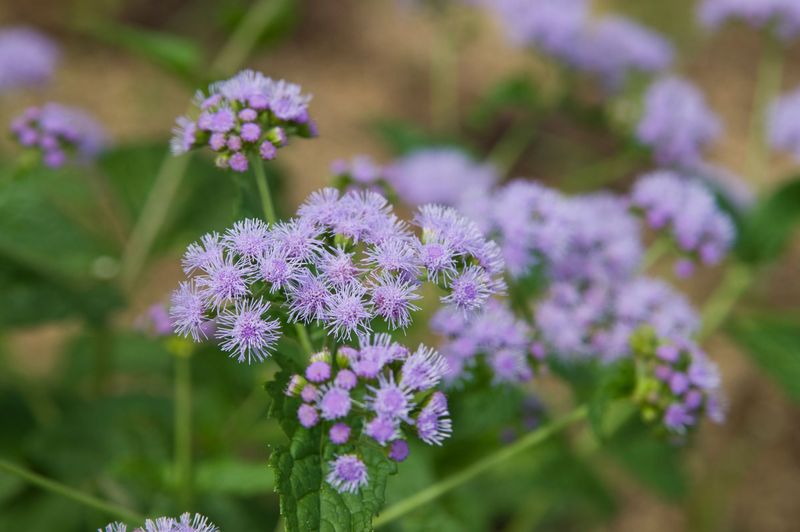
Some plants stay in a neat clump year after year, never moving an inch. Blue Mistflower takes a different approach.
Over time, it spreads gently through rhizomes and self-seeding, slowly filling in open spaces with soft, hazy color. The result looks less like a planted garden and more like a naturally occurring wildflower meadow.
That spreading habit is a feature, not a flaw. In a border or open bed, Blue Mistflower gradually weaves itself into surrounding plants, softening hard edges and creating a layered, relaxed look.
Gardeners who love the cottage or meadow style will find it fits right in with that aesthetic. The spread is manageable. Blue Mistflower does not take over a garden the way some aggressive spreaders do.
A simple division every few years keeps it from expanding beyond its welcome. Those divisions also give you free plants to fill other spots in the yard or share with neighbors.
Planting Blue Mistflower in drifts of three to five plants creates an especially striking effect. When multiple plants bloom together, the blue-purple haze they produce becomes a real focal point.
Paired with taller background plants, the overall composition looks thoughtfully designed even without much effort.
Meadow-style gardens are becoming more popular in Pennsylvania as gardeners look for lower-maintenance alternatives to traditional lawns and formal beds. Blue Mistflower fits perfectly into that trend.
It brings color, texture, and wildlife value to open spaces while requiring far less upkeep than grass or high-maintenance ornamentals. It is a genuinely smart choice for the modern home landscape.
It Looks Incredible Paired With Fall Bloomers
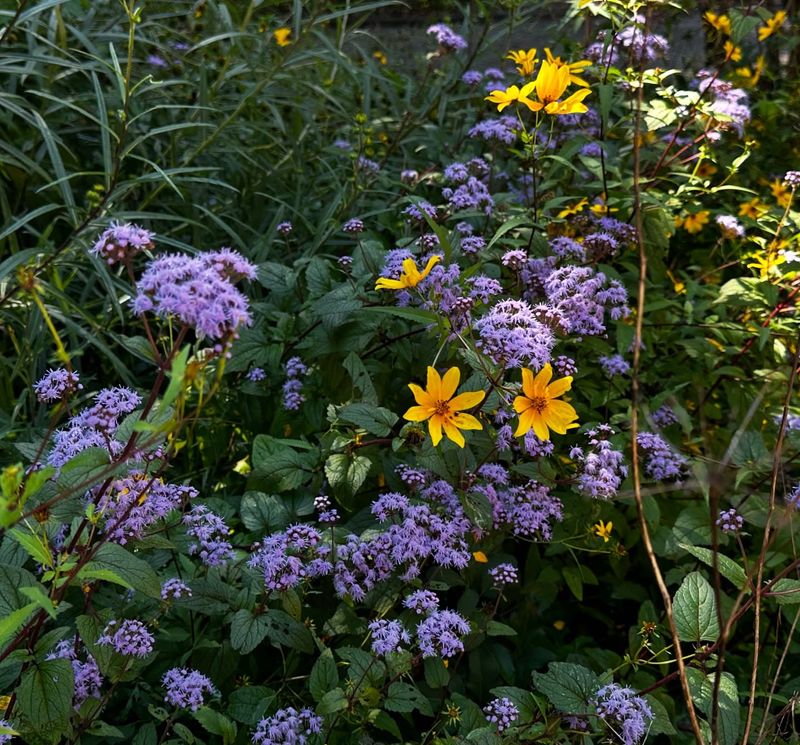
Color combinations are what separate a forgettable garden from one that stops people in their tracks. Blue Mistflower is a natural partner for the bold yellows and purples that define the Pennsylvania fall garden, and the combinations it creates are genuinely striking.
Goldenrod is one of the best companions. The bright, golden-yellow plumes of goldenrod bloom at the same time as Blue Mistflower, and the contrast between warm yellow and cool blue-purple is one of the most visually satisfying pairings in the fall garden.
Both plants are native, both attract pollinators, and together they create a display that looks like it belongs on a magazine cover.
Asters are another excellent match. Purple and pink asters bloom alongside Blue Mistflower through September and October, and the layered textures of the two plants complement each other beautifully.
Adding white or cream-colored asters to the mix creates a trio that covers the entire cool side of the color wheel.
Beyond color, pairing Blue Mistflower with other native fall bloomers creates a wildlife feeding station at exactly the right time of year.
Migrating butterflies, native bees stocking up for winter, and late-season hummingbirds all benefit from having multiple nectar sources grouped together.
Your garden becomes more than just pretty. It becomes genuinely useful to the creatures that depend on it.
Fall gardens in Pennsylvania too often fade into brown and beige before the season is truly over. Blue Mistflower, goldenrod, and asters together push that colorful season deeper into autumn, giving you weeks more enjoyment before the first hard frost finally arrives.