The Best Hardy Flowers For Oregon Gardens To Plant In April
Spring in Oregon has a way of testing your patience. One day feels warm and bright, and the next brings cool air and damp soil that lingers longer than expected.
Many gardeners have learned over time that not every flower is ready for these early conditions, no matter how tempting it is to start planting.
April is a key window across much of Oregon, especially west of the Cascades where moisture still hangs around. Hardy flowers tend to handle these shifts better, settling in without much fuss while other plants hesitate.
Choosing the right ones now can help avoid gaps in beds later when the season fully opens up.
Some of these flowers may already be familiar, but a few tend to stand out once you see how they handle Oregon’s unpredictable spring weather.
1. Alyssum Forming A Fragrant Flower Carpet
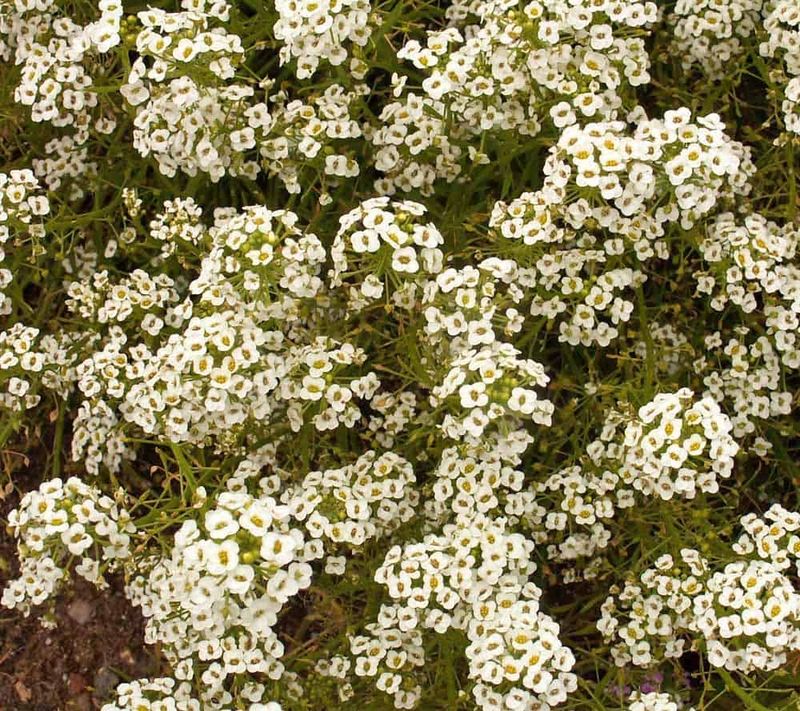
Few flowers offer as much charm with as little effort as alyssum. Known for its honey-sweet fragrance and delicate clusters of tiny blooms, this low-growing beauty is a favorite among Oregon gardeners who want maximum impact with minimal fuss.
Alyssum spreads like a soft, colorful blanket across garden beds and container edges, making it one of the most versatile plants you can add to your yard this April.
Alyssum thrives in Oregon’s cool spring temperatures, which makes April the sweet spot for planting. It prefers full sun but can handle partial shade, especially in warmer inland areas of the state.
The soil should be well-drained and moderately fertile. You do not need to overthink it because alyssum is forgiving and adapts well to different growing conditions across Oregon’s varied landscape.
One of the best things about alyssum is its ability to attract beneficial insects. Pollinators like bees and hoverflies flock to its tiny flowers, which helps your entire garden thrive.
Plant it along borders, in rock gardens, or at the base of taller flowers to create a layered, full look.
Watering is simple: keep the soil moist but not soggy, and alyssum will reward you with continuous blooms from spring through fall. Deadheading spent flowers encourages new growth.
In Oregon, where spring showers are common, you may not need to water much at all in April. It is a low-maintenance, high-reward flower that belongs in every Oregon garden.
2. Phlox Filling Beds With Steady Color
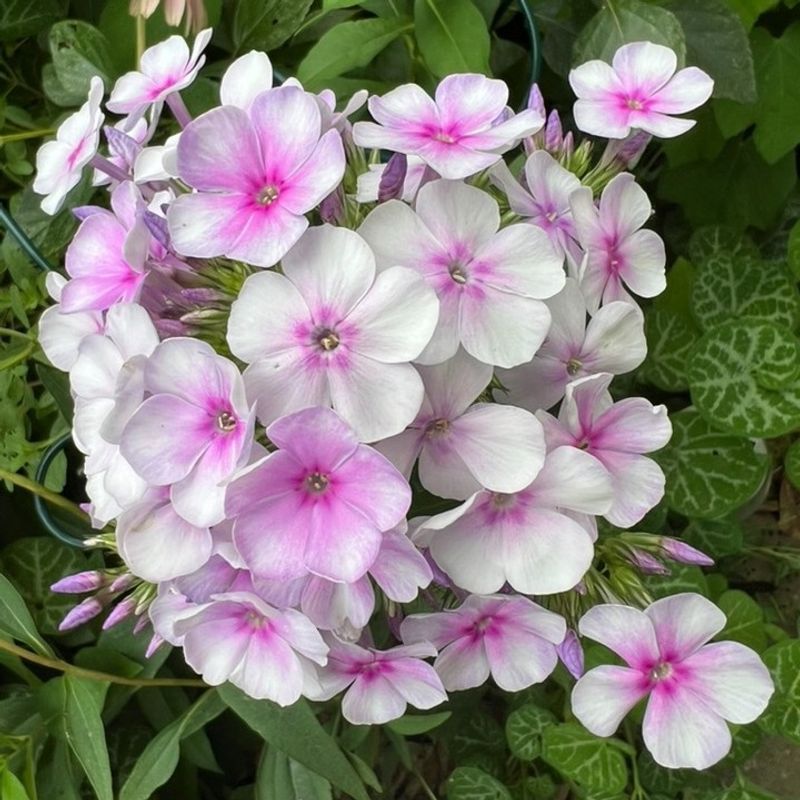
With its bold clusters of star-shaped flowers in shades of pink, purple, white, and red, this hardy perennial brings serious color to Oregon gardens every spring. Planting phlox in April gives the roots time to establish before summer heat arrives, setting you up for years of reliable blooms.
There are two main types of phlox worth knowing: creeping phlox and tall garden phlox. Creeping phlox is perfect for slopes, rock gardens, and ground cover in Oregon yards.
It hugs the ground and spills over edges in a stunning wave of color. Tall garden phlox, on the other hand, works beautifully in the back of flower beds, reaching up to four feet in height and filling the air with a sweet fragrance.
Your Oregon Garden Changes Every Week. Your Plan Should Too.
Gardening in Oregon changes quickly throughout the season. Every Friday you’ll receive a simple weekly plan showing exactly what to plant, prune, fertilize, harvest, and protect so you never miss the right timing.
Oregon’s spring rainfall is actually great news for phlox. It likes consistent moisture, especially while getting established.
However, good air circulation is important to prevent powdery mildew, which can be an issue in wetter parts of the state. Space your plants properly and avoid overhead watering to keep the foliage healthy.
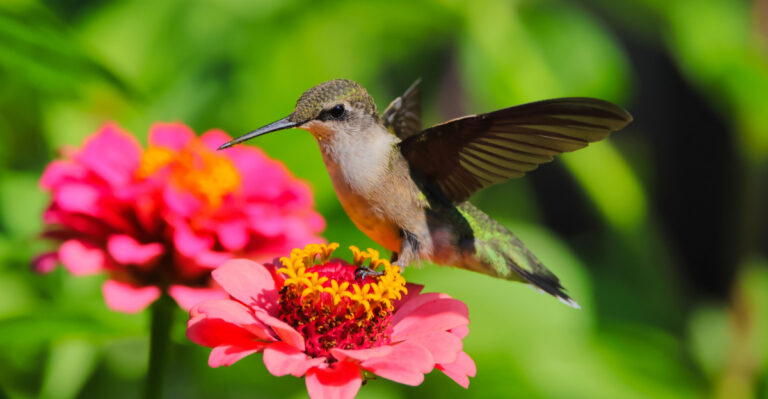
Phlox is also a magnet for butterflies and hummingbirds, which adds a lively energy to your outdoor space. Plant it in full sun to partial shade, and give it well-drained soil enriched with compost.
Once established in your Oregon garden, perennial phlox can return each year with relatively low maintenance, though performance depends on conditions and care.
3. Marigold Bringing Bright Heat Friendly Blooms
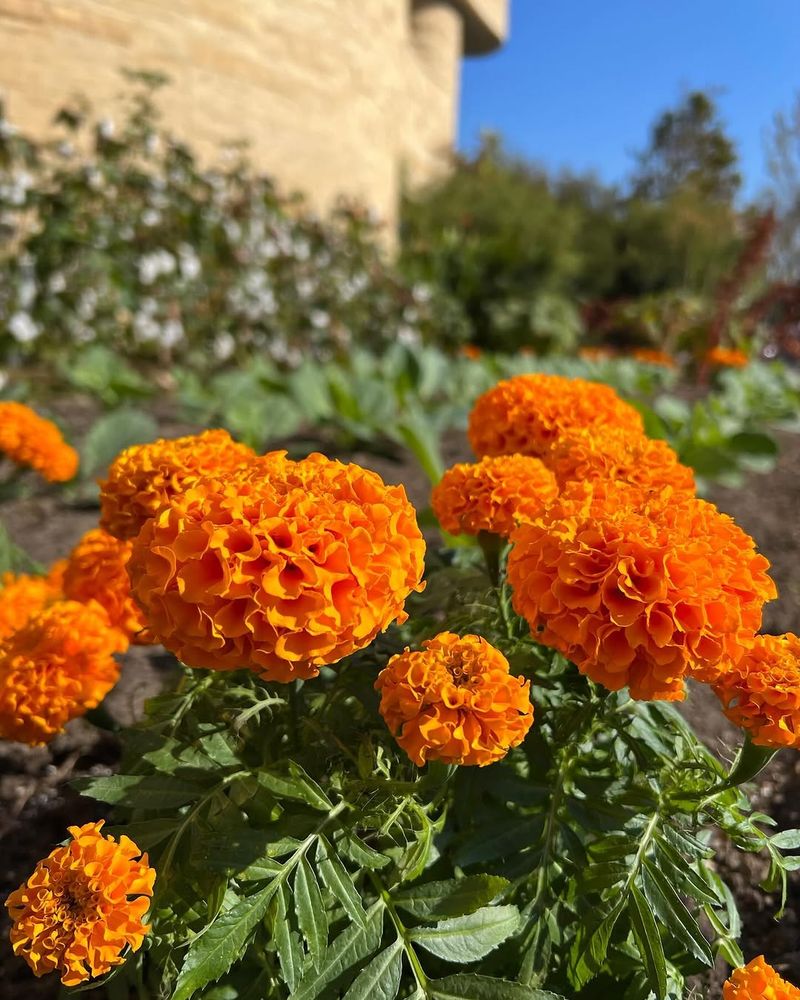
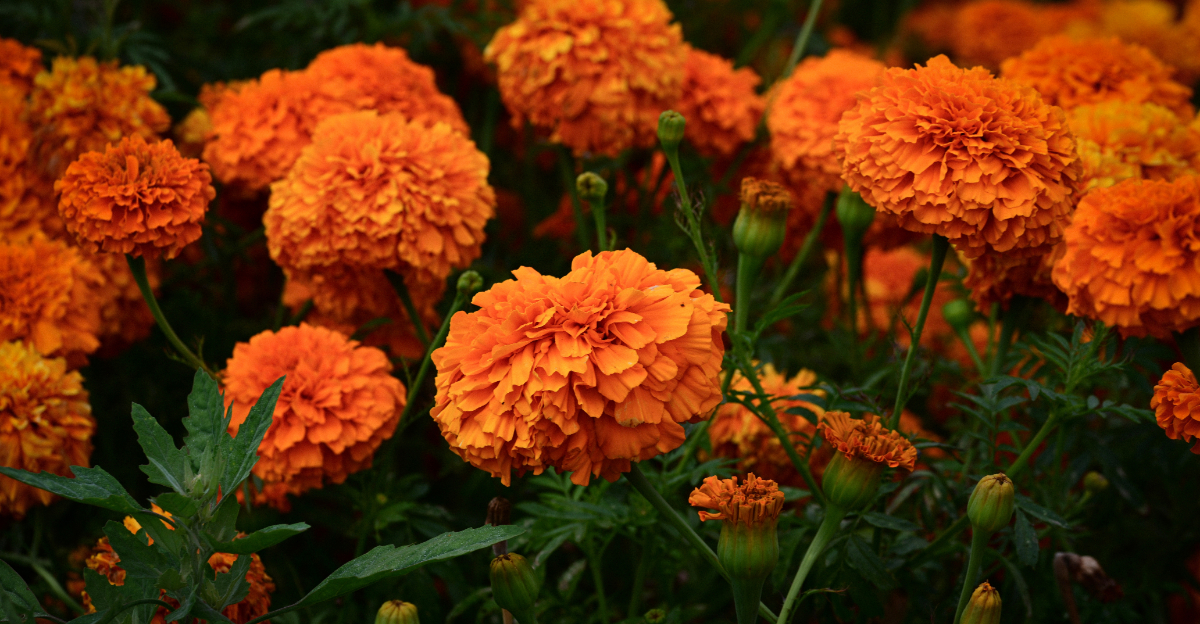
If there is one flower that practically every gardener knows and loves, it is the marigold. Bold, bright, and almost impossibly cheerful, marigolds bring a pop of orange and yellow to Oregon gardens that is hard to match.
But their appeal goes beyond looks. Marigolds are often used as companion plants and may help reduce certain pest activity, though results can vary depending on the garden and pest pressure.
Marigolds are not fussy about soil, which is great news for Oregon gardeners dealing with heavy clay or sandy ground. They prefer full sun and well-drained soil, but they can handle a range of conditions with ease.
Starting them in April means they will be in full bloom by late spring and early summer, just when you want your garden looking its best for outdoor gatherings and neighborhood walks.
Marigolds have been used in gardens for centuries for their strong scent, and they may help deter some insects, though effects on pests like aphids and whiteflies can vary and deer resistance is not consistent. Planting them near tomatoes, peppers, or roses in your Oregon garden is a tried-and-true strategy that actually works.
They act as a living shield for more delicate plants nearby.
Watering marigolds is straightforward: let the soil dry slightly between waterings to avoid root rot. Deadhead spent blooms regularly to encourage continuous flowering throughout the season.
Whether you grow them in containers on a porch or directly in garden beds, marigolds are one of the most rewarding flowers you can plant this April in Oregon.
4. Snapdragon Adding Tall Playful Color
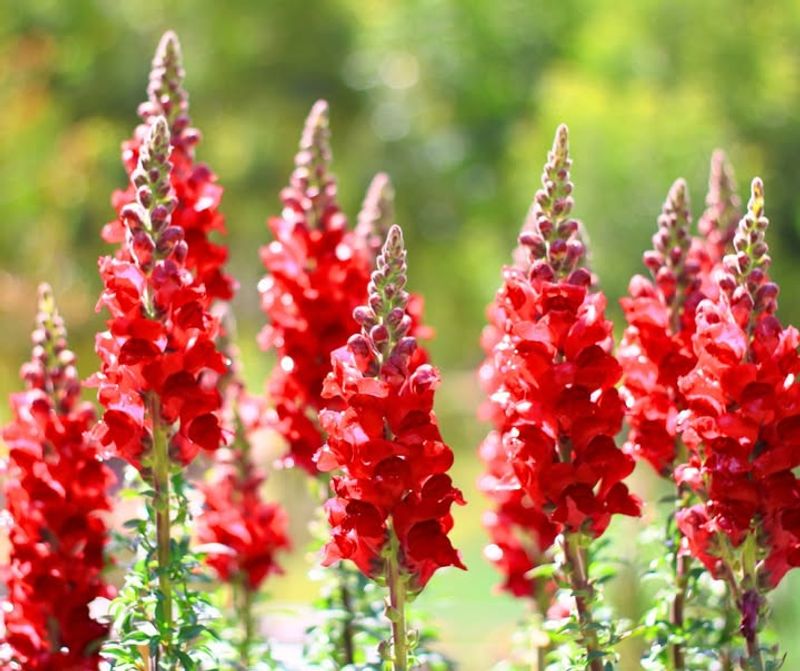
A playful side that most flowers just cannot compete with is what snapdragons bring to the garden. Squeeze the sides of a snapdragon bloom and it opens and closes like a tiny dragon mouth, which is exactly how this flower got its memorable name.
Beyond that fun trick, snapdragons are serious performers in the garden, producing tall spikes of densely packed blooms in almost every color imaginable.
April is the ideal time to plant snapdragons in Oregon because they actually prefer cooler temperatures. Unlike many flowers that wait for summer heat, snapdragons hit their stride in the mild spring conditions that Oregon is known for.
They thrive in full sun and well-drained, fertile soil. Adding compost to your planting area before putting them in the ground gives them a strong foundation for the season ahead.
Oregon gardeners love snapdragons because they work beautifully as cut flowers. A fresh bunch of snapdragons in a vase can brighten up any room for over a week.
They also make excellent additions to borders and raised beds, where their vertical shape adds height and structure alongside lower-growing plants like alyssum or phlox.
Keep the soil consistently moist but never waterlogged, and pinch back the growing tips when young to encourage bushier, fuller plants. Snapdragons can slow down during the hottest weeks of summer but often rebound in the cooler fall temperatures, giving Oregon gardeners two rounds of blooms in a single season.
That kind of value is hard to beat in any garden.
5. Pansy Showing Early Cool Season Color
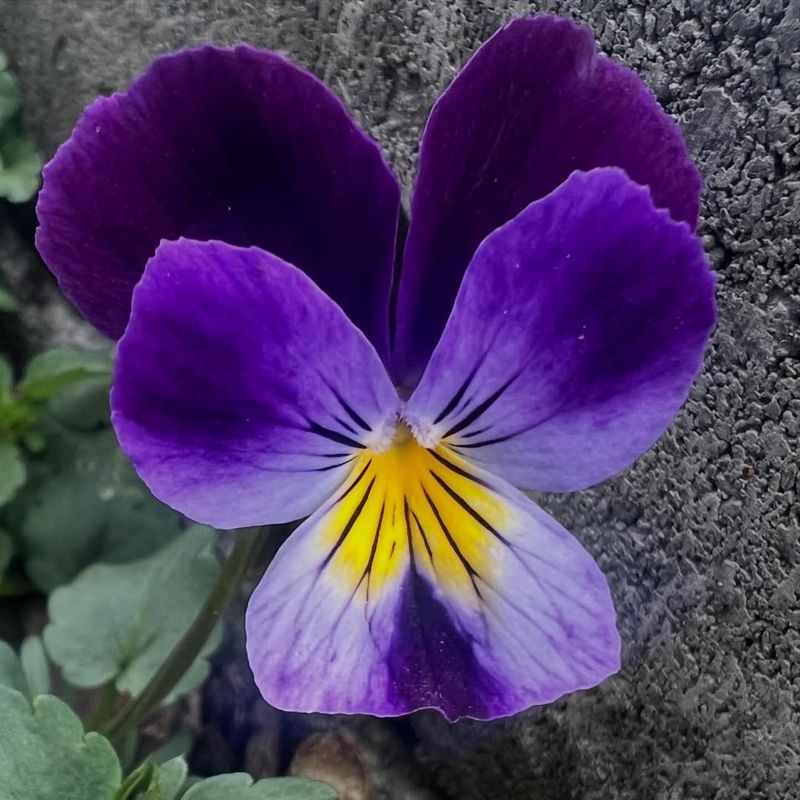
Pansies have those charming little faces that seem to smile right back at you from the garden bed. With their bold, velvety petals marked with distinctive dark patterns, pansies are one of the most recognizable and beloved spring flowers in Oregon.
They are also incredibly tough for such a delicate-looking bloom, handling the cool and sometimes frosty April nights that are common throughout much of the state.
One of the standout qualities of pansies is their cold hardiness. While many flowers need warm soil to get going, pansies actually prefer the cooler conditions of early spring.
In Oregon, where April temperatures can swing between chilly mornings and mild afternoons, pansies hold up remarkably well. Plant them in full sun to partial shade in moist, well-drained soil, and they will put on a show for weeks on end.
Pansies come in an almost overwhelming variety of colors, from deep purple and navy blue to bright yellow, orange, and bicolor combinations. Mixing different varieties in a single container or garden bed creates a stunning visual effect that neighbors will definitely notice.
They look especially beautiful in window boxes and hanging baskets around Oregon homes.
To keep pansies blooming at their best, water them regularly and fertilize every two to three weeks with a balanced liquid fertilizer. Deadheading old blooms is important for keeping fresh flowers coming.
As Oregon temperatures warm into summer, pansies may slow down, but they are absolutely worth every bit of effort for the color they bring to your April garden.
6. Fuchsia Hanging With Soft Color
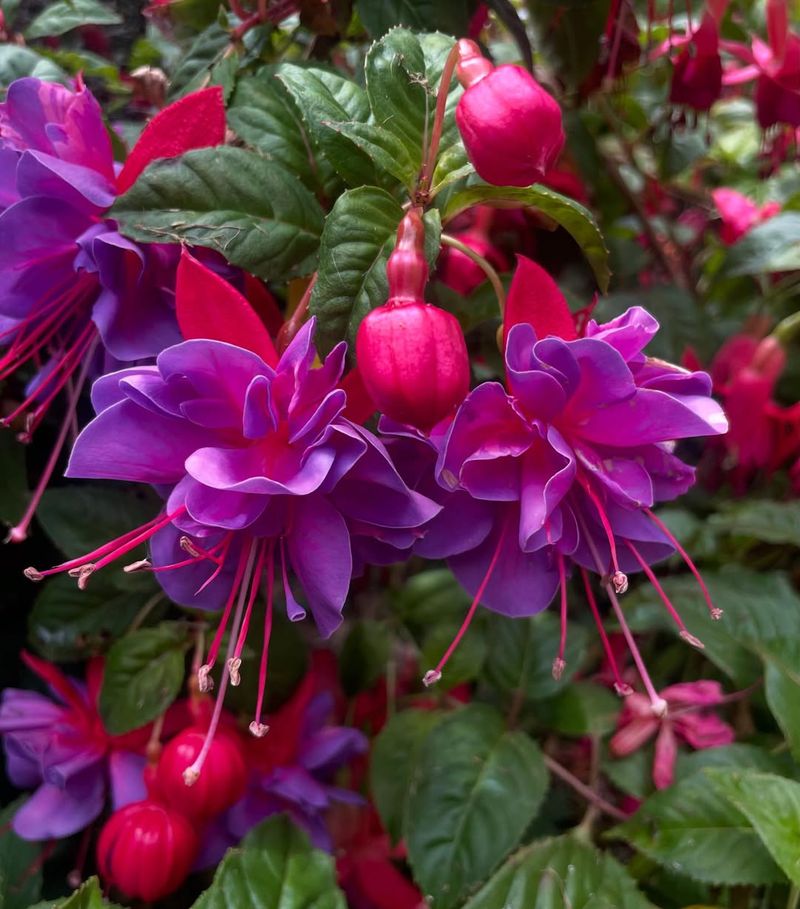
Walking through an Oregon garden in spring and spotting fuchsia in full bloom is one of those moments that genuinely stops you in your tracks. The flowers dangle like elegant little lanterns in shades of hot pink, deep purple, red, and white.
Fuchsia has a tropical flair that feels almost surprising given how well it handles Oregon’s famously rainy, cool spring climate, but that is exactly what makes it such a prized choice for local gardeners.
Fuchsia thrives in partial shade, which is great news for Oregon gardeners who deal with tree canopy or north-facing yards. It does not love intense direct sun, especially during warmer stretches in inland areas of the state.
Hanging baskets are a classic way to grow fuchsia because the trailing stems and cascading blooms look absolutely stunning when suspended from a porch or pergola. Container growing also makes it easy to move plants to more protected spots if the weather turns harsh.
Consistent moisture is key to keeping fuchsia happy. The soil should stay evenly moist but never sitting in water.
In Oregon, spring rainfall usually handles much of this naturally, but you should check the soil regularly during drier spells. Fertilizing every two weeks with a high-potassium feed encourages continuous flowering throughout the season.
Fuchsia is also a hummingbird magnet. If you want to attract these tiny, fast-moving birds to your Oregon garden, planting fuchsia is one of the most reliable ways to do it.
The tubular flowers are perfectly shaped for hummingbird feeding, making your garden a lively, buzzing hub of natural activity from spring onward.
7. Geranium Offering Classic Long Lasting Blooms
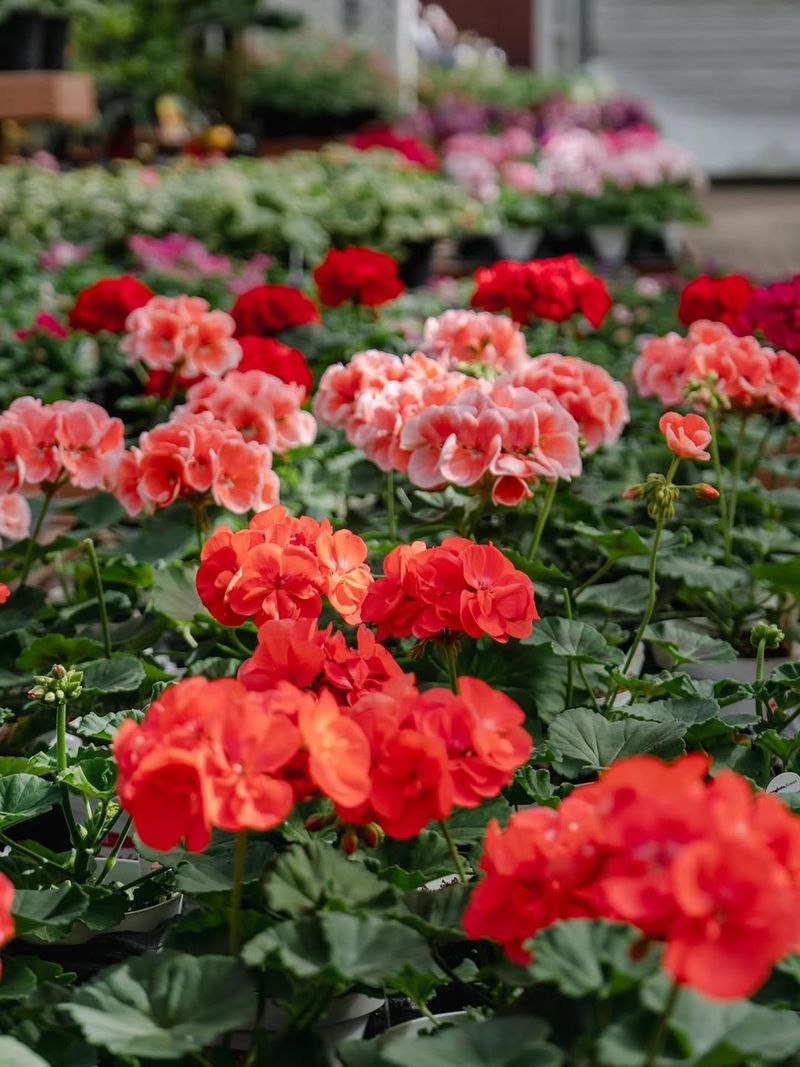
With their rounded clusters of flowers in bold reds, pinks, whites, and salmon tones, geraniums bring a classic, welcoming look to Oregon gardens, patios, and window boxes every spring. April is the perfect month to get them started and watch them take off.
There are two main types that Oregon gardeners tend to reach for: zonal geraniums, which are the classic upright variety great for beds and containers, and ivy geraniums, which trail beautifully from hanging baskets and elevated planters. Both types love full sun and well-drained soil.
One of the best things about geraniums is their drought tolerance once established, which is handy during Oregon’s drier summer months when watering schedules get busy.
Geraniums are also surprisingly easy to propagate. Snip a healthy stem, let the cut end dry for a day, then place it in moist potting mix and watch roots develop within a few weeks.
This is a budget-friendly way to multiply your plants and expand your Oregon garden with more color over time.
Regular deadheading is the single most important thing you can do to keep geraniums blooming all season long. Remove spent flower heads as soon as they fade to redirect the plant’s energy into producing new blooms.
Fertilize monthly with a balanced fertilizer, and your geraniums will reward you with months of vibrant, cheerful color throughout the Oregon growing season.
8. Bacopa Spilling Tiny White Flowers
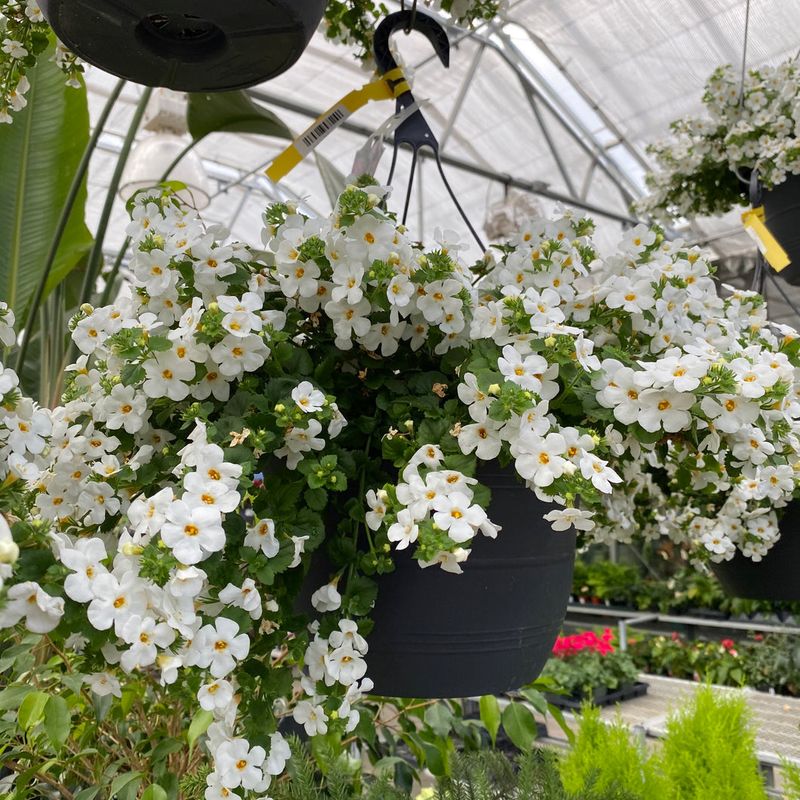
This low-growing, cascading plant produces hundreds of tiny star-shaped flowers in white or soft pink, creating a frothy, cloud-like effect that looks stunning in hanging baskets, window boxes, and container gardens across Oregon. It is one of those quiet overachievers that earns its place every single season.
What makes bacopa especially appealing for Oregon gardeners is its love of cool, moist conditions. April in Oregon is practically tailor-made for this plant.
It prefers temperatures between 50 and 75 degrees Fahrenheit, which lines up perfectly with the mild spring climate found throughout much of the Willamette Valley and coastal regions. Plant it in partial to full sun with consistently moist, well-drained soil and it will flourish without much extra effort.
Bacopa pairs beautifully with other flowers on this list. Try combining it with fuchsia or pansies in a hanging basket for a layered, multi-textured display that draws the eye and impresses visitors.
The trailing habit of bacopa softens the edges of containers and makes everything around it look more polished and intentional.
Keep in mind that bacopa does not like to dry out. Wilting from underwatering can stress the plant, so check soil moisture regularly, especially during warmer April days in Oregon’s inland valleys.
Fertilize every two weeks with a balanced liquid fertilizer to maintain strong growth. With proper care, bacopa can bloom from spring into fall, though flowering may slow during periods of heat or stress.