Best Flowers Michigan Gardeners Should Plant In April For Summer Color
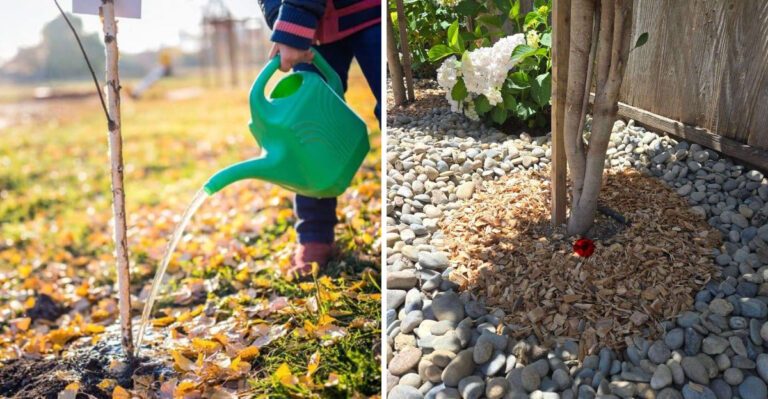
April in Michigan always brings that mix of excitement and caution. The soil finally starts to loosen up, garden centers feel busy again, and it’s tempting to get everything planted at once after a long winter.
Many gardeners recognize that urge to get a head start the moment the ground becomes workable again.
But Michigan’s spring can still throw in cool nights and sudden shifts, which means not every flower will settle in the way you expect.
Picking the right ones now can make a noticeable difference once summer arrives and everything begins to fill out, especially in gardens that rely on steady color through the warmer months.
You may notice some of these begin to bloom earlier than expected, adding color right when your garden is starting to fill in.
1. Coneflower With Strong Long Lasting Blooms
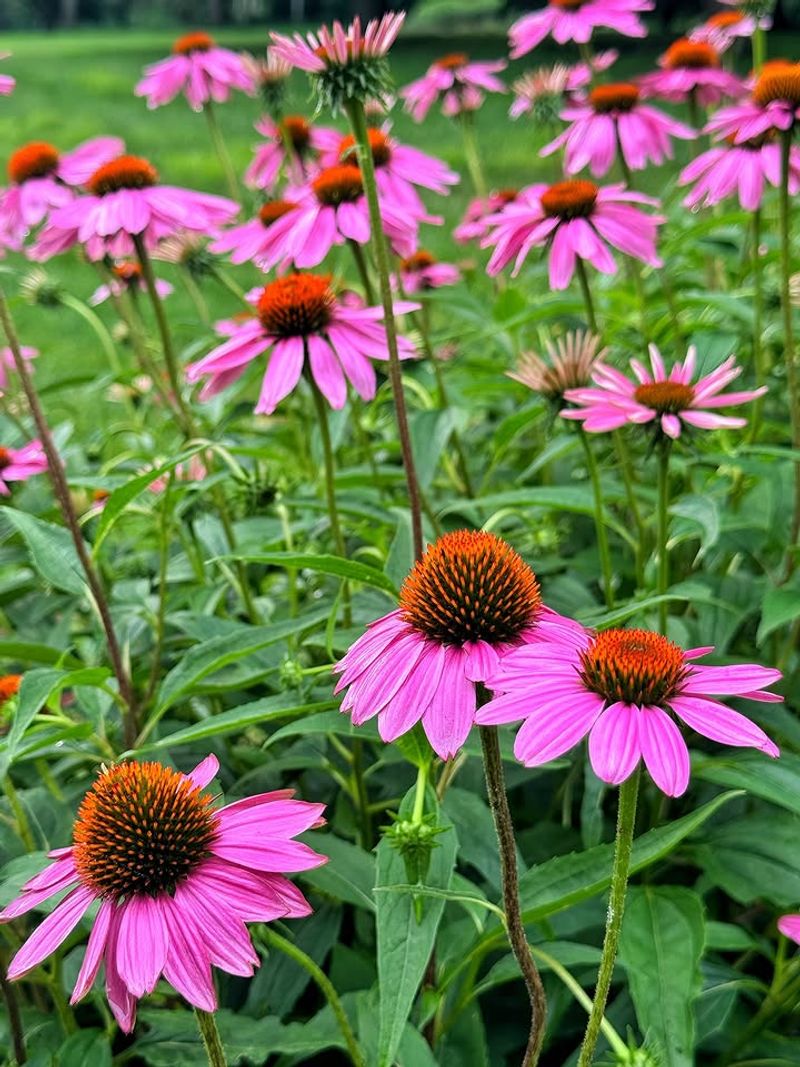
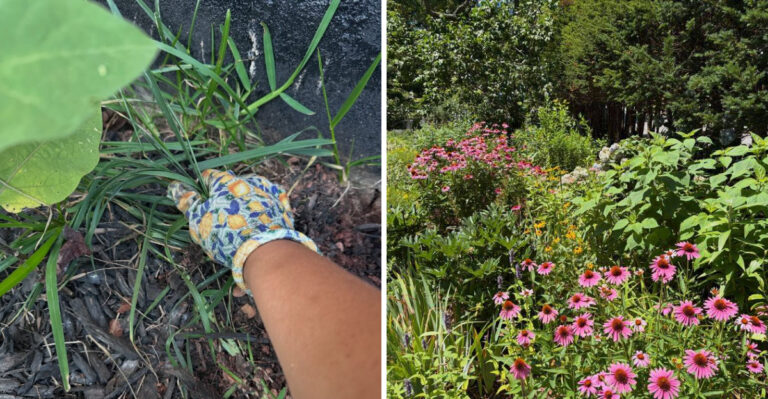
Few flowers can match the cheerful, bold look of coneflowers standing tall in a Michigan summer garden. Known botanically as Echinacea, these native North American plants are absolute workhorses when it comes to color and resilience.
Plant them in April and, depending on whether you start with nursery plants or younger transplants, they may bloom in summer, though some coneflowers bloom more reliably after they are established.
Coneflowers love full sun and are incredibly drought-tolerant once they get established, which makes them a smart choice for Michigan gardeners who want low-maintenance beauty. They thrive in well-drained soil and do not need a lot of fertilizer to look fantastic.
In fact, too much fertilizer can actually make them leggy and reduce blooming.
Butterflies and bees absolutely adore coneflowers, so planting them is a great way to support local pollinators across Michigan. After the flowers fade in late summer, leave the seed heads standing.
Goldfinches and other birds will visit regularly to snack on the seeds. Coneflowers also spread gradually over the years, filling your garden beds with more color each season without much effort on your part.
2. Coreopsis Bringing Bright Summer Yellow
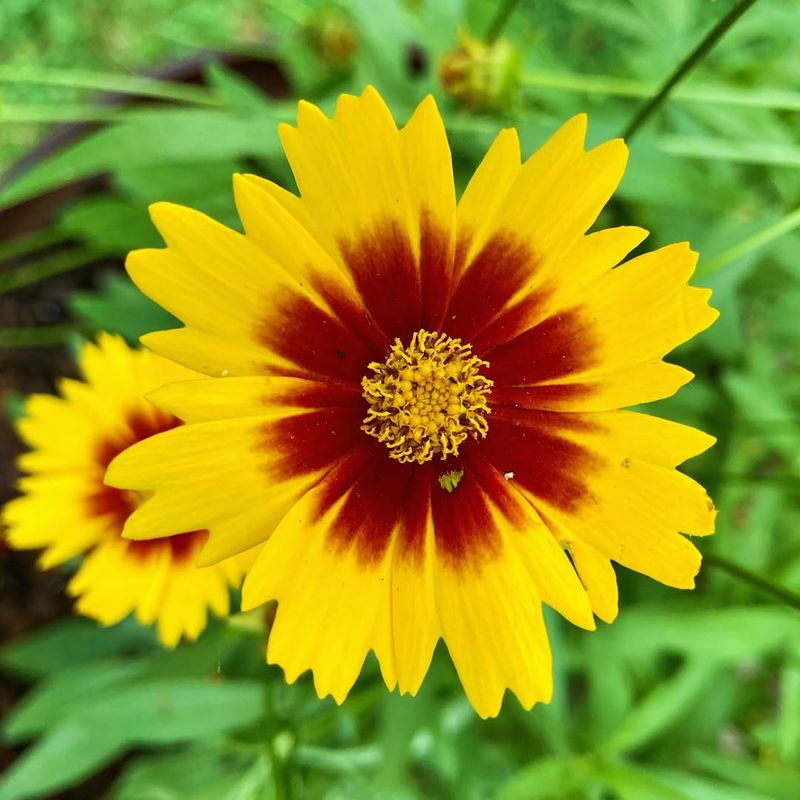
Nicknamed tickseed, coreopsis is one of those flowers that practically glows in the summer sun. Its cheerful yellow, gold, and sometimes pink blooms light up garden beds from July all the way through September, making it one of the longest-blooming perennials you can grow in Michigan.
Starting it in April gives the roots a solid head start before the warm weather kicks in.
One of the best things about coreopsis is how little fuss it needs. It thrives in full sun and sandy or average soil, which suits many parts of Michigan perfectly.
Overwatering is actually one of the few things that can cause problems, so a well-drained spot is essential. Once established, it handles dry spells like a champ.
Deadheading spent blooms regularly encourages the plant to keep producing fresh flowers throughout the season. You can also divide clumps every few years to keep plants vigorous and share extras with neighbors.
Coreopsis pairs beautifully with purple salvia or black-eyed Susan in mixed borders, creating a warm color palette that screams Michigan summer. Butterflies are especially drawn to its open, flat blooms, adding even more life to your outdoor space.
Your Michigan Garden Changes Every Week. Your Plan Should Too.
Gardening in Michigan changes quickly throughout the season. Every Friday you’ll receive a simple weekly plan showing exactly what to plant, prune, fertilize, harvest, and protect so you never miss the right timing.
3. Black Eyed Susan Known For Late Season Color
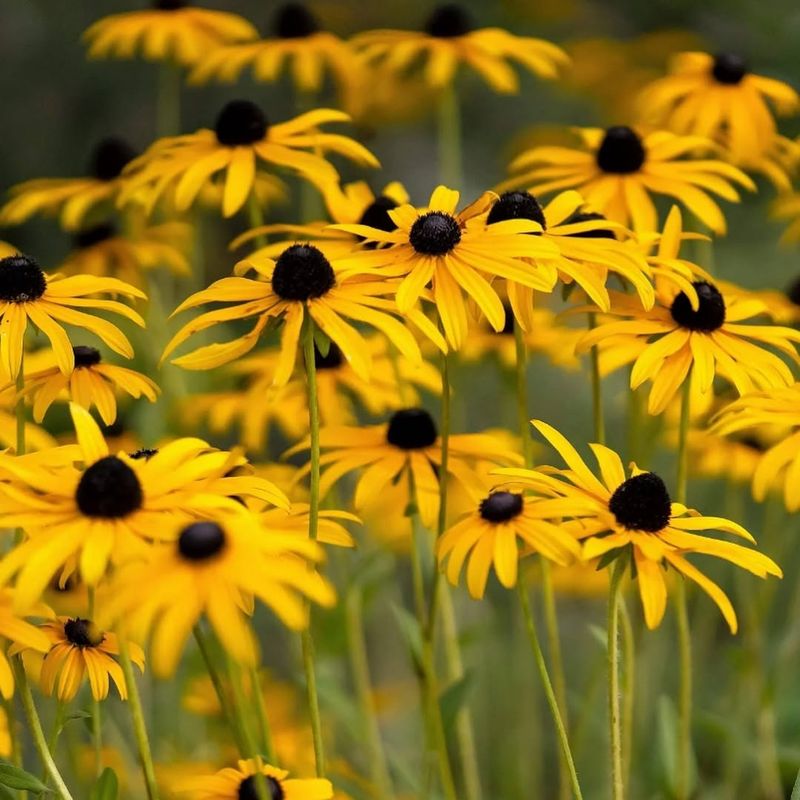
Ask any experienced Michigan gardener which flower they would never skip, and black-eyed Susan is almost always on the list. With its golden-yellow petals and rich, dark brown centers, this native wildflower brings a warm, sunny energy to any garden space.
It is hardy, dependable, and practically made for the Michigan climate.
Planting black-eyed Susan in April allows the roots to develop slowly before the summer heat arrives. These plants love full sun but can handle partial shade without too much complaint.
They grow well in a range of soil types, though they prefer well-drained conditions. Once settled in, they are remarkably tough and can handle the occasional dry stretch that Michigan summers sometimes bring.
Black-eyed Susans bloom from late June through September, giving you an incredibly long season of color. They attract bees, butterflies, and even some bird species that feed on the seeds in fall.
Grouping several plants together creates a bold, eye-catching display that stands out in any yard. Fun fact: black-eyed Susan is actually a native prairie plant, which explains why it thrives so naturally across the Midwest, including right here in Michigan, without needing much babying.
4. Salvia With Bold Spikes That Attract Pollinators
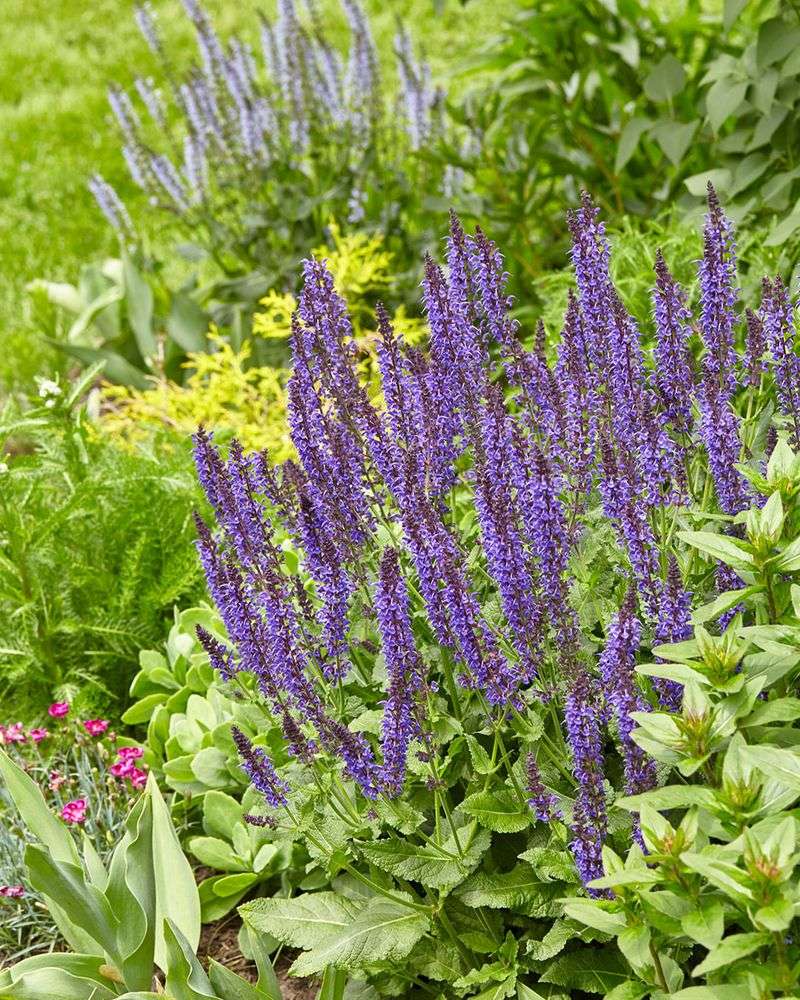
Salvia brings a dramatic, vertical punch to garden beds that few other flowers can match. Its tall spikes of purple, blue, red, or white blooms rise above the foliage like little torches, creating a stunning contrast against other summer flowers.
Michigan gardeners who plant salvia in April will start seeing those gorgeous spikes appear as early as June.
There are many varieties of salvia to choose from, and most of them love full sun and well-drained soil. Perennial types like Salvia nemorosa are especially popular in Michigan because they come back year after year, saving you time and money.
Annual salvias are also worth planting for continuous, season-long color that goes strong until the first frost.
Hummingbirds are absolutely wild about salvia, especially the red varieties. Planting it near a window or patio gives you a front-row seat to some incredible wildlife viewing.
Salvia is also deer-resistant, which is a major bonus for Michigan gardeners who share their yards with local wildlife. Once established, it handles dry spells well and rarely needs dividing.
Pairing salvia with coreopsis or shasta daisies creates a stunning blue-and-yellow combination that is hard to beat anywhere in the state.
5. Daylily Blooming Reliably Through Summer
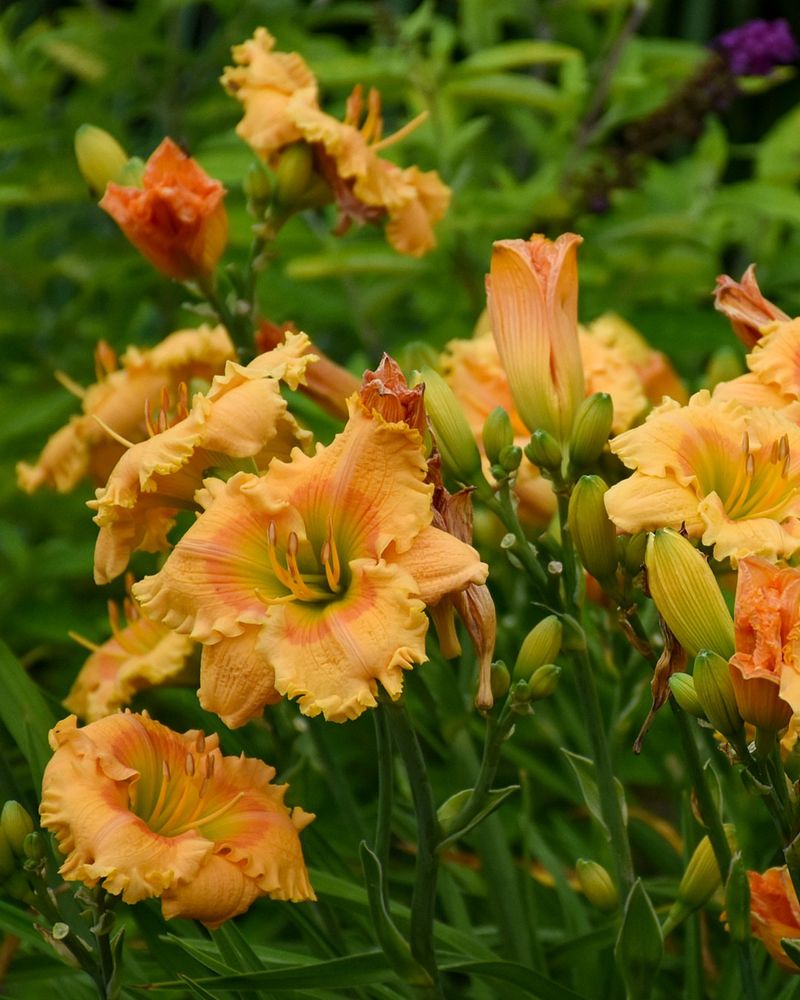
Each individual bloom lasts only one day, but a single plant produces dozens of buds over several weeks, keeping the color show going strong all summer long. Plant them in April and they will settle in beautifully before their first big bloom cycle hits.
These plants are wonderfully adaptable. They grow in full sun or partial shade and tolerate a wide range of soil conditions, from clay-heavy Michigan soils to sandier mixes.
They are also quite forgiving if you forget to water them occasionally. Daylilies spread steadily over time, forming thick clumps that can help shade some weeds, though they do not prevent weed problems entirely.
With thousands of cultivars available, you can find daylilies in almost every color imaginable, from soft peach and cream to deep burgundy and bright orange. Mixing several varieties in one bed creates a layered, long-lasting display that shifts in color as the season progresses.
Daylilies also pair wonderfully with ornamental grasses or hostas for a lush, layered Michigan garden look that feels both natural and intentional.
6. Shasta Daisy With Crisp White Flowers
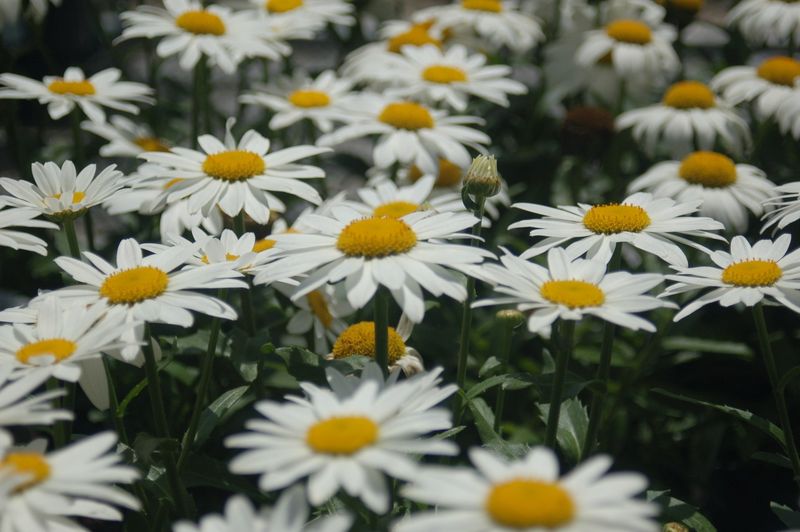
There is something timeless and joyful about a patch of shasta daisies in full bloom. Their crisp white petals and sunny yellow centers bring a clean, classic look to any Michigan garden, and established plants typically bloom in summer, though timing can vary by variety and growing conditions.
They work beautifully as cut flowers too, so you can bring the garden indoors with a fresh bouquet on the kitchen table.
Shasta daisies prefer full sun and well-drained soil, though they can handle light shade in the hottest parts of summer without losing too much vigor. They grow in clumps that expand gradually each year, and dividing them every two to three years keeps them blooming at their best.
Michigan gardeners often find that shasta daisies perform exceptionally well along borders and fence lines where they get plenty of direct light.
Deadheading spent flowers regularly is the single best thing you can do to keep shasta daisies blooming all season. Simply snip off faded blooms just above a leaf node and fresh buds will follow quickly.
They pair strikingly well with purple coneflower or blue salvia, creating a bold contrast that adds depth and visual interest to your summer garden across Michigan.
7. Yarrow Thriving In Dry Conditions
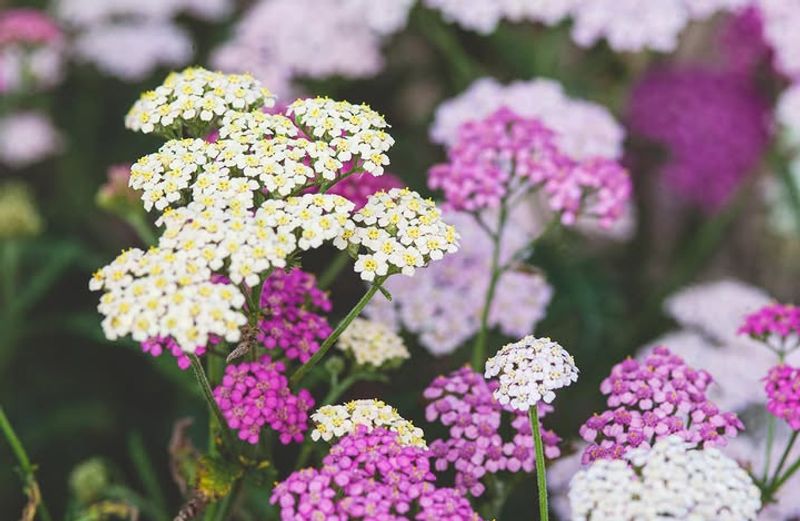
Yarrow might just be the toughest, most underrated flower in the Michigan gardening world. Its flat-topped clusters of tiny blooms come in shades of yellow, white, pink, and red, and they hold their color for weeks on end without much attention from you.
Planted in April, yarrow establishes quickly and starts blooming by early summer, often continuing well into fall.
One of yarrow’s greatest strengths is its ability to handle tough conditions. It thrives in poor, dry soil and full sun, making it a fantastic choice for spots in your Michigan yard where other plants struggle.
It is also highly drought-tolerant, which comes in handy during those dry Michigan summer stretches. Avoid planting it in overly rich or wet soil, as that can actually make it flop over.
Pollinators love yarrow deeply, with bees and butterflies visiting the blooms constantly throughout the season. The flowers also dry beautifully, making yarrow a popular choice for dried floral arrangements.
Fun fact: yarrow has been used medicinally for thousands of years, dating all the way back to ancient Greece. Today, Michigan gardeners appreciate it simply for its beauty, toughness, and the wildlife it brings into the garden space.
8. Catmint Spilling Soft Color Across Beds
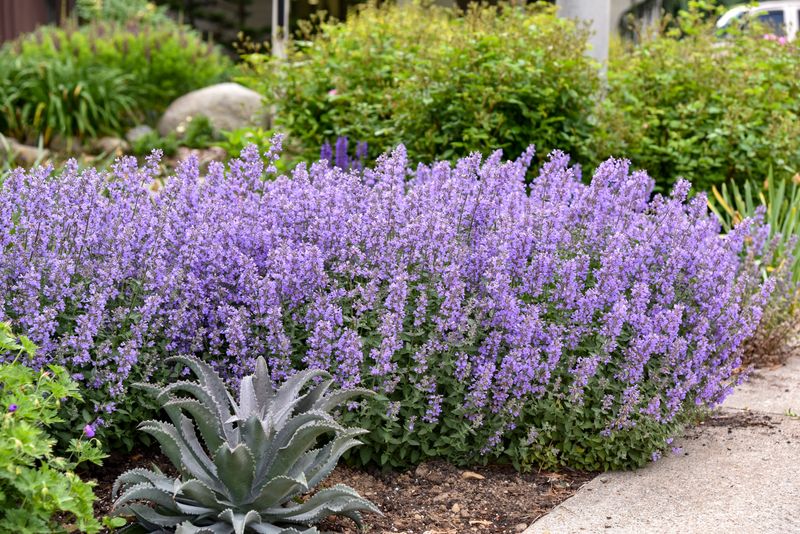
Its soft, lavender-blue flower spikes cascade beautifully over garden edges, creating a dreamy, cottage-garden look that is incredibly hard to achieve with less effort. Plant it in April and it will start blooming in late spring, often giving you a second flush of color in late summer if you cut it back after the first bloom.
Beyond its looks, catmint is remarkably tough. It loves full sun to light shade and thrives in average, well-drained soil across Michigan.
Once established, it handles drought with ease and rarely needs dividing or heavy maintenance. It is also strongly deer-resistant, which makes it a go-to choice for Michigan gardeners who deal with frequent deer visitors in their yards.
The name catmint hints at its relationship to catnip, and yes, cats do find it appealing. But more importantly for gardeners, bees and butterflies are absolutely drawn to its blooms.
Catmint works beautifully as a border edging plant or as a soft filler between showier perennials like salvia and black-eyed Susan. Its gray-green foliage also looks attractive even when the plant is not in bloom, giving your Michigan garden year-round structure and appeal.
9. Bee Balm A Favorite For Bees And Butterflies
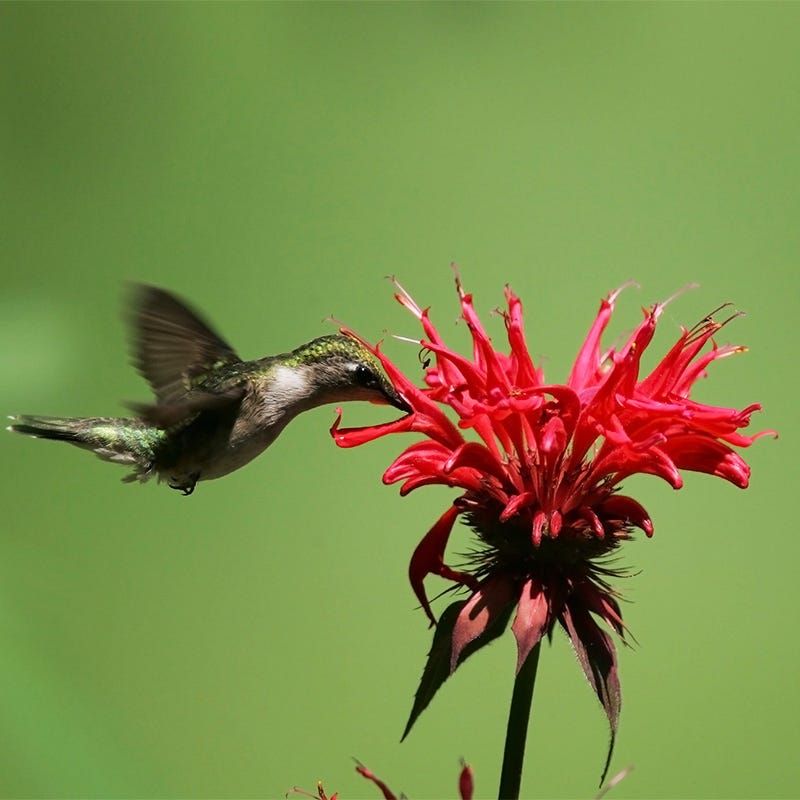
If your goal is to turn your Michigan garden into a buzzing, fluttering wildlife hotspot, bee balm is your best friend. This native perennial produces shaggy, wildly colorful blooms in red, pink, purple, and white that hummingbirds, bees, and butterflies simply cannot resist.
Plant it in April and expect a spectacular show from July through August that will have your neighbors stopping to take a second look.
Bee balm, also known as Monarda, grows best in full sun to partial shade and prefers consistently moist, rich soil. It spreads through underground runners, so give it some room to expand in your Michigan garden beds.
Dividing clumps every few years helps keep plants healthy and prevents them from crowding out their neighbors. Good air circulation around the plants also helps reduce the chance of powdery mildew, a common issue in more humid Michigan summers.
Beyond its wildlife value, bee balm has a rich history. Native Americans used it for medicinal purposes, and early colonists brewed it into tea after the Boston Tea Party as a substitute for imported tea.
Today, Michigan gardeners grow it purely for its showstopping beauty and the incredible wildlife activity it brings to outdoor spaces throughout the summer season.
10. Garden Phlox Filling Beds With Summer Color
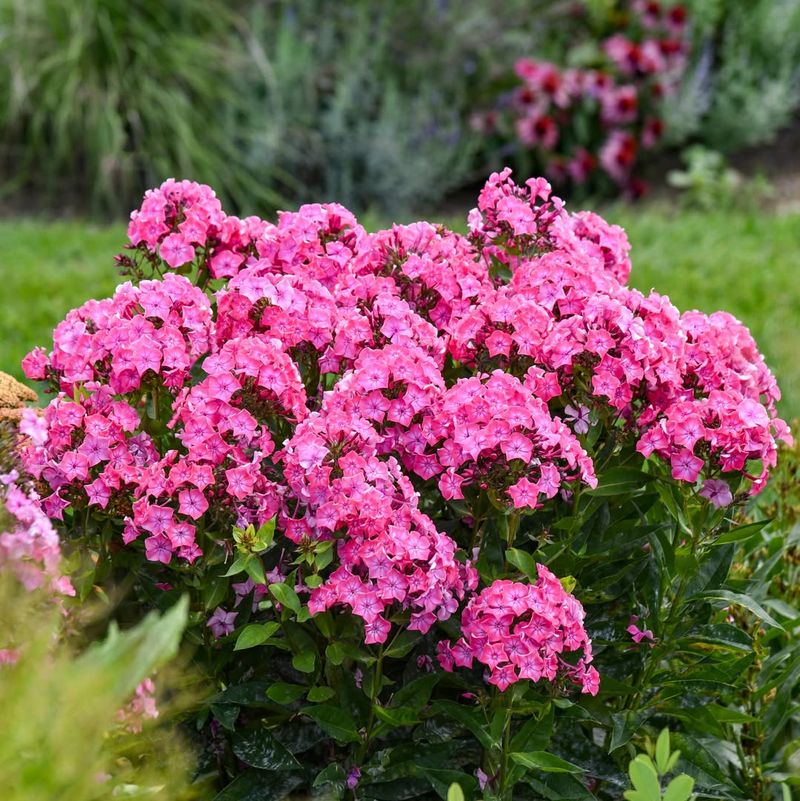
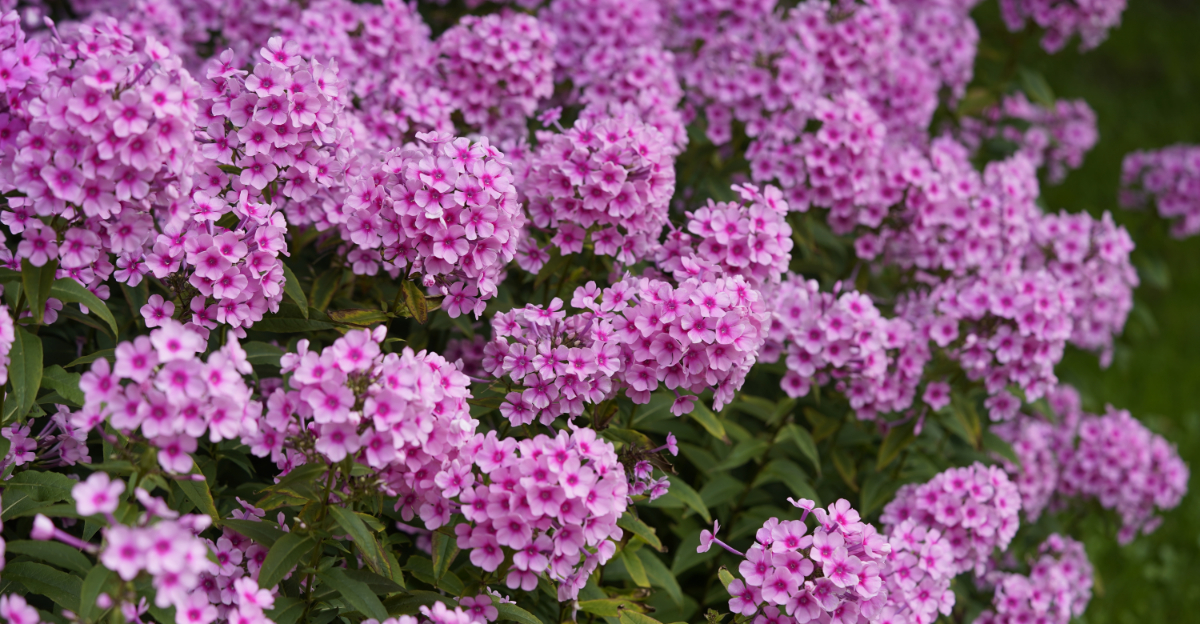
Its large, fragrant clusters of blooms in shades of pink, purple, white, and red are a beloved sight from July through September, and planting in April gives it exactly the head start it needs to perform at its peak. Few perennials deliver this level of color and fragrance together.
Tall garden phlox, or Phlox paniculata, grows best in full sun and rich, moist, well-drained soil. It benefits from regular watering during dry spells, which Michigan summers can occasionally bring.
Spacing plants properly, usually about 18 to 24 inches apart, encourages good airflow and helps reduce the risk of powdery mildew, a common challenge for phlox growers across the Midwest.
Choosing mildew-resistant varieties like David or Robert Poore makes growing garden phlox in Michigan much more enjoyable and worry-free. Butterflies are frequent visitors to phlox blooms, and the fragrance in the evening is genuinely breathtaking.
Pairing garden phlox with daylilies or shasta daisies creates a layered, full-season display that keeps your Michigan garden looking lush and vibrant from early summer all the way through the first cool nights of September.