Michigan Garden Mistakes That Seem Fine In May But Destroy Plants By August
May is a forgiving month in a Michigan garden. The weather is mild, plants are pushing new growth in every direction, and most mistakes go unnoticed because the season has not yet exposed them.
That changes fast. The decisions made in May set up conditions that play out through summer, and some of the most common ones that feel completely reasonable in spring become serious problems by the time August heat arrives.
Overwatering seedlings that look thirsty, planting too close together, skipping soil preparation, and choosing the wrong location for heat sensitive crops are all mistakes that May’s cooler temperatures temporarily mask.
By midsummer, those same plants are struggling in ways that trace directly back to what happened months earlier.
Recognizing these patterns before they repeat this season is the most practical thing a Michigan gardener can do right now.
1. Planting Cool Weather Crops In Full Summer Sun Without Afternoon Protection
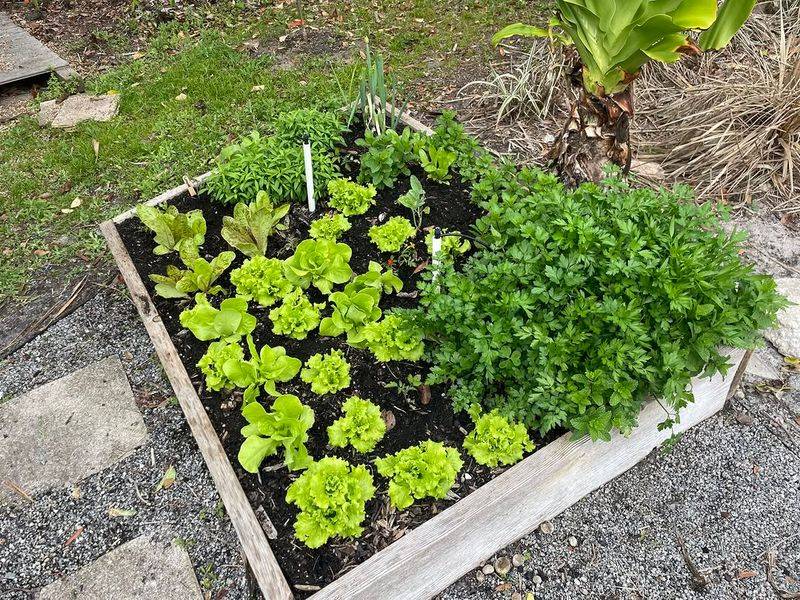
Lettuce, spinach, and cilantro look absolutely thriving in May. The air is cool, the sun is gentle, and those leafy greens practically grow themselves.
So it makes total sense to plant them in the sunniest spot you have, right? Not quite, and by August, that decision will haunt you.
Cool season crops like Lactuca sativa (lettuce), Spinacia oleracea (spinach), and Coriandrum sativum (cilantro) are built for spring and fall temperatures. When Michigan summers kick in with full force, these plants bolt, turn bitter, and decline fast.
Afternoon sun pushing past 85 degrees is simply too much stress for their leaf structure and root systems.
One of the smartest moves you can make is planting these crops on the east side of taller plants or structures, so they get morning sun and natural afternoon shade. Shade cloth rated at 30 to 40 percent works really well and is inexpensive.
Succession planting every two to three weeks also helps you stay ahead of the heat, keeping fresh crops coming even as older ones fade.
Consistent watering matters too. Moist, cool soil helps these plants hold on longer into summer.
Mulching around the base slows moisture loss and keeps roots from overheating. A little planning in May makes a big difference when July arrives with full intensity.
2. Crowding Tomato Plants Too Closely In May Creates Major Disease Problems Later
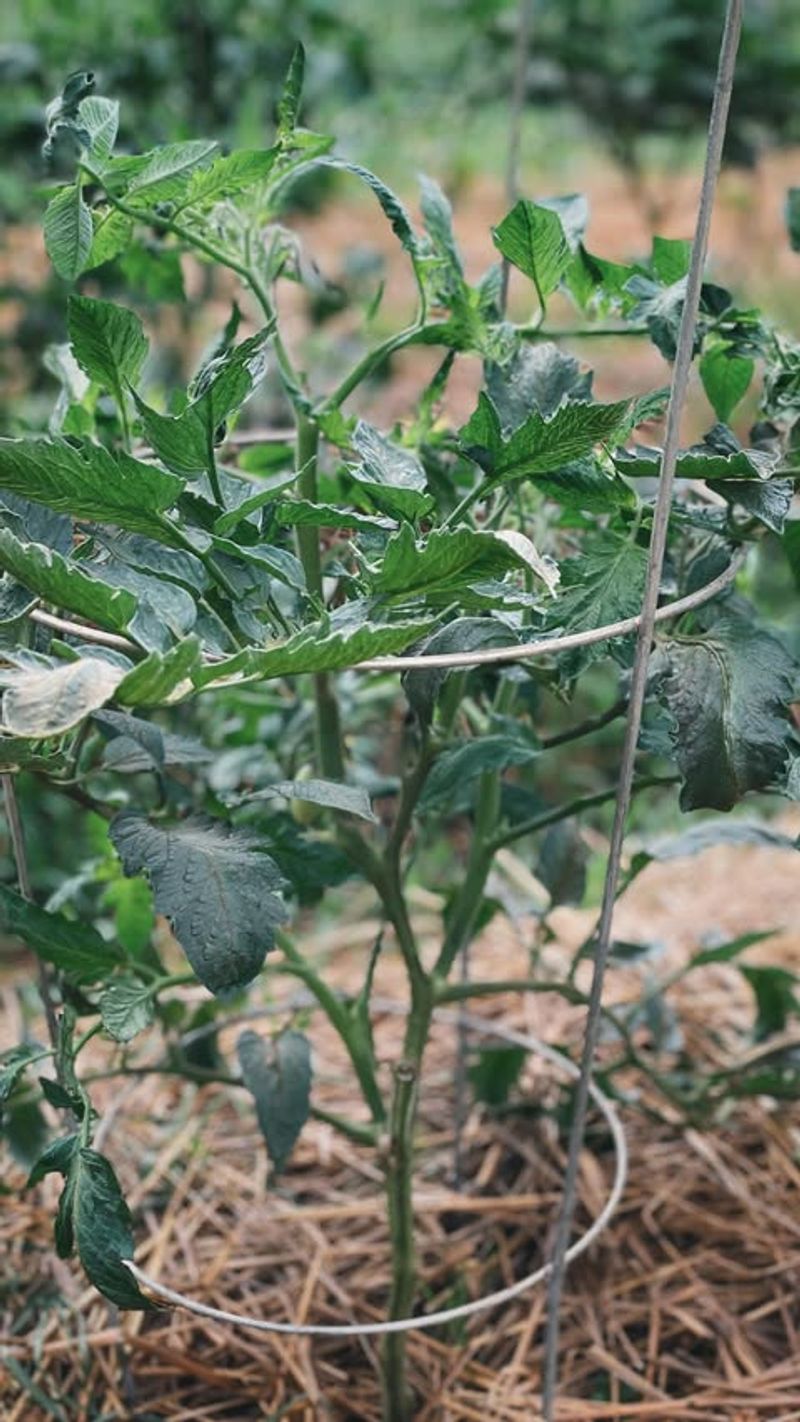
Tomato seedlings in May look so small and manageable that squeezing in a few extra plants feels completely harmless. There is always that temptation to fit one more in the row, especially when you grew them from seed and cannot bear to leave any behind.
But those tiny plants have big plans, and by July they will fill every inch of available space.
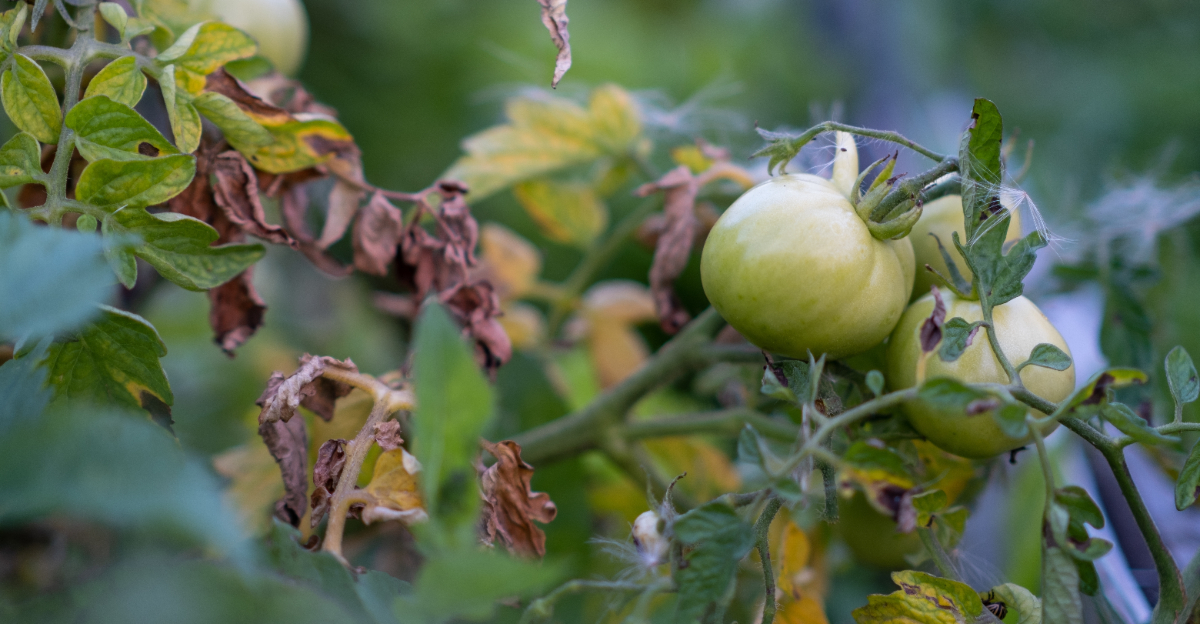
Solanum lycopersicum, the common tomato, needs serious room to breathe. When plants are crowded, foliage stays wet longer after rain, and that trapped moisture becomes a perfect environment for fungal problems like early blight and Septoria leaf spot.
Both are extremely common in Michigan due to the humid summers and frequent summer storms.
Proper spacing depends on how you grow them. Caged tomatoes need at least 24 to 30 inches between plants.
Your Michigan Garden Changes Every Week. Your Plan Should Too.
Gardening in Michigan changes quickly throughout the season. Every Friday you’ll receive a simple weekly plan showing exactly what to plant, prune, fertilize, harvest, and protect so you never miss the right timing.
Staked varieties can manage with 18 to 24 inches. Raised bed gardeners often try to push these numbers, but maintaining at least 18 inches is still critical for airflow.
Pruning lower leaves and removing suckers also helps reduce disease pressure significantly. Good airflow through the plant canopy allows foliage to dry faster after watering or rain.
Starting with the right spacing in May means you spend less time troubleshooting fungal issues all summer long, and your harvest stays much stronger through August.
3. Overwatering In Spring Weakens Plants Before Summer Heat Arrives
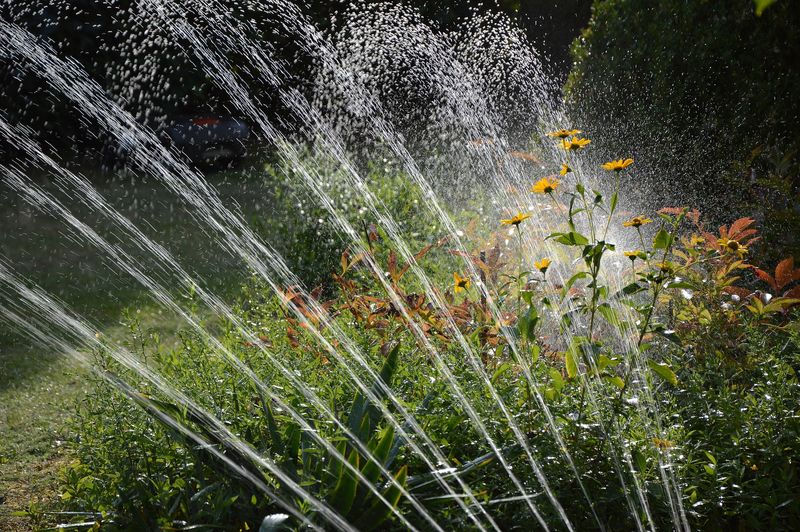
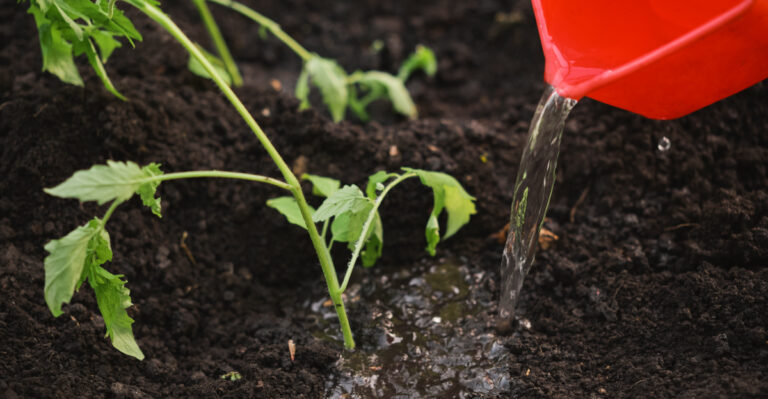
Spring rains in Michigan can be generous, sometimes too generous. Many gardeners add extra watering on top of already wet soil in May, thinking more moisture equals more growth.
What actually happens is far less helpful, and the consequences show up right when summer heat peaks.
Constantly saturated soil encourages plants to develop shallow root systems. Roots do not need to search deep for water when moisture is always available near the surface.
That seems fine until August arrives and the top few inches of soil dry out quickly during heat waves. Shallow-rooted tomatoes, peppers, petunias, and herbs suddenly have no reserve to draw from.
Michigan clay soils hold moisture longer and become compacted and oxygen-poor when overwatered. Sandy soils drain faster but still encourage lazy root growth when watered too frequently.
The goal is to water deeply and less often, pushing roots downward where soil stays cooler and more consistently moist.
A simple test works well here. Stick your finger two inches into the soil.
If it still feels moist, skip watering that day. For most established garden plants in spring, watering every three to four days is plenty unless it has been unusually dry.
Building strong, deep root systems in May and June gives your plants the foundation they need to handle the heat that always comes later.
4. Ignoring Mulch In May Leads To Dry Stressed Soil By August
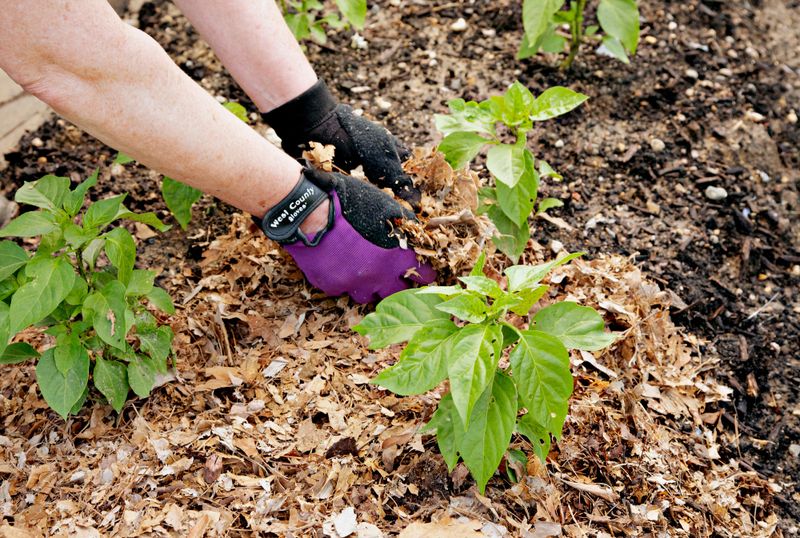
Bare soil in May looks totally fine. It is moist from spring rains, weeds are still small, and the garden feels under control.
Skipping mulch at this stage feels like a reasonable shortcut, especially when you are busy with planting and everything else that comes with the spring rush.
Fast forward to August and that bare soil tells a completely different story. Without a protective layer, soil moisture evaporates quickly under intense summer sun.
Soil temperatures can spike dramatically at the surface, stressing plant roots that prefer consistent, cooler conditions. Weed pressure also explodes, with seeds germinating freely in open, warm soil.
Wood chip mulch applied two to three inches deep is one of the most effective options for Michigan gardens. It insulates soil, slows moisture loss, and breaks down slowly to improve soil structure over time.
Straw works well around vegetables, especially tomatoes and peppers, and keeps soil splash from spreading disease. Shredded leaves are a free, excellent option that many gardeners already have on hand.
Timing matters more than most people realize. Applying mulch in mid to late May, after soil has warmed slightly but before summer heat builds, gives plants the best advantage.
Keep mulch pulled back an inch or two from plant stems to prevent rot. A small effort in May translates directly into healthier, more resilient plants all the way through August and beyond.
5. Fertilizing Too Aggressively In Spring Creates Weak Summer Growth
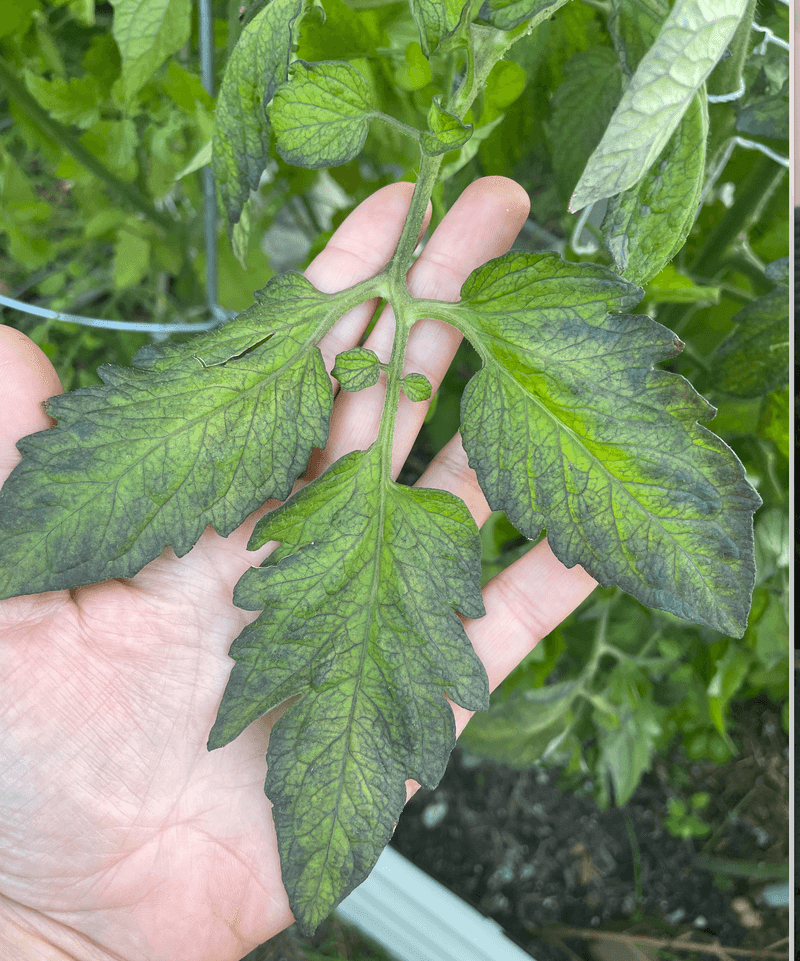
More fertilizer feels like more love for your garden, and in May that logic seems to make perfect sense. Plants are waking up, growth is exciting, and a generous feeding feels like giving them the best possible start.
But pushing too much fertilizer, especially nitrogen-heavy formulas, sets up a chain of problems that unfolds slowly and painfully through summer.
Rapid, lush growth sounds ideal until you realize that soft, fast-grown tissue is exactly what fungal spores and insects target first. Tomatoes pumped with excess nitrogen produce beautiful leafy plants that flower poorly and attract aphids.
Hydrangeas given too much fertilizer grow large and floppy, with stems too weak to support their own blooms. Annual flowers fed heavily in spring often stretch tall and leggy, losing their compact, full shape.
A balanced, slow-release fertilizer applied once in spring is usually all most Michigan garden beds need. Something like a 10-10-10 formula gives plants steady nutrition without the growth surge that creates vulnerability.
Compost worked into soil before planting is even better, feeding plants gradually while improving soil structure at the same time.
Vegetable gardens benefit from a light side-dressing of fertilizer mid-season rather than a heavy spring loading. Watching your plants for actual signs of nutrient deficiency, like pale leaves or slow growth, is a smarter guide than a fixed fertilizing schedule.
Feeding based on need rather than habit keeps growth strong and steady all season long.
6. Planting Shade Lovers In Bright May Sun Causes Problems By Mid Summer
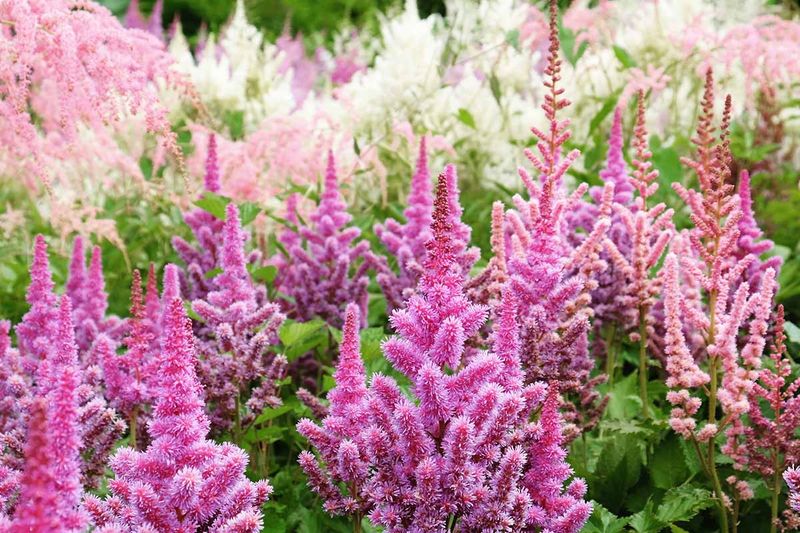
May sunlight in Michigan has a sneaky quality. Deciduous trees have not fully leafed out yet, and the sun sits at a lower angle, so many garden spots look perfectly shaded when you are planning and planting.
A spot that feels like dappled shade in early May can turn into a blazing sun trap by late June, and that shift catches a lot of gardeners completely off guard.
Shade-loving plants like Hosta hybrids, Astilbe spp., and Heuchera spp. are specifically designed for lower light environments. Their leaves are often thinner, with less protective coating than sun-tolerant plants.
When summer sun intensity increases and trees fill out overhead, these plants can show bleached, crispy, or scorched foliage that no amount of watering will fix.
Before planting shade lovers, observe your garden at different times of day in June or even July from a previous season. Notice where shadows fall during afternoon hours when sun intensity peaks.
A spot under a mature maple may seem dark enough in May but receive several hours of direct afternoon sun once leaves fully expand.
If you have already planted in the wrong spot, midsummer is actually a reasonable time to relocate hostas and heucheras. Water them well before and after moving, and choose a spot with reliable afternoon shade.
Getting the placement right saves years of struggling with plants that never quite look the way they should.
7. Forgetting To Support Tall Plants Early Leads To Storm Damage Later
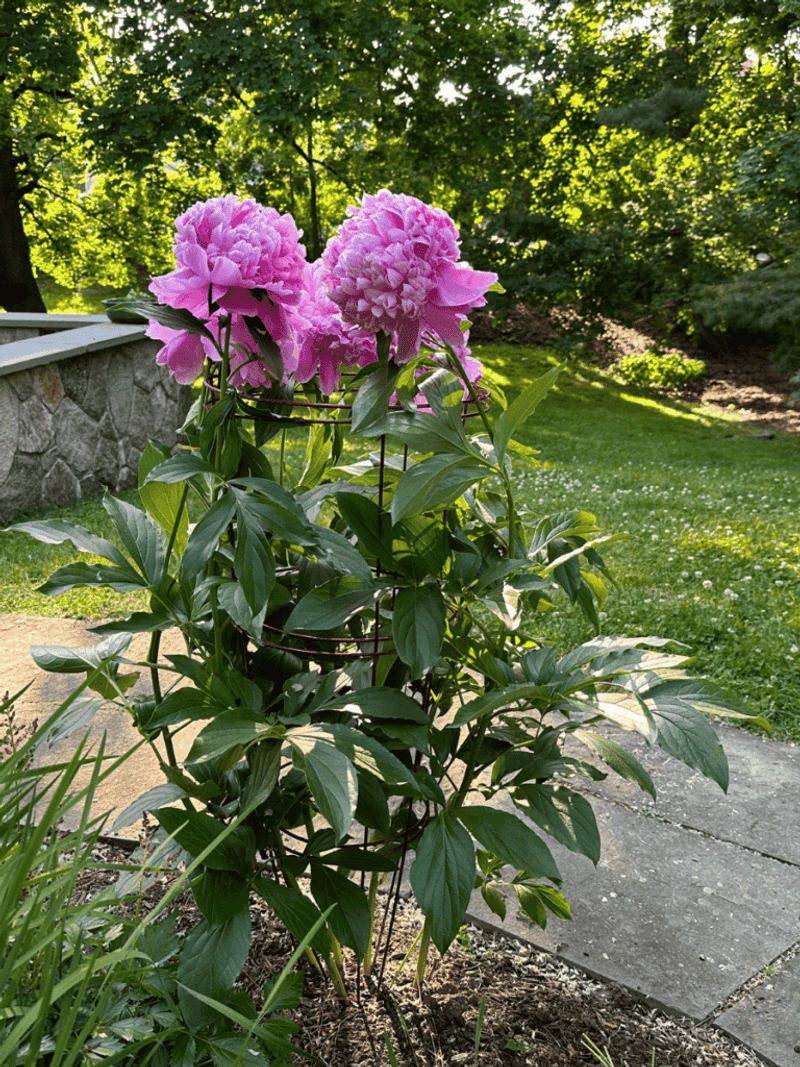
Picture this: a strong summer storm rolls through Michigan in late July, and the next morning you walk out to find your tomatoes sprawled across the garden, peony stems snapped at the base, and delphinium spikes bent at awkward angles.
It is one of the most frustrating sights in gardening, and almost all of it was preventable back in May.
Solanum lycopersicum (tomatoes), Paeonia lactiflora (peonies), and Delphinium spp. all grow tall and heavy as summer progresses. Without early support, stems develop without the structural reinforcement that staking provides.
By the time they are flopping in July, adding a stake often causes more damage than it prevents, snapping stems or disturbing roots that have spread wide.
Tomato cages should go in at planting time, not after the plant has already grown past them. Peony rings or hoop supports work best when placed in early spring as shoots emerge, letting stems grow up through the support naturally.
Delphiniums benefit from individual bamboo stakes tied loosely as they reach about one foot tall.
Michigan summers bring regular thunderstorms and strong wind events, especially in July and August. Preparing for those conditions in May costs very little time and effort.
A few minutes of early support work protects months of growing and keeps your garden looking its best right through the end of the season.
8. Letting Weeds Mature In May Creates Much Bigger Problems By August
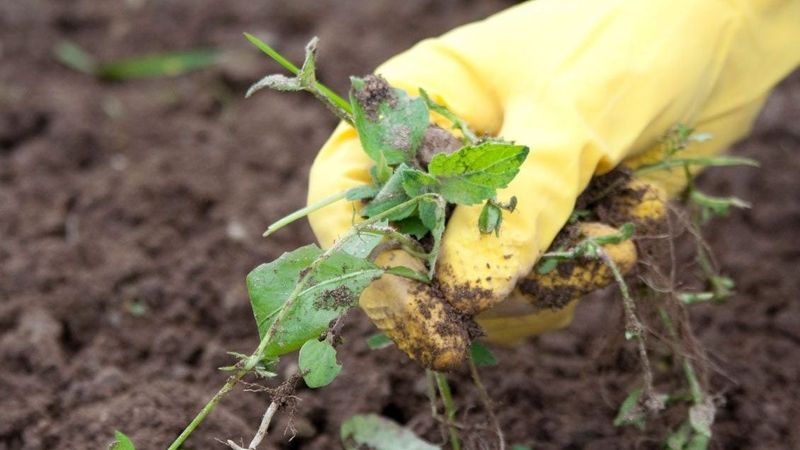
Small weeds in May have a way of looking completely harmless. They are tiny, easy to pull, and nowhere near threatening your carefully planted vegetables or flowers.
The problem is that most gardeners get busy with other spring tasks and those small weeds quietly grow, flower, and set seed before anyone notices what is happening.
A single dandelion can produce over 150 seeds per flower head. Common Michigan weeds like crabgrass, purslane, and bindweed spread aggressively once they reach maturity.
By August, a garden that had a few manageable weeds in May can become a dense, competing tangle that robs your plants of moisture, nutrients, and airflow all at once.
Catching weeds when they are still small, ideally before they are two inches tall, makes removal fast and easy. A sharp hoe worked through the soil surface on a dry day is one of the most efficient tools you can use.
Weeds cut below the soil line on a sunny afternoon wilt and shrivel without needing to be collected and removed.
Mulching immediately after weeding is the best follow-up step. A two to three inch layer of wood chips or straw blocks light from reaching weed seeds in the soil, dramatically reducing future germination.
Staying consistent with weekly weed checks in May and June means you spend far less time fighting an overwhelming infestation come August when the heat makes garden work much harder.
9. Planting Containers Without Enough Soil Leads To Constant Summer Stress
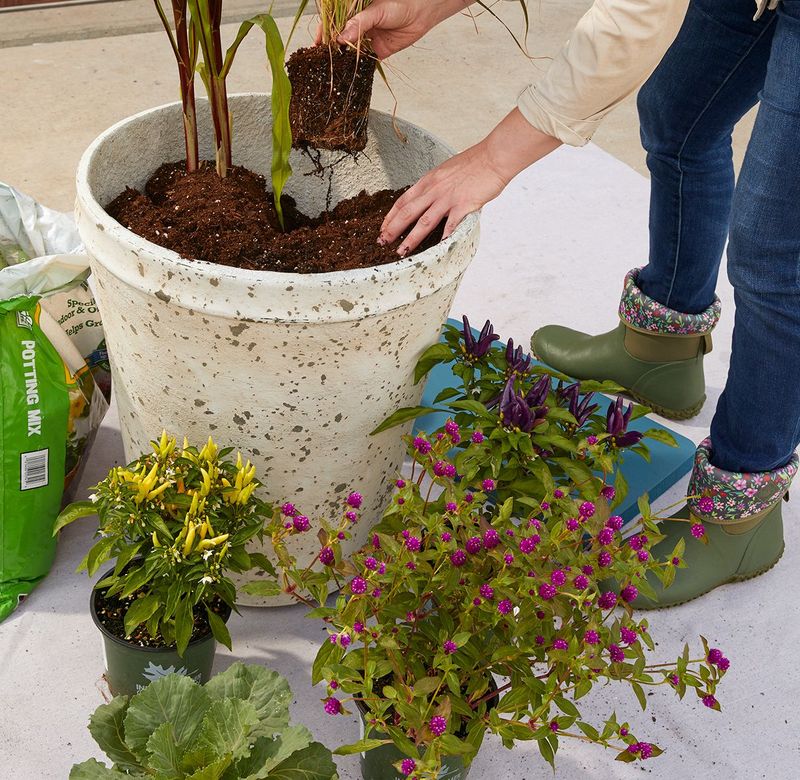
Container gardening is one of the most rewarding ways to grow plants in Michigan, especially for patios, decks, and small spaces. But there is one mistake that shows up constantly: choosing pots that are simply too small for the plants going inside them.
What looks like a reasonable fit in May becomes a serious problem by the time summer heat arrives.
Petunias, tomatoes, peppers, and herbs all develop extensive root systems as the season progresses. A container that seems spacious in May can become completely root-bound by July, leaving plants no room to expand and almost no soil volume to hold water.
Small pots dry out incredibly fast in full summer sun, sometimes needing water twice a day during heat waves.
For tomatoes, a minimum of five gallons per plant is the baseline, with ten gallons being far more forgiving. Peppers do well in three to five gallon containers.
Petunias and mixed annual planters benefit from containers at least 14 inches wide and deep. Larger soil volume means more water retention and more stable root temperatures.
Using a high-quality potting mix with moisture-retaining amendments like perlite or coir helps significantly. Self-watering containers are a fantastic investment for Michigan summers when heat can be intense and unpredictable.
Getting container sizing right in May means your patio garden stays vibrant and productive all the way through August without the constant stress of daily wilting.
10. Ignoring Airflow Around Shrubs Creates Fungal Problems During Humid Michigan Summers
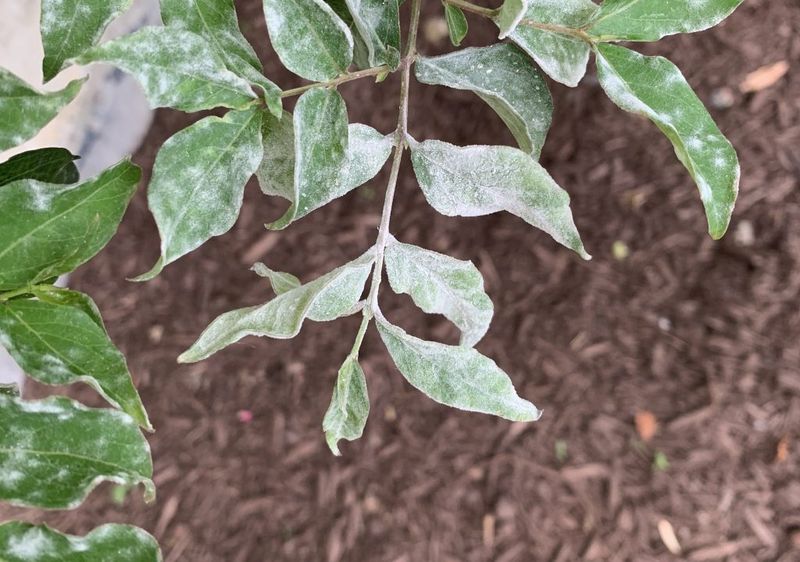
Shrubs in May look neat, well-contained, and easy to manage. But shrubs grow, and in Michigan’s humid summer climate, crowded shrub plantings become breeding grounds for fungal problems that spread fast and are difficult to reverse once established.
The airflow issue that seems invisible in spring becomes very obvious by August.
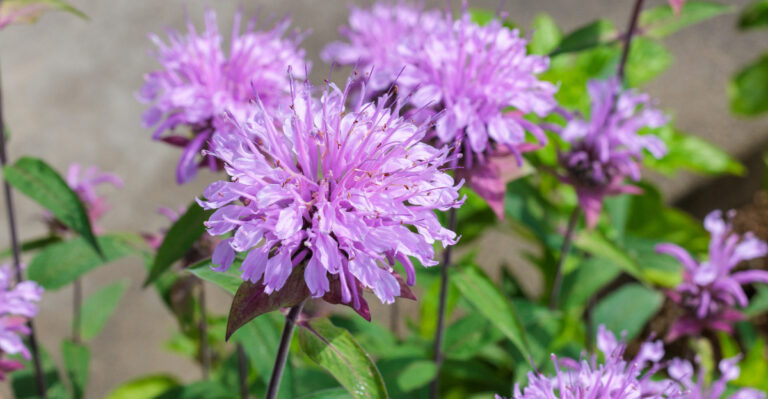
Hydrangea spp., Monarda fistulosa (wild bergamot), and Phlox paniculata are all particularly prone to powdery mildew and other fungal issues when airflow around them is restricted. Powdery mildew thrives in warm, humid conditions with poor air movement, which describes Michigan summers almost perfectly.
Crowded plants also hold moisture on their foliage longer after rain, extending the window when fungal spores can take hold.
Pruning is one of the most effective tools for improving airflow. Thinning out the interior of shrubs by removing a few central stems opens the canopy and allows air to move through.
Spacing new shrubs with their mature size in mind, rather than their current size, prevents the crowding problem from developing in the first place.
Watering at the base rather than overhead also makes a real difference. Drip irrigation or soaker hoses keep foliage dry while delivering moisture directly to the root zone.
If powdery mildew does appear, removing affected leaves promptly and improving airflow can slow its spread significantly. Prevention through smart spacing and pruning is always easier than managing a full outbreak mid-season.
11. Leaving Bare Soil Around Vegetables Invites Moisture Swings And Disease
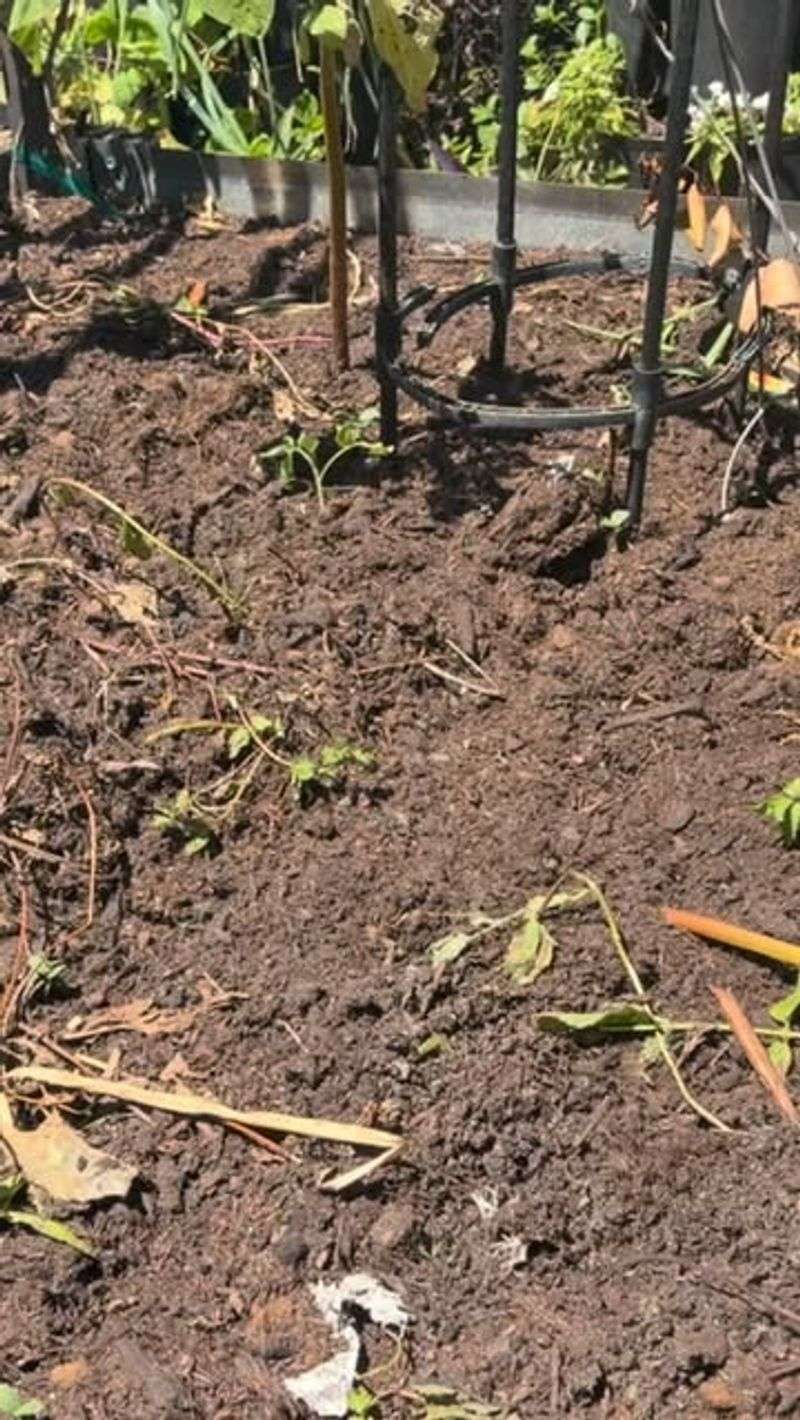
Bare soil between vegetable plants might look tidy and intentional in May, but it creates real growing challenges as the season heats up. Without any protective covering, soil swings between soaking wet after rain and bone dry within days during a heat spell.
Those extreme moisture swings stress plant roots in ways that show up as wilting, blossom drop, and increased disease susceptibility.
Solanum lycopersicum (tomatoes), Cucumis sativus (cucumbers), and Capsicum annuum (peppers) are all sensitive to inconsistent soil moisture.
Tomatoes especially are prone to blossom end rot, a condition directly linked to calcium uptake problems caused by irregular watering patterns.
Bare soil also splashes onto lower leaves during rain or overhead watering, carrying soil-borne pathogens directly onto plant tissue.
Mulching around vegetable plants solves several problems at once. A layer of straw two to three inches deep insulates the soil, keeps moisture levels stable, and acts as a physical barrier between soil and foliage.
Wood chips work well around perennial vegetables and fruit plants. Even a thin layer of shredded leaves makes a noticeable difference in soil temperature and moisture retention.
Another benefit worth noting is that mulched soil stays looser and more workable throughout the season. Bare soil tends to crust over and compact, reducing water penetration and making it harder for roots to expand.
Covering the soil around your vegetables is one of the simplest, highest-impact steps you can take for a stronger summer harvest.
12. Waiting Too Long To Watch For Pests Allows Summer Infestations To Explode
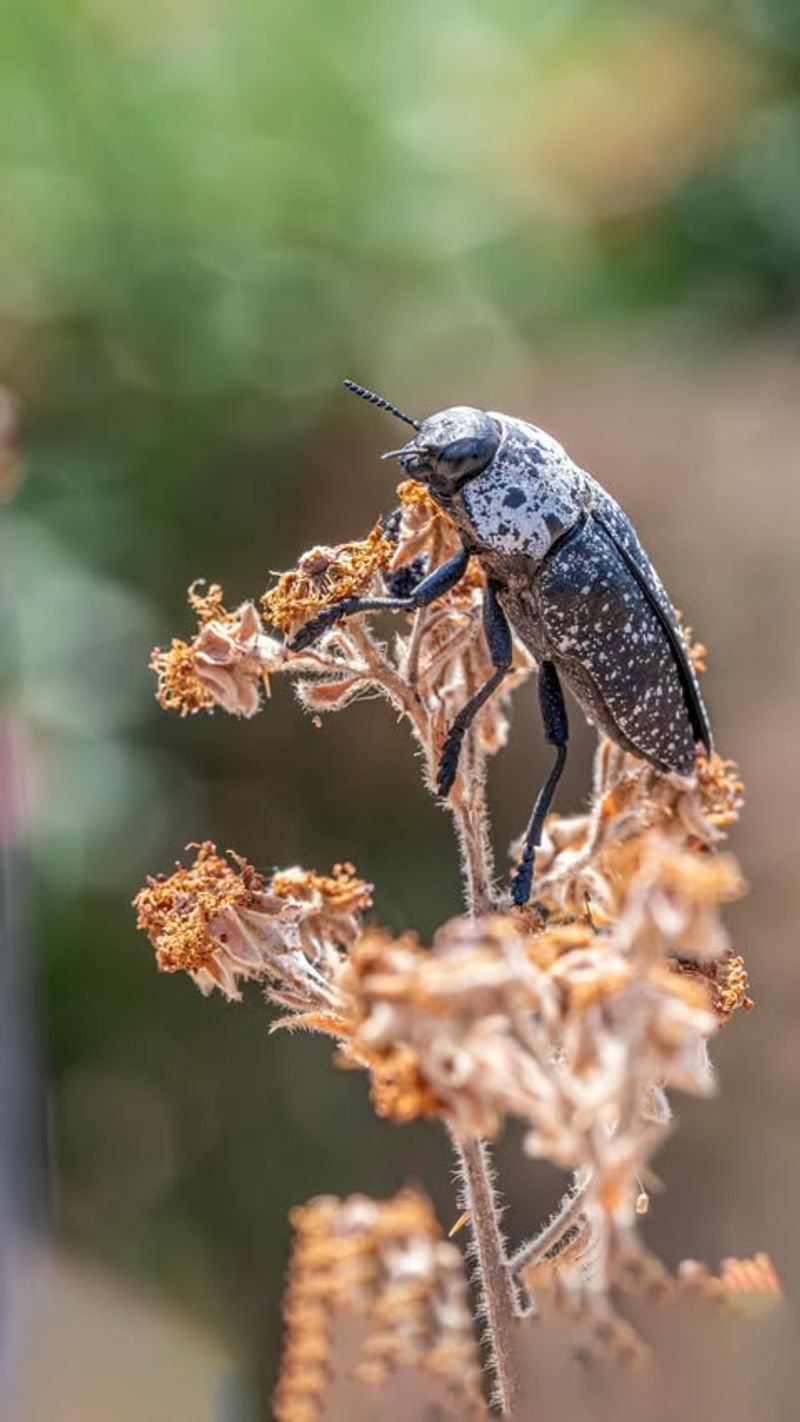
Pest problems rarely announce themselves dramatically. They start small, quietly building through late spring while gardeners are focused on planting and watering.
By the time damage becomes obvious in July or August, populations have often grown large enough to cause serious harm. Early monitoring is the single most effective strategy any Michigan gardener can use.
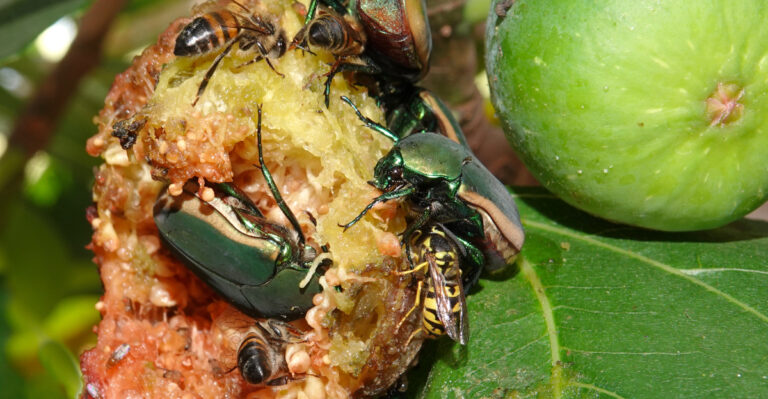
Popillia japonica, the Japanese beetle, emerges in Michigan typically around late June and feeds aggressively on over 300 plant species.
Melittia cucurbitae, the squash vine borer, lays eggs at the base of zucchini and squash stems in early summer, with larvae tunneling inside and collapsing plants from within.
Aphididae, the aphid family, can reproduce at astonishing rates in warm weather, with populations doubling every few days under ideal conditions.
Checking plants at least twice a week starting in late May is the most practical approach. Look at the undersides of leaves where aphids cluster, inspect the base of squash stems for vine borer eggs, and scout roses and beans for Japanese beetle activity.
Catching these pests early makes control much simpler and less disruptive to the rest of the garden.
Hand-picking Japanese beetles in the early morning when they are sluggish, using row covers over squash before vine borers emerge, and knocking aphids off with a firm water spray are all realistic, low-cost strategies.
Staying consistent with monitoring from May onward keeps small problems from becoming the large-scale infestations that can overwhelm a garden by the end of summer.