Spring Blooming Plants That Handle North Carolina Rain And Humidity Well
Spring in North Carolina often brings a mix of warm days, steady rain, and rising humidity that can be tough on many garden plants.
While some flowers struggle with all that moisture, others seem to thrive in it, growing stronger and blooming right through damp conditions.
Choosing the right plants can make the difference between a garden that looks worn out and one that stays fresh and full.
These spring blooming plants are well suited to handle wet soil, humid air, and changing weather without losing their appeal.
They continue to put on a show even when the forecast is less than perfect. From soft, early color to bold seasonal displays, they offer reliable beauty when you need it most.
Once you discover which plants can handle North Carolina’s spring conditions, you can create a garden that looks vibrant and healthy no matter how much rain falls.
1. Carolina Jessamine
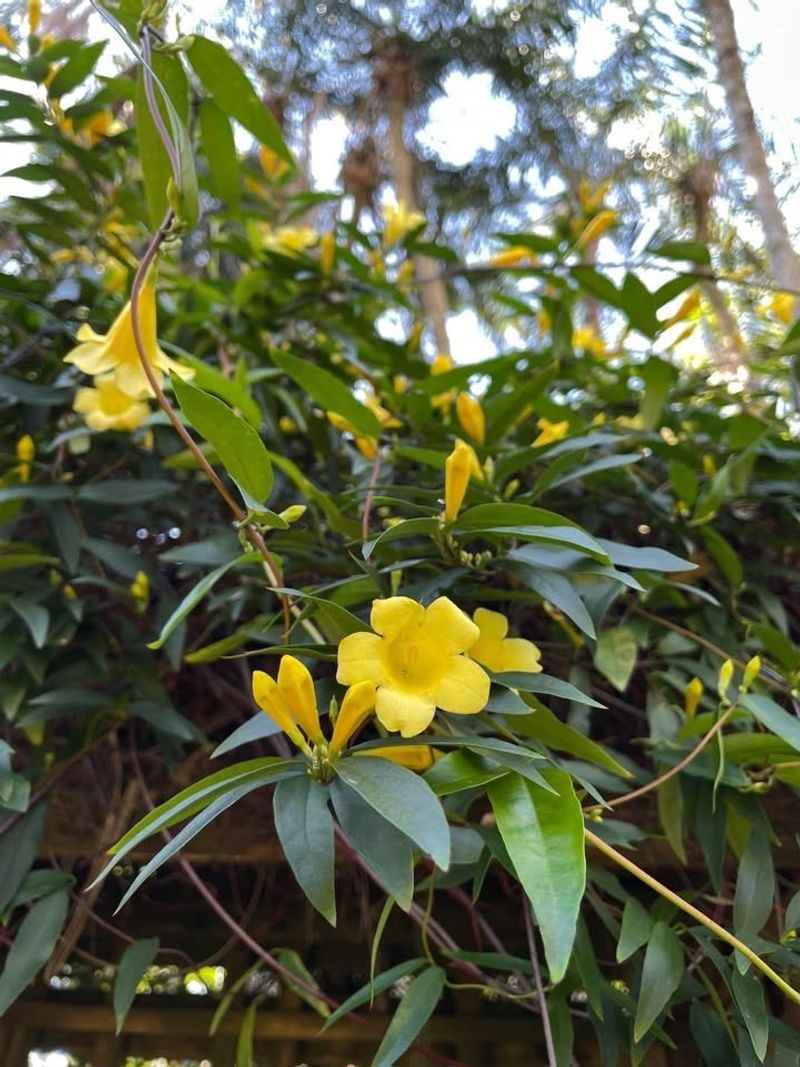
Bright yellow flowers draping over a fence or trellis in late winter signal one thing to North Carolina gardeners: Carolina Jessamine is awake.
Gelsemium sempervirens is the state flower of South Carolina and a beloved native vine throughout the Southeast, blooming reliably from late winter into early spring when most other plants are still dormant.
Humidity and spring rain do not slow this plant down one bit.
Carolina Jessamine is naturally adapted to the wet, warm conditions found across North Carolina’s Coastal Plain and Piedmont regions, and it handles seasonal rainfall without developing the root rot or fungal issues that trouble many ornamental vines.
Its glossy evergreen foliage stays attractive even when the blooms have faded. Planting in full sun to partial shade gives the best flower coverage, and providing a sturdy support structure like a fence, arbor, or trellis lets the vine show off its full potential.
Well-drained soil is important for long-term health, so avoid low spots where water tends to pool after heavy rains.
Once established, Carolina Jessamine is impressively tough and low-maintenance, needing very little attention to thrive.
One important note for families: all parts of this plant are toxic if eaten, so plant it thoughtfully in yards with small children or pets nearby.
Its cheerful yellow blooms make every spring morning in North Carolina feel like a celebration.
2. Eastern Red Columbine
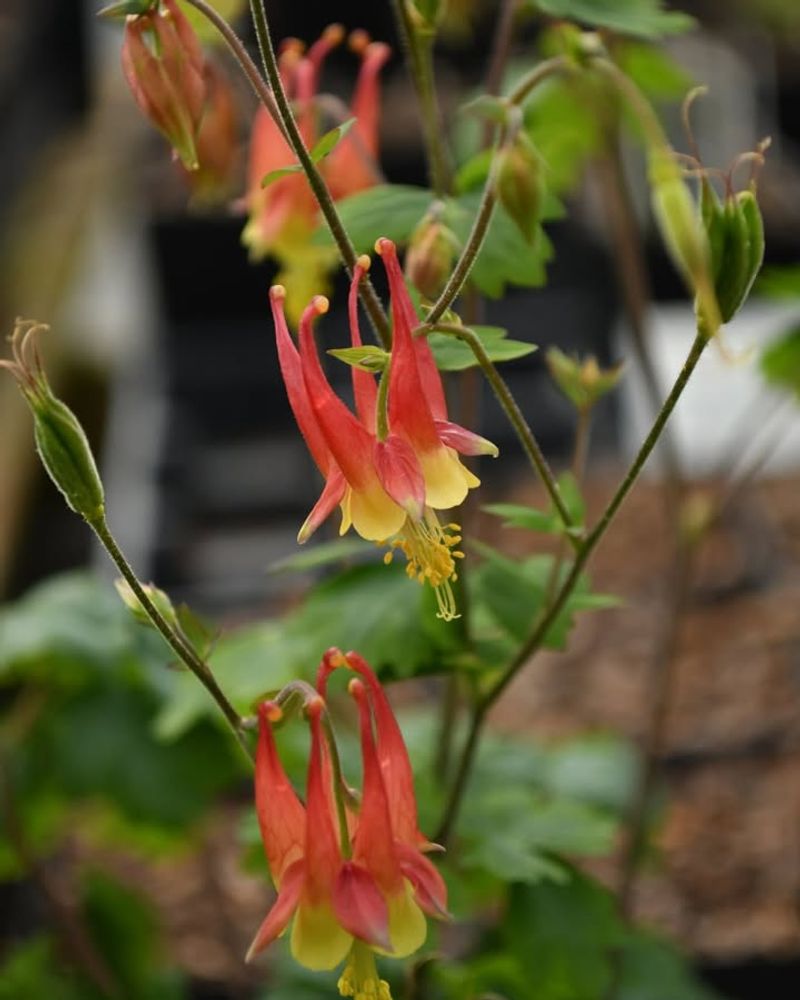
Few wildflowers put on a show quite like Eastern Red Columbine. Aquilegia canadensis bursts into bloom from March through April, filling shaded garden spots with nodding red and yellow flowers that hummingbirds absolutely cannot resist.
It is one of the earliest spring bloomers you will find across North Carolina, making it a standout in any yard.
What really sets this plant apart is how well it handles the heavy spring rains that soak the Piedmont and Coastal Plain every year.
Its root system is designed for woodland edges where soils drain quickly after a downpour, so standing water rarely becomes a problem.
Fungal diseases that plague many ornamentals simply do not bother Eastern Red Columbine the way they do other spring flowers.
Your North Carolina Garden Changes Every Week. Your Plan Should Too.
Gardening in North Carolina changes quickly throughout the season. Every Friday you’ll receive a simple weekly plan showing exactly what to plant, prune, fertilize, harvest, and protect so you never miss the right timing.
Planting it in partial shade is the sweet spot for strong performance. If your soil leans toward heavy Piedmont clay, work in some leaf compost before planting to improve drainage and give the roots room to spread.
A light layer of leaf mulch around the base keeps moisture consistent without suffocating the crown.
Eastern Red Columbine spreads gently by seed over time, slowly filling in shaded beds with cheerful color.
It pairs beautifully with Woodland Phlox and Foamflower, creating a layered native garden that celebrates everything North Carolina spring has to offer.
3. Foamflower
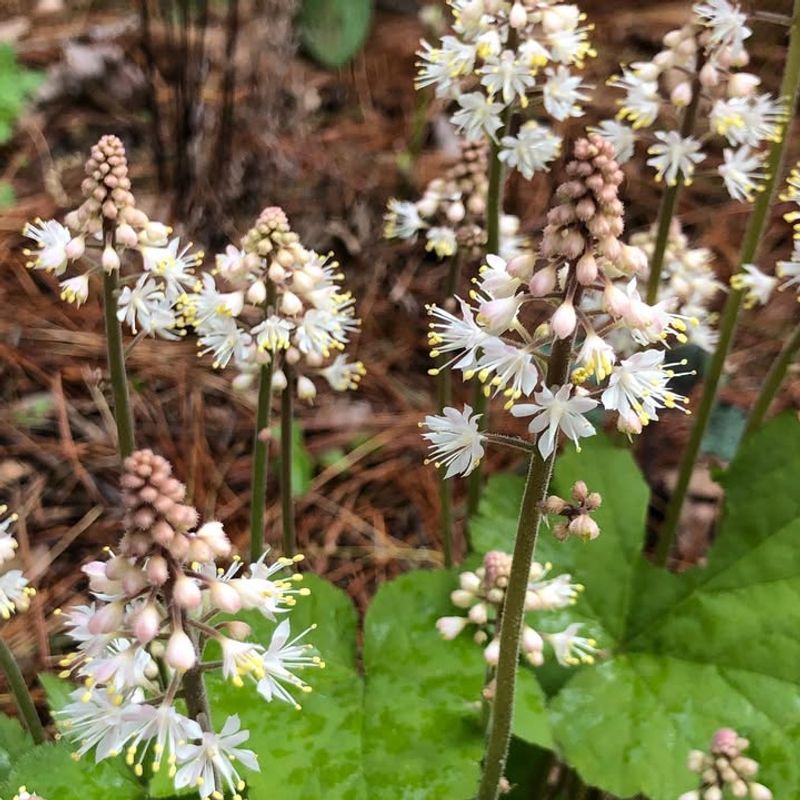
Imagine a groundcover that thrives in the shadiest, dampest corner of your yard and rewards you with clouds of white, feathery blooms every spring.
That is exactly what Foamflower delivers. Tiarella cordifolia is a native woodland plant that earns its name from those frothy-looking flower spikes that rise above its heart-shaped leaves from early to mid-spring.
Humidity is practically a feature, not a bug, for this plant. Foamflower naturally grows in damp North Carolina forests where spring moisture lingers for weeks, and it handles those conditions without missing a beat.
Unlike many ornamental groundcovers that develop fungal problems in humid climates, Foamflower has built-in resistance that makes it a smart choice for gardeners across the Piedmont and mountain regions of North Carolina.
Rich, well-drained soil in partial to full shade is the recipe for success. Adding organic matter like compost or leaf mold before planting gives Foamflower the nutrient-rich environment it loves.
Once it is settled in, it spreads steadily to form a dense, weed-suppressing mat that looks attractive even when it is not in bloom.
The deeply lobed leaves often show interesting burgundy markings that add texture to shaded beds year-round.
Foamflower pairs naturally with Woodland Phlox and Eastern Red Columbine, and together they create a layered native garden that celebrates North Carolina’s woodland heritage while standing up to every spring rain shower.
4. Woodland Phlox
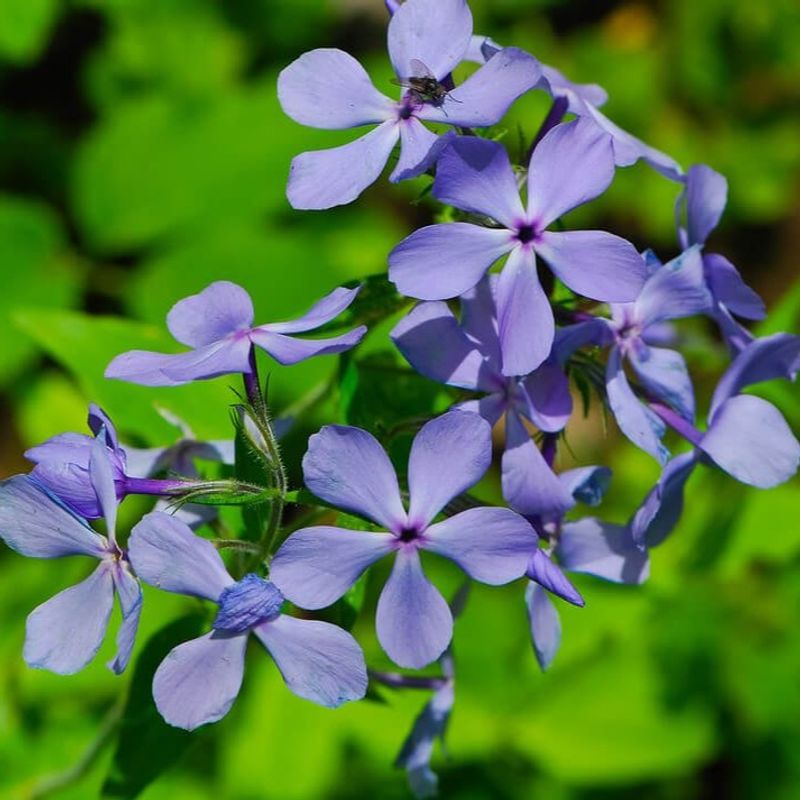
Walk through any moist North Carolina woodland in April and you might spot soft blue and lavender blooms carpeting the forest floor.
That is Woodland Phlox, or Phlox divaricata, doing exactly what it was born to do. This native spring bloomer has a quiet charm that translates beautifully from wild forests into home gardens.
Rainy springs are no problem for Woodland Phlox when it is planted correctly. The key is partial shade and moist but well-drained soil, which mimics the forest conditions this plant evolved in.
A generous layer of leaf mulch helps maintain the right soil structure, holding enough moisture between rains while still allowing excess water to drain away from the roots. Without good drainage, even this moisture-loving plant can develop root issues over time.
North Carolina’s consistent spring rainfall and high humidity actually work in Woodland Phlox’s favor, keeping the soil conditions close to ideal without much extra effort from the gardener.
It spreads slowly and forms a lovely low groundcover beneath taller shrubs and trees, filling in shaded spots that many other plants ignore.
The fragrant flowers also attract early pollinators like butterflies and native bees, adding movement and life to the spring garden.
Pair it with Foamflower or Wild Geranium for a native shade garden combination that looks effortless and handles North Carolina’s wet spring weather like a champion.
5. Wild Geranium
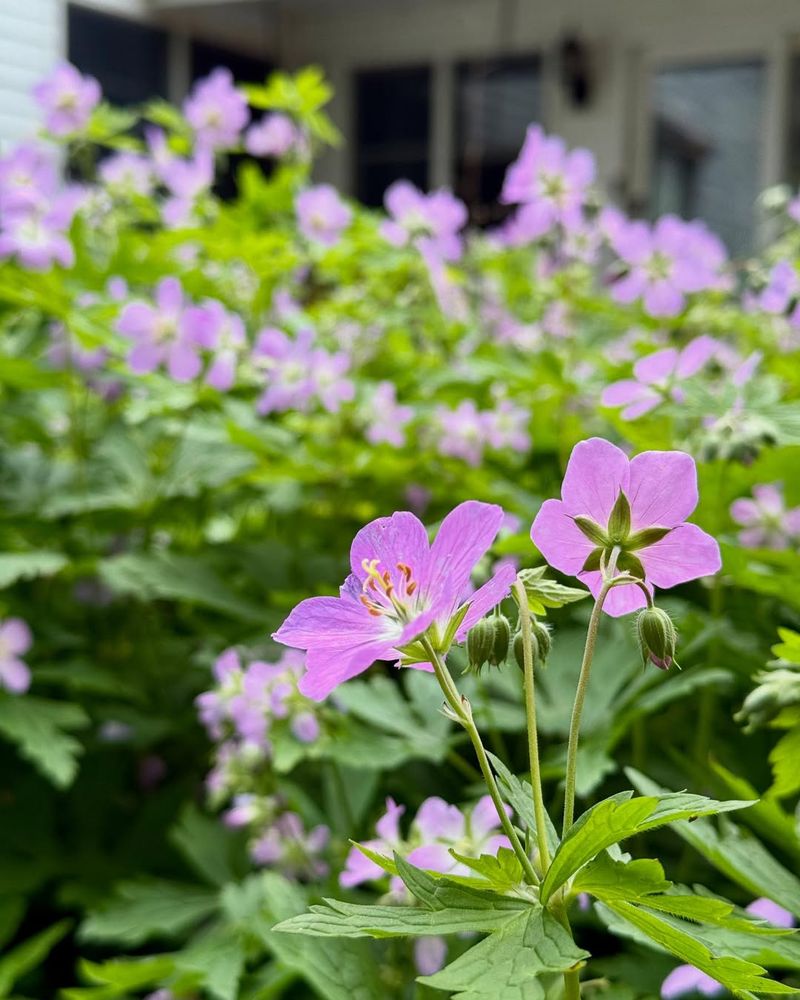
Wild Geranium has a no-fuss attitude that experienced North Carolina gardeners genuinely appreciate.
Geranium maculatum blooms in mid-spring with clusters of soft lavender-pink flowers that look elegant without requiring constant attention.
It is one of those plants that fits right into a busy gardener’s life because it handles challenges that would stress out more delicate ornamentals.
Wet spring soils and heavy humidity are two conditions Wild Geranium takes in stride across North Carolina.
Its root system is adapted to woodland environments where spring rainfall is frequent and the air stays moist for weeks at a time.
Disease resistance is solid too, which is a real advantage in humid regions where fungal problems spread quickly through garden beds after prolonged rain.
Planting in partial shade with well-drained soil sets this perennial up for long-term success. Heavy Piedmont clay can work fine as long as you amend it with compost to improve drainage and soil structure before planting.
Once established, Wild Geranium comes back reliably every spring, spreading slowly by seed and rhizome to gradually fill in shaded areas.
It plays well with other native woodland plants and attracts early pollinators like bumblebees and mining bees that are active during North Carolina’s cool spring mornings.
The foliage stays attractive through summer, adding texture to the garden long after the blooms have faded for the season.
6. Virginia Bluebells
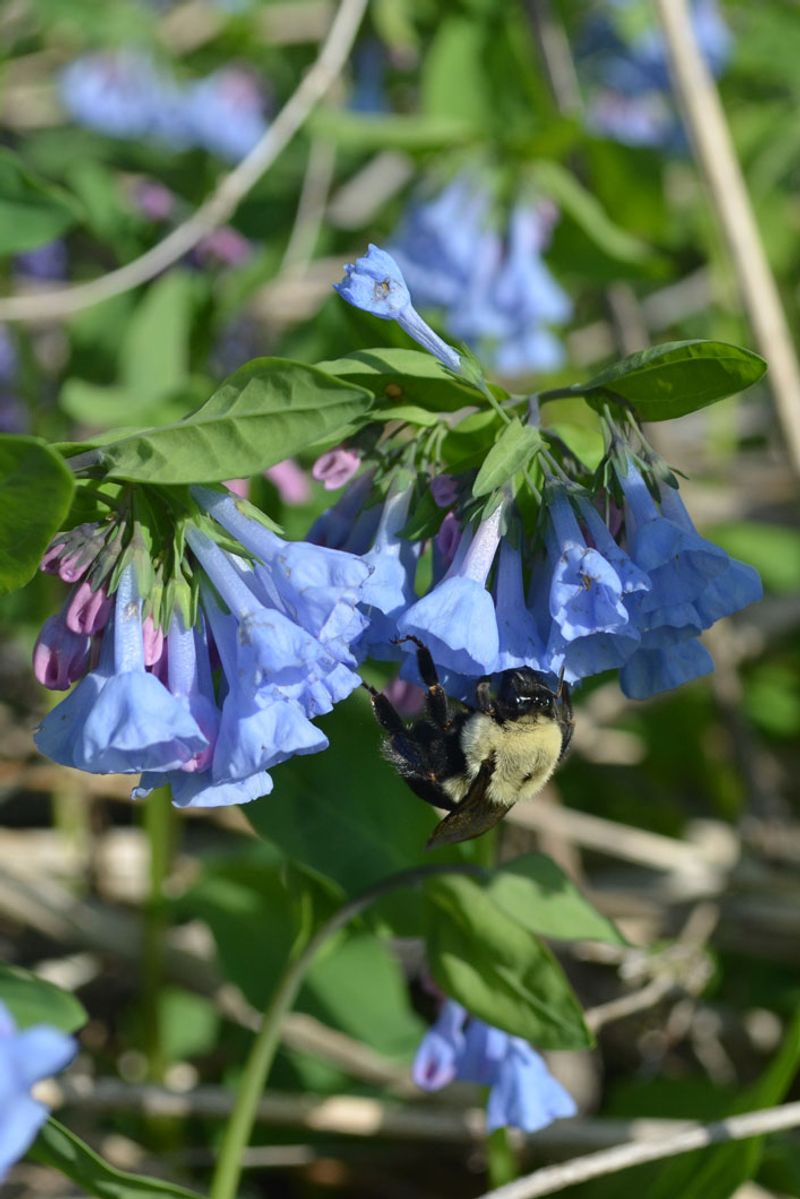
There is something almost magical about Virginia Bluebells. Mertensia virginica pushes up from bare soil in March and April, producing clusters of sky-blue, bell-shaped flowers that seem to glow in shaded garden corners.
The color is genuinely striking, and the whole display happens quickly before the plant goes dormant as temperatures warm in late spring. This spring ephemeral is perfectly suited to North Carolina’s wet early-season conditions.
In the wild, Virginia Bluebells grow along floodplains and stream banks where spring flooding is common, meaning soggy soil is something this plant handles with ease.
That natural adaptation makes it an excellent choice for low spots in North Carolina gardens that collect rainwater during the heavy spring showers typical of the Piedmont and Coastal Plain.
Planting in partial shade with moist, rich soil gives Virginia Bluebells exactly what they need to perform beautifully.
The trick to managing this plant long-term is allowing it to go dormant naturally as summer approaches rather than cutting it back too soon, because the foliage feeds the underground roots before they rest through the warm months.
Planting late-emerging perennials like ferns or hostas nearby helps fill the space once Virginia Bluebells fade.
Over time, a well-established patch spreads steadily, creating a breathtaking spring display that makes every North Carolina garden visitor stop and look twice at the garden bed.
7. Eastern Redbud
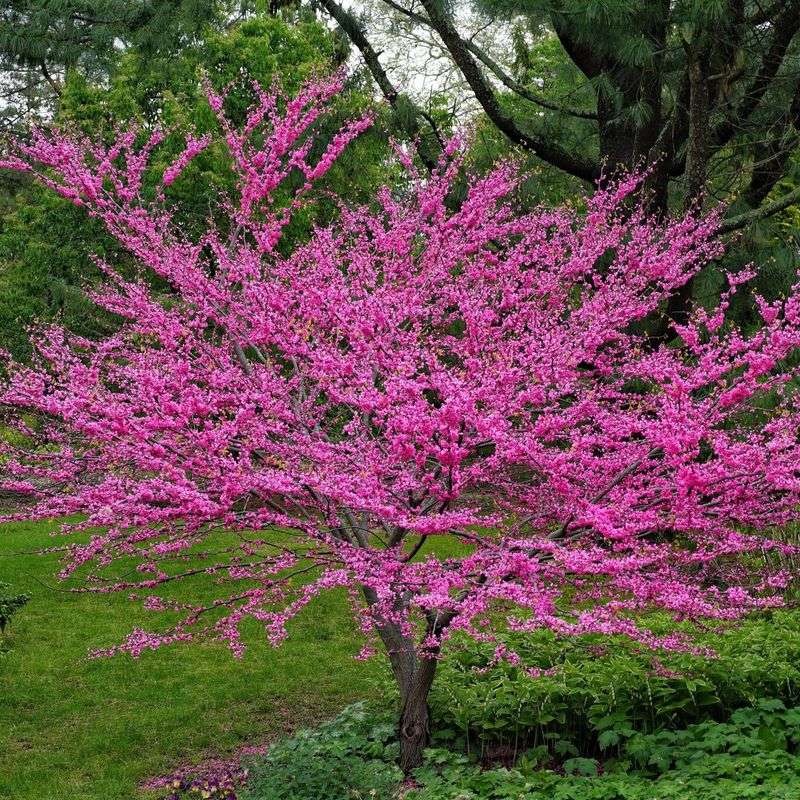
Before a single leaf appears on its branches, Eastern Redbud explodes into a cloud of magenta-pink blooms that stop traffic in North Carolina neighborhoods every March.
Cercis canadensis is a native small tree that has become one of the most beloved spring-flowering trees in the entire Southeast, and it earns that reputation every single year.
Spring rain and humidity are simply part of life for Eastern Redbud across North Carolina, and the tree handles both without complaint.
The flowers hold up well during wet weather, which is not always the case with ornamental flowering trees.
Canker disease can be a concern in poorly drained sites, so choosing a location with good soil drainage is the most important step you can take when planting Eastern Redbud.
Full sun to partial shade both work well, and the tree adapts to a range of soil types found across North Carolina’s diverse regions.
Avoid planting in low spots where water pools after rain, since consistently saturated soil stresses the root system over time.
Eastern Redbud grows quickly in its early years, often reaching fifteen to twenty feet tall at maturity, making it a fantastic focal point in smaller yards.
The heart-shaped leaves that follow the blooms add summer interest, and the tree provides light dappled shade that benefits understory plants below. It is genuinely one of North Carolina’s most rewarding spring trees to grow.
8. Serviceberry
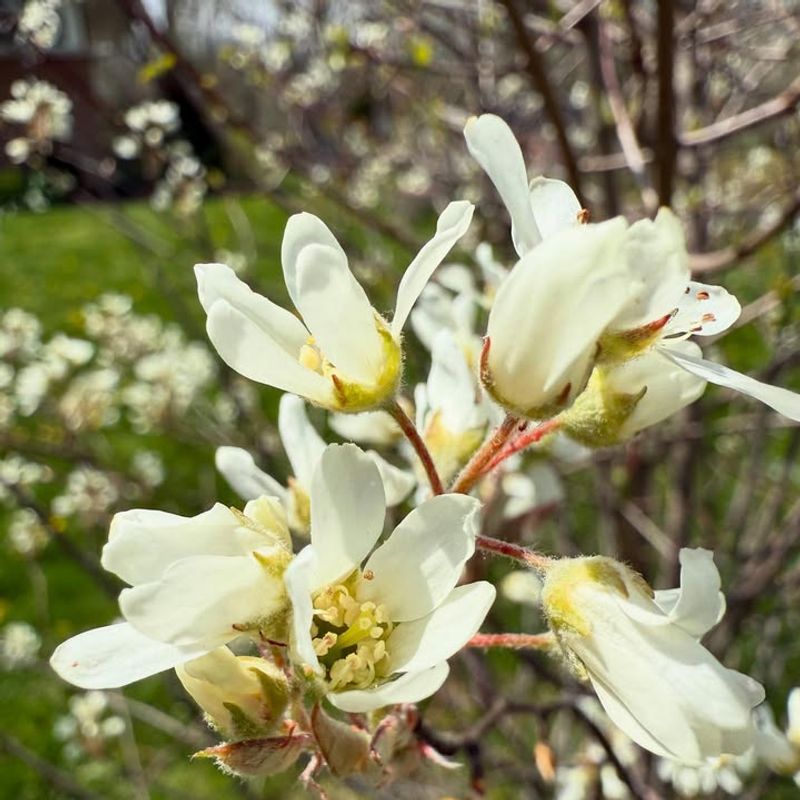
Serviceberry is one of those plants that quietly earns admiration every spring without demanding any extra attention.
Amelanchier arborea is a native small tree that bursts into clusters of delicate white flowers in early spring, often blooming right alongside Eastern Redbud and making the two a stunning combination in any North Carolina yard.
Cloudy skies and wet spring weeks do not slow Serviceberry down at all.
It flowers reliably even during those stretches of overcast, rainy weather that North Carolina gardeners know well, especially in the Piedmont where spring storms can roll through for days at a time.
Fungal problems are minimal when the tree is properly sited, making it a smart long-term investment for the home landscape.
Full sun to partial shade both produce good results, and well-drained soil is the most important planting requirement to keep in mind.
Applying a generous layer of mulch around the base after planting helps regulate soil moisture and insulate the roots through North Carolina’s fluctuating spring temperatures.
Beyond the spring flowers, Serviceberry delivers bonus interest throughout the year. Small reddish-purple berries ripen in early summer and attract songbirds almost immediately, and the fall foliage turns warm shades of orange and red before dropping.
For North Carolina gardeners who want a plant that gives back season after season while handling spring rain without a fuss, Serviceberry is an outstanding and often underrated choice.