Common Mistakes North Carolina Gardeners Make When Planting Crape Myrtles Too Close Together

Crape myrtles are everywhere in North Carolina, and for good reason. They’re tough, beautiful, and built for Southern summers.
But visit enough yards and you’ll notice the same problem repeating itself. Trees crowded together, canopies tangled up, trunks competing for space in a spot that couldn’t really fit them in the first place.
It usually starts with a plant that looked perfectly manageable at the nursery. A few years later, it’s a different story entirely.
Planting too close together sets off a chain of problems that get harder to fix the longer they’re ignored. Airflow drops, disease pressure goes up, and the natural shape that makes crape myrtles so striking never gets a chance to develop properly.
Spacing decisions made on planting day follow these trees for decades.
1. Ignoring Mature Width At Planting Time

Picture this: you bring home a slender, three-foot crape myrtle from the nursery, and it looks so small that planting several just a few feet apart seems perfectly reasonable.
Fast forward five years, and those same trees have exploded into wide, overlapping canopies that fight each other for every inch of space. That gap that once seemed generous now feels impossibly tight.
Most crape myrtle varieties reach a mature spread of 10 to 25 feet wide, depending on the cultivar. Smaller dwarf types like Pocomoke stay compact at around 3 to 4 feet wide, while large varieties like Natchez can easily stretch 20 feet across.
North Carolina gardeners often underestimate this growth potential because nursery tags are easy to overlook when a tree looks tiny sitting in a pot.
Always research the specific variety before purchasing and plan your spacing based on the mature width, not the current size. A good rule of thumb is to space trees at least as far apart as their expected mature width.
Giving each tree enough room from the start prevents a cascade of future problems, saves you years of unnecessary pruning work, and lets every tree develop its naturally gorgeous, graceful shape without interference from its neighbors.
2. Creating Poor Airflow In Humid Summers
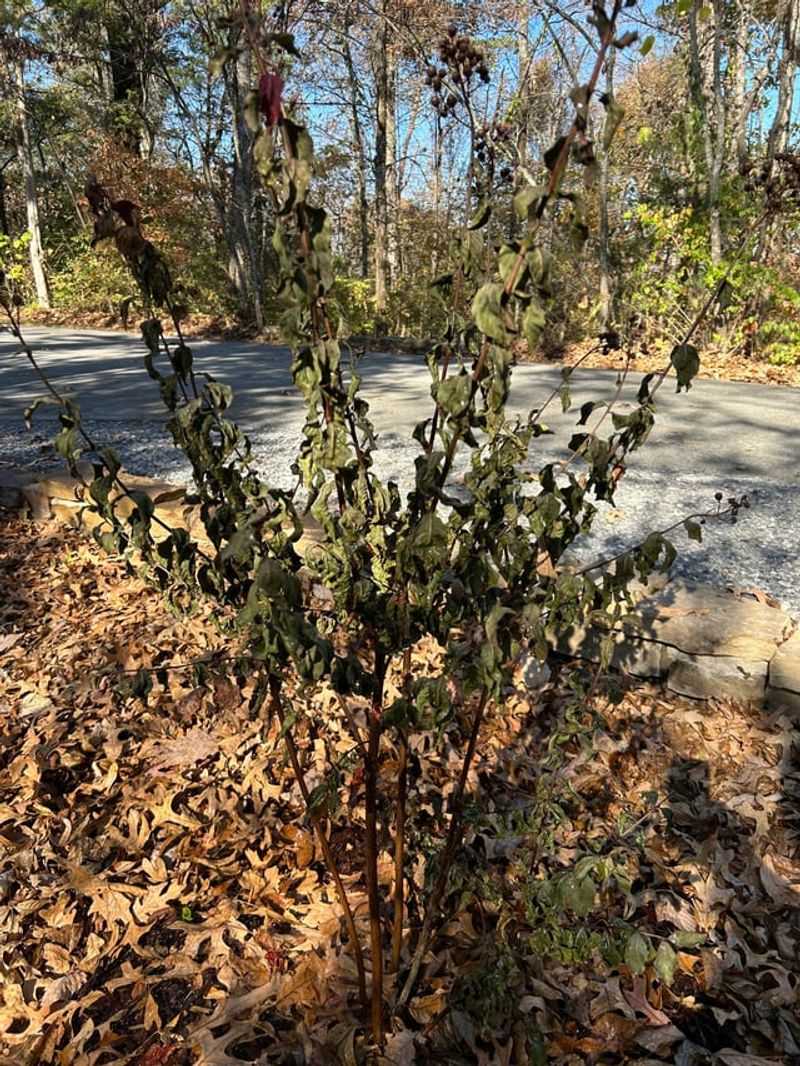
North Carolina summers are notoriously hot and sticky, and that humidity creates the perfect recipe for fungal problems when plants are crowded together.
When crape myrtles grow so close that their branches overlap and interlock, air cannot move freely through the canopy.
Moisture from rain and morning dew gets trapped inside the dense growth, staying wet far longer than it should.
Good airflow is one of the most underrated factors in keeping any landscape tree healthy. When branches are packed tightly together, foliage stays damp for hours after rain, creating exactly the kind of wet, warm environment that fungal spores love.
Over time, this leads to recurring disease issues that become harder and harder to manage without chemical intervention.
Spacing crape myrtles properly from the beginning allows summer breezes to flow naturally between trees, drying out foliage quickly after rain and dramatically reducing fungal pressure.
North Carolina’s Piedmont and coastal regions are especially prone to this problem because humidity levels stay elevated for weeks at a time during summer months.
Your North Carolina Garden Changes Every Week. Your Plan Should Too.
Gardening in North Carolina changes quickly throughout the season. Every Friday you’ll receive a simple weekly plan showing exactly what to plant, prune, fertilize, harvest, and protect so you never miss the right timing.
Thinning out an overcrowded planting can help, but it rarely fixes the problem completely once trees have grown into each other. Starting with correct spacing is genuinely the easiest and most effective solution available to any home gardener working in the South.
3. Planting Large Varieties In Small Foundation Beds

Foundation plantings are supposed to frame a home beautifully, softening the look of the structure and adding color and texture to the front yard. When a large crape myrtle variety gets planted in a narrow bed right against the house, though, that vision quickly falls apart.
Branches press into siding, scrape across windows, and block gutters before most homeowners even realize what is happening.
Large crape myrtle cultivars like Tuscarora or Muskogee can reach 20 to 30 feet tall with wide-spreading canopies. Planting these giants in a foundation bed that is only four or five feet wide sets up an unavoidable conflict between the tree and the structure.
The roots can also spread extensively, sometimes creating issues with walkways and shallow utility lines over time.
For tight foundation spaces in North Carolina yards, dwarf or semi-dwarf varieties are almost always the smarter choice. Cultivars like Pocomoke, Chickasaw, or Cherry Dazzle stay compact and manageable without sacrificing those iconic summer blooms.
Reading the plant tag carefully at the nursery and matching the mature size to the actual available space saves homeowners from years of wrestling with oversized trees in the wrong spots.
A little research upfront pays off in a foundation planting that looks polished and proportionate for decades to come.
4. Forcing Constant Heavy Pruning

When crape myrtles get planted too closely together, they quickly start competing for space, and the usual response from frustrated homeowners is to grab the pruning shears and start cutting.
What follows is often a cycle of heavy topping year after year, a practice so widespread it has earned its own nickname among horticulturists: crape murder.
The results are those knobby, disfigured trunks topped with a wild explosion of weak, whippy growth that never quite looks right.
Heavy topping does not solve the spacing problem. It just delays it while simultaneously damaging the tree’s natural structure and reducing its long-term vigor.
Topped crape myrtles respond by pushing out enormous amounts of fast-growing but structurally weak new shoots, which become even more crowded and messy than before. The cycle repeats every single season with no end in sight.
Proper spacing eliminates the need for this kind of drastic intervention. When trees have enough room to grow naturally, light selective pruning to remove crossing branches or improve airflow is all that is typically needed.
North Carolina State University Extension recommends removing only dry wood and crossing branches rather than topping, which preserves the tree’s graceful natural form.
Spacing correctly from day one means your crape myrtles can grow into the stunning, multi-stemmed specimens they were always meant to become.
5. Blocking Sunlight From Lower Branches

Crape myrtles are sun-worshippers through and through. They thrive in full sun, putting on their best bloom show when they receive at least six to eight hours of direct sunlight each day.
When multiple trees are planted too close together, their expanding canopies begin to shade each other out, and the lower branches on each tree start struggling almost immediately.
Shaded lower branches tend to thin out, produce fewer blooms, and become more susceptible to pest pressure over time.
The canopy of a crowded planting becomes top-heavy as the lower portions weaken, giving the whole grouping an unbalanced, leggy appearance that is tough to fix without major intervention.
The bloom display, which is the whole reason most people plant crape myrtles in the first place, suffers noticeably in overcrowded conditions.
Sunlight competition is one of the sneakiest long-term consequences of tight spacing because it develops slowly over several growing seasons. By the time the problem becomes obvious, the trees are already well established and difficult to relocate.
Spacing crape myrtles generously from the start ensures every branch on every tree gets access to the full North Carolina sunshine these plants absolutely love.
A well-lit crape myrtle rewards you with vivid blooms from top to bottom, creating that full, lush look that makes the whole neighborhood stop and admire your yard all summer long.
6. Increasing Powdery Mildew Risk

Powdery mildew is one of the most common complaints among crape myrtle growers across the Southeast, and overcrowded plantings are a major reason it keeps coming back season after season.
This fungal disease shows up as a white, chalky coating on leaves and new growth, and it spreads rapidly in warm, humid conditions with poor air circulation.
North Carolina’s summer climate practically rolls out the welcome mat for powdery mildew when trees are crammed together.
Modern crape myrtle cultivars, especially those developed by the National Arboretum, were specifically bred for powdery mildew resistance.
Varieties like Natchez, Acoma, and Hopi carry strong resistance genes that help them fight off infection under normal growing conditions.
However, even the most resistant varieties struggle when they are packed so tightly together that airflow is essentially eliminated from the interior of the planting.
Adequate spacing acts as a natural defense system by allowing air to circulate freely, drying foliage faster and reducing the prolonged moisture that powdery mildew needs to take hold.
Choosing resistant varieties and giving each tree plenty of breathing room creates a powerful combination that dramatically reduces disease pressure without relying heavily on fungicides.
Treating powdery mildew repeatedly with sprays is time-consuming, costly, and only addresses the symptom rather than the underlying cause. Proper spacing from planting day is the smartest prevention strategy available to North Carolina gardeners.
7. Crowding Walkways And Driveways

Lining a driveway or walkway with crape myrtles is a classic Southern landscaping move, and when it is done right, the effect is absolutely stunning.
Rows of blooming trees arching gracefully overhead create that dramatic, almost magical canopy effect that makes a home feel like something out of a garden magazine.
But when the trees are planted too close to the pavement or spaced too tightly together, the result shifts quickly from gorgeous to genuinely inconvenient.
Branches that arch into walking or driving space become a real nuisance as trees mature. Guests duck under low limbs, car mirrors clip overhanging branches, and the constant pruning needed to keep pathways clear becomes a seasonal chore nobody enjoys.
In some cases, surface roots can also begin to lift pavement edges over time, creating uneven surfaces that become safety concerns.
The fix is straightforward: plant crape myrtles at least six to eight feet away from pavement edges and space them according to their mature canopy width. This gives the trees room to develop their natural form while keeping walkways and driveways comfortably clear.
For a formal allee effect along a long driveway, larger varieties spaced 15 to 20 feet apart create that showstopping look without the maintenance headaches.
Planning the layout carefully before planting means your crape myrtle lined driveway stays beautiful and functional for many decades ahead.
8. Mixing Incompatible Varieties Too Tightly

Crape myrtles come in a staggering range of sizes, from tiny ground-hugging dwarfs to towering trees that rival mature oaks in presence. Mixing different varieties in the same planting area can create a wonderfully layered look when it is planned thoughtfully.
But when incompatible sizes get crammed into the same tight space without accounting for their different growth rates and mature dimensions, the result is a chaotic, uneven mess that is genuinely difficult to untangle.
A fast-growing large variety planted right next to a compact dwarf will quickly overshadow and outcompete its smaller neighbor. The dwarf variety struggles for light and space while the larger tree dominates the area, throwing off the visual balance of the entire planting.
Bloom times can also vary slightly between cultivars, which means the display looks uncoordinated rather than unified when trees are packed together without a clear design plan.
Before mixing varieties in a single bed or border, research the mature height and spread of every cultivar you plan to use. Group similar-sized varieties together or deliberately stagger sizes in a way that gives each plant adequate space at maturity.
The North Carolina Extension Gardener Plant Toolbox is a fantastic free resource for comparing crape myrtle cultivars side by side.
A little planning at the design stage turns a mixed crape myrtle planting from a future headache into one of the most eye-catching features in the entire neighborhood.
9. Forgetting That Small Nursery Trees Become Large Landscape Trees

There is something almost irresistible about a row of freshly planted crape myrtles, each one a tidy, slender little tree standing maybe four feet tall with a skinny trunk no wider than your thumb.
They look so manageable, so easy to control, and the gaps between them seem almost too generous.
So naturally, many gardeners nudge them closer together, thinking a tighter planting will look fuller sooner. It will, but only for a season or two.
Crape myrtles are vigorous growers, often putting on three to five feet of new growth per year under good North Carolina conditions. That modest four-foot nursery tree can become a 15-foot-wide, 20-foot-tall specimen within a decade.
The cozy spacing that looked perfectly fine at planting turns into a crowded tangle of competing trunks and overlapping canopies faster than most homeowners expect.
The best mindset shift a gardener can make is to visualize the planting at 10 years, not at planting day. If the spacing looks too wide when the trees are young, resist the urge to add extra plants to fill the gaps.
Use annual flowers, ornamental grasses, or low-growing perennials to fill empty space in the early years while the crape myrtles grow into their allotted area.
Patience pays off enormously with these trees, and a well-spaced planting will reward you with decades of effortless beauty and minimal maintenance.