8 Low-Maintenance Herbs That Come Back Every Year In Ohio Gardens
Every spring in Ohio, the same question pops up as garden plans take shape. Which herbs will actually come back without starting from scratch again?
Between cold winters, shifting spring weather, and busy schedules, not every herb earns a permanent spot in the garden. That is why dependable perennials stand out so much.
Plant them once, give them a good start, and they return year after year with very little effort. Some even grow stronger with each season, filling in spaces and producing more flavor over time.
Ohio’s climate supports a solid group of hardy herbs that handle freezing temperatures and bounce back as soon as the soil warms. Tuck them into beds, borders, or containers, and they quietly do their job while you focus on everything else.
A handful of well-chosen herbs can turn your garden into something that feels reliable, productive, and easy to maintain.
1. Chives Come Back Early And Grow With Almost No Effort
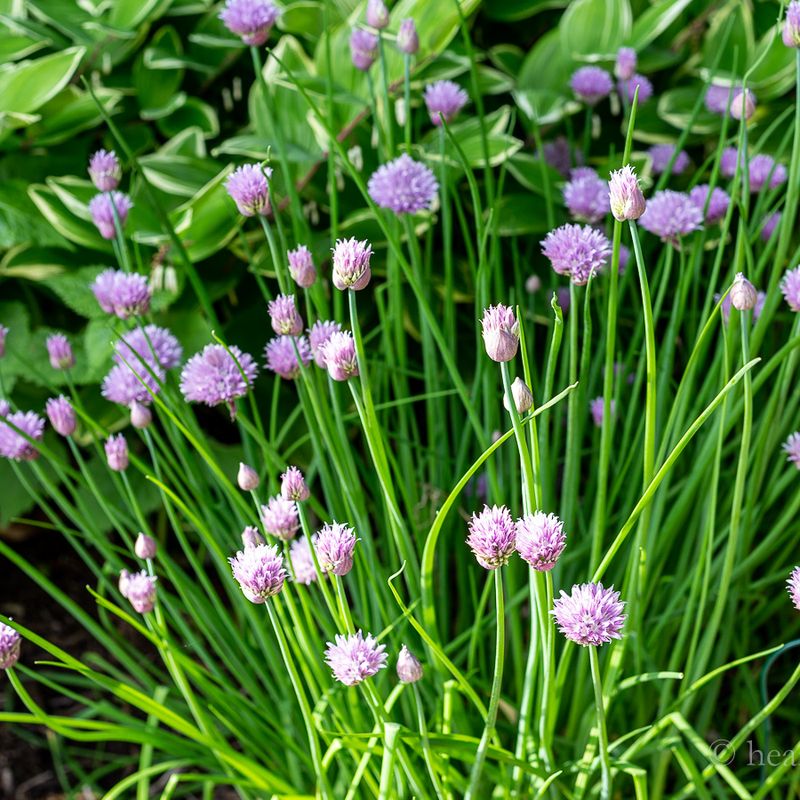
Before most plants even think about waking up, chives are already pushing through the soil. Known botanically as Allium schoenoprasum, chives are among the hardiest herbs you can grow in Ohio, surviving well into Zone 3 temperatures without breaking a sweat.
They are one of the first herbs to emerge each spring, often poking up through the ground while there is still a chill in the air.
Chives adapt easily to most Ohio soils, including the heavy clay that frustrates so many gardeners. They prefer full sun but tolerate partial shade without much complaint.
Regular watering helps during dry spells, but established clumps rarely need much attention once they settle in.
Every three to four years, it is a good idea to divide the clumps. Over time, chive plants can get crowded at the center, which reduces their vigor.
Simply dig up the clump, split it into smaller sections, and replant. You will end up with more plants and healthier growth.
The purple blooms that appear in late spring are also edible and make a lovely garnish. Few herbs offer this kind of reliability with so little effort in an Ohio garden.
2. Oregano Spreads Easily And Handles Ohio Winters Well
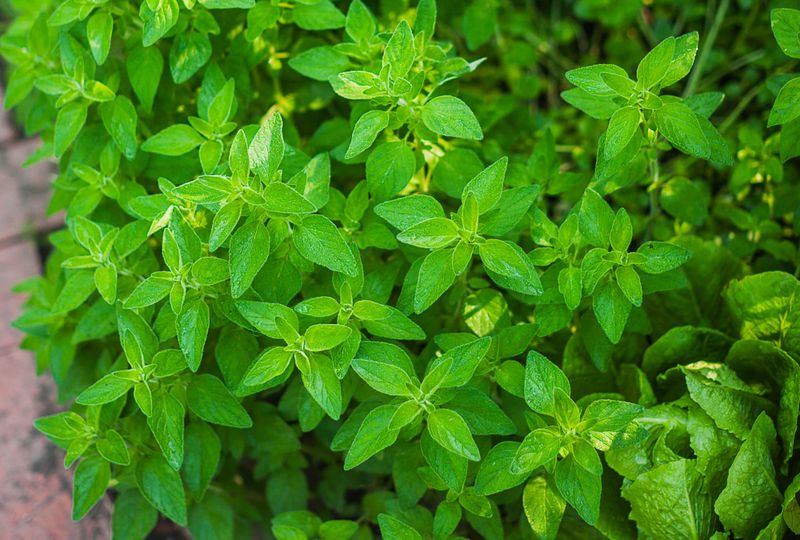
Walk through an Ohio herb garden in midsummer and you will likely catch the warm, earthy scent of oregano before you even spot it. Origanum vulgare is a spreading perennial that handles Ohio winters with impressive toughness, going dormant in the cold months and bouncing back with enthusiasm each spring.
Its spreading habit means it fills in gaps quickly and requires very little encouragement to grow.
Oregano prefers well-drained soil and full sun, but it tolerates average garden conditions better than many herbs. Even in slightly clay-heavy spots, it tends to manage as long as water does not pool around the roots for extended periods.
Planting it on a slight slope or mixing in compost can help improve drainage where needed.
One practical tip most gardeners learn quickly: trim oregano back hard in late spring or early summer. Without pruning, it gets leggy and woody, producing fewer of the flavorful leaves you want for cooking.
Your Ohio Garden Changes Every Week. Your Plan Should Too.
Gardening in Ohio changes quickly throughout the season. Every Friday you’ll receive a simple weekly plan showing exactly what to plant, prune, fertilize, harvest, and protect so you never miss the right timing.
Cutting it back by about one-third encourages fresh, bushy growth. Oregano also attracts pollinators when it flowers, which is a bonus for any garden.
It is a low-drama, high-reward herb that suits Ohio’s unpredictable climate surprisingly well.
3. Thyme Stays Low And Thrives In Well-Drained Soil
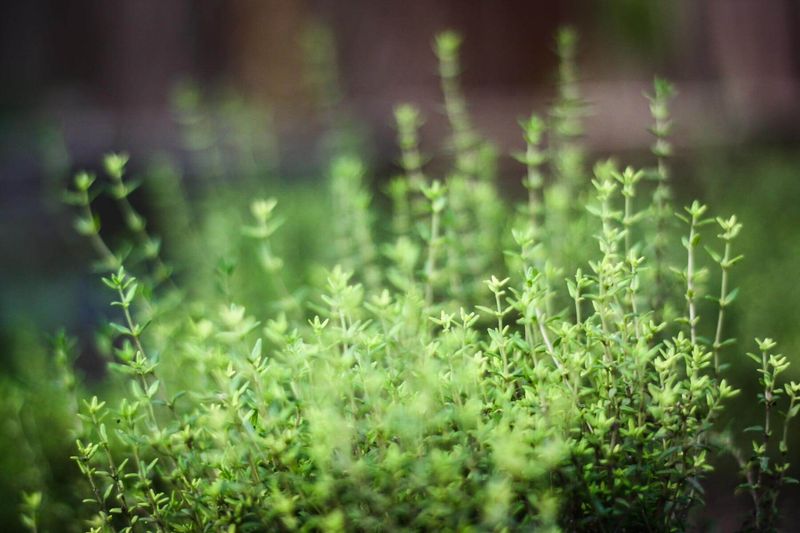
Tucked between stepping stones or spilling over the edge of a raised bed, thyme has a way of looking completely at home in a well-designed Ohio garden. Thymus vulgaris is a compact, woody perennial that handles cold temperatures with ease, but it has one firm requirement: excellent drainage.
Without it, thyme struggles through Ohio winters, especially when wet soil freezes and thaws repeatedly around the roots.
Heavy clay soil is one of thyme’s biggest challenges in Ohio. If your yard has dense clay, planting thyme directly into the ground without amending the soil is risky.
Raised beds, sandy mixes, or gravelly spots give thyme the drainage it needs to survive. Many Ohio gardeners find that slopes or elevated garden areas work especially well for keeping thyme happy year after year.
Full sun is non-negotiable for thyme. It needs at least six hours of direct sunlight daily to stay healthy and flavorful.
In shadier spots, growth becomes weak and the plant loses much of its aromatic quality. Trimming lightly after flowering keeps it tidy and productive.
Thyme is a culinary staple with a long history in cooking, and once properly sited in an Ohio garden, it rewards you with years of steady, fragrant growth.
4. Mint Returns Strong Every Year And Grows Almost Anywhere
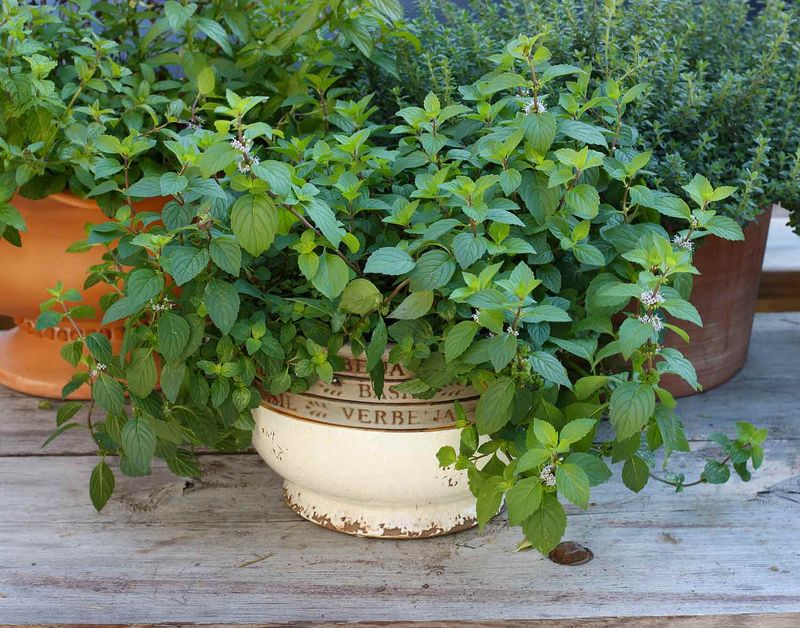
If there is one herb that truly does not need any coaxing to come back, it is mint. Mentha spp. is so determined to grow that most Ohio gardeners end up trying to contain it rather than encourage it.
It tolerates a wide range of soils, handles shade better than most herbs, and even does well in moist conditions that would stress other plants. Ohio’s clay-heavy yards?
Mint handles them just fine.
The aggressive spreading habit of mint is both its greatest strength and its biggest challenge. Underground runners called rhizomes allow mint to travel far beyond where you originally planted it, popping up in unexpected spots throughout the garden.
Planting mint in containers or sinking a barrier into the ground around it keeps it from taking over neighboring plants.
Mint comes in a surprising range of flavors including spearmint, peppermint, apple mint, and chocolate mint, so there is plenty of variety to explore. It prefers moist soil and partial shade, though it grows in full sun too with a little extra water.
Cut it back regularly to keep it from getting too tall and woody. Few herbs are this forgiving and productive in Ohio gardens across all kinds of growing conditions.
5. Lemon Balm Reseeds And Comes Back With Little Care
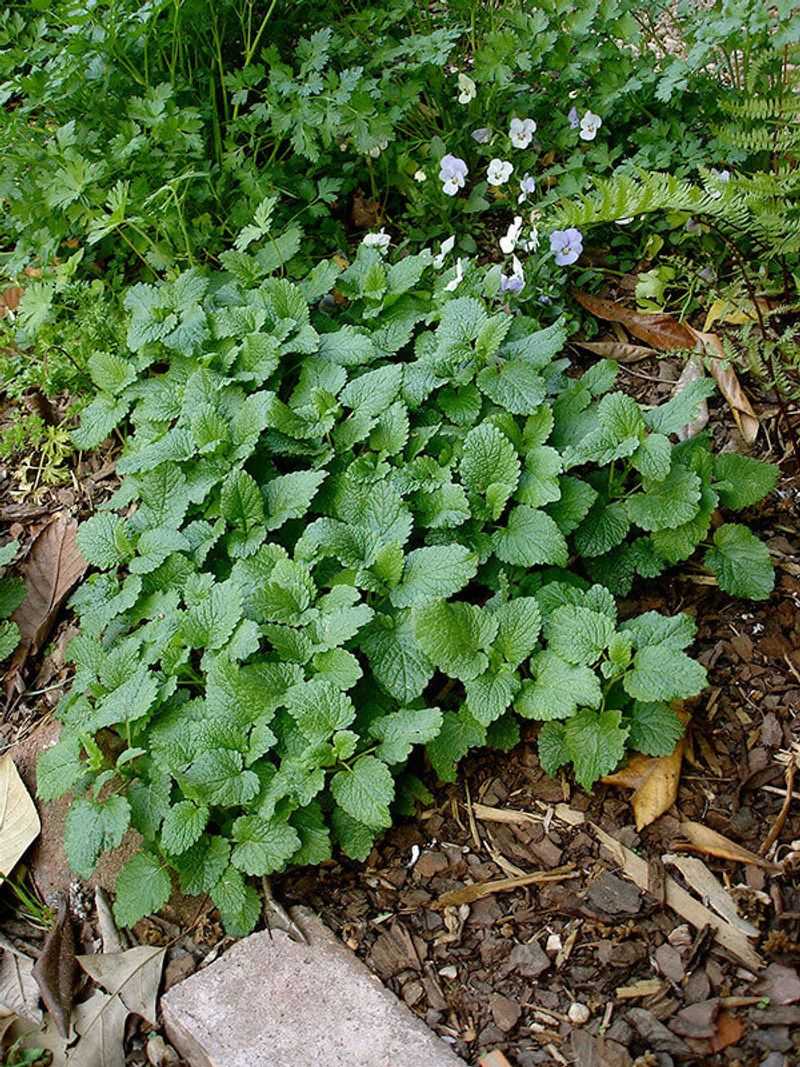
Rub a leaf between your fingers and you will instantly understand why lemon balm has been a garden favorite for centuries. Melissa officinalis produces a fresh, clean lemon scent that makes it popular for teas, cooking, and even homemade remedies.
In Ohio, it is a reliable perennial that returns each year both through its established root system and by freely dropping seeds around the garden.
Cold tolerance is one of lemon balm’s strong suits. It handles Ohio winters well, going dormant and then resprouting in spring with little fanfare.
It adapts to a range of soil types, including average to slightly poor soils, and does not demand the strict drainage requirements that herbs like thyme or lavender need. That flexibility makes it a genuinely easy-care plant for Ohio gardeners.
The main thing to watch with lemon balm is its tendency to spread. It self-seeds generously, and if you let it go to flower without deadheading, you may find dozens of seedlings popping up around the original plant the following year.
Cutting it back after flowering limits unwanted spread. Dividing established clumps every few years also keeps plants vigorous.
For gardeners who want a fragrant, productive herb with minimal fuss, lemon balm delivers season after season.
6. Sage Handles Cold Weather And Dry Conditions Once Established
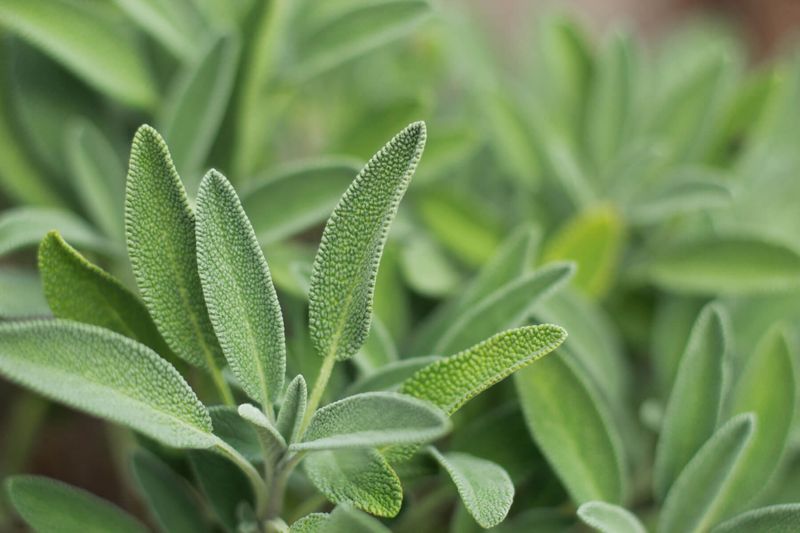
There is something almost sculptural about a well-established sage plant, with its silvery-green leaves and upright woody stems catching the afternoon light. Salvia officinalis is a moderately cold-hardy perennial that performs well in Ohio’s Zones 5 and 6, though its survival through winter depends heavily on soil conditions.
Wet, poorly drained soil is the main threat to sage in Ohio, particularly during the freeze-thaw cycles that are common from late winter into early spring.
Sage thrives in full sun and prefers soil that drains freely. Once established, it handles dry spells with ease and rarely needs supplemental watering.
Avoiding low-lying spots where water tends to collect is important, especially heading into winter. Raised beds or sloped areas with amended soil give sage the best chance of returning reliably year after year.
Pruning sage lightly in early spring, once new growth appears, helps remove any winter-damaged wood and encourages fresh, bushy growth. Avoid cutting into old woody stems too aggressively, as this can stress the plant.
Sage is a culinary classic used in stuffing, sauces, and roasted dishes, and its purple flowers in early summer attract bees. With the right placement, sage becomes a long-lived, low-effort fixture in any Ohio herb garden.
7. Lavender Needs The Right Spot But Comes Back Reliably
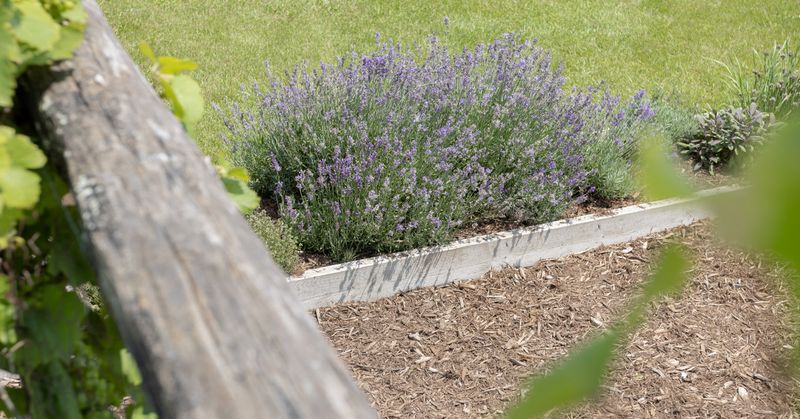
Lavender is one of those herbs that inspires real devotion, but Ohio gardeners need to go in with realistic expectations. Lavandula angustifolia, specifically cold-hardy varieties like Hidcote or Munstead, can survive Ohio winters, but survival is not guaranteed without the right growing conditions.
Drainage is the single most critical factor. Lavender sitting in wet or clay-heavy soil through winter is unlikely to make it to spring.
Heavy clay soil, which is common across much of Ohio, is one of lavender’s biggest enemies. Water that pools around the roots during winter freezes causes serious damage.
Planting lavender in raised beds, on slopes, or in gravelly, sandy soil dramatically improves its odds. Adding coarse sand or pea gravel to the planting area helps water move away from the roots quickly.
A light layer of mulch applied after the ground freezes can also offer some insulation without trapping moisture.
Full sun, at least six to eight hours daily, is non-negotiable. Lavender planted in shadier spots weakens over time and becomes more vulnerable to cold damage.
Choosing proven cold-hardy varieties and giving them excellent drainage gives Ohio gardeners the best shot at reliable returns. When sited correctly, lavender rewards you with stunning fragrant blooms and years of beauty.
8. Tarragon Returns Each Year With Minimal Maintenance
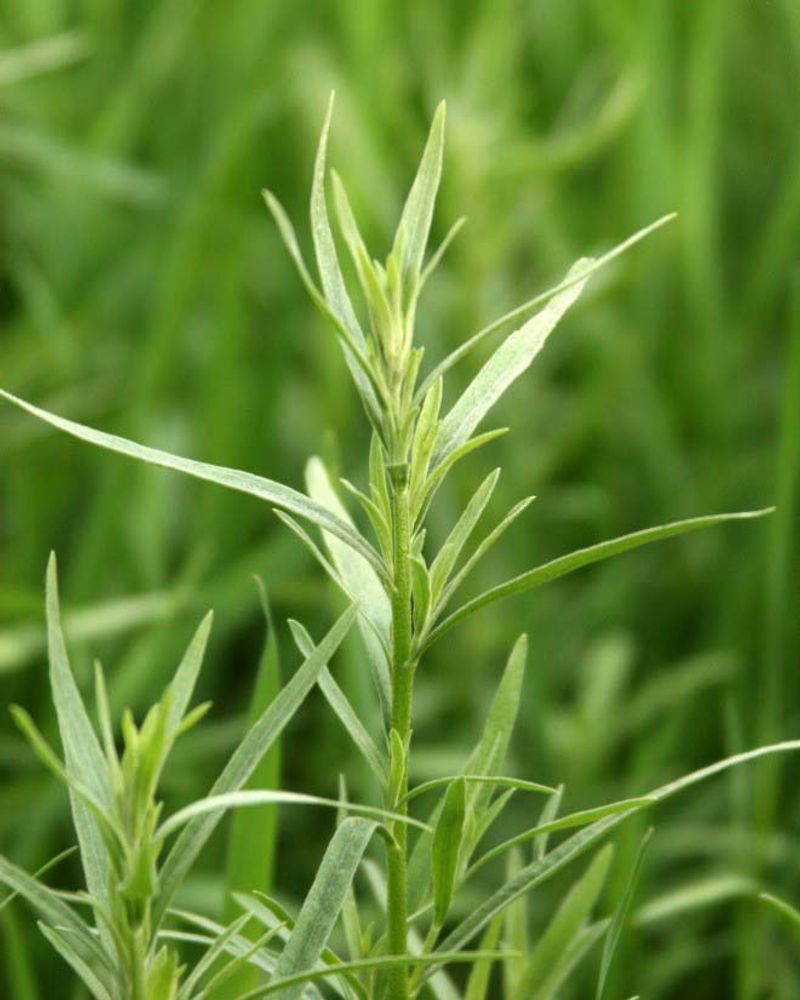
French tarragon has a quietly sophisticated flavor that makes it a staple in classic cooking, and it is hardier than many gardeners expect. Artemisia dracunculus, specifically the French variety, is the one worth growing for culinary use.
Russian tarragon is often easier to find at garden centers but lacks the rich anise-like flavor that makes French tarragon so prized. Seeking out true French tarragon, which is propagated by cuttings rather than seed, is worth the extra effort.
In Ohio, French tarragon is reliably perennial in Zones 4 through 7, but wet soil is its biggest vulnerability. Poorly drained clay soil holds moisture around the roots during winter, which can cause the plant to fail before spring arrives.
Well-drained soil is not just a preference for tarragon, it is a survival requirement. Raised beds, sandy loam, or spots with naturally good drainage give it the best foundation.
Tarragon prefers full sun and grows to about two feet tall in a single season. It rarely needs fertilizing and does not require frequent watering once established.
Cutting stems back in fall after frost and removing any declined material helps keep the bed tidy heading into winter. Gardeners who site tarragon correctly will find it returns dependably each spring with very little intervention needed.