Why Bird Feeders Can Cause More Wildlife Problems In Michigan Yards In Spring
As spring arrives in Michigan, bird feeders come back to life with color and activity. After months of cold weather, it feels great to see birds gathering again and bringing energy back to your yard.
But while feeders attract the visitors you want, they can also invite a few you did not plan for. Warmer days mean more animals are active and searching for food, and a steady supply of seed can quickly draw attention.
Spilled seed, crowded feeding areas, and easy access can turn a simple setup into a hotspot for unwanted wildlife. What starts as a way to enjoy birds can lead to bigger issues around your yard if it is not managed carefully.
The good news is that small changes can make a big difference. Once you understand what causes these problems, you can keep your feeders active while avoiding extra trouble this spring.
1. Spilled Seed Attracts Rodents As Snow Melts
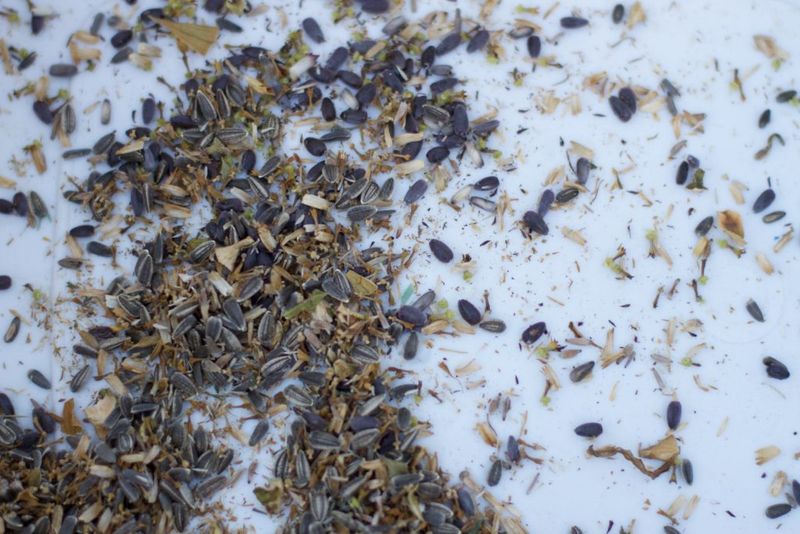
All winter long, seed falls from your feeder and gets buried under layers of snow. Once Michigan temperatures start rising and that snow melts away, all that leftover seed becomes fully exposed on the ground.
What looks like a small mess to you looks like a free buffet to mice, voles, and other small rodents.
These animals are actively searching for food in early spring after a long, cold season. A consistent pile of sunflower seeds or millet right beneath your feeder is exactly the kind of reliable food source that keeps them coming back every single day.
Gardeners in Michigan often notice small tunnels or runways in the soil near their feeders as a clear sign that rodents have moved in.
The best thing you can do is clean up spilled seed regularly, at least a few times each week during spring. Switching to no-waste seed blends, which contain hulled seeds that birds eat completely, can dramatically reduce the mess on the ground.
You can also place a tray beneath your feeder to catch falling seed before it hits the soil. Keeping the area tidy is one of the simplest and most effective ways to make your Michigan yard less appealing to rodents while still enjoying all the birds that visit your feeder each spring morning.
2. Feeding Stations Draw Deer Into Landscapes
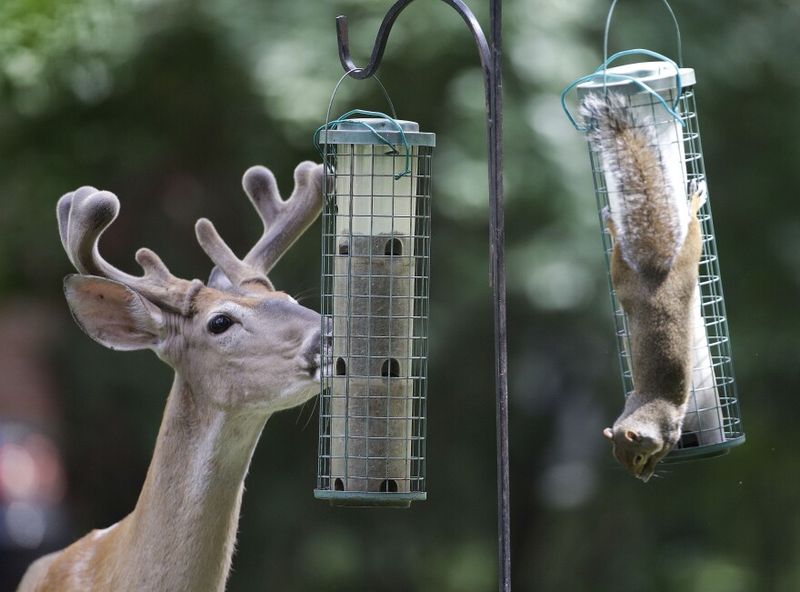
Deer in Michigan spend the entire winter surviving on very limited food, so when spring arrives, they are hungry and on the move. A bird feeder loaded with corn, sunflower seeds, or mixed grains is almost impossible for a deer to resist.
Once a deer discovers your feeding station, it will return again and again, often bringing others along with it.
The real problem starts when deer begin browsing on everything around the feeder. Freshly emerging perennials, young shrubs, and early spring bulbs are all fair game once deer feel comfortable in your yard.
Suburban and rural Michigan homeowners tend to notice this pattern most, especially in neighborhoods that border wooded areas or open fields where deer populations are naturally higher.
Your Michigan Garden Changes Every Week. Your Plan Should Too.
Gardening in Michigan changes quickly throughout the season. Every Friday you’ll receive a simple weekly plan showing exactly what to plant, prune, fertilize, harvest, and protect so you never miss the right timing.
Moving your feeder away from garden beds is a smart first step to protect your plants. Hanging feeders higher off the ground makes it harder for deer to access the seed directly.
Adding motion-activated lights or sprinklers near garden areas can discourage deer from lingering too long. Planting deer-resistant species around the edges of your yard also helps create a natural barrier.
Being thoughtful about feeder placement and the type of seed you use goes a long way toward keeping your Michigan landscape looking beautiful all through spring without turning your yard into a deer dining destination.
3. Squirrels And Chipmunks Become More Active Around Feeders
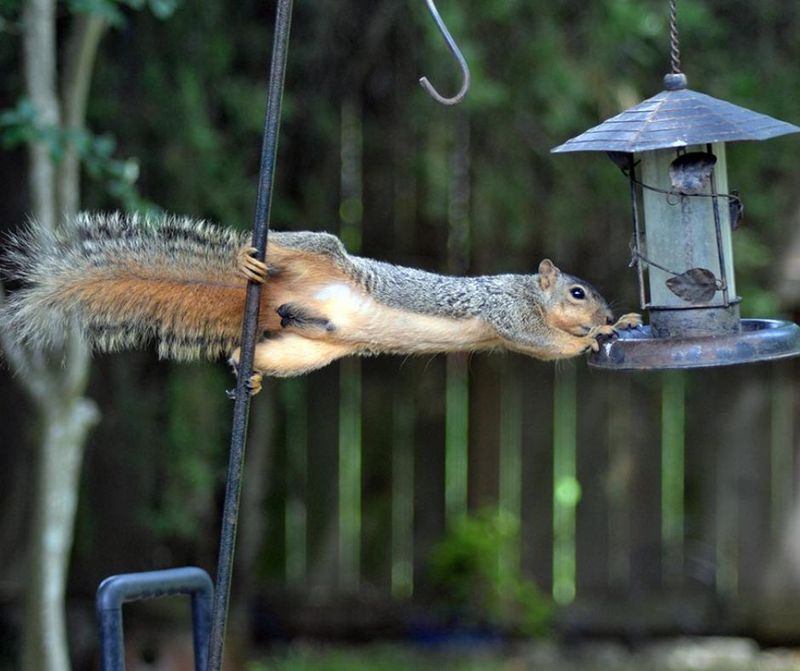
Squirrels and chipmunks are incredibly resourceful, and a well-stocked bird feeder is basically their dream come true.
As Michigan winters fade and temperatures climb, these animals wake up full of energy and immediately start looking for the easiest food sources available. Your bird feeder is usually at the very top of their list.
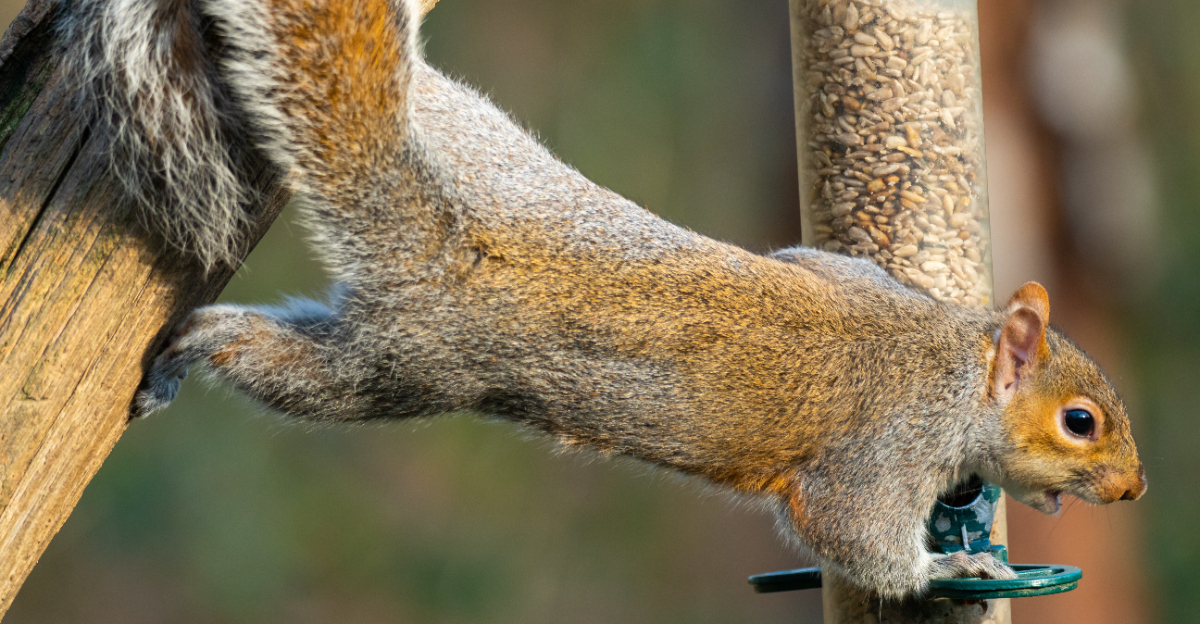
Squirrels are especially bold around feeders, often chasing birds away and emptying a feeder in just a few hours. Chipmunks tend to work closer to the ground, gathering fallen seed and stuffing their cheeks to carry it back to their burrows nearby.
Both animals become noticeably more active around feeders starting in early spring, and their digging and burrowing habits can seriously disrupt garden beds, flower borders, and even vegetable plots in Michigan yards.
Using squirrel-proof feeders with weight-sensitive perches can help protect your birdseed from being drained too quickly. Placing feeders on smooth metal poles makes it harder for squirrels to climb up.
Offering safflower seed is another great trick since birds love it but most squirrels tend to avoid it. Keeping a tidy area around your feeder and removing fallen seed daily also reduces the appeal for chipmunks.
A little planning goes a long way toward keeping your Michigan backyard enjoyable for birds without turning it into a full-time snack station for every furry neighbor in the area.
4. Ground Feeding Encourages Unwanted Animal Traffic
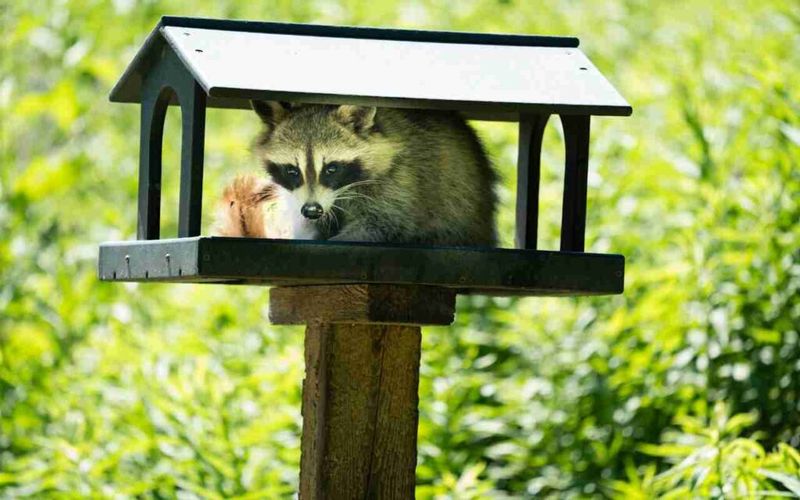
Every time seed falls from a feeder and lands on the ground, it creates an open invitation for a whole range of animals to visit your yard.
In Michigan, spring brings increased activity from raccoons, opossums, skunks, and even wild turkeys, all of which are happy to clean up whatever hits the dirt beneath your feeder.
What starts as a small seed spill can quickly turn into a regular gathering spot for wildlife you never intended to attract.
Repeated animal traffic through the same area causes real problems for your landscape. Animals following the same path repeatedly will wear down grass, compact the soil, and trample any nearby plants trying to grow in spring.
Raccoons and skunks are especially notorious for digging into the soil around feeders while searching for grubs and insects that are also drawn to the food-rich environment.
One of the most effective solutions is switching to a tube feeder with a built-in seed catcher tray that keeps seed off the ground entirely. Cleaning up beneath your feeder every day or two prevents seed from piling up and becoming a permanent attraction.
You can also try raking the area regularly to break up any worn paths that animals have started using.
Thoughtful feeder management in your Michigan yard during spring makes a big difference in how much unwanted animal traffic you end up dealing with throughout the season.
5. Feeders Near Cover Create Safe Access For Wildlife
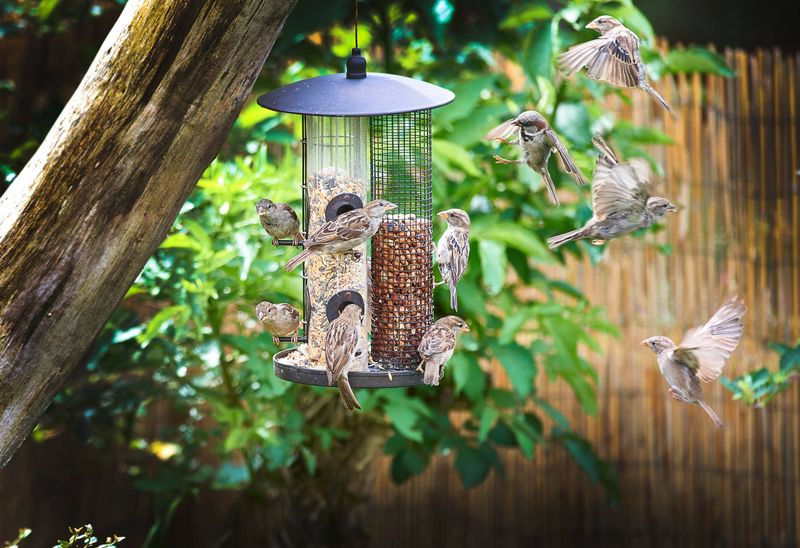
Where you hang your bird feeder matters just as much as what you put inside it. Placing a feeder directly next to a woodpile, dense shrubs, or a fence line gives wildlife a convenient hiding spot right next to a food source.
Animals feel much safer feeding when they have quick access to cover, which means they will spend more time in your yard and become bolder over time.
In Michigan, spring is the season when wildlife activity peaks dramatically. Animals that have been laying low through winter start exploring more, and a feeder positioned near natural cover becomes a hotspot for all kinds of visitors.
Mice and chipmunks will nest inside woodpiles close to feeders. Rabbits will shelter under dense shrubs and emerge regularly to grab fallen seed from the ground nearby.
Moving your feeder at least ten feet away from dense vegetation, fences, and structures removes that sense of security that wildlife depends on.
Birds are comfortable flying short distances to feed in the open, but many mammals prefer not to venture far from cover. An open placement also gives you a clearer view of what is visiting your feeder each day.
Regularly clearing brush and debris near feeding areas in your Michigan yard is another simple way to reduce the number of animals that feel comfortable setting up camp right next to your feeder all spring long.
6. Leftover Hulls And Waste Build Up In Garden Beds
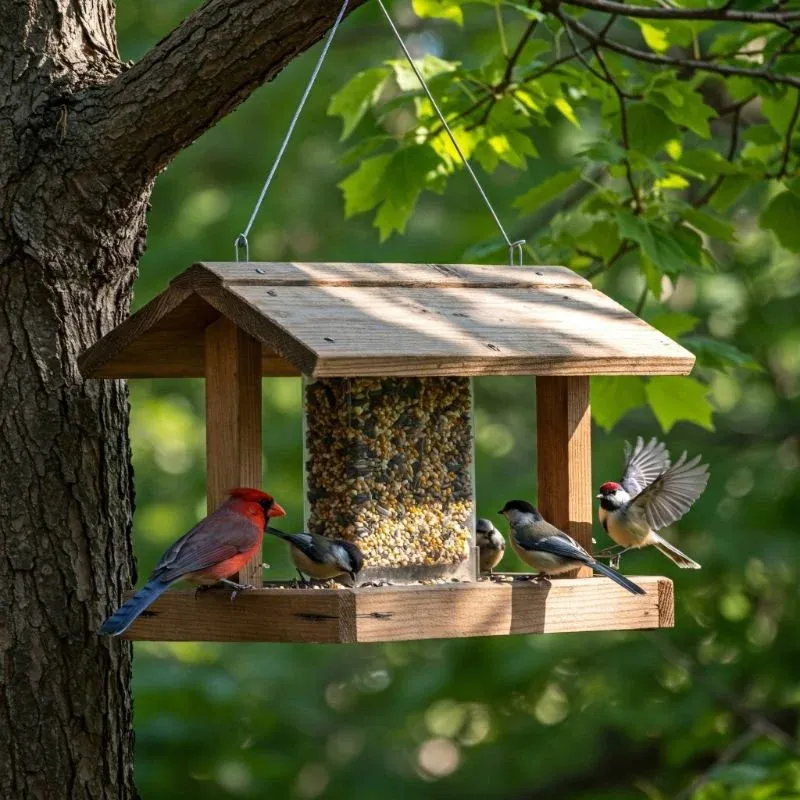
Sunflower seed hulls are one of the most overlooked problems that come with bird feeding in Michigan. Birds crack open seeds and drop the hulls right below the feeder, and over weeks and months, those hulls pile up into a thick layer that can smother the soil beneath.
When spring arrives, gardeners often discover that a dense mat of hulls has formed right where they were hoping new plants would grow.
The issue goes beyond just appearance. Sunflower hulls contain natural compounds that can actually slow or prevent the germination of other plants, which is something many gardeners in Michigan find out the hard way when their spring seeds fail to sprout.
Wet, compacted hull buildup also creates conditions where mold and fungus thrive, which can spread to nearby healthy plants and soil.
Raking and removing hull buildup every two to three weeks during spring keeps your garden beds healthy and gives new growth the best possible start. Placing a solid tray or catchment platform under your feeder collects much of the waste before it reaches the soil.
You can also choose hulled sunflower chips for your feeder, which means birds eat the entire seed and produce almost no waste at all.
A little extra attention to cleanup in your Michigan yard this spring can make a noticeable difference in how well your garden performs through the entire growing season.
7. Consistent Feeding Disrupts Natural Foraging Patterns
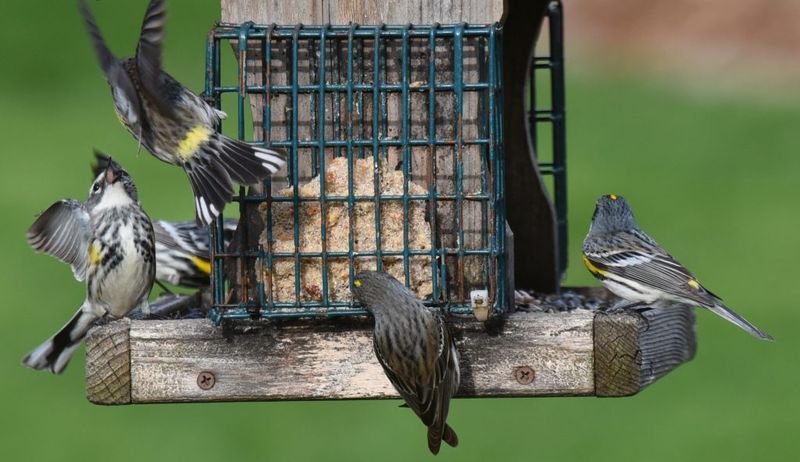
Bird feeders are wonderful for watching wildlife up close, but they can quietly change the way animals behave in your Michigan neighborhood over time.
When a reliable food source is always available, both birds and small mammals stop spending as much energy searching for natural food.
They learn that your yard is the easiest place to eat, and they start organizing their entire daily routine around your feeder.
For birds, this shift can reduce the time they spend foraging through natural vegetation, which is actually an important part of how they find insects, berries, and native seeds that keep local ecosystems balanced.
For mammals like squirrels and raccoons, regular feeder access can encourage them to stay in residential areas of Michigan rather than ranging through their natural habitats.
Over a full spring season, this behavioral change becomes very noticeable to neighbors who suddenly find more wildlife in their yards than ever before.
Taking short breaks from filling your feeder every few weeks encourages birds and animals to reconnect with natural food sources in the area.
Planting native Michigan shrubs and flowering plants around your yard provides a more natural and balanced food supply that supports wildlife without creating dependency.
Offering feeders seasonally rather than year-round is another approach that many Michigan wildlife experts recommend. Keeping nature in balance starts with small, thoughtful choices right in your own backyard each and every spring.
8. Feeding Areas Can Increase Territorial Conflicts
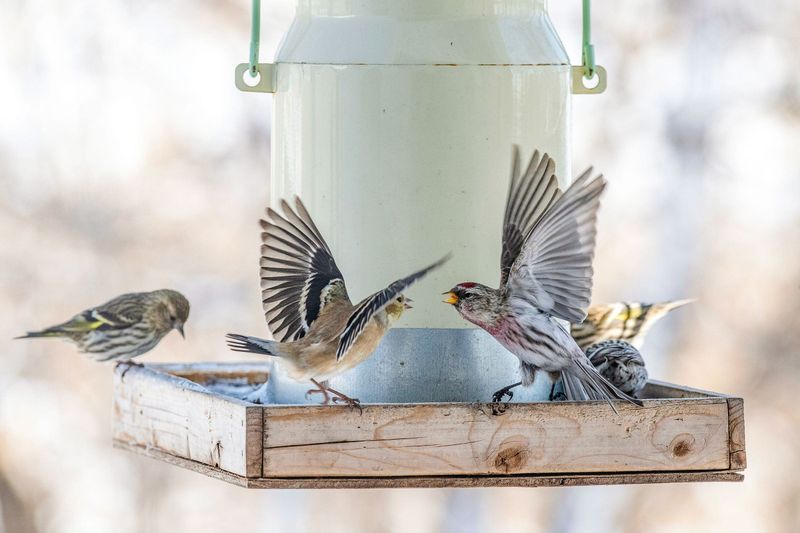
A single bird feeder packed with seed might seem like a generous gift to local wildlife, but it can actually spark serious competition among the animals that want access to it.
Squirrels, birds, and chipmunks all compete for the same space, and when food is concentrated in one spot, the tension between them rises quickly.
Michigan homeowners who watch their feeders closely in spring often notice chasing, pecking, and aggressive behavior happening multiple times throughout the day.
This increased competition does more than just stress out the animals. It creates a constant stream of activity and noise right in your garden area, which can be disruptive and even damaging to nearby plants.
Animals darting around in competition will knock over pots, trample seedlings, and disturb freshly turned garden soil.
Larger animals that feel threatened or cornered near a feeder may also become bolder around people, which raises safety concerns for families with small children or pets in Michigan yards.
Spreading out multiple smaller feeders across different areas of your yard reduces the pressure that builds up around a single feeding station. Offering different types of food at each station naturally attracts different species and spreads out the activity more evenly.
Positioning feeders with enough space between them gives animals room to feed without feeling crowded.
Managing feeder placement thoughtfully each spring keeps your Michigan yard peaceful, your garden protected, and your backyard wildlife watching experience genuinely enjoyable for the whole family.