How Texas Gardens Benefit From Ladybugs As Natural Pest Control
Anyone who has spent time tending a Texas garden knows how quickly pests can show up. One week everything looks healthy, and the next you notice leaves curling, sticky residue, or tiny insects spreading faster than expected.
It’s a familiar cycle that many gardeners deal with year after year, especially during long stretches of warm weather.
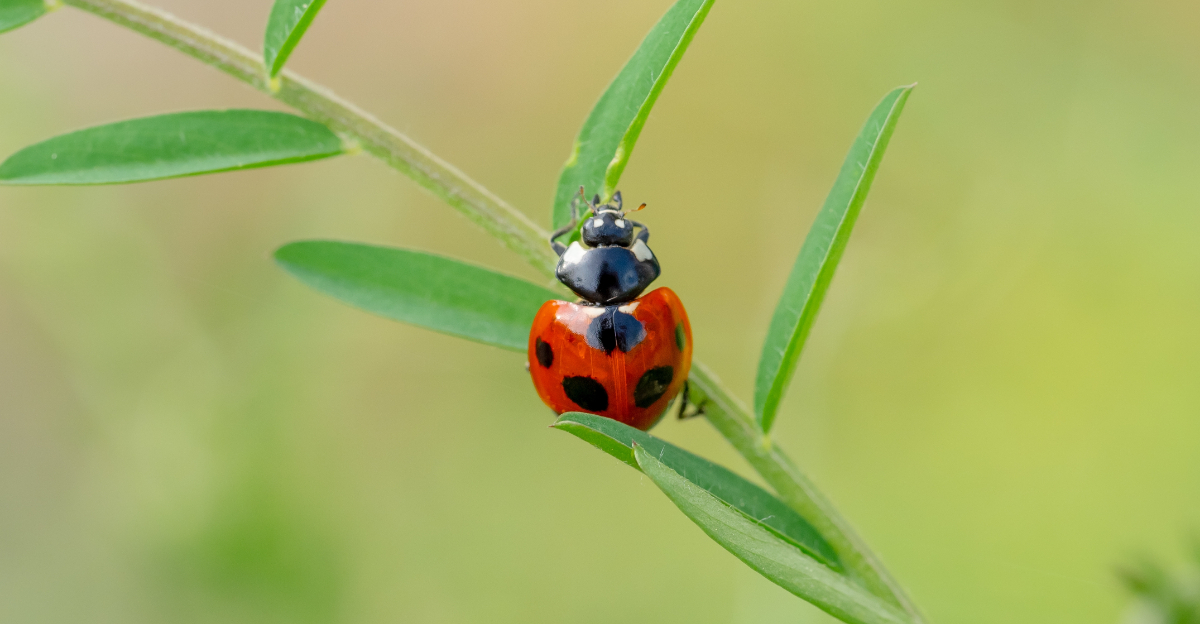
Ladybugs offer a quiet kind of help that often goes unnoticed at first. These small insects feed on common garden pests and tend to show up right when populations begin to build.
In Texas, where warm weather stretches across much of the year, their presence can make a noticeable difference without extra effort and help keep plants looking healthier over time.
You might already have them in your garden without realizing it, and once you see where they gather, it changes how you look at pest problems moving forward and what you expect to see next.
1. Keeping Aphids Under Control Naturally
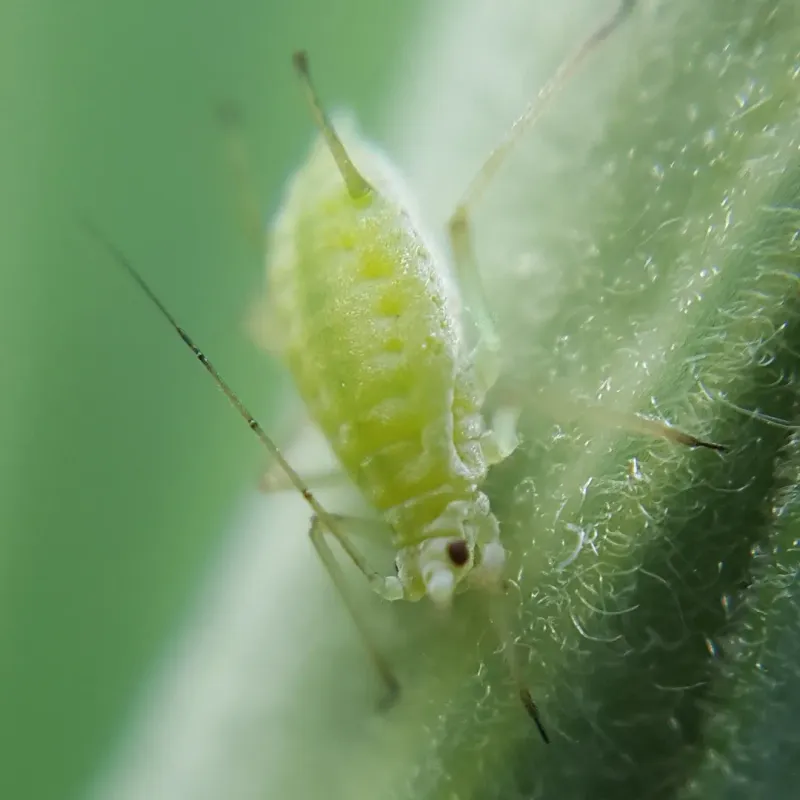
Few garden pests cause as much frustration for Texas gardeners as aphids. These tiny, soft-bodied insects cluster on stems and leaves in massive numbers, sucking out plant sap and leaving behind a sticky mess that weakens even the healthiest plants.
Roses, tomatoes, peppers, and squash are just a few of the crops that suffer badly when aphid populations get out of hand.
Ladybugs are one of the most effective natural solutions available. A single adult ladybug can consume a large number of aphids over its lifetime, though exact numbers vary by species and conditions.
Even ladybug larvae, which look like tiny orange and black alligators, are hungry hunters that target aphids aggressively from the moment they hatch.
Attracting ladybugs to your Texas garden does not require much effort. Planting nectar-rich flowers like dill, fennel, and zinnias near your vegetable beds gives ladybugs a reason to stick around.
Avoiding broad-spectrum pesticides is equally important, since those sprays often wipe out the beneficial insects you actually want. Once ladybugs find a reliable food source, they tend to stay put and keep working on your behalf.
Gardeners in Texas have a real advantage here because the warm climate supports ladybug activity for much of the year. Spotting them early in the growing season is a great sign that your garden has a natural defense system already in place.
Encouraging that system costs nothing and delivers results that chemical treatments often struggle to match consistently.
2. Helping Knock Back Sticky Scale Problems
Scale insects are sneaky little troublemakers that attach themselves to plant stems and branches, hiding under waxy shells while they slowly drain the life from your garden. Many Texas gardeners first notice scale problems when they spot yellowing leaves or see a shiny, sticky residue on their plants known as honeydew.
Left unchecked, scale infestations can spread across fruit trees, ornamental shrubs, and landscape plants with surprising speed.
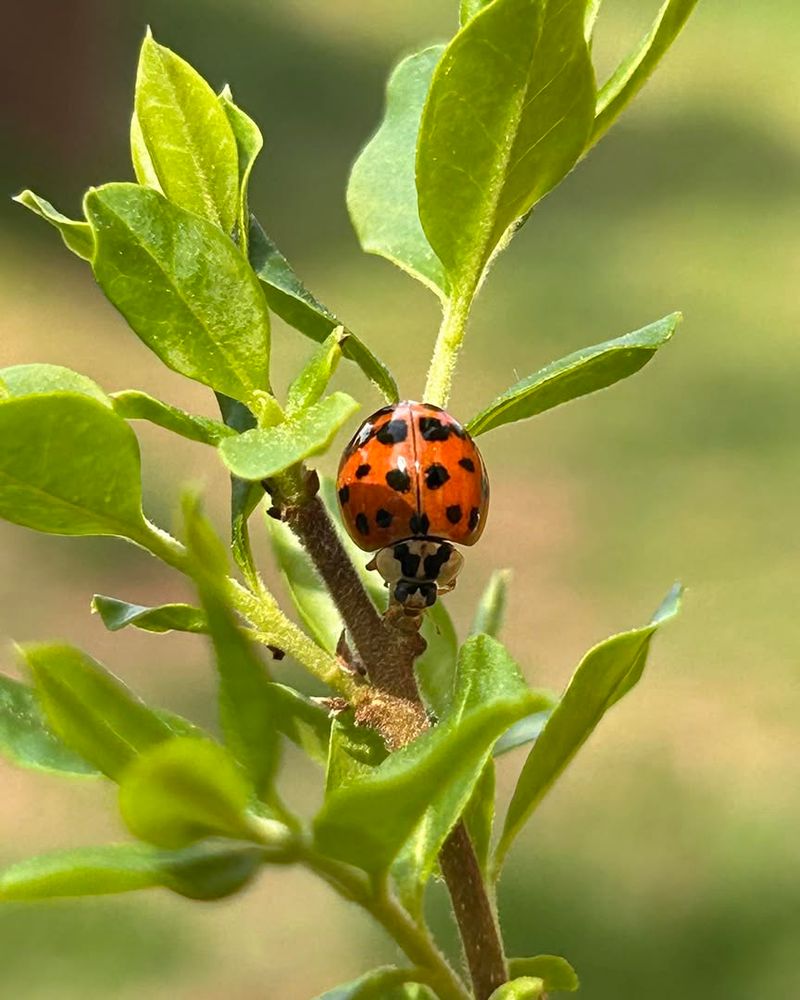
Some ladybug species, including the mealybug destroyer, feed on soft-bodied pests such as mealybugs and certain scale insects, though effectiveness can vary by species. They chew through the outer coating and consume the pest underneath, working steadily through an infestation without any help from you.
Your Texas Garden Changes Every Week. Your Plan Should Too.
Gardening in Texas changes quickly throughout the season. Every Friday you’ll receive a simple weekly plan showing exactly what to plant, prune, fertilize, harvest, and protect so you never miss the right timing.
Watching them patrol your garden plants is genuinely satisfying once you understand what they are actually accomplishing.
In Texas, where the heat and humidity in regions like East Texas and the Gulf Coast can encourage scale outbreaks, having a healthy ladybug population provides real protection. You do not need to purchase ladybugs by the bag from a garden center, though that is an option.
Simply creating the right habitat by planting diverse flowering plants and reducing pesticide use will draw native ladybug species to your yard naturally.
One practical tip is to focus on overall plant health and habitat diversity, as reflective mulch effects on beneficial insects are not well established. Keeping your garden well-watered and properly pruned also helps prevent the stressed conditions that make plants more vulnerable to scale in the first place.
Ladybugs handle the rest with quiet efficiency.
3. Tackling Mealybugs Before They Spread
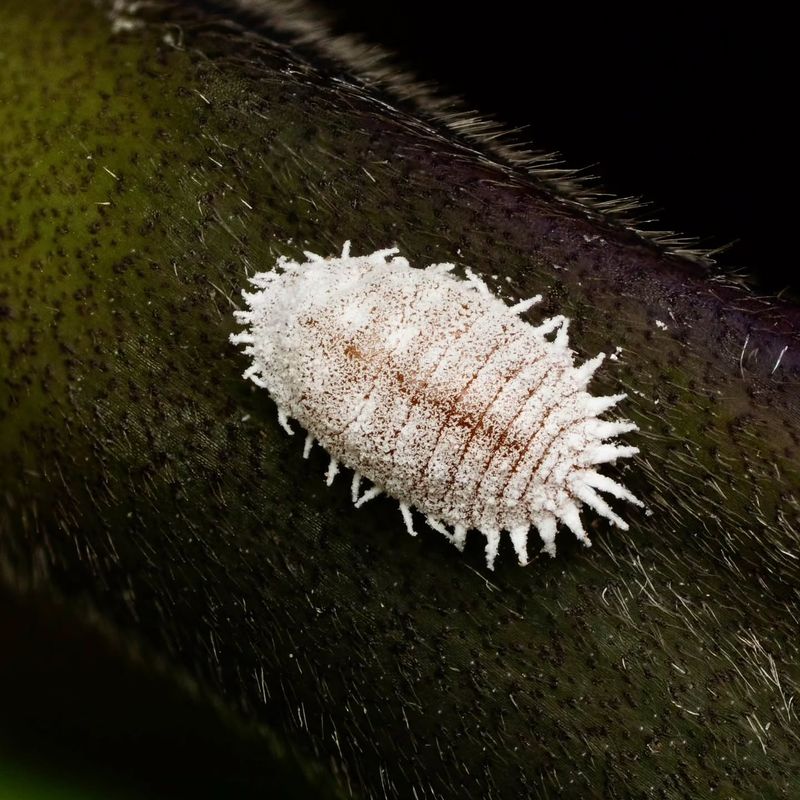
Mealybugs are among the most stubborn pests a Texas gardener can face. They look like tiny cotton puffs clustered along stems and leaf joints, and they spread from plant to plant faster than most people expect.
Succulents, citrus trees, houseplants moved outdoors for summer, and vegetable crops are all fair game for a mealybug invasion. The damage shows up as yellowing leaves, stunted growth, and that same sticky honeydew residue that attracts sooty mold.
Interestingly, a specific type of ladybug called the mealybug destroyer, or Cryptolaemus montrouzieri, was literally developed as a biological control agent for exactly this pest. These ladybugs are slightly larger than the common spotted variety and are incredibly effective at locating and consuming mealybug colonies before they can spread further across your garden.
For gardeners in central Texas cities like Austin and Round Rock, mealybug problems often spike during the hot summer months when plants are already stressed by the heat. Releasing or attracting mealybug destroyer ladybugs during early infestation stages can prevent a small problem from becoming a full-scale crisis.
The larvae of these ladybugs actually mimic the appearance of mealybugs themselves, giving them a clever advantage when moving through colonies undetected.
Keeping your garden free of excessive moisture buildup and removing heavily infested plant material early also supports your ladybug allies. Combining good cultural practices with a strong natural predator population gives your Texas garden the best possible shot at staying mealybug-free throughout the growing season without reaching for a chemical spray.
4. Reducing Spider Mite Damage In Hot Weather
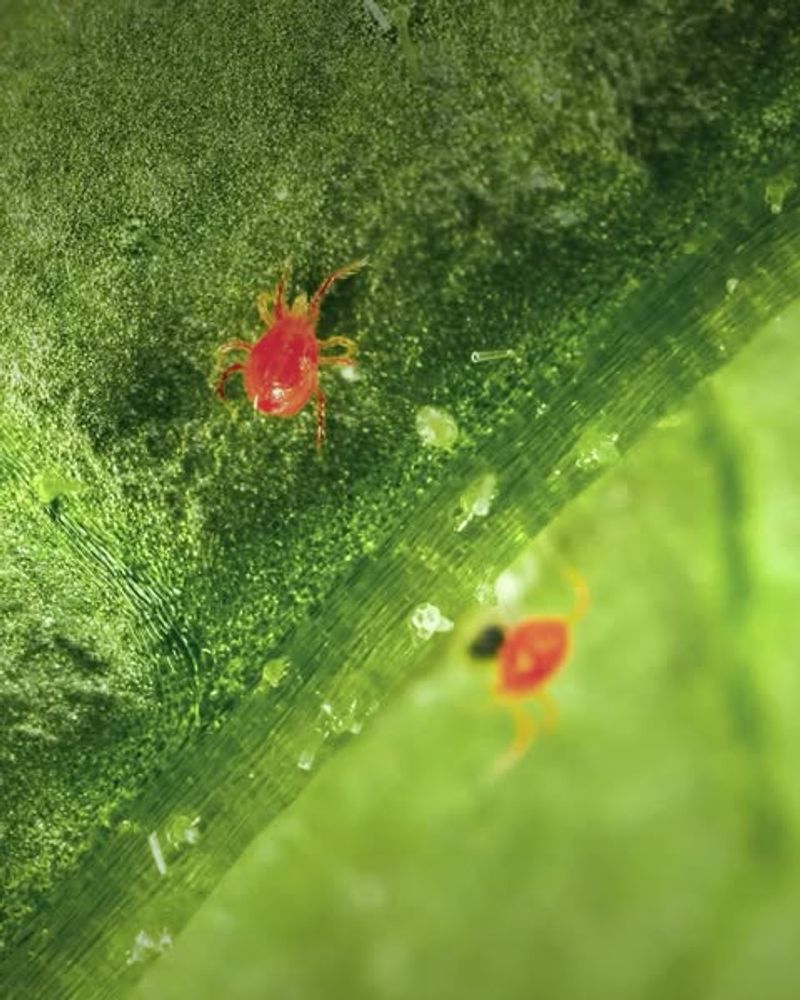
Spider mites are practically a Texas summer tradition, and not the fun kind. When temperatures climb into the triple digits across much of the state, these microscopic pests explode in population almost overnight.
They live on the undersides of leaves, spinning fine webbing and scraping away plant tissue until leaves look dusty, bronzed, and completely worn out. Tomatoes, beans, melons, and ornamental plants are especially vulnerable during brutal Texas heat waves.
Most gardeners reach for a spray at the first sign of spider mites, but that approach often makes things worse by harming the natural predators that would otherwise keep mite numbers in check. Some ladybug species may feed on spider mites and their eggs, though they are not the primary predators of mites compared to other beneficial insects.
Keeping a healthy ladybug population in your garden before mite season starts is one of the most effective prevention strategies available.
A practical way to support this is by reducing dust accumulation on plant leaves, since dusty conditions favor mite outbreaks. Regularly watering plants at the base and gently rinsing foliage in the morning helps.
Combining these habits with a garden environment that attracts and shelters ladybugs creates a natural defense system that is ready before the problem even begins.
Across the dry central and western regions of Texas, where heat stress on plants is intense from June through September, spider mite pressure can be relentless. Gardeners who support diverse beneficial insect populations often report improved pest balance, though results can vary depending on conditions and management practices.
Ladybugs genuinely earn their reputation as garden heroes during Texas summers.
5. Cutting Down The Need For Sprays
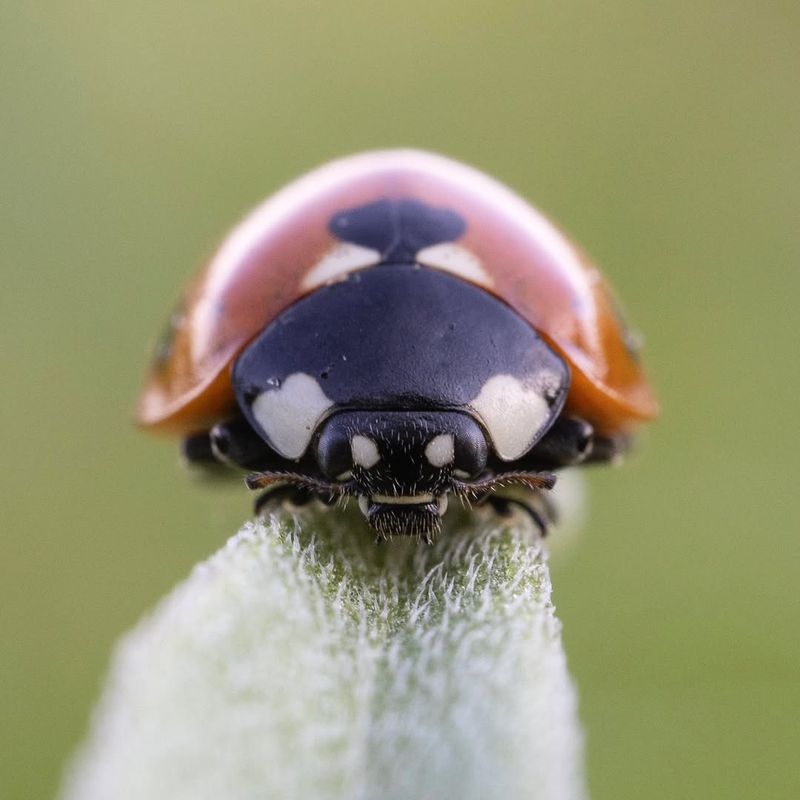
Walk through any Texas garden center and you will find entire aisles dedicated to pesticide sprays, dusts, and concentrates. Many of those products work in the short term, but they come with real trade-offs.
Broad-spectrum insecticides wipe out beneficial insects alongside the pests you are targeting, disrupting the natural balance that keeps your garden healthy over time. The more you spray, the more dependent your garden becomes on those interventions.
Ladybugs offer a genuinely different approach. When a garden supports a thriving ladybug population, pest outbreaks rarely reach the level where spraying feels necessary.
Aphid colonies get consumed before they explode, mealybug clusters get cleaned up early, and mite populations stay manageable. The result is a garden that largely takes care of itself through natural predator and prey relationships.
Texas A&M AgriLife Extension has long encouraged integrated pest management strategies for home gardeners across the state. Reducing chemical inputs while supporting beneficial insects is a core part of that approach.
Ladybugs fit perfectly into that framework because they are already native to Texas environments and do not need to be maintained the way a spray program does.
Switching to a more natural approach does take some patience. You may see a few aphids here and there before the ladybug population catches up, and that is perfectly normal.
Resist the urge to grab a spray bottle immediately. Giving your garden ecosystem time to respond naturally usually results in a more stable and resilient garden long-term, which saves money and reduces chemical exposure for your family and pets.
6. Bringing Balance Back To Your Garden
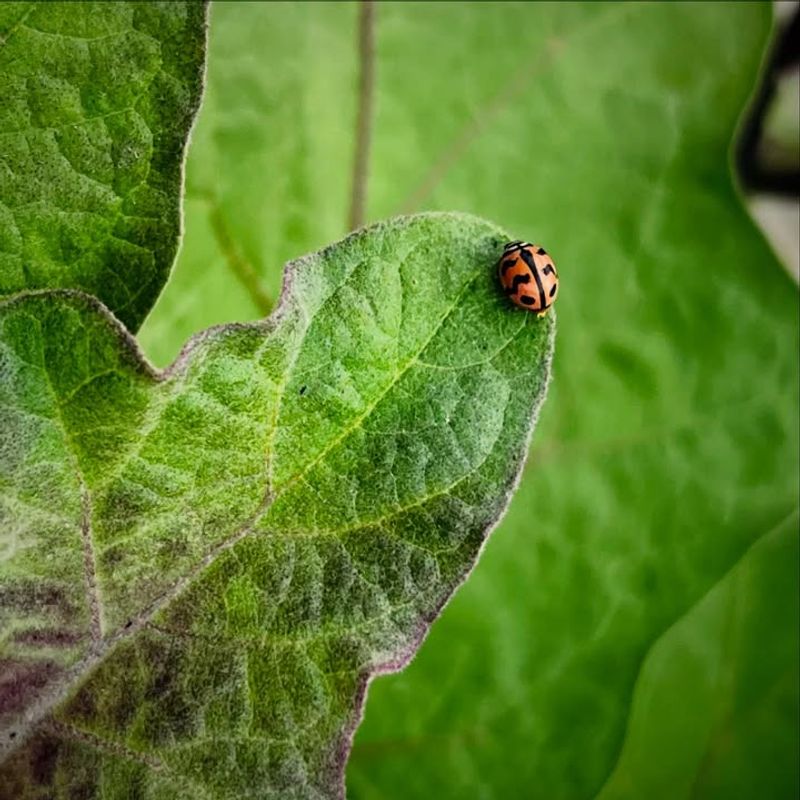
A garden that is truly in balance feels different from one that is constantly fighting one pest problem after another. Plants look stronger, flowers bloom more freely, and even the soil seems more alive.
Ladybugs are one of the clearest signs that a garden has reached that kind of healthy equilibrium. Their presence tells you that the ecosystem has enough diversity, enough food sources, and enough shelter to support a web of beneficial life.
Across Texas, from the piney woods of East Texas to the limestone hills of the Edwards Plateau, experienced gardeners describe noticing a turning point when they stopped treating their yards like battlegrounds and started thinking about them as habitats. Planting native wildflowers, leaving a little leaf litter in corners, and letting some herbs go to flower are all small steps that make a big difference for ladybug populations and the broader garden ecosystem.
Balance also means accepting that some pest activity is normal and even necessary. A garden with zero aphids would actually starve the ladybug population you worked hard to attract.
The goal is not elimination but management through natural relationships that have worked for millions of years before pesticides were ever invented.
Bringing that balance back to your Texas garden is a process that builds momentum over time. Each season with fewer sprays and more beneficial insects creates conditions that are even more favorable the following year.
Ladybugs are not just a quick fix. They are a sign that your garden is becoming the kind of living, breathing ecosystem that practically manages itself with just a little thoughtful support from you.