That Purple Weed In Your Texas Lawn Is Actually A Native Gem
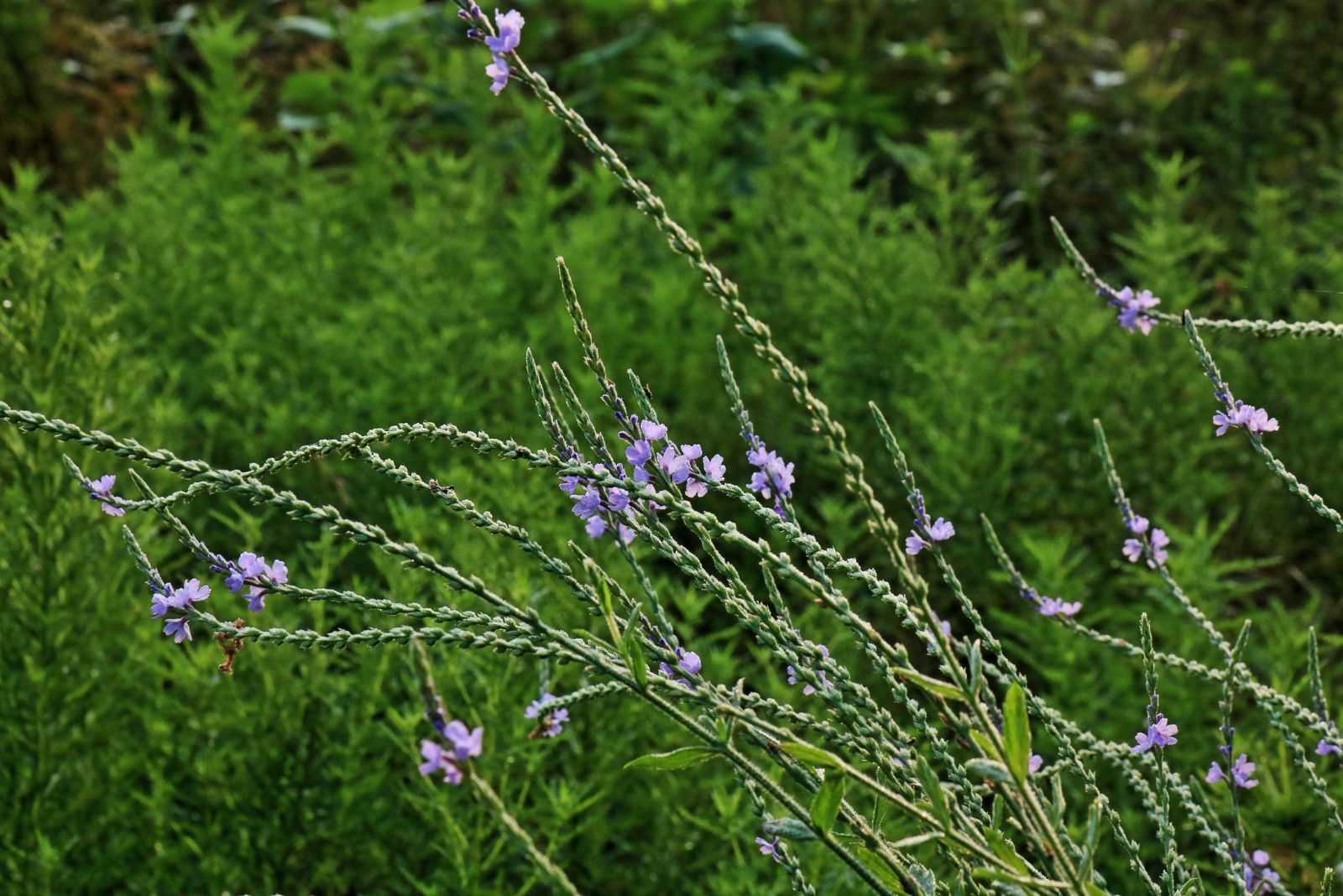
Most Texas homeowners see something purple spreading through their lawn and immediately start thinking about how to get rid of it. That reaction is understandable, but in this case it might be one of the bigger gardening mistakes you could make.
What looks like a weed taking over your yard is actually a native Texas wildflower with a long history in this landscape, one that pollinators absolutely love and that thrives in conditions most cultivated plants would struggle with.
It asks for nothing, needs no watering or fertilizing, and returns year after year on its own schedule.
The fact that it grows where grass is already thin or stressed means it is not competing with a healthy lawn, it is filling in where the lawn already gave up.
Before you reach for an herbicide, it is worth knowing exactly what you would be removing and what you would be losing along with it.
1. Texas Vervain Is The Purple Weed Texans Should Think Twice Before Pulling
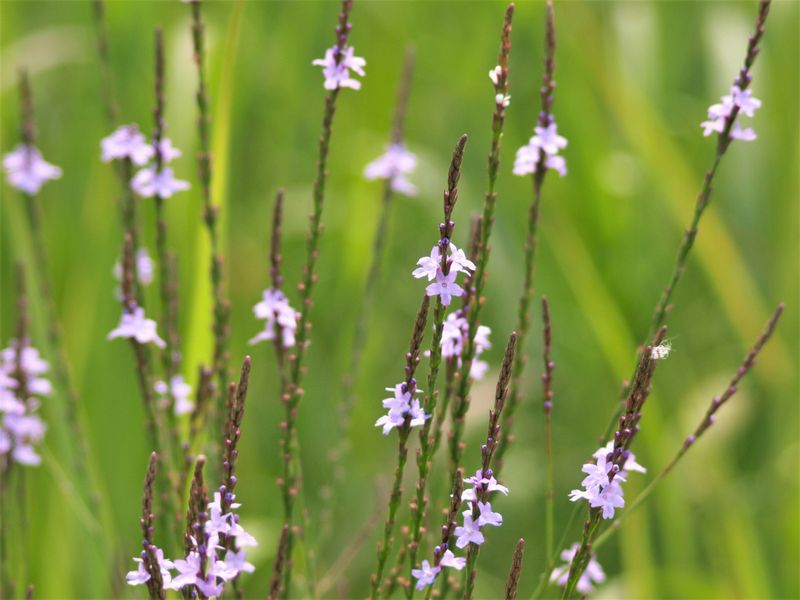
Picture this: you are mowing your lawn on a Saturday morning, and you notice a tall, scraggly plant with little purple flowers that you do not remember planting. Most people would yank it out without a second thought.
That reaction makes total sense, because Texas Vervain does not exactly look like something from a garden catalog. Its stems are rough, its leaves are not particularly showy, and it tends to show up uninvited.
But here is the thing. Texas Vervain, known scientifically as Verbena halei, is actually one of the most ecologically useful native plants in the entire state.
It has been growing wild across Texas fields, roadsides, and open spaces for thousands of years. It belongs here in a way that most store-bought ornamentals simply do not.
Many homeowners mistake it for a generic weed because it grows freely without being planted or watered.
Its casual, unstructured appearance does not scream “garden plant.” However, gardeners who know native plants recognize it immediately and often leave it alone on purpose.
Texas Vervain earns its place in any yard by doing something most fancy ornamentals cannot: it supports the local food web.
Its tiny purple blooms attract native bees, butterflies, and other pollinators that are essential to a healthy garden. Removing it means removing a resource that local wildlife actually depends on.
So next time you spot that purple-flowered plant creeping into your lawn, take a closer look. You might just decide it has earned its spot in your yard after all.
2. It Is Native To Texas
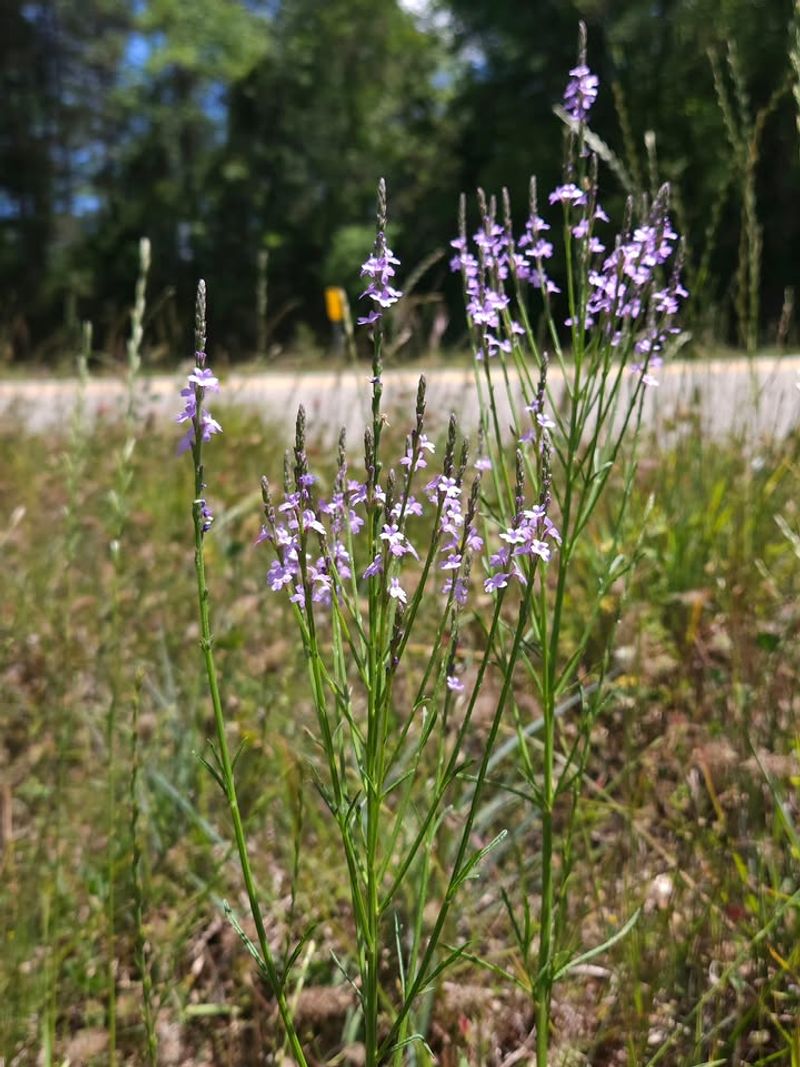
Not every plant that grows in Texas actually belongs in Texas. Plenty of popular landscaping plants were imported from other countries or regions, and while they may look pretty, they often struggle in the intense Texas climate.
Texas Vervain is a completely different story. It evolved right here, adapting over thousands of years to the specific soils, temperatures, and rainfall patterns found across the state.
You can spot it growing naturally in open fields, along roadsides, and in sunny meadows from Central Texas all the way to East Texas. It does not need someone to plant it, water it, or fertilize it.
Your Texas Garden Changes Every Week. Your Plan Should Too.
Gardening in Texas changes quickly throughout the season. Every Friday you’ll receive a simple weekly plan showing exactly what to plant, prune, fertilize, harvest, and protect so you never miss the right timing.
It simply shows up where conditions are right and does its thing. That level of independence is something most imported ornamental plants could never manage.
Being native means Texas Vervain has a deep relationship with the local environment. Its roots are suited to Texas soils.
Its growth cycle matches the local seasons. It even has built-in resistance to many of the pests and diseases that plague non-native plants. You are not fighting nature when you grow it. You are working with it.
Gardeners who are switching to native landscapes often discover Texas Vervain already growing in their yards. Rather than removing it, many choose to let it spread naturally and fill in bare patches.
It is a plant that essentially volunteers its own services at no cost. Choosing native plants like Texas Vervain is one of the smartest moves a Texas homeowner can make for a low-effort, high-impact yard.
3. It Attracts Butterflies And Pollinators
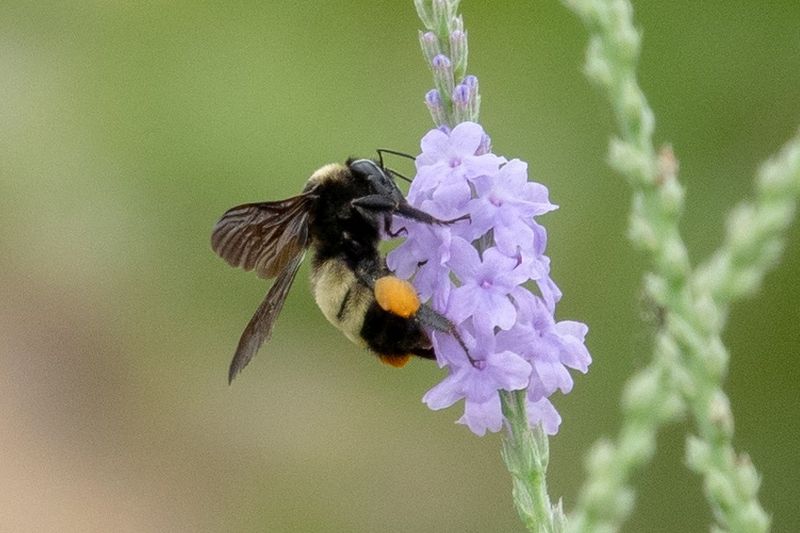
Watch a patch of Texas Vervain on a warm spring afternoon, and you will quickly notice the activity happening around those small purple spikes. Butterflies flutter from stem to stem.
Bees hover and dip into each tiny bloom. It can look like a miniature wildlife sanctuary right in the middle of an ordinary yard. That kind of pollinator traffic does not happen by accident.
Texas Vervain produces nectar that native bees and butterflies find irresistible. Species like the Gray Hairstreak and the Common Buckeye butterfly are known to visit it regularly.
Native bees, including small sweat bees and bumblebees, also rely on it as a nectar source during the spring and early summer blooming season.
Supporting pollinators matters more than most people realize. Bees and butterflies are responsible for pollinating a huge portion of the food we eat and the plants that make up healthy ecosystems.
When pollinator populations drop, the effects ripple through the entire food chain. Planting or preserving native flowers like Texas Vervain is one of the easiest ways everyday homeowners can help reverse that trend.
For anyone building a wildlife-friendly garden, Texas Vervain is a natural fit. It pairs beautifully with other native Texas plants like Black-eyed Susan and Coneflower to create a pollinator corridor that keeps beneficial insects coming back all season long.
Even a small cluster of Texas Vervain plants can make a real difference for the butterflies and bees living in your neighborhood. It is simple, free, and genuinely helpful to the world outside your window.
4. It Handles Heat And Dry Conditions
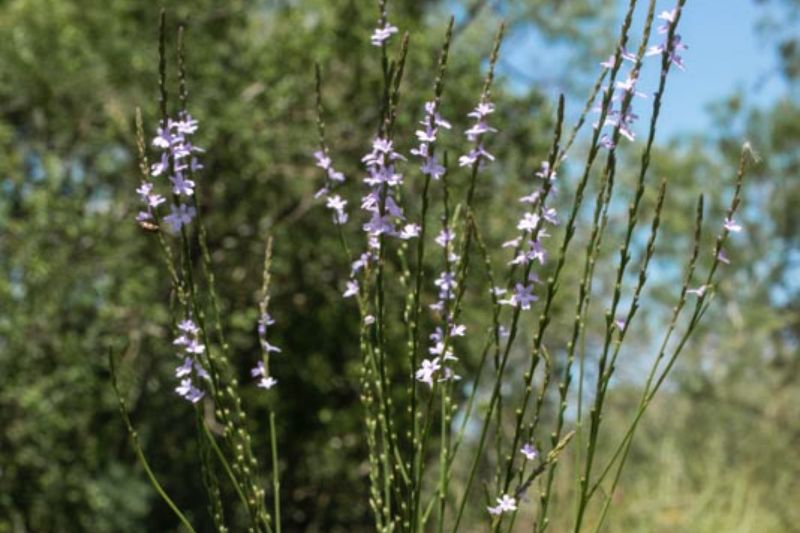
Texas summers are no joke. Temperatures regularly climb past 100 degrees, rain can disappear for weeks at a time, and the sun beats down on everything without mercy.
Most plants wilt, struggle, or simply give up under those conditions. Texas Vervain, on the other hand, barely flinches.
Because it evolved in the Texas climate, this plant is built for exactly the kind of punishment that local summers dish out. Its root system is designed to reach moisture deep in the soil when the surface dries out.
Its stems and leaves are tough enough to handle intense sun exposure without scorching. Once it is established in your yard, it can go long stretches without any supplemental watering at all.
For homeowners who want a beautiful yard without spending hours on irrigation or maintenance, Texas Vervain fits the bill perfectly. It thrives in poor, rocky, or sandy soils where other plants struggle to survive.
You do not need to amend the soil or add fertilizer. Just give it full sun and decent drainage, and it will reward you with blooms season after season.
Water conservation is a growing concern across Texas, especially in cities and towns that face seasonal drought restrictions.
Choosing drought-tolerant native plants like Texas Vervain helps reduce your overall water usage without sacrificing curb appeal or garden color.
Think of it as a plant that does the heavy lifting on its own. Less watering, less fussing, and fewer trips to the garden center add up to a yard that practically takes care of itself through even the hottest Texas summers.
5. It Self-Seeds Easily
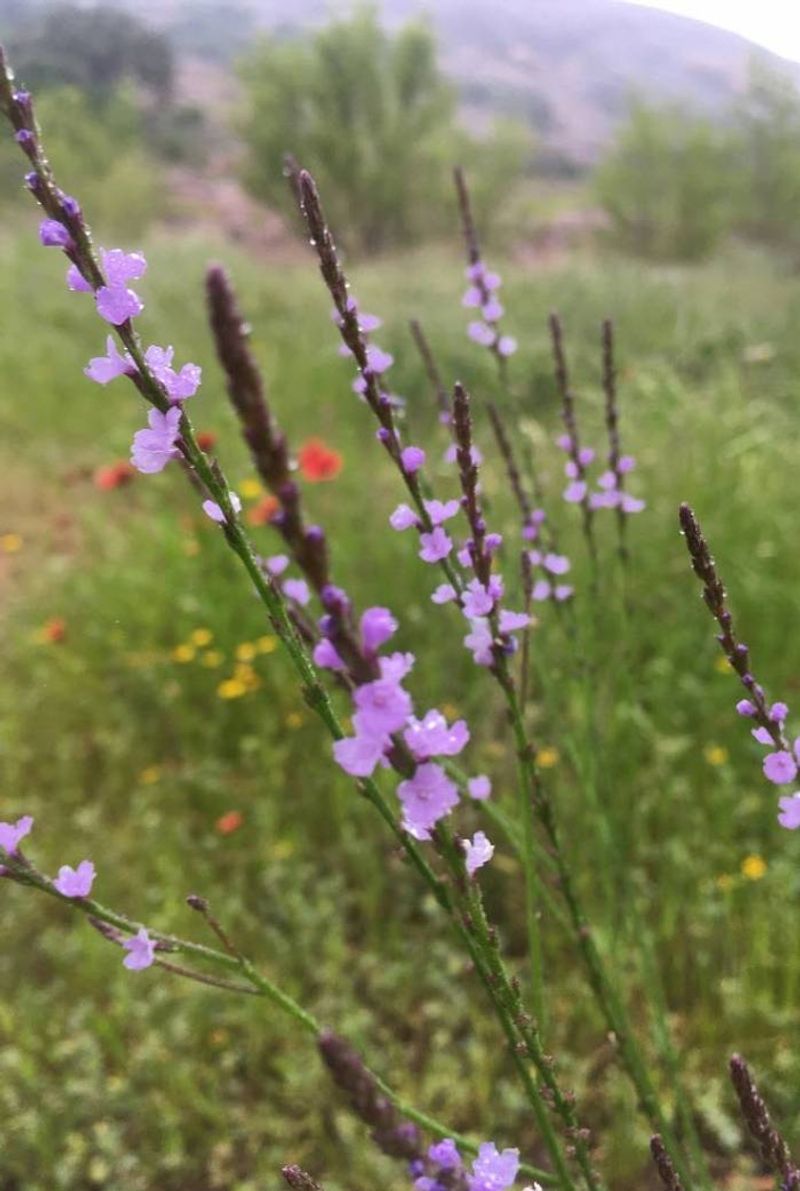
One of the first things people notice about Texas Vervain is how it seems to appear out of nowhere every spring. One year there are two plants. The next year there are ten. That is not a glitch in the matrix.
That is self-seeding, and it is one of this plant’s most useful and occasionally surprising traits.
After Texas Vervain finishes blooming, it produces tiny seeds that fall to the ground and sprout the following season. This process happens without any help from the gardener.
The plant essentially replants itself year after year, which is part of why it gets mistaken for a persistent weed. In reality, it is just doing what native plants are designed to do: reproduce efficiently and fill available space.
Self-seeding is genuinely useful in a native garden. Bare patches of soil that might otherwise host actual invasive weeds get filled in naturally by Texas Vervain seedlings.
That means less bare ground, less erosion, and less work for you overall. The plant handles its own succession without much input needed.
That said, it can spread more than you want in a small or tidy garden space. If you prefer to keep it contained, simply remove some of the spent flower stalks before the seeds fully ripen.
That slows the spread without eliminating the plant entirely from your yard.
Letting a few plants self-seed freely while managing others gives you the best of both worlds: a naturally replenishing native plant that stays within reasonable bounds and keeps your garden looking full and lively without constant replanting.
6. It Adds Wildflower Color Without Much Effort
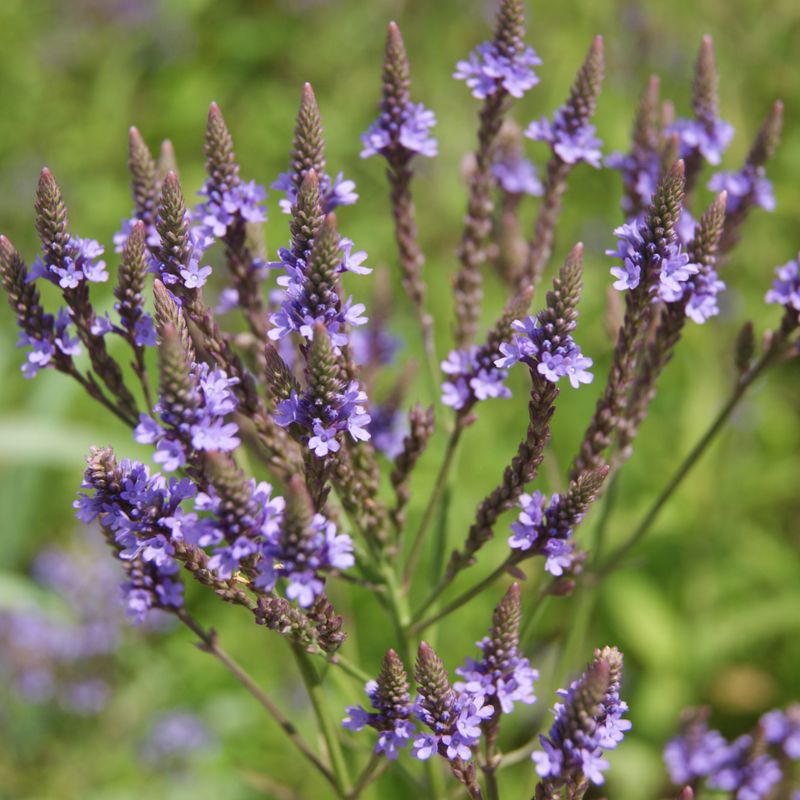
There is something genuinely cheerful about a yard full of purple wildflowers swaying in a warm Texas breeze. Texas Vervain brings exactly that kind of relaxed, natural beauty to any outdoor space.
Its slender purple spikes do not demand attention the way big showy blooms do. Instead, they add a soft, layered color that makes a yard feel alive and full of character.
Cottage gardens and meadow-style landscapes are becoming more popular across Texas as homeowners move away from high-maintenance turf lawns. Texas Vervain fits both styles effortlessly.
It has the loose, informal look that meadow gardens celebrate, and it blends naturally with other wildflowers without competing for the spotlight.
Grouping Texas Vervain with other native plants is where the real magic happens. Pair it with Winecup, Blackfoot Daisy, or Salvia to create a colorful native planting that blooms across multiple seasons.
The combination of different heights, textures, and bloom times keeps the garden looking interesting from early spring through fall.
Unlike annual flowers that need to be replanted every year, Texas Vervain comes back on its own through self-seeding, so the color keeps returning without a trip to the nursery.
That makes it one of the most cost-effective ways to add reliable seasonal color to a Texas landscape.
Even gardeners with very little experience can succeed with Texas Vervain. It asks for almost nothing and gives back a steady show of purple blooms that brightens up any corner of the yard.
Sometimes the best garden additions are the ones that were already there, growing freely and waiting to be appreciated.