What Michigan Gardeners Should Plant First In Raised Beds In April
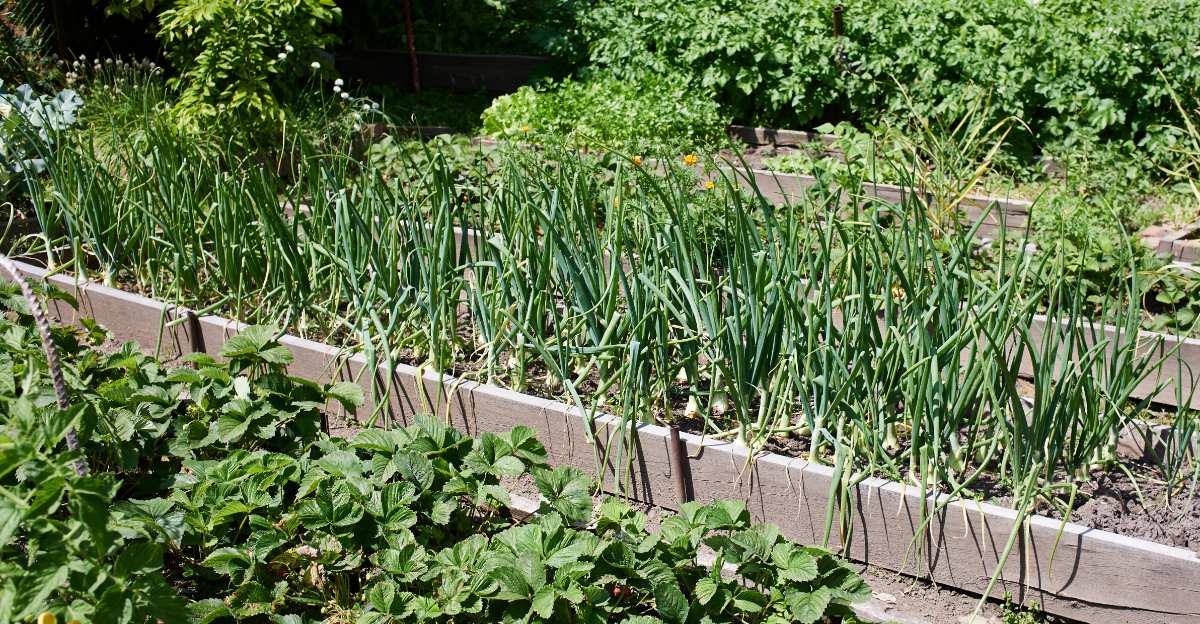
April is when many Michigan gardeners start getting excited about planting, especially if you have raised beds ready to go. As the soil begins to warm and dry out, it finally feels like the growing season is within reach.
But even though spring is underway, not everything is ready to go into the ground just yet. Choosing what to plant first can make a big difference in how your garden performs.
Some crops handle cooler soil and chilly nights much better than others, making them perfect for this early window. Getting these plants in at the right time helps you make the most of the season while avoiding setbacks from late cold snaps.
Raised beds can warm up faster than the ground, giving you a slight head start if you use it wisely. Once you know which plants to begin with, you can build a strong foundation for a productive and rewarding garden.
1. Spinach
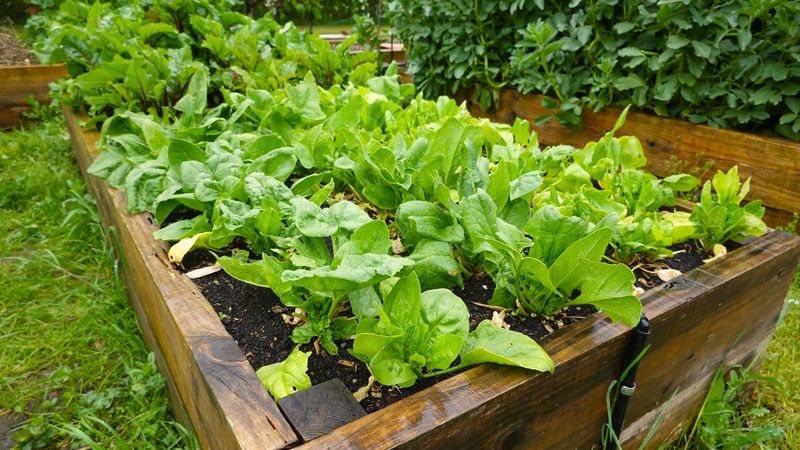
Spinach is one of those plants that actually prefers the cold, which makes it a perfect match for Michigan’s unpredictable April weather. It germinates in soil as cool as 40 degrees Fahrenheit, so you can sow seeds almost as soon as your raised bed is workable.
That early start is a huge advantage in Michigan, where the warm season can feel surprisingly short.
Raised beds are especially great for spinach because they drain well and warm up faster than regular garden soil. That means fewer soggy roots and more consistent growth during those wet spring weeks.
Sow seeds about half an inch deep and one inch apart, then thin seedlings as they grow so each plant has room to spread its leaves wide.
One of the best things about growing spinach in Michigan is how quickly you can go from seed to salad. Most varieties are ready to harvest in about 40 to 50 days.
You can even do a cut-and-come-again harvest, snipping outer leaves while the plant keeps producing new growth from the center.
Before summer heat arrives and causes bolting, you could enjoy several rounds of fresh, tender spinach straight from your backyard raised bed.
2. Radishes
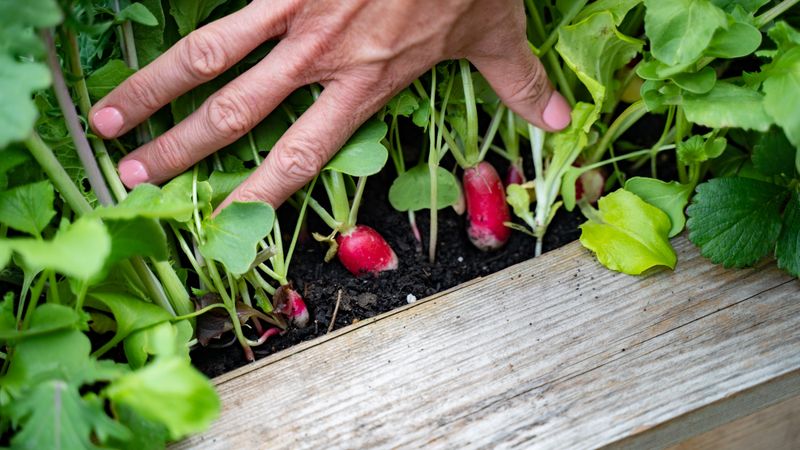
Few vegetables give you faster satisfaction than radishes. These little root crops can go from seed to harvest in just three to four weeks, which makes them an absolute favorite for Michigan gardeners eager to see results after a long winter.
Planting them in April in your raised bed means you could be pulling your first radishes before May even arrives.
Radishes are incredibly cold-tolerant and can handle light frost without any trouble. That toughness is a real bonus in Michigan, where April nights can still dip below freezing.
Raised beds help by warming up the soil faster and draining excess moisture from those heavy spring rains that are so common across the Lower Peninsula.
Sow radish seeds about half an inch deep and one inch apart directly into your raised bed. Keep the soil evenly moist but not waterlogged, and thin seedlings to about two inches apart once they sprout.
Your Michigan Garden Changes Every Week. Your Plan Should Too.
Gardening in Michigan changes quickly throughout the season. Every Friday you’ll receive a simple weekly plan showing exactly what to plant, prune, fertilize, harvest, and protect so you never miss the right timing.
Radishes also do double duty in the garden by loosening soil as their roots grow, which benefits whatever you plant next in that same spot. Try planting a fresh row every week or two for a continuous harvest that keeps your kitchen stocked all spring long.
3. Lettuce
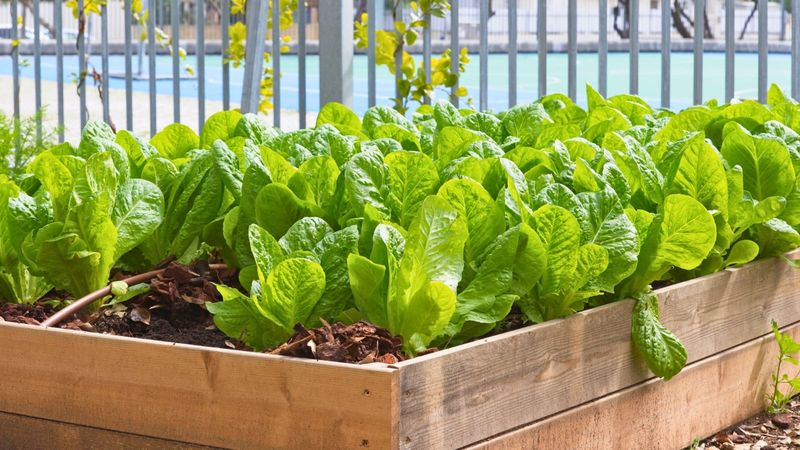
Picture walking outside on a cool April morning in Michigan and snipping fresh lettuce leaves for your breakfast. That is exactly the kind of reward waiting for gardeners who plant lettuce early in their raised beds.
Lettuce thrives in cool weather and can handle light frost, making it one of the most reliable crops to start in April across the state.
Raised beds offer a real advantage here because they stay drier and better drained than in-ground plots, especially during Michigan’s notoriously wet springs. Waterlogged soil is one of the biggest threats to young lettuce plants, and raised beds naturally solve that problem.
You can either sow seeds directly or transplant small starts for an even faster first harvest.
Loose-leaf varieties like Black Seeded Simpson or Oak Leaf are great choices for Michigan raised beds because you can harvest a few leaves at a time without removing the whole plant.
This stretches your harvest window considerably before summer heat causes the leaves to turn bitter.
Sow seeds thinly, about an eighth of an inch deep, and keep the soil consistently moist during germination. With a little attention and the right timing, your raised bed can produce enough fresh lettuce to keep salads on the table all spring.
4. Peas
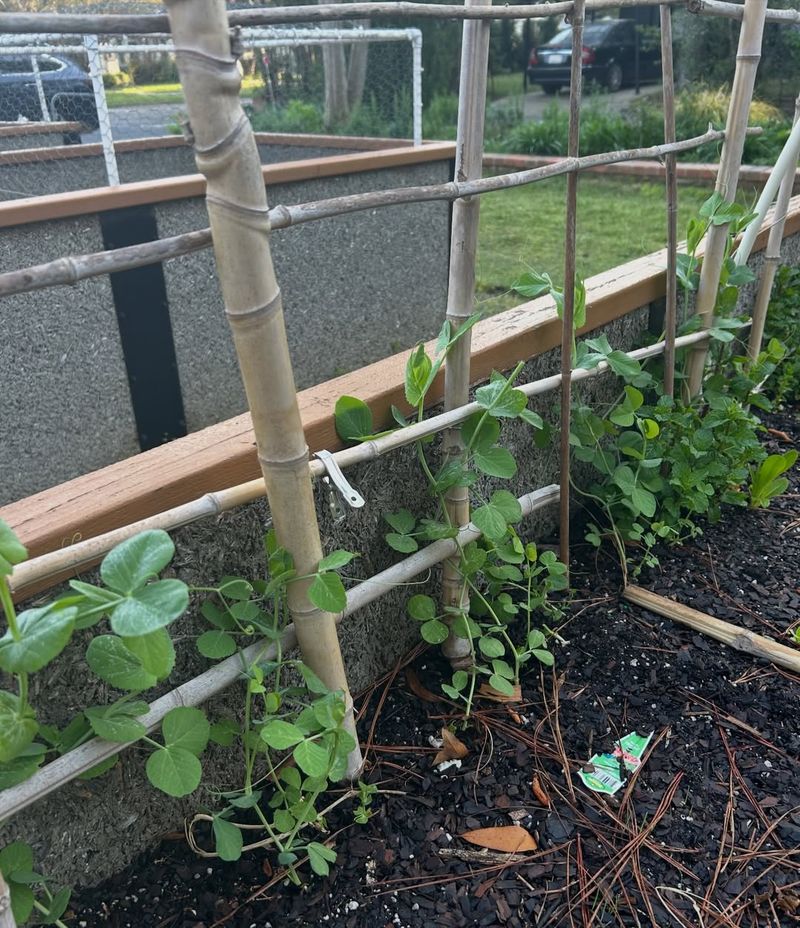
Peas are one of spring’s most exciting crops because they have a genuine sense of urgency. Plant them too late and the heat will arrive before they produce a decent harvest.
In Michigan, that means getting pea seeds into your raised bed as soon as the soil can be worked in April, ideally when soil temperatures reach at least 45 degrees Fahrenheit.
Cool temperatures are not just tolerated by peas, they are actually required. These plants set pods best when daytime temperatures stay below 70 degrees, which Michigan’s April and early May weather delivers pretty reliably.
Raised beds improve drainage during those wet spring stretches, keeping roots healthy and giving seedlings the best possible start during a season that can swing from cold rain to warm sunshine in a single week.
Plant pea seeds about one inch deep and two inches apart directly into your raised bed. Set up a trellis or some simple stakes right away so the vines have something to climb as they grow.
Snap peas, snow peas, and shelling peas all perform well in Michigan raised beds. A timely planting in early April can reward you with a generous harvest by late May or early June, well before summer warmth shuts production down for the season.
5. Carrots
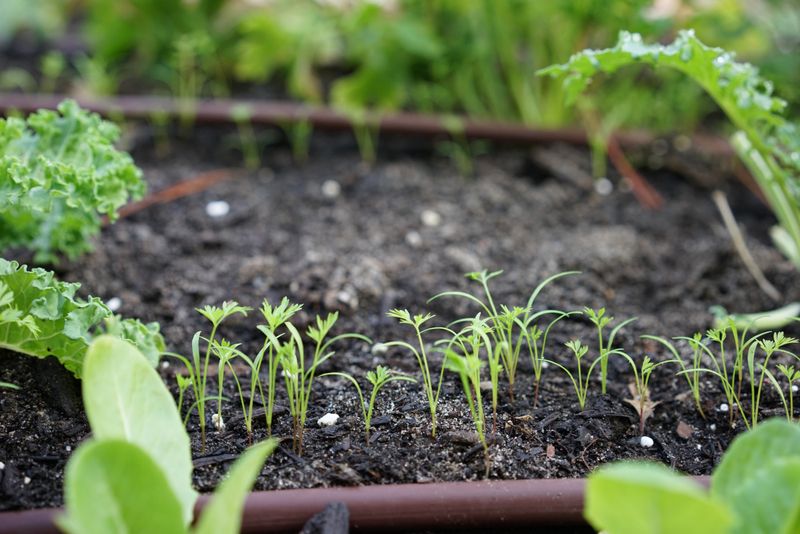
Carrots have a reputation for being tricky, but raised beds solve most of the problems that give gardeners headaches. Michigan’s native soil tends to be heavy and clay-like in many areas, which causes carrot roots to fork, twist, or stay stubbornly short.
A raised bed filled with loose, well-amended soil gives those roots the perfect environment to grow long, straight, and sweet.
April is a great time to sow carrot seeds in Michigan because cool soil actually encourages steady, even germination. Soil temperatures between 50 and 65 degrees Fahrenheit are ideal, and Michigan raised beds hit that range reliably in April.
Sow seeds very shallowly, just about a quarter inch deep, and keep the surface of the soil consistently moist until sprouts appear, which can take one to three weeks.
Patience is part of growing carrots, but the payoff is absolutely worth it. Once seedlings emerge, thin them to about two inches apart so each root has enough space to develop properly.
Varieties like Nantes or Chantenay work especially well in raised beds because they are bred for shorter, thicker roots that suit container-style growing.
Michigan gardeners who sow in April can expect to harvest sweet, crunchy carrots by early summer, often with better results than anything found at a grocery store.
6. Kale
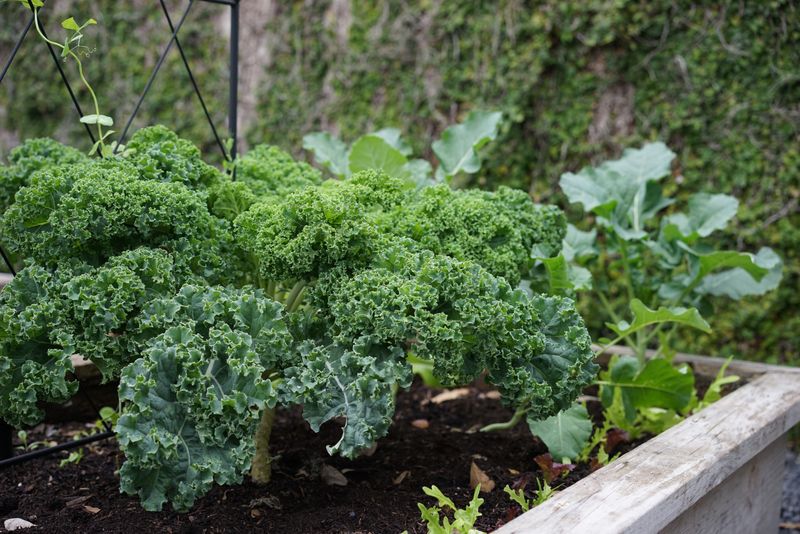
Kale is one of the toughest vegetables you can grow, and Michigan gardeners should take full advantage of that toughness. April frosts do not slow kale down at all.
In fact, a light frost actually triggers the plant to convert some of its starches into sugars, making the leaves taste sweeter and more tender than they would in warmer weather. That is a pretty remarkable feature for a leafy green.
You can either start kale seeds indoors a few weeks before April and transplant them into your raised bed, or direct sow seeds outside once the soil is workable. Either method works well in Michigan.
Raised beds keep roots from sitting in standing water during spring rains, which is one of the few things kale really dislikes. Space plants about 12 to 18 inches apart so air can circulate freely between them.
Kale also has impressive staying power in the garden. Plants established in April across Michigan will continue producing fresh leaves well into summer and sometimes beyond, especially if you harvest from the outside in and leave the central growing point intact.
Varieties like Lacinato, also called dinosaur kale, and Red Russian are both excellent choices for raised beds. Grow kale once and you will likely make it a permanent part of your Michigan spring garden routine.
7. Green Onions
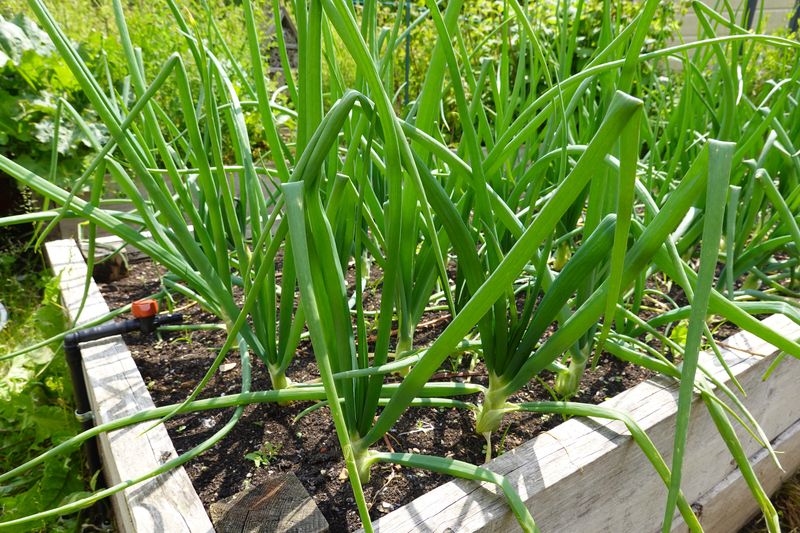
Green onions might be the most underrated crop you can plant in an April raised bed in Michigan. They take up almost no space, grow quickly in cool soil, and deliver fresh flavor to meals long before most other vegetables are even close to harvest.
Whether you plant them from seeds or sets, they will settle right into the conditions that Michigan spring delivers without any fuss.
Cold soil is no problem for green onions. They tolerate light frost easily and actually prefer the cooler temperatures that April in Michigan brings.
Raised beds help avoid the wet, soggy conditions that can cause bulb rot, which is a common issue when spring rains linger. Plant sets about one inch deep and two to three inches apart in well-drained raised bed soil for the best results.
One of the most satisfying things about green onions is how quickly they reward your effort. You can begin harvesting as soon as the tops reach six to eight inches tall, which often happens within three to four weeks of planting.
Snip what you need and let the rest keep growing. They also work as a natural pest deterrent near other vegetables, making them a smart companion plant in your Michigan raised bed.
Simple, productive, and incredibly versatile, green onions deserve a spot in every spring garden.