These Michigan Perennials Come Back Bigger And Better Every Year Without Any Dividing
Most gardening advice treats dividing perennials as routine maintenance, something that needs doing every few years to keep plants healthy and performing well. That advice does not apply equally to every plant.
Some perennials actively resent being disturbed and respond to division by sulking for a full season or declining permanently. Michigan gardeners who have learned this the hard way know that certain plants are better left alone entirely.
These are the perennials that build on themselves year after year, developing deeper roots, wider clumps, and stronger flowering without any intervention.
Michigan’s cold winters actually help several of them by providing the chill period their root systems need to come back with more vigor each spring.
Leave them undisturbed and they reward that patience with a display that gets more impressive every single season.
1. Baptisia Forms Larger Clumps In Michigan Without Constant Dividing
Few perennials have the staying power of Baptisia. Once it settles into your garden, it builds a root system so deep and wide that moving it becomes nearly impossible, and honestly, you would never want to.
Those roots anchor the plant through brutal winters and dry summer stretches without missing a beat.
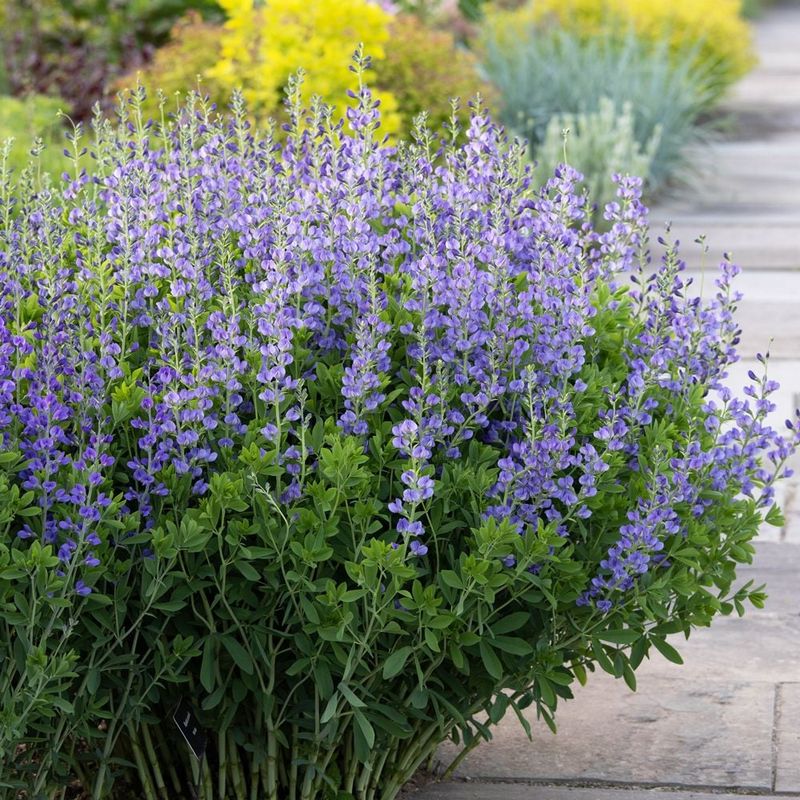
Spring is when Baptisia really shines. Tall spikes covered in indigo-blue flowers rise above the blue-green foliage, creating a shrub-like silhouette that looks more like a landscape plant than a traditional perennial.
The whole plant can reach three to four feet tall and equally as wide at maturity, filling a border with real presence.
Patience is key with this one. The first year or two, growth stays modest while the roots get established.
By year three or four, the clump expands noticeably, and by year five, you have something truly impressive. Plant in full sun with well-drained soil, space plants at least three feet apart, and water regularly during the first season.
After that, Baptisia handles Michigan summers with very little help from you. Skip dividing entirely since disturbing those deep roots sets the plant back significantly.
Just let it grow undisturbed, and it will reward you with bigger blooms and a fuller shape every single spring for many years ahead.
2. Peonies Become More Impressive In Gardens Over Time
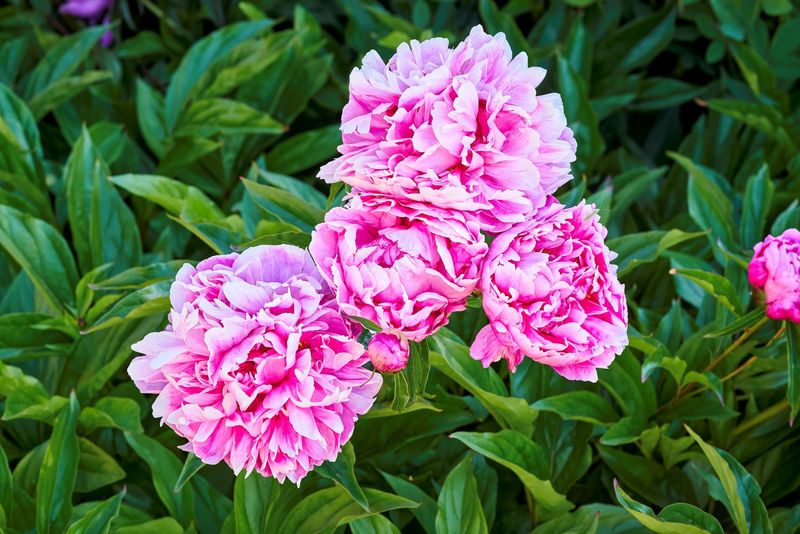
Peonies have a reputation for outliving the gardeners who plant them, and that reputation is well earned.
A single peony planted in the right spot can bloom reliably for fifty years or more, and the best part is that each passing season tends to bring even more flowers than the last.
Michigan gardeners have ideal conditions to grow them beautifully.
Getting the planting depth right makes all the difference. Set the eyes, which are the reddish buds on the crown, no more than one to two inches below the soil surface.
Plant them too deep and they may refuse to bloom for years. Choose a sunny spot with at least six hours of direct light daily, and make sure there is good airflow around the plant to reduce fungal issues during humid summers.
Your Michigan Garden Changes Every Week. Your Plan Should Too.
Gardening in Michigan changes quickly throughout the season. Every Friday you’ll receive a simple weekly plan showing exactly what to plant, prune, fertilize, harvest, and protect so you never miss the right timing.
Young peonies can take two to three years before they bloom heavily, so do not be discouraged by a quiet first season. Once established, the clumps expand gradually without ever needing division.
Staking helps keep heavy flower heads upright after rain, and cutting spent blooms keeps the plant tidy. Avoid fertilizing heavily since too much nitrogen encourages leafy growth over flowers.
Peonies truly are a long-term investment that pays off in waves of gorgeous, fragrant blooms every single June in your gardens for generations.
3. Goat’s Beard Keeps Expanding Into A Large Shade Plant
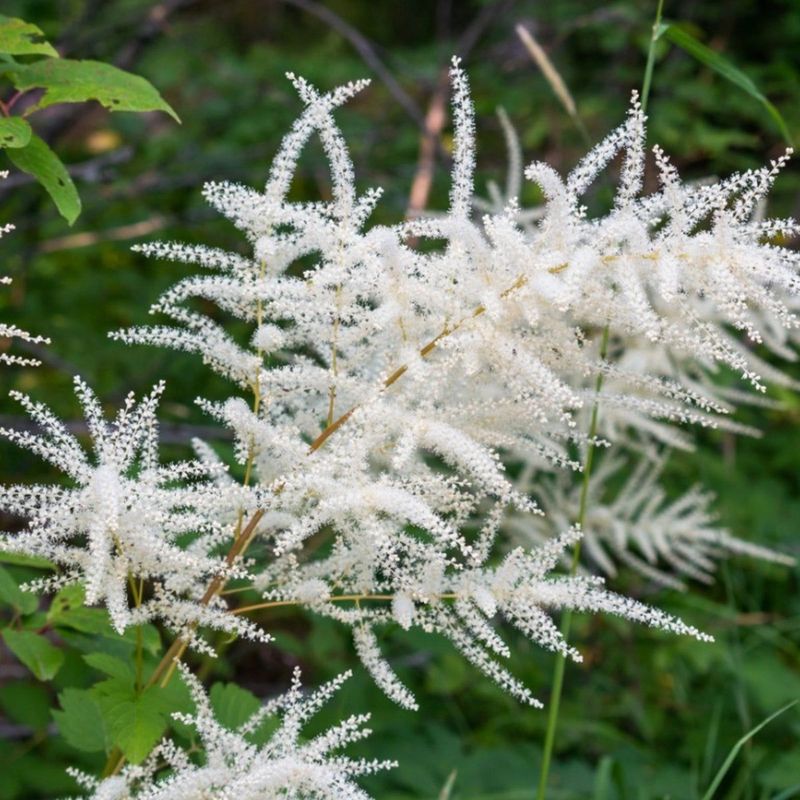
When people think of shade gardens, they rarely imagine something dramatic. Goat’s Beard changes that completely.
This native-style perennial grows into an impressive mound that can reach five to six feet tall in the right conditions, topped with tall, creamy white plumes that look like something out of a fairy tale garden.
Michigan’s shaded woodland areas are practically perfect for this plant. It loves part shade with consistently moist, rich soil, making it a natural fit under large trees or along the north side of a fence.
The foliage is bold and lush, creating a textural backdrop that makes everything around it look more intentional. Over the years, the clump grows wider and taller without any encouragement from you.
One thing worth knowing is that Goat’s Beard rarely needs dividing and actually prefers to be left alone once established. The root system develops slowly but steadily, and disturbing it tends to cause setbacks.
Give each plant at least four feet of space when planting since it will eventually use every inch. Water well during dry spells, especially in the first season, and add a layer of mulch to keep the roots cool and moist.
By year three or four, the plant becomes a true focal point, drawing compliments from every visitor who walks through your garden. It is bold, beautiful, and completely low maintenance once settled in.
4. Hellebores Slowly Form Beautiful Long Lasting Clumps In Shade
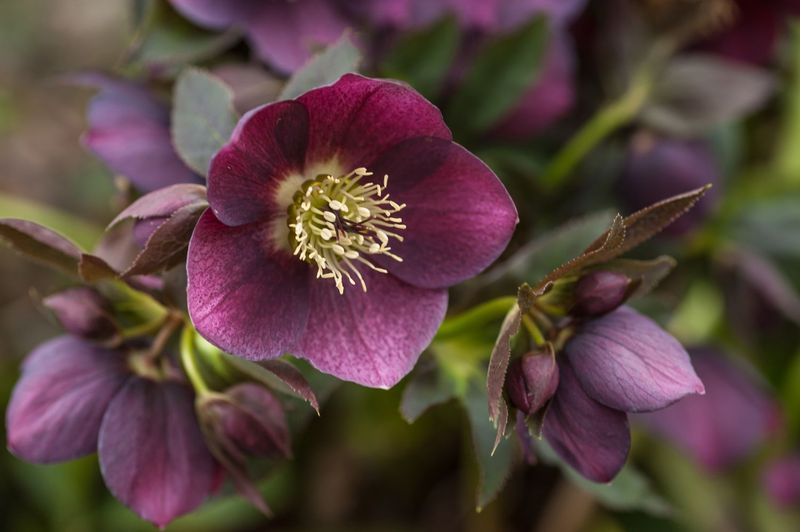
Hellebores have a quiet kind of magic about them. While everything else in the garden is still frozen or barely waking up, Hellebores are already nodding their elegant, bowl-shaped flowers in shades of plum, cream, blush, and deep burgundy.
In Michigan, they often bloom when snow is still on the ground, making them feel almost unreal.
These plants genuinely prefer to be left undisturbed. The root system is dense and sensitive, and dividing them often results in a long recovery period with reduced blooming.
Over many years, a single clump expands into a wide, tidy mound of thick, dark evergreen leaves that look attractive even when the plant is not in bloom. That year-round foliage is a big bonus in a shaded Michigan garden.
Plant Hellebores in part to full shade with rich, well-draining soil that holds some moisture. A spot under deciduous trees works beautifully since the plants get filtered winter light when they bloom, then settle into comfortable shade through summer.
Mulch around the base helps retain moisture and moderate soil temperature through Michigan’s cold months. Water regularly during establishment, then reduce watering once the plant is settled.
Remove any old or damaged leaves in late winter before new growth emerges to keep things looking tidy. These plants are slow to establish but extraordinarily long-lived, often thriving in the same spot for twenty years or more with almost no maintenance required.
5. Russian Sage Grows Larger Every Summer In Sunny Gardens
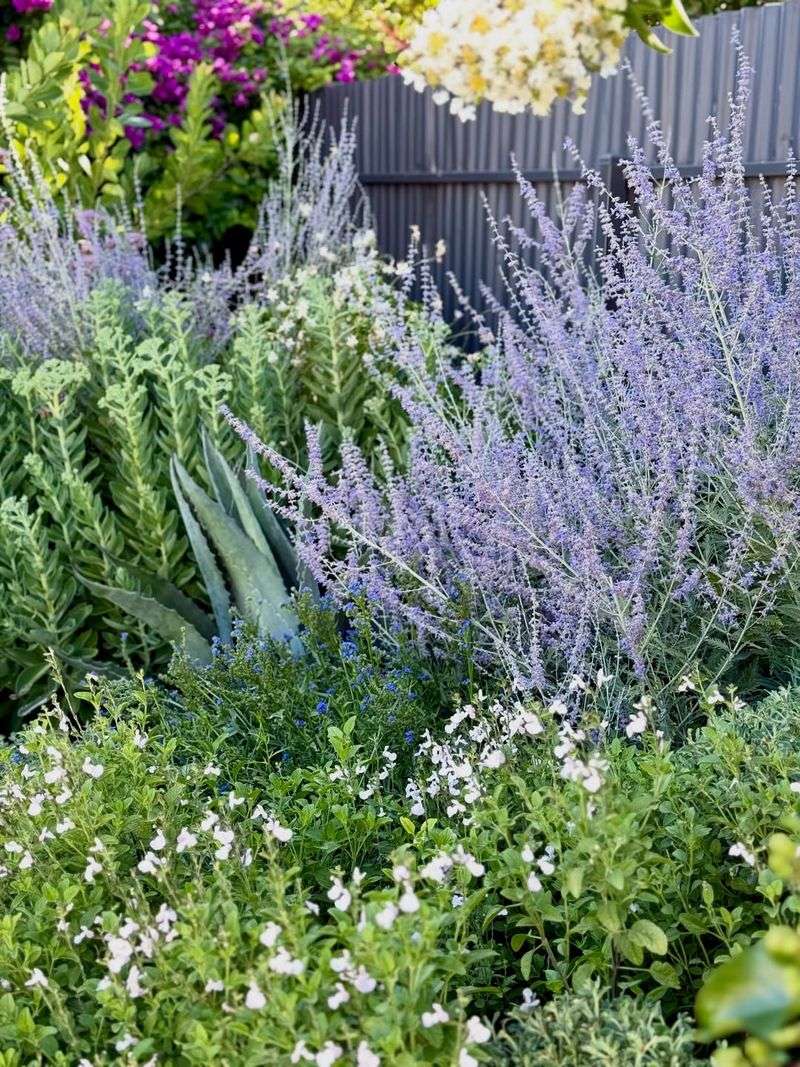
If your Michigan garden has a hot, sunny spot with dry or sandy soil, Russian Sage was practically made for it. This plant thrives where others struggle, producing a haze of lavender-blue flowers on silvery stems from midsummer all the way through fall.
The overall effect is soft and dreamy, like a cloud of purple floating above the garden bed.
Russian Sage handles Michigan’s cold winters with ease once established, dying back to the woody base and returning reliably each spring. Every year, the clump grows a bit wider and produces more flowering stems than the season before.
Unlike many perennials, it actually performs better in lean soil with excellent drainage rather than rich, amended beds. Too much moisture or heavy clay soil can cause root rot, so raised beds or sloped areas work especially well.
Pruning is the one task that keeps Russian Sage looking its best. Cut the woody stems back to about six to eight inches in early spring before new growth begins, which encourages fresh, strong stems and a fuller plant shape for the season ahead.
Good airflow around the plant reduces any risk of fungal issues during humid summers. Space plants at least three feet apart, and avoid overwatering after the first season.
Pollinators absolutely love the flowers, so expect bees and butterflies to visit regularly from July through September. It is a reliable, beautiful, and nearly effortless perennial for sunny spots.
6. Bleeding Heart Forms Bigger Shade Clumps With Every Spring
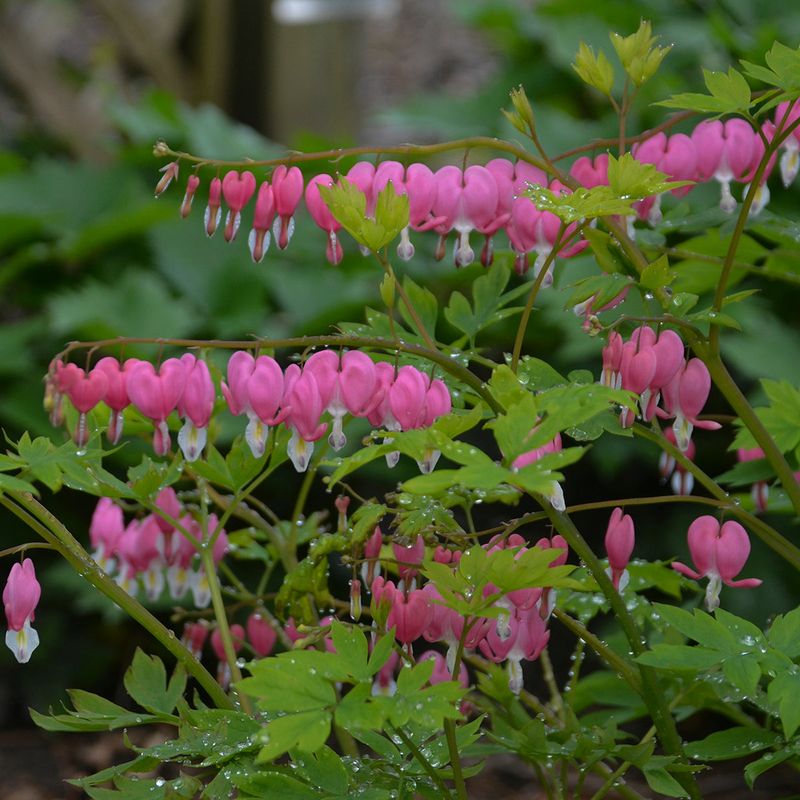
There is something genuinely nostalgic about Bleeding Heart. It is the kind of plant that shows up in old photographs of grandmothers’ gardens, arching gracefully over shaded beds with those instantly recognizable heart-shaped pink flowers dangling in perfect rows.
And the wonderful thing is that it keeps coming back bigger and more beautiful with each passing spring.
Michigan’s cool spring weather is exactly what Bleeding Heart loves. It wakes up early, blooms heavily from April into June, and then gradually goes dormant as summer heat arrives.
That summer dormancy surprises some gardeners, but it is completely natural. Planting hostas, ferns, or astilbe nearby helps fill in the gap left behind when the foliage fades.
Rich, moist, well-draining woodland-style soil gives Bleeding Heart the best conditions to thrive long term. Part to full shade keeps the plant happiest and extends the blooming period by a week or two compared to sunnier spots.
Water consistently during spring and early summer while the plant is actively growing, and mulch around the base to keep roots cool and retain moisture. Dividing is rarely necessary since the clumps expand slowly on their own without becoming invasive or overcrowded.
Each year the plant returns slightly larger, with more arching stems and more flowers than the year before. By the time it reaches full maturity, a single established clump becomes a truly breathtaking spring display that needs almost no attention from you.
7. Astilbe Builds Larger Flower Displays In Moist Gardens
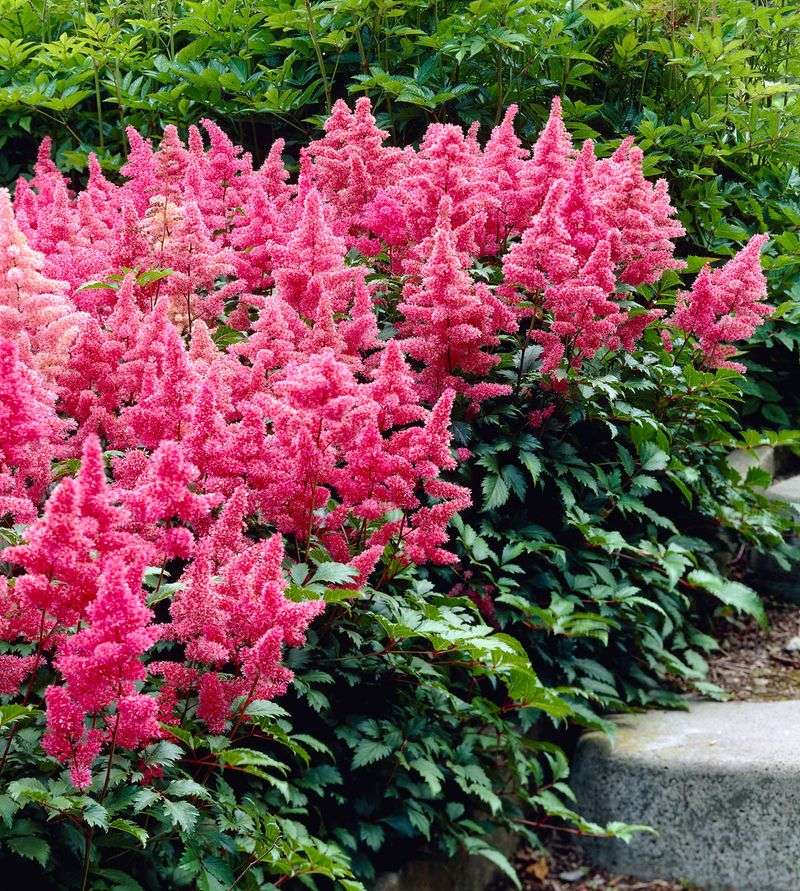
Astilbe is one of those plants that earns its space in the garden every single year. The feathery flower plumes in shades of pink, red, white, and lavender look almost too elegant for a low-maintenance perennial, yet astilbe asks for very little in return.
Over time, established clumps grow wider and produce more flower spikes than ever before.
Moisture is the single most important factor for astilbe success in Michigan. These plants do not tolerate drought well, especially during the hot stretches of July and August.
A spot with consistent moisture, whether near a downspout, in a low area of the yard, or in a well-mulched shaded border, keeps astilbe looking lush and healthy all season. Part shade is ideal, though some varieties handle more sun if the soil stays reliably moist.
Mulching generously around astilbe crowns in spring makes a real difference in long-term performance.
A two to three inch layer of shredded wood mulch retains moisture, regulates soil temperature, and reduces the need for frequent watering during Michigan’s dry summer spells.
Space plants about eighteen to twenty-four inches apart to allow room for gradual expansion over the years. Fertilize lightly in early spring with a balanced granular fertilizer to encourage strong growth.
The dried flower plumes look attractive even after blooming ends, adding texture and interest through late summer and fall. Dividing is not required for many years, making astilbe one of the most rewarding low-effort perennials for shaded gardens.
8. Japanese Forest Grass Slowly Creates Elegant Mounds In Shade
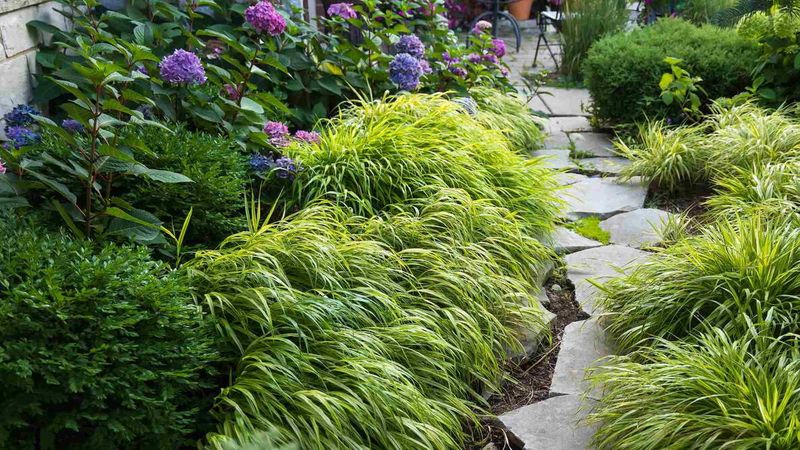
Not every garden star announces itself with flowers. Japanese Forest Grass earns its place through pure elegance, building soft, arching mounds of golden-green or lime-colored foliage that catch every breeze and shimmer in dappled shade.
It is one of those plants that makes even simple garden designs look sophisticated and intentional.
Michigan’s woodland gardens are a natural home for this ornamental grass. It performs best in part shade with moist, humus-rich soil that drains well between rain events.
Full shade can reduce the vibrancy of the foliage color, while too much direct sun in hot afternoon hours can scorch the leaves. A spot that gets morning light and afternoon shade tends to produce the most vivid, healthy plants.
Growth is genuinely slow with Japanese Forest Grass, so patience pays off here. The first season or two, plants stay relatively small while the root system develops underground.
By year three, the graceful arching habit becomes more pronounced, and the mound begins to spread outward in a tidy, controlled way. This grass rarely becomes invasive and almost never needs dividing, making it an excellent long-term choice for shaded borders.
Water regularly during the first growing season, then reduce frequency once established. A layer of mulch helps retain soil moisture through dry Michigan summers.
Cut back old foliage in early spring before new growth emerges to keep the plant looking fresh and vigorous all season long.
9. Culver’s Root Returns Taller And Stronger Every Year In Michigan
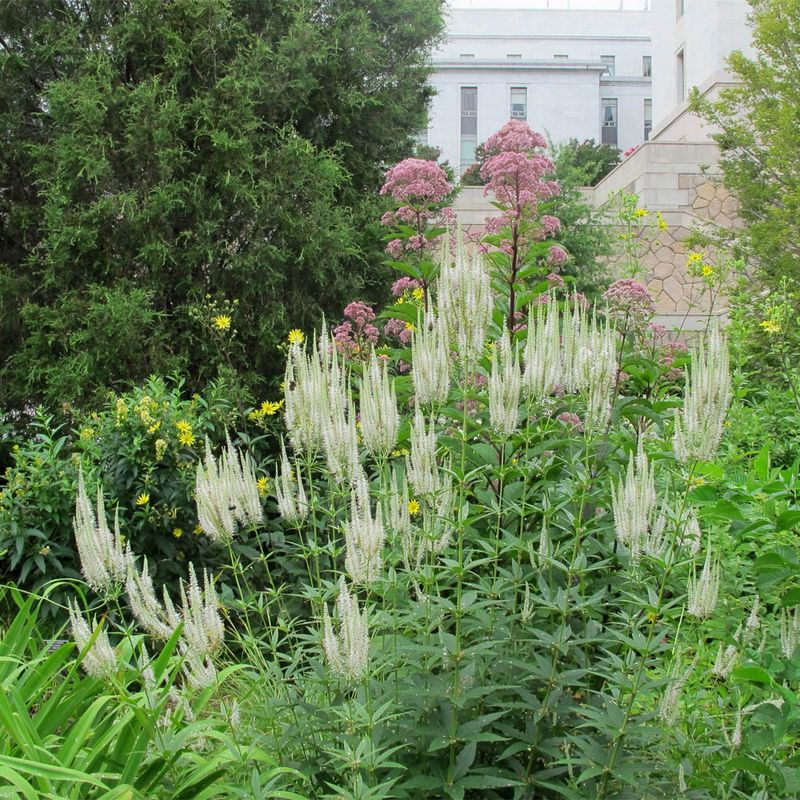
Culver’s Root is one of Michigan’s most underused native perennials, and that is a real shame because it is stunning.
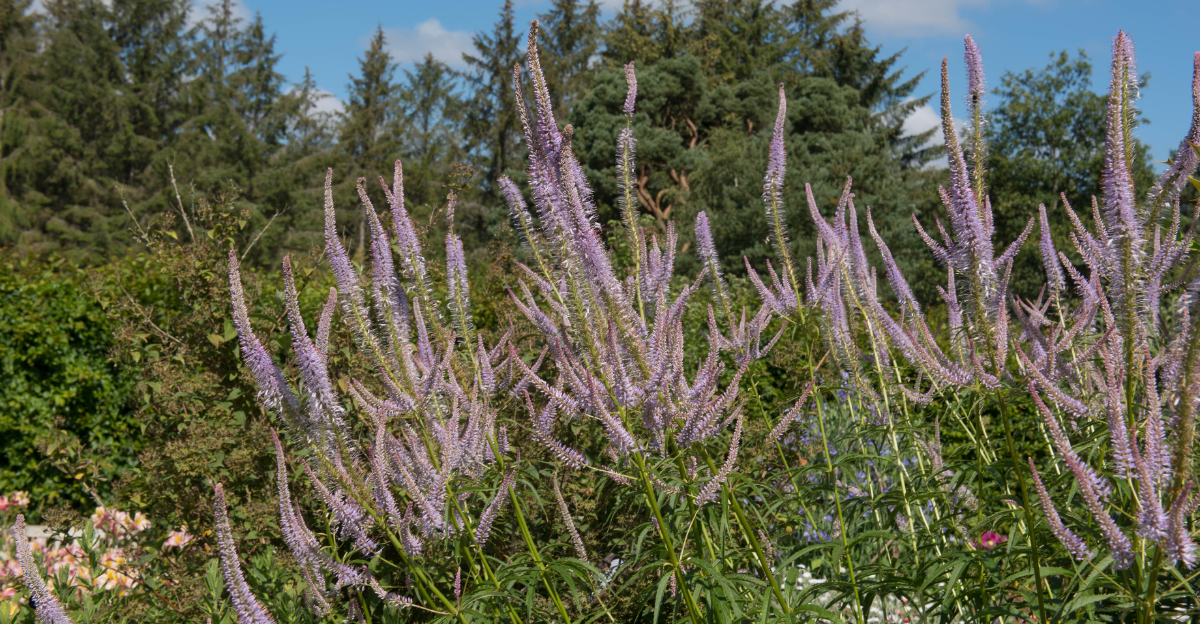
Tall, slender spikes of white or pale lavender flowers shoot up in mid to late summer, sometimes reaching five to six feet, creating a vertical accent that few other perennials can match.
And every year, the plant comes back taller and more floriferous than before.
The deep, fibrous root system is what makes this plant so tough. It anchors firmly into the soil, helping the plant handle both cold winters and fluctuating summer moisture without complaint.
Once established, Culver’s Root rarely needs supplemental watering except during extended dry spells. It thrives in full sun to part shade and adapts well to average garden soil, though it appreciates consistent moisture during the first growing season.
Pollinators go absolutely wild for Culver’s Root. Bumblebees, native bees, and various butterfly species visit the flowers constantly throughout the blooming period, making it an excellent choice for anyone interested in supporting local wildlife.
Space plants about two to three feet apart since mature clumps can spread gradually over the years. Staking may be needed in very exposed or windy spots to keep the tall stems upright.
Dividing is rarely necessary, and the plant actually performs better when left undisturbed for many years. Add it to a sunny border or native plant garden, and it will reward you with reliable summer drama season after season.
10. Fernleaf Peonies Become Massive Long Lived Garden Plants
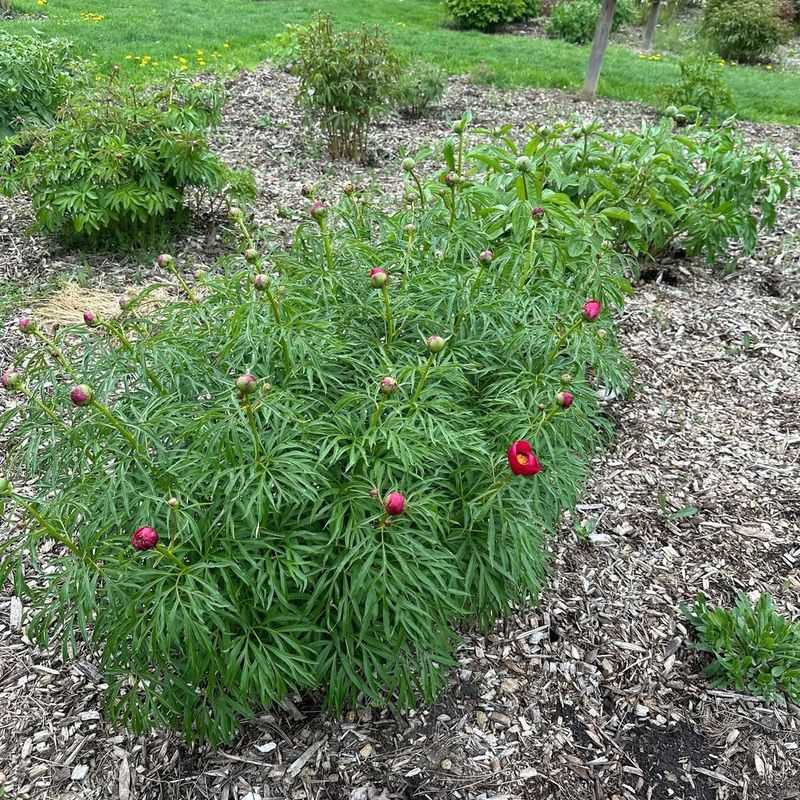
Fernleaf Peonies are the kind of garden treasure that gets passed down through generations.
Unlike common garden peonies, the foliage on this variety is incredibly fine and feathery, almost like a soft green fern, which makes it attractive even when the plant is not in bloom.
The flowers themselves are a deep, velvety red with bright golden stamens at the center, and they arrive early in the season, often blooming weeks before other peonies in the garden.
Michigan’s sunny, well-drained spots suit Fernleaf Peonies beautifully. They absolutely need good drainage since sitting in wet soil through winter can damage the crown.
Raised beds, sloped areas, or spots with sandy or amended soil provide ideal conditions. Plant the crown with the eyes set one inch below the soil surface, no deeper, to encourage reliable blooming from the very beginning.
These plants grow slowly but with remarkable permanence. Each year the clump expands slightly, producing more stems and more flowers without ever needing to be dug up or divided.
Airflow around the plant matters, so avoid crowding with aggressive neighbors. Water regularly during establishment, then reduce once roots are settled in.
A light layer of mulch protects the crown through Michigan winters without smothering new spring growth. Fertilize sparingly in early spring with a low-nitrogen formula to support flowering.
Given the right conditions, Fernleaf Peonies can thrive beautifully in the same garden spot for fifty years or longer.