6 Things You Should Do When You Plant Cucumbers In A Michigan Garden
Cucumbers are one of those vegetables that look easy on the seed packet and reveal their opinions quickly once they’re in the ground. Michigan gardeners know this well.
The season is short, the soil takes longer to warm than most people expect, and cucumbers are particular about both. Plant them too early and they sit there, sulking in cold soil, burning through time the season doesn’t have to spare.
Plant them at the right moment without the right preparation and you get decent vines but uneven results. The thing is, cucumbers respond generously to a good start.
A few deliberate steps taken at planting time, things that cost almost no extra effort in the moment, make a noticeable difference from the first harvest all the way to the last.
Six of those steps stand out above the rest, and doing all of them together is what separates a cucumber plant that produces well from one that just occupies space.
1. Water Cucumber Plants Deeply Right After Planting
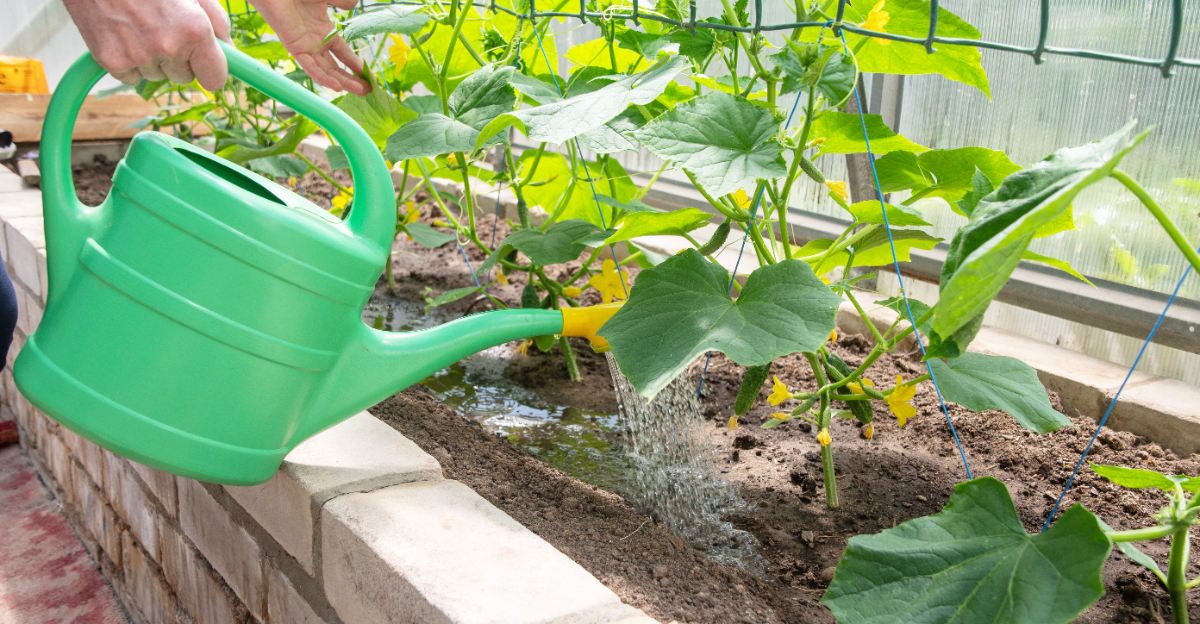
The moment cucumber plants go into Michigan soil, water becomes their best friend. Young roots need moisture to settle into their new home, and a deep soak right after planting helps reduce the stress that comes with being moved from a pot or seed tray.
Shallow watering only wets the top inch of soil, which is not nearly enough for roots trying to spread downward and anchor themselves firmly.
Michigan springs can be unpredictable, with warm afternoons followed by cool, windy evenings that pull moisture right out of the soil faster than you might expect.
Sandy soils found in parts of west Michigan drain quickly and may need watering every day during the first week.
Clay soils common in southeast Michigan hold water longer but can get compacted, so watering slowly and evenly helps moisture reach the roots without pooling on the surface.
Raised beds and containers dry out even faster than in-ground gardens because they have less soil volume and more air circulation around them. Aim to water until moisture reaches at least six inches deep, which you can check by pushing a finger or small stick into the soil.
Consistent deep watering during the first two weeks after planting sets up strong root systems that will support healthy cucumber growth all through Michigan’s summer growing season.
2. Add Mulch Around Cucumbers As Soon As They Go Into The Garden
Mulch is one of those simple garden tricks that pays off in a big way, and Michigan gardeners who skip it often regret it by midsummer.
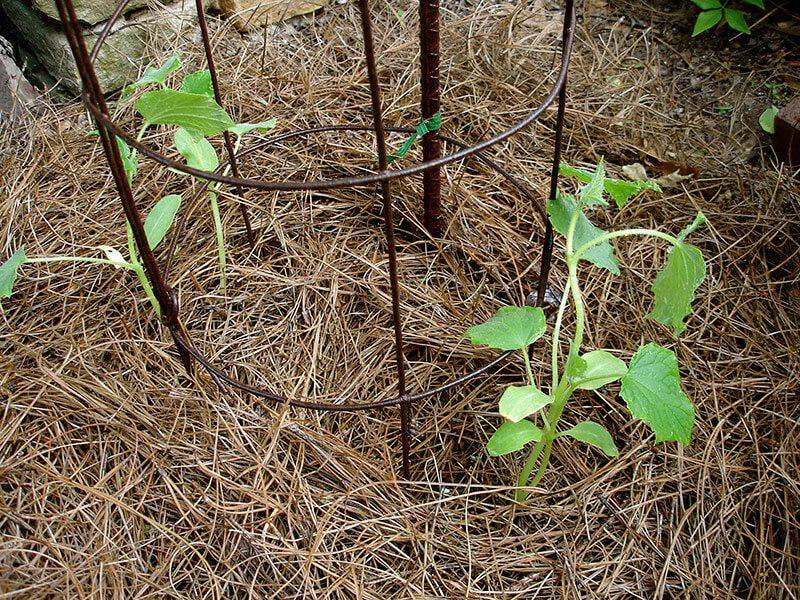
Spreading a two to three inch layer of straw or shredded leaves around your cucumber plants right after planting locks moisture into the soil so roots stay consistently hydrated between watering sessions.
That moisture retention alone can make a noticeable difference during dry stretches in July and August.
Michigan weather shifts fast in spring and early summer, swinging from cool rainy weeks to sudden heat waves that bake the soil surface. Mulch acts like a protective blanket, keeping soil temperatures more stable so young cucumber roots are not stressed by those swings.
Your Michigan Garden Changes Every Week. Your Plan Should Too.
Gardening in Michigan changes quickly throughout the season. Every Friday you’ll receive a simple weekly plan showing exactly what to plant, prune, fertilize, harvest, and protect so you never miss the right timing.
It also creates a barrier that slows weed growth, which means less time pulling weeds and more time enjoying your garden.
Straw is a popular choice for Michigan vegetable gardens because it is light, easy to spread, and breaks down slowly enough to last the whole growing season. Shredded leaves work beautifully too, especially if you saved them from fall cleanup.
Keep mulch pulled back slightly from the main stem of each plant to allow good airflow at the base. Proper mulching from day one gives your Michigan cucumbers a strong, healthy foundation that supports growth from planting all the way through harvest.
3. Install A Trellis Before Cucumber Vines Start Spreading
Cucumber vines grow faster than most first-time gardeners expect, and before you know it they are sprawling across the ground, tangling with neighboring plants, and making harvest a frustrating treasure hunt.
Installing a trellis on the same day you plant your cucumbers is one of the smartest moves you can make in a Michigan garden.
Starting early means you never have to wrestle with vines that have already spread out in every direction.
Michigan summers bring humidity, especially near the Great Lakes, and that moisture in the air creates ideal conditions for fungal problems on cucumber leaves.
When vines grow upward on a trellis instead of lying flat on the ground, air circulates freely around every leaf and stem, helping foliage dry out faster after rain or morning dew.
Better airflow means fewer fungal issues and healthier plants that produce more cucumbers throughout the season.
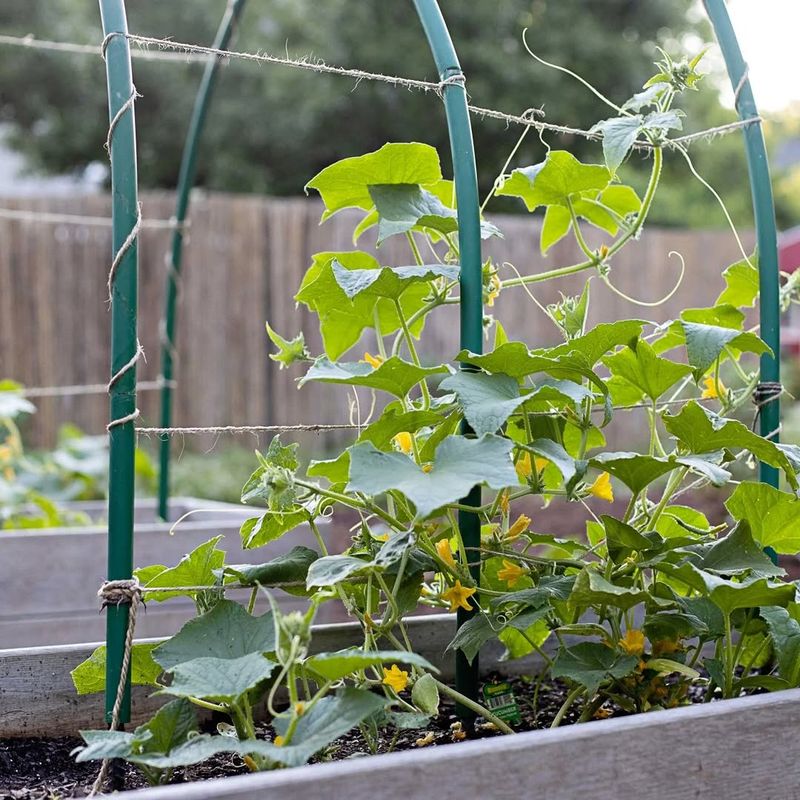
A simple trellis does not have to be expensive or complicated. Wooden stakes with wire or twine stretched between them work perfectly for backyard Michigan gardens and raised beds alike.
Cattle panels bent into an arch create a sturdy tunnel that is easy to walk through for harvesting. Vertical growing also keeps fruit straighter and cleaner since cucumbers hang freely rather than resting on damp soil.
Your Michigan garden will look tidier and produce more abundantly when vines have a clear path to climb from the very start.
4. Protect Young Cucumbers From Cold Michigan Nights
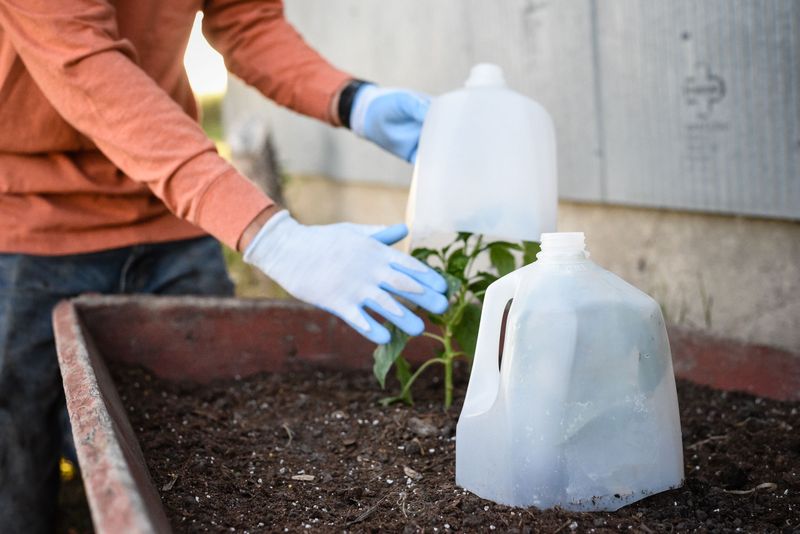
Cucumbers are warm-weather plants that genuinely struggle when nighttime temperatures drop below 50 degrees Fahrenheit, and Michigan is famous for surprising cold snaps well into late spring.
Even after a beautiful warm week in May, a single chilly night can set back young cucumber plants significantly, slowing their growth and stressing their root systems.
Knowing this ahead of time puts you in a much better position to act fast when the forecast turns cold.
Michigan is a big state with real climate differences from one region to another. Gardeners in southern Michigan near the Ohio border typically see their last frost around late April, while those in central Michigan often watch for frost through mid-May.
Northern Michigan gardeners, especially in the Upper Peninsula, may face frost risk well into late May or even early June, making protection even more critical for anyone growing cucumbers in those areas.
Row covers are one of the most practical tools Michigan gardeners can keep on hand for exactly this kind of situation. These lightweight fabric sheets trap warmth around plants overnight and can raise the temperature under them by several degrees.
Cloches, which are small clear plastic or glass covers placed over individual plants, work well for smaller gardens. Even an old bedsheet draped loosely over your cucumber plants on a cold night can provide enough protection.
Remove coverings during the day so plants get full sun and proper airflow through Michigan’s warming spring mornings.
5. Start Watching For Cucumber Beetles Immediately After Planting

Cucumber beetles are small, but the damage they cause in a Michigan garden is anything but minor. These yellow and black striped or spotted insects show up early in the season and start feeding on leaves almost immediately after cucumber plants go into the ground.
What makes them especially troublesome is that they carry bacterial wilt, a disease that spreads quickly from plant to plant and can wipe out an entire cucumber patch within weeks.
Warm Michigan springs bring these pests out earlier than many gardeners anticipate, so waiting to check your plants until you notice obvious damage puts you behind from the start.
Walk through your garden every day during the first few weeks after planting and flip leaves over to look for beetles resting on the undersides.
Early signs of activity include small holes chewed through leaves and a slightly ragged appearance along leaf edges.
Row covers placed over plants immediately after planting create a physical barrier that keeps beetles off young cucumbers during their most vulnerable stage. Remove the covers once flowers appear so pollinators can reach the blooms.
Hand-picking beetles in the early morning when they move slowly is surprisingly effective in smaller Michigan gardens. Planting flowers like marigolds and sweet alyssum nearby encourages beneficial insects that naturally keep beetle populations lower.
Staying alert from planting day forward gives your Michigan cucumber crop the best possible chance of growing strong and producing a full, healthy harvest.
6. Give Cucumbers Extra Space From The Very Beginning
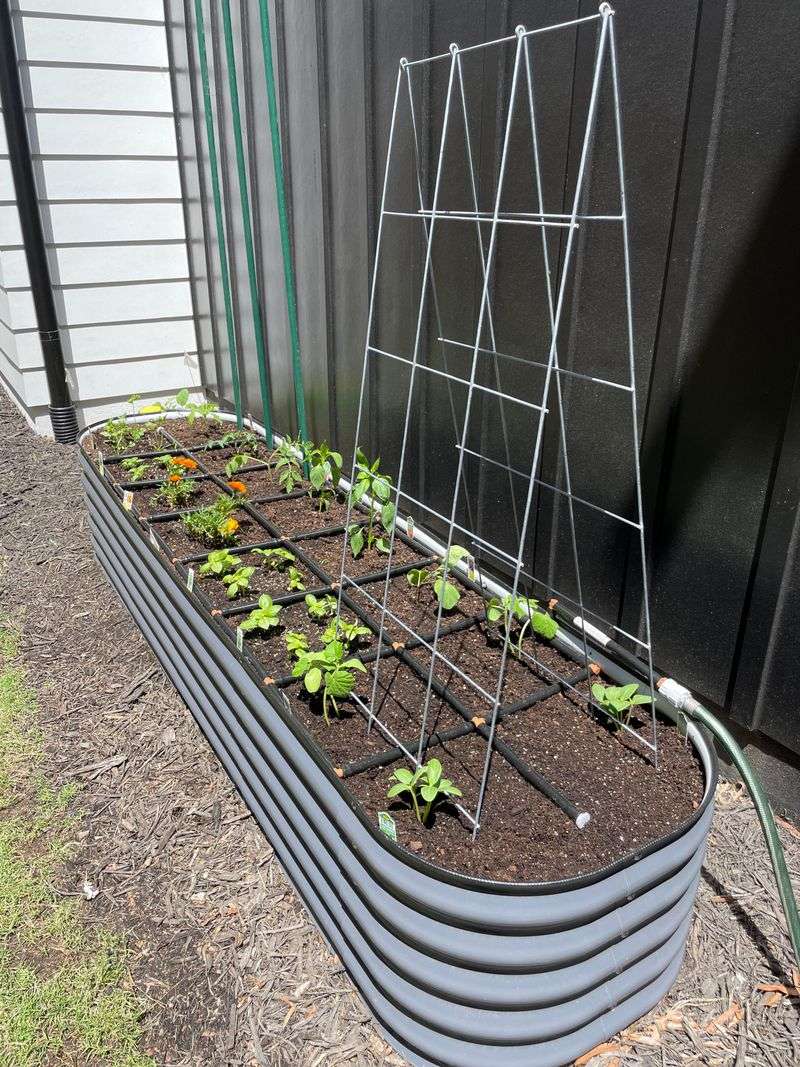
Crowding cucumber plants is one of the most common mistakes Michigan gardeners make, and it causes more problems than most people realize.
When plants grow too close together, their leaves overlap and trap moisture between them, creating the kind of damp, humid environment where fungal diseases thrive.
Michigan summers near the Great Lakes are already humid enough without adding extra moisture problems by packing plants too tightly into your garden beds.
Bush cucumber varieties, which stay more compact and do not send out long trailing vines, need at least 18 to 24 inches between each plant.
Vining varieties are larger and more vigorous, so spacing them 36 inches apart gives their roots and foliage enough room to spread without competing with neighboring plants.
When plants have room to breathe, leaves dry out faster after Michigan’s frequent summer rain showers, which significantly lowers the risk of powdery mildew and other common fungal issues.
Proper spacing also makes harvesting much easier because you can see and reach every cucumber without fighting through a tangled mess of vines and leaves.
Good airflow between plants means sunlight reaches more of the foliage, which supports stronger photosynthesis and better fruit production throughout the season.
It can feel wasteful to leave so much open space between young seedlings, but those gaps fill in quickly once the plants hit their stride. Give your Michigan cucumbers room from the start and the results will speak for themselves come harvest time.