Flowers That Bloom In April And Last Through Summer In North Carolina
April in North Carolina always brings that mix of excitement and hesitation. One warm afternoon makes it feel like spring has fully arrived, then a cool morning reminds you the season still has a few surprises left.
This is the point when many gardeners start thinking ahead, not just about what looks good now, but what will keep color going into the hotter months.
North Carolina’s mix of clay soils, rising humidity, and warming temperatures means some flowers settle in early and keep going, while others fade faster than expected.
A few reliable choices can carry your garden from those first mild days straight into summer without constant replanting, and once you see which ones hold on the longest, it starts to change how you plan every spring planting.
1. Coreopsis For Bright Yellow Blooms From Spring Onward
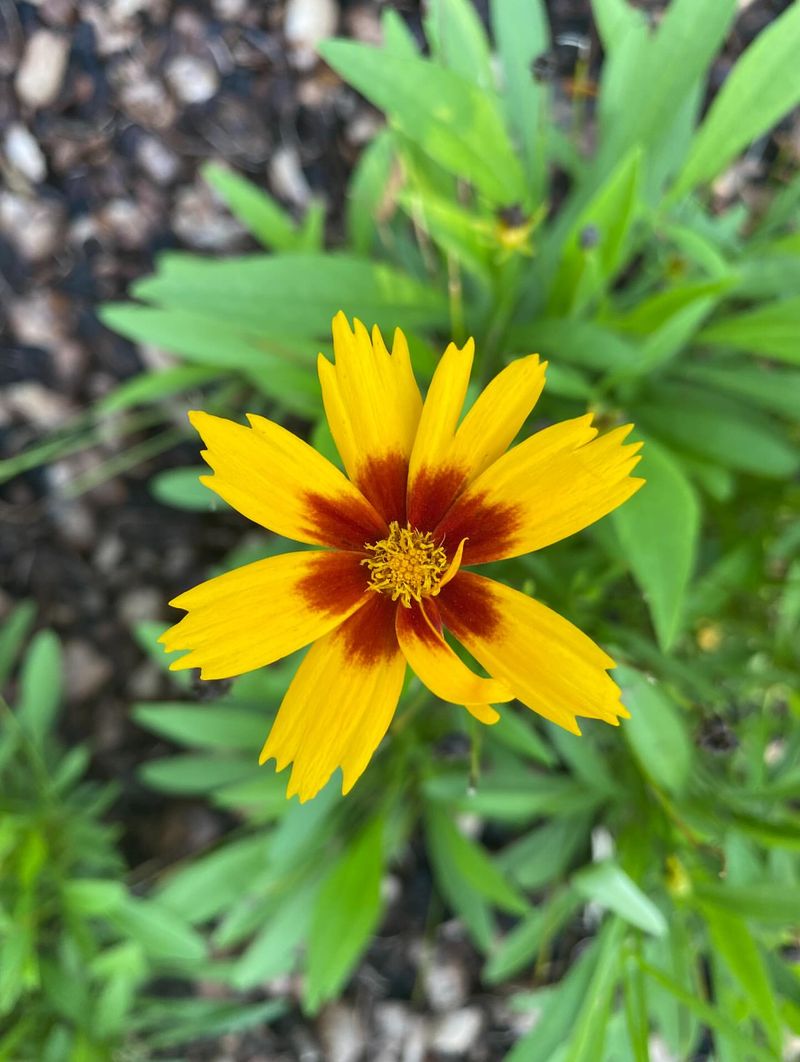
Few flowers are as reliably cheerful as coreopsis, a sun-loving perennial that earns its nickname “tickseed” by spreading freely and filling garden beds with waves of golden color. Depending on the species and local conditions, coreopsis typically begins blooming in late spring and can continue into summer or fall, making it a dependable flower for North Carolina gardens.
It thrives in full sun and actually prefers soil that is not overly rich, making it a low-maintenance choice for busy gardeners.
What makes coreopsis especially appealing in North Carolina is its impressive drought tolerance. Once established, it can handle the hot, dry stretches of a Carolina summer without missing a beat.
You will find varieties in yellow, pink, red, and even bi-colored combinations, so there is always a shade that fits your garden style.
Deadheading spent blooms regularly encourages the plant to keep producing new flowers throughout the season. It also attracts butterflies and other pollinators, adding life and movement to your outdoor space.
Coreopsis pairs beautifully with black-eyed Susans and purple coneflowers, creating a wildflower-inspired look that feels natural and inviting.
Planting coreopsis in April gives the roots time to settle in before the heat of summer arrives. Space plants about 12 to 18 inches apart to allow good air circulation and prevent disease.
With very little fuss, coreopsis will reward you with months of bright blooms that make your North Carolina garden feel warm, welcoming, and full of life all season long.
2. Daylilies That Keep Blooming After Late Spring
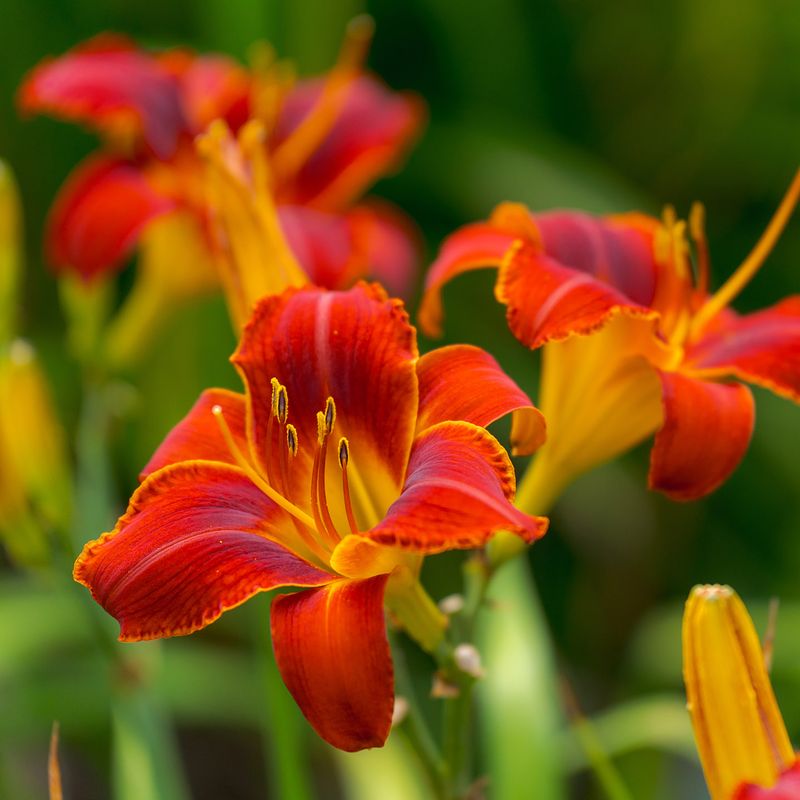
There is something almost magical about daylilies. Each individual flower lasts only one day, yet the plant produces so many buds that it seems to be in constant bloom from late spring all the way through summer.
Plant them in April in North Carolina, and by the time warm weather settles in, you will have a spectacular show of color that practically takes care of itself.
Daylilies are tough, adaptable plants that tolerate a wide range of soil types and light conditions. They perform best in full sun but can manage with partial shade, which makes them flexible enough to fit almost any spot in your yard.
In North Carolina’s warm climate, they establish quickly and spread gradually to fill in bare spots over time.
Your North Carolina Garden Changes Every Week. Your Plan Should Too.
Gardening in North Carolina changes quickly throughout the season. Every Friday you’ll receive a simple weekly plan showing exactly what to plant, prune, fertilize, harvest, and protect so you never miss the right timing.
One of the best things about daylilies is the sheer variety available. Colors range from pale cream and soft peach to deep burgundy and vivid orange.
Some varieties even have ruffled petals or contrasting throats that give them a sophisticated, almost exotic look. Choosing a mix of early, mid, and late-blooming varieties extends the color show across the entire summer season.
Daylilies are also remarkably resistant to pests and disease, which is great news for gardeners who want beauty without a lot of chemical spraying. Dividing clumps every three to four years keeps the plants vigorous and blooming at their best.
For a low-effort, high-reward flower in North Carolina, daylilies are truly hard to beat.
3. Purple Coneflower For Long Lasting Color
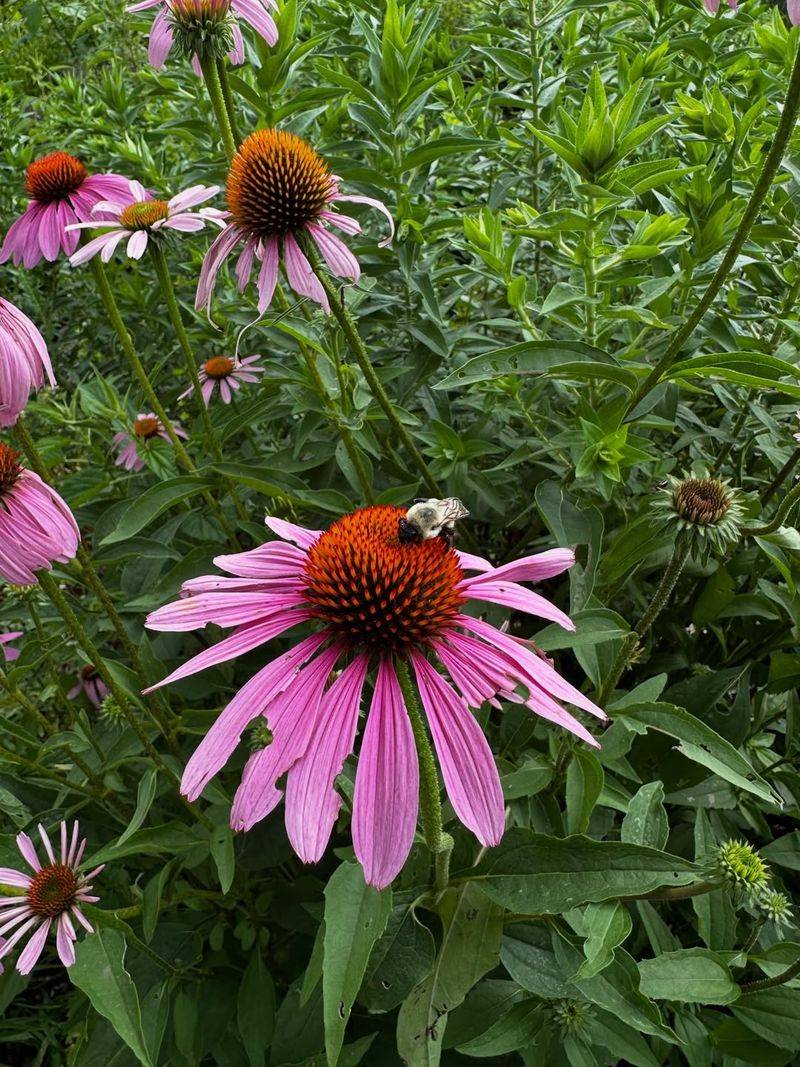
Bold, beautiful, and built for the Carolina heat, purple coneflower is one of the most beloved native perennials you can grow in North Carolina. Known botanically as Echinacea purpurea, this striking plant sends up tall stems topped with daisy-like flowers featuring drooping lavender-pink petals and a spiky, dome-shaped orange-brown center.
It begins blooming in late spring and keeps going strong through midsummer and beyond.
Since it is native to the eastern United States, purple coneflower is perfectly adapted to North Carolina’s climate. It handles summer heat, humidity, and occasional drought without complaint.
Plant it in full sun with well-drained soil, and it will reward you with minimal fuss and maximum impact. It also self-seeds freely, meaning your original planting can grow into a generous colony of blooms over the years.
Pollinators absolutely love purple coneflower. Bees, butterflies, and even goldfinches flock to the plants, making your garden feel alive with activity.
After the petals fade, leaving the seed heads in place provides food for birds well into fall and winter, giving this plant year-round value beyond just its flowers.
Did you know that purple coneflower has been used in herbal medicine for centuries? Native American communities traditionally used it to support immune health, and it remains one of the best-selling herbal supplements today.
Whether you grow it for its looks, its wildlife value, or its fascinating history, purple coneflower is an outstanding addition to any North Carolina garden planted in April.
4. Garden Phlox That Extends The Bloom Season
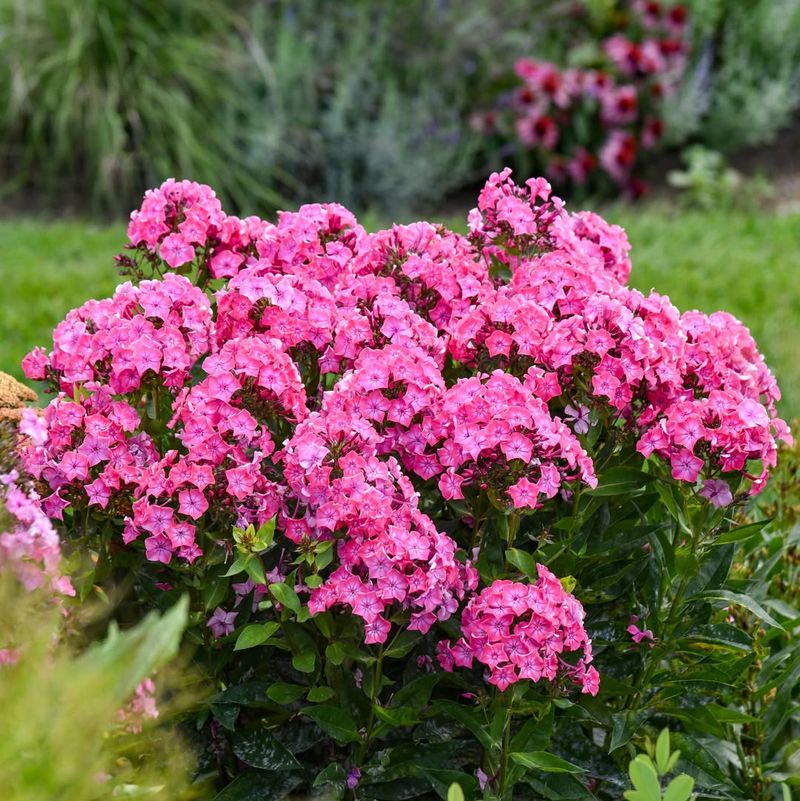
Walk past a garden phlox in full bloom and the sweet, spicy fragrance will stop you in your tracks. Garden phlox, known scientifically as Phlox paniculata, is a tall, showy perennial that produces large, dome-shaped clusters of flowers in shades of pink, purple, white, and red.
It starts blooming in early summer and, with proper care, keeps producing fresh flowers for weeks on end throughout the North Carolina growing season.
Garden phlox loves full sun and thrives in the warm, humid summers that North Carolina is known for. It prefers moist, well-drained soil and benefits from regular watering during dry spells.
Planting it in April gives the roots a solid head start, so by the time midsummer rolls around, the plants are well-established and ready to put on a serious floral display.
One thing to keep in mind with garden phlox is that it can be prone to powdery mildew, especially in humid conditions. Choosing mildew-resistant varieties and spacing plants at least 18 inches apart to allow good air circulation goes a long way toward preventing this issue.
Watering at the base rather than overhead also helps keep the foliage dry and healthy.
Beyond its beauty, garden phlox is a magnet for hummingbirds and butterflies, particularly swallowtails that are drawn to the nectar-rich blooms. Deadheading spent flower clusters encourages the plant to produce secondary blooms.
For a fragrant, cottage-garden feel in North Carolina, garden phlox is an absolute must-have from spring through late summer.
5. Bee Balm With Strong Late Spring And Early Color
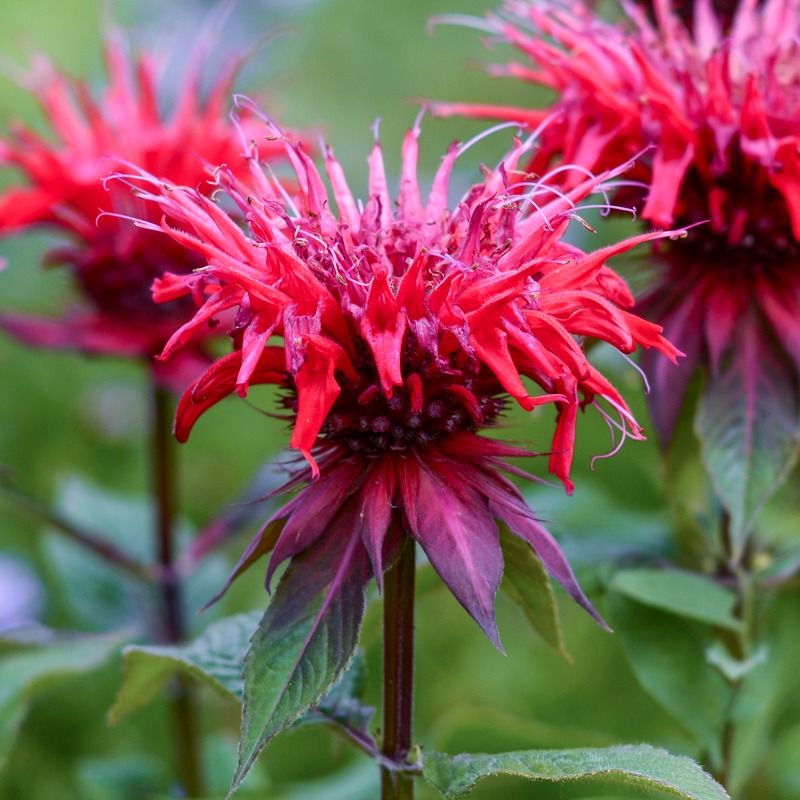
If your goal is to turn your North Carolina garden into a hummingbird and butterfly hotspot, bee balm is the flower you need. This energetic perennial, known botanically as Monarda, produces wild, shaggy blooms in vivid shades of red, pink, and purple that seem almost too exotic to be growing right in your backyard.
It starts blooming in midsummer and continues for several weeks, filling the garden with both color and sweet fragrance.
Bee balm is a native North American plant, which means it is well-suited to growing conditions across North Carolina. It performs best in full sun to partial shade and prefers moist, well-drained soil.
Planting in April allows the roots to develop properly before the heat of summer kicks in, resulting in stronger, taller plants with more blooms. A mature bee balm clump can reach two to four feet tall, making it a great choice for the back of a flower border.
The name says it all when it comes to pollinators. Bees of all kinds flock to the tubular flowers, along with ruby-throated hummingbirds that are common visitors in North Carolina gardens.
Crushing a leaf releases a pleasant oregano-like scent, a reminder that bee balm belongs to the mint family and has a long history of use in teas and herbal remedies.
To keep bee balm healthy and blooming, divide the clumps every two to three years and remove the oldest sections from the center. Choosing mildew-resistant varieties like Monarda ‘Jacob Cline’ or ‘Raspberry Wine’ ensures your plants stay looking their best all summer long in North Carolina.
6. Black Eyed Susan For Reliable Warm Season Blooms
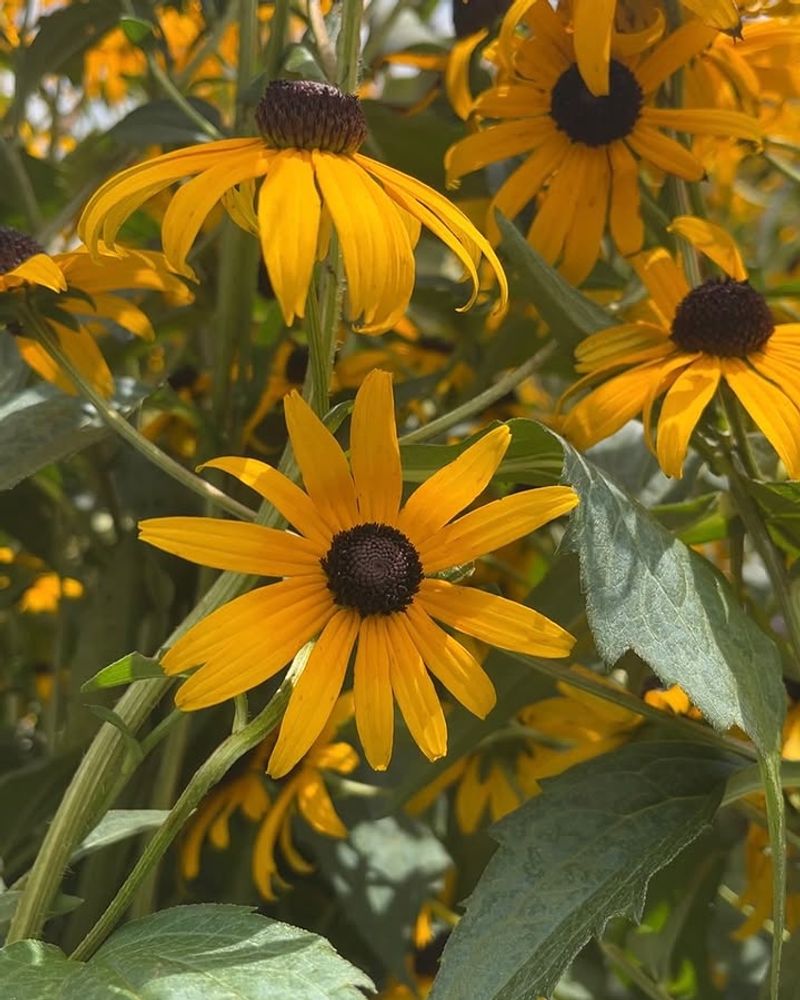
Sunny, bold, and unmistakably cheerful, black-eyed Susan is practically a symbol of the American summer garden. With its bright yellow petals radiating from a dark chocolate-brown center, this hardy perennial is one of the most recognizable wildflowers in North Carolina.
It begins blooming in early summer and keeps going strong all the way through fall, providing months of reliable color with very little effort on your part.
Black-eyed Susans are incredibly tough plants. Once established in North Carolina’s soil, they are highly drought-tolerant and can handle the intense heat of a Carolina summer without wilting or fading.
They thrive in full sun and adapt to a wide range of soil types, from sandy coastal soils to the red clay of the Piedmont region. Planting them in April gives them a strong start and ensures they hit peak bloom right when summer gets going.
These flowers are also outstanding for wildlife. Bees and butterflies love the nectar-rich blooms, and when the flowers fade in fall, birds like finches feast on the seed heads.
Leaving the spent plants standing through winter adds visual interest and provides important food and shelter for birds during the colder months.
Black-eyed Susans spread gradually by self-seeding, so a small planting can grow into a generous patch over a few seasons. Deadheading some spent blooms extends the flowering period, while leaving others to go to seed encourages natural spreading.
For a no-fuss flower that brings lasting color to any North Carolina garden, black-eyed Susan is an absolute classic worth growing every year.
7. Cosmos That Bloom Fast And Keep Going
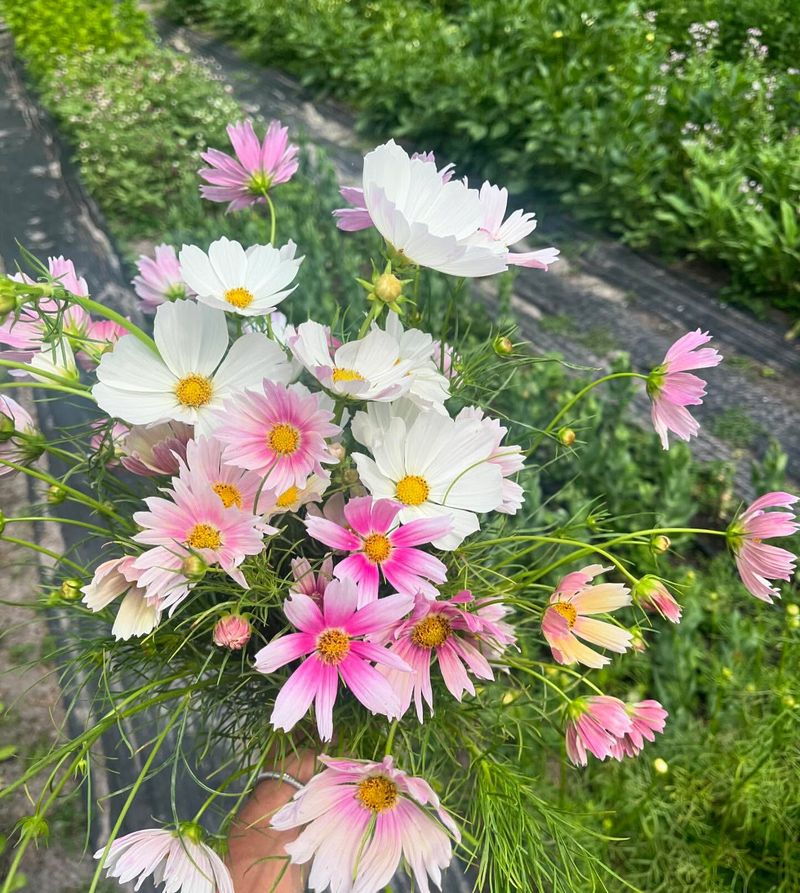
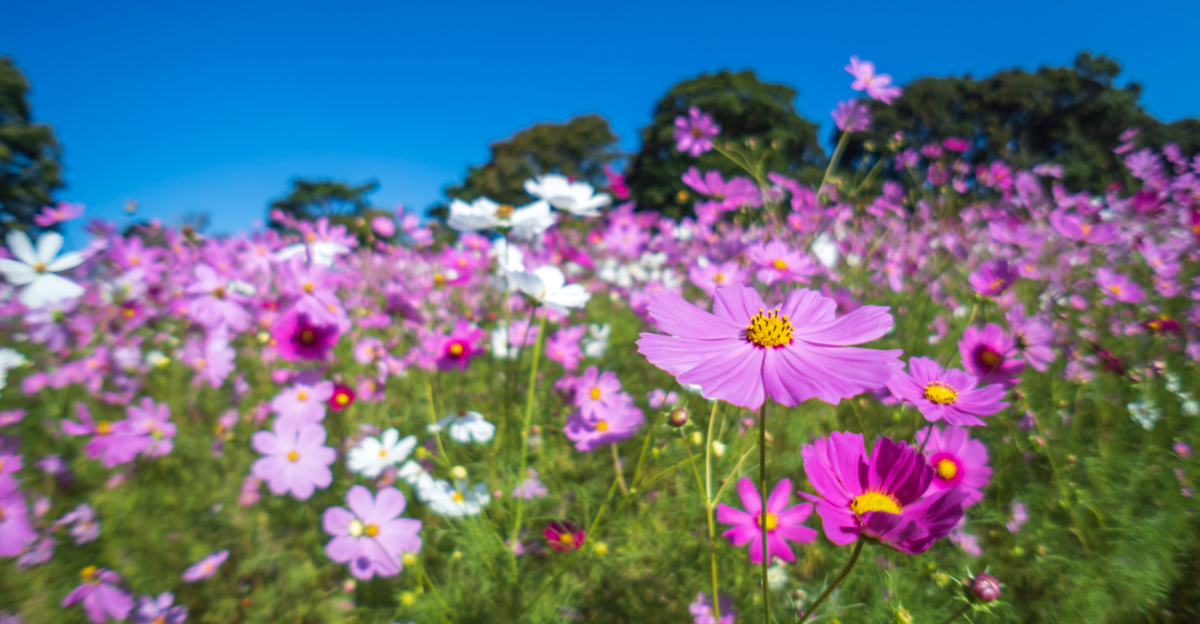
Light, airy, and endlessly charming, cosmos bring a carefree cottage-garden vibe to any North Carolina yard. These fast-growing annuals produce delicate, bowl-shaped flowers in shades of pink, white, magenta, and burgundy, held high on tall, feathery stems that sway gracefully in the breeze.
Start them from seed in April, and you will have blooms by early summer that last all the way to the first frost.
One of the best things about cosmos is just how easy they are to grow. They actually prefer poor to average soil and do not need much fertilizer.
In fact, overly rich soil causes them to produce lots of leafy growth at the expense of flowers. Full sun is essential, and North Carolina’s long, sunny summers are just about perfect for keeping cosmos blooming prolifically for months on end.
Cosmos are a favorite of butterflies, particularly skippers and monarchs that pass through North Carolina during their migration. The flowers also make wonderful cut flowers, bringing a light and romantic feel to indoor arrangements.
Their tall, wispy stems add height and movement to garden borders without overwhelming nearby plants.
Deadheading spent blooms regularly keeps cosmos producing new flowers at a steady pace. Alternatively, letting some flowers go to seed at the end of the season means you may get volunteer seedlings popping up the following spring, giving you a free head start on next year’s garden.
For a flower that delivers maximum beauty with minimum effort in North Carolina, cosmos is a top pick that never disappoints.
8. Zinnias For Continuous Color After Spring
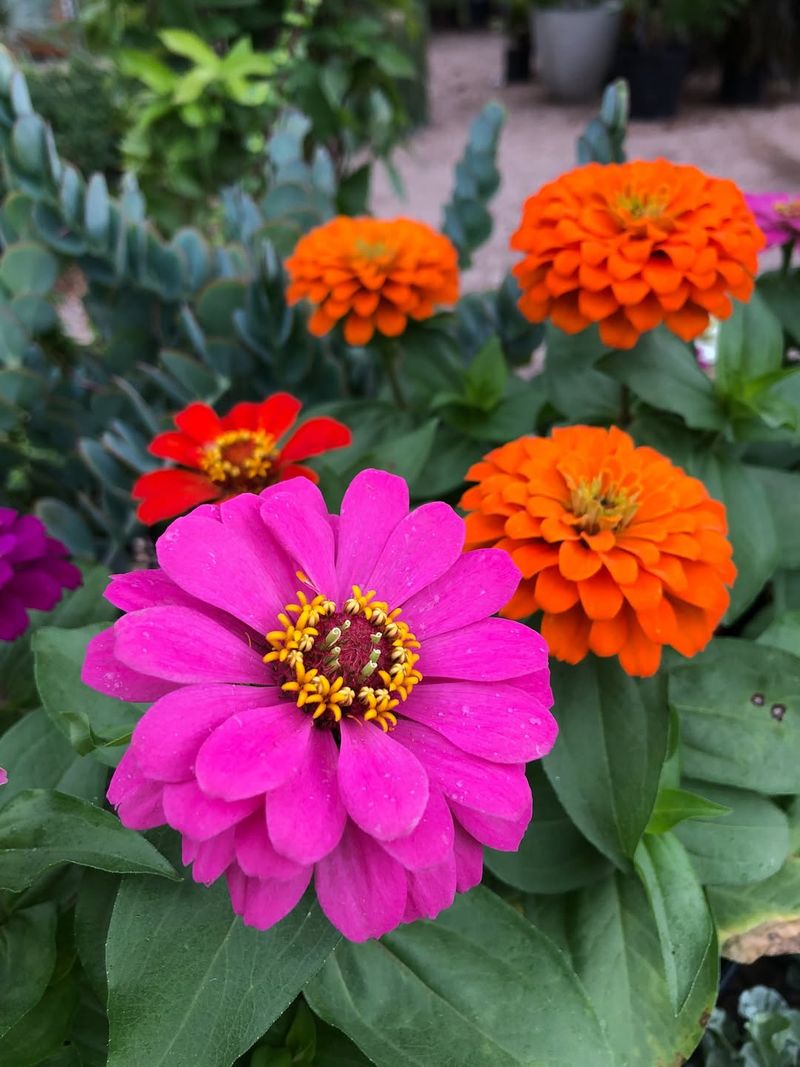
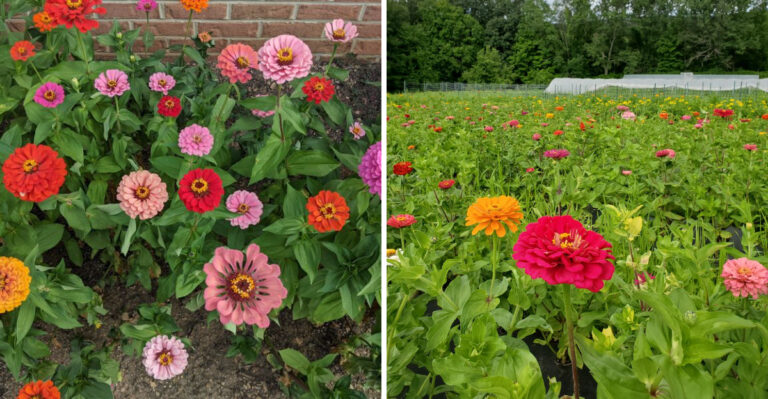
Ask any experienced North Carolina gardener which annual delivers the most bang for the buck, and zinnias will almost always top the list. These cheerful, daisy-like flowers come in virtually every color imaginable, from pure white and soft peach to blazing orange and deep crimson.
Sow seeds directly in the garden in April, and by early summer you will have a riot of color that keeps going strong until the first frost taps out the season.
Zinnias are sun worshippers through and through. They love the heat and humidity of a North Carolina summer, which is exactly why they thrive here when they might struggle in cooler climates.
Well-drained soil and full sun are really the only two things they ask for. Once they get going, they are remarkably self-sufficient, needing only occasional watering during extended dry spells.
Few flowers are better for attracting butterflies, and North Carolina gardens planted with zinnias often become busy butterfly rest stops throughout the summer. Monarch butterflies, painted ladies, and swallowtails are frequent visitors, drawn in by the abundant nectar.
Zinnias also make exceptional cut flowers, with long-lasting stems that hold up beautifully in vases for a week or more.
Regular deadheading is the single most effective way to keep zinnias blooming continuously. Snipping off faded flowers every few days signals the plant to keep producing new buds.
Choosing taller varieties like ‘Benary’s Giant’ or ‘Oklahoma’ gives you impressive stems perfect for cutting, while shorter varieties like ‘Zahara’ work wonderfully as colorful border edging throughout the North Carolina growing season.