North Carolina Gardeners Are Getting More Cucumbers Per Plant By Avoiding These Common Mistakes
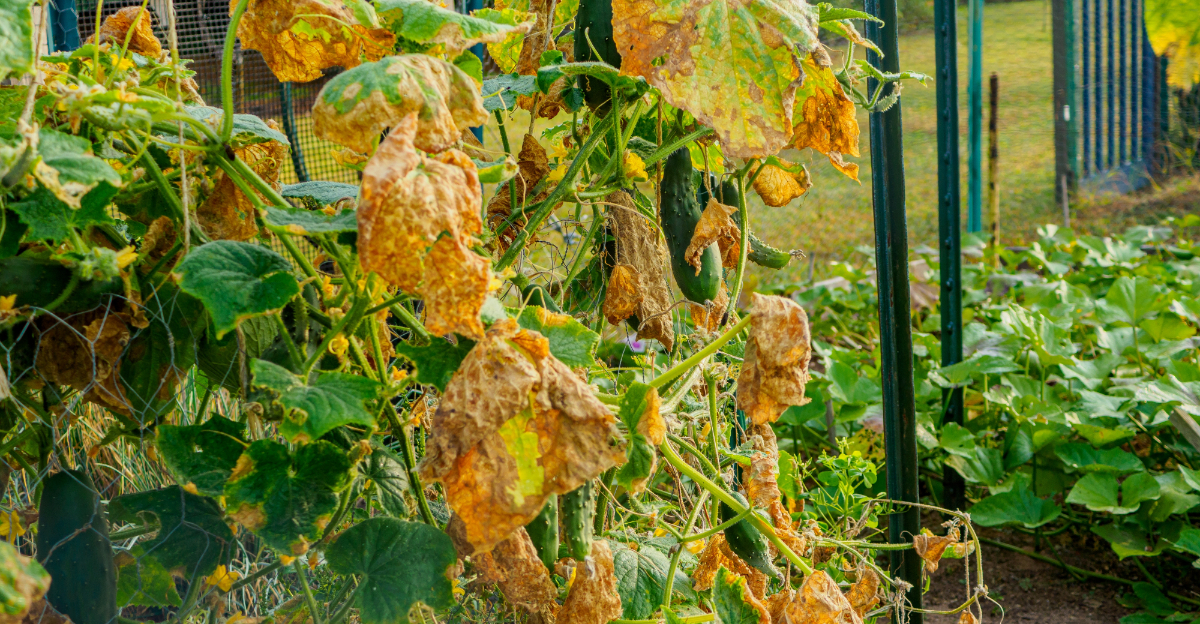
Cucumbers are one of the most productive vegetables a North Carolina gardener can grow, but a handful of common mistakes quietly limit how much each plant actually delivers.
Most gardeners plant cucumbers, keep them watered, and accept whatever harvest comes without connecting the results to specific decisions made earlier in the season.
North Carolina’s heat and humidity create conditions where cucumber plants either thrive or stall depending on how they are managed, and the difference often comes down to a few habits that are easy to change once they are identified.
Growers who consistently pull heavy harvests from the same number of plants are simply avoiding the mistakes that others repeat season after season without realizing the connection between those choices and what ends up on the kitchen counter.
1. Planting Cucumbers Too Close Together Reduces Airflow And Harvests
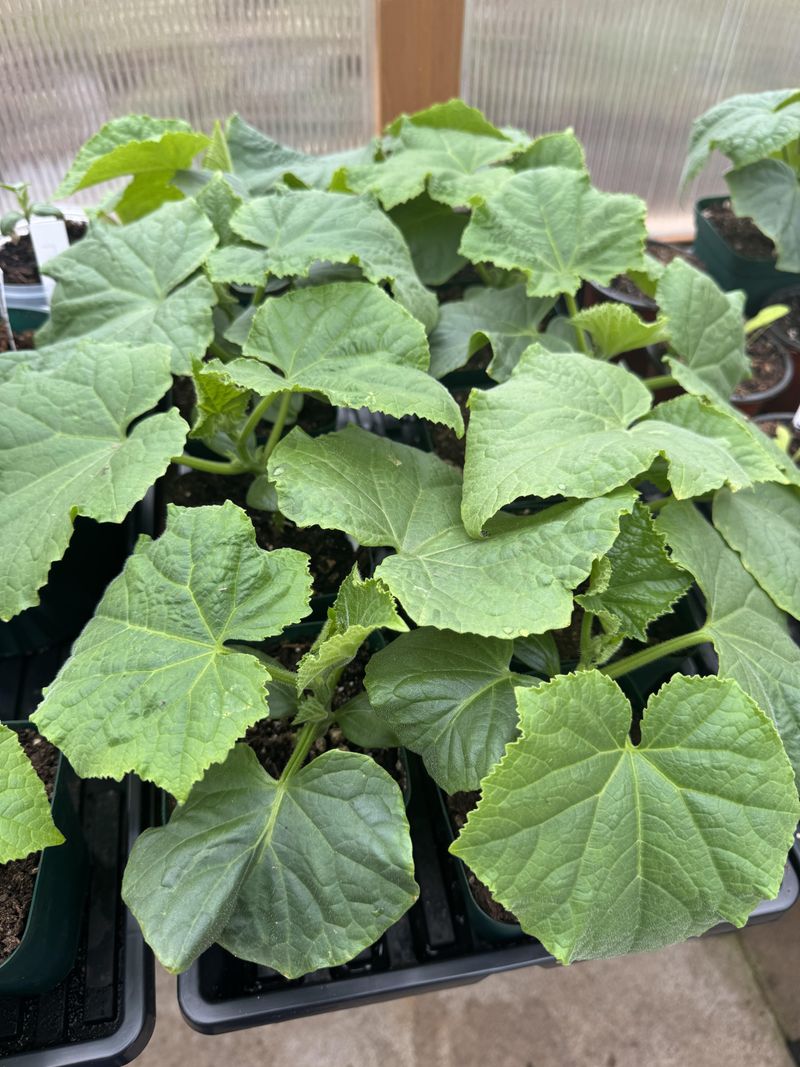
Tight spacing might seem like a smart way to squeeze more plants into your garden, but cucumbers really do not work that way. Cucumis sativus is a vigorous, spreading vine that needs room to breathe, especially in North Carolina’s hot and humid summers.
When plants are crammed together, air stops moving freely through the foliage, and moisture sits on leaves long enough to invite fungal problems.
Poor airflow is one of the biggest reasons cucumber plants develop disease early in the season. Crowded vines also make it harder for bees to reach every flower, which means fewer fruits get pollinated and your harvest shrinks fast.
Gardeners often blame heat or bugs when the real problem is simply too many plants in too small a space.
For row gardens, space cucumber plants about 12 inches apart with rows set 5 to 6 feet wide. In raised beds, two plants per square foot is already pushing it.
Trellised cucumbers can be spaced a little closer, around 8 to 10 inches apart, because lifting vines vertically opens up airflow naturally. Getting spacing right from the start costs nothing extra and pays off with a noticeably bigger harvest all season long.
2. Letting Cucumbers Dry Out Between Waterings Causes Bitter Fruit And Weak Production
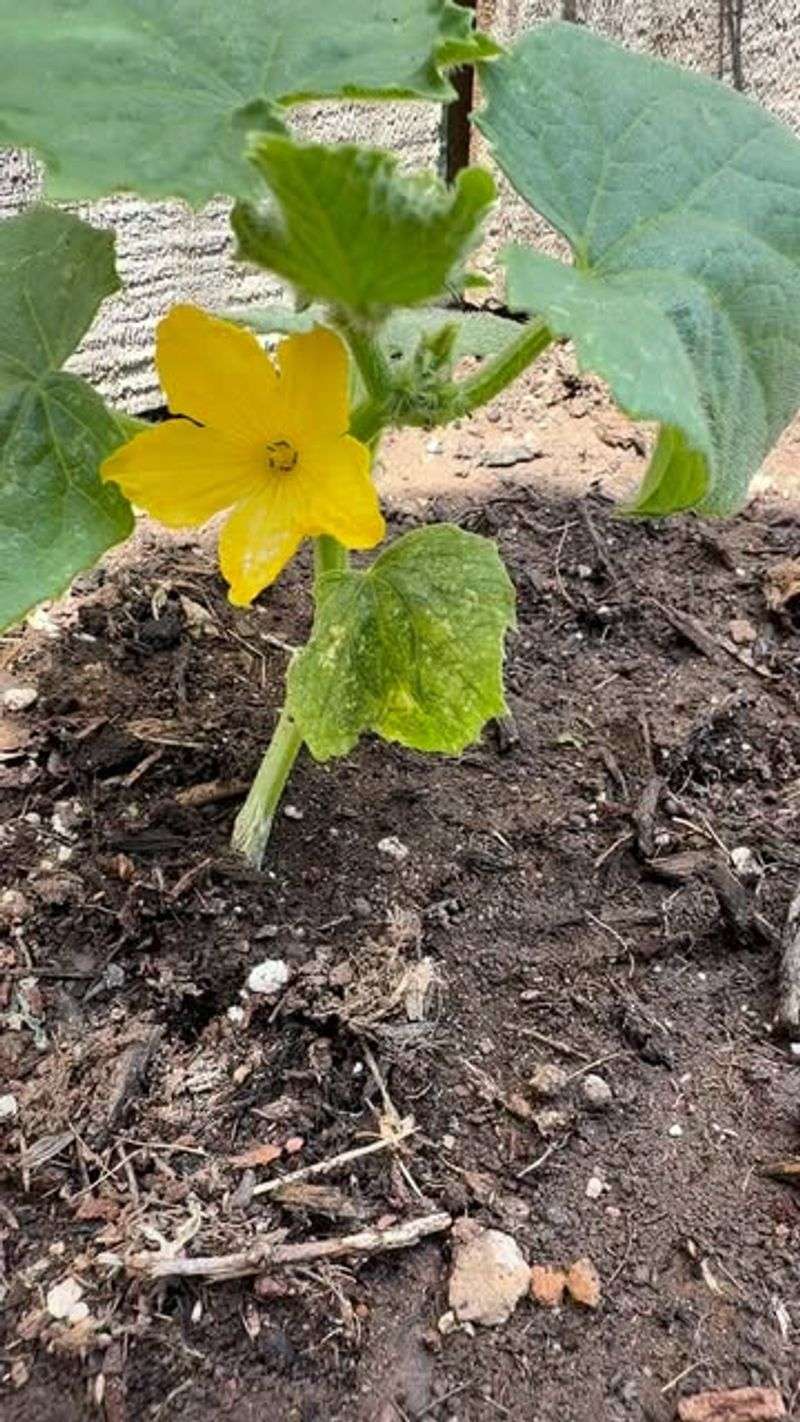
Cucumbers are almost 96 percent water by weight, so it makes perfect sense that inconsistent watering causes some of the most frustrating harvest problems gardeners face.
When cucumber plants experience dry spells followed by heavy watering, the stress triggers a chemical response that produces cucurbitacin, the compound responsible for that sharp, unpleasant bitterness in the fruit.
Nobody wants to bite into a cucumber that tastes like medicine. Beyond bitterness, irregular moisture also causes misshapen fruits, blossom drop, and stunted growth that never fully recovers. North Carolina’s soil types make this especially tricky.
Sandy coastal soils drain fast and need more frequent watering, sometimes every day during peak summer heat. Piedmont clay holds moisture longer but can become waterlogged if you overdo it, which is just as harmful as drought stress.
Container gardeners face the biggest challenge because pots dry out quickly and offer little buffer. The goal for all garden types is to keep soil consistently moist but never soggy, aiming for about one to two inches of water per week.
Your North Carolina Garden Changes Every Week. Your Plan Should Too.
Gardening in North Carolina changes quickly throughout the season. Every Friday you’ll receive a simple weekly plan showing exactly what to plant, prune, fertilize, harvest, and protect so you never miss the right timing.
Watering deeply in the early morning works best because it allows foliage to dry before evening. A simple finger test, pushing your finger two inches into the soil, tells you quickly whether your cucumbers need a drink today or can wait until tomorrow.
3. North Carolina Gardeners Get Better Harvests When They Trellis Cucumbers

Watching cucumber vines sprawl across the ground feels natural, but that habit is quietly costing you cucumbers every season.
Cucumber vines that creep along soil stay wet longer, pick up soilborne diseases more easily, and become a tangled mess that makes harvesting a frustrating treasure hunt.
Lifting vines off the ground with a trellis changes the entire dynamic of how your cucumber plants grow and produce.
Vertical growing improves airflow dramatically, which is a huge deal in North Carolina’s sticky summer humidity. Better airflow means fungal diseases like powdery mildew and downy mildew have a harder time getting established.
Pollinators can also find flowers more easily when vines grow upright and open instead of piling on top of each other in a heap on the ground.
The good news is that trellising does not require expensive equipment. A simple cattle panel arch, a wooden A-frame, or even a sturdy row of T-posts with wire stretched between them all work beautifully for home gardens.
Aim for a trellis at least five to six feet tall since cucumber vines grow enthusiastically through a North Carolina summer. Cucumbers grown vertically also tend to grow straighter and look more appealing at the table.
Once you try trellising, going back to ground growing will feel like a step in the wrong direction.
4. Planting Cucumbers Too Early In Cool Soil Slows Growth For Weeks
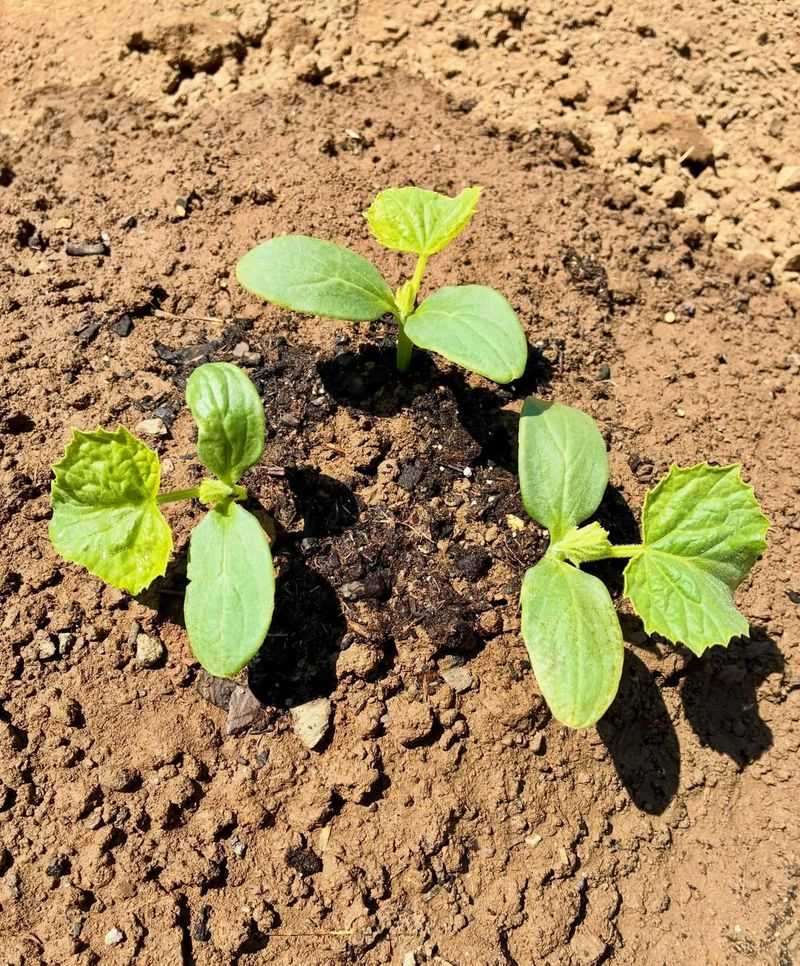
Eager gardeners often push their cucumber planting dates earlier than the plants can actually handle, and the results are almost always disappointing.
Cucumis sativus is a warm-season crop that genuinely stalls when soil temperatures drop below 60 degrees Fahrenheit.
Seeds planted in cold soil may rot before they ever sprout, and transplants set out too early often just sit there looking miserable for weeks without putting on any real growth.
North Carolina’s planting window varies quite a bit depending on where you live. Along the coast, soil warms faster and gardeners can often plant safely by late April.
In the Piedmont, mid-May is a more reliable target for consistent soil warmth. Mountain gardeners should wait until late May or even early June, since late frosts and cold nights can linger well past what the calendar suggests.
A soil thermometer is one of the most useful and inexpensive tools any vegetable gardener can own.
Waiting until soil consistently reads 65 to 70 degrees Fahrenheit before planting cucumbers will almost always produce faster, healthier plants than jumping the season by two or three weeks.
Plants that go into warm soil catch up quickly and often outperform earlier plantings within the same season. Patience in spring genuinely pays off with a stronger, more productive cucumber crop when summer heat finally arrives.
5. Ignoring Pollinators Leads To Fewer Cucumbers And Misshapen Fruit
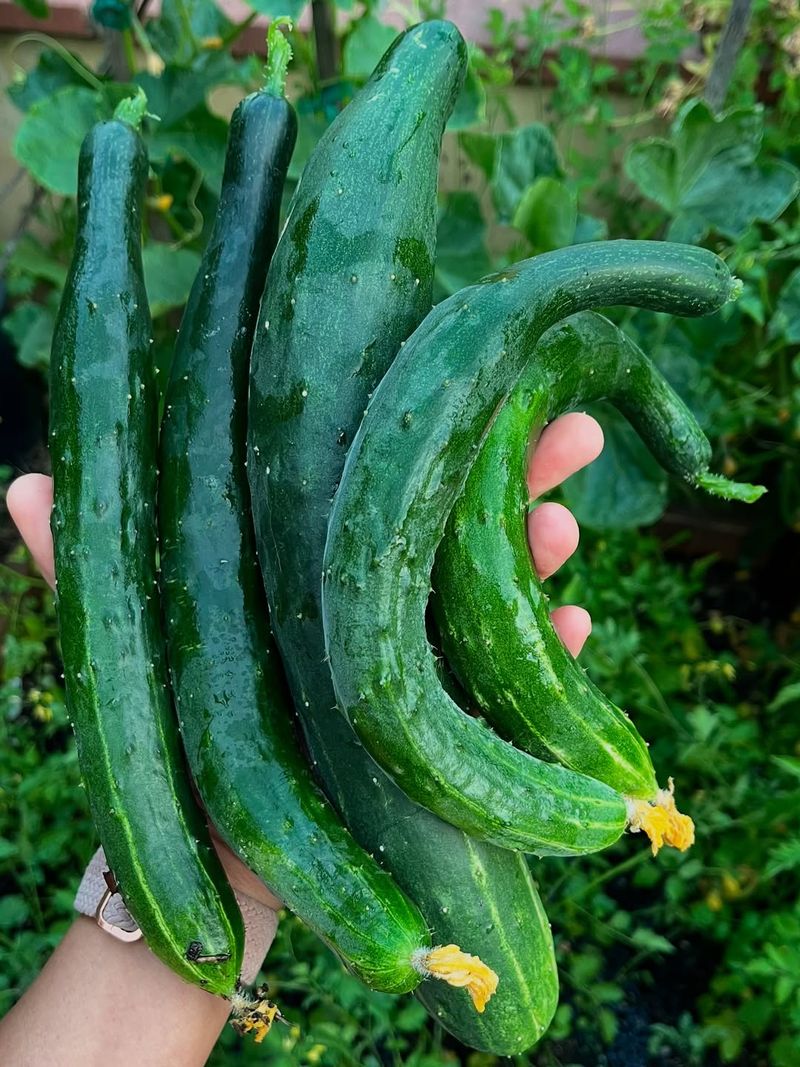
Strange-looking cucumbers that taper to a point, curve dramatically, or stay stubbornly small are almost always a pollination problem in disguise.
Cucumis sativus produces separate male and female flowers on the same vine, and a bee or other pollinator needs to transfer pollen from one to the other for a full-sized, properly shaped fruit to develop.
Without that visit, you end up with fruits that start forming and then give up halfway through.
North Carolina gardens can struggle with pollination more than gardeners expect, especially when heavy pesticide use in nearby yards reduces the local bee population.
Spraying insecticides during flowering hours, particularly in the morning when bees are most active, is one of the fastest ways to wreck your cucumber harvest without realizing what happened.
Even organic sprays can harm pollinators if applied at the wrong time.
Attracting more bees starts with planting flowers nearby. Zinnias, basil, borage, and sunflowers all draw pollinators into the vegetable garden reliably.
If you must spray for pest control, do it in the evening after blooms have closed and bees have gone home for the night.
Hand pollination using a small paintbrush is also a surprisingly effective backup plan on mornings when you notice plenty of flowers but very little bee activity around your cucumber plants.
6. Heavy Nitrogen Fertilizer Creates More Leaves But Fewer Cucumbers
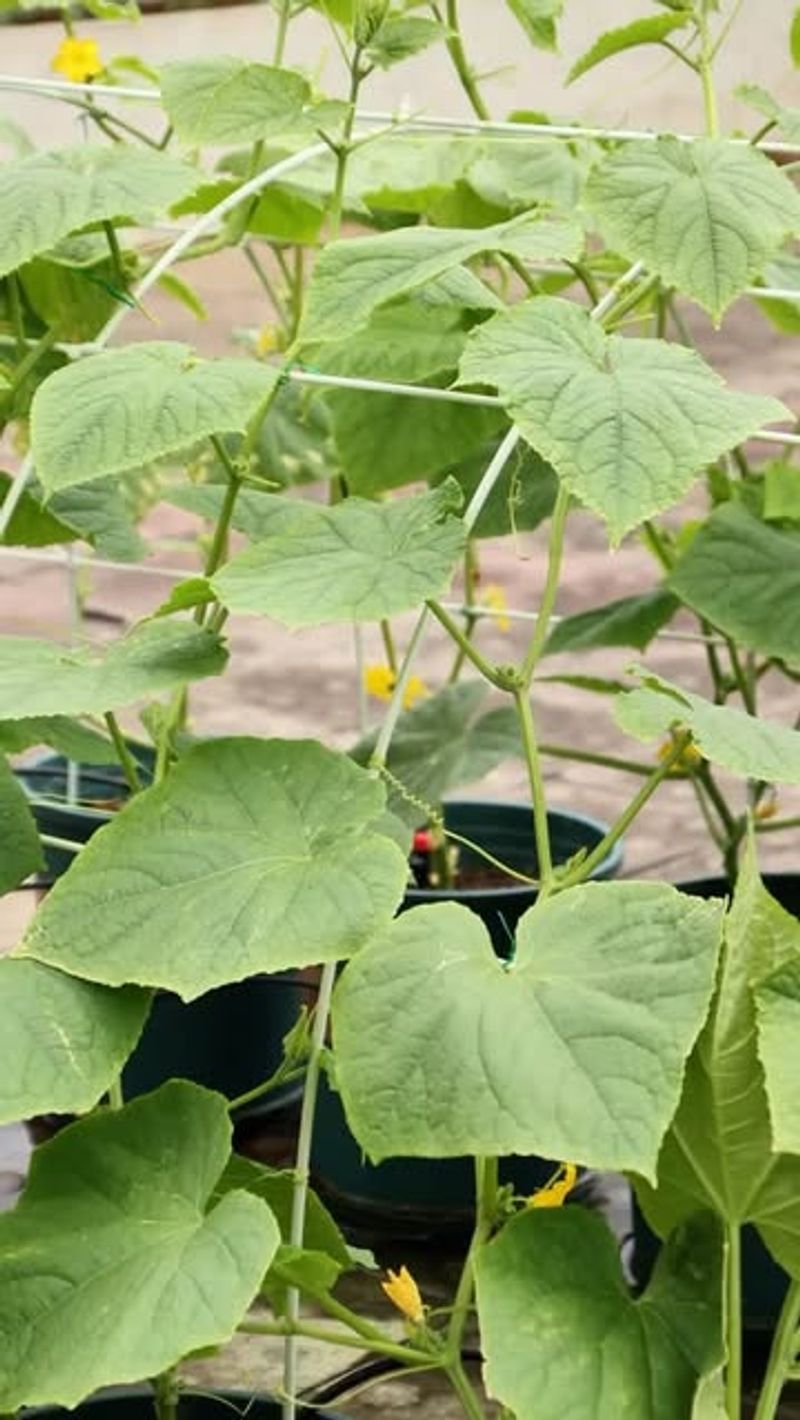
More fertilizer does not always mean more cucumbers, and nitrogen is the perfect example of a good thing taken too far.
Cucumber plants need nitrogen to build strong vines and healthy foliage early in the season, but too much of it shifts the plant’s energy away from flowering and fruiting and into growing bigger and leafier.
The result is a gorgeous, sprawling vine that produces almost nothing worth eating.
Many North Carolina gardeners make this mistake by applying high-nitrogen lawn fertilizers or heavy doses of fresh compost right before planting.
The plants respond with impressive early growth that looks encouraging, but once flowering time arrives, blooms are sparse and fruits are few.
Switching to a balanced fertilizer once vines start running makes a noticeable difference in how productive the season becomes.
A good general approach for cucumbers is to use a balanced fertilizer like a 10-10-10 formula at planting time, then switch to a low-nitrogen, higher-phosphorus and potassium blend once flowering begins.
Phosphorus supports root development and flowering, while potassium helps with fruit quality and disease resistance.
Feeding every two to three weeks during the growing season keeps plants productive without pushing all that energy into leaves.
Healthy soil amended with finished compost before planting usually reduces how much supplemental fertilizer cucumbers actually need.
7. Letting Mature Cucumbers Stay On The Vine Slows Future Production
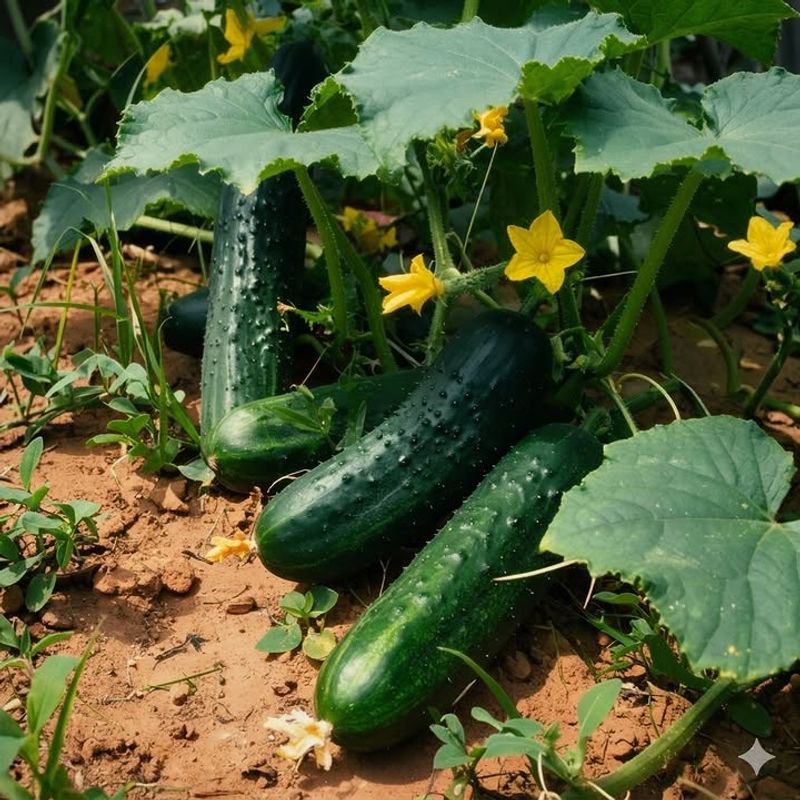
Cucumbers have a biological goal, and that goal is to produce seeds and complete their life cycle. Once a fruit on the vine gets large and starts turning yellow or orange, the plant reads that as mission accomplished and begins pulling back on new flower production.
Cucumber essentially shifts into seed-saving mode, and the rest of your potential harvest quietly disappears before it even starts.
This is why regular harvesting is one of the single most powerful things you can do to keep cucumbers coming all season. Picking fruits every two to three days during peak season signals to the plant that its job is not finished yet.
The plant responds by pushing out more flowers and setting more fruit, keeping the harvest rolling for weeks longer than it would if you let mature cucumbers hang ignored on the vine.
For slicing varieties, harvest cucumbers when they reach six to eight inches long and are still firm and dark green. Pickling types are best picked at two to four inches.
Checking plants every single day during hot weather is worth the effort because cucumbers can go from perfect to overripe surprisingly fast in North Carolina summer heat.
A quick harvest pass through the garden takes only a few minutes but can genuinely double the number of cucumbers you pull off each plant across the whole growing season.
8. Powdery Mildew Spreads Faster In Humid North Carolina Gardens
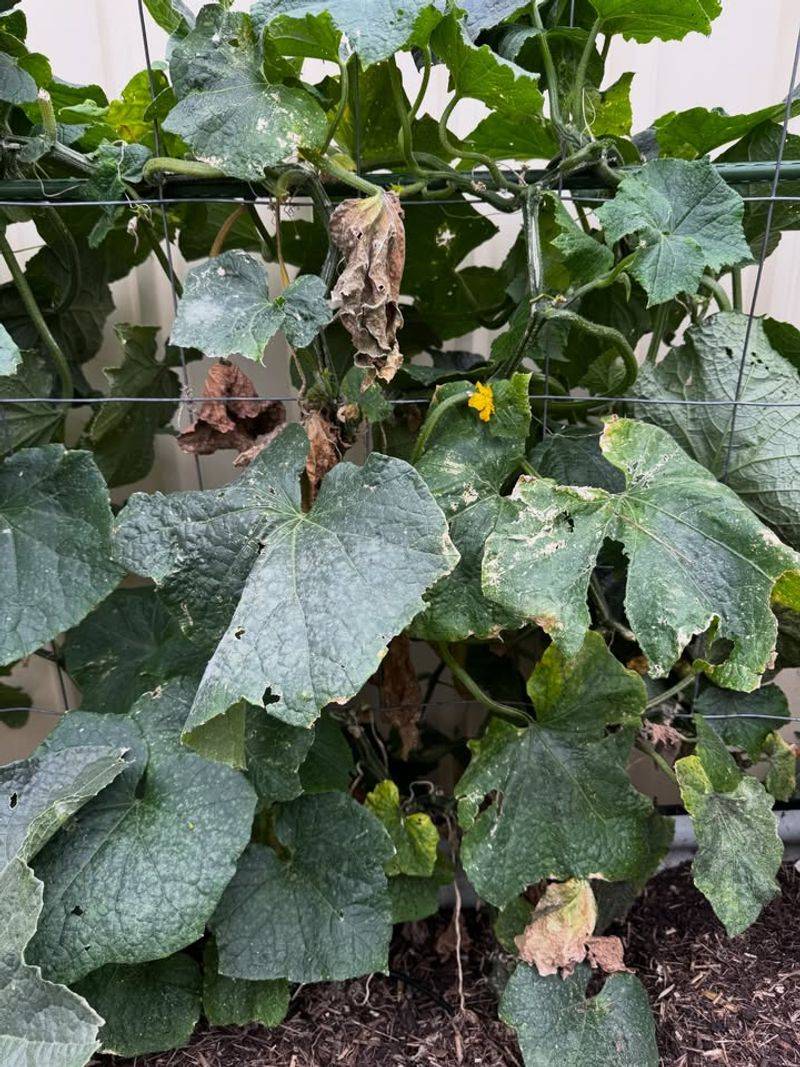
That white, chalky coating creeping across your cucumber leaves is powdery mildew, and it thrives in exactly the kind of warm, humid conditions that North Carolina summers deliver so reliably.
The culprit is a fungal pathogen called Podosphaera xanthii, and once it gets a foothold on cucumber foliage, it spreads quickly from leaf to leaf and plant to plant.
Infected leaves lose their ability to photosynthesize efficiently, which means less energy for fruit production just when you need it most.
The frustrating part about powdery mildew is that it does not need wet leaves to spread. Unlike many fungal diseases, it actually prefers warm days with dry leaf surfaces and just enough humidity in the air.
This makes late summer in North Carolina nearly perfect territory for outbreaks, especially when plants are crowded and airflow is poor.
Prevention works far better than treatment once the white patches appear. Spacing plants correctly, trellising vines off the ground, and watering at the base rather than overhead all reduce the conditions where Podosphaera xanthii thrives.
Applying a thin layer of mulch also cuts down on soil splash that can spread spores. Choosing mildew-resistant Cucumis sativus varieties like Marketmore 76 or Spacemaster gives your garden a real head start.
A diluted baking soda spray applied early can slow the spread if you catch it before it covers too much foliage.
9. Cucumber Beetles Cause Bigger Problems Than Most Gardeners Realize
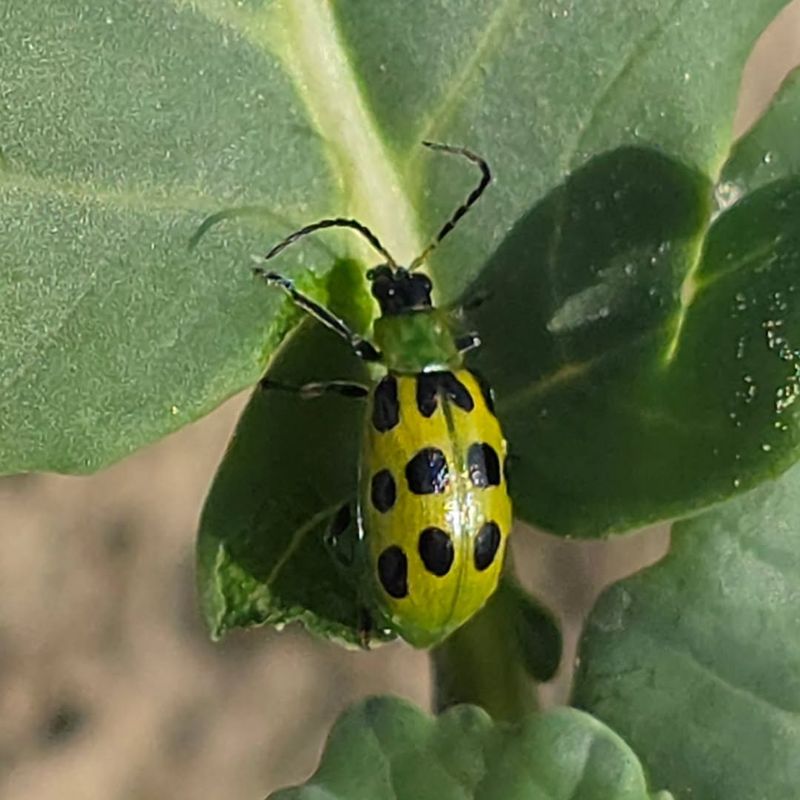
Spotted one small yellow-and-black beetle on your cucumber plant and figured it was no big deal? Think again.
Both Acalymma vittatum, the striped cucumber beetle, and Diabrotica undecimpunctata, the spotted cucumber beetle, are serious pests for cucumbers in North Carolina, and their damage goes well beyond a few chewed leaves.
These beetles feed on flowers, stems, and foliage, but the real danger is what they carry inside them.
Cucumber beetles spread bacterial wilt, a disease caused by the bacterium Erwinia tracheiphila. Once a plant becomes infected, its vascular system gets blocked and the whole vine wilts rapidly and cannot recover.
The disease spreads only through beetle feeding, which means controlling the beetle population is the only real way to protect your plants. Even a small number of beetles early in the season can introduce wilt before most gardeners notice a problem.
Row covers placed over young cucumber transplants at planting time create a physical barrier that keeps beetles off plants during their most vulnerable early weeks. Remove the covers once flowering begins so pollinators can access the blooms.
Yellow sticky traps help you monitor beetle pressure in the garden. Kaolin clay sprayed on foliage makes plants less appealing to feeding beetles without harming beneficial insects.
Planting trap crops like Blue Hubbard squash nearby can also draw beetles away from your main cucumber planting.
10. Mulching Cucumbers Helps North Carolina Gardens Produce Longer Into Summer
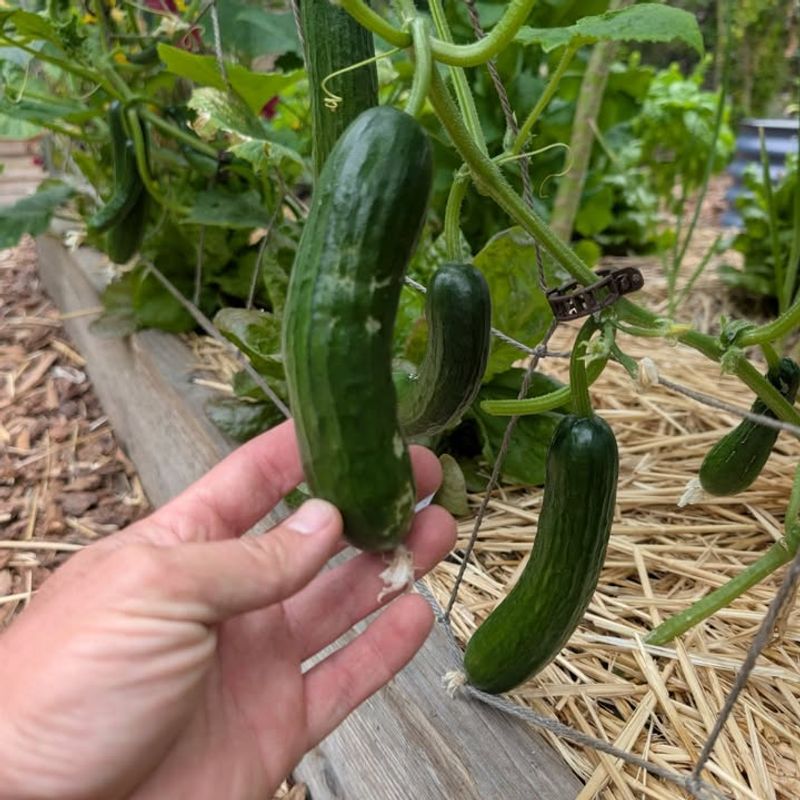
Bare soil around cucumber plants might look tidy, but it is quietly working against your harvest in several ways.
Without mulch, summer sun bakes the soil surface and sends root zone temperatures soaring, which stresses cucumber plants and triggers erratic growth patterns.
Soil moisture evaporates faster, weeds compete aggressively for nutrients, and every rainstorm splashes soilborne pathogens straight onto lower leaves where infections begin.
A good layer of mulch solves all of those problems at once. Straw, shredded leaves, pine needles, and untreated grass clippings all work well in North Carolina gardens.
Apply mulch two to three inches deep around cucumber plants, keeping it pulled back a couple of inches from the base of each stem to allow good air circulation right at the soil line. This small gap prevents moisture from sitting against the stem where rot can develop.
Mulching becomes especially valuable during July and August when North Carolina heat peaks and keeping soil moisture stable gets harder.
Consistent root zone temperatures encourage steadier growth and more reliable fruit set compared to the boom-and-bust cycle that bare soil creates.
Research from cooperative extension programs consistently shows that mulched vegetable gardens use significantly less water while producing better yields.
For cucumber plants trying to push through a long, hot southern summer, that layer of mulch might be the simplest and most rewarding investment you make all season.