Here Is How To Prune Tomatoes For Huge Harvests This Season In North Carolina
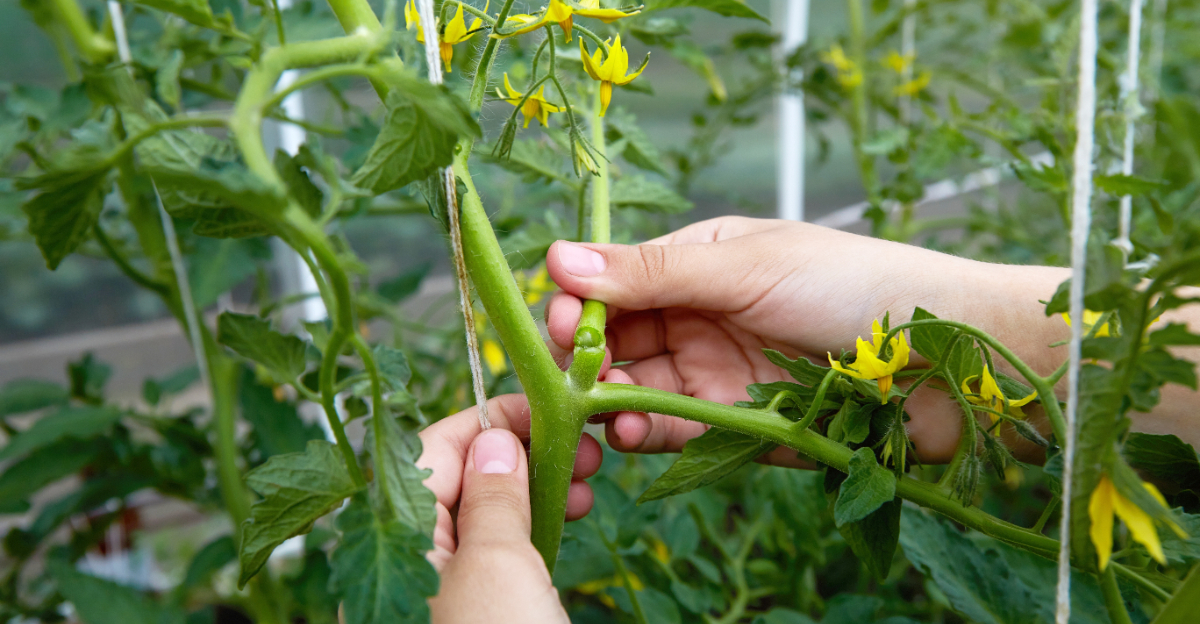
Tomatoes grow fast in North Carolina, and without a little guidance, they can quickly turn into a tangle of stems and leaves. While that might look like healthy growth, it often leads to fewer tomatoes and more problems as the season goes on.
Pruning helps direct the plant’s energy where it matters most, leading to stronger growth and better fruit production. In North Carolina’s warm, humid climate, it also improves airflow, which can help reduce common issues that affect tomato plants.
Many gardeners either skip pruning or do too much at the wrong time, which can limit results. The key is knowing when to step in and how much to remove without stressing the plant.
With the right approach, pruning becomes a simple habit that can lead to larger, healthier harvests and plants that are easier to manage all season long.
1. Know Which Tomatoes To Prune
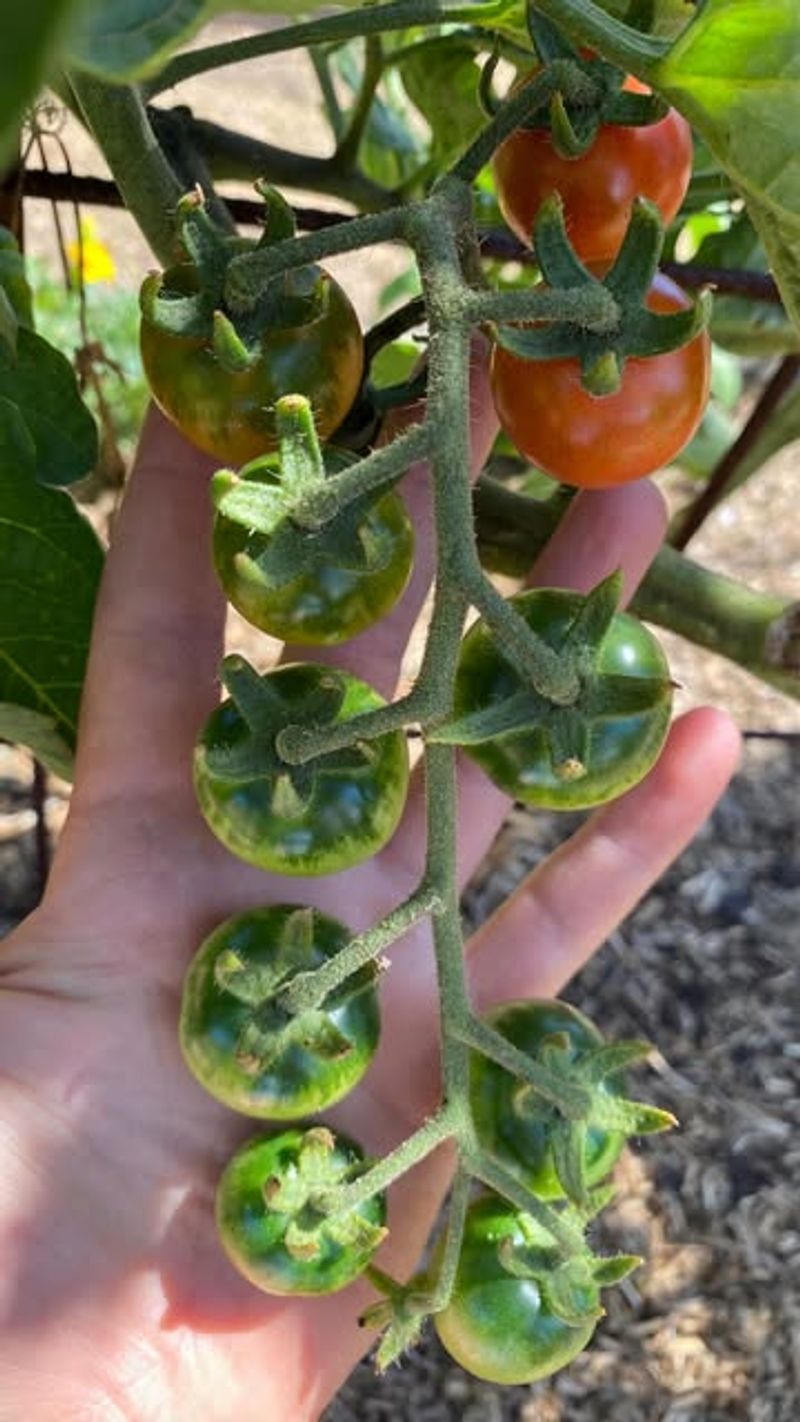
Not every tomato plant needs the same pruning treatment, and knowing the difference can seriously change your harvest results. Tomatoes come in two main types: determinate and indeterminate.
Determinate varieties, sometimes called bush tomatoes, grow to a set size, produce all their fruit at roughly the same time, and then slow way down. Pruning them too heavily can actually reduce your total yield, so it is best to leave them mostly alone.
Indeterminate tomatoes, on the other hand, keep growing and producing fruit all season long. Popular varieties like Cherokee Purple, Better Boy, and Sun Gold all fall into this category.
These are the plants that truly benefit from regular, thoughtful pruning throughout North Carolina’s long growing season. Without pruning, they can become a tangled, leafy mess that puts energy into vines instead of fruit.
A quick way to check your variety is to look at the seed packet or plant tag. Most North Carolina gardeners growing in raised beds or backyard gardens tend to favor indeterminate types because they produce over a longer stretch of summer.
Once you know what you have, you can build a pruning plan that actually makes sense for your specific plants and your goals this season.
2. Start Pruning After Plants Establish
Jumping in too early with the pruning shears is one of the most common mistakes North Carolina gardeners make. Young tomato plants need time to build a strong root system and develop enough leaves to fuel their growth.
Pruning before a plant is ready can slow it down significantly and leave it struggling to recover in the heat.
The sweet spot for starting is when your plants reach about 12 to 18 inches tall, which in North Carolina typically lands sometime in May.
By that point, the roots are well established, the stem is sturdy, and the plant has enough energy to handle having some growth removed.
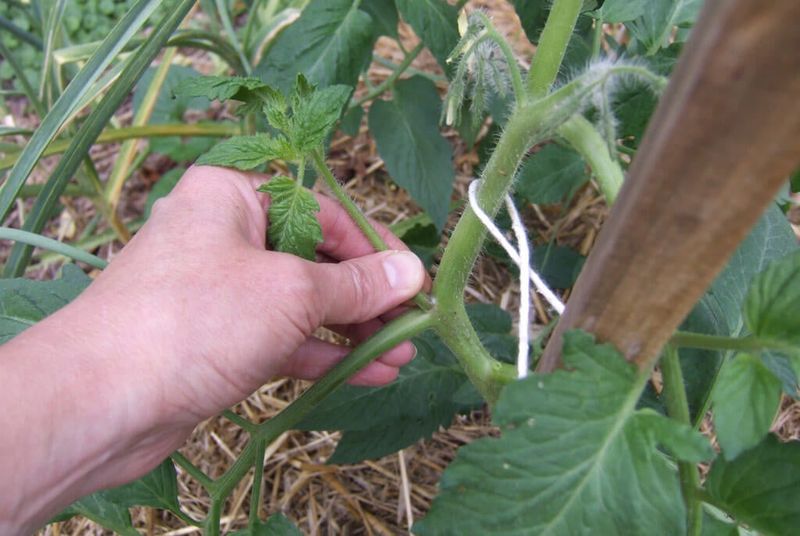
You will notice small side shoots, called suckers, starting to appear between the main stem and branches, and that is your green light to begin.
Starting at the right time also means your plants head into the hottest part of the North Carolina summer in the best possible shape. Strong, well-pruned plants handle heat stress better and bounce back faster after a heavy rain.
Your North Carolina Garden Changes Every Week. Your Plan Should Too.
Gardening in North Carolina changes quickly throughout the season. Every Friday you’ll receive a simple weekly plan showing exactly what to plant, prune, fertilize, harvest, and protect so you never miss the right timing.
Think of those first few pruning sessions as setting the foundation for everything that follows. A patient start leads to a more productive plant all the way through the harvest season, and that patience absolutely pays off when the tomatoes start rolling in.
3. Remove Suckers Below The First Flower Cluster
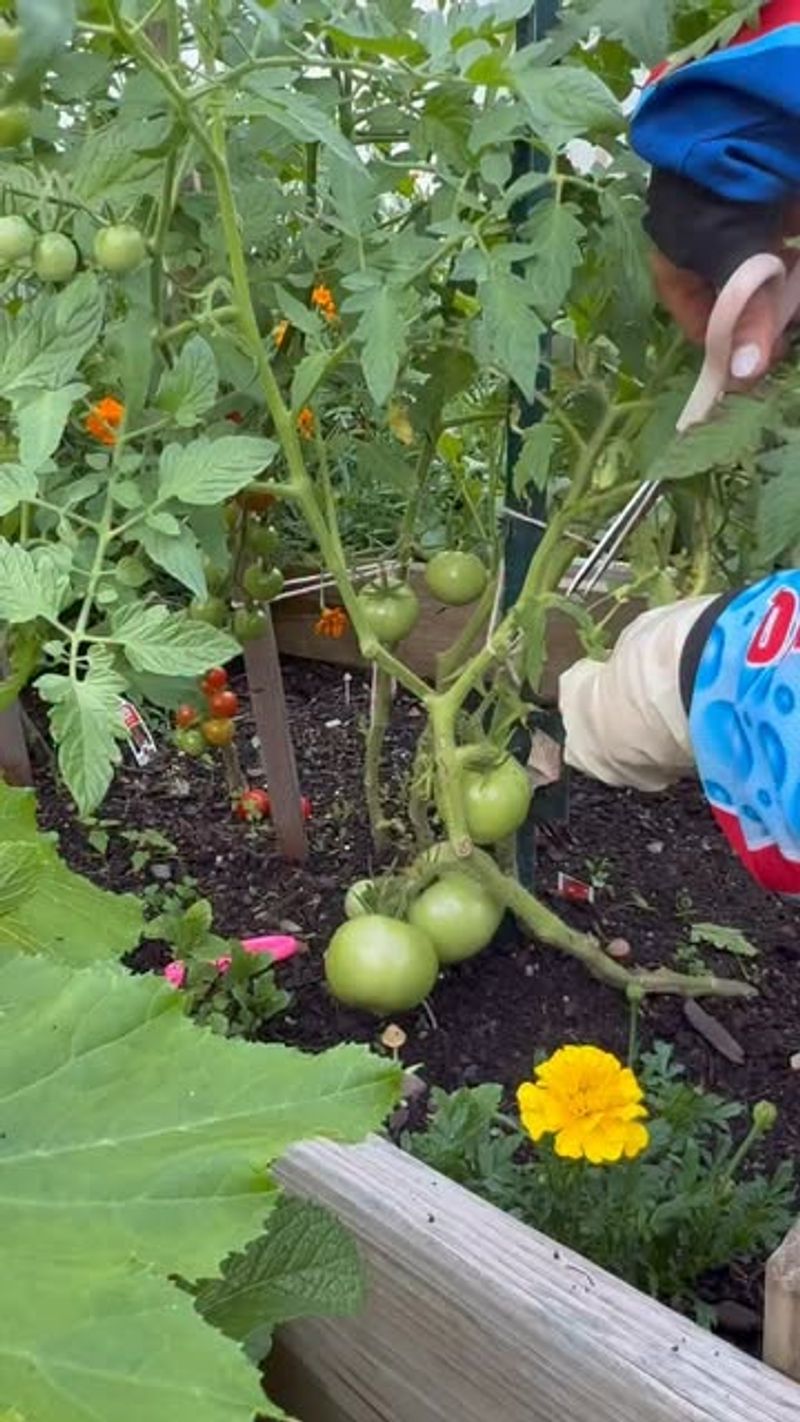
Suckers are sneaky little shoots that pop up in the V-shaped space between the main stem and a branch, and they are the number one thing to target when pruning tomatoes.
Left unchecked, these shoots grow into full branches, pulling energy away from the fruit your plant is already working hard to produce. The ones growing below the first flower cluster are especially important to remove.
Pinching off those lower suckers is simple and satisfying work. When they are small, usually under an inch or two, you can just snap them off cleanly with your fingers.
This is actually the preferred method for tiny suckers because it causes minimal stress to the plant and heals quickly in North Carolina’s warm air. Waiting too long makes the job harder and leaves a bigger wound on the stem.
Removing these lower suckers does something really powerful for your plants. It redirects all that stored energy straight into the developing fruit clusters above, which means bigger tomatoes and more of them.
North Carolina summers are warm enough that plants can grow suckers almost overnight, so checking every few days keeps things manageable.
Once you get into the habit of spotting and removing them early, the whole process takes just a few minutes per plant and makes a noticeable difference by harvest time.
4. Keep One Or Two Main Stems
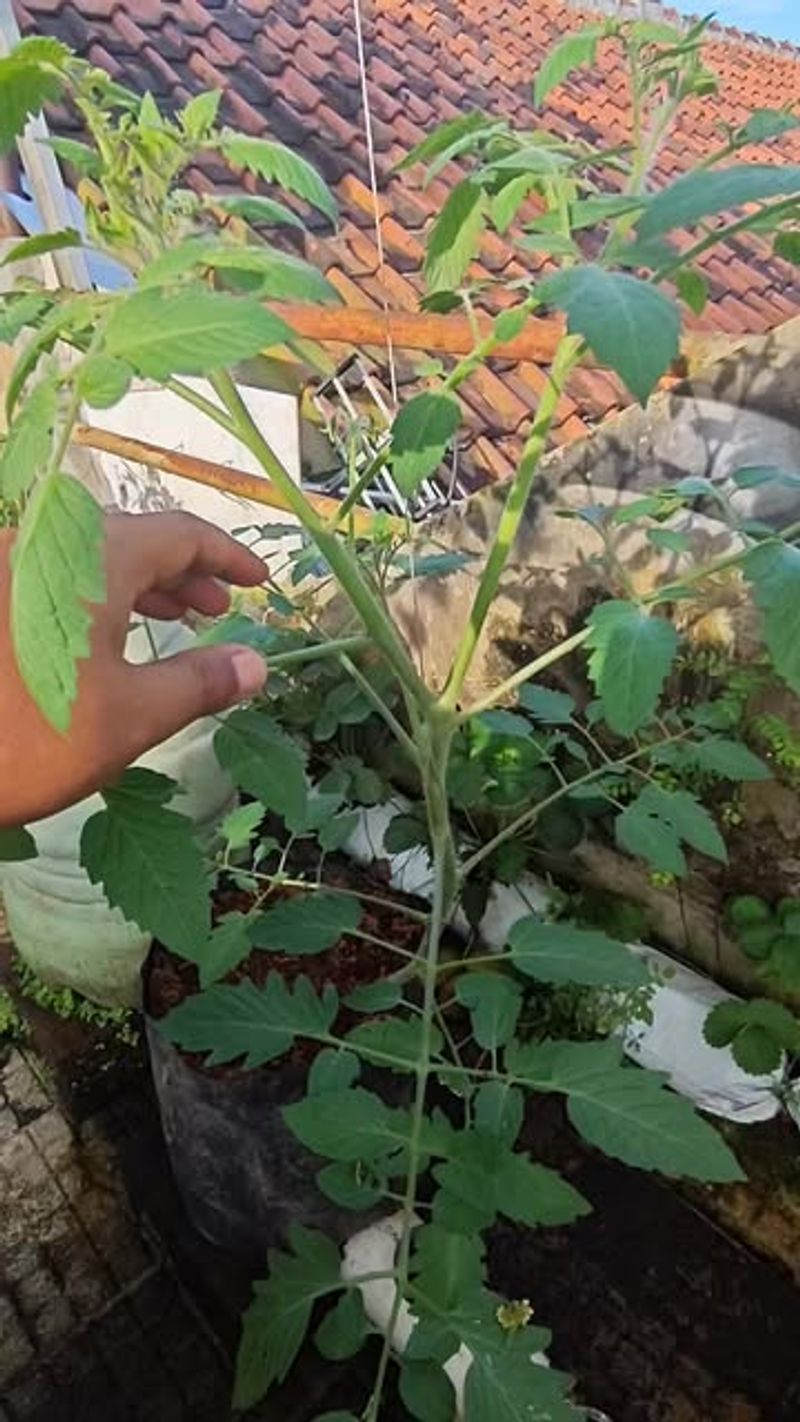
Training your tomato plants to grow on just one or two main stems is a game-changing technique that experienced North Carolina gardeners swear by.
When a plant has fewer stems competing for the same resources, each stem gets a bigger share of water, nutrients, and sunlight.
The result is stronger growth, better fruit development, and a plant that is much easier to manage all season long.
A single-stem system works especially well for gardeners with limited space, like those growing in raised beds or smaller backyard plots around Charlotte or Raleigh. Two-stem systems give you a bit more fruit production while still keeping things organized and open.
Either way, you are making a deliberate choice to focus the plant’s energy rather than letting it spread in every direction at once.
To train to two stems, simply allow the first sucker that appears just below the first flower cluster to grow out as a second leader. Remove all other suckers as they appear.
Both stems get tied to stakes or a trellis as they grow taller, keeping them upright and well-supported.
This open structure also allows better airflow around the plant, which is a huge advantage in North Carolina’s humid summer climate where fungal problems can sneak up fast. Fewer stems, better results, every single time.
5. Prune Lower Leaves To Improve Airflow
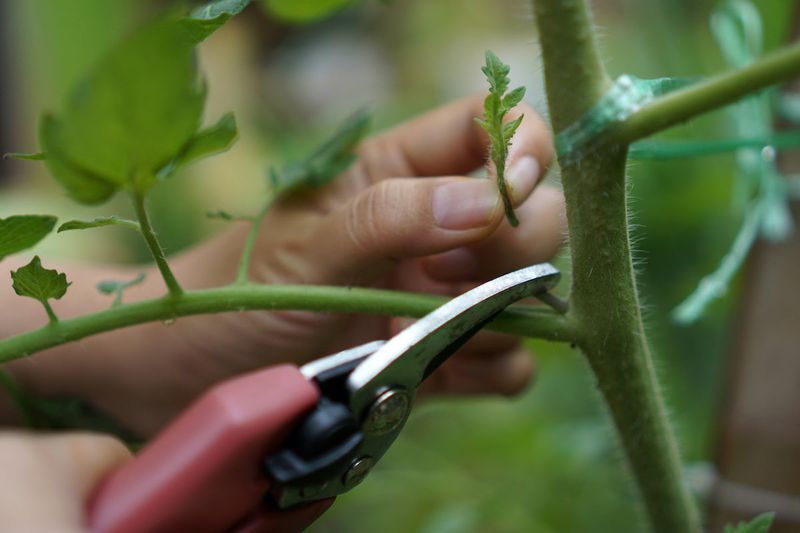
One of the smartest moves you can make for your tomato plants in North Carolina is clearing out the lower leaves, especially those sitting close to the soil.
When leaves hang near the ground, they make it easy for soil-borne fungi and bacteria to splash up onto the plant during heavy summer rains.
North Carolina gets plenty of those, so this step is not optional if you want healthy plants. Removing the lowest 6 to 12 inches of foliage opens up the base of the plant and lets air flow freely around the stem.
Better airflow means the plant dries out faster after rain or irrigation, which dramatically lowers the risk of fungal diseases like early blight and Septoria leaf spot.
Both of those diseases are extremely common in the Southeast and can spread fast if conditions stay wet and crowded.
The best time to remove lower leaves is during a dry stretch of weather when the cuts can heal quickly without moisture sitting on the wounds. Use clean pruning shears and make smooth cuts close to the stem without tearing the tissue.
Adding a layer of mulch around the base after pruning creates an extra barrier between the soil and the plant. Together, these two steps create a much cleaner, healthier growing environment that keeps your North Carolina tomato plants thriving deep into the harvest season.
6. Avoid Over-Pruning In Heat
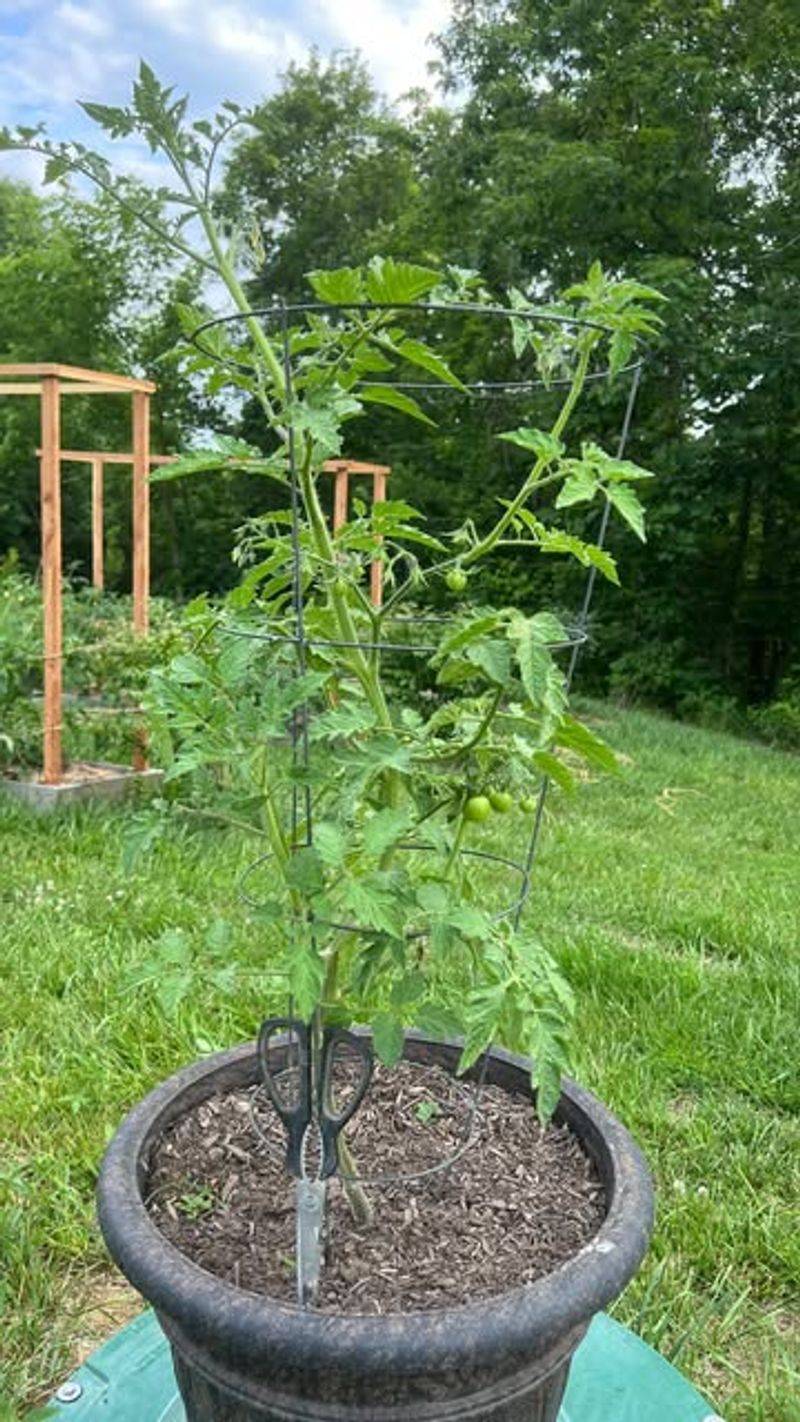
Here is something a lot of first-time tomato growers in North Carolina learn the hard way: you can absolutely prune too much.
When you strip away too many leaves during the hottest part of summer, you leave your developing tomatoes completely exposed to direct sunlight.
That exposure causes a condition called sunscald, which creates pale, leathery patches on the fruit and ruins what would have been a beautiful tomato.
North Carolina summers regularly push temperatures into the 90s, and that intense heat combined with full sun exposure is hard on unprotected fruit. A healthy layer of foliage acts like a natural sunshade, keeping developing tomatoes at a more stable temperature.
The goal with pruning is always to improve airflow and redirect energy, not to strip the plant bare of every leaf you can find.
A good rule to follow is to never remove more than one-third of the plant’s foliage in a single pruning session. Space out your pruning over several days if needed, giving the plant time to adjust between sessions.
Focus on removing suckers, crowded growth, and lower leaves rather than targeting healthy mid-plant foliage that is doing important work.
Balanced pruning keeps your plants productive, protects your fruit, and makes the difference between a struggling plant and one that keeps producing gorgeous tomatoes all the way through North Carolina’s long summer.
7. Prune Weekly For Best Results
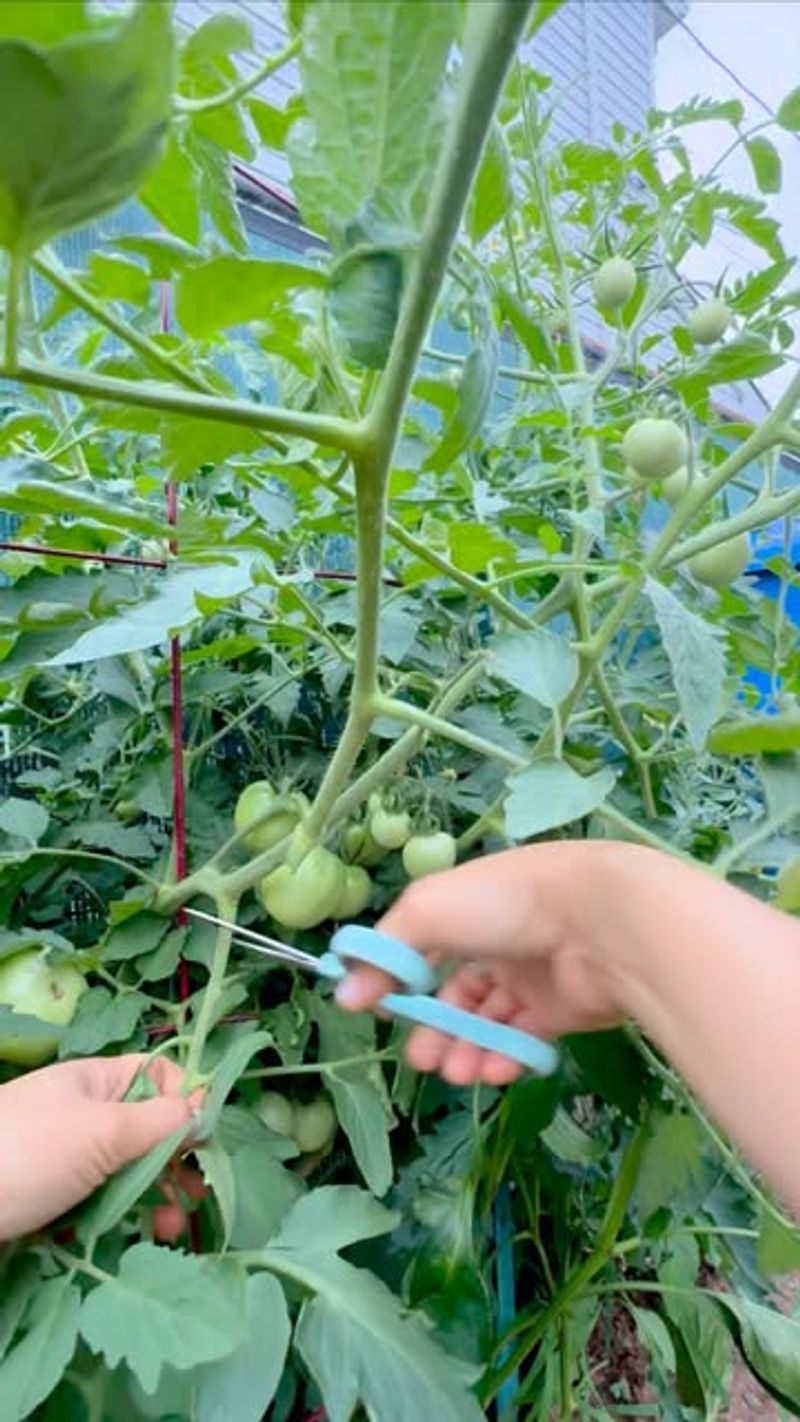
Tomatoes grow fast in North Carolina’s heat, and that speed means suckers and new growth can appear almost overnight during peak summer.
Waiting too long between pruning sessions turns a quick five-minute job into an overwhelming task that stresses both you and your plants.
Building a weekly pruning habit is one of the simplest ways to stay ahead of the growth and keep everything under control.
Weekly check-ins also give you a chance to spot problems early, like the first signs of disease, pest damage, or stems that need tying up. Catching issues when they are small is always easier than dealing with a full-blown problem later in the season.
Think of your weekly pruning session as a health check and a maintenance visit rolled into one pleasant trip through the garden.
Setting a consistent day each week makes it easier to stick to the habit. Many North Carolina gardeners find that early morning is the best time to prune, when temperatures are cooler and the plants are dry from the overnight hours.
Morning pruning also gives any small cuts the full day to begin healing before evening humidity sets in. Over the course of a season, those regular weekly sessions add up to healthier plants, fewer disease problems, and a noticeably larger harvest.
Consistency is genuinely one of the most powerful tools in a tomato grower’s toolkit.
8. Use Clean Hands Or Tools
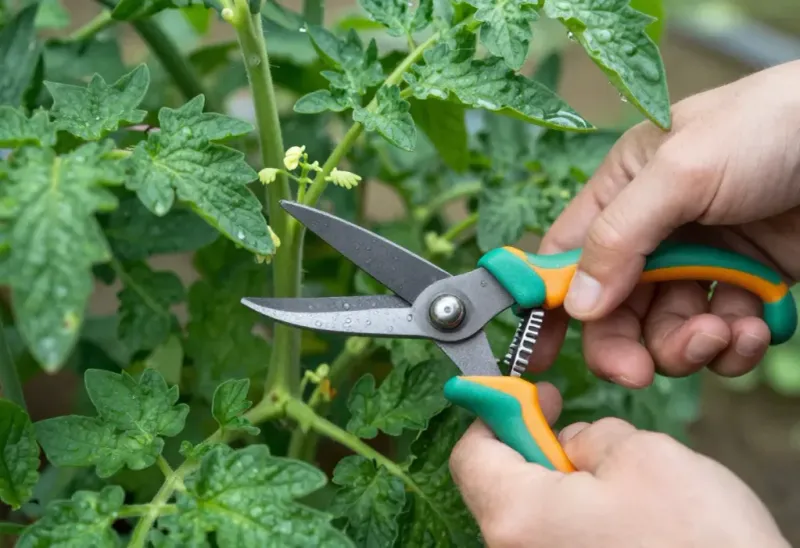
Spreading disease from one plant to another through dirty hands or tools is more common than most gardeners realize, and it is completely preventable with one simple habit.
Before you start pruning, take a moment to clean your tools with rubbing alcohol or a diluted bleach solution.
This quick step can save your entire tomato patch from a disease that might otherwise spread silently from plant to plant across your North Carolina garden.
For small suckers that are still young and tender, pinching them off with clean fingers is actually the best approach. Your fingers give you precise control, and small wounds heal faster than cuts made with tools.
Save the pruning shears for larger stems and branches where a clean, smooth cut matters more. Tearing or crushing larger stems can create ragged wounds that take longer to heal and invite infection.
Cleaning your tools between each plant, not just at the start of a session, is the gold standard practice. It takes only a few extra seconds per plant but dramatically reduces the chance of passing something like bacterial canker or mosaic virus from one tomato to the next.
North Carolina’s warm, humid conditions are ideal for plant pathogens to spread quickly once they get a foothold.
Clean tools, clean hands, and careful technique together create a pruning routine that protects your plants and keeps your harvest season running smoothly all summer long.
9. Support Plants After Pruning
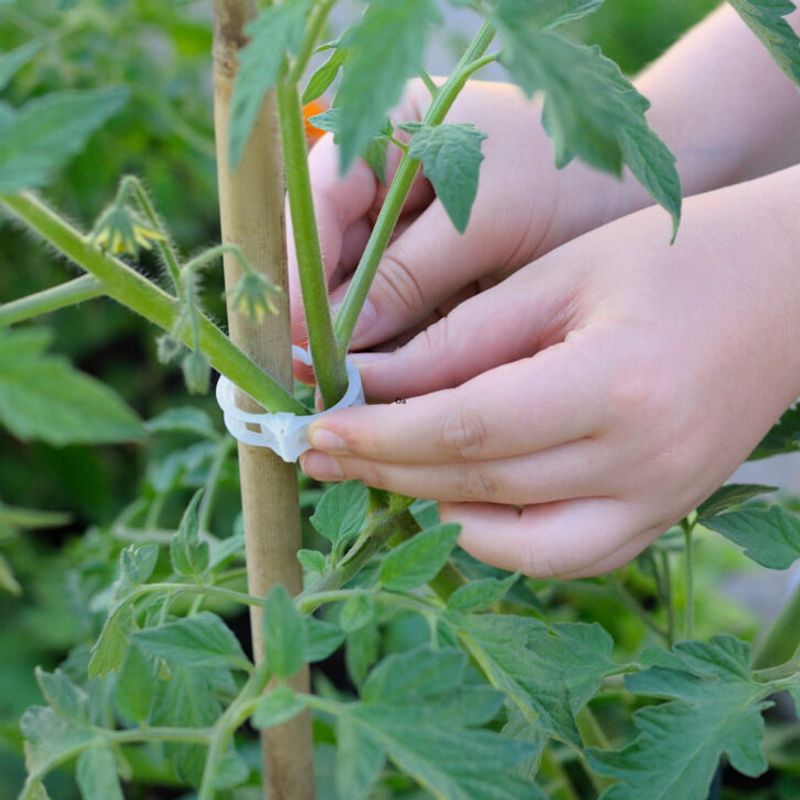
Pruning and supporting your tomato plants go hand in hand, and one without the other leaves your plants vulnerable. Every time you remove suckers and shape the plant, you are creating a taller, more upright structure that needs something solid to lean on.
Without proper support, pruned plants can topple over in summer storms, which North Carolina gets plenty of between June and September.
Stakes, cages, and trellises are all solid options depending on your garden setup. For single or double-stem plants trained with pruning, a sturdy wooden or metal stake driven deep into the soil works really well.
Tie the main stem to the stake every 8 to 12 inches as the plant grows, using soft plant ties or strips of fabric that will not cut into the stem. Avoid wire or string that can dig in and damage the plant over time.
Checking your supports every time you prune is a great habit to build into your weekly routine. New growth can quickly push past the last tie point, and a stem that flops over can snap or develop kinks that restrict water flow.
Keeping plants upright also improves sunlight exposure across all the fruit clusters, which leads to more even ripening.
North Carolina gardeners who combine consistent pruning with strong support systems consistently report bigger plants, healthier fruit, and harvests that keep going strong all season long.
10. Stop Heavy Pruning Late In The Season
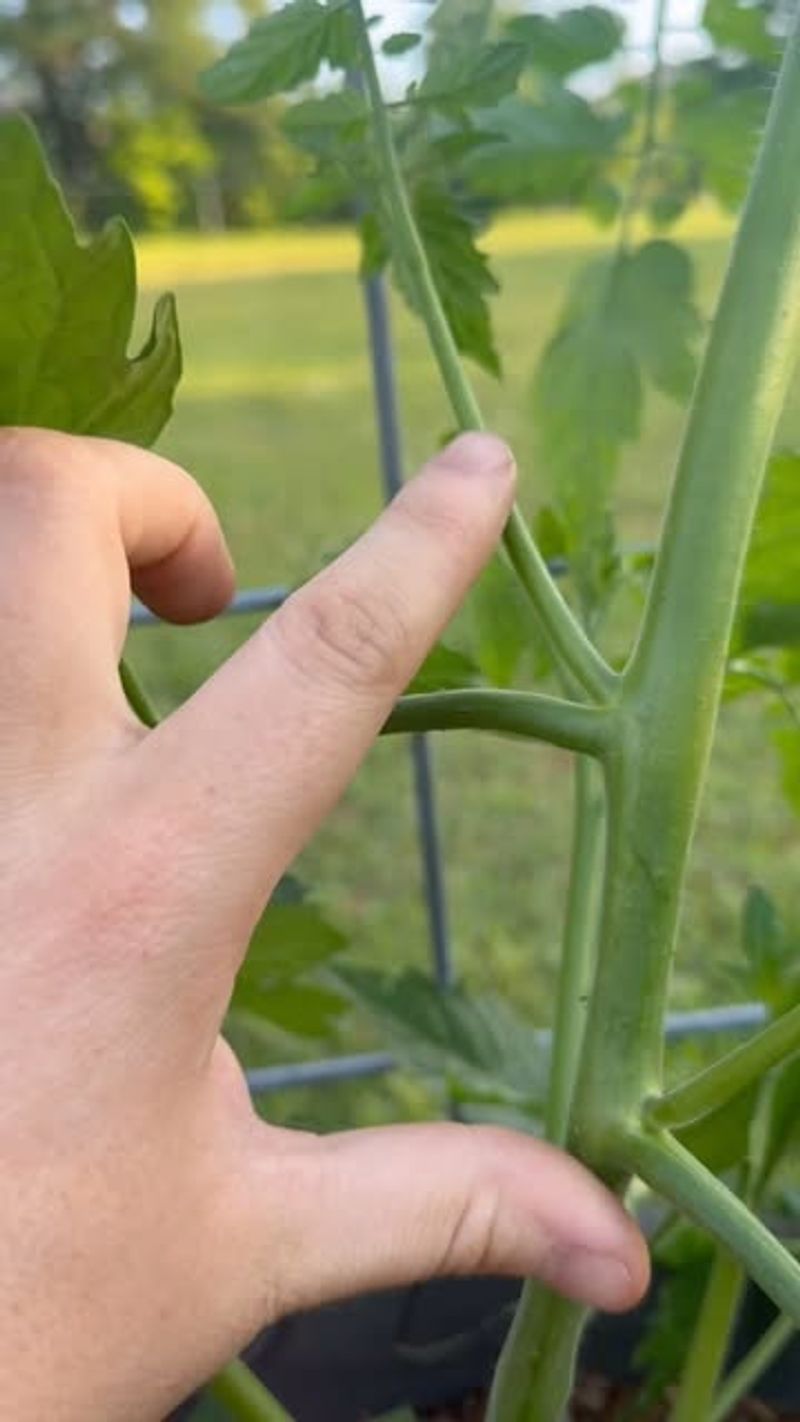
Once your tomato plants are covered in developing fruit and the North Carolina summer is winding into late August and September, it is time to ease up on the pruning.
Heavy pruning late in the season stresses plants right when they need all their energy focused on ripening the tomatoes already on the vine.
Removing too much foliage at this stage can actually slow down the ripening process and reduce your final yield.
Late-season pruning should shift to a more targeted approach. Focus only on removing growth that shows clear signs of disease, damage, or crowding that is genuinely blocking airflow.
Yellowing lower leaves can still be removed, but healthy upper foliage should be left in place to keep photosynthesis running strong. Every green leaf is still working to feed those ripening tomatoes, so each one matters more than it did earlier in the season.
Some North Carolina gardeners also practice a technique called topping at the end of the season, where the very top growing tip of each stem is removed about 30 days before the first expected frost.
This signals the plant to stop putting energy into new growth and redirect everything toward ripening the existing fruit.
It is a smart finishing move that helps you get the most out of every tomato already on the plant before the season wraps up. Work smarter at the end, and your harvest table will thank you.