These Are The 8 Michigan Plants That Help Fireflies Complete Their Life Cycle
There was a time when warm Michigan evenings came with a quiet kind of magic. Fireflies would rise out of the grass just as the light faded, blinking across yards in a way that felt almost expected every summer.
Lately, many gardeners have noticed fewer of them. Michigan still offers the right mix of moisture, seasonal rain, and summer warmth, but fireflies depend on more than weather alone.
Their life cycle is tied closely to soil conditions, leaf litter, and the kinds of plants that help hold moisture and support the insects they feed on.
When the right plants are in place, those small flashes of light have a way of returning in numbers you can actually notice again, and the difference often starts with a few thoughtful changes in what you grow.
1. Switchgrass For Moist Shelter And Larval Cover
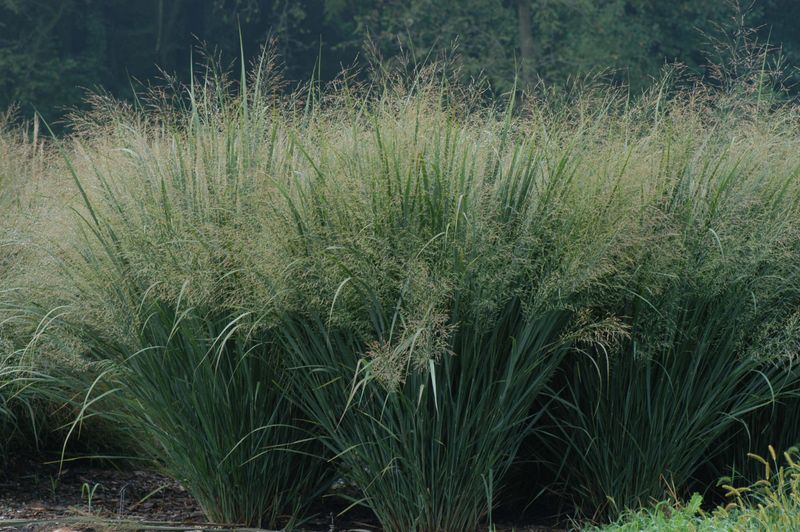
Picture a warm Michigan evening where fireflies blink softly above a stand of tall, swaying grass. Switchgrass, one of Michigan’s most beloved native grasses, creates exactly that kind of magical habitat.
Its thick, upright stems and dense clumping growth provide the kind of sheltered, moist microenvironment that firefly larvae absolutely need to survive and grow.
Firefly larvae spend up to two years crawling through damp soil and leaf litter, hunting soft-bodied prey like snails and slugs. Switchgrass roots hold moisture in the ground and create a cool, shaded layer at soil level that keeps conditions just right.
That moisture is not just a bonus, it is essential for larval development.
Beyond the soil benefits, switchgrass also provides shelter for adult fireflies resting during the day. The tall stems offer shaded hiding spots away from predators and harsh sunlight.
Adults need energy to mate and reproduce, and resting safely during daylight hours helps them do exactly that.
Switchgrass grows across much of Michigan in prairies, roadsides, and wet meadows. It thrives in full sun and tolerates both wet and dry soils, making it one of the most adaptable native plants you can add to your landscape.
Planting it in clusters rather than single plants gives fireflies even more usable habitat space.
If you want to support firefly populations in Michigan, switchgrass is one of the best starting points. It is low-maintenance, stunning in fall when it turns golden, and an absolute powerhouse for local wildlife.
2. Little Bluestem For Dry Meadow Habitat And Protection
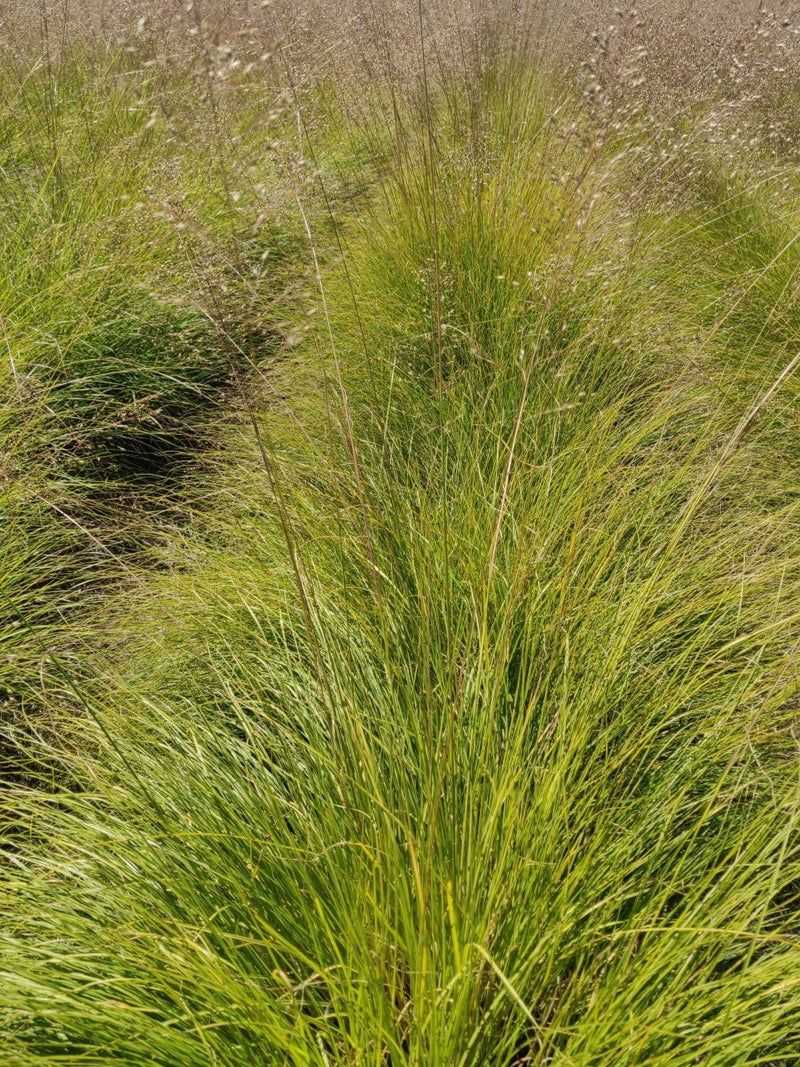
Few native plants capture the beauty of a Michigan autumn quite like Little Bluestem. This mid-height prairie grass turns a stunning copper-red as the seasons change, but its value to fireflies goes far beyond good looks.
Little Bluestem is a structural workhorse for the firefly life cycle, offering layered habitat at every stage of development.
At ground level, Little Bluestem creates a dense mat of organic material as older leaves break down. That decomposing matter feeds the soil ecosystem, which in turn supports the snails and slugs that firefly larvae feed on.
More prey in the soil means more food for growing larvae, which means more adult fireflies lighting up your Michigan summer nights.
Your Michigan Garden Changes Every Week. Your Plan Should Too.
Gardening in Michigan changes quickly throughout the season. Every Friday you’ll receive a simple weekly plan showing exactly what to plant, prune, fertilize, harvest, and protect so you never miss the right timing.
The grass also does something clever with moisture. Its deep root system helps improve soil structure and water infiltration, which can support more stable moisture levels in the surrounding soil over time.
Firefly larvae are highly sensitive to drying out, so this steady moisture regulation is genuinely life-saving for them.
Adult fireflies also benefit from Little Bluestem because its seed heads and stems provide perching spots during mating season. Males flash their signals from these elevated positions, making the grass a literal stage for their light shows.
Watching fireflies glow against the silhouette of Little Bluestem on a warm Michigan night is something truly unforgettable.
This grass is widely available at Michigan native plant nurseries and is easy to establish in home gardens, roadsides, and restoration plantings alike.
3. Wild Bergamot For Nectar And Pollinator Support
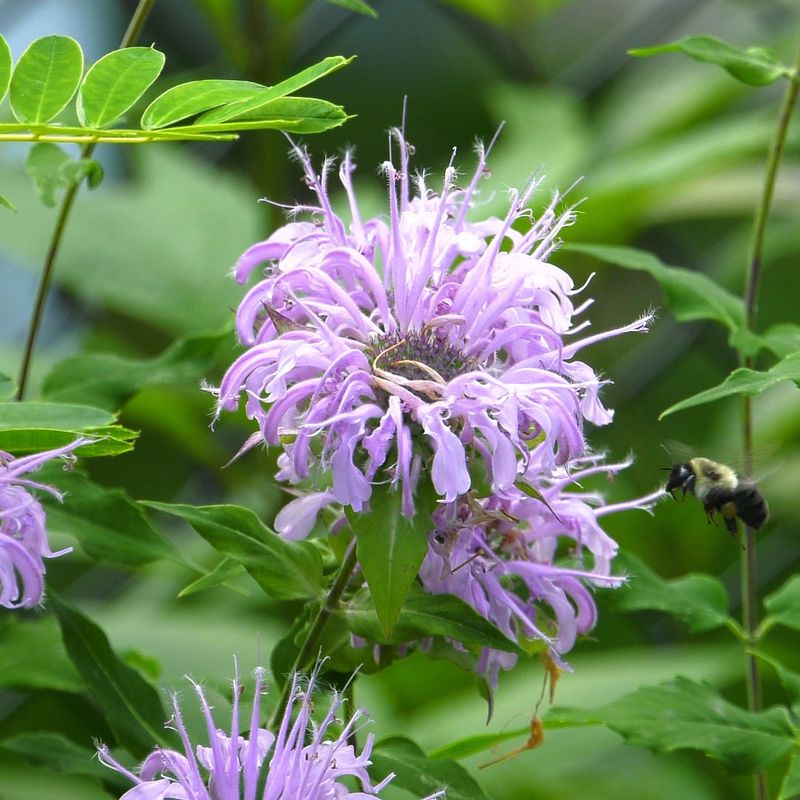
There is something wonderfully generous about Wild Bergamot. This fragrant native wildflower, found blooming across Michigan meadows and roadsides every summer, does not just feed pollinators, it builds the kind of rich, layered plant community that fireflies need to thrive.
Where Wild Bergamot grows, biodiversity follows, and fireflies are part of that flourishing ecosystem.
Wild Bergamot attracts a wide range of insects, including the soft-bodied invertebrates that firefly larvae hunt in the soil. By drawing more life into the surrounding area, this plant essentially sets the table for developing larvae.
More invertebrate activity in the soil means a healthier hunting ground for young fireflies working their way through the larval stage.
The plant’s bushy, multi-stemmed growth habit also creates shaded patches at ground level, keeping the soil cooler and more moist during hot Michigan summers. Firefly larvae are extremely sensitive to soil temperature and moisture, so any plant that moderates those conditions is doing them a real favor.
Above ground, Wild Bergamot’s dense flower clusters and leafy stems give adult fireflies sheltered resting spots during the day. Adults are nocturnal, so safe daytime hiding places are critical to their survival.
The taller the stand of Wild Bergamot, the more cover it provides.
Growing Wild Bergamot in Michigan is straightforward. It prefers well-drained soil and full to partial sun, and once established, it spreads naturally to form beautiful, wildlife-rich patches.
Planting it alongside grasses like switchgrass creates an especially effective firefly habitat combination.
4. Goldenrod For Late Season Cover And Insect Activity
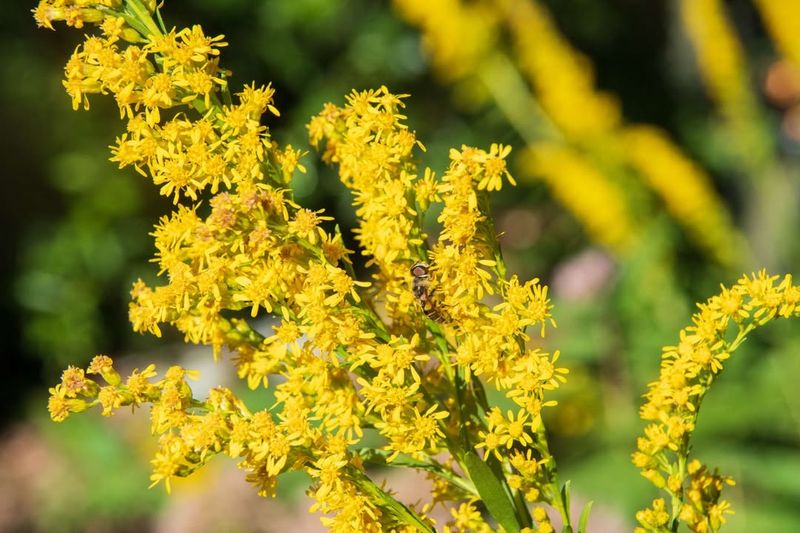
Goldenrod has a bit of an unfair reputation. Many people blame it for hay fever, but that sneezing is actually caused by ragweed, which blooms at the same time.
Goldenrod, on the other hand, is one of Michigan’s most ecologically valuable native plants, and fireflies genuinely depend on the habitat it helps create.
When Goldenrod forms large colonies, as it naturally tends to do in Michigan fields and roadsides, it creates a thick layer of stems, leaves, and organic debris at ground level. That layer is prime real estate for firefly larvae.
The decomposing plant material supports the soil invertebrate community that larvae feed on, while the dense root system holds moisture in the surrounding earth.
Goldenrod also blooms late in the season, from late summer into fall, which is important for fireflies in a less obvious way. Those late-season blooms feed the broader insect community that keeps the soil ecosystem active and productive.
A healthy soil ecosystem means more food available for firefly larvae preparing for winter.
Adult fireflies also find Goldenrod useful. The tall, branching stems give them elevated resting spots during the day, and the surrounding plant density offers protection from predators.
In Michigan, where firefly season runs from late June through August, having reliable daytime shelter is crucial for adult survival.
Goldenrod is one of the easiest native plants to establish in Michigan gardens. It spreads readily, tolerates a range of soil types, and turns a brilliant gold every fall, making it both a practical and beautiful choice.
5. Joe Pye Weed For Moist Soil And Dense Shelter
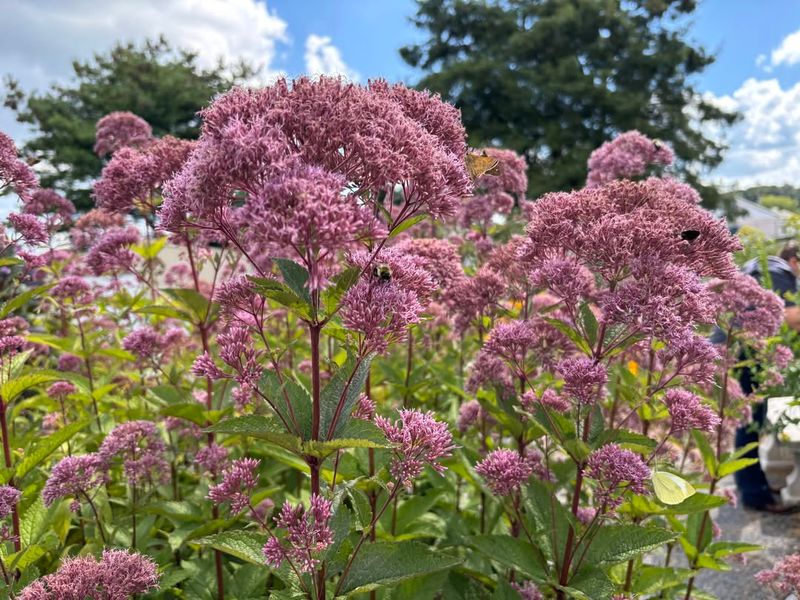
Standing up to seven feet tall in some Michigan landscapes, Joe Pye Weed is hard to miss and even harder to ignore once you know what it does for fireflies. Named after a legendary Native American healer, this towering native plant has been part of Michigan’s ecological fabric for centuries, and its role in supporting firefly populations is significant.
Joe Pye Weed grows naturally in moist areas, along stream banks, wet meadows, and woodland edges, which happen to be exactly the kinds of places where firefly larvae thrive. Its preference for wet or consistently moist soils means that wherever Joe Pye Weed grows, the ground conditions are likely suitable for larval development.
Planting it in your Michigan yard can help create conditions that are more supportive of firefly habitat, especially in consistently moist areas.
The plant’s massive size creates an impressive amount of shade at ground level. That shading keeps soil temperatures down during hot summers and slows moisture evaporation, both of which are beneficial for larvae living just below the surface.
Firefly larvae spend months in the soil, and stable, moist conditions help them develop successfully through multiple instars before they pupate.
Joe Pye Weed’s large flower clusters are also fantastic for the broader insect community, drawing in dozens of species that contribute to a healthy soil food web. More insects in the area means more prey for firefly larvae working their way through the ground beneath.
For Michigan gardeners who want a dramatic, wildlife-friendly focal plant, Joe Pye Weed is an outstanding choice that rewards both fireflies and human admirers equally.
6. New England Aster For Late Season Habitat And Food
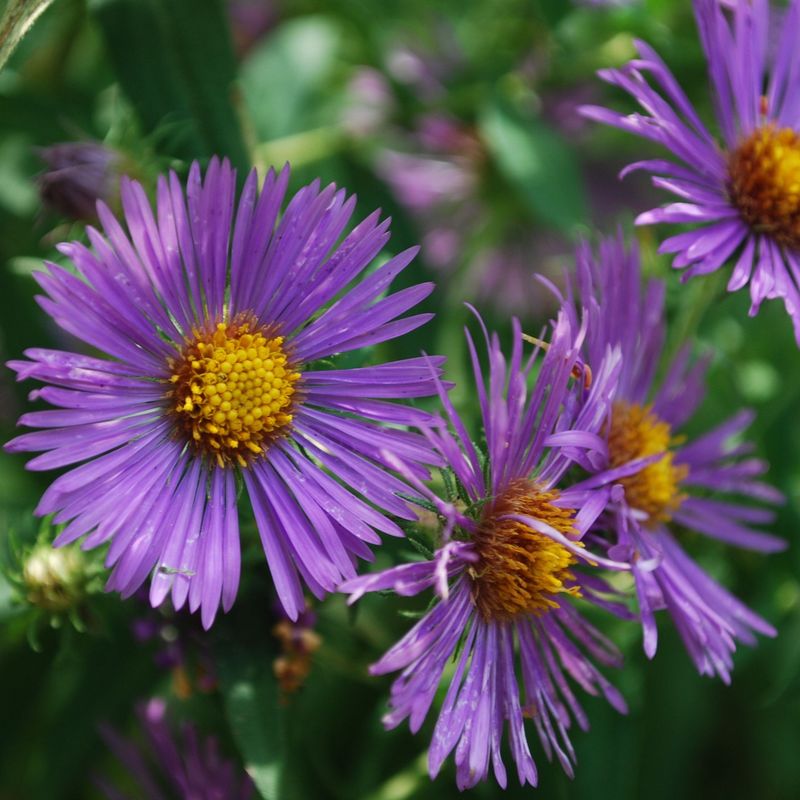
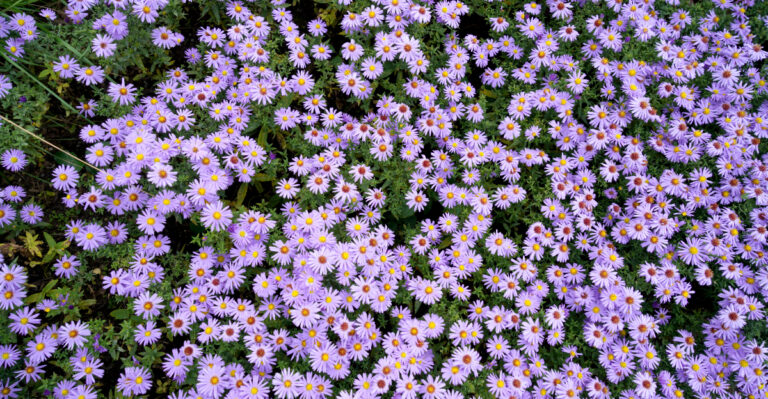
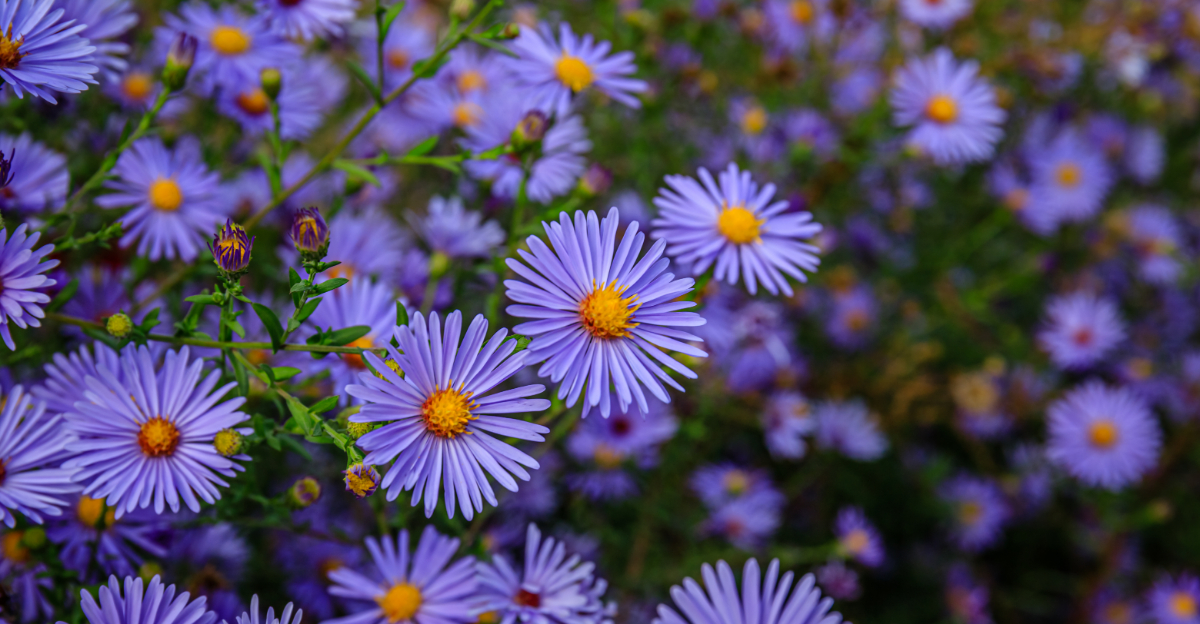
When most Michigan wildflowers are winding down for the year, New England Aster is just hitting its stride. Bursting into bloom in late summer and early fall with vivid purple flowers and sunny yellow centers, this native aster is one of the last great shows of the season, and it plays a surprisingly important role in the firefly life cycle.
New England Aster blooms in late summer and fall, contributing to overall garden biodiversity and habitat conditions that can indirectly support firefly populations. The plant’s dense foliage and fibrous root system help maintain moist, insulated soil conditions as Michigan temperatures begin to drop.
Firefly larvae need those stable, protected soil conditions to survive their first winter underground.
The organic matter produced by New England Aster as it breaks down in fall adds nutrients to the soil that feed the invertebrate community larvae depend on. Think of it as the plant laying out a winter pantry for young fireflies getting ready to hunker down.
That nutrient input carries over into the following spring, giving larvae a food-rich environment when they become active again.
Above ground, New England Aster’s bushy habit provides excellent cover for adult fireflies during their brief summer activity window. The thick stems and leafy growth offer shade and protection during daylight hours when adults need to rest before their nighttime mating flights.
Across Michigan, New England Aster grows in fields, roadsides, and open woodlands. It is easy to grow, tolerates clay soils, and delivers gorgeous color right when the rest of the garden is fading out.
7. Black Eyed Susan For Open Growth And Insect Presence
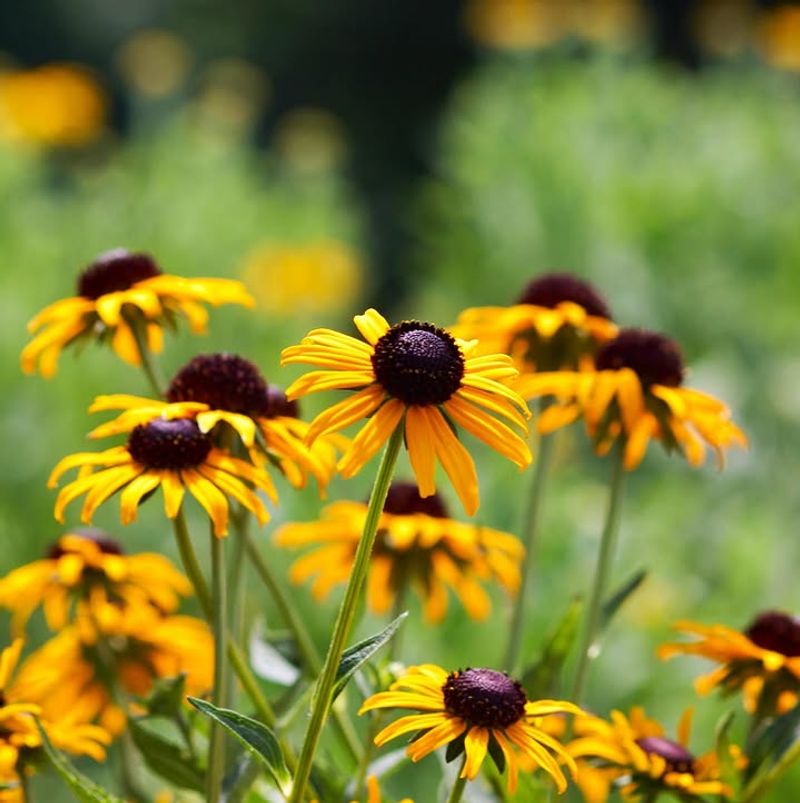
Cheerful, tough, and unmistakably Michigan, Black Eyed Susan is one of those wildflowers that feels like summer itself. Its bold yellow petals and dark brown centers dot roadsides, prairies, and home gardens across the state every July and August, right when fireflies are at their most active and visible.
Black Eyed Susan supports fireflies primarily through the habitat it helps create at ground level. As the plant grows in clusters, it shades the soil beneath, slowing moisture loss and keeping conditions cooler than bare ground would be.
Firefly larvae living in the soil beneath these plants benefit directly from that shade and moisture retention throughout the warm summer months.
The plant also contributes to organic matter buildup as its leaves and stems break down seasonally. That decomposing material feeds soil microorganisms and invertebrates, building the kind of rich underground food web that firefly larvae hunt through during their long developmental period.
In Michigan, where larvae can spend nearly two years underground, consistent food availability is incredibly important.
For adult fireflies, Black Eyed Susan offers something equally valuable: proximity to open space. Adults prefer to flash and mate in open or semi-open areas, and the meadow-style habitat that Black Eyed Susan naturally occupies is ideal for their nighttime displays.
Planting it in open, sunny spots in your Michigan yard creates exactly the right setting for firefly courtship.
Black Eyed Susan is one of the easiest native wildflowers to grow from seed, making it a perfect entry point for anyone starting a firefly-friendly garden in Michigan.
8. Tall Coreopsis For Layered Cover And Shelter
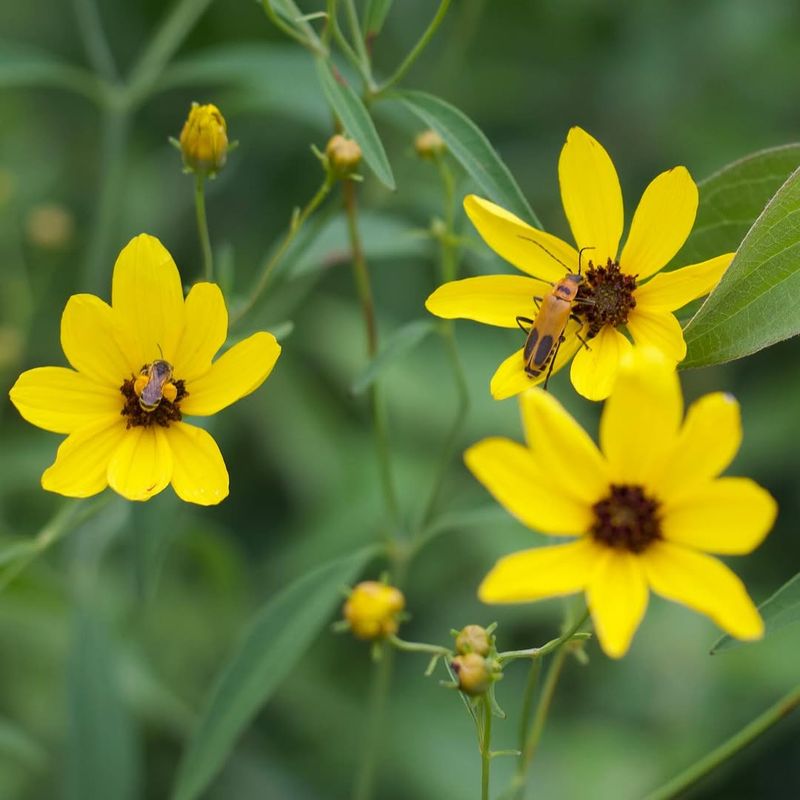
Not every firefly-friendly plant gets the recognition it deserves, and Tall Coreopsis is a perfect example of an underappreciated ecological hero. Growing up to five feet high in Michigan prairies and open woodlands, this native wildflower produces cheerful yellow blooms that light up the landscape almost as brilliantly as the fireflies that benefit from living nearby.
Tall Coreopsis typically grows in open, well-drained sites and can contribute to plant diversity that supports broader habitat conditions beneficial to fireflies. Its height and dense growth create a layered environment where moisture accumulates at ground level, protected from direct sun and wind.
Firefly larvae develop in moist soil and leaf litter, where they feed on soft-bodied invertebrates like snails and slugs, and plant cover can help support those conditions.
The plant’s extensive root system also plays a supporting role by binding soil and preventing erosion in Michigan’s sometimes wet spring conditions. Stable, undisturbed soil is crucial for firefly larvae, which can be vulnerable when soil structure is disrupted.
Tall Coreopsis essentially anchors the habitat in place, giving larvae a consistent, reliable environment to grow in.
Adult fireflies appreciate Tall Coreopsis for different reasons. The tall stems serve as elevated flash points during mating season, and the surrounding plant density provides daytime shelter from predators.
In Michigan, where firefly season peaks in July, having reliable structure in the landscape helps adults make the most of their short reproductive window.
Adding Tall Coreopsis to a Michigan native plant garden is a simple, rewarding step toward creating a landscape where fireflies can truly complete their full life cycle year after year.