This Is The Best Way To Get Rid Of Skunk Vine In Florida Gardens
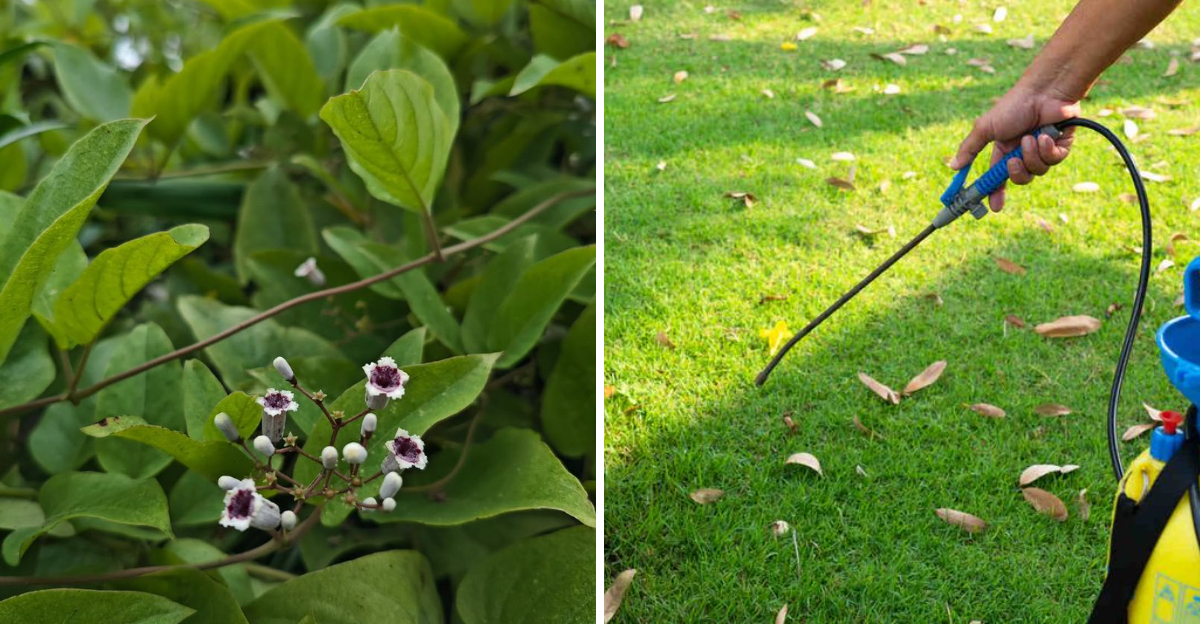
One day your fence looks clean, the next it is wrapped in a vine that smells awful when touched. That is skunk vine, and in Florida it spreads fast, climbs high, and slips into every corner of a yard.
Many homeowners cut it back again and again, yet it returns stronger and thicker each season. The real problem sits below the surface where roots spread deep and wide through warm, sandy soil.
Quick fixes rarely work here. Florida’s heat and long season give this plant every advantage, so the approach has to match that reality.
Once you understand how it grows and how it stores energy, you can finally take control instead of the cycle you chase.
A few smart steps done at the right time can turn a frustrating battle into steady progress and a yard that stays clear longer than you expect today for months after you clear
1. First, Make Sure You Are Dealing With Skunk Vine
Before you grab your gloves and get to work, it pays to know exactly what you are looking at. Misidentifying a plant is one of the most common mistakes Florida gardeners make, and treating the wrong vine wastes time, money, and energy.
Skunk vine has a few very specific traits that make it easier to confirm once you know what to look for.
The most obvious clue is the smell. Crush a leaf between your fingers and you will get an instant, unpleasant odor often compared to sulfur or rotting garbage.
That alone sets it apart from most other vines growing in Florida yards. The scientific name, Paederia foetida, even references that foul scent.
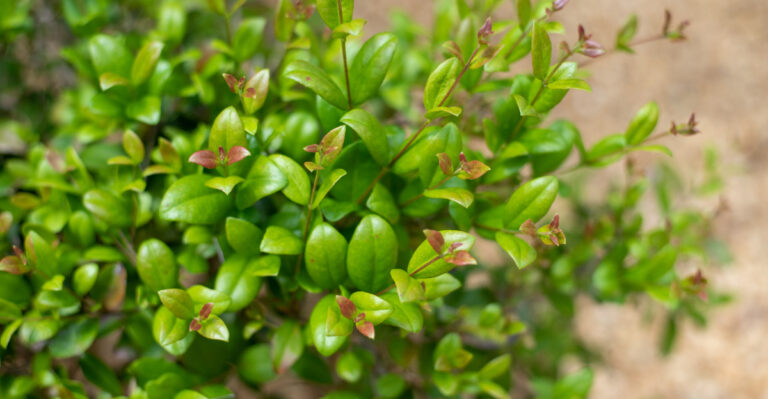
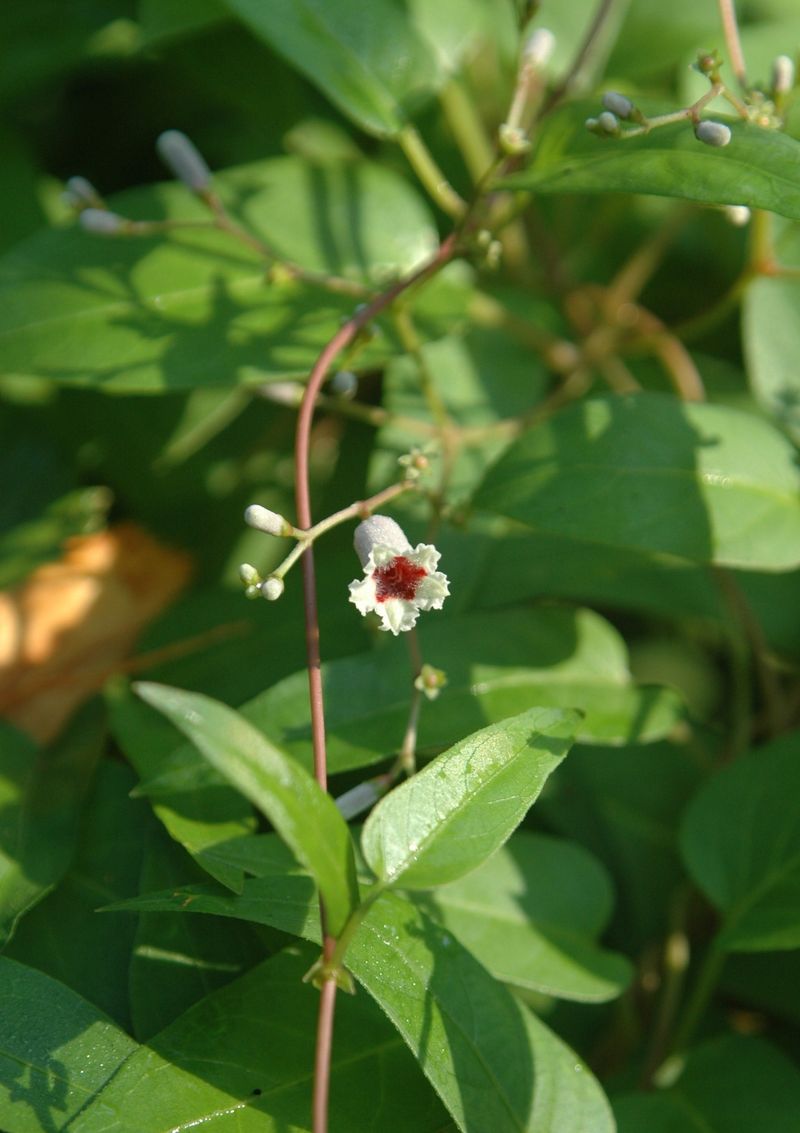
Beyond the odor, look at the leaves closely. They grow in opposite pairs along the stem and are oval to lance-shaped, sometimes with a slight lobed base.
Leaves typically measure between one and four inches long. The stems twine and wrap around anything nearby, including fences, shrubs, and tree trunks.
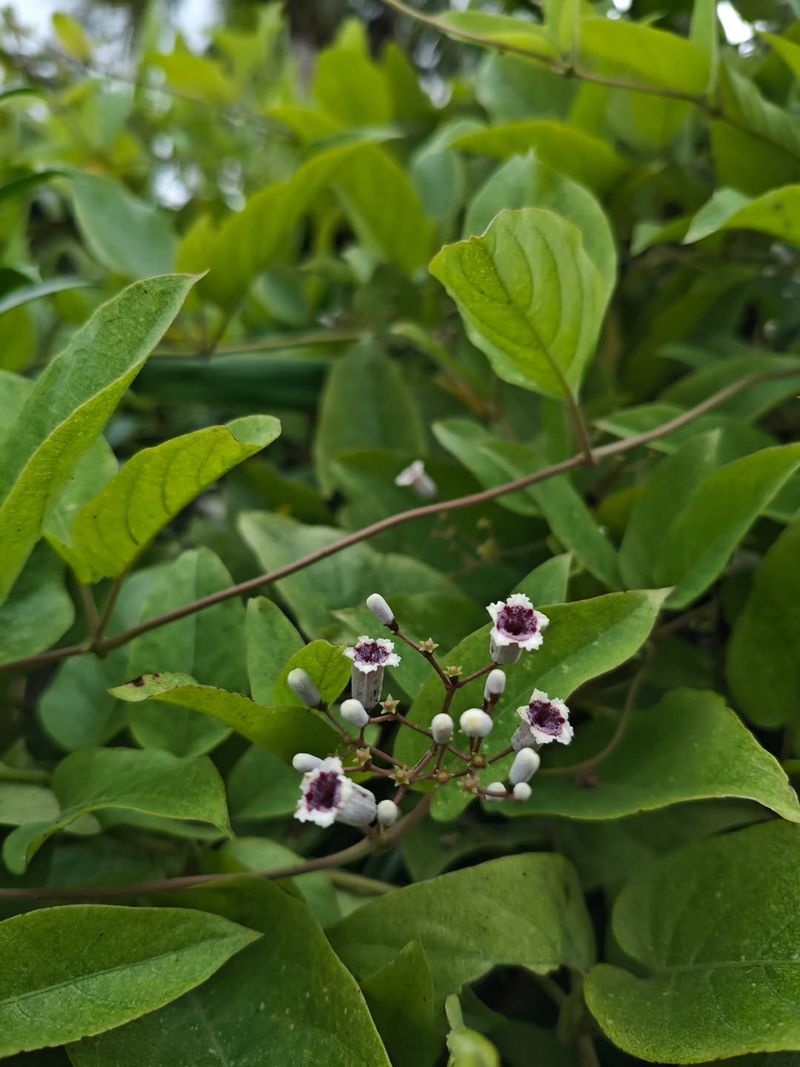
In late summer and fall, skunk vine produces small tubular flowers that are light grayish-pink or lilac with a reddish center. After flowering, it develops shiny brown, nearly round fruits that carry two black seeds each.
Those seeds spread easily by birds and animals, which explains why infestations pop up so far from the original plant.
Skunk vine is sometimes confused with air potato or other twining vines, so always check for the combination of opposite leaves, twining stems, and that signature smell before deciding on a removal plan.
2. Start By Cutting Back All Visible Vine Growth
Walking into a yard overrun with skunk vine can feel overwhelming, but every successful removal job starts the same way: cutting everything back to a manageable level. Before any other treatment can work effectively, you need to reduce the sheer volume of plant material you are dealing with.
Trying to apply herbicide to a massive tangle of vines rarely gets good coverage and wastes product.
Use sharp pruning shears or loppers to cut stems as close to the ground as possible. Work in sections so the job feels less daunting.
Your Florida Garden Changes Every Week. Your Plan Should Too.
Gardening in Florida changes quickly throughout the season. Every Friday you’ll receive a simple weekly plan showing exactly what to plant, prune, fertilize, harvest, and protect so you never miss the right timing.
For vines climbing trees or shrubs, cut the stem at the base first to stop the plant from drawing nutrients upward, then work your way up to remove the trailing portions.
Always wear gloves and long sleeves when handling skunk vine. While it is not known to cause serious skin reactions in most people, the odor clings to clothing and skin, and you will want the extra protection when working through thick tangles.
Bag all cut material immediately in heavy-duty trash bags and place it in the garbage. Do not compost it, leave it in a brush pile, or dump it in a natural area.
Skunk vine fragments can take root on their own, and seeds in the plant material can germinate if left in a warm, moist environment. Every piece that leaves your yard in a sealed bag is a piece that cannot come back.
This first cut is not the end of the job, but it sets up every step that follows for much better results.
3. Clear Out Thick Mats And Tangled Ground Cover Completely
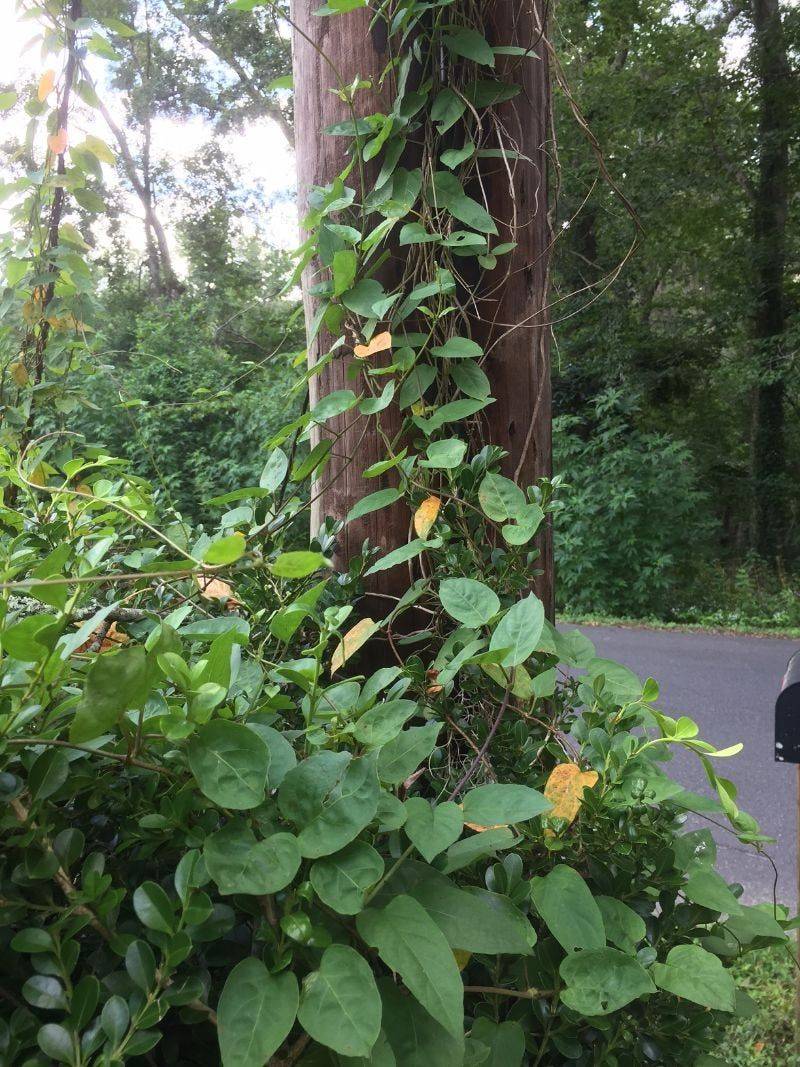
One of the sneakiest things skunk vine does is spread horizontally across the ground before anyone notices. Once it gets a foothold in an open area, it forms thick mats that pile on top of each other, blocking sunlight and essentially suffocating anything growing underneath.
These ground-level mats are often ignored while gardeners focus on the climbing portions, but leaving them in place almost guarantees regrowth.
Clearing dense mats requires patience and the right tools. A garden rake or hoe works well for loosening the tangled mass before pulling.
Try to work from the outer edges inward, rolling the mat back like a carpet as you go. This technique helps keep the root system more intact and reduces the chances of leaving rooted fragments behind in the soil.
In areas where skunk vine has been growing for several seasons, the stems can become thick and woody near the base. A pair of loppers or even a hand saw may be needed to cut through the older growth before you can lift the mat away.
Take your time and work in manageable sections rather than trying to pull everything at once.
After clearing the mat, inspect the soil surface for any remaining stem pieces or nodes. Even a small segment with a node can sprout new growth if left in the ground.
Rake the area thoroughly and remove any debris before moving on to root-focused treatment.
Fully clearing ground mats is hard work, but it dramatically reduces the plant mass and makes follow-up treatments far more effective in the weeks ahead.
4. Focus On The Base And Expose The Root System
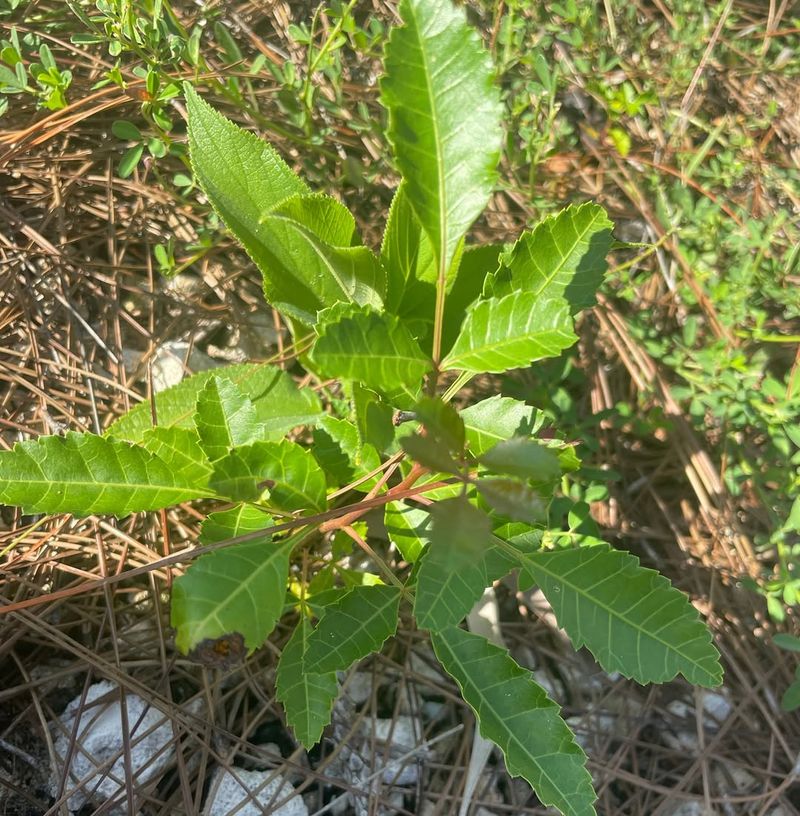
Here is something many gardeners learn the hard way: cutting vines at the surface does not stop skunk vine for long. The real engine behind this plant is underground.
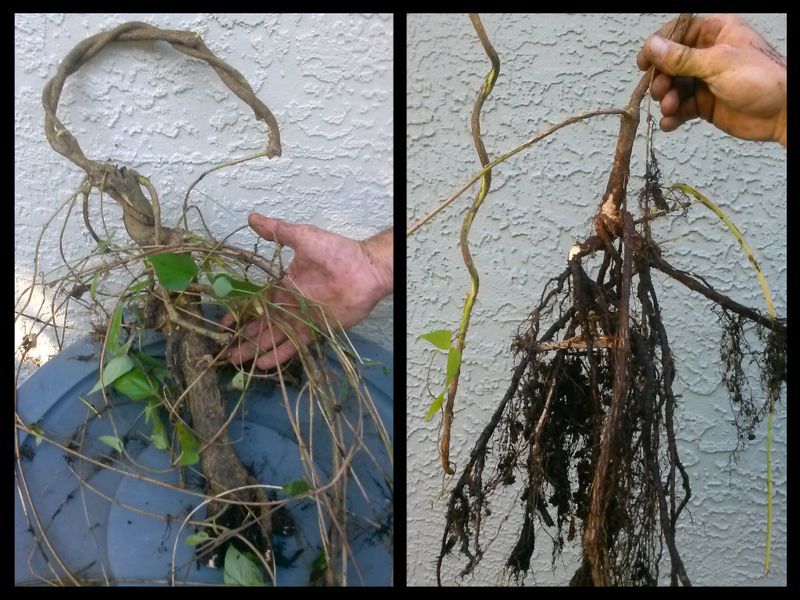
Its root system stores energy and sends up new shoots repeatedly, which is exactly why infestations seem to bounce back just days after removal. To make real progress, you have to get to the source.
After cutting back the above-ground growth, use a hand trowel or garden fork to carefully expose the base of the plant and the root crown. The root crown is the area where the main stem meets the root system just below the soil line.
This is the most important part of the plant to target because it controls regrowth. Exposing it makes both manual removal and herbicide treatment significantly more effective.
Skunk vine roots can run deep and spread outward, especially in the loose, sandy soils common across much of Florida. Do not expect to remove the entire root system by hand in one session.
Focus on the main crown and the largest visible roots first. Sever them as deep as you reasonably can and remove as much root material as possible from the soil.
Bag all root material just as carefully as the above-ground stems. Roots left on the soil surface in warm Florida weather can still generate new growth.
Dispose of everything in sealed trash bags rather than leaving it on-site.
Targeting the base turns a surface-level cleanup into a real attack on the plant itself, and that shift in strategy is what starts to make a lasting difference.
5. Apply Herbicide To Fresh Regrowth For Stronger Results
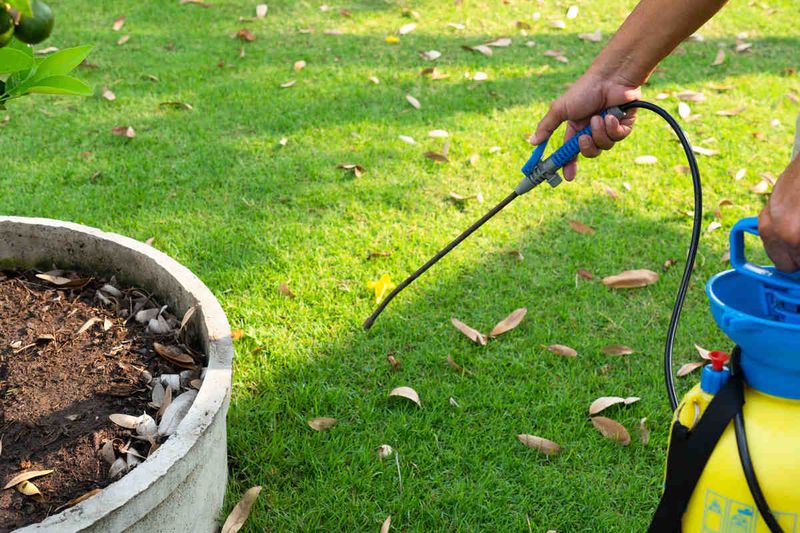
Manual removal alone rarely finishes the job with skunk vine. The root system is persistent, and new shoots will emerge even after thorough clearing.
That is where herbicide becomes a valuable part of the strategy, especially when applied at exactly the right time and in the right way.
According to UF/IFAS guidance, triclopyr-based herbicides are most commonly recommended, with glyphosate sometimes used depending on the situation. Systemic products work by moving through the plant’s tissue down into the root system, which is what makes them more effective than contact-only treatments.
Garlon 3A and Garlon 4 are commonly referenced triclopyr-based products used in Florida for invasive vine management.
Timing matters more than many people realize. Herbicide works best when the plant is actively growing and moving nutrients through its system, which in Florida typically means spring and summer are prime windows.
Apply to fresh, young regrowth rather than old or stressed stems, as the plant absorbs the product more efficiently during active growth phases.
For vines that have grown up trees, a cut-stump treatment is often recommended. Cut the vine stem and immediately apply a solution of triclopyr-based herbicide directly to the freshly cut surface.
This gets the product into the plant’s vascular system quickly before the cut seals over.
Always read and follow label directions carefully, and wear appropriate protective gear during application. Avoid spraying near water bodies or desirable plants.
Spot treatment is almost always preferable to broadcast spraying in a home garden setting.
6. Repeat Treatments As New Growth Appears
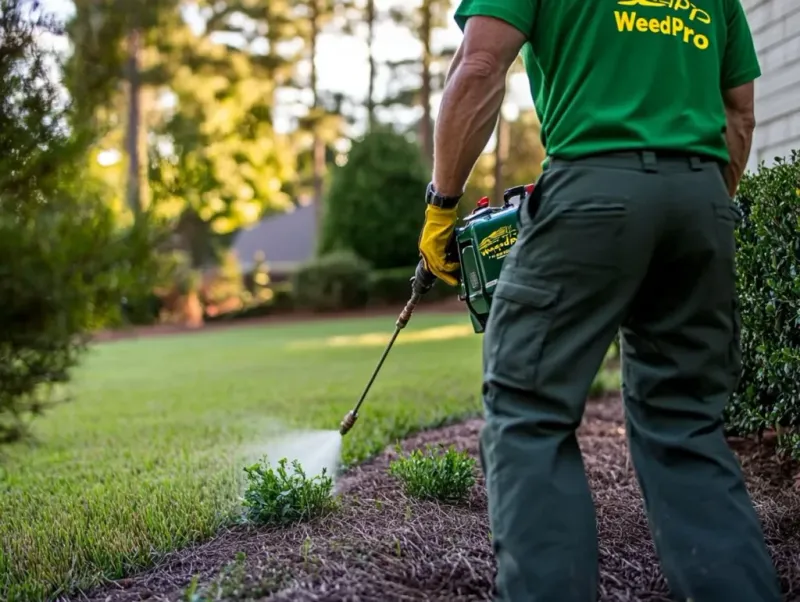
Patience is not just a virtue when it comes to skunk vine removal. It is an absolute requirement.
Anyone who expects one round of cutting and spraying to solve the problem will likely be disappointed. The plant’s root system is resilient, and it will push out new growth multiple times before it finally exhausts its energy reserves.
Expecting that and planning for it makes the whole process far less frustrating.
Most gardeners dealing with established infestations should plan for follow-up treatments every four to six weeks during the active growing season. When new shoots appear, they should be treated promptly before they have a chance to grow large, spread, and rebuild the plant’s energy stores.
Small regrowth is much easier to manage than letting it get out of hand again.
Each successive treatment weakens the root system a little more. The shoots that come back after the second and third treatments are usually smaller and fewer than the first flush of regrowth.
That is actually a sign of progress, even if it does not feel like it yet. Staying on schedule and not skipping treatments is what turns that gradual weakening into real control.
Keep a simple log of where you treated, when you treated, and what regrowth you observed afterward. This kind of basic record-keeping helps you track progress and identify spots where the vine keeps coming back, which often points to a deeper root mass that needs more focused attention.
Consistent follow-through is what separates gardeners who eventually win this battle from those who feel like they are going in circles.
7. Watch For Hidden Vines Climbing Trees And Fences
One of the most overlooked parts of any skunk vine removal project is what is happening above eye level. While most gardeners focus on the ground and the shrub layer, skunk vine is quietly climbing trees and fences, sometimes reaching heights of twenty feet or more.
Those elevated portions often go unnoticed until they start dropping seeds or sending new runners back down to the ground.
Walk your entire property and look up. Check the trunks of trees carefully, especially oaks, pines, and palms, which are common hosts in Florida yards.
Skunk vine stems twine tightly around trunks and branches, and they can blend in surprisingly well once the bark and vine surfaces weather to similar colors. Look for the characteristic opposite-leaf pattern and, if you are unsure, give a leaf a quick crush to check for the smell.
Fences are another favorite pathway. Skunk vine travels along fence lines quickly, using the structure as a trellis.
Check both sides of every fence section, including the base where the vine may have rooted into the ground alongside the fence post.
When removing vines from trees, always cut at the base first and let the upper portion dry out in place rather than pulling it down forcefully. Aggressively yanking large vines out of tree canopies can damage branches and disturb nesting wildlife.
Allow the cut vine to loosen naturally over several weeks, then remove it carefully.
Missing even a few climbing vines is enough to restart an infestation, so a thorough vertical inspection is just as important as ground-level work.
8. Stay Consistent Until Skunk Vine Stops Coming Back

Getting skunk vine under control is genuinely achievable, but the finish line is not a single treatment or even a single season. Long-term success comes from building a habit of regular monitoring and following through even when the problem seems mostly resolved.
Many gardeners make great progress and then ease off too early, only to find the vine staging a comeback months later.
Set a routine of walking your garden at least once a month during the warmer months, which in Florida essentially means most of the year. Pay close attention to the areas where you previously had the heaviest infestations, as well as fence lines, tree bases, and any spots where the soil was disturbed during removal.
Those are the places most likely to show new activity first.
When you spot new growth, treat it immediately while it is still small. A young shoot with a few leaves is far easier to manage than a vine that has had four weeks to spread and root at multiple points.
Quick responses during this maintenance phase are what prevent small flare-ups from becoming full infestations again.
It is also worth keeping an eye on neighboring properties and nearby natural areas. Skunk vine seeds travel by birds, and a heavily infested area nearby can keep reseeding your yard even after your own plants are gone.
There is no perfect solution for that, but staying vigilant means you catch new seedlings early before they establish deep roots.
With steady attention and realistic expectations, most Florida gardeners can achieve lasting control over skunk vine and enjoy a healthier, more balanced outdoor space.