Florida Homeowners Are Removing This Popular Shrub And Here’s The Reason Why
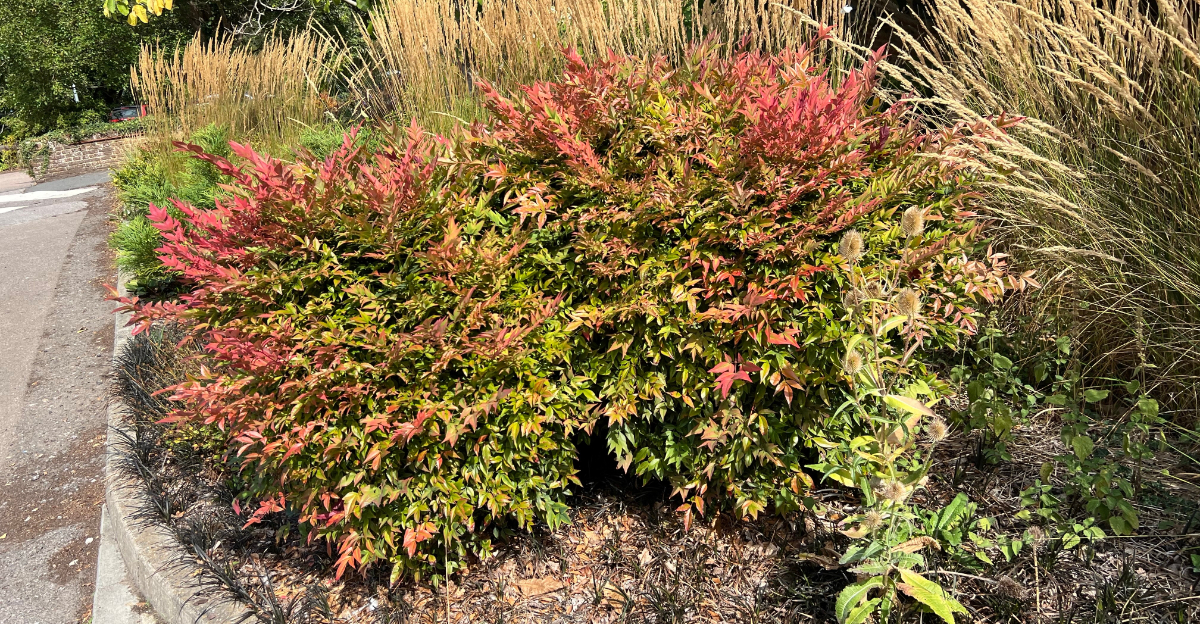
A lot of Florida landscapes still feature shrubs that became popular for all the right reasons at the time. They were easy to find, easy to fit into a planting bed, and easy to rely on for year-round structure with a little extra color mixed in.
That kind of plant tends to stick around for decades, especially when it becomes part of the standard look in front yards, foundation beds, and entryway borders across the state.
But more Florida homeowners have started questioning some of those longtime favorites.
What once looked like a simple, dependable choice can feel very different when gardeners look more closely at upkeep, spread, and how a shrub fits into today’s landscapes.
That is why certain plants are starting to lose their appeal, even after years of widespread use. One shrub now getting that kind of second look in Florida is nandina.
1. Nandina Once Felt Like The Perfect Low-Maintenance Shrub
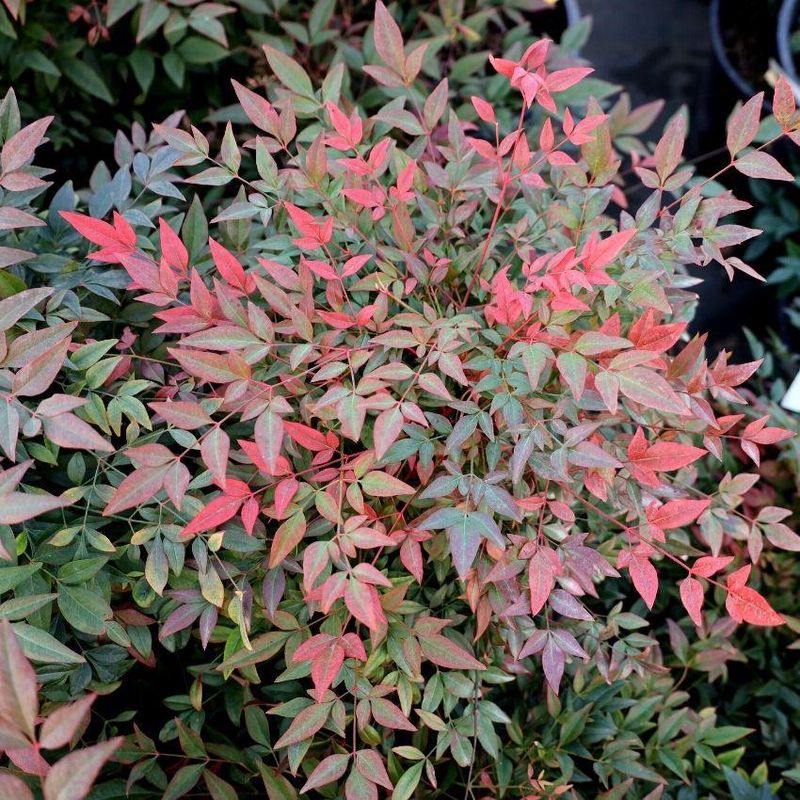
Back when nandina first started showing up in Florida nurseries and garden centers, it checked almost every box a homeowner could want.
The plant stayed green through most of the year, produced striking red berries in the fall and winter, and turned shades of red and orange with cooler temperatures.
It looked polished without much effort, which made it a natural fit for busy homeowners who wanted curb appeal without constant upkeep.
Landscapers loved it too. Nandina handled Florida heat reasonably well, tolerated both sun and partial shade, and grew into a neat, compact form that worked well along foundations, walkways, and borders.
It was also drought-tolerant once established, which made it appealing in a state where water restrictions are common.
Nurseries stocked it widely, and it became one of the most commonly sold ornamental shrubs across the Southeast. For many years, nobody questioned it much.
Homeowners planted it, it grew, and the yard looked great. The problems were not visible yet, and the information simply was not as widely shared.
That combination of good looks and easy care made nandina feel like a landscaping solution rather than a potential problem.
2. Its Spread Started Showing Up Beyond The Yard
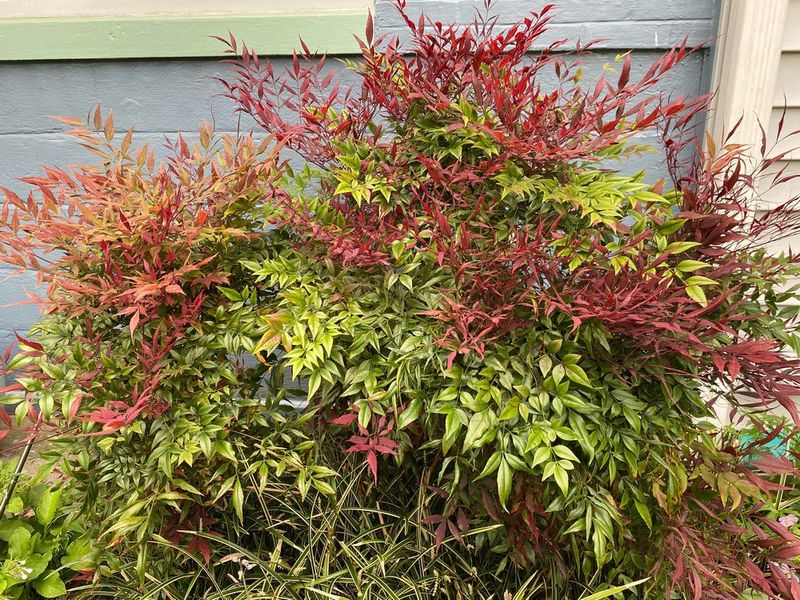
One of the first signs that nandina was more than just a well-behaved ornamental came when homeowners started noticing it popping up in unexpected places. Seedlings appeared in mulched beds far from the original plant.
Young nandina plants showed up along fence lines, in drainage ditches, and at the edges of wooded areas nearby.
Nandina spreads in two main ways. First, it produces seeds inside those bright red berries, which are carried away from the parent plant by wind, water, and animals.
Second, the plant can spread through underground rhizomes, which are root-like structures that send up new shoots over time. Both methods allow it to establish itself well beyond the area where it was originally planted.
According to UF/IFAS, nandina has been documented naturalizing in Florida, meaning it is reproducing and surviving on its own outside of cultivated settings. Once it moves into a natural area, it can be surprisingly difficult to remove completely.
Your Florida Garden Changes Every Week. Your Plan Should Too.
Gardening in Florida changes quickly throughout the season. Every Friday you’ll receive a simple weekly plan showing exactly what to plant, prune, fertilize, harvest, and protect so you never miss the right timing.
The underground root system requires persistent effort to fully clear. What started as a tidy border plant along a driveway could quietly be working its way into neighboring green spaces without anyone noticing until the problem had already taken hold.
3. Birds Turn Those Bright Berries Into A Bigger Problem
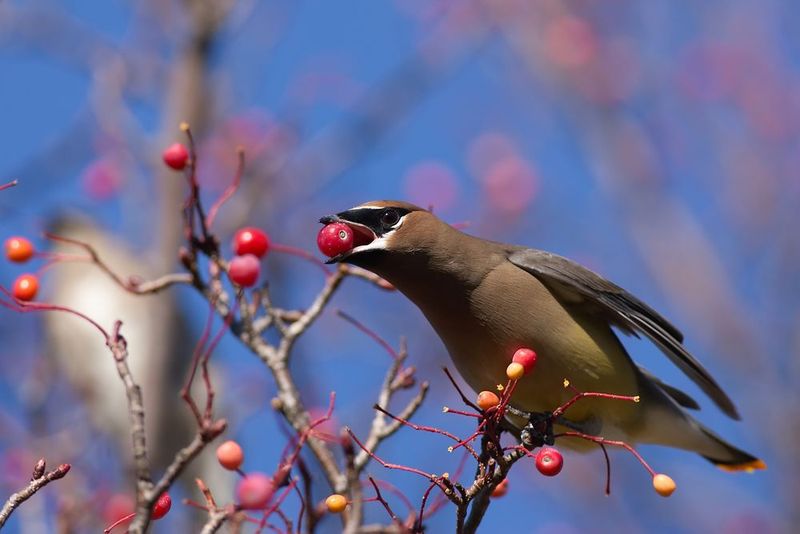
Those cheerful red berries that made nandina so visually appealing in winter landscapes are actually a big part of why the plant spreads so effectively. Birds are naturally drawn to the bright color and eat the berries freely.
As they fly off and digest the seeds, they deposit them in new locations, sometimes far from the original plant.
The concern goes beyond just spreading. Research has shown that nandina berries contain compounds called cyanogenic glycosides.
When birds consume large quantities, these compounds can be harmful to them.
There have been documented cases of cedar waxwings and other songbirds becoming seriously ill after eating large amounts of nandina berries, particularly when few other food sources were available.
This is especially concerning in Florida, where birds are an important part of the ecosystem and where many migratory species pass through or spend the winter.
The same berries that look decorative in a garden bed can create real risks for local and visiting bird populations.
Homeowners who care about backyard wildlife often find this information to be one of the most compelling reasons to remove nandina.
Planting something that unintentionally harms the birds visiting your yard is not the outcome anyone intended when they first put that shrub in the ground.
4. What Looks Harmless Can Disrupt Native Landscapes
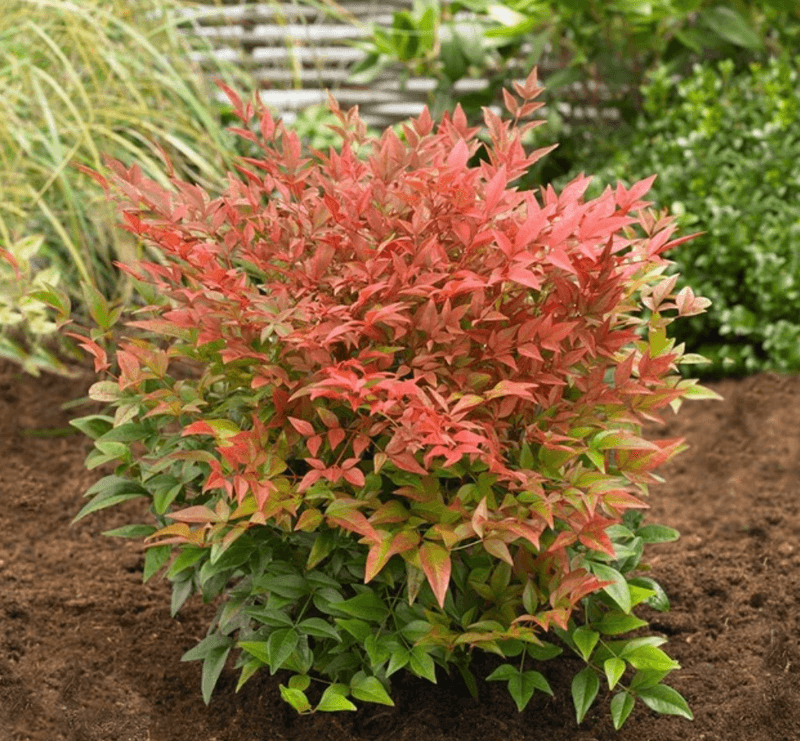
From a distance, a stand of nandina looks like any other shrub. The leaves are delicate, the growth habit is upright and tidy, and it does not look aggressive in the way people imagine invasive plants to look.
But appearances can be misleading, especially when it comes to how a non-native plant interacts with a local ecosystem over time.
Nandina is native to eastern Asia, not Florida. When it establishes itself in natural areas, it competes with native plants for sunlight, water, and nutrients.
Because it leafs out early and holds its leaves late into the season, it can shade out native understory plants that depend on specific light conditions to survive. Over time, dense patches of nandina can reduce the diversity of plant species in an area.
Florida has a remarkably rich native plant community, and that diversity supports everything from pollinators to ground-nesting birds to small mammals. When non-native plants crowd out native species, the whole food web can be affected.
UF/IFAS has flagged nandina as a plant of concern in Florida natural areas for exactly these reasons.
A shrub that looks perfectly harmless growing next to a mailbox can become genuinely disruptive once it starts moving into spaces where native plants are trying to hold their ground.
5. New Awareness Is Changing What Florida Gardeners Plant
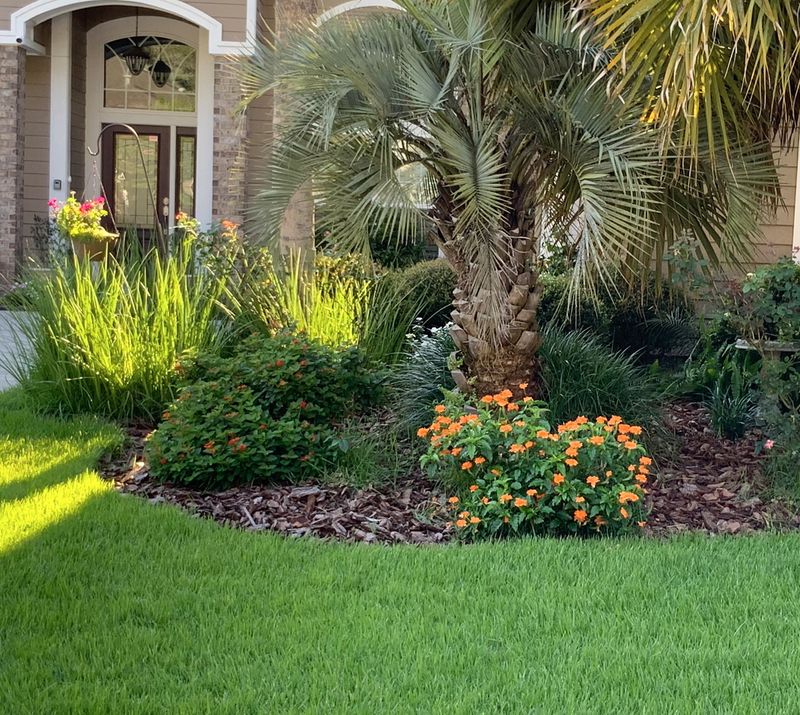
Something has shifted in how Florida gardeners talk about plants. A few years ago, the conversation at the local nursery was mostly about what looked good and what was easy to grow.
Today, more and more people are asking different questions: Is this plant native? Will it support pollinators?
Could it spread into natural areas?
UF/IFAS has been an important part of that shift. Through its Florida-Friendly Landscaping program and its extensive network of Extension offices across the state, UF/IFAS has worked to educate homeowners about the ecological impact of the plants they choose.
Nandina has come up repeatedly in that guidance as a plant that well-meaning gardeners should reconsider.
Social media has also played a role, with gardening groups and native plant enthusiasts sharing information about nandina’s spread and its effects on birds and native vegetation.
That kind of peer-to-peer sharing has reached homeowners who might not have otherwise come across the research.
The result is a growing community of Florida gardeners who are making more intentional choices about what goes in the ground.
For many of them, removing nandina is not about following a trend but about acting on information they genuinely wish they had received years earlier.
6. Many Landscapes Are Moving Away From It Quietly
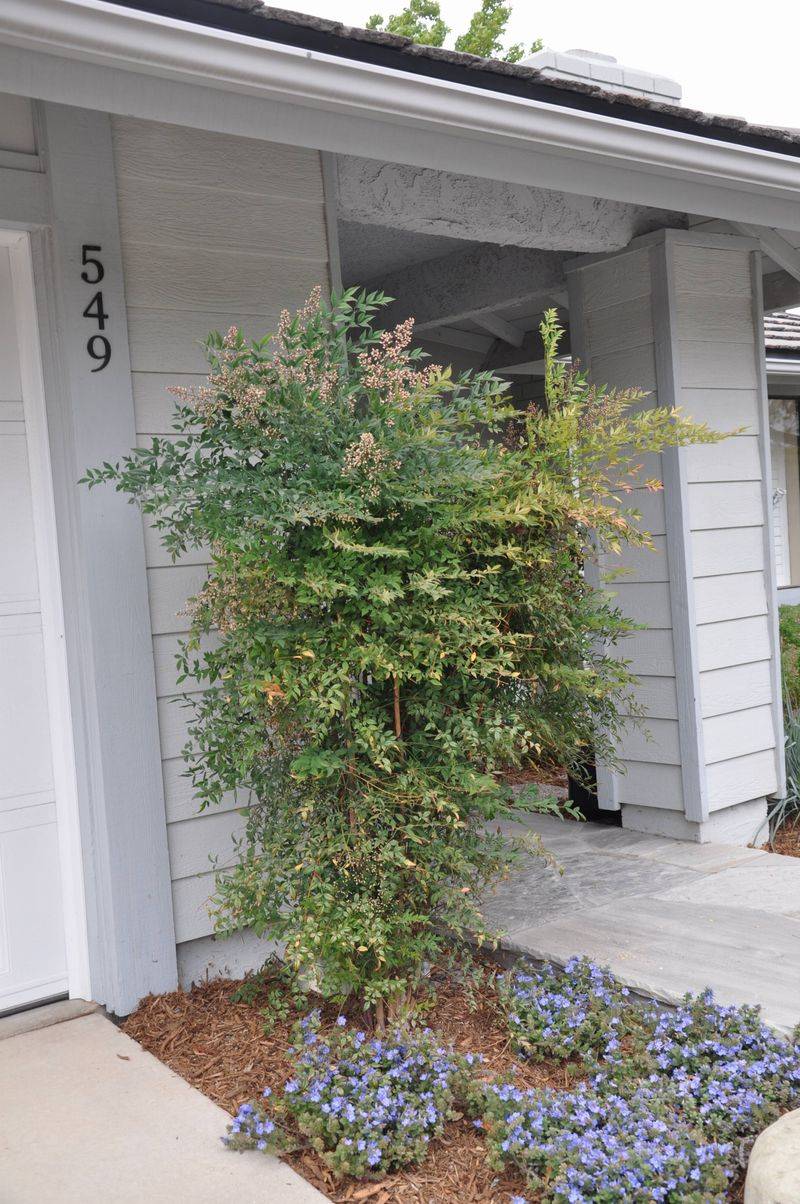
You might not see big signs or announcements about it, but nandina removal is happening steadily across Florida neighborhoods.
Homeowners are pulling plants out during weekend yard projects, and landscapers are quietly steering clients toward different options when updating a planting bed.
The shift is gradual, but it is real.
Removing nandina is not always a quick job. The root system can be stubborn, especially for plants that have been in the ground for many years.
Most experts recommend cutting the plant back first, then digging out as much of the root ball as possible. Any remaining roots may send up new shoots, so follow-up removal over several weeks or months is often necessary.
Herbicide options exist for more established plants, but many homeowners prefer to handle removal manually, especially in beds close to other plants they want to keep.
Some homeowners have also started donating or sharing the removed plants on local community boards, though opinions on that practice are divided given the plant’s potential to spread.
The more common approach is simply to bag and dispose of it through yard waste collection.
What is clear is that the removal trend is growing, and it is being driven by informed homeowners rather than any formal regulation or requirement in most Florida counties.
7. Native Shrubs Are Stepping In As Better Alternatives
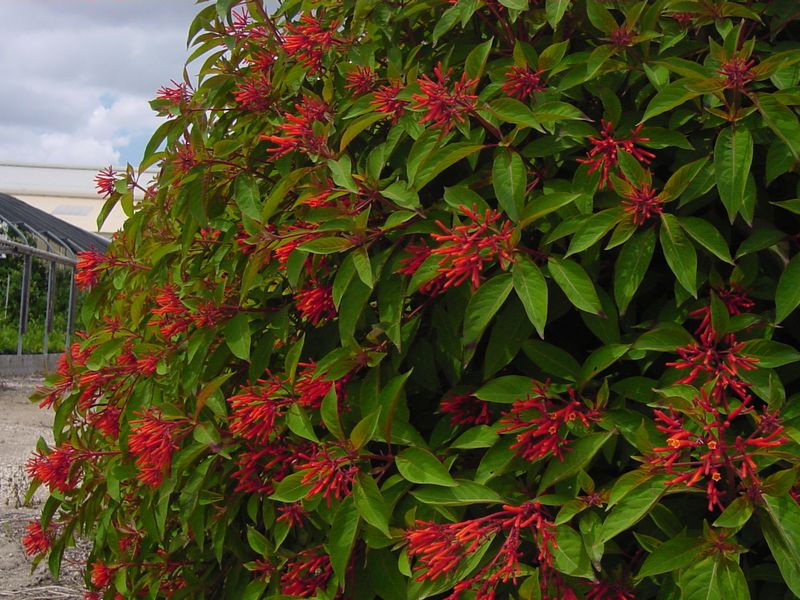
Once homeowners commit to removing nandina, the next question usually comes pretty quickly: what should go in its place? The good news is that Florida has a genuinely impressive selection of native shrubs that can fill similar roles in the landscape.
Many of them offer the same visual qualities that made nandina popular in the first place, including colorful foliage, seasonal berries, and manageable growth habits.
The idea of replacing a non-native plant with a native one might sound like a compromise, but in most cases it is actually an upgrade.
Native shrubs are adapted to Florida’s soil, rainfall patterns, and climate, which often means they need less supplemental watering and fertilizing once they are established.
They also tend to support local wildlife in ways that non-native plants simply cannot match, providing food and habitat for native insects, birds, and other animals.
Florida native plant societies, UF/IFAS Extension offices, and local native plant nurseries are all good resources for finding the right shrub for a specific spot in the yard.
Whether the goal is to fill a shady corner, add winter color, or create a wildlife-friendly border, there is almost certainly a native option that fits the need.
Choosing native plants is one of the most practical and lasting improvements a Florida homeowner can make.
8. Florida-Friendly Yards Are Driving The Shift
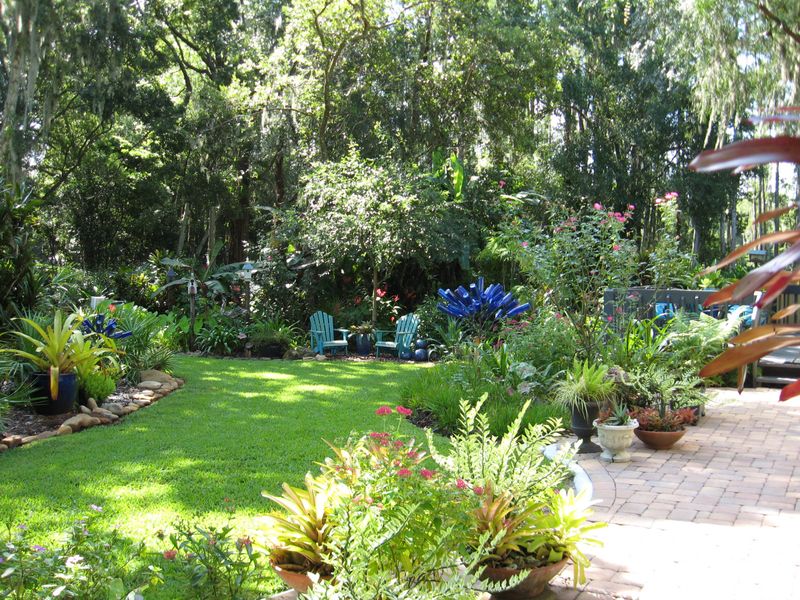
Across Florida, a broader movement is reshaping what a well-kept yard looks like. The old standard of a uniform lawn bordered by a handful of commonly sold ornamentals is giving way to something more thoughtful and regionally appropriate.
Homeowners are increasingly interested in yards that work with Florida’s natural environment rather than against it.
The Florida-Friendly Landscaping program, developed by UF/IFAS, outlines nine guiding principles for sustainable yard management.
Those principles include using the right plant in the right place, reducing fertilizer and pesticide use, conserving water, and protecting Florida’s waterways.
Choosing plants that are native or well-suited to Florida conditions is central to the whole approach, and avoiding invasive or potentially problematic species is a natural extension of that thinking.
Nandina’s removal from many Florida yards fits neatly into this larger story. Homeowners are not just reacting to one plant’s problems; they are rethinking their entire relationship with their outdoor space.
A yard that supports native wildlife, stays healthy with less water, and does not contribute to the spread of invasive plants is genuinely more rewarding to maintain over time.
The shift away from nandina is one visible sign of a much bigger change in how Florida residents think about the land around their homes and their role in caring for it.