Best Blue Perennials To Brighten Ohio Gardens
Blue flowers have a way of catching your eye without trying too hard. After a long Ohio winter, when everything has leaned toward gray and brown, those first cool tones feel especially refreshing against new spring growth, especially when the garden is just starting to wake up again.
Ohio’s mix of cold winters, wet springs, and warm summers means not every perennial settles in the same way.
Some blue bloomers struggle with heavy soil or shifting temperatures, while others return stronger each year and keep their color through changing conditions.
Some varieties start blooming earlier than expected and keep going longer than others nearby. That difference becomes clear pretty quickly as the season moves forward and certain plants begin to stand out.
1. Common Blue Violet Spreading Quietly
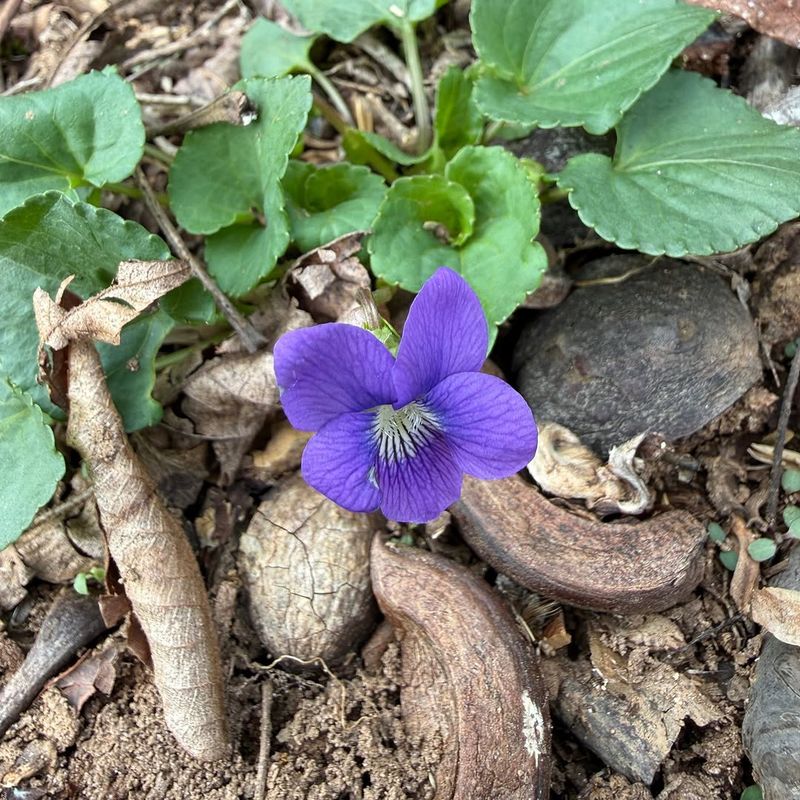
There is something wonderfully nostalgic about Common Blue Violet. Many Ohio gardeners remember spotting these little purple-blue blooms popping up in lawns and along forest edges as kids, never realizing they were looking at a true native perennial worth celebrating.
Viola sororia is tougher than it looks and brings reliable early-season color to gardens across the state.
Common Blue Violet thrives in partial shade to full sun and adapts well to a wide range of soil types, which makes it incredibly versatile for Ohio landscapes. It blooms in mid to late spring, producing cheerful violet-blue flowers above attractive heart-shaped leaves.
After blooming, the foliage stays lush and green through summer, acting as a natural ground cover.
One of the most interesting things about this plant is that it produces two types of flowers. The showy spring blooms attract early pollinators like native bees, while a second set of inconspicuous flowers self-fertilize underground and produce seeds without ever opening.
That clever strategy helps the plant spread naturally over time.
For Ohio gardeners, Common Blue Violet is a fantastic choice for naturalizing shady spots under trees or along the edges of garden beds. It is also a host plant for several fritillary butterfly species, so planting it supports local wildlife in a meaningful way.
Low maintenance and full of charm, this humble violet earns its place in any Ohio native plant garden.
2. Virginia Bluebells With Soft Spring Color
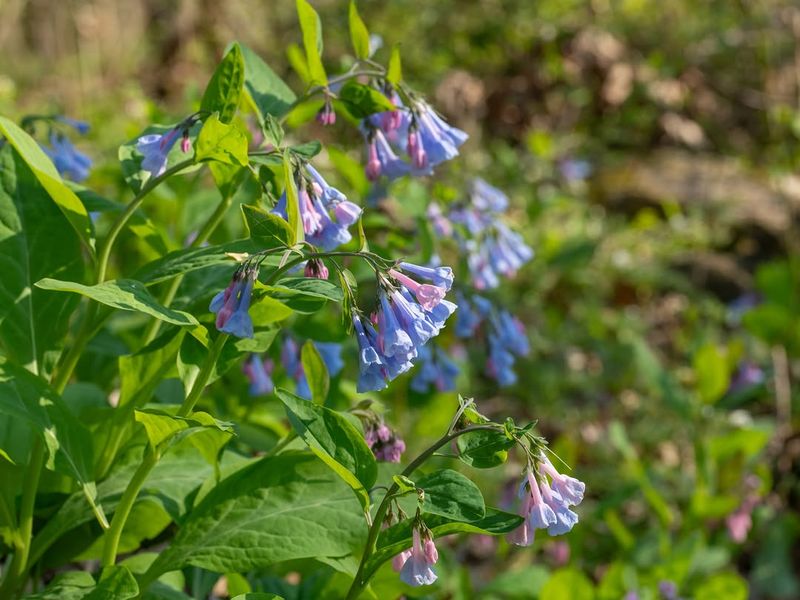
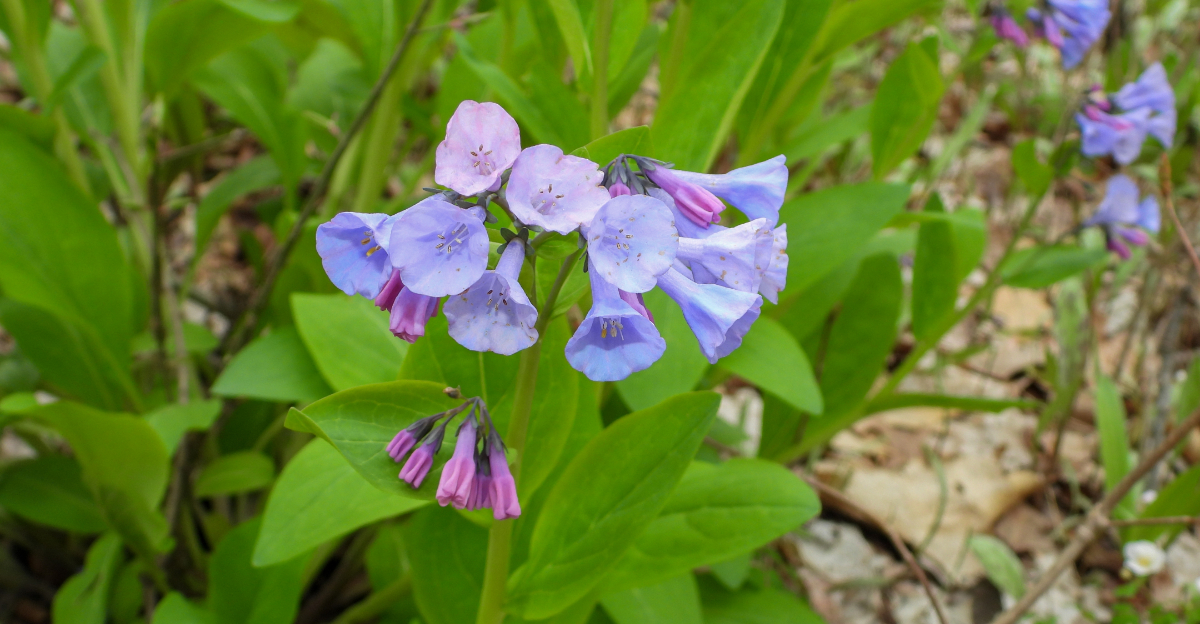
Few flowers announce the arrival of spring in Ohio quite like Virginia Bluebells. Their soft, trumpet-shaped blooms open in clusters of sky blue, starting out pink as buds before transforming into that signature blue color.
Watching that shift happen is one of the small joys that makes early spring gardening so rewarding.
Scientifically known as Mertensia virginica, this native perennial loves partial to full shade and moist, well-drained soil. It is a natural fit for woodland gardens, stream banks, or any shady corner of your Ohio yard where other plants might struggle.
Pairing it with hostas or ferns works beautifully because those plants fill in the space after Virginia Bluebells go dormant in late spring.
Pollinators absolutely love this plant. Bumblebees and hummingbirds are drawn to its nectar-rich flowers, making your garden a little wildlife sanctuary during those first warm weeks of the year.
Your Ohio Garden Changes Every Week. Your Plan Should Too.
Gardening in Ohio changes quickly throughout the season. Every Friday you’ll receive a simple weekly plan showing exactly what to plant, prune, fertilize, harvest, and protect so you never miss the right timing.
Because it spreads gradually by seed, you may find it naturalizing in happy drifts over time.
Planting Virginia Bluebells in groups of three or more creates the most visual impact. They work especially well along Ohio garden paths where you can appreciate their delicate blooms up close.
Once established, they need very little care, making them one of the most beginner-friendly native perennials you can grow in the Buckeye State.
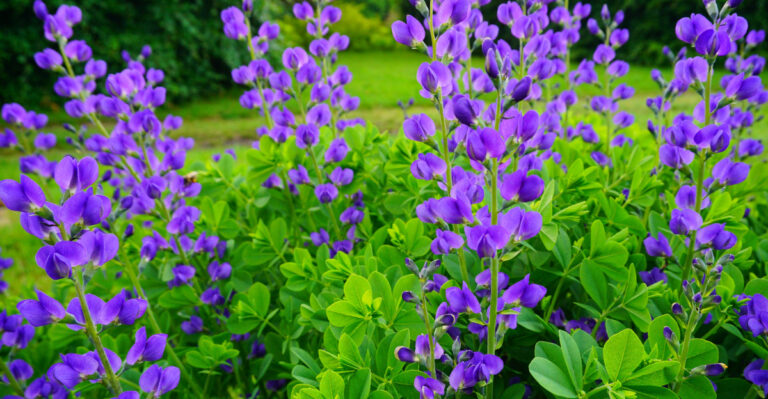
3. Blue Wild Indigo With Bold Vertical Blooms
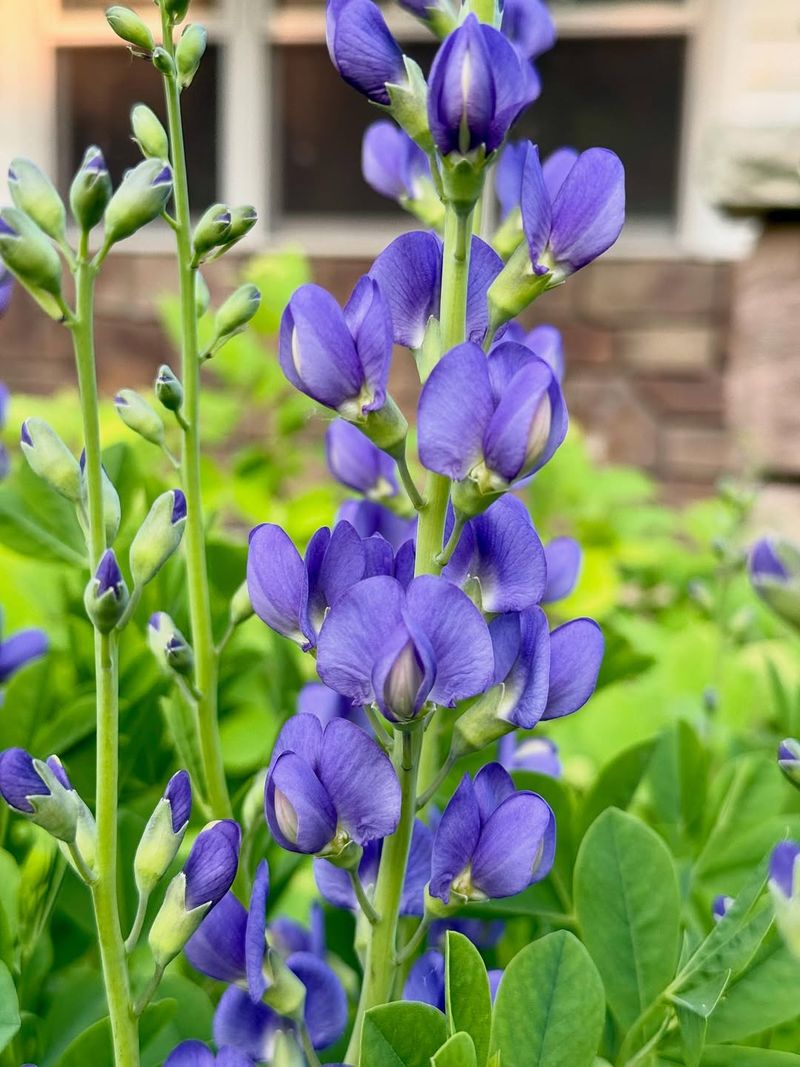
Bold, architectural, and absolutely stunning in bloom, Blue Wild Indigo is a native perennial that commands attention in any Ohio garden. Baptisia australis sends up tall spikes covered in rich blue-purple flowers in late spring, creating a display that rivals even some of the most popular ornamental plants.
It looks like lupine but is actually better suited to Ohio’s climate and conditions.
Once established, Blue Wild Indigo is remarkably self-sufficient. Its deep root system makes it highly drought-tolerant, and it thrives in full sun with average to well-drained soil.
That deep root system is also why you should choose its planting spot carefully since it does not transplant well once settled in. Give it room to grow because mature plants can reach three to four feet tall and wide.
After the flowers fade, puffy, inflated seed pods develop and turn black by fall. These pods rattle in the breeze and are a favorite of floral arrangers for dried bouquets.
The blue-green foliage remains attractive all season long, adding structure and texture to Ohio garden borders even when the plant is not in bloom.
Bumblebees are especially fond of Blue Wild Indigo, and you will often see them working the flowers on warm spring days. It is also a host plant for several native butterfly species.
For gardeners in Ohio looking for a long-lived, low-care perennial with serious visual presence, this one truly delivers.
4. Jacob’s Ladder With Textured Foliage
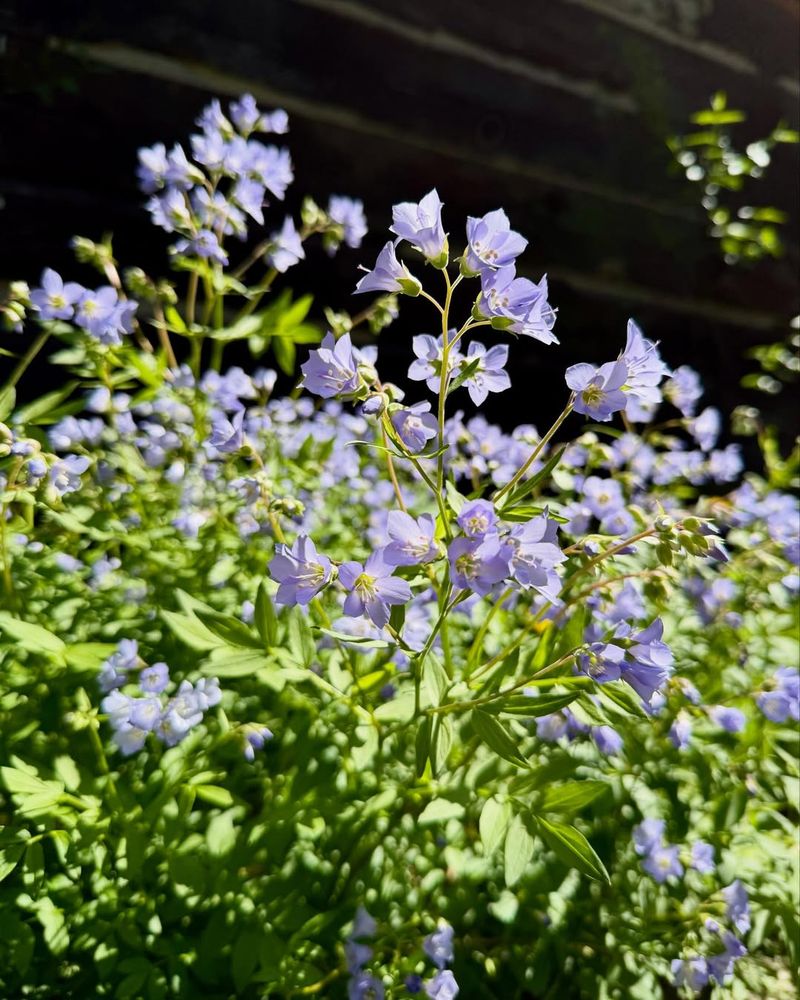
Named for its uniquely ladder-like leaf arrangement, Jacob’s Ladder is one of those plants that gardeners tend to fall in love with the moment they see it. Polemonium reptans is native to Ohio and produces clusters of soft, nodding blue flowers in mid to late spring.
The combination of elegant foliage and charming blooms makes it a standout in shaded garden spaces.
Jacob’s Ladder prefers partial to full shade and moist, humus-rich soil, conditions that are easy to replicate under deciduous trees or in Ohio’s many naturally shaded yards. It pairs beautifully with spring bulbs, bleeding heart, and ferns, creating a layered woodland garden look that feels both wild and intentional.
The foliage remains neat and attractive even after the flowers have finished.
One fun fact about this plant: the common name comes from the Bible story of Jacob dreaming of a ladder reaching to heaven, inspired by the evenly spaced leaflets that climb up each stem like rungs. That bit of history gives this modest native perennial a surprisingly rich backstory worth sharing with garden visitors.
For Ohio gardeners dealing with challenging shady spots, Jacob’s Ladder is a reliable solution. It spreads slowly by seed, gradually filling in gaps without becoming invasive.
Bees and butterflies visit the flowers regularly, adding life and movement to quiet shade gardens. Easy to grow and full of quiet personality, it deserves a spot in every Ohio woodland-style planting.
5. Wild Blue Phlox With Fragrant Color
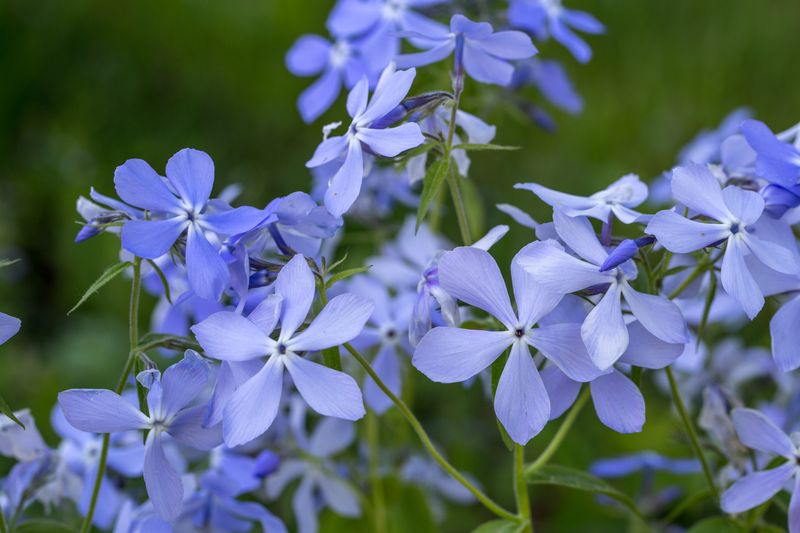
Walk past a patch of Wild Blue Phlox in full bloom and you will immediately notice the sweet fragrance drifting through the air. Phlox divaricata is a native Ohio perennial that produces loose clusters of soft blue to lavender flowers in mid-spring, creating a carpet of color in shaded garden areas.
Few plants can match its combination of beauty, fragrance, and wildlife value.
Wild Blue Phlox thrives in partial shade and moist, well-drained soil rich in organic matter. It spreads gradually by stolons, forming a low-growing ground cover that suppresses weeds naturally.
In Ohio gardens, it works wonderfully as an underplanting beneath spring-flowering trees or shrubs, where its blooms echo the soft pastels of the season.
Hummingbirds, sphinx moths, and a variety of native bees are frequent visitors to Wild Blue Phlox flowers. The long, tubular blooms are perfectly shaped for pollinators with long tongues, making this plant an important food source during the critical early-season weeks when not much else is flowering in Ohio landscapes.
Maintaining Wild Blue Phlox is straightforward. After blooming, a light trim encourages tidy growth and can promote a second flush of flowers in some seasons.
It is largely resistant to the powdery mildew that plagues its garden phlox cousins, making it a healthier, lower-maintenance option. For Ohio gardeners who want fragrance, color, and pollinator value all in one plant, Wild Blue Phlox is a natural choice.
6. Great Blue Lobelia For Late Season Color
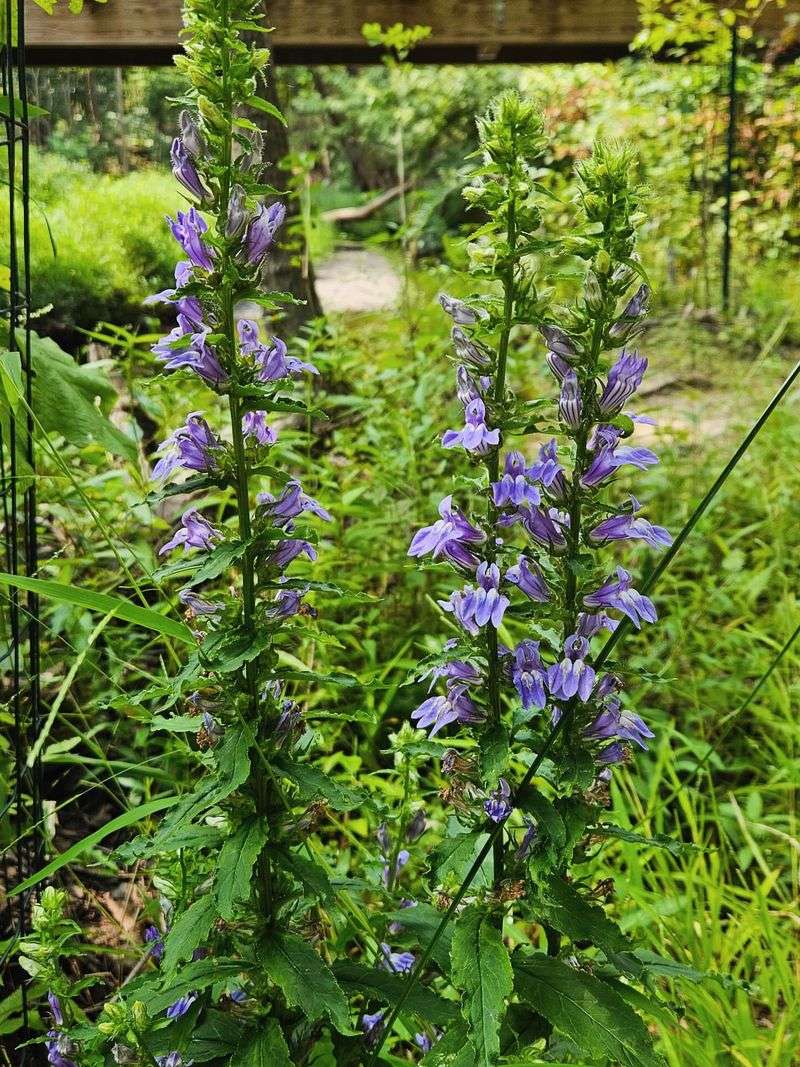
If late summer color is what your Ohio garden needs, Great Blue Lobelia delivers in a big way. Lobelia siphilitica produces tall, upright spikes densely packed with vivid blue tubular flowers from late summer into fall, a time when blue-flowering plants can be hard to find.
It brings a burst of fresh color right when many other perennials are winding down for the season.
Native to Ohio and much of eastern North America, Great Blue Lobelia naturally grows along stream banks, wet meadows, and woodland edges. In the garden, it thrives in moist to wet soil and partial to full sun.
It is an excellent choice for rain gardens, pond edges, or any low-lying area of your Ohio yard that tends to stay consistently moist.
Hummingbirds are attracted to this plant during late summer in Ohio, along with bees and other pollinators that regularly visit its flowers. The long blue flowers are perfectly designed for hummingbird feeding, and planting a mass of Great Blue Lobelia near a window gives you a front-row seat to one of nature’s most entertaining shows.
Swallowtail butterflies and bumblebees also visit regularly.
Great Blue Lobelia is a short-lived perennial but self-seeds freely, meaning new plants will pop up around the parent plant each year to keep your display going strong. Leaving the seed heads in place through winter feeds birds and ensures plenty of seedlings the following spring.
For Ohio gardeners, it is a plant that rewards patience and a relaxed approach to garden management.
7. New England Aster For Fall Color
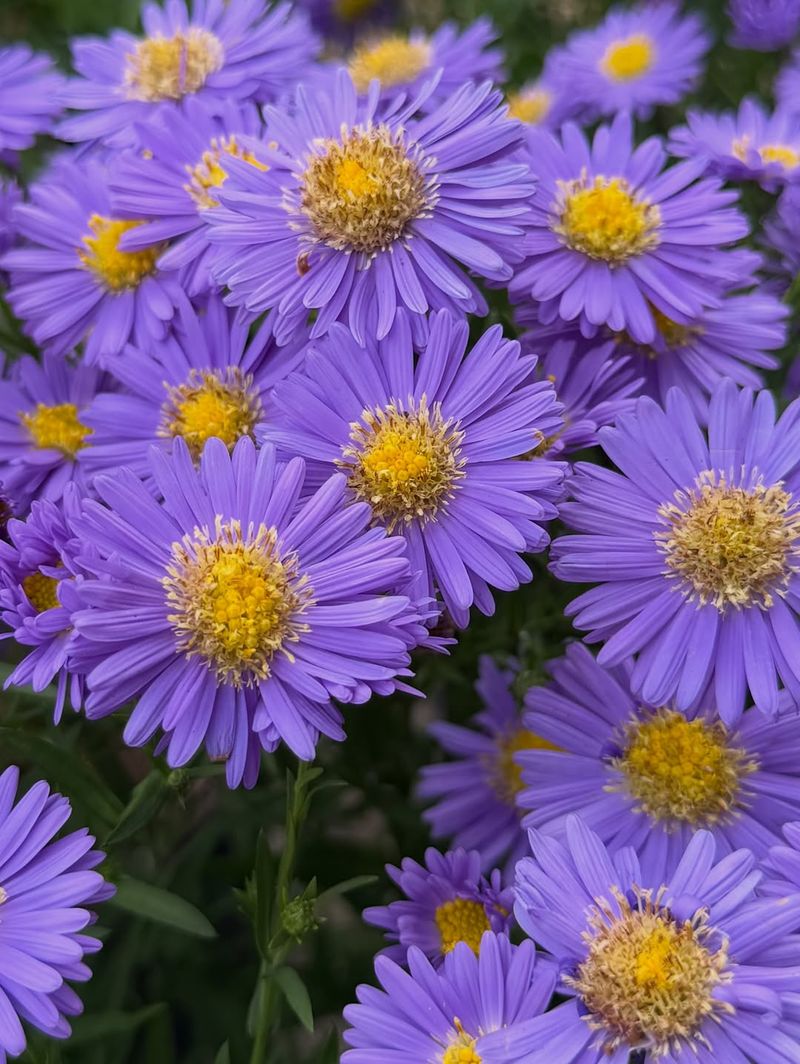
When most of the garden is fading in autumn, New England Aster bursts into its finest moment. Symphyotrichum novae-angliae covers itself in rich violet-blue daisy-like flowers with bright yellow centers from late summer through fall, creating one of the most cheerful displays of the entire gardening year in Ohio.
It is the kind of plant that makes neighbors stop and ask what it is.
New England Aster grows best in full sun and average, well-drained to slightly moist soil. It can reach three to six feet tall depending on the variety, so pinching the stems back in early summer helps keep plants compact and bushy rather than floppy.
Ohio gardeners often pair it with ornamental grasses and goldenrod for a classic native meadow look that looks spectacular in fall light.
The ecological value of New England Aster is enormous. It is one of the most important late-season nectar sources for monarch butterflies, which pass through Ohio during their annual fall migration.
Bees, skippers, and other pollinators also swarm the flowers during the final warm weeks of the year, making this plant a critical resource for wildlife heading into winter.
Deer tend to leave New England Aster alone, which is a bonus for Ohio gardeners in suburban or rural areas where deer pressure can be challenging. It spreads steadily by seed and rhizomes, filling in garden areas over time.
Hardy and resilient, this native aster is one of the most satisfying perennials you can grow in an Ohio garden.
8. Wild Lupine With Wild Native Charm
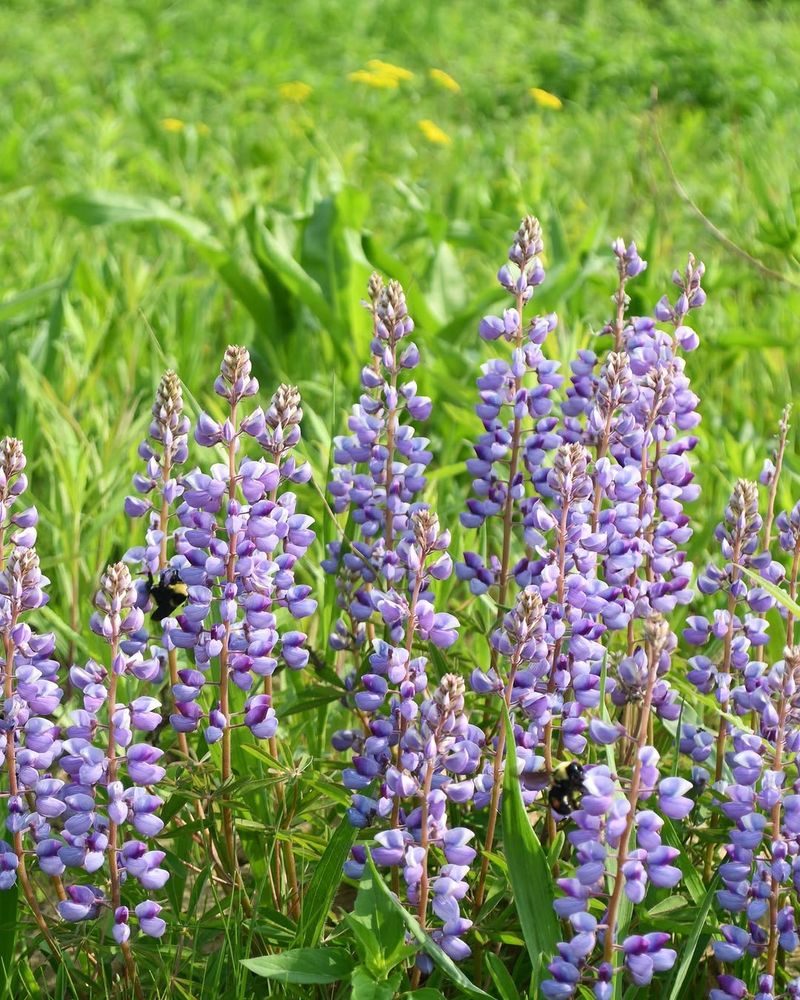
Tall, striking, and loaded with personality, Wild Lupine is one of the most eye-catching native perennials you can grow in Ohio. Lupinus perennis sends up impressive spikes of vivid blue to blue-purple flowers in late spring, rising above attractive palmate leaves that catch raindrops like little green hands.
It has a wildflower energy that feels refreshingly untamed compared to more formal garden plants.
Wild Lupine thrives in full sun and well-drained, sandy or loamy soil with low fertility. It actually struggles in rich, heavily amended garden soil, which makes it a perfect candidate for challenging dry spots in Ohio landscapes where other plants may not perform well.
Once established, it is quite drought-tolerant and requires minimal care beyond occasional weeding.
From an ecological standpoint, Wild Lupine is irreplaceable. It is the primary host plant for the Karner blue butterfly, a rare and threatened species that relies heavily on wild lupine.
While Karner blues are not widespread across Ohio, supporting their habitat and the broader native bee community that relies on lupine pollen is a meaningful contribution any gardener can make.
Wild Lupine fixes nitrogen in the soil through a symbiotic relationship with soil bacteria, naturally improving soil health over time. It self-seeds when happy, gradually creating larger and more impressive colonies in your Ohio garden.
The seed pods are also fun to watch as they mature, twisting and popping open to scatter seeds. For gardeners who want bold color and real ecological purpose, Wild Lupine is a fantastic choice.