10 Smart Tricks Ohio Gardeners Should Use To Prevent Weeds In Gravel
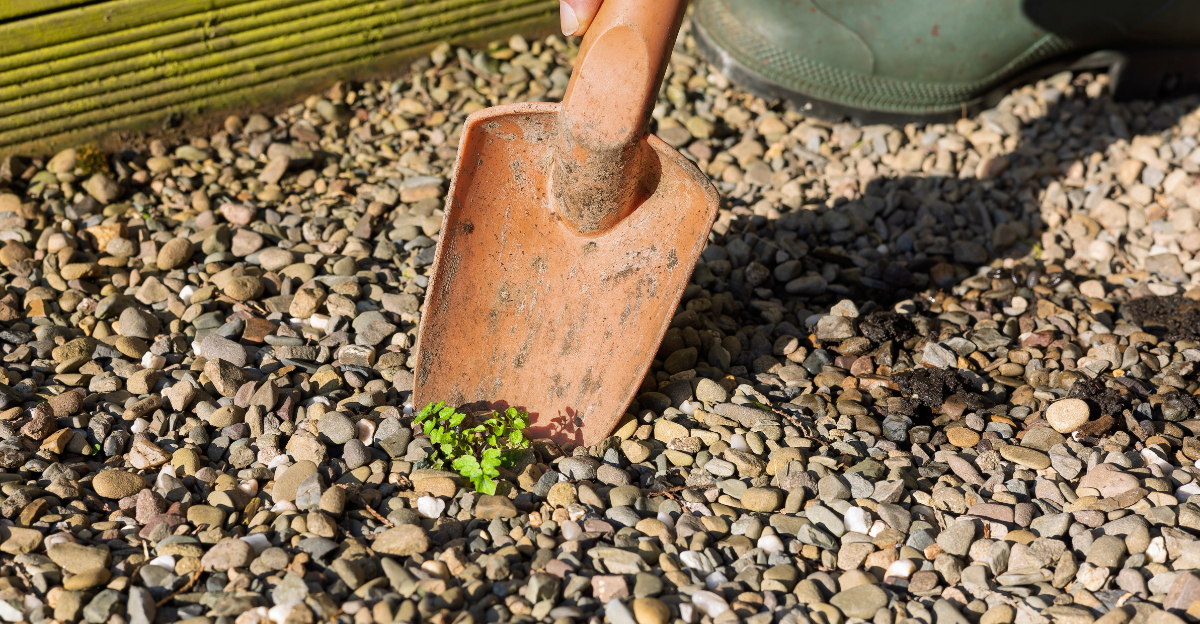
Gravel has a way of looking neat for about five minutes before weeds try to crash the party. One warm stretch, one patch of spring rain, and suddenly that clean Ohio pathway or patio edge starts looking like it has been neglected for months.
It is enough to make any gardener roll their eyes. The frustrating part is that weeds in gravel are not just a surface problem.
Once they get comfortable, they wedge into gaps, drop seeds fast, and turn a low-maintenance area into a constant battle. A quick pull here and there rarely solves much for long.
That is why smart prevention matters so much. The best tricks are not about working harder every weekend.
They are about cutting weeds off before they get a foothold in the first place.
With the right approach, Ohio gardeners can keep gravel areas looking sharp, spend less time fighting repeat invaders, and stop the whole thing from turning into a game of whack a mole by summer.
1. Start With A Weed Free Base Before You Add Fresh Gravel
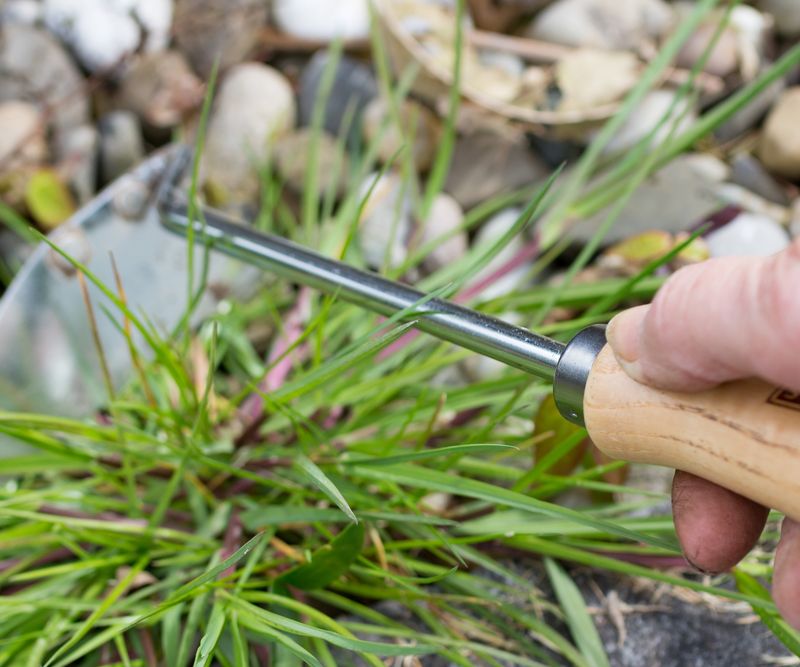
Before a single piece of gravel hits the ground, the soil underneath needs your full attention. Skipping this step is one of the most common mistakes Ohio gardeners make, and it almost always leads to bigger headaches later in the season.
Weeds that are buried under fresh gravel do not simply disappear. They push right through, especially perennials with deep root systems like bindweed or thistle.
Clearing the area completely means removing visible plants, digging out as much root material as possible, and giving the ground a close look for anything still actively growing.
Ohio State University Extension notes that established perennial weeds are particularly stubborn because even small root fragments left in the soil can regenerate.
Taking the time to address these before laying stone is far more effective than trying to deal with them after the gravel is already in place.
Rushing through site prep is a shortcut that almost always costs more time later. A clean, weed-free base sets the foundation for everything else you plan to do.
Spend the extra hour or two getting the ground right. Your future self will thank you every time you walk past that gravel area and see nothing but clean stone.
2. Use A Tough Underlayer That Blocks More Than It Breaks Down
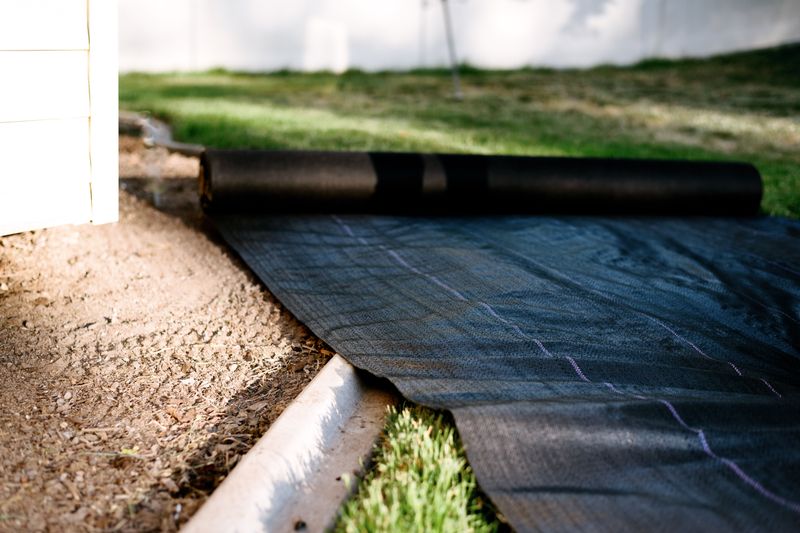
Laying something solid between your soil and your gravel is a strategy worth doing carefully.
Woven polypropylene landscape fabric is one of the more commonly recommended options for gravel areas because it allows water to pass through while creating a physical barrier that slows weed establishment.
The key word, though, is slows. No underlayer permanently stops every weed, and Ohio gardeners should go in with realistic expectations.
Fabric quality matters quite a bit. Thin, flimsy materials sold at discount stores tend to break down faster, shift under foot traffic, and eventually create more of a maintenance problem than they solve.
Heavier commercial-grade woven fabrics hold up better over time, especially in Ohio’s freeze-thaw cycles that can stress and degrade lighter materials season after season.
Your Ohio Garden Changes Every Week. Your Plan Should Too.
Gardening in Ohio changes quickly throughout the season. Every Friday you’ll receive a simple weekly plan showing exactly what to plant, prune, fertilize, harvest, and protect so you never miss the right timing.
UC Cooperative Extension research has noted that fabric performance drops significantly when organic debris accumulates on top, creating a seedbed right on the surface.
Gravel sitting directly on bare soil without any underlayer gives wind-blown weed seeds easy access to moisture and dirt. Even an imperfect fabric layer raises the bar for seeds trying to establish.
Check the material periodically for tears, shifting, or spots where it has bunched, and make repairs before small gaps turn into full weed corridors through your stone.
3. Pick The Right Gravel Size So Seeds Struggle To Settle In
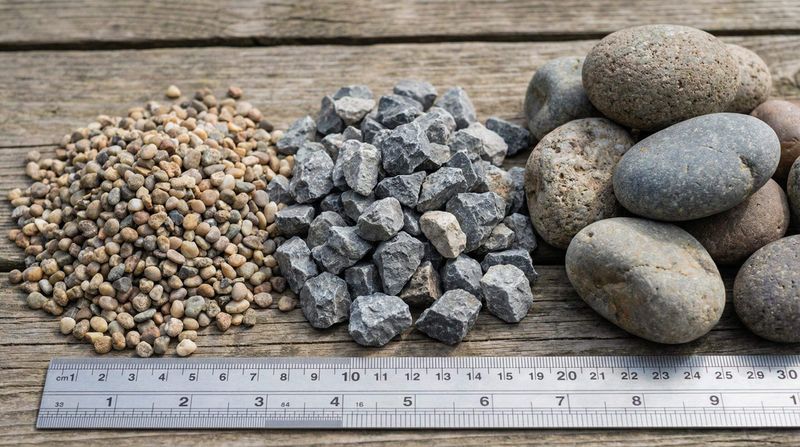
Not all gravel behaves the same way when weeds come looking for a place to land. Smaller, rounded stones like pea gravel tend to collect more organic debris between the pieces, creating tiny pockets of moist, decomposing material that weed seeds absolutely love.
Larger, angular gravel fits together more tightly, leaves fewer gaps, and gives seeds much less to work with when they drift in on the wind.
Angular crushed stone in the three-quarter inch to one-and-a-half inch range is generally considered a practical choice for paths and decorative areas where weed pressure is a concern.
The irregular edges lock together in a way that resists movement and limits the kind of fine debris accumulation that smaller gravel encourages.
River rock and smooth decorative stones, while attractive, tend to roll and shift more easily, creating the same debris-trapping problem as pea gravel over time.
Depth also plays a role alongside size. Ohio State University Extension recommends a minimum of two to three inches of gravel coverage over a weed barrier for meaningful weed suppression.
Thin applications let light reach the soil more easily and give seeds a shorter distance to travel before they find something to root into. Choosing the right size and applying it at the right depth works together as a combined defense, not two separate steps.
4. Stop Windblown Debris From Turning Gravel Into Weed Soil
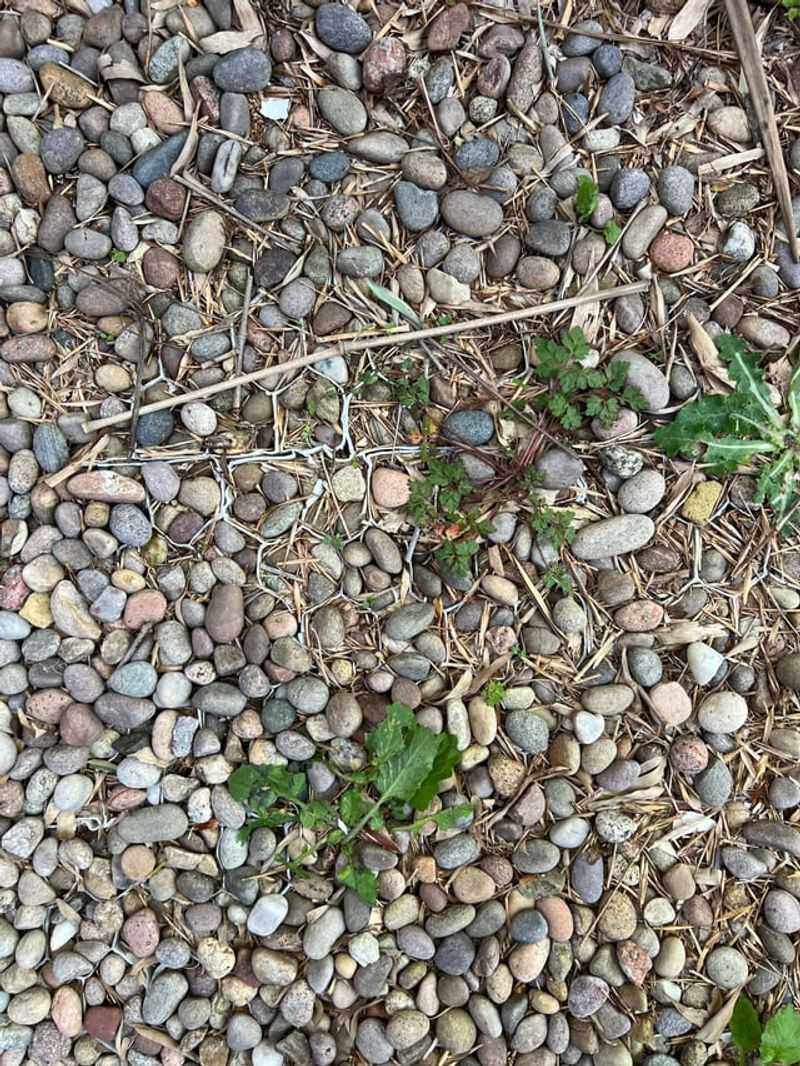
Walk past a gravel area in late October after a few windy days and you will see exactly how quickly leaves, grass clippings, and dust pile up between the stones. That layer of organic material is not just messy.
Over time, it breaks down into a thin layer of soil right on top of your gravel, giving weed seeds exactly what they need to germinate without ever touching the ground below.
Ohio yards are especially vulnerable to this problem in the fall when leaves drop heavily and again in late spring when lawn mowing sends clippings drifting across nearby surfaces. Regular cleanup is one of the most overlooked parts of gravel maintenance.
A leaf blower, a stiff broom, or a gentle rake pass every few weeks during active seasons can make a significant difference in how much organic matter accumulates over a full year.
Keeping nearby shrubs trimmed and avoiding blowing grass clippings toward gravel areas during mowing also helps reduce the debris load.
The goal is to keep the surface as clean and inhospitable as possible.
Weeds are opportunists, and a thin layer of decomposing leaves mixed into gravel is all the invitation many common Ohio species need to take root and start spreading through your stone.
5. Edge The Area Well So Grass And Creeping Weeds Stay Out
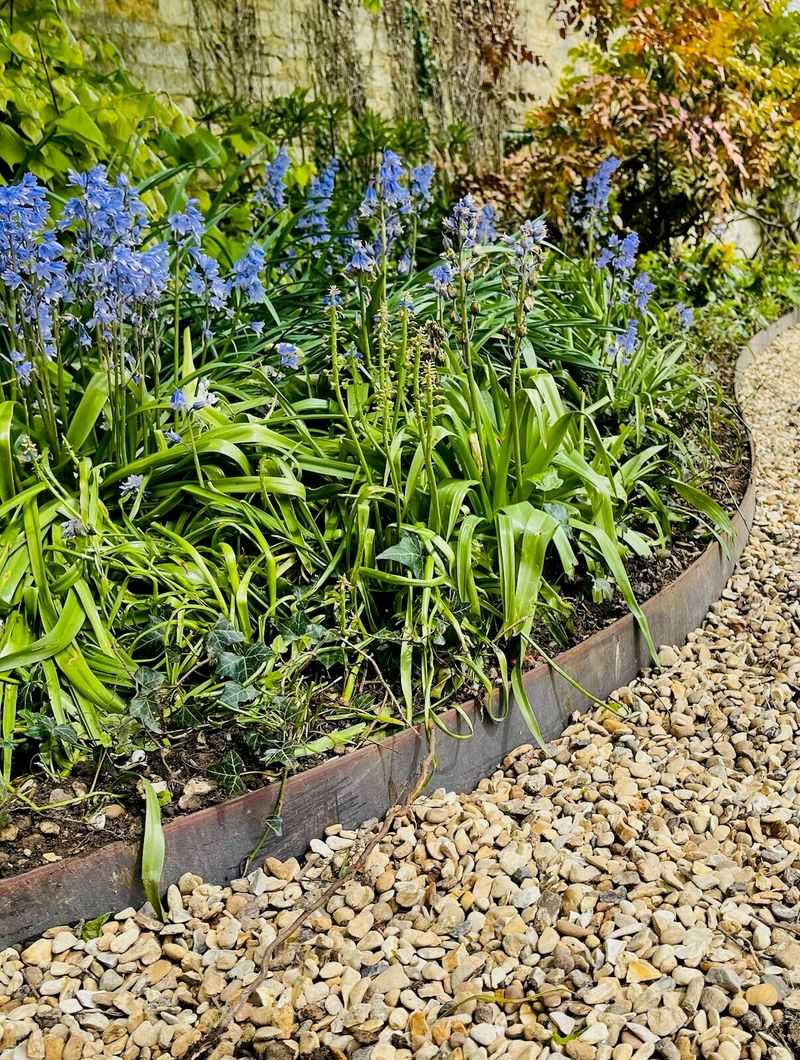
Grass does not respect boundaries unless you create them physically.
Creeping turf grasses like Kentucky bluegrass and tall fescue, both common in Ohio lawns, send out lateral shoots and runners that will happily migrate right into an adjacent gravel area if nothing stops them.
Once grass gets established in gravel, pulling it out cleanly becomes genuinely difficult because the roots thread through the stone.
Physical edging creates a defined line that slows this kind of encroachment.
Metal edging is a popular choice for gravel borders because it holds its shape well through Ohio winters, resists heaving from freeze-thaw cycles, and stays visible enough to guide a string trimmer along the edge cleanly.
Plastic edging is cheaper but tends to shift, crack in cold weather, and lose its shape over time. Stone or concrete edging provides a more permanent barrier and adds a finished look to the border.
Edging works best when it is installed deep enough to intercept underground runners, not just surface growth. A depth of at least three to four inches is generally recommended for stopping lateral grass spread.
Pair edging with regular trimming along the border, and you create a double barrier that makes it much harder for grass and creeping weeds to gain a foothold in your gravel. Consistency in trimming along the edge is what keeps the line clean season after season.
6. Pull Tiny Sprouts Early Before They Turn Into A Bigger Mess
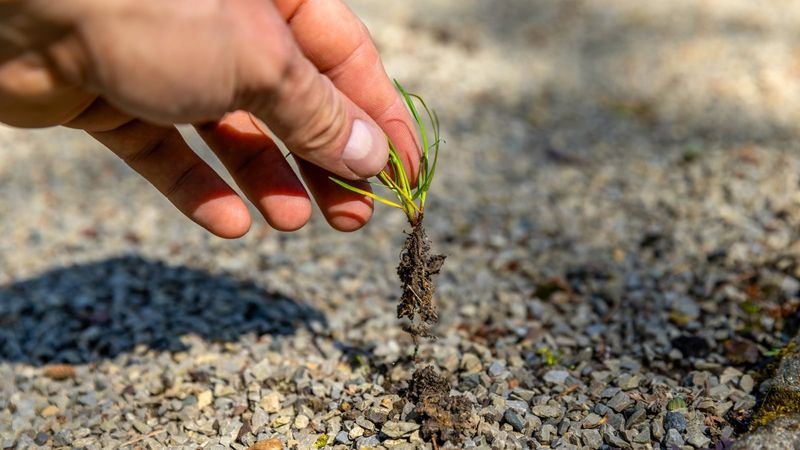
Catching a weed when it is half an inch tall is a completely different job than dealing with one that has been growing for six weeks. Small seedlings have shallow roots that pull out easily with a quick tug, often without disturbing the surrounding gravel much at all.
Wait until those same plants have matured and you are dealing with deep taproots, established root networks, and in many cases, seeds already forming on the plant that will drop and multiply the problem.
Gravel areas can be deceptive because weeds that start small between the stones are easy to overlook during a casual walk-through.
Making a habit of doing a slow, close inspection every week or two during the growing season catches problems while they are still manageable.
Ohio summers are warm and humid enough that a small weed can go from seedling to seed-producer in just a few weeks, especially fast-growing annuals like hairy bittercress or common chickweed.
A narrow hand weeder or a long-handled hoe works well for pulling sprouts in gravel without having to bend all the way down for each one.
Pulling after a rain, when the soil beneath is slightly softened, makes the job easier and increases the chance of getting the full root out.
Leaving roots behind just means the weed grows back, sometimes stronger than before.
7. Skip Overwatering Near Gravel Beds That Should Stay Dry
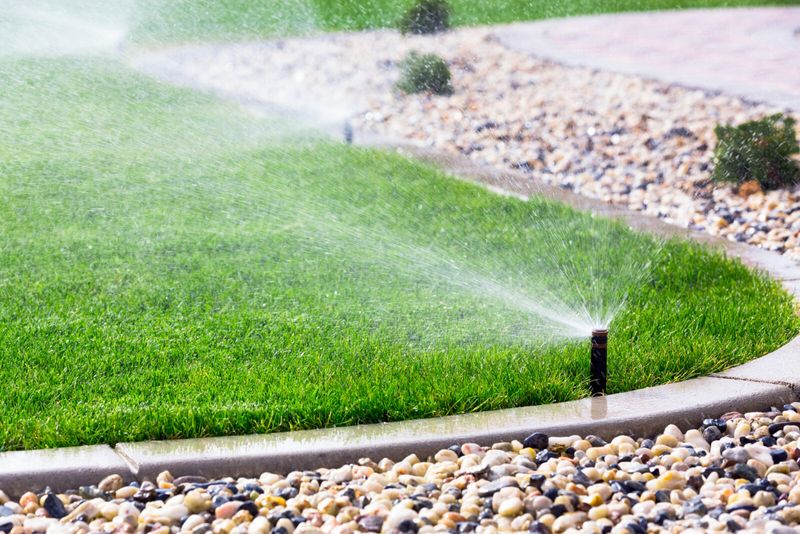
Gravel areas are typically designed to stay dry and low-maintenance, but nearby irrigation habits can quietly undermine that goal.
Sprinkler heads aimed too close to gravel paths, drip lines that overflow their beds, or hand watering that splashes beyond the intended area all add moisture to stone surfaces that would otherwise stay dry.
Extra moisture is exactly what weed seeds need to germinate and get established.
Ohio already receives significant rainfall throughout spring and early summer, which means gravel areas near irrigated garden beds may be getting far more water than they need.
Keeping irrigation systems calibrated and directed away from gravel surfaces reduces this unintended moisture contribution.
Adjusting sprinkler heads seasonally, especially after any ground settling or shifting, helps keep water where it belongs and out of areas where it encourages weed growth.
Drainage design also plays a supporting role. Gravel that sits in a low spot where water naturally collects will always struggle more with weeds than a gravel area that drains freely after rain.
If standing water is a recurring issue in your gravel, addressing the grade or adding drainage before the next season starts will reduce weed pressure more effectively than any treatment applied after the fact.
Dry gravel is far less hospitable to most common Ohio weed species than moist gravel.
8. Use Pre Emergent Control At The Right Time In Spring
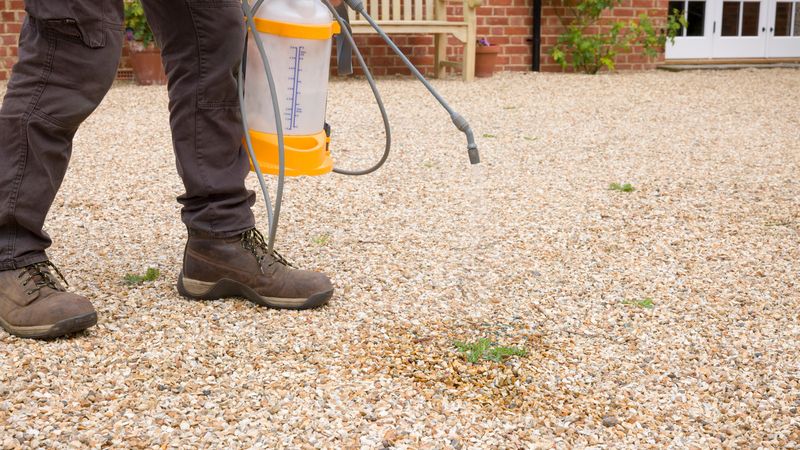
Pre-emergent herbicides work by creating a chemical barrier in the soil that prevents seeds from successfully germinating. For gravel areas, they can be a useful part of a broader weed management plan when applied correctly and at the right time.
The window matters more than most gardeners realize. Applying too late, after seeds have already begun to germinate, means the product has little effect on plants already in motion.
In Ohio, soil temperatures consistently reaching 50 to 55 degrees Fahrenheit in spring is the general signal that crabgrass and many annual weeds are beginning to germinate.
Ohio State University Extension guidance on weed management points to early-to-mid spring as a critical application window for pre-emergent products targeting summer annuals.
For winter annuals like hairy bittercress, a fall application is more appropriate. Timing varies by target weed species, so knowing what you are dealing with helps you choose the right moment.
Product selection matters as much as timing. Always read the label carefully before applying any pre-emergent herbicide, and confirm the product is labeled for use in non-planted gravel or hardscape areas.
Avoid applying near water features, storm drains, or areas where runoff could carry the product off-site. Pre-emergent control is one tool among several, not a substitute for good site prep, edging, and regular maintenance.
9. Spot And Treat Stubborn Weeds Before They Spread Through The Stone
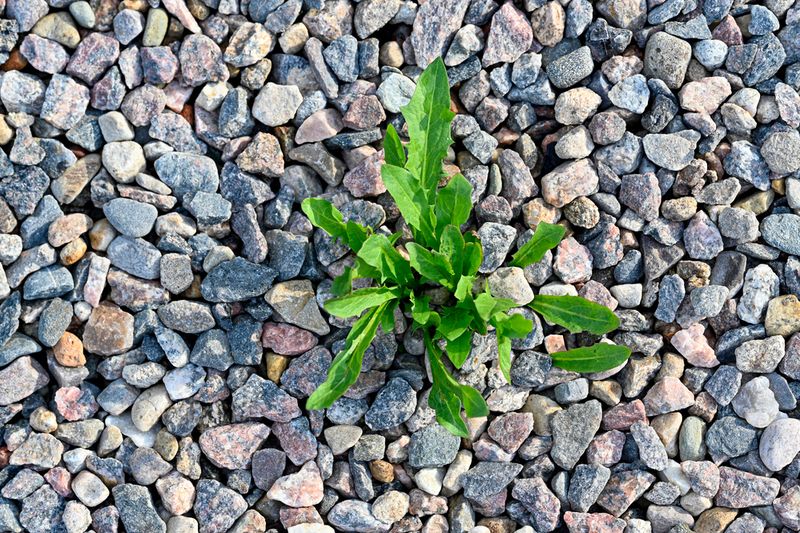
Some weeds come back no matter how thorough your prep work was.
Perennials like ground ivy, Canada thistle, and creeping Charlie are well-known in Ohio for their persistence, and once they are established in gravel, hand-pulling alone rarely solves the problem long-term.
Spot treatment targets these stubborn returners directly without treating the entire area, which keeps chemical use focused and practical.
Selective or non-selective post-emergent herbicides labeled for use in gravel or hardscape areas can be applied carefully to individual problem plants. The goal is to hit the target weed without spraying beyond it.
Small pump sprayers with a low-drift nozzle give you the control needed to treat isolated spots accurately. Always follow label directions completely, including rates, re-entry intervals, and any restrictions related to nearby plants, water, or soil type.
Spot treatment works best as part of a routine rather than a one-time reaction. Checking the gravel area every few weeks and treating new trouble spots as they appear keeps isolated problems from spreading across the stone.
A weed that is treated when it is young and isolated is far easier to manage than one that has sent runners in three directions and dropped seeds into the surrounding gravel. Early and targeted is always more effective than broad and reactive.
10. Refresh Thin Gravel Areas Before Sunlight Reaches The Soil Below
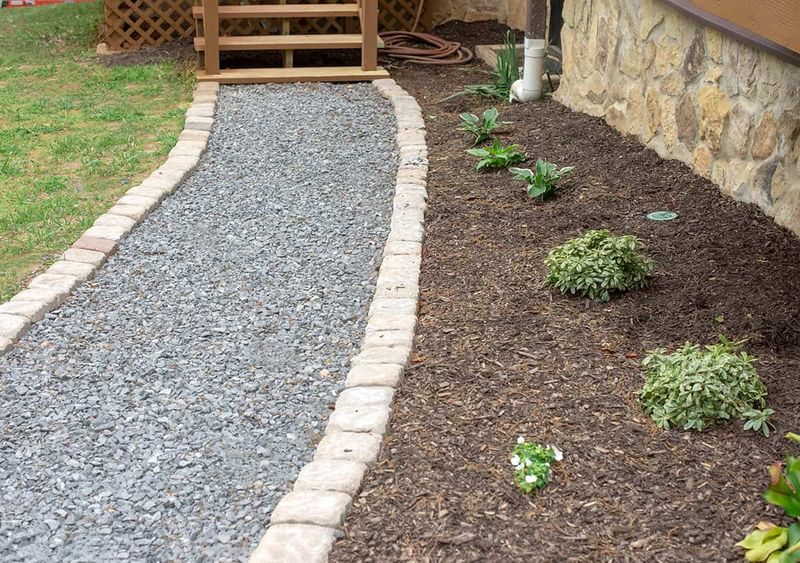
Gravel does not stay in place forever. Foot traffic, rain, freeze-thaw cycles, and general settling all cause stone to shift, compress, and thin out over time.
When coverage drops below two inches, sunlight starts reaching the soil below more easily, and that is all the invitation many weed seeds need. Thin spots in gravel are almost always the first places you will see weeds emerge in an otherwise well-maintained area.
Topping up worn sections with fresh gravel before the growing season gets underway is a straightforward maintenance task that pays off quickly.
Walking the gravel area in early spring and identifying spots where the stone looks sparse or where soil is visible gives you a clear picture of where to focus.
Matching the original gravel type keeps the surface looking consistent while restoring the depth that helps block light and limit seed contact with the soil below.
Ohio State University Extension and similar horticultural sources consistently emphasize that physical barriers, including adequate gravel depth, are most effective when maintained regularly rather than treated as a one-time installation.
Adding fresh stone to thin areas takes far less effort than pulling a full crop of weeds that established themselves through a gap in coverage.
Keeping the depth consistent across the entire surface is one of the simplest and most underrated parts of long-term gravel weed management in Ohio yards.