The Best Pink Flowers To Plant In Texas For Long-Lasting Color
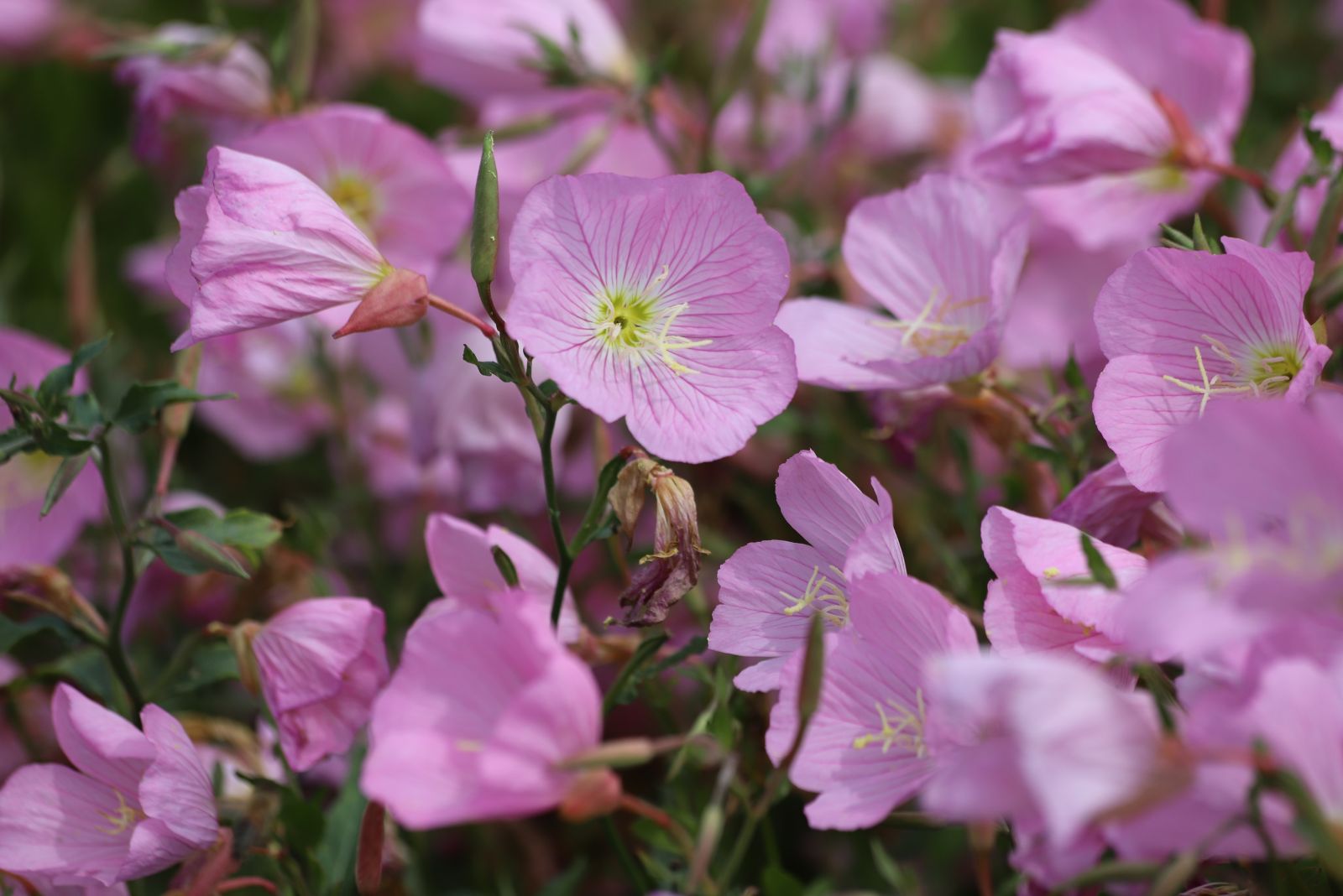
Pink flowers have a special way of making a yard feel brighter, softer, and more inviting. In Texas, though, good looks alone are not enough.
With blazing sun, surprise cold snaps, dry stretches, and intense heat, plants need real staying power to keep the show going. That is why choosing the right pink blooms matters so much.
The best ones do more than put on a pretty display for a week or two. They keep producing color through the long growing season and hold up when the weather gets tough.
That makes them perfect for gardeners who want something cheerful without constantly replacing tired plants or babying every flower bed.
From soft pastel petals to bold, vivid shades, pink blooms can add charm to borders, containers, walkways, and front yards in a way that feels lively but still easygoing.
If you want a garden that stays colorful and full of personality, these pink flowers are a great place to start.
1. Pink Evening Primrose (Oenothera Speciosa)
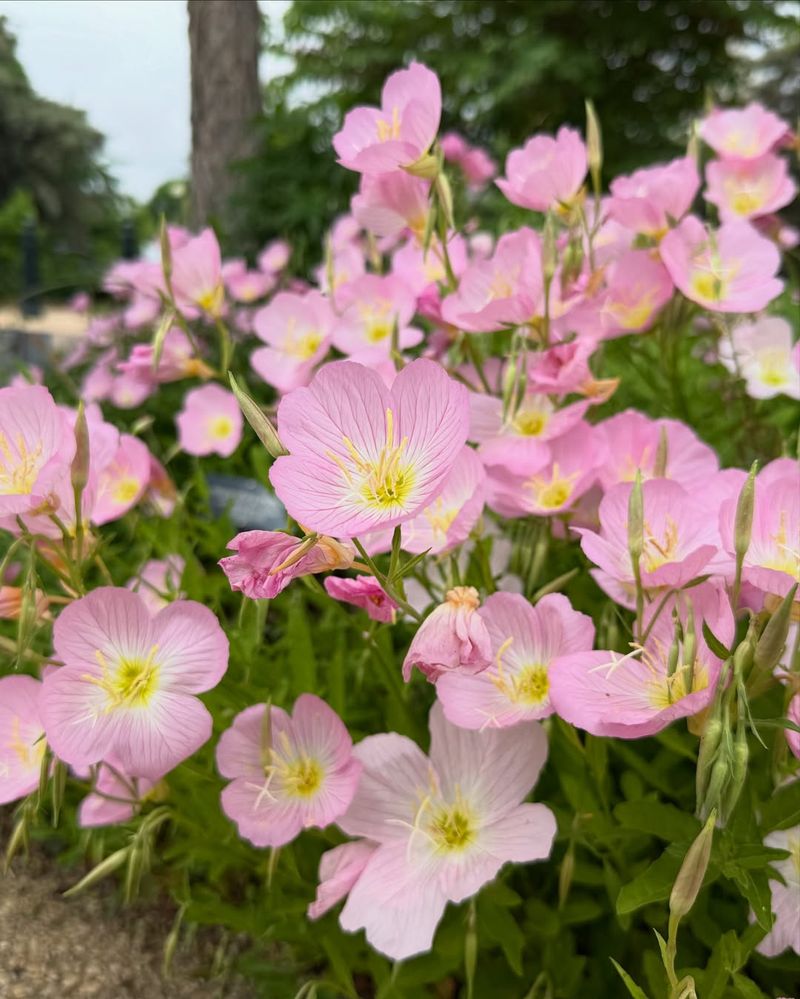
Few sights in a Texas spring are as cheerful as a meadow full of Pink Evening Primrose in full bloom. This native wildflower has been growing wild across Texas roadsides and open fields for generations, and it brings that same carefree beauty straight into your garden.
The blooms are soft pink with a tissue-paper texture, and they open wide in the morning sun before closing in the heat of the afternoon.
Planting Pink Evening Primrose in Texas is about as easy as gardening gets. It thrives in full sun and well-drained soil, and once it gets settled in, it spreads happily on its own.
You can scatter seeds in the fall and expect a colorful show the following spring. It is especially well-suited to dry, rocky sites where other flowers might struggle.
One thing to keep in mind is that this plant can spread quickly, so give it room or plant it where it can roam freely without crowding other garden favorites. It works beautifully along fences, in wildflower meadows, or at the edges of a sunny border.
After the main spring flush of blooms, you may still see scattered flowers when conditions stay mild.
Texas gardeners love this plant not just for its looks but for its toughness. It handles drought well, needs almost no fertilizer, and supports native bees and other pollinators.
If you want a low-effort, high-reward pink flower that feels truly at home in Texas, Pink Evening Primrose is a perfect place to start.
2. Vinca (Catharanthus Roseus)
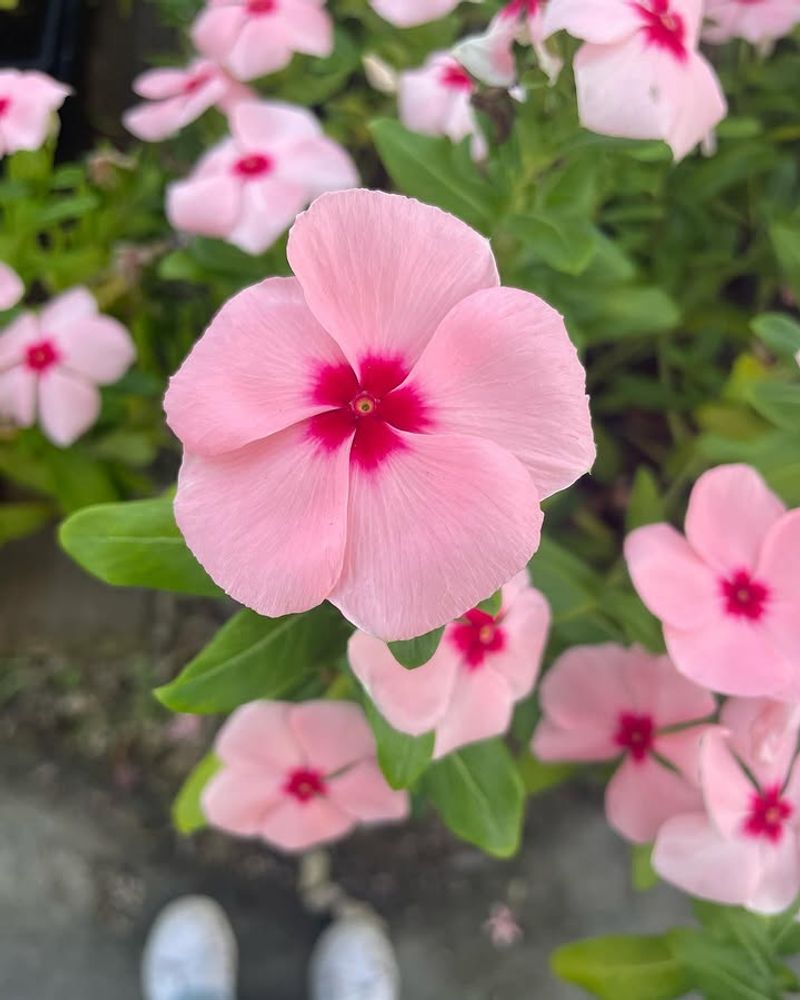
Walk through any Texas nursery in late spring and you will spot flats of Vinca stacked high near the entrance. That is no accident.
Vinca, also called periwinkle, is one of the most reliable summer-blooming plants you can grow in Texas, and the pink varieties are especially eye-catching.
The flowers are bold, round, and cheerful, and they keep on blooming even when the thermometer climbs past 100 degrees.
Vinca loves full sun and handles Texas heat like a champion. Unlike a lot of flowering plants that slow down or stop blooming in midsummer, Vinca actually seems to thrive when things get really hot.
Your Texas Garden Changes Every Week. Your Plan Should Too.
Gardening in Texas changes quickly throughout the season. Every Friday you’ll receive a simple weekly plan showing exactly what to plant, prune, fertilize, harvest, and protect so you never miss the right timing.
It is a great choice for flower beds, borders, and containers on sunny patios. Water it regularly when it is young, and once it is established, it becomes surprisingly tough and drought-tolerant.
One practical tip for Texas gardeners is to avoid overwatering Vinca. It does not like soggy soil, and too much moisture can cause root rot.
Plant it in a spot with good drainage and let the soil dry out slightly between waterings. A little slow-release fertilizer at planting time will keep it blooming from late spring all the way through fall.
Pink Vinca pairs beautifully with white or purple varieties for a colorful container display. It also works well as a ground cover in sunny spots where other plants might struggle. For long-lasting, low-maintenance pink color in the Texas summer, Vinca is hard to beat.
3. Pentas (Pentas Lanceolata)
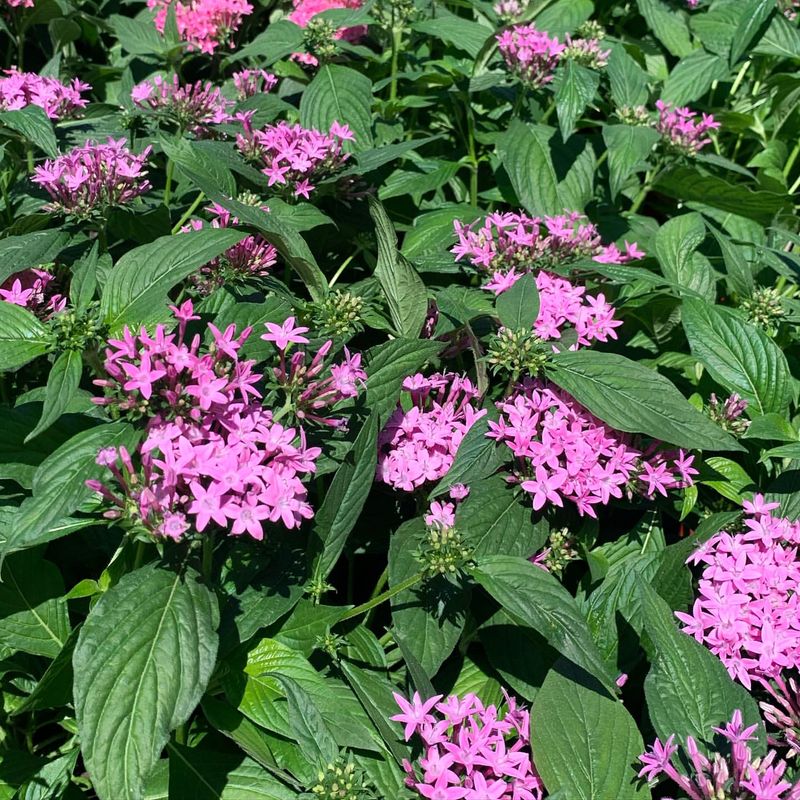
If butterflies could vote for their favorite garden plant in Texas, Pentas would win by a landslide. These star-shaped clusters of pink flowers are basically a butterfly buffet, and watching pollinators flock to them on a warm Texas afternoon is a genuine treat.
Beyond the wildlife appeal, Pentas is simply one of the best long-blooming plants you can add to a Texas landscape.
Pentas loves heat, and Texas gives it plenty of that. It blooms continuously from late spring all the way through fall without needing much attention.
Plant it in full sun for the best flower production, though it can handle a bit of afternoon shade in the hottest parts of Texas. Regular watering helps it stay lush, but it is fairly forgiving if you miss a day or two.
Deadheading, which means removing spent flower clusters, can encourage even more blooms, though many modern varieties bloom well without it. Pentas works wonderfully in garden beds, large containers, and mixed borders.
Pink is one of the most popular colors, and it blends easily with other warm-season plants like Vinca and Zinnias for a full-season display.
One fun fact worth sharing: Pentas is native to Africa and the Middle East, which explains why it handles Texas summers so well. It is accustomed to serious heat and bright sun.
Texas gardeners across the state, from San Antonio to Houston, rely on Pentas to keep their gardens vibrant and full of life from one season to the next.
4. Zinnia (Zinnia Elegans)
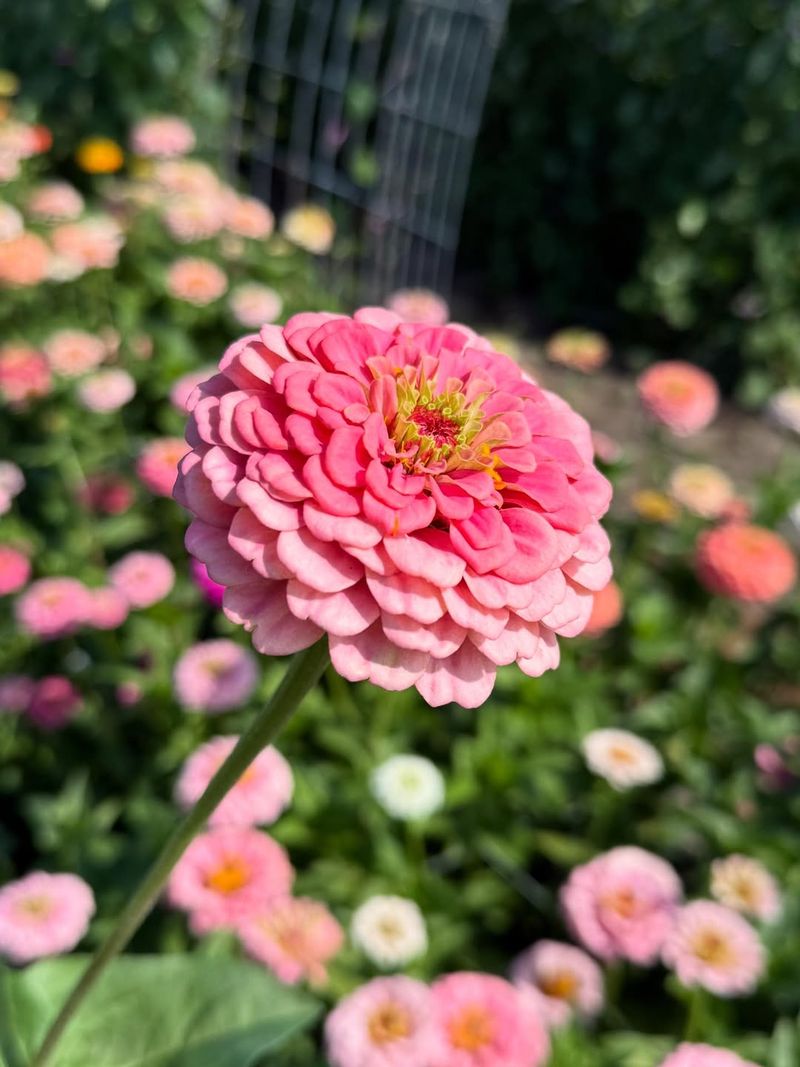
Zinnias are the kind of flower that makes gardening feel fun. They come in bold, happy colors, they grow fast, and they reward you with armloads of blooms all summer long.
Pink Zinnias are especially striking in a Texas garden, where their saturated color pops against the bright summer sky. Plant a few seeds in a sunny bed and you will have flowers in about eight weeks.
Texas heat suits Zinnias well. They are warm-season annuals that really hit their stride once temperatures climb.
Full sun is a must, and they prefer well-drained soil with moderate watering. One key tip for Texas growers is to make sure Zinnia plants have good air circulation around them.
Crowding plants together can lead to powdery mildew, especially during humid spells along the Gulf Coast.
Deadheading Zinnias regularly, meaning cutting off old blooms as they fade, pushes the plant to produce more flowers. You can also cut fresh blooms to bring inside for a cheerful vase arrangement.
Pink varieties range from pale blush to deep rose, so there is a shade to suit almost any garden style. They grow well alongside other summer favorites like Pentas and Vinca.
Zinnias also attract butterflies and hummingbirds, making them a great choice for pollinator-friendly Texas gardens. They are easy to grow from seed, which makes them budget-friendly too.
Whether you are planting a cutting garden, a cottage-style border, or a children’s garden, Zinnias deliver reliable pink color through the hottest months of the Texas summer.
5. Autumn Sage (Salvia Greggii)
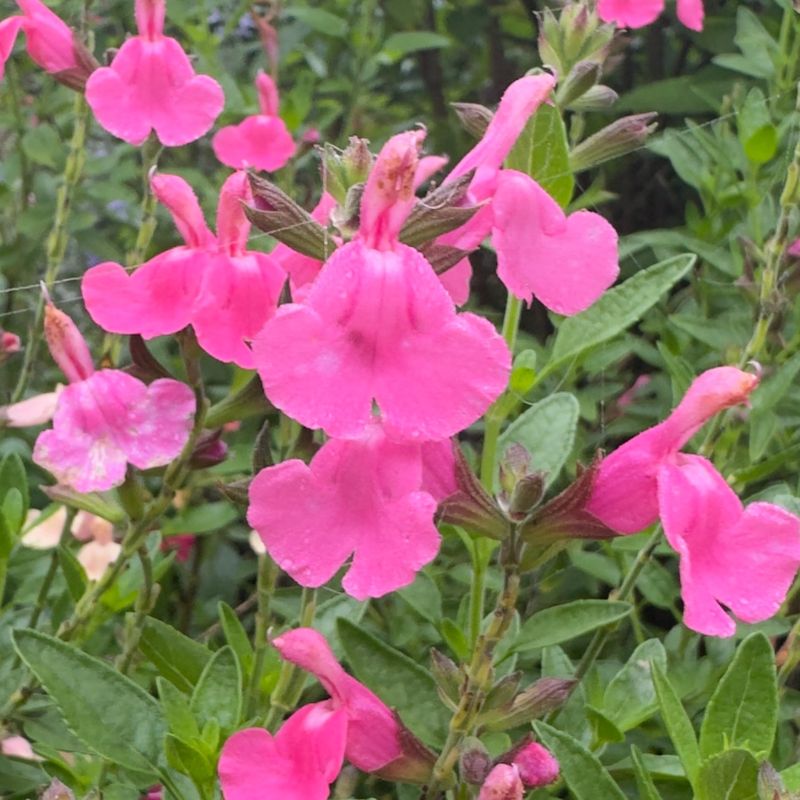
Named for its ability to bloom well into the fall season, Autumn Sage is one of the most beloved native plants in Texas gardens. The pink-flowered forms are especially popular, producing slender tubular blooms that hummingbirds simply cannot resist.
Walk past a blooming Autumn Sage on a warm October afternoon in Texas and you might spot a hummingbird hovering right at eye level.
Salvia greggii is native to the Chihuahuan Desert region, which means it is built for tough conditions. It thrives in full sun and well-drained soil and is highly drought-tolerant once established.
In Texas, where water conservation is increasingly important, this plant checks a lot of boxes. It is tough enough to handle summer heat, yet it keeps producing flowers from spring all the way through fall.
Pruning Autumn Sage lightly after each main flush of bloom encourages fresh growth and more flowers. It tends to get a bit woody over time, so cutting it back by about one-third in late winter keeps it looking tidy and full.
Pink varieties blend beautifully with other native plants like native grasses and wildflowers, making them a natural choice for Texas-style naturalistic garden designs.
Beyond hummingbirds, Autumn Sage also attracts bees and butterflies, making it a powerhouse pollinator plant. It works well as a low hedge, a border plant, or a container specimen on a sunny porch.
For Texas gardeners who want reliable, water-wise pink color across multiple seasons, Autumn Sage is truly one of the best choices available.
6. Drift Roses (Rosa Hybrids)
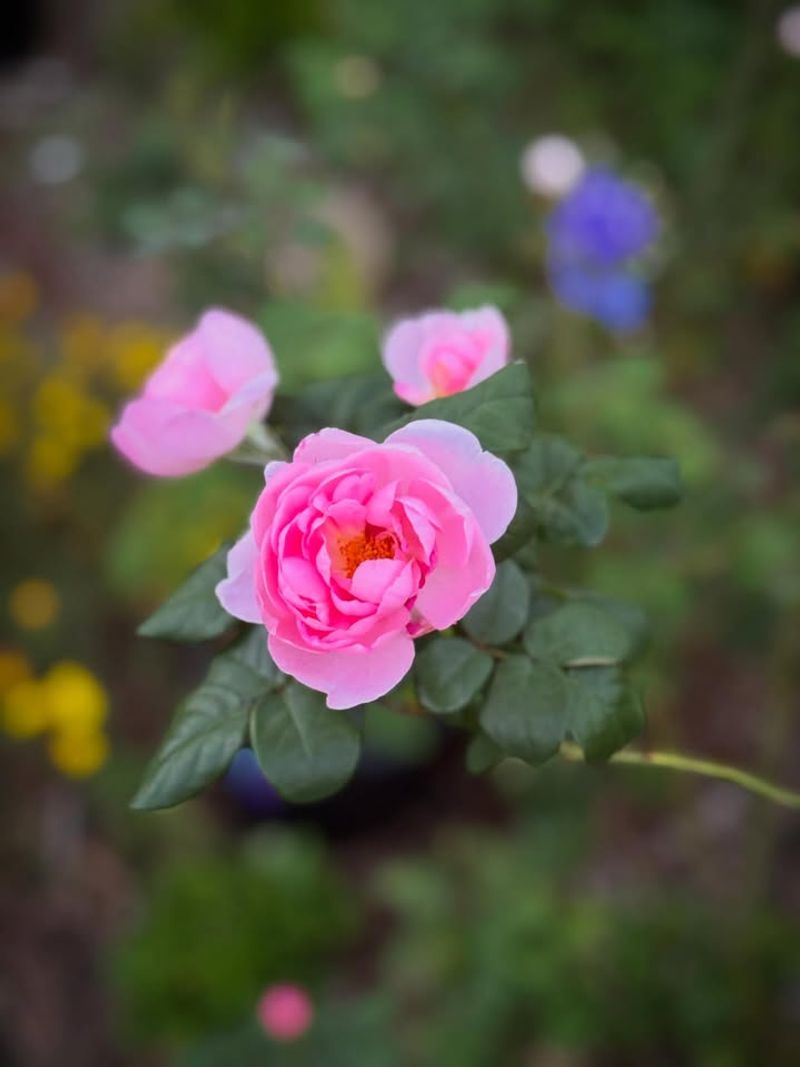
Roses have a reputation for being fussy, but Drift Roses quietly broke that rule. These compact, ground-hugging hybrids were bred to be tough, disease-resistant, and easy to grow, and they have become a go-to choice for Texas gardeners who want classic rose beauty without the headache.
Pink Drift Roses in particular bring a romantic, cottage-garden feel to any landscape.
What makes Drift Roses stand out in Texas is their repeat-blooming habit. They start flowering in spring and keep going all the way until the first frost, taking only brief breaks between flushes.
That is a long season of color by any measure. They perform best in full sun with well-drained soil and benefit from regular watering during dry spells, especially in the hot Texas summer.
One of the biggest advantages of Drift Roses over traditional rose varieties is their resistance to common rose problems like black spot and powdery mildew.
Texas humidity can be rough on roses, so having a variety that holds up well to those conditions is a real plus.
Feeding them with a balanced rose fertilizer every six to eight weeks during the growing season keeps the blooms coming strong.
Drift Roses stay relatively small, usually under two feet tall and about four feet wide, which makes them easy to fit into borders, along pathways, or in large containers. Their spreading habit also makes them useful as a low ground cover in sunny spots.
For long-lasting, repeat pink color in the Texas garden from spring through frost, Pink Drift Roses deliver beautifully.
7. Turk’s Cap (Malvaviscus Arboreus Var. Drummondii)
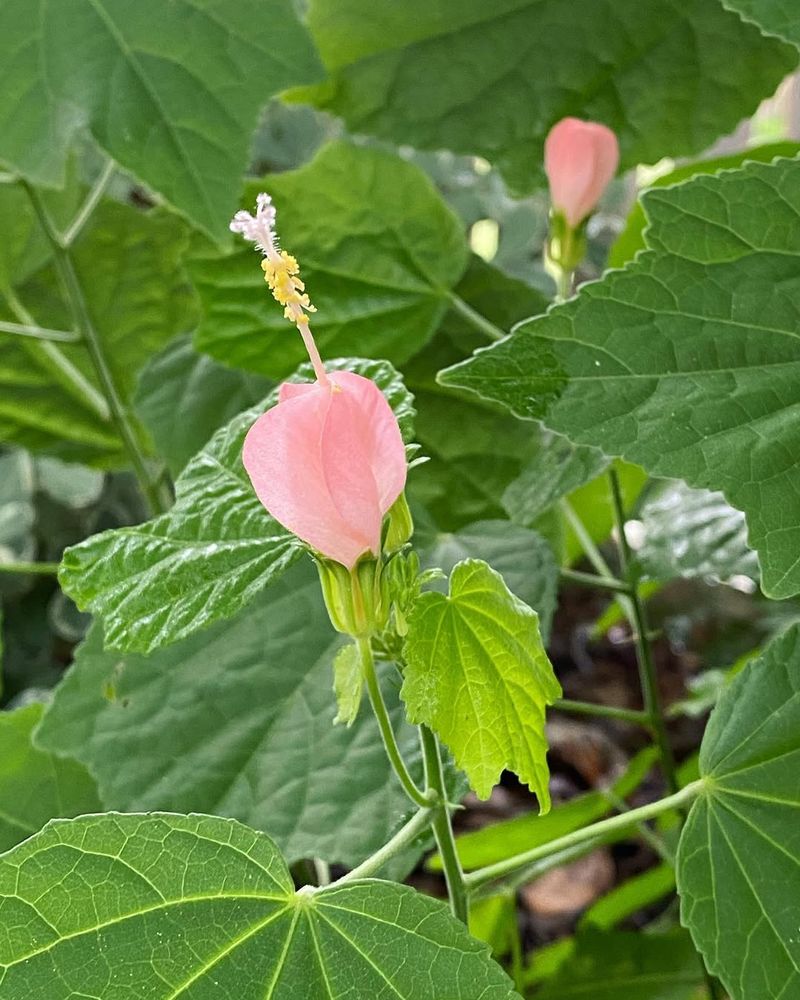
Most people know Turk’s Cap for its classic red blooms, but the pink-flowered forms of this Texas native are genuinely worth seeking out.
The flowers have a distinctive twisted, never-fully-open shape that looks like a tiny turban, which is exactly how the plant got its name.
They are charming, unusual, and endlessly fascinating to visitors who have never seen them before.
What makes Turk’s Cap especially valuable in Texas is its ability to thrive in part shade. Many of the best pink-blooming plants need full sun, but Turk’s Cap handles dappled shade under trees or on the east side of a building with ease.
That makes it a rare and useful option for spots in the garden where other flowering shrubs might struggle to produce much color.
Turk’s Cap blooms from late spring through fall, giving it one of the longest bloom seasons of any native Texas plant. It is also remarkably drought-tolerant once established, which is a big deal in a state where summer rainfall can be unpredictable.
Hummingbirds, butterflies, and even some songbirds are drawn to the flowers and small red fruits that follow blooming.
In Texas, Turk’s Cap can grow quite large, sometimes reaching six feet tall or more in favorable conditions. Regular pruning in late winter keeps it a manageable size and encourages fresh, vigorous growth.
Pink-flowered selections add a softer, more delicate look to a shade garden compared to the traditional red form, making them a lovely and unique choice for Texas landscapes.