10 Heat-Loving Flowers To Plant In April In Arizona For Summer Color
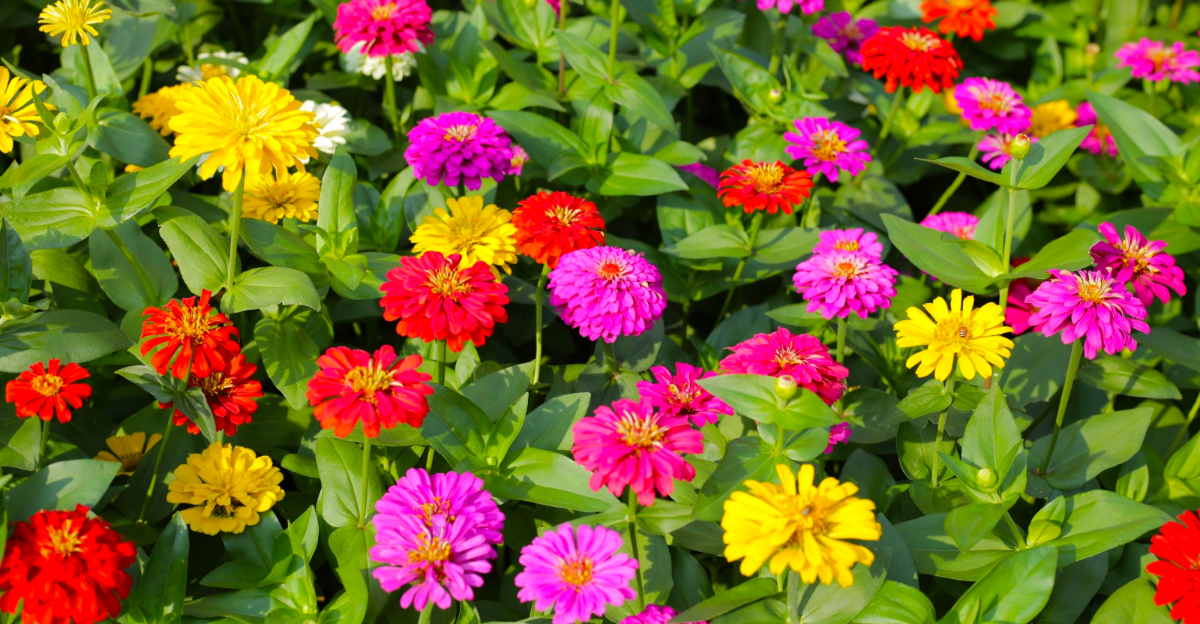
Arizona gardens burst into action in April as spring warmth and bright sun signal the start of the planting season. The sun is strong, temperatures are rising, and the soil is primed for plants that thrive in heat.
Planting heat-loving flowers now gives them time to establish before the triple-digit temperatures hit much of the state.
From the low desert of Phoenix and Tucson to the cooler slopes around Prescott, the right April choices can fill your yard with bright, water-wise color all season.
These flowers attract hummingbirds, bees, and other pollinators while keeping your garden lively and low-maintenance, giving you a vibrant landscape with minimal extra effort.
1. Zinnia Adds Bright Long-Lasting Blooms That Handle Arizona Heat
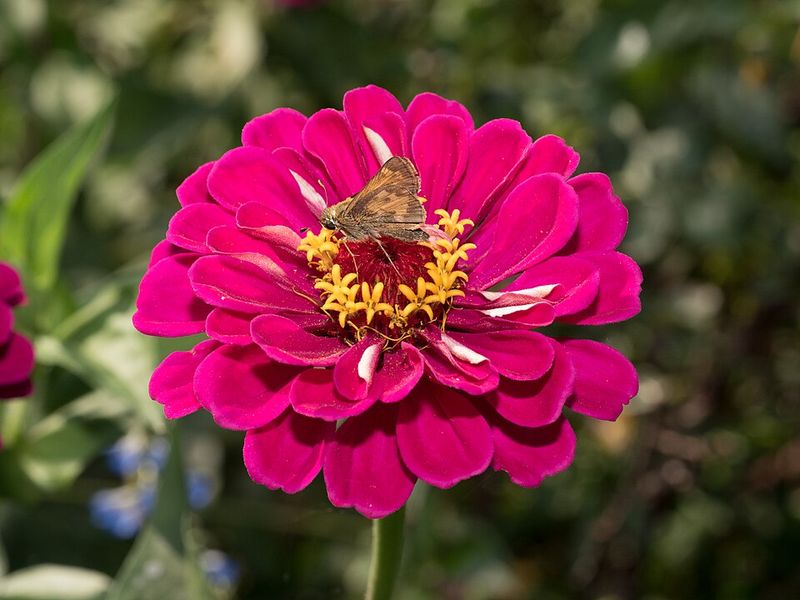
Few flowers put on a summer show quite like zinnias do in the Arizona heat.
These cheerful annuals burst open in shades of red, orange, pink, yellow, and purple, and they keep going strong even when temperatures push well above 100 degrees in the low desert.
Planting in April gives them time to establish roots before the real heat arrives, setting them up for a long and productive bloom season.
Zinnias love full sun and well-drained soil, which makes them a natural fit for Arizona landscapes. They are drought-tolerant once established, though a deep watering once or twice a week during peak summer helps them stay vigorous and flower-heavy.
Sandy or loamy soil works well, and adding a layer of mulch around the base can help hold moisture between watering sessions.
These flowers are also magnets for butterflies and bees, making them a smart choice for anyone wanting to support pollinators. Deadheading spent blooms regularly encourages more flowers to form throughout the season.
In areas like Phoenix and Tucson, zinnias typically bloom from late spring well into fall, giving gardeners months of reliable, low-maintenance color.
2. Marigold Brings Vibrant Color And Thrives In Sandy Dry Soils
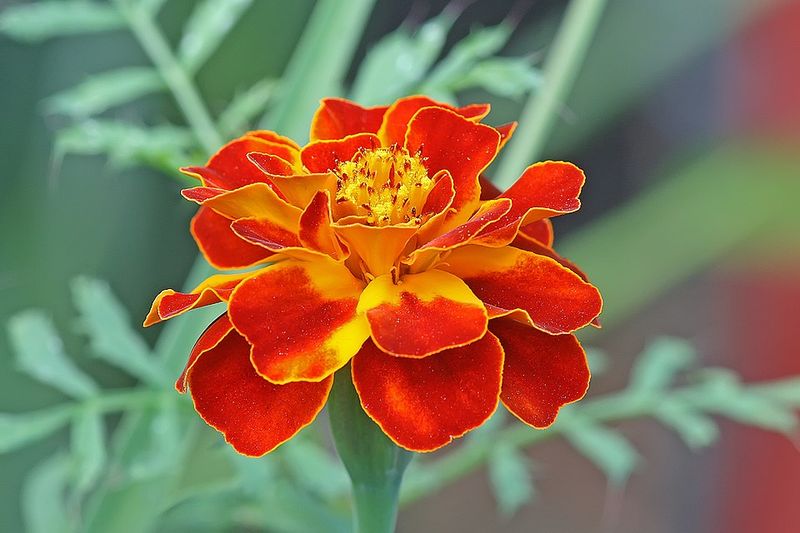
Walk through any Arizona nursery in April and you will almost certainly spot marigolds lining the shelves, and for good reason.
These tough, sun-loving annuals have been thriving in hot, dry climates for centuries, originally native to Mexico and Central America, which means Arizona’s conditions feel right at home to them.
Their bold orange and yellow blooms bring a warmth to summer gardens that is hard to match.
Marigolds do particularly well in sandy, well-drained soils, which are common across much of Arizona’s low desert regions. They prefer full sun exposure and actually tend to struggle in overly rich or waterlogged soil.
Watering deeply but infrequently once plants are established helps encourage stronger root systems and more consistent flowering throughout the summer months.
Beyond their color, marigolds offer a practical bonus: their strong scent is known to deter certain garden pests, making them a useful companion plant near vegetables or other flowers.
They also attract bees and other beneficial insects.
French marigold varieties tend to stay more compact, which suits container planting or border edges, while African marigolds grow taller and make a bolder statement in open garden beds across Arizona landscapes.
Your Arizona Garden Changes Every Week. Your Plan Should Too.
Gardening in Arizona changes quickly throughout the season. Every Friday you’ll receive a simple weekly plan showing exactly what to plant, prune, fertilize, harvest, and protect so you never miss the right timing.
3. Portulaca Produces Low-Growing Flowers That Bloom In Full Sun
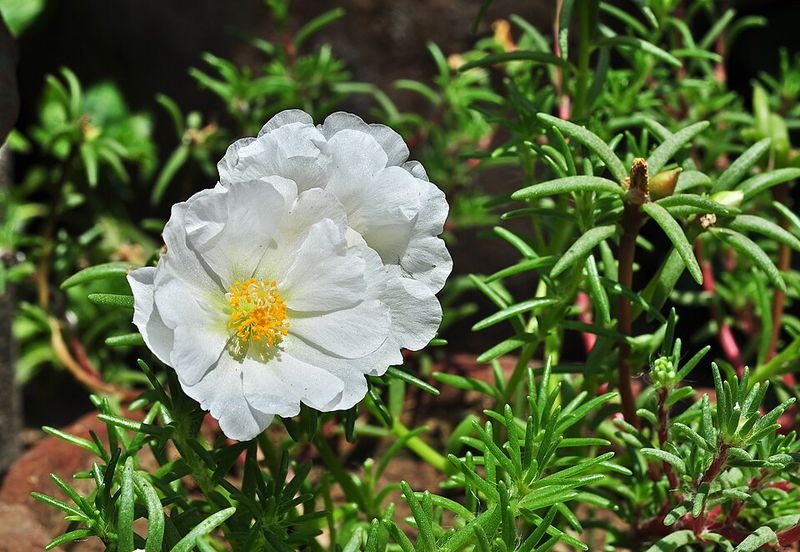
On the hottest days of an Arizona summer, when other plants start looking stressed and wilted, portulaca just keeps on blooming.
Also called moss rose, this low-growing annual has thick, succulent-like leaves that store water efficiently, making it one of the most drought-tolerant flowering plants available for desert gardens.
Its jewel-toned blooms in pink, orange, red, yellow, and white open wide in full sun and close at night or on cloudy days.
Portulaca is an excellent choice for rock gardens, sloped areas, garden borders, and container plantings where water drains quickly. It spreads outward as it grows, creating a colorful carpet of blooms that can reach six to nine inches tall.
Arizona’s sandy and gravelly soils are well-suited to this plant, since it actively dislikes heavy, moisture-retaining soils that can cause root problems.
Planting in April allows portulaca to settle in during mild weather before the intense heat of June and July sets in.
Water young transplants regularly at first, then gradually reduce watering as the plant establishes.
Once it is growing well, portulaca needs very little attention. It self-seeds readily, meaning you may find it returning in the same spot the following year in warmer Arizona regions.
4. Vinca Offers Continuous Summer Blooms With Minimal Water
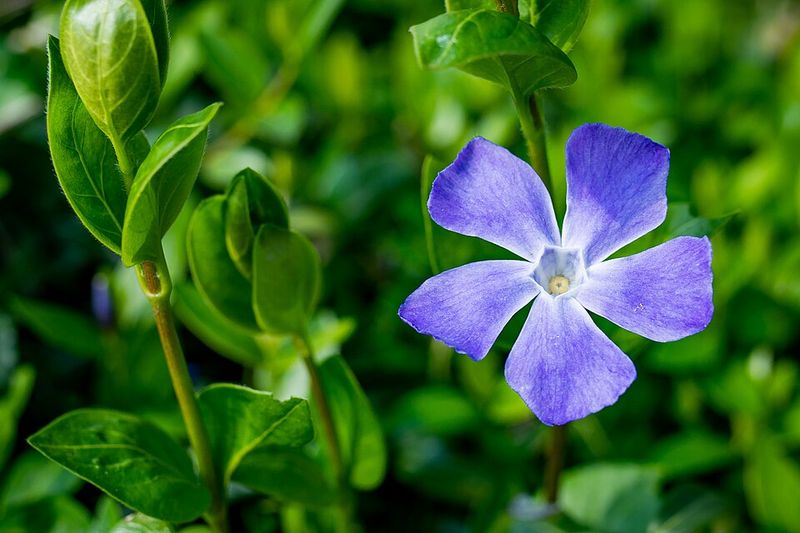
If you want a flower that practically takes care of itself through an Arizona summer, vinca deserves a serious look.
Known botanically as Catharanthus roseus and sometimes called annual vinca or Madagascar periwinkle, this plant is built for heat and humidity, making it surprisingly well-adapted to Arizona’s monsoon season when temperatures stay high and moisture spikes briefly in July and August.
Vinca produces cheerful five-petaled flowers in shades of pink, red, white, lavender, and bicolor combinations.
It blooms continuously from spring through fall without much encouragement, and unlike some flowers, it does not require deadheading to keep producing new blooms.
This low-maintenance quality makes it popular in both residential landscapes and commercial plantings across the Phoenix metro area and other low desert communities.
Plant vinca in full sun for the best flowering results, though it can handle light afternoon shade in the hottest microclimates. Well-drained soil is important, as soggy conditions can lead to fungal issues.
Water young plants consistently to help them establish, then scale back to deep, infrequent watering once they are settled.
Vinca works beautifully as a border plant, in raised beds, or in containers placed on patios and entryways throughout Arizona’s warmer regions.
5. Sunflower Creates Tall Cheerful Blooms That Attract Pollinators
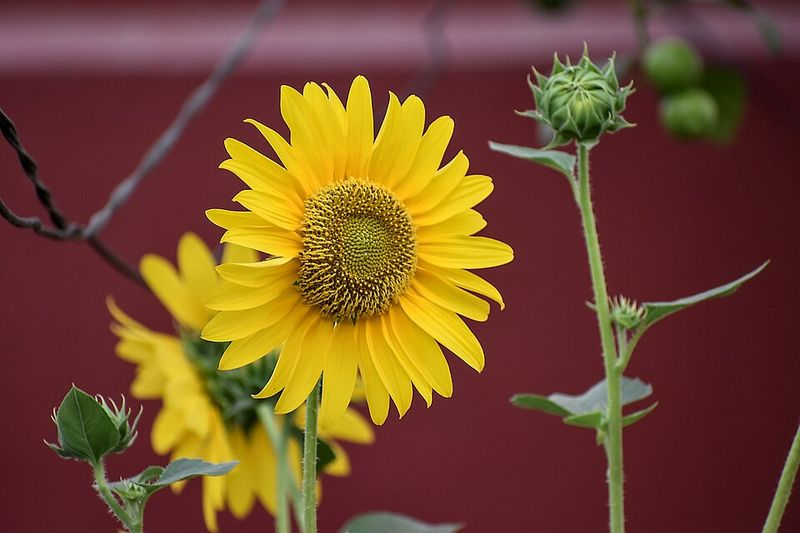
There is something genuinely uplifting about a row of sunflowers standing tall in a summer garden, their golden heads tilting toward the Arizona sun.
Sunflowers are among the easiest plants to grow from seed directly in the ground, and April is a great time to sow them across most of Arizona’s low desert regions.
The soil is warm enough to encourage quick germination, and the plants will be well-established before the most intense summer heat arrives in June.
Sunflowers thrive in full sun and prefer well-drained soil. They are moderately drought-tolerant once established, though consistent watering during the first few weeks after planting helps them develop strong root systems.
In Phoenix and surrounding areas, sunflowers typically bloom within 70 to 90 days from seed, depending on the variety.
Shorter varieties work well in containers or small garden spaces, while taller types can reach six feet or more and create a striking vertical element in larger landscapes.
The pollinator benefits of sunflowers are well documented. Bees are particularly drawn to them, and once seeds form, finches and other seed-eating birds flock to the spent flower heads.
Growing a mix of varieties can stagger bloom times and extend the visual interest of your Arizona garden from late spring into early fall.
6. Lantana Provides Colorful Flower Clusters That Love Full Sun
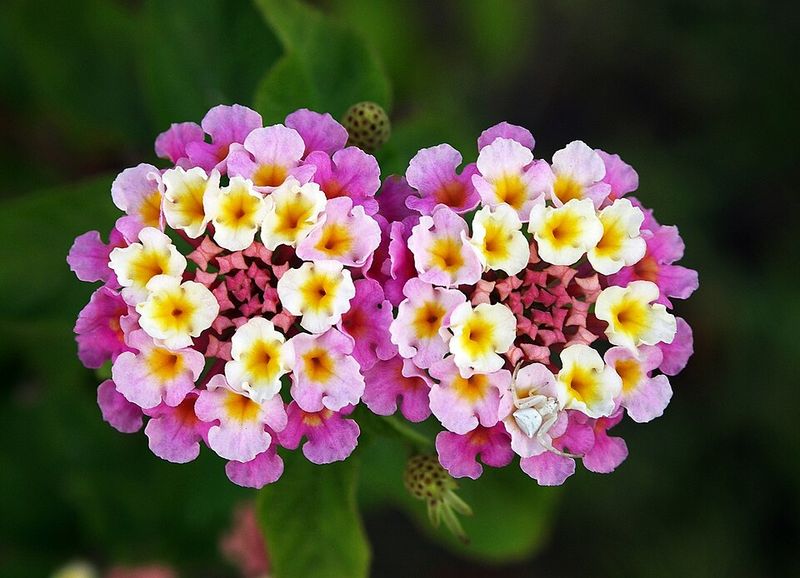
Ask experienced Arizona gardeners which plant they rely on most for summer color, and lantana comes up again and again.
This tough, sun-loving shrub produces dense clusters of tiny flowers in combinations of orange, yellow, red, pink, and white, often with multiple colors appearing on the same plant as blooms mature.
The result is a constantly shifting mosaic of color that brightens up any landscape from spring through fall.
Lantana is extremely heat-tolerant and handles Arizona’s dry, blazing summers with impressive resilience. It grows vigorously in full sun and well-drained soil, and once established, it requires only occasional deep watering.
In the low desert, lantana may behave as a perennial, returning each year from its roots. At higher elevations like Prescott, it is more likely to be treated as an annual since frost can cut it back significantly.
Butterflies are strongly attracted to lantana blooms, and hummingbirds visit the flowers regularly as well. Occasional pruning helps keep the plant tidy and encourages fresh growth and flowering.
One thing to keep in mind: lantana berries are toxic to pets and small children, so placement in the garden should be considered thoughtfully.
Despite that caution, its unmatched heat performance makes it a staple in Arizona summer landscapes.
7. Celosia Adds Bold Spiky Blooms To Hot Arizona Gardens
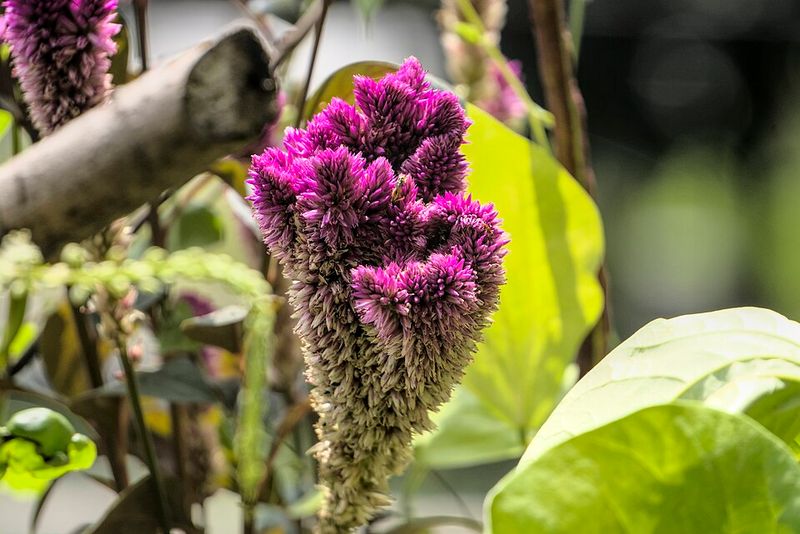
Celosia looks like something out of a tropical painting, with its vivid plumes or crested blooms rising in shades of red, orange, yellow, pink, and purple.
Sometimes called cockscomb or feather amaranth, celosia is a heat-loving annual that genuinely thrives when temperatures climb in Arizona.
Planting in April gives it a head start before summer intensifies, and once it settles in, it tends to reward gardeners with weeks of bold, eye-catching color.
There are two main types commonly grown in Arizona gardens. Plume celosia produces tall, feathery spires that sway gently in the breeze, while crested celosia forms dense, wavy flower heads with a velvet-like texture.
Both types prefer full sun and well-drained soil.
They do well with moderate watering, and unlike some desert-adapted plants, celosia appreciates a bit more consistent moisture during its early growth phase.
One underappreciated quality of celosia is how long its blooms last, both in the garden and as cut flowers brought indoors. The flowers dry naturally on the plant and can hold their color for an extended period.
Celosia also tends to self-seed in warmer Arizona climates, meaning a little extra color may appear in the same spot the following spring without any extra effort on your part.
8. Gaillardia Offers Red And Yellow Flowers That Persist In Summer Heat
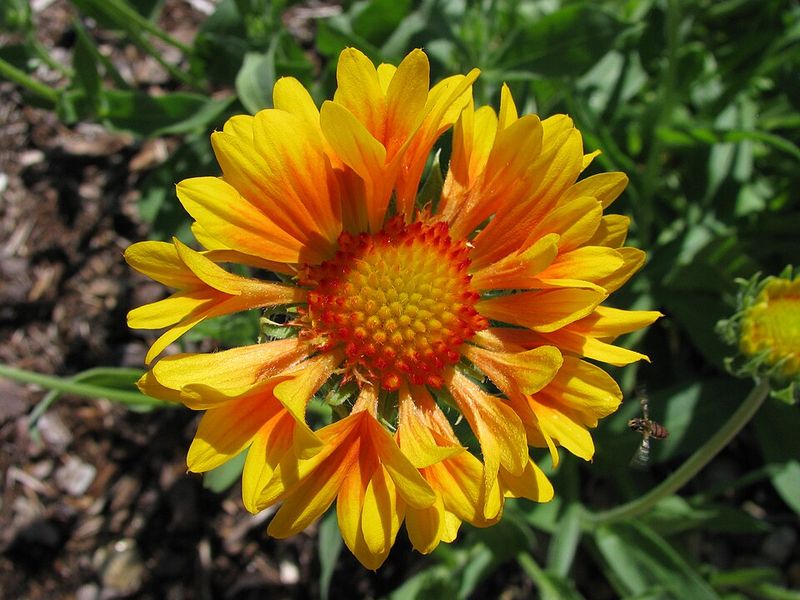
Native to the American Southwest and Great Plains, gaillardia has been blooming through brutal summers long before anyone planted a garden.
Its bold red and yellow daisy-like flowers earned it the common name blanket flower, a nod to the colorful woven blankets of the region.
For Arizona gardeners, this plant feels like a natural fit because it evolved in conditions very similar to what the desert Southwest delivers every summer.
Gaillardia thrives in full sun and handles poor, dry, well-drained soil without complaint. In fact, overly rich or wet soil can actually reduce its performance and longevity.
Once established, it is quite drought-tolerant and requires only occasional deep watering during the hottest months.
It tends to bloom from late spring through fall in the low desert, offering one of the longest flowering windows of any summer perennial available to Arizona gardeners.
Bees and butterflies visit gaillardia blooms frequently, and the plant works well in naturalistic desert landscapes, pollinator gardens, and mixed flower borders.
Some varieties are perennial in Arizona’s warmer zones and may return reliably from year to year.
Deadheading spent flowers can help prolong the blooming season, though even without regular maintenance, gaillardia tends to keep producing new flowers throughout the summer.
9. Salvia Brings Long-Lasting Color And Attracts Hummingbirds
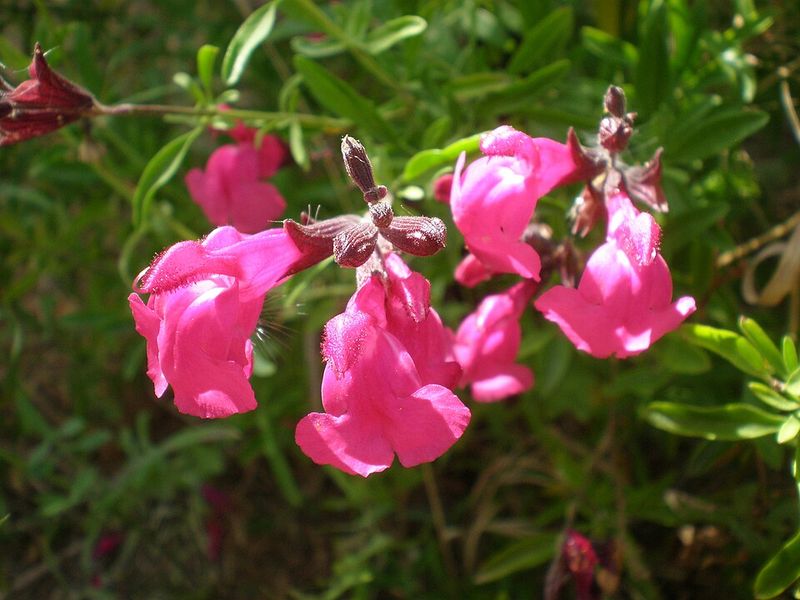
Hummingbirds seem to have an internal radar for salvia, and once you plant it in an Arizona garden, it does not take long before those tiny, fast-moving visitors start showing up.
Salvia, which includes dozens of species and cultivars suited to hot climates, produces tall spikes of tubular flowers in red, purple, coral, and blue that are irresistible to hummingbirds and bees alike.
Planting in April gives salvia plenty of time to establish a strong root system before summer heat peaks.
Many salvia varieties are well-suited to Arizona conditions, including Salvia greggii, commonly called autumn sage, which is particularly popular in low desert landscapes.
These plants prefer full sun and well-drained soil, and they are notably drought-tolerant once established.
Deep, infrequent watering during summer encourages deeper root growth and helps the plant stay resilient through extended dry spells between monsoon rains.
Salvia tends to bloom in flushes throughout the season, especially when spent flower spikes are trimmed back after each bloom cycle.
In warmer parts of Arizona, some salvia species are perennial and may return and grow larger each year.
At higher elevations, they are more likely treated as annuals or tender perennials. Either way, their combination of color, pollinator appeal, and heat tolerance makes them genuinely hard to pass up.
10. Red Yucca Produces Coral Spikes That Thrive In Dry Sunny Conditions
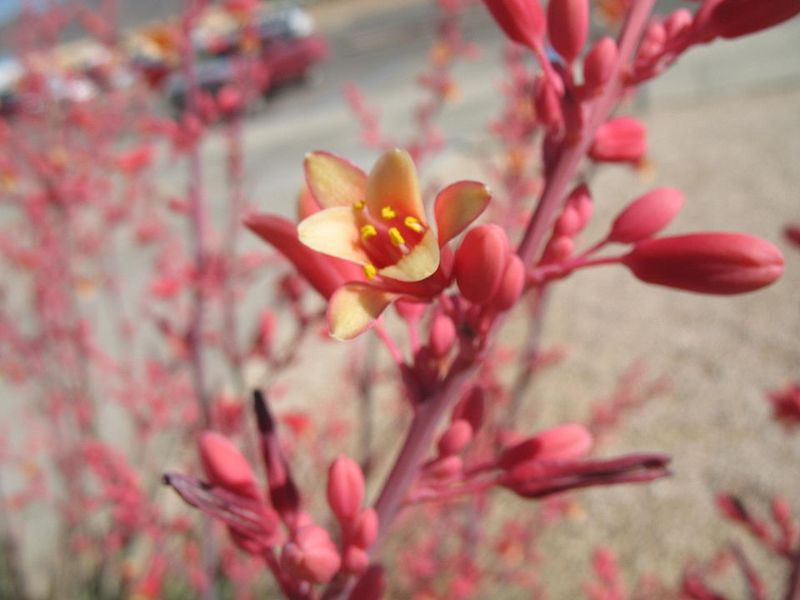
Despite its name, red yucca is not actually a true yucca at all. It belongs to the genus Hesperaloe and is native to Texas and northern Mexico, making it right at home in Arizona’s desert landscape.
What it produces each spring and summer are graceful, arching stalks lined with coral-pink to red tubular flowers that can reach five feet tall or more.
These blooms emerge in April and often continue well into summer, sometimes reblooming with additional watering.
Red yucca is one of the most drought-tolerant flowering plants available for Arizona gardens. It thrives in full sun and rocky or sandy soils with excellent drainage.
Once established, it rarely needs supplemental water beyond what Arizona’s monsoon season provides, though an occasional deep watering in late spring can encourage more robust flower production.
Its evergreen grass-like foliage adds texture to the landscape even when it is not in bloom.
Hummingbirds are exceptionally drawn to red yucca’s tubular flowers, making it a standout choice for wildlife-friendly desert gardens. It fits naturally into xeriscape designs, rock gardens, and native plant landscapes.
Red yucca grows slowly but can eventually form attractive clumps that spread over time.
Across Arizona’s low desert communities, it has become a trusted staple for gardeners seeking reliable summer color with very minimal water use.