This Is The Shrub That Crowds Out Native Plants In Pennsylvania Gardens
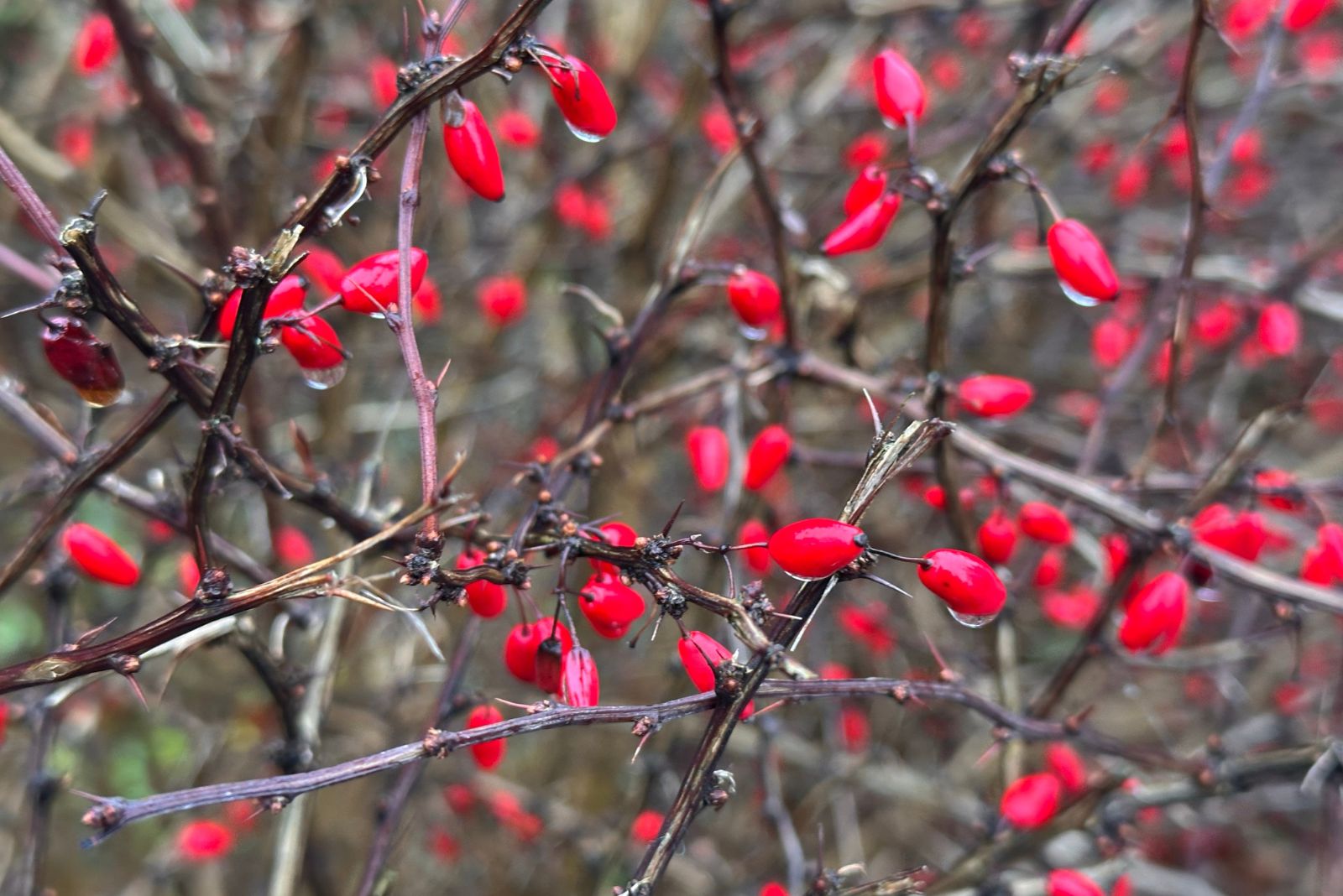
At first glance, this shrub can seem like an easy win for the yard. It is compact, colorful, and often sold as a neat landscaping option that looks like it can fit just about anywhere.
That is part of the problem. What starts as a tidy ornamental choice can turn into a much bigger headache for Pennsylvania gardens and nearby natural areas.
Instead of quietly staying in place, it has a reputation for spreading, taking up valuable space, and making life harder for the native plants that actually belong there.
That is why more gardeners are starting to look at it very differently. Japanese barberry may offer bold foliage and a structured shape, but the damage it can cause goes far beyond appearance.
It can form dense thickets, push out native growth, and change the balance of the landscape over time.
For anyone who cares about a healthier, more resilient garden, it is worth knowing why this shrub has become such a concern and why so many people now think twice before planting it.
Why Japanese Barberry Is Such A Problem In Pennsylvania Gardens
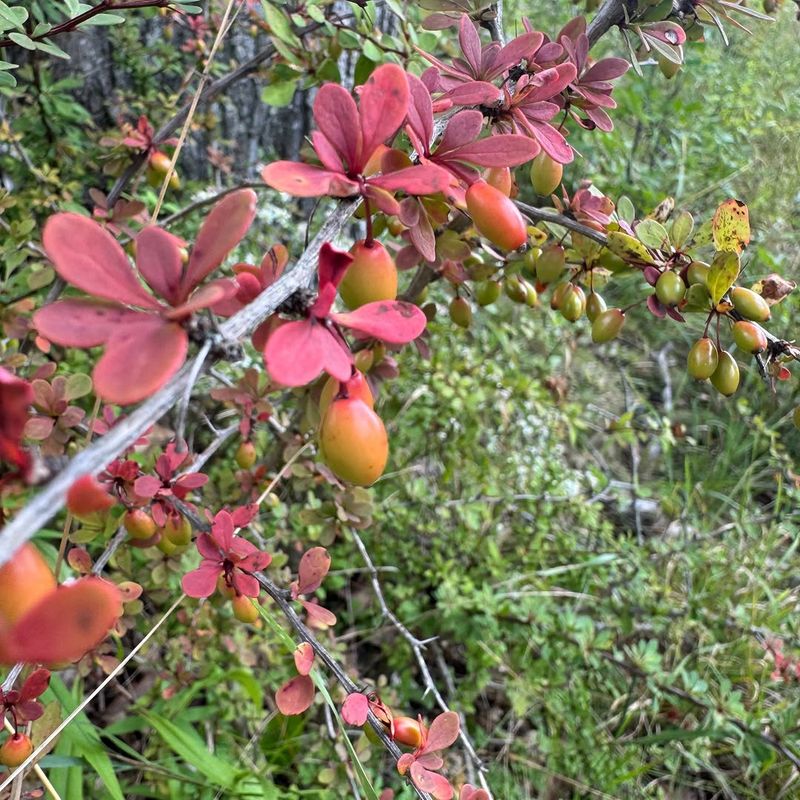
Walk through any woodland edge in Pennsylvania and you might notice a thorny, low-growing shrub with bright red berries clinging to its stems. Chances are, that shrub is Japanese barberry, and its presence is a bigger deal than most homeowners realize.
Berberis thunbergii is not just an annoying garden plant. It is a non-native, invasive woody shrub that has been spreading through Pennsylvania landscapes for decades.
Japanese barberry was first introduced to the United States from Asia in the late 1800s. Nurseries loved it because it was tough, attractive, and easy to grow.
Homeowners planted it along fences, in foundation beds, and as decorative borders. For a long time, nobody thought much about where it was going after it left the garden. The answer, unfortunately, was everywhere.
Once established in a yard, Japanese barberry does not stay put. Its bright red berries are eaten by birds, and the seeds get dropped in nearby fields, forest edges, and disturbed areas all across Pennsylvania.
From there, the shrub takes root and starts spreading on its own. Over time, it moves further and further from where it was originally planted.
Pennsylvania’s natural areas have taken a real hit because of this shrub. Ecologists and land managers have spent years trying to get it under control, but it keeps coming back.
The plant is officially listed as an invasive species in Pennsylvania, and for good reason. It changes the landscape in ways that are hard to reverse.
Recognizing it in your own yard is one of the most important first steps any Pennsylvania gardener can take.
How It Crowds Out Native Plants
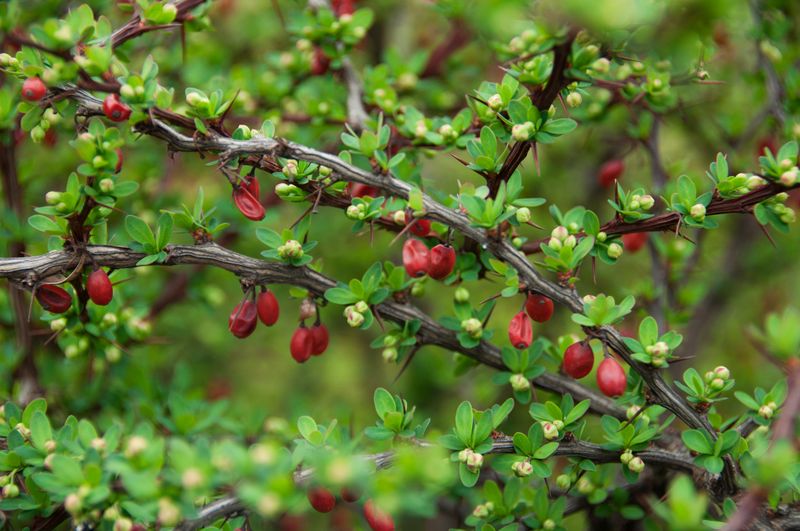
One of the most damaging things Japanese barberry does in Pennsylvania is form dense, nearly impenetrable thickets. Once a few plants get established in a natural area, they spread outward quickly.
Before long, they create a wall of thorny growth that shades the ground underneath and leaves little room for anything else to grow. Native plants, which evolved over thousands of years to fill specific roles in Pennsylvania ecosystems, simply cannot compete.
Your Pennsylvania Garden Changes Every Week. Your Plan Should Too.
Gardening in Pennsylvania changes quickly throughout the season. Every Friday you’ll receive a simple weekly plan showing exactly what to plant, prune, fertilize, harvest, and protect so you never miss the right timing.
Native wildflowers, tree seedlings, and understory shrubs all need access to light, water, and nutrients. When Japanese barberry moves in, it takes up space and resources that native plants depend on.
The dense canopy created by barberry thickets blocks sunlight from reaching the forest floor. Without enough light, native plant seedlings struggle to sprout and grow.
Over time, the natural mix of plants that should be there gets replaced by a single invasive species.
Soil chemistry is another issue. Research has shown that Japanese barberry can actually change the pH and nitrogen levels of the soil around it.
Those changes make the environment even more favorable for the barberry and less hospitable for native species. It is a cycle that becomes harder to break the longer the plant is left alone.
For Pennsylvania’s forests and natural areas, this matters a lot. Native plants provide food and shelter for birds, pollinators, and other wildlife.
When those plants get replaced by Japanese barberry, the whole food web suffers. Deer, insects, and songbirds all lose resources they need to survive.
Removing barberry from Pennsylvania yards helps stop this chain reaction before it reaches the woods nearby.
Why It Spreads So Easily
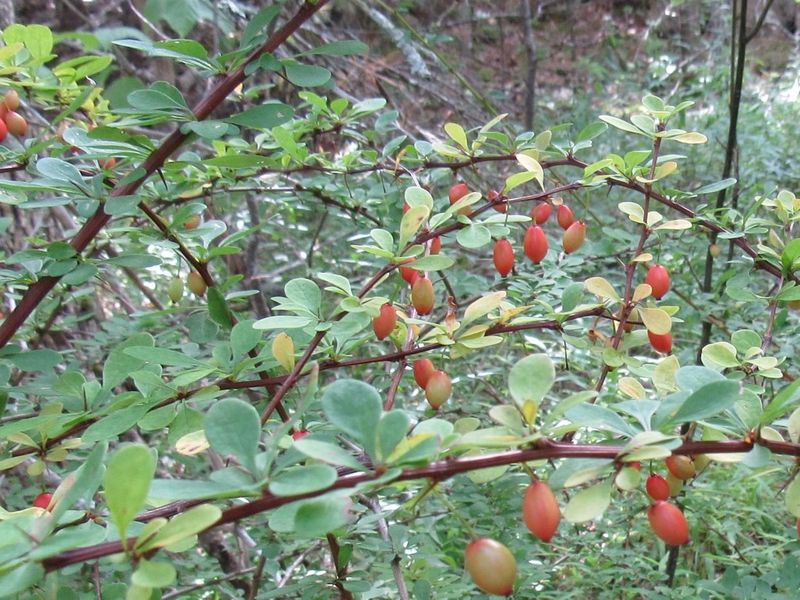
Most invasive plants have a secret weapon, and Japanese barberry has several. What makes this shrub so hard to stop is its ability to grow just about anywhere.
Full sun, deep shade, dry rocky soil, moist lowland areas – Japanese barberry handles all of it without much trouble. That kind of flexibility is rare, and it gives the plant a huge advantage over native species that are more particular about where they grow.
Shade tolerance is one of its most powerful traits. Many invasive plants need open, sunny spots to get started.
Japanese barberry can establish itself under a forest canopy where sunlight is limited. That means it can move into the interior of Pennsylvania woodlands, not just the sunny edges.
Once it gets a foothold in the shade, it spreads outward and gradually takes over larger and larger areas.
Drought resistance adds to the problem. During dry summers, native plants may slow their growth or struggle to survive.
Japanese barberry keeps going. It holds its ground while native competitors are stressed, giving it an even bigger advantage.
Add in the fact that birds happily eat and spread its berries far and wide, and you have a recipe for rapid expansion across Pennsylvania.
The thorns also play a role. Deer tend to avoid plants with sharp spines, so while they browse on native vegetation, Japanese barberry is left alone to grow unchecked.
That selective pressure gives barberry a free pass in many Pennsylvania natural areas. All of these traits together explain why, once established, this shrub is so incredibly difficult to manage and remove completely.
Why Gardeners Still Miss The Warning Signs
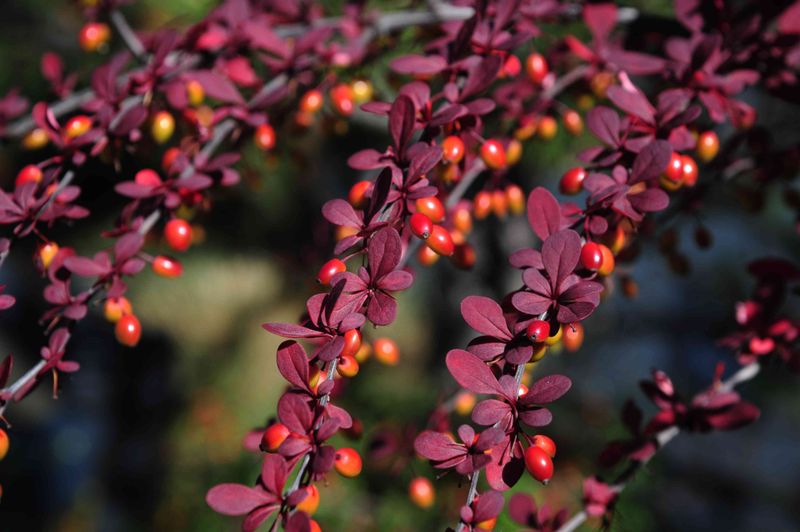
Here is something surprising: many Pennsylvania homeowners who have Japanese barberry in their yard have no idea it is invasive. That is not because they do not care about their gardens.
It is because this shrub was sold in nurseries for decades as a perfectly fine landscape plant. Colorful foliage, low maintenance, deer resistant – the sales pitch was convincing, and millions of plants were sold across the country, including right here in Pennsylvania.
Japanese barberry comes in many varieties, including ones with deep purple or reddish leaves that look striking in a garden bed.
Some cultivars were specifically bred to be sterile, but not all of them actually are, and many older plants sold before stricter guidelines were put in place can still produce viable seeds.
A homeowner who planted barberry years ago might not realize the plant spreading along their fence line or into the woods out back is the same shrub they chose for its looks.
Another reason people miss the warning signs is that the plant does not look threatening. It stays relatively low, it has pretty berries in fall, and it turns nice colors before the leaves drop.
Nothing about its appearance screams invasive. Without knowing what to look for, it is easy to walk right past it and never give it a second thought.
Pennsylvania has made efforts to educate gardeners about invasive plants, and some nurseries have stopped selling Japanese barberry altogether. But plenty of older plants are still out there in established landscapes.
Spreading awareness in Pennsylvania communities is key to helping more homeowners recognize what they have and understand why it matters.
The Extra Concern: Ticks
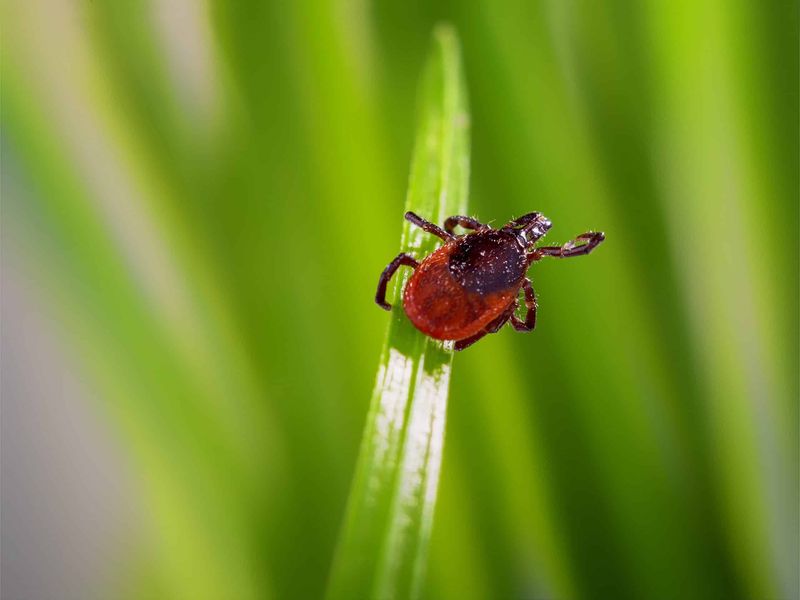
Beyond the ecological damage, Japanese barberry has another side effect that hits closer to home for Pennsylvania residents: ticks.
Studies have found a strong link between Japanese barberry thickets and higher populations of black-legged ticks, also known as deer ticks.
These are the same ticks responsible for spreading Lyme disease, which is a serious health concern in many parts of Pennsylvania.
The connection makes sense when you look at how barberry grows. Its dense, low branches create a humid, shaded microclimate close to the ground.
That environment happens to be exactly what ticks love. Ticks need moisture to survive, and the thick tangle of barberry branches traps humidity and keeps the ground beneath it cool and damp even during warm, dry weather.
More ticks can survive and reproduce in those conditions. Pennsylvania residents who spend time in their yards, gardens, or nearby natural areas face a real risk.
Children playing near barberry thickets, hikers passing through infested areas, and pet owners walking dogs through brushy edges are all at greater exposure.
Removing Japanese barberry from your Pennsylvania property is not just good for native plants. It is also a practical step toward reducing tick habitat right in your own backyard.
Fewer barberry thickets mean fewer tick-friendly hiding spots. That connection between invasive shrubs and human health gives Pennsylvania homeowners one more very personal reason to take action and get this plant out of their landscapes as soon as possible.
What To Plant Instead
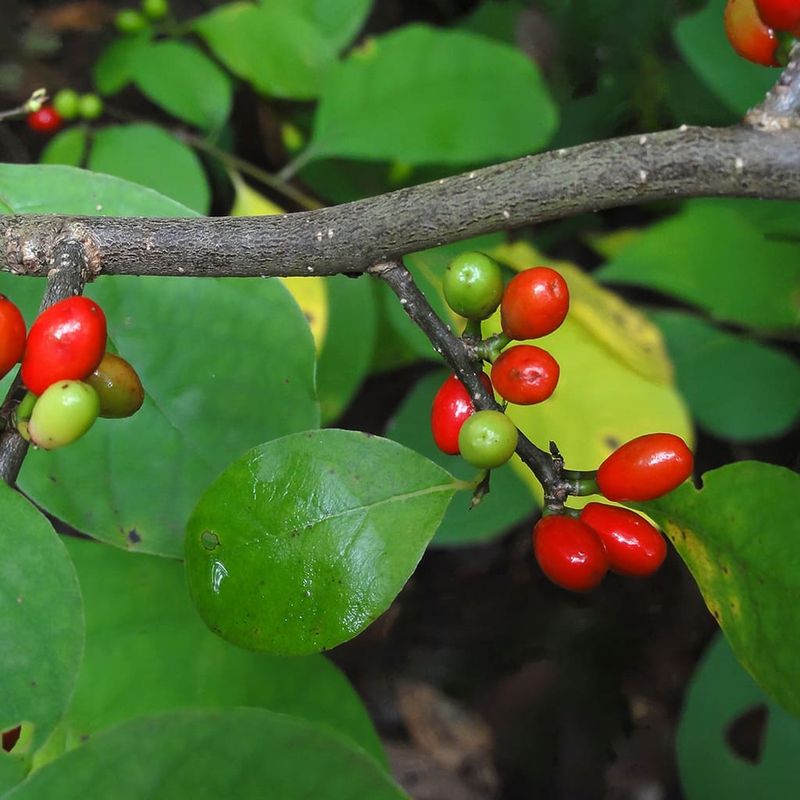
Getting rid of Japanese barberry is a great move for any Pennsylvania gardener, but the work does not stop there. Bare soil and open space left behind by removed barberry can quickly be colonized by other invasive plants if nothing goes in to replace it.
Planting native shrubs right away is the smartest way to fill that gap and make sure the barberry does not come back.
Pennsylvania is home to many beautiful native shrubs that offer the same practical benefits as Japanese barberry without the ecological damage. Spicebush (Lindera benzoin) is a fantastic choice for shaded spots.
It grows naturally in Pennsylvania woodlands, produces small yellow flowers in early spring, and provides berries that birds absolutely love.
Native viburnums, like arrowwood viburnum (Viburnum dentatum), are another excellent option. They offer clusters of white flowers, fall berries, and gorgeous seasonal color.
For sunnier spots, native shrub roses, buttonbush (Cephalanthus occidentalis), or inkberry holly (Ilex glabra) all work beautifully in Pennsylvania landscapes.
These plants support local pollinators, provide food for birds, and fit naturally into the regional ecosystem. They look great in the garden and do real ecological work at the same time.
Pennsylvania’s invasive plant replacement programs actively encourage homeowners to make exactly this kind of swap. The state recognizes that removing invasive shrubs and replacing them with native species is one of the most effective ways to help local wildlife recover.
For Pennsylvania gardeners, swapping out Japanese barberry for a native shrub is a simple, satisfying action that makes the yard healthier, more beautiful, and genuinely better for the environment around it.