8 Arizona Plants That Benefit From Fertilizing In April
Growth starts picking up fast in April across Arizona, and plants that seemed slow just weeks ago suddenly begin pushing out fresh leaves and new stems. This is when many plants shift into an active phase, using up nutrients already sitting in the soil.
It is easy to assume desert plants do fine on their own, but even the toughest ones respond when they get a small boost at the right time.
The difference often shows in stronger growth, better color, and plants that handle rising heat with less stress.
The key is not overdoing it, but knowing which plants actually benefit from feeding in April and which ones are better left alone. A well-timed boost now can carry plants through the tougher months ahead without extra effort later.
1. Bougainvillea Responds Well To Feeding Before Peak Bloom Season
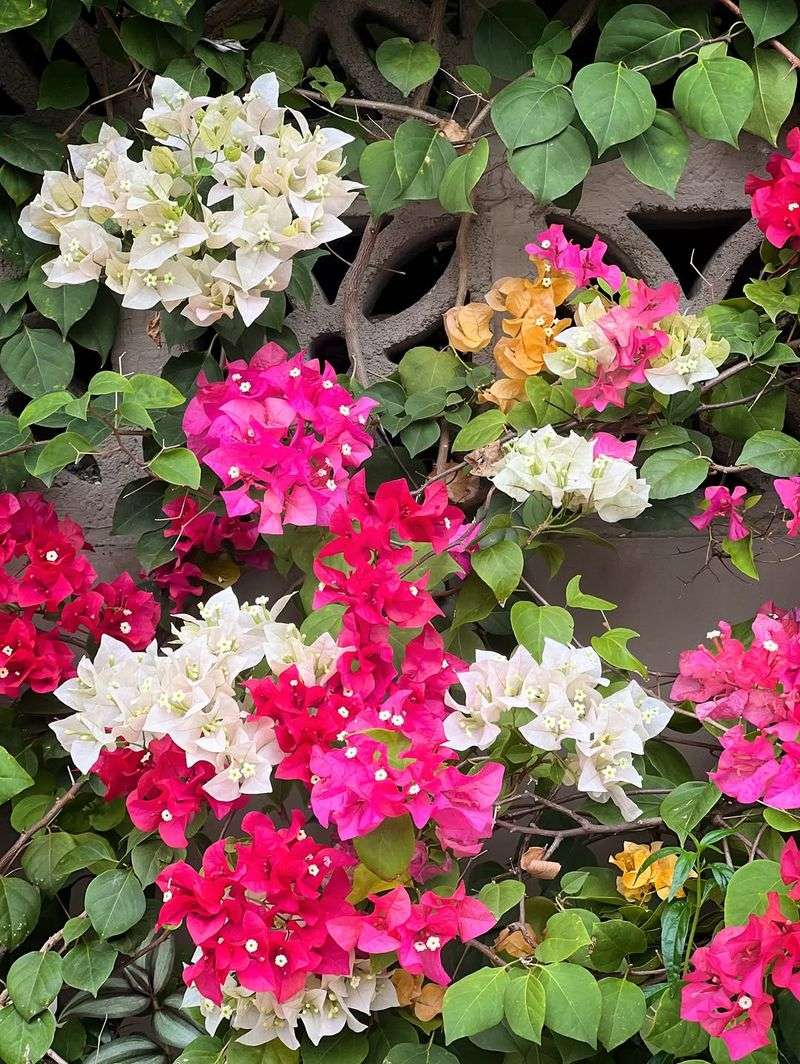
Nothing puts on a show in Arizona quite like a bougainvillea loaded with color. Getting a strong bloom display in late spring and summer actually starts with what you do in April.
A light feeding now gives the plant the energy it needs before the heat really kicks in and bloom season hits full stride.
Bougainvillea is not a heavy feeder, so do not overdo it. A balanced fertilizer with a slightly higher middle number, which represents phosphorus, encourages flowering over leafy growth.
Too much nitrogen and you end up with a big green plant and very little color. Apply at half the recommended rate if you are unsure.
Water the plant before and after fertilizing to help move nutrients into the root zone without stressing the roots. Bougainvillea in Arizona can handle heat, but roots sitting in dry fertilizer can struggle.
If yours is planted in a container, check that drainage is solid before feeding. Blooms usually appear on newer growth, so a little encouragement in April helps set up that cycle.
Expect a strong flush of color by May or June if conditions stay favorable.
That early boost often leads to longer-lasting blooms through the hottest months. A lighter feeding approach helps the plant focus on color instead of excess foliage.
Consistency matters more than quantity here.
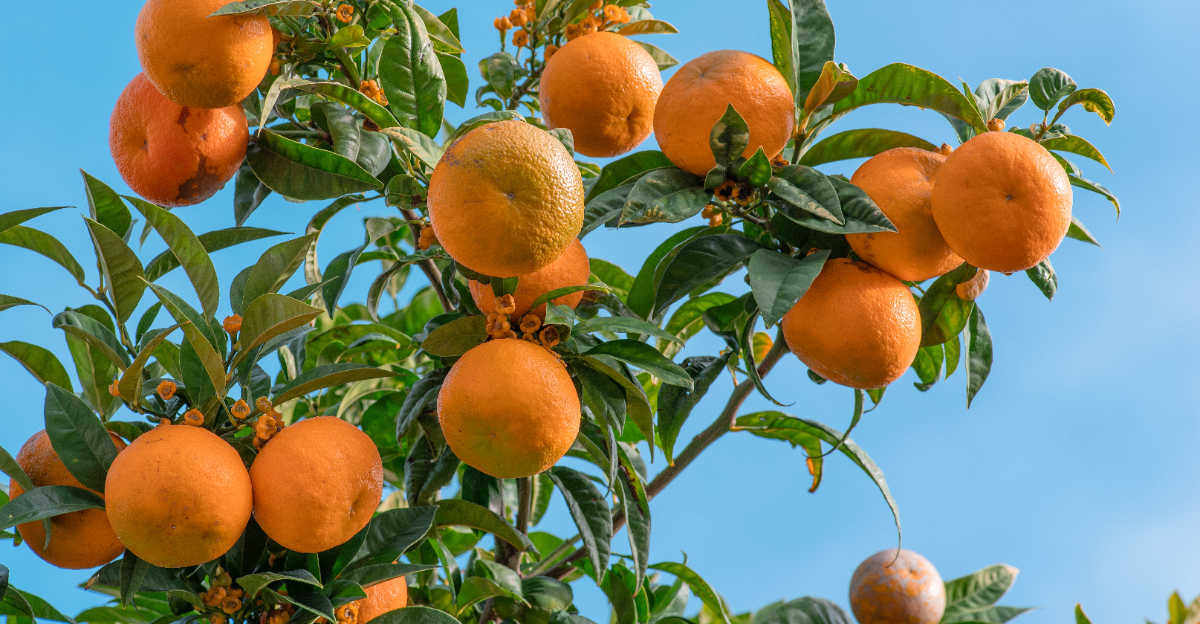
2. Citrus Trees Benefit From Fertilizing As Spring Growth Starts
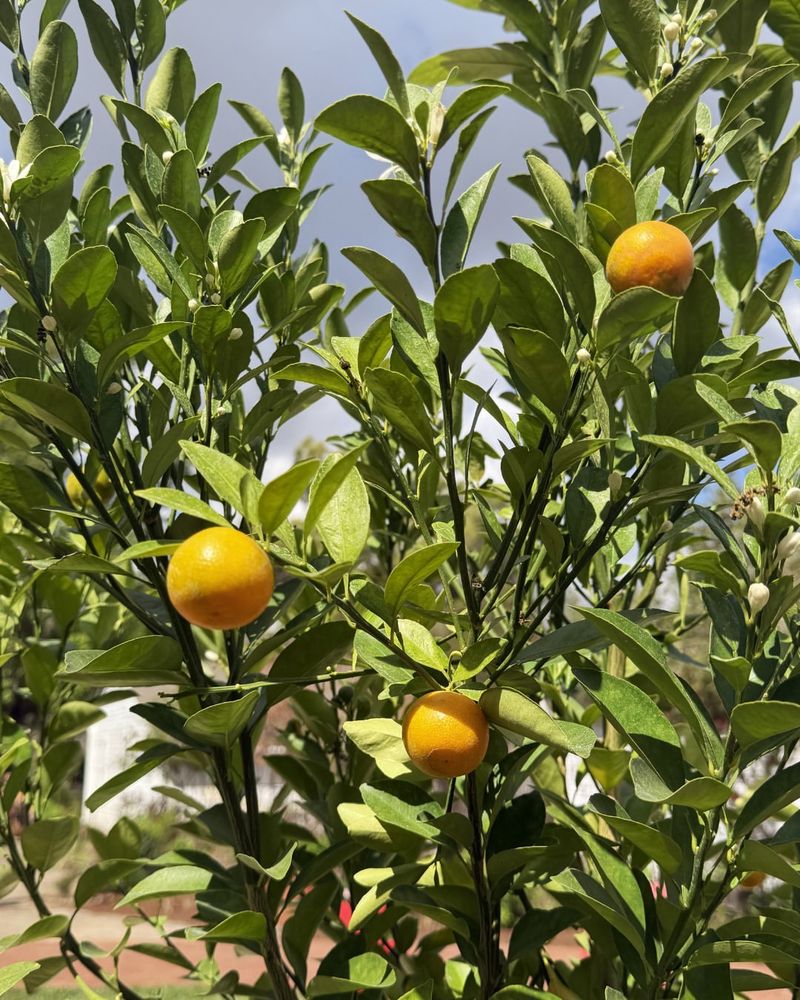
April is prime time for citrus in Arizona, and if you skip this feeding, you will likely notice smaller fruit and slower growth by summer. Citrus trees need three feedings a year, and April marks the second round.
Splitting the fertilizer into thirds across the year keeps the tree from getting overwhelmed with nutrients all at once.
A fertilizer made specifically for citrus works best here. Look for one that includes nitrogen, phosphorus, potassium, and trace minerals like iron and zinc.
Arizona soils tend to run alkaline, which locks out some of these nutrients, so a citrus-specific blend is worth the extra few dollars.
Spread the fertilizer evenly under the canopy, out to the drip line, and water it in well. Avoid piling it near the trunk.
Oranges, tangerines, grapefruits, and lemons all respond well to this April feeding, and you will usually see fresh, glossy new leaves within a couple of weeks. Keep an eye on leaf color throughout the season as a simple indicator of whether the tree is getting what it needs.
Your Arizona Garden Changes Every Week. Your Plan Should Too.
Gardening in Arizona changes quickly throughout the season. Every Friday you’ll receive a simple weekly plan showing exactly what to plant, prune, fertilize, harvest, and protect so you never miss the right timing.
Consistent feeding at the right time helps maintain steady fruit development without sudden drops in growth.
Adjust slightly if leaves start showing pale or uneven color. A balanced routine helps the tree stay more stable through summer str
3. Hibiscus Produces Stronger Flowers With Early Spring Nutrients
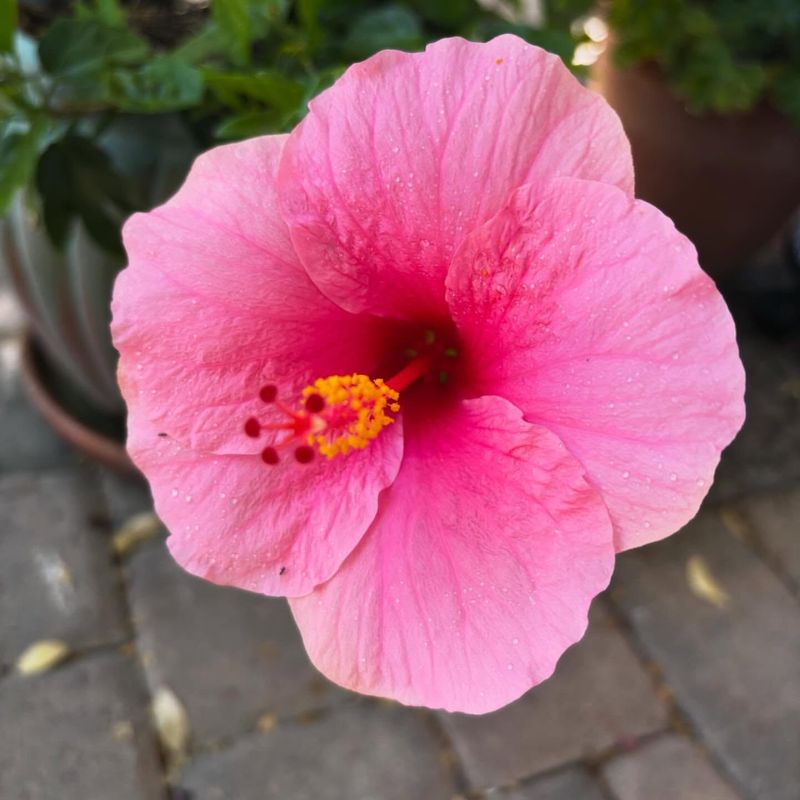
Hibiscus in Arizona can put out blooms that stop people in their tracks, but that only happens when the plant has enough fuel. April is when the soil is warming and the plant starts pushing growth fast.
Feeding it now sets the stage for bigger, more vibrant flowers through the hottest months.
Go with a fertilizer that is higher in phosphorus and potassium than nitrogen. Heavy nitrogen feeding on hibiscus tends to produce thick, lush leaves but disappointing flowers.
A bloom-boosting formula, applied every three to four weeks starting in April, gives you a much better payoff through summer.
Hibiscus planted in Arizona ground can dry out fast, especially in sandy or rocky soil. Always water deeply before applying fertilizer and check that the soil is not bone dry.
Container hibiscus benefits from slightly more frequent light feedings since nutrients flush out faster with regular watering. Watch the leaves for signs of yellowing between the veins, which often signals an iron deficiency common in Arizona soils.
Adding a chelated iron supplement alongside your regular fertilizer can fix that quickly. With the right routine starting in April, hibiscus can bloom almost continuously until temperatures drop in the fall.
Steady feeding helps maintain flower size and color without fading too quickly. Sticking to a consistent schedule works better than applying too much at once.
Smaller, regular applications support stronger overall per
4. Lantana Grows Fuller With Light Fertilizing During Active Growth
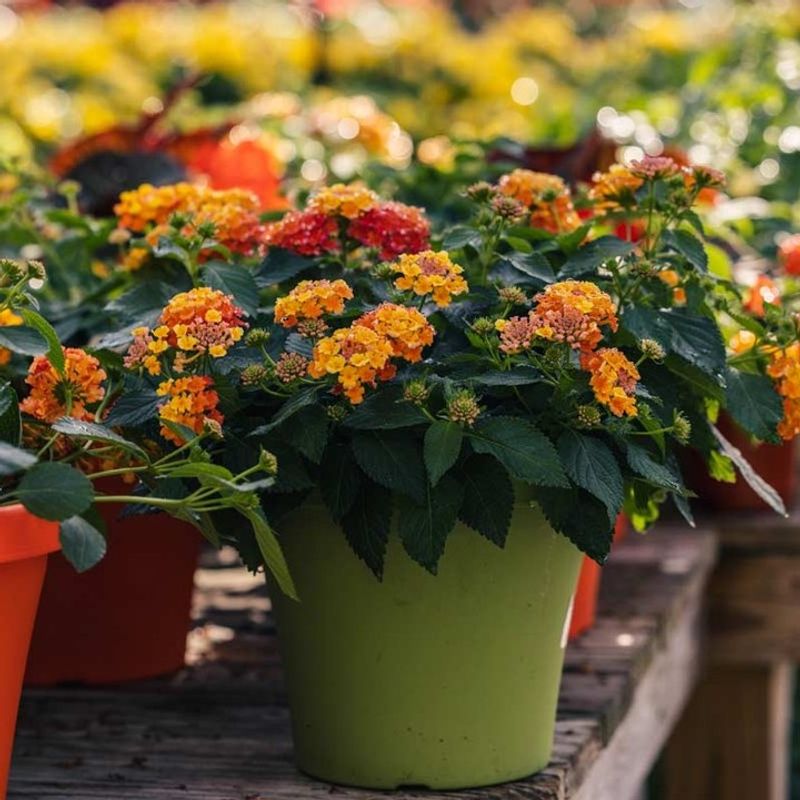
Lantana is tough, but tough does not mean it cannot benefit from a little help. Come April in Arizona, lantana kicks back into gear after the cooler months, and a light feeding at just the right time pushes it toward a fuller, more colorful plant all season long.
Keep the fertilizer application light with lantana. A diluted balanced fertilizer once a month is usually plenty.
Overfeeding lantana actually backfires since it tends to produce extra foliage at the expense of flowers. Less is genuinely more with this plant, especially in Arizona where the growing season stretches long and the plant rarely slows down.
If your lantana got pruned back in late winter or early spring, April fertilizing helps it recover and branch out more densely. New growth responds quickly, and you will usually see flower clusters starting within a few weeks.
Lantana planted in the ground in Arizona soil rarely needs much irrigation once it fills in, but during the feeding period, consistent moisture helps nutrients absorb properly.
Pollinators absolutely flock to lantana flowers, so a healthy, well-fed plant does double duty as a pollinator magnet throughout the Arizona summer.
It is a practical, low-fuss addition to any yard.
Once established, it keeps producing without needing constant attention. It would be best to avoid heavy feeding so blooms stay consistent.
A light approach keeps the plant balanced and reliable.
5. Roses Benefit From Feeding As New Shoots Begin To Develop
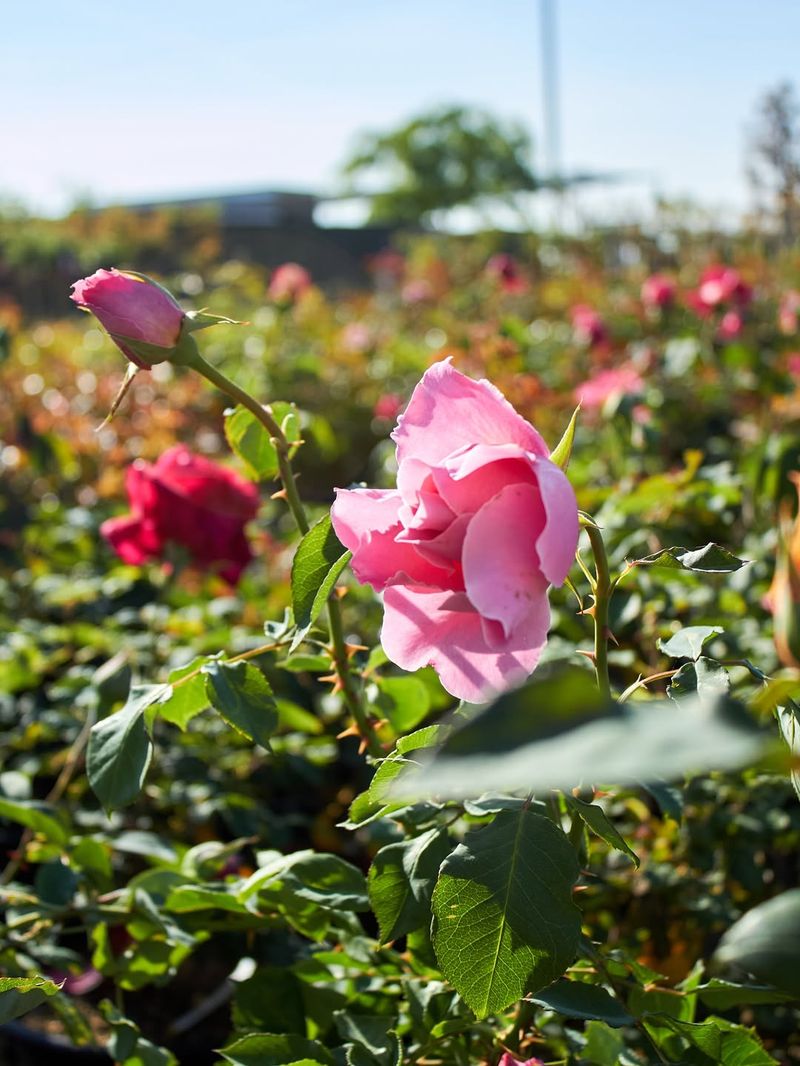
Roses in Arizona have a different rhythm than roses in cooler climates. Spring arrives fast here, and by April, new shoots are already pushing out quickly.
Getting a feeding in right when that new growth appears gives the plant exactly what it needs to build strong stems and full blooms.
Use a rose-specific fertilizer or a balanced granular fertilizer with added iron. Arizona soil often lacks the micronutrients roses need, and iron deficiency shows up as yellowing leaves with green veins.
Feeding every three to four weeks from April through fall keeps roses performing at their best without pushing too much soft growth that burns in extreme heat.
Water your roses deeply the day before you fertilize. Dry roots and fertilizer are not a good combination, and Arizona heat dries things out fast.
Scratch granular fertilizer lightly into the soil around the drip line, not right up against the base of the canes. Liquid fertilizers work well too, especially for giving a quick nutrient boost between regular feedings.
Roses are worth the extra attention in April because the payoff comes fast. A well-fed rose in Arizona can put out several strong bloom cycles before the intense summer heat slows things down significantly.
6. Orange Jasmine Responds Well To Spring Fertilizing
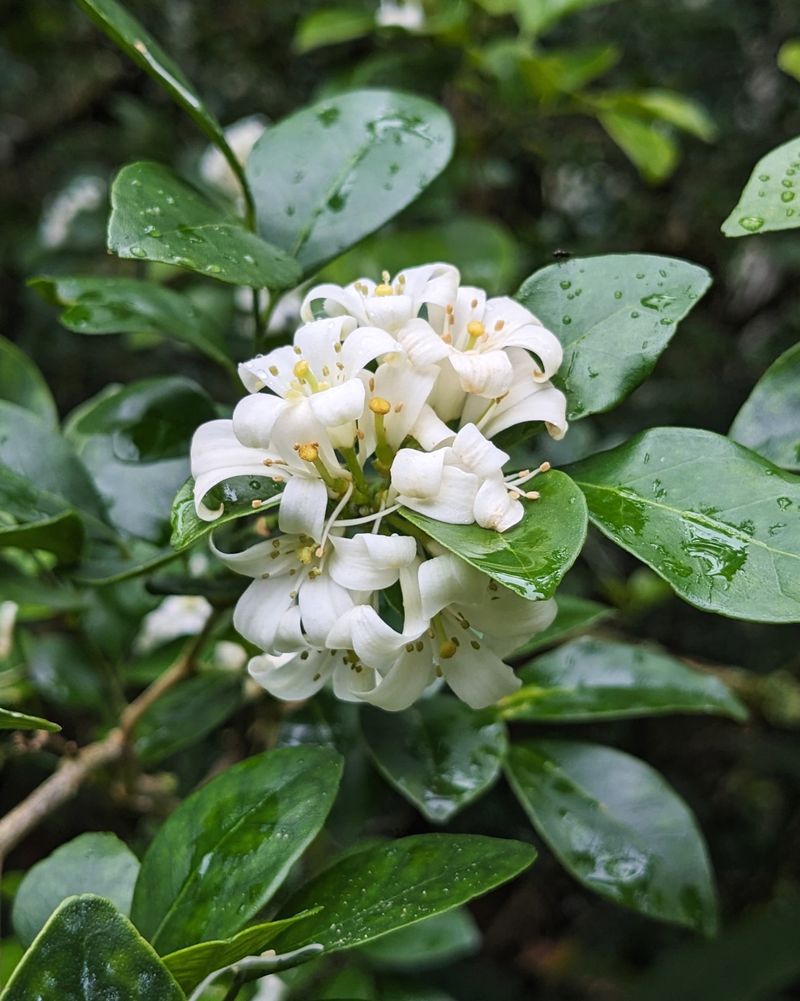
Walk past a healthy orange jasmine in April and the scent alone tells you something good is happening.
Known botanically as Murraya paniculata, orange jasmine starts pushing fresh growth and flower buds as Arizona temperatures climb, and a timely fertilizer application keeps that momentum going strong.
A balanced fertilizer works well here, something like a 10-10-10 or similar ratio. Orange jasmine is not fussy about brand, but it does respond noticeably to feeding during active growth.
Apply once in April, then again every six to eight weeks through the warm season. If the plant has been in the ground a couple of years and looks a bit tired, a slow-release granular fertilizer can give it a longer, steadier boost.
Orange jasmine does best in Arizona when it gets regular water and is planted in a spot with some afternoon shade protection. Full afternoon sun in Phoenix or Tucson can stress the plant, which limits how well it uses fertilizer.
Soil in Arizona tends to be alkaline, so adding a small amount of soil acidifier alongside your fertilizer can improve nutrient uptake noticeably.
Healthy orange jasmine will reward you with multiple rounds of fragrant white flowers through spring and into summer, making it a standout plant in any Arizona yard.
Regular feeding helps maintain that steady cycle without long gaps between blooms. Stable soil conditions allow nutrients to stay available to the plant.
Even a small adjustment in care can make a noticeable difference here.
7. Oleander Supports Healthy Growth With A Light Nutrient Boost
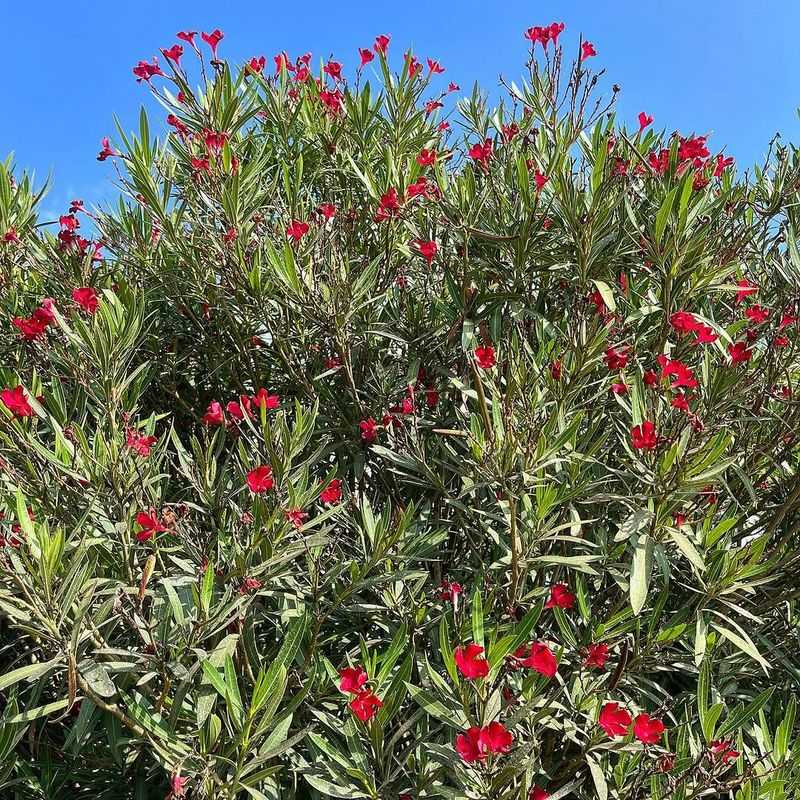
Oleander lines roadsides and backyard fences all across Arizona for a reason. It handles the heat, tolerates drought, and blooms reliably year after year.
But even the toughest plants have an easier time when they get a little support, and April is a good moment to give oleander a light nutrient boost before summer arrives.
Skip the heavy feeding with oleander. A light application of a balanced granular fertilizer in April is usually all it needs for the entire season.
Pushing too much nitrogen into oleander causes rapid, lanky growth that looks sparse and can be more vulnerable to wind damage. A conservative approach keeps the plant dense and well-shaped without creating extra work for you.
Oleanders planted in Arizona ground that has not been amended much will benefit most from this feeding since native soils here can be low in organic matter and key nutrients. Water the area around the plant a day or two before applying fertilizer, then water again after to help it absorb.
If your oleander is showing pale or yellowish foliage heading into spring, that is a clear signal nutrients are running low. A single April feeding usually corrects that quickly and gets the plant back on track for a strong bloom season.
Consistent care pays off with oleander more than most people expect.
Even minimal feeding can improve overall density and bloom quality. It would be best to avoid pushing too much growth before peak heat.
A simple routine keeps the plant looking full and steady.
8. Container Succulents Benefit From Diluted Feeding During Active Growth
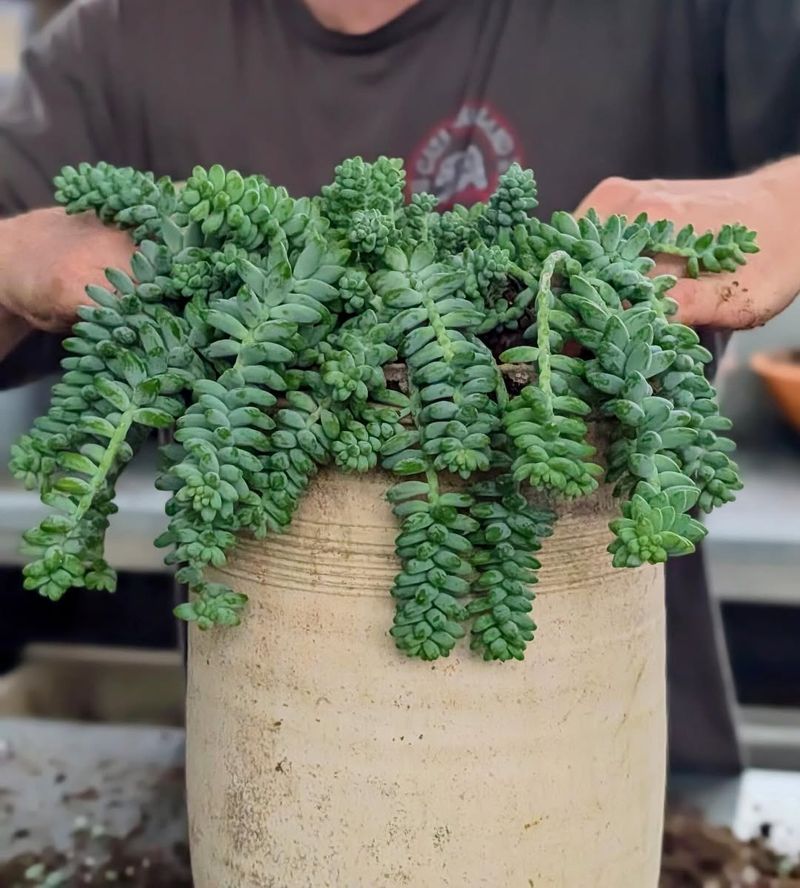
Container succulents are a different story from their in-ground cousins. Planted in pots, they depend entirely on what you give them since nutrients in potting mix get depleted fast with regular watering.
April in Arizona is when most succulents snap out of their slower winter mode and start actively growing again.
Dilution is the key word when fertilizing container succulents. Use a balanced liquid fertilizer mixed to about half the recommended strength, or even quarter strength for smaller pots.
Full-strength fertilizer in a container can build up salt in the soil and cause root stress. Once a month during active growth is plenty, and skipping fertilizer entirely in summer when some succulents slow down is perfectly fine.
Echeverias, sedums, aloes, and agaves all respond well to a light April feeding in Arizona. You will notice new rosettes forming, brighter color, and sometimes even an offset or pup appearing at the base of a healthy plant.
Avoid feeding succulents that are sitting in wet soil from recent rain or overwatering since that combination can lead to root problems. Let the soil dry out a bit before feeding.
Arizona patios and balconies are ideal for growing container succulents, and a small amount of fertilizer in April goes a long way toward keeping them looking sharp all season.
Light feeding helps maintain color and compact growth without stressing the roots. Keep applications diluted and spaced out for better results.
Too much fertilizer can quickly lead to more problems than benefits.