7 Plants You Should Stop Fertilizing In Arizona By Late April
Late April in Arizona can catch many gardeners off guard, especially when plants still look strong and it feels natural to keep up the same care routine.
Growth may seem steady on the surface, which makes it easy to continue fertilizing without a second thought.
That habit does not always lead to better results once temperatures start to climb. Some plants respond poorly at this stage, and extra nutrients can push growth that struggles to hold up under rising heat.
Signs often stay subtle at first, which is why the issue goes unnoticed until plants begin to show stress later on.
Knowing which plants need that change in care can make a clear difference, especially as conditions shift and the garden moves into a more demanding part of the season.
1. Citrus Trees Should Stop Fertilizing Before Extreme Heat
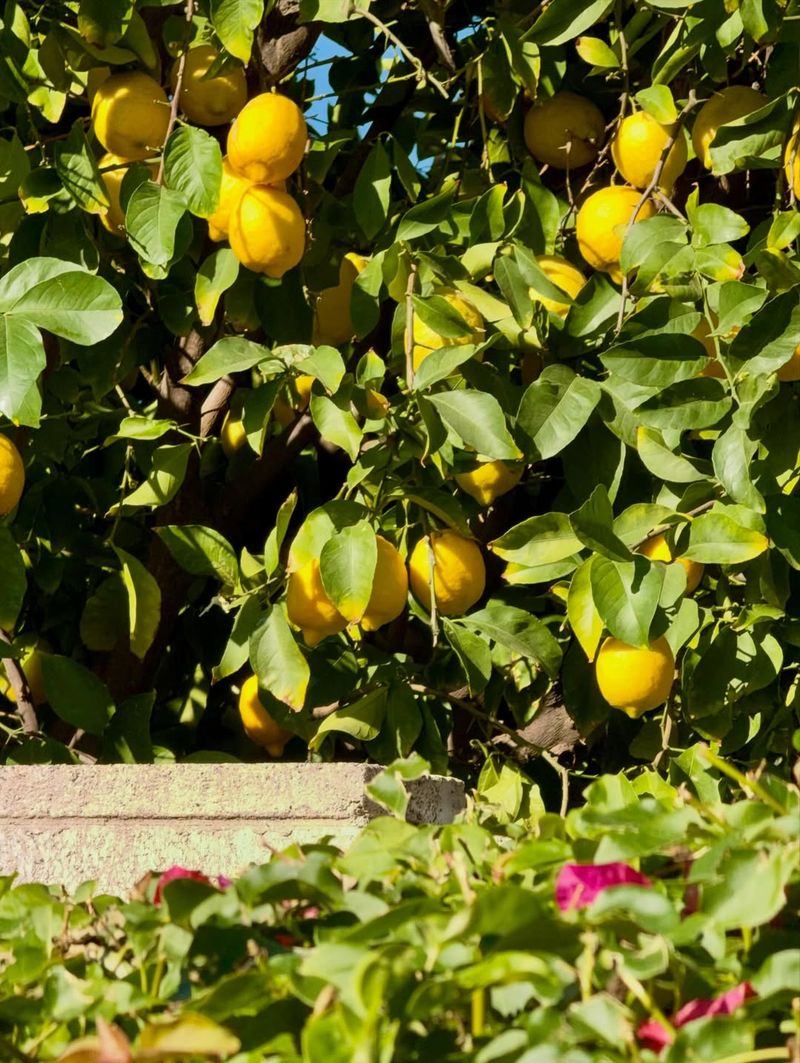
Citrus trees are one of the most rewarding things you can grow in Arizona, but they need you to know when to back off. Most gardeners know to feed their citrus in January and again around February or early March.
What fewer people realize is that fertilizing past mid-April can actually set the tree up for a rough summer.
When you push fertilizer into a citrus tree in late April, you encourage a flush of soft, tender new growth. That new growth sounds great until you remember that Arizona temperatures can jump from pleasant to punishing almost overnight.
That tender foliage does not have the time it needs to harden before the heat arrives, and it often shows up as scorched or drooping leaves come June.
Citrus roots are also sensitive to salt buildup, which becomes more concentrated in dry soil. Fertilizer adds salts to the soil, and without enough water to flush them through, roots can suffer quietly without obvious signs until real damage has already happened.
Arizona’s low humidity speeds up soil drying, making this a bigger concern here than in wetter states.
A good rule of thumb is to wrap up your last citrus feeding by early to mid-April at the latest. After that, shift your focus to consistent, deep watering instead.
Healthy irrigation supports the tree far better through the summer months than any fertilizer could at that point in the season.
Late feeding often does more harm than good once temperatures start climbing fast. Keeping the focus on watering instead helps the tree stay steady through the heat.
2. Bougainvillea Needs Less Feeding As Temperatures Rise
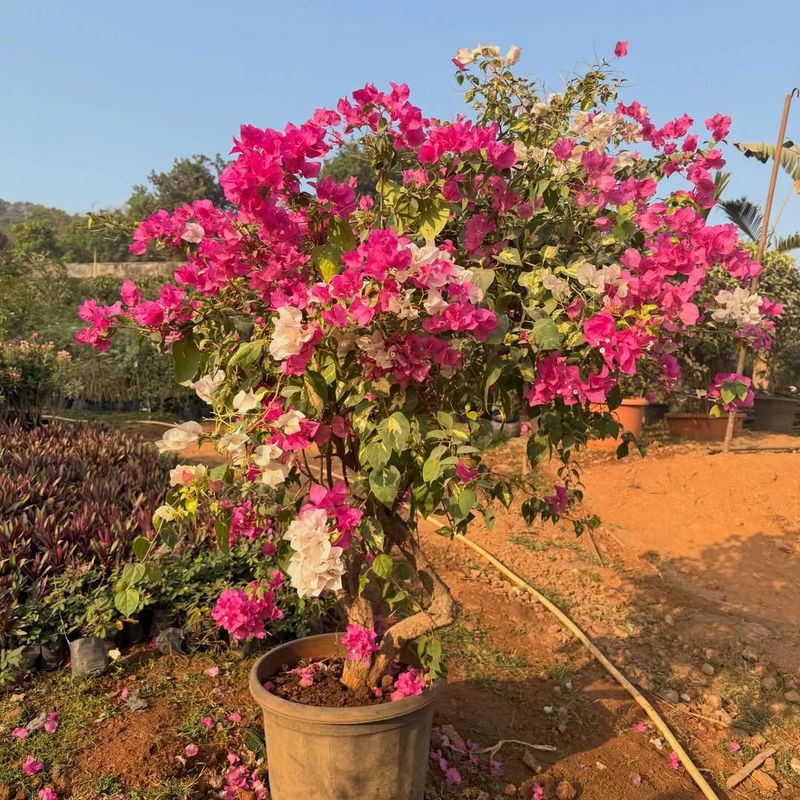
Bougainvillea in Arizona is practically a symbol of the desert Southwest, and it earns that reputation by being surprisingly self-sufficient.
Early spring feeding can help kick off a strong bloom cycle, but once late April rolls around, that extra fertilizer starts doing more harm than good.
Nitrogen is the main culprit. Too much of it late in the season pushes the plant toward leafy green growth instead of those vivid bracts everyone wants to see.
You end up with a bushy, green plant that blooms less, not more. Cutting back on feeding in late April actually encourages bougainvillea to focus its energy on flowering rather than producing extra foliage it does not need.
Your Arizona Garden Changes Every Week. Your Plan Should Too.
Gardening in Arizona changes quickly throughout the season. Every Friday you’ll receive a simple weekly plan showing exactly what to plant, prune, fertilize, harvest, and protect so you never miss the right timing.
Arizona’s heat builds fast, and bougainvillea handles it well when it is not being pushed to grow rapidly. Soft new growth that appears from a late fertilizer application tends to be more vulnerable when temperatures spike.
The plant itself is built for heat, but artificially stimulated growth is not quite as tough as growth that developed naturally through the season.
Skip the fertilizer after mid to late April and let the plant settle into its natural rhythm. Deep, infrequent watering through May and into summer is a better strategy.
Bougainvillea planted in the ground and well-established in Arizona soil can coast through summer on very little intervention, and it tends to reward that hands-off approach with a strong fall bloom cycle later in the year.
Letting growth slow naturally at this point helps the plant stay balanced and focused on blooms instead of excess foliage.
3. Lantana Performs Better Without Extra Fertilizer Late Spring
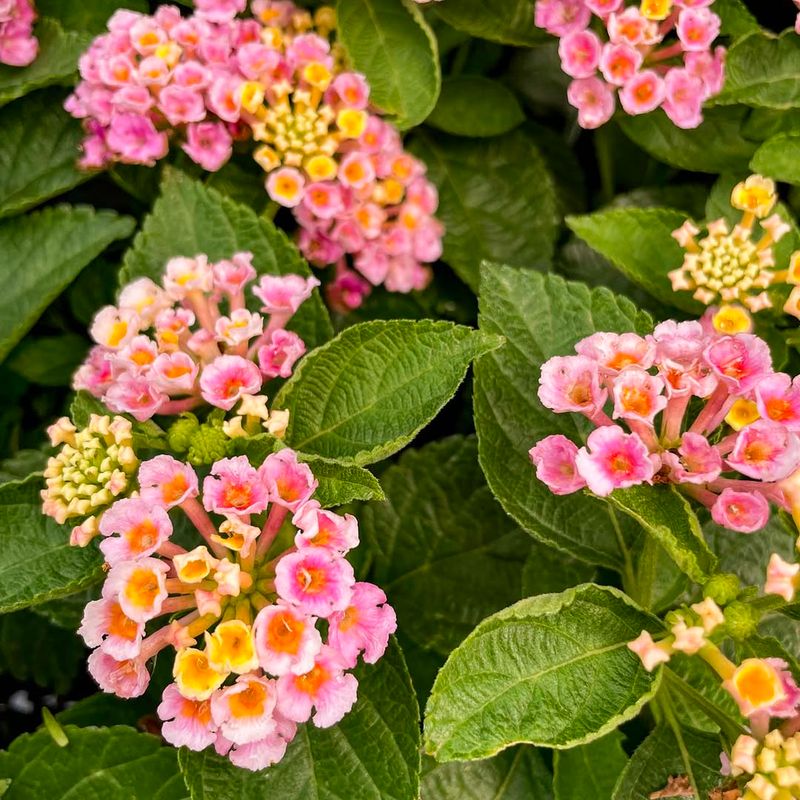
Lantana is one of those plants that almost seems to prefer neglect, and nowhere is that more obvious than with fertilizer. Feed it too much heading into summer in Arizona, and you get a plant that looks lush but blooms far less than it should.
Pull back on the feeding by late April, and it often responds with more color, not less.
Excess nitrogen is the issue. Lantana chases leaf production when nitrogen is high, and the blooms take a back seat.
Arizona gardeners who fertilize heavily through spring often wonder why their lantana looks full but has sparse flowers. The answer is usually sitting in the fertilizer bag.
Cutting off feedings by late April shifts the plant’s energy back toward what you actually want to see.
There is also a practical heat concern. Lantana that has been pushed into rapid growth with fertilizer carries a lot of soft, new tissue into summer.
That tissue is more vulnerable to the kind of intense heat Arizona throws at plants from May onward. Lantana that coasts into summer on its own terms tends to handle the transition more smoothly.
Lantana planted in Arizona soil does not need rich conditions to perform well. It is naturally adapted to lean, dry environments, and trying to treat it like a high-maintenance garden annual usually backfires.
Water it deeply but less often as temperatures rise, and let it do what it does naturally through the long, hot summer ahead.
Bloom production often improves once feeding stops and the plant shifts back into its natural cycle. Through summer, steady watering and minimal input usually lead to stronger, more consistent color.
4. Oleander Doesn’t Need Feeding Heading Into Summer
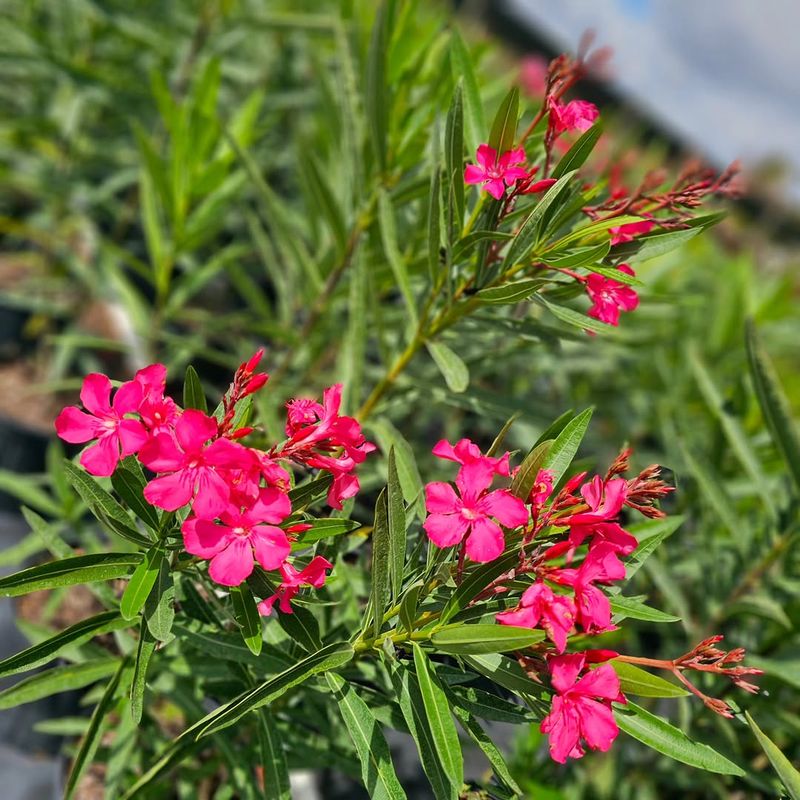
Oleander is one of the toughest shrubs you can grow in Arizona, and it got that way by not needing much help from gardeners.
A light feeding in early spring can give it a seasonal boost, but continuing to fertilize into late April is a habit worth breaking sooner rather than later.
Oleander grows fast under normal conditions. Add fertilizer late in spring and that growth rate jumps, producing soft stems and leaves that are not ready for the heat coming in May and June.
Arizona summers are not forgiving to plants that are in the middle of a growth surge when temperatures climb, and oleander is no exception to that rule despite its tough reputation.
Salt sensitivity is another reason to stop feeding oleander in late April. Fertilizer salts that build up in dry, compacted Arizona soil can affect root health over time.
Oleander shows stress from salt damage slowly, which means by the time you notice something is off, the issue has been building for a while. Skipping late spring fertilizer reduces that risk.
Oleander along roadsides and in residential yards across Arizona survives summer after summer without anyone fertilizing it at all. That tells you something about what this plant actually needs.
Pull back on feeding after early to mid-April, make sure it has access to deep water as heat builds, and oleander will handle the rest of the season on its own terms without much fuss from you.
Plants that consistently perform in Arizona heat usually rely more on restraint than added inputs once temperatures rise.
5. Rosemary Grows Better Without Added Fertilizer In Heat
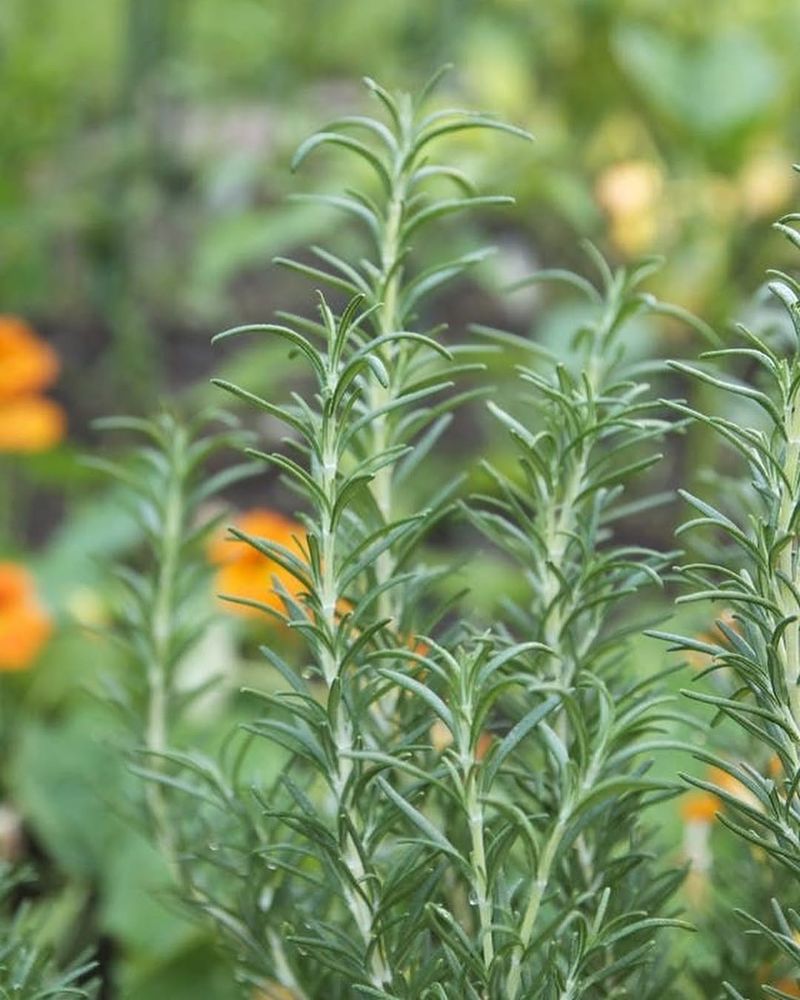
Rosemary in Arizona is a different animal than rosemary you might grow in a cooler climate. It is adapted to lean, dry conditions, and it actually prefers soil that is not particularly rich.
Fertilizing rosemary past late April in Arizona pushes the plant in a direction it does not naturally want to go.
Rich, nitrogen-heavy soil encourages rosemary to produce soft, fast growth. That soft growth does not hold up well in Arizona’s dry heat.
Woody, slower growth is what makes rosemary resilient in desert conditions, and fertilizer works against that by keeping the plant in a vegetative mode when it should be hardening up for summer. The difference shows up clearly when temperatures spike in May.
Rosemary is also prone to root rot when conditions shift between wet and dry too quickly, which is a real concern in Arizona where irrigation habits vary widely.
Fertilizer pushes the plant to absorb more water and nutrients, and if the soil dries out suddenly during a heat wave, stressed roots have a harder time recovering.
Keeping feeding minimal reduces that vulnerability heading into the hottest months.
Planted in well-draining soil with good sun exposure, rosemary in Arizona can go through summer with very little intervention beyond occasional deep watering.
Skip the fertilizer from late April onward and let the plant settle into the slower, more deliberate growth pattern that actually suits the desert climate.
Rosemary grown lean tends to have stronger fragrance and better structure over time.
Late April feeding in Arizona heat disrupts the natural hardening process rosemary depends on for summer survival.
6. Desert Marigold Thrives In Poor Soil Without Feeding
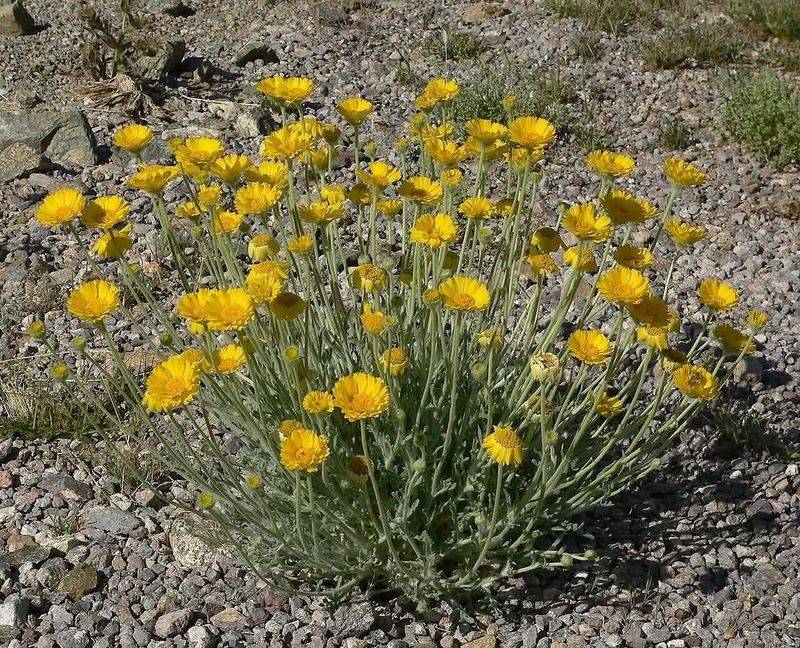
Desert marigold is one of those plants that genuinely does better when you leave it alone. Native to the Sonoran Desert and surrounding regions, it evolved in rocky, nutrient-poor soil where fertilizer was never part of the picture.
Adding fertilizer in late April, or really at any point, tends to work against what makes this plant so well-suited to Arizona conditions.
Feeding desert marigold encourages lush, heavy foliage that the plant’s stems are not designed to support. You end up with a floppy, overgrown plant that is more susceptible to fungal issues in humid monsoon conditions later in the season.
The natural, compact form this plant develops in lean soil is far more structurally sound and better prepared for what Arizona summers bring.
Bloom production is also affected. Desert marigold blooms most reliably when it is not being pushed by extra nutrients.
Fertilizer shifts its energy toward vegetative growth at the expense of flowers, which is the opposite of what most gardeners want.
Letting it grow on its own schedule in average Arizona soil produces consistent, season-long blooming without the downsides of over-feeding.
If you are growing desert marigold in a container, use a lean, well-draining mix and avoid fertilizing past early spring. In the ground, skip it entirely after late April.
Consistent, moderate watering is really the only ongoing care this plant asks for once temperatures start climbing. It is built for this climate and performs best when treated accordingly.
Plants adapted to desert environments consistently perform better when soil fertility is kept low and conditions stay close to what they naturally evolved in.
7. Texas Sage Should Not Be Fertilized In Late Spring
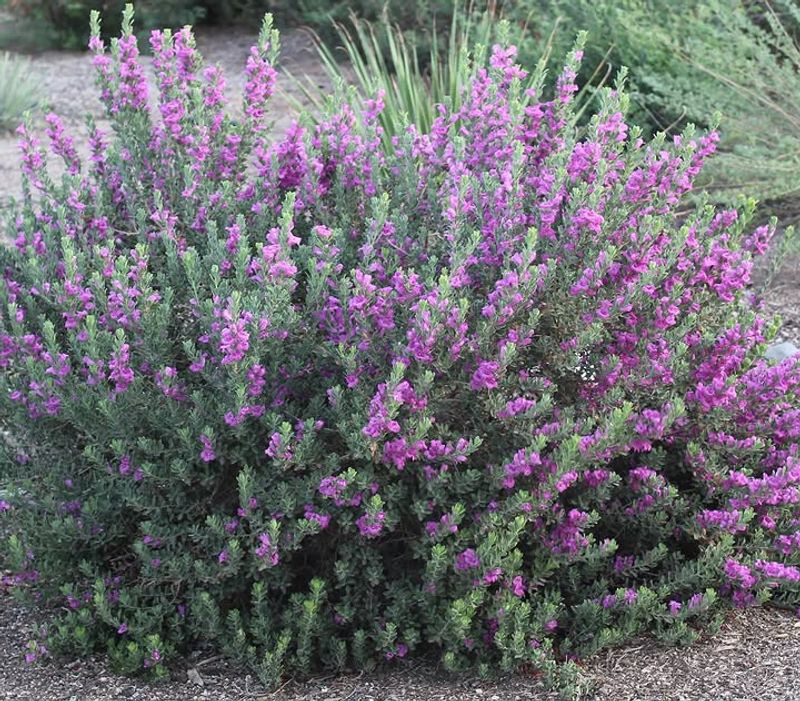
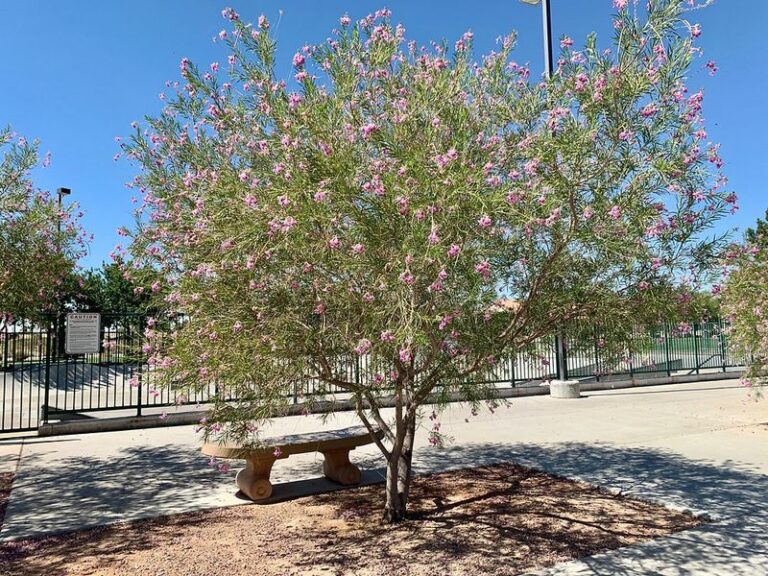
Texas sage, sometimes called purple sage or cenizo, is one of the most drought-tolerant shrubs you can plant in Arizona, and it earns that status by thriving in conditions most plants would struggle with.
Fertilizing it past late April is one of the more common mistakes Arizona gardeners make, often with the best intentions.
Extra nutrients push Texas sage into rapid growth that does not match the plant’s natural pace. Shrubs that have been over-fed tend to develop a looser, less structured shape and can become more vulnerable when summer heat and dry winds arrive.
The silvery, waxy coating on Texas sage leaves is part of what helps it reflect heat, and that characteristic develops best when the plant is not being artificially stimulated into fast growth.
Bloom timing is another consideration. Texas sage is famous for blooming after monsoon rains, and that cycle is tied to soil conditions and moisture stress.
Fertilizing in late spring can interfere with that natural rhythm, sometimes resulting in a plant that pushes foliage instead of waiting for the moisture cue that triggers its signature purple flower display.
In Arizona’s landscape, Texas sage is best treated as a plant that handles itself. Rich soil and frequent fertilizing actually reduce its long-term performance in this climate.
Stop feeding by late April at the absolute latest, ease back on watering as heat builds, and let the plant do what it was built to do. When the monsoons arrive, the blooms usually follow.