10 Gorgeous Plants You Can Easily Propagate From Cuttings In Florida
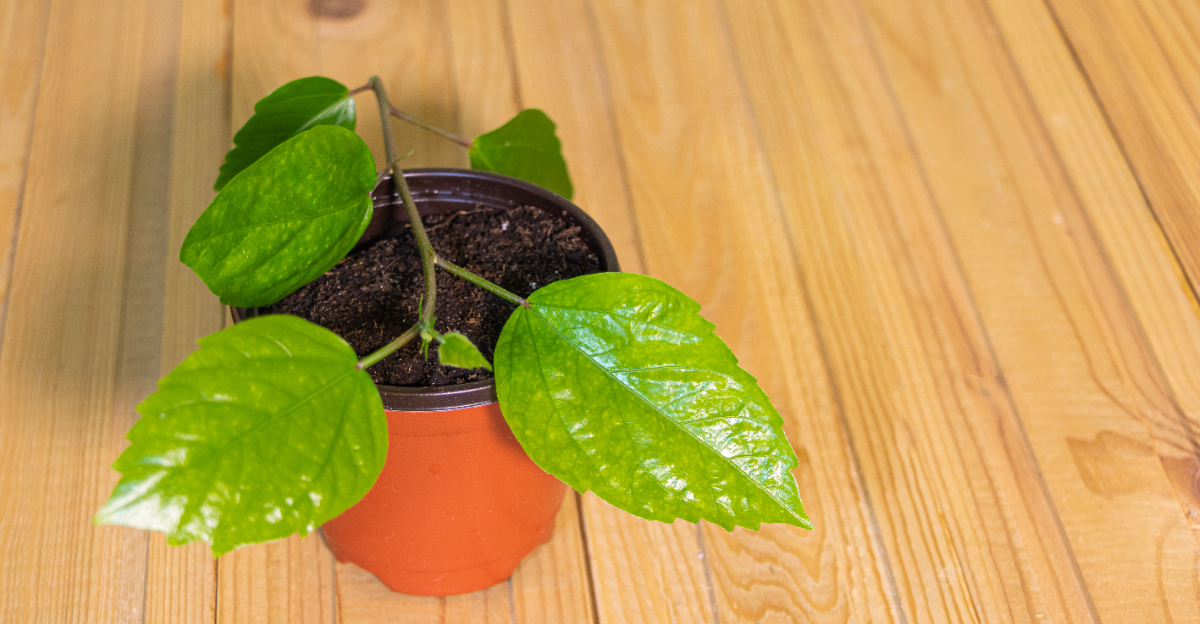
You do not need a greenhouse or a big budget to fill your Florida yard with beautiful plants. Some of the most eye-catching favorites can be multiplied right at home with nothing more than a few simple cuttings.
It almost feels like a shortcut once you see how quickly new growth takes off in Florida’s warm, humid air. Many plants root faster here than people expect, especially during the long growing season when warmth and moisture stay consistent.
A single healthy plant can turn into several in just a few weeks, which makes it easy to expand beds, refresh containers, or share with neighbors. The real appeal is how reliable the process can be once you choose the right plants.
These are the ones that root readily, grow strong, and reward even first-time gardeners with real results.
1. Firebush Thrives From Cuttings In Florida Heat
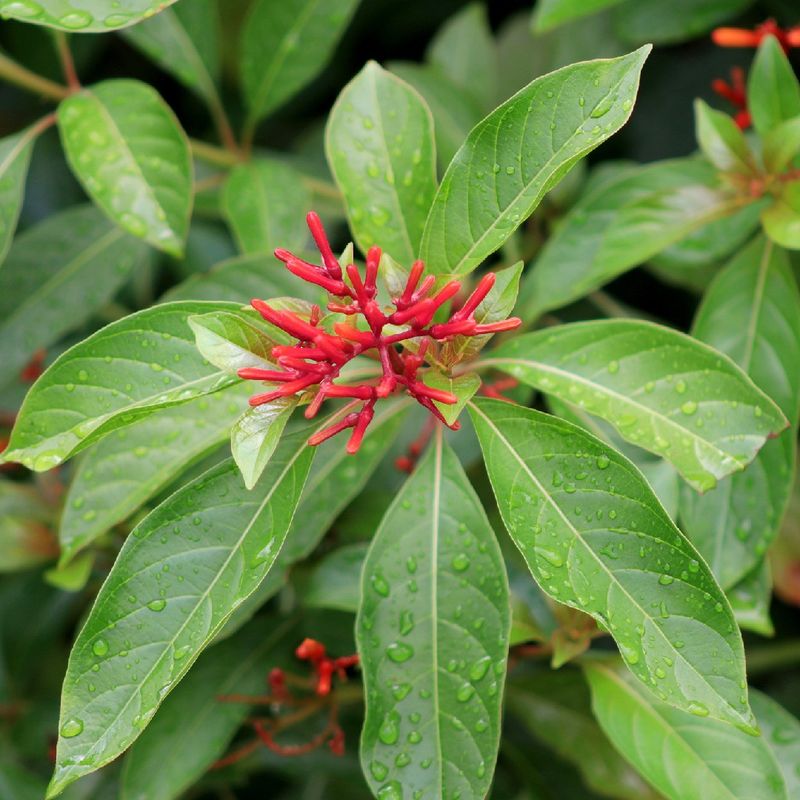
Few plants light up a Florida yard quite like firebush, with its clusters of flame-colored tubular flowers that seem to glow in the summer sun. It roots readily from softwood cuttings, making warm-season propagation almost effortless.
The best time to take cuttings is from late spring through early fall, when new growth is actively pushing out from the tips of healthy stems.
To get started, snip a 4- to 6-inch cutting just below a leaf node, remove the lower leaves, and place the cutting in moist potting mix or a well-draining rooting medium. Keeping it in a warm, bright spot without direct harsh sun helps the roots develop within two to four weeks.
According to UF/IFAS Extension, firebush is a Florida-friendly plant well suited to the state’s heat and occasional drought conditions.
Beyond being easy to propagate, firebush is a powerhouse for pollinators. Hummingbirds, butterflies, and bees are drawn to its blooms from summer well into fall.
Once established from a cutting, it grows into a full, rounded shrub that fits naturally into native-style landscapes. It handles Florida’s humidity without complaint and rarely needs much attention after it gets settled in.
2. Hibiscus Roots Well In Warm And Humid Conditions
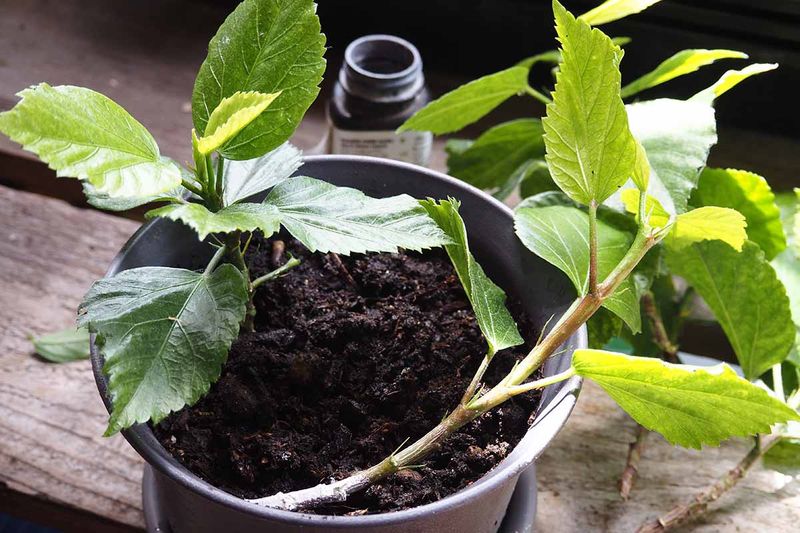
Hibiscus has long been a symbol of Florida’s tropical character, and the good news is that propagating it from cuttings is very achievable for home gardeners. Semi-hardwood cuttings work best for tropical hibiscus varieties, meaning you want stems that are not brand new and soft, but not fully woody either.
The sweet spot is a stem that has some firmness to it while still being flexible enough to bend slightly without snapping.
Late spring through midsummer is the ideal window for taking cuttings. Select a healthy stem about 4 to 6 inches long, strip the lower leaves, and dip the cut end in rooting hormone powder before placing it in a moist, well-draining mix.
Florida’s natural warmth and humidity genuinely help the rooting process along, reducing the need for a humidity dome that gardeners in cooler states often rely on.
Expect roots to develop within three to five weeks under good conditions. Keep the cutting out of strong midday sun while it establishes, and water consistently without letting the medium become waterlogged.
Your Florida Garden Changes Every Week. Your Plan Should Too.
Gardening in Florida changes quickly throughout the season. Every Friday you’ll receive a simple weekly plan showing exactly what to plant, prune, fertilize, harvest, and protect so you never miss the right timing.
Once rooted, hibiscus grows quickly and rewards you with large, showy blooms that can last for months in Florida’s long growing season.
3. Pentas Grow Quickly From Soft Stem Cuttings
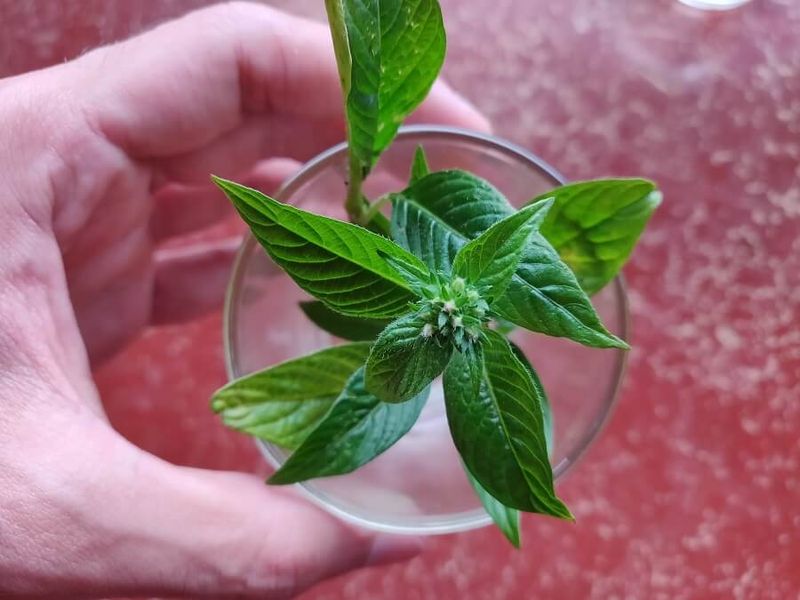
Walk through almost any Florida neighborhood in summer and you will likely spot pentas blooming in cheerful clusters of pink, red, white, or lavender. What many gardeners do not realize is that these colorful stars are incredibly easy to multiply from soft stem cuttings.
Pentas is genuinely one of the most beginner-friendly plants you can propagate, requiring very little special equipment or experience to succeed.
Take a 3- to 4-inch cutting from a healthy, non-flowering stem tip. Remove the leaves from the bottom half and place the cutting in moist potting soil or a lightweight seed-starting mix.
Florida’s warm temperatures accelerate the rooting process noticeably, with roots often forming in as little as two to three weeks when daytime temperatures are consistently above 70 degrees Fahrenheit.
Consistent moisture is key during the early rooting phase. The soil should feel damp but never soggy, and placing the cutting in bright indirect light gives it the energy it needs without stressing the tender stem.
Once you see new leaf growth emerging from the top, that is a reliable sign that roots have formed below. Pentas transplants well and blooms quickly after establishment, making it a satisfying and fast reward for your propagation effort.
4. Coleus Creates Fast Color From Almost Any Cutting
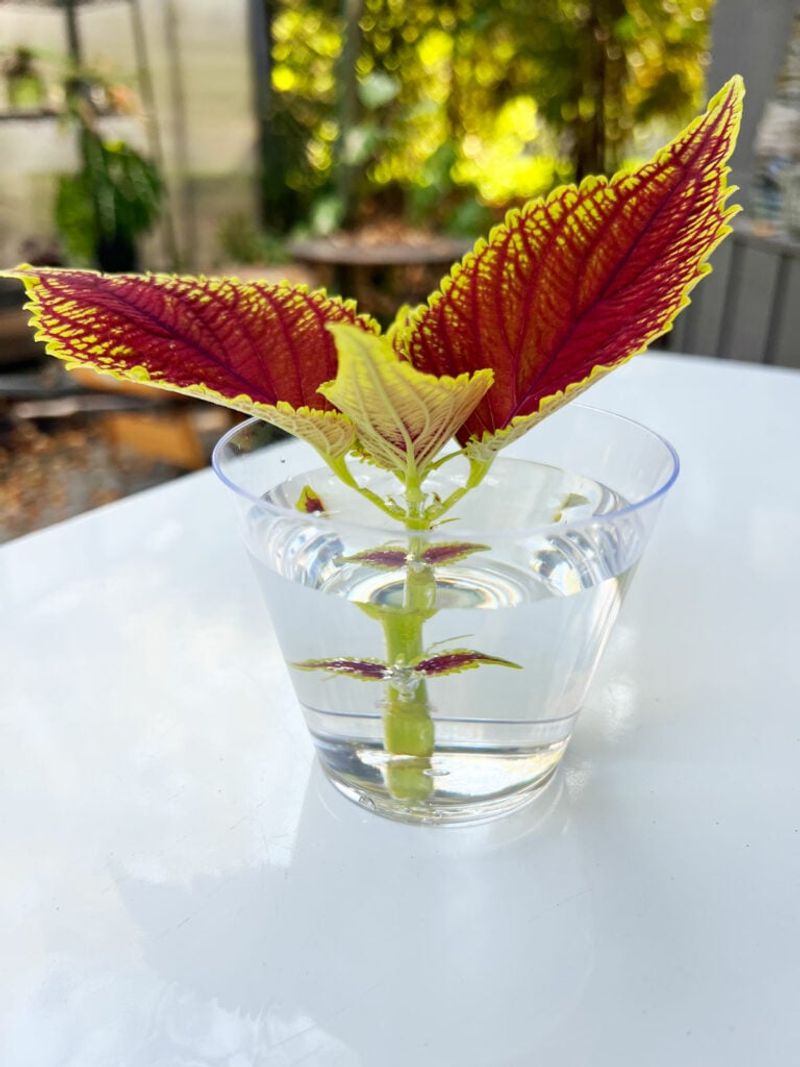
Coleus might just be the most forgiving plant you will ever try to propagate. Gardeners joke that you can practically look at a coleus stem and it will start growing roots, and honestly, that is not too far from the truth.
The variety of leaf colors and patterns available in Florida nurseries is staggering, from deep burgundy to lime green to wild splashes of pink and orange.
Propagating coleus is straightforward enough for children to try. Snip a 3- to 4-inch stem just below a leaf node, strip the lower leaves, and place it in a glass of water on a bright windowsill.
Roots appear within a week or two in warm conditions, and you can watch the whole process happen right through the glass. Alternatively, you can stick cuttings directly into moist potting soil with very reliable results.
One of the best things about coleus is how quickly a rooted cutting fills out into a bushy, full plant. Florida’s warm, humid summers supercharge its growth rate, and a single cutting can become a lush specimen within a few weeks.
Pinching back the growing tips encourages a fuller shape and delays flowering, which helps the plant maintain its vivid foliage color throughout the season.
5. Duranta Establishes Well From Healthy Stem Cuttings
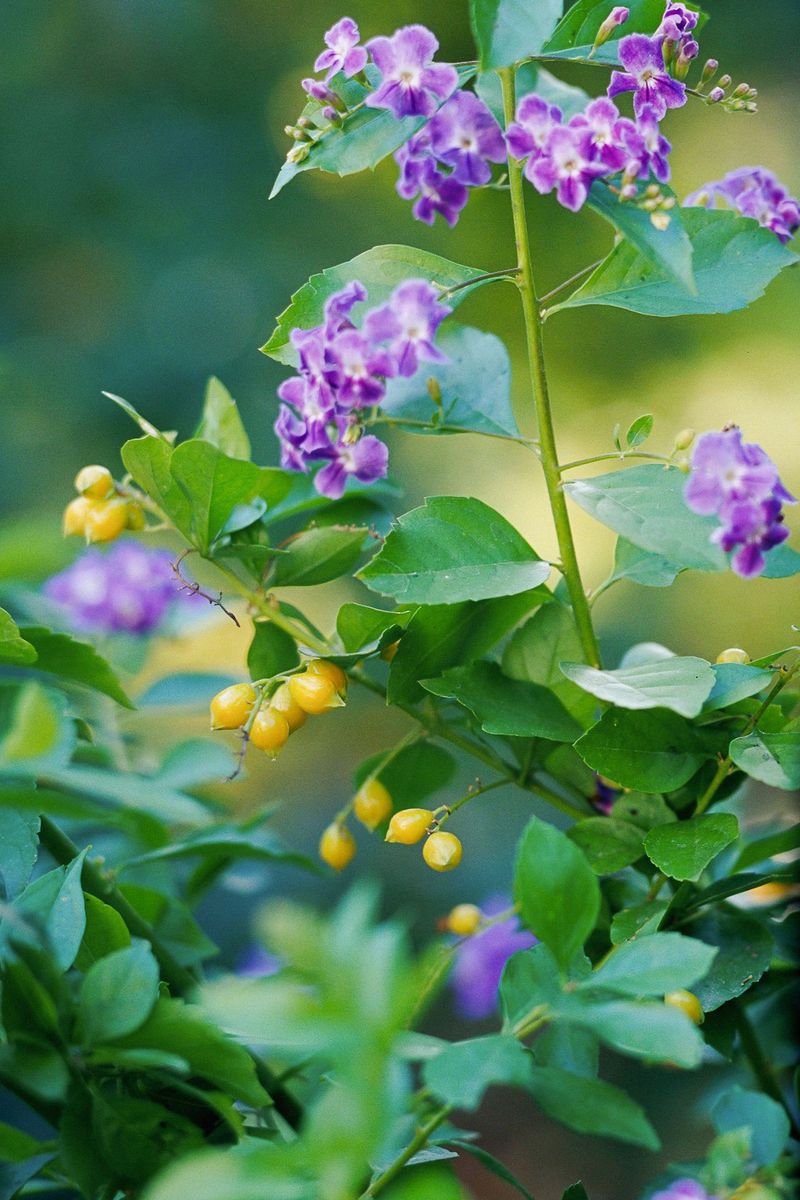
Duranta has a reputation as one of Florida’s most reliable landscape shrubs, and its ability to root from stem cuttings makes it even more appealing to gardeners who want to fill a fence line or create a flowering hedge without a big investment. The plant produces cascading clusters of small purple or white flowers followed by bright golden berries that birds absolutely love.
Softwood cuttings taken from the tips of actively growing stems work best. Choose stems that are healthy, free from pest damage, and show fresh new growth at the tip.
A cutting of about 4 to 6 inches is ideal. Remove the lower leaves, apply rooting hormone to the cut end, and insert it into a container filled with a moist mix of perlite and potting soil.
Duranta roots relatively quickly in Florida’s warm climate, typically within three to six weeks. Keeping the cutting in a warm spot with bright, indirect light and maintaining consistent soil moisture without overwatering gives it the best chance of success.
Once rooted and transplanted into the landscape, duranta grows vigorously and can reach several feet in height within a single growing season. It works beautifully as a specimen shrub or a dense, flowering hedge along property borders.
6. Blue Daze Spreads Easily From Simple Cuttings
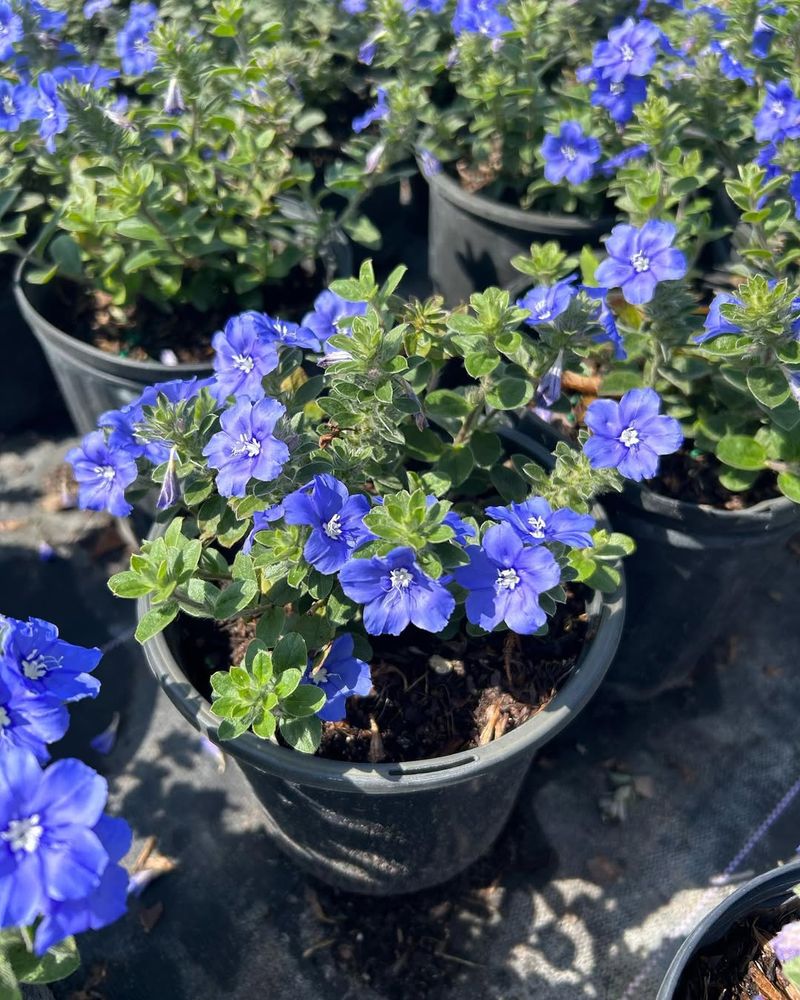
There is something quietly beautiful about blue daze. Its small, sky-blue flowers open fresh every morning and close by afternoon, creating a gentle daily rhythm in the garden.
As a low-growing groundcover, it spreads outward in a soft mounding pattern that softens borders and fills bare spots with color from spring through fall in Florida’s warm climate.
Propagating blue daze from cuttings is refreshingly simple. Take a 3- to 4-inch stem cutting, remove the lower leaves, and place it in moist, well-draining potting mix.
Florida’s heat does most of the work for you. Roots tend to form within two to three weeks when temperatures are warm and the cutting receives bright but indirect light during the initial rooting phase.
Blue daze performs best in full sun once established, and it handles Florida’s heat and humidity with ease. It is drought-tolerant after rooting, making it a practical choice for low-maintenance landscaping.
A single parent plant can produce many cuttings throughout the growing season, allowing you to cover a large area quickly and affordably. Because it stays low to the ground, it pairs well with taller plants and creates a layered look in mixed garden beds without competing for visual attention.
7. Angelonia Grows Readily From Fresh Cuttings
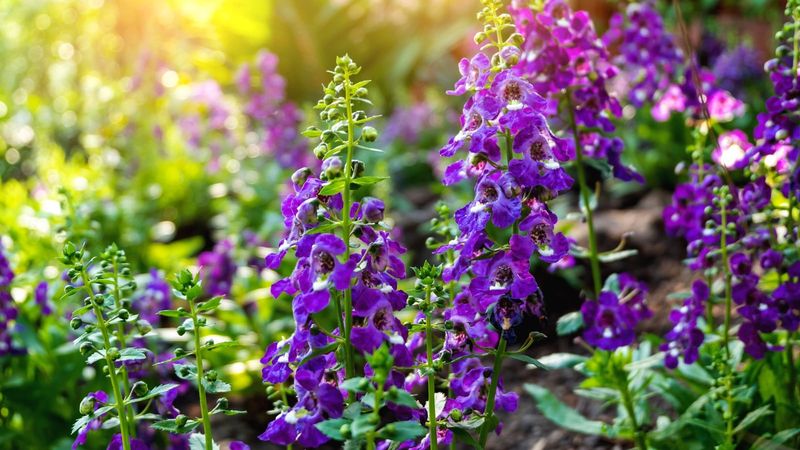
Angelonia is sometimes called the summer snapdragon, and once you see it thriving in a Florida garden through the hottest months of the year, the nickname makes perfect sense. Commercial nurseries routinely propagate angelonia from cuttings rather than seed because the process is reliable and produces plants that bloom quickly.
Home gardeners can use the same approach with great results.
Take a fresh 3- to 4-inch tip cutting from a healthy, actively growing stem. Remove the lower leaves and any flower buds to direct the plant’s energy toward root development rather than blooming.
Insert the cutting into a well-draining rooting medium such as perlite, coarse sand, or a quality seed-starting mix. Keep the medium consistently moist and place the cutting in a warm location with bright, indirect light.
Roots typically develop within two to four weeks under Florida’s warm conditions. Well-drained soil is important for angelonia at every stage, as it does not tolerate soggy roots.
Once transplanted into a sunny garden bed, it grows upright and produces spikes of small orchid-like flowers in shades of purple, pink, white, and bicolor. Angelonia is heat-tolerant, relatively pest-resistant, and blooms continuously through Florida’s long summers without much fuss from the gardener.
8. Pothos Roots Quickly In Water With Almost No Effort
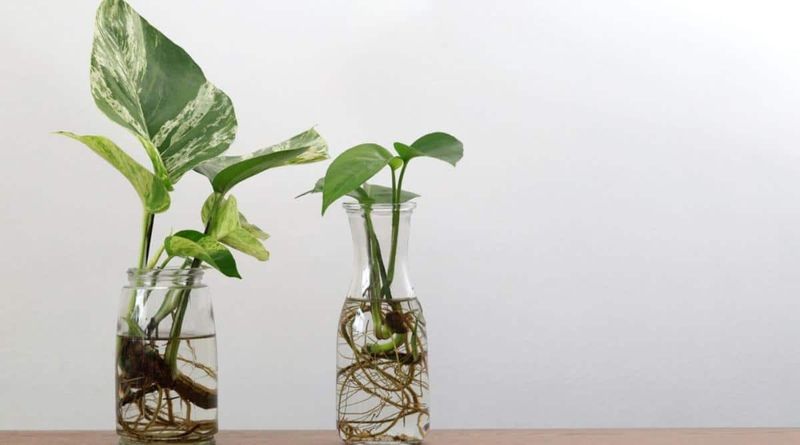
If you have ever placed a pothos cutting in a jar of water and forgotten about it for a week, you already know what happens next. Roots appear almost like magic, creeping out from the nodes along the stem and reaching down into the water with surprising speed.
Pothos is widely considered one of the easiest plants to propagate on the planet, and it lives up to that reputation completely.
To propagate pothos, cut a stem just below a node, which is the small bump along the stem where a leaf attaches. Remove any leaves that would sit below the waterline to prevent rot, and place the cutting in a clean jar or glass of water in a spot with moderate or low light.
Bright indirect light works well too, but pothos is famously adaptable and roots successfully even in lower light conditions that most plants would struggle in.
Roots are usually visible within one to two weeks, and the cutting can be transferred to potting soil once roots reach an inch or two in length. Pothos is equally at home in a hanging basket, on a shelf, or trailing from a bookcase.
For Florida residents who want a low-maintenance indoor plant that practically propagates itself, pothos is the obvious starting point.
9. Heartleaf Philodendron Grows Fast From Simple Cuttings
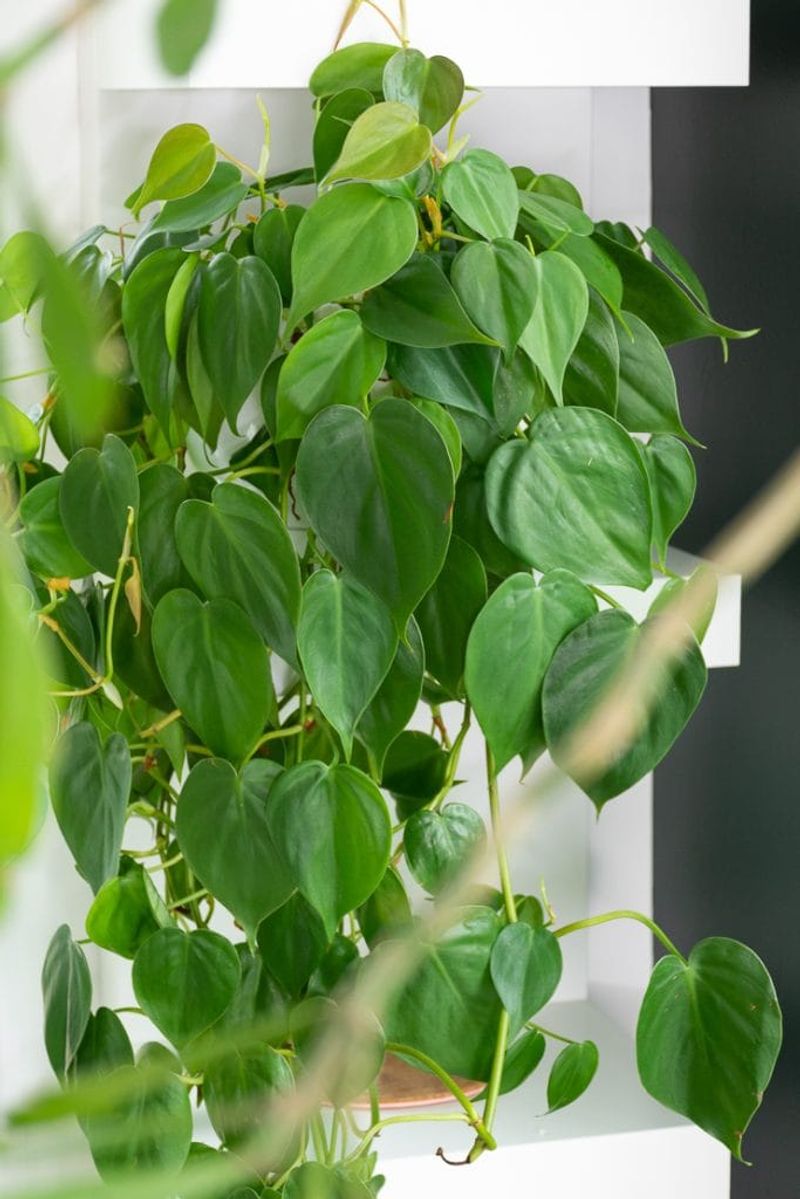
Few houseplants are as cheerful or as easy to share with friends as the heartleaf philodendron. Its glossy, deep green, heart-shaped leaves trail gracefully from pots and shelves, and it adapts to a wide range of indoor light conditions without complaint.
Propagating it requires almost no special knowledge, just a healthy stem, a sharp pair of scissors, and a little patience.
Node-based cuttings are the key to success. Each cutting needs at least one node, the small bump or joint along the stem where roots will eventually emerge.
Cut just below a node, leaving one or two leaves above it, and place the cutting in water or moist potting mix. Roots develop quickly, often within one to two weeks in water, making it easy to monitor progress before transplanting to soil.
Growth after rooting is impressively fast. A rooted cutting can produce several new leaves within weeks once it is settled into a pot with fresh potting mix.
Heartleaf philodendron prefers bright to medium indirect light indoors and appreciates consistent watering without sitting in standing water. For Florida residents who enjoy indoor gardening alongside their outdoor spaces, this plant offers a satisfying and nearly foolproof propagation experience that builds confidence for tackling more challenging plants later on.
10. Tradescantia Roots In Days And Fills Out Fast
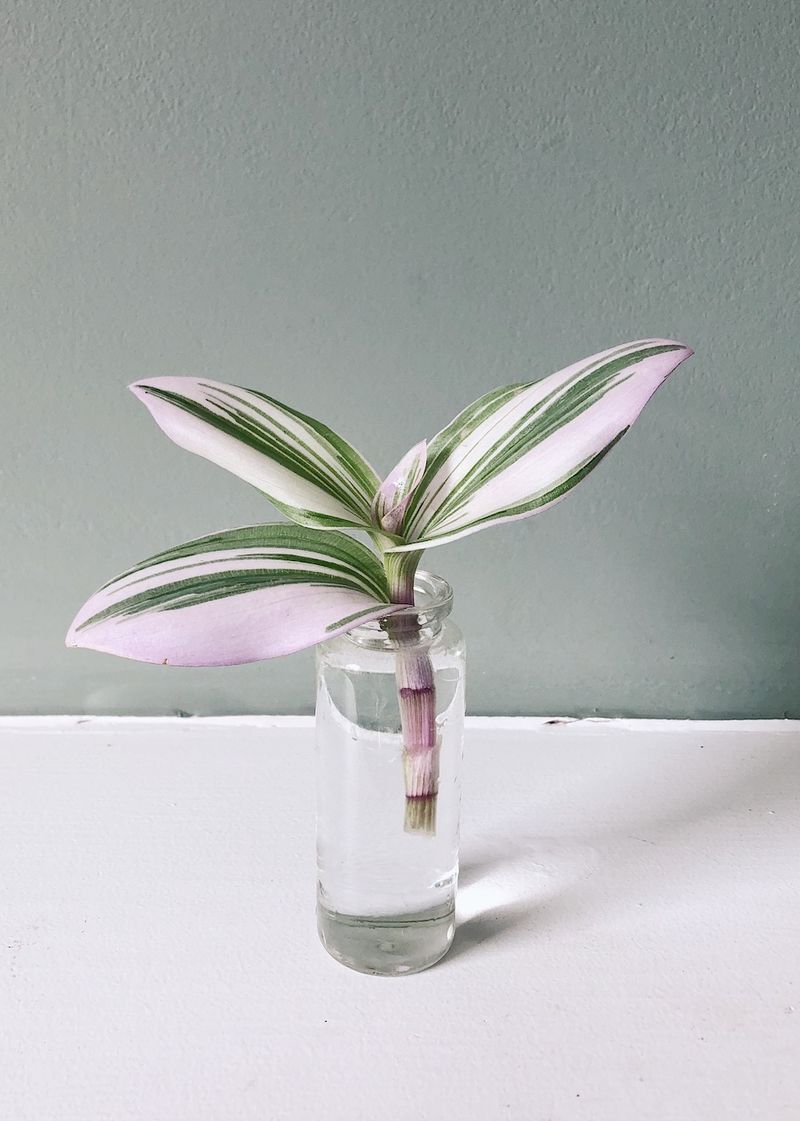
Speed is one of tradescantia’s most impressive qualities. Drop a few stems into a glass of water and roots can appear within three to five days, making it one of the fastest-rooting plants available to home gardeners.
Also known as spiderwort or inch plant, tradescantia comes in a range of striking leaf colors including deep purple, green and white stripes, and rich burgundy tones that add instant visual interest indoors.
Propagating tradescantia requires almost no preparation. Snip a 3- to 4-inch stem, remove the lower leaves, and place it in water or directly into moist potting soil.
Either method works reliably well. Because it roots so quickly and begins producing new growth almost immediately, tradescantia is an excellent choice for first-time propagators who want a fast confidence boost before moving on to slower or more demanding plants.
Once rooted and potted up, tradescantia fills out rapidly with trailing stems that cascade attractively from hanging baskets or shelf edges. Pinching back the tips regularly keeps the plant full and bushy rather than leggy.
It thrives in bright indirect light indoors and tolerates moderate light reasonably well. For Florida gardeners who want a low-effort, high-reward indoor plant that practically multiplies itself, tradescantia delivers quick and colorful results every single time.