5 Florida Shrubs To Fertilize In April And 3 To Skip For Now
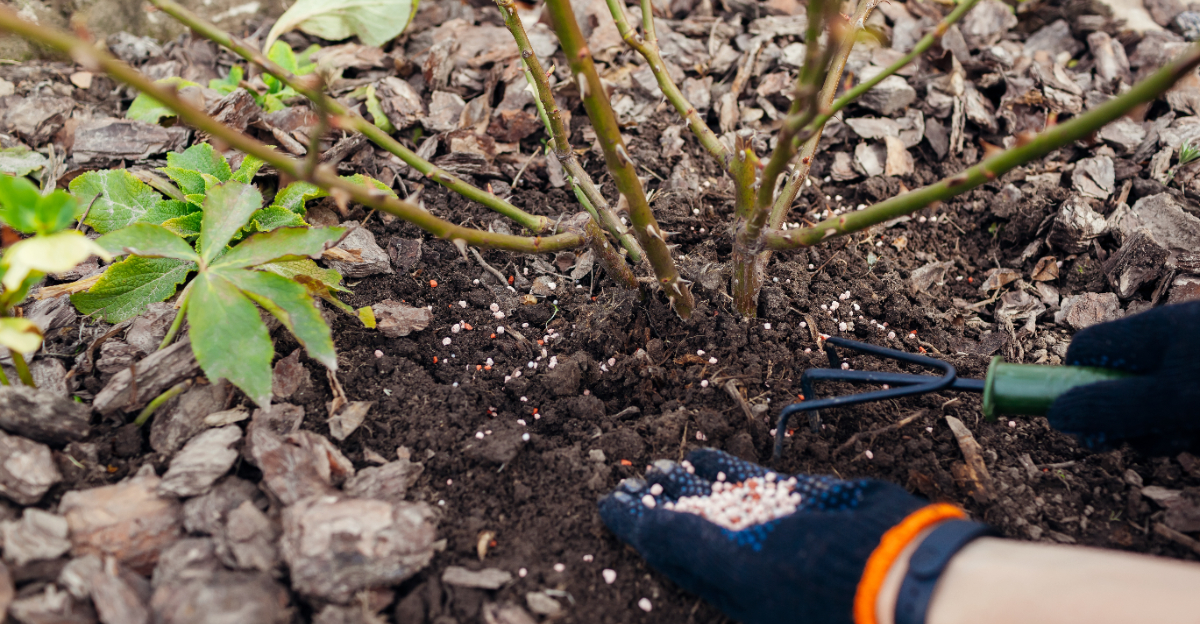
April in Florida feels like the perfect time to give every shrub a boost, but that instinct can backfire fast. Some plants respond with fresh growth and stronger blooms, while others struggle when fed at the wrong moment.
A quick round of fertilizer can push tender growth just as heat builds, leaving certain shrubs stressed instead of thriving. Florida’s long growing season and early warmth change the timing compared to other regions.
What works in cooler states does not always translate here, especially with sandy soils that move nutrients quickly.
Knowing which shrubs are ready to use that extra nutrition makes a noticeable difference in how they handle the months ahead.
The key is not feeding everything at once. A few shrubs benefit from April fertilizing, while others are better left alone for now.
1. Azaleas Benefit From A Light Feeding Right After Bloom
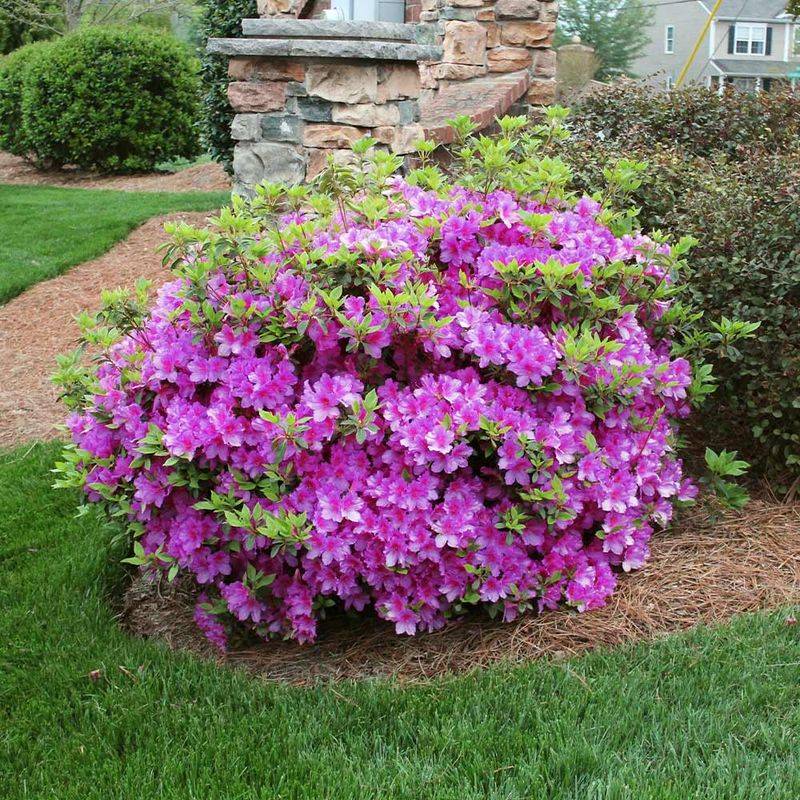
Walking past an azalea just as the last petals drop is actually perfect timing for reaching for the fertilizer bag. In Florida, azaleas typically bloom anywhere from late February through early April, with North Florida running later and South Florida finishing up sooner.
Right after those blooms fade is the ideal window to give them a light feeding.
Fertilizing at this stage supports the fresh growth that follows flowering and helps the plant build energy for next season’s buds. Use a fertilizer formulated for acid-loving plants, such as one labeled for azaleas or camellias, since these shrubs prefer a lower soil pH.
A light application is key here. Piling on too much fertilizer can push excessive leafy growth while reducing the plant’s ability to set flower buds for next year.
Pruning also happens right after bloom, and fertilizing around the same time works well together. If you wait too long into late spring or summer, you risk interfering with bud development for the following season.
UF/IFAS Extension recommends avoiding heavy fertilizer applications and sticking to moderate, well-timed feedings based on your specific region of Florida.
2. Camellias Respond Well To Spring Nutrients As Growth Picks Up
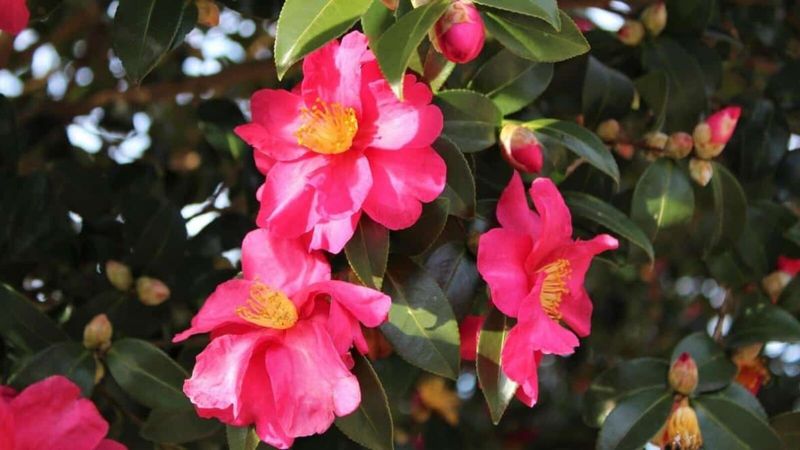
Few flowering shrubs have the kind of devoted following that camellias do in the South. These plants bloom through winter and into early spring, and once those flowers are finished, the plant shifts its energy toward producing new foliage and preparing for the next bloom cycle.
That transition is exactly when a spring feeding does the most good.
In South Florida, camellia bloom season can wrap up earlier, meaning April feeding may come slightly after the ideal window. In North and Central Florida, April often aligns well with the end of bloom and the start of new growth.
A fertilizer designed for acid-loving plants works best here too, since camellias share similar soil pH preferences with azaleas.
One thing worth paying attention to is avoiding late-season fertilization that pushes tender new growth too close to summer heat stress. Camellias are more sensitive to heat than many Florida gardeners realize, and soft new growth produced late in spring can struggle once temperatures climb.
Your Florida Garden Changes Every Week. Your Plan Should Too.
Gardening in Florida changes quickly throughout the season. Every Friday you’ll receive a simple weekly plan showing exactly what to plant, prune, fertilize, harvest, and protect so you never miss the right timing.
Keeping feeding moderate and well-timed helps the plant build strong, mature foliage rather than pushing out growth it cannot support through the hottest months.
3. Roses Need Regular Feeding To Support Continuous Blooms
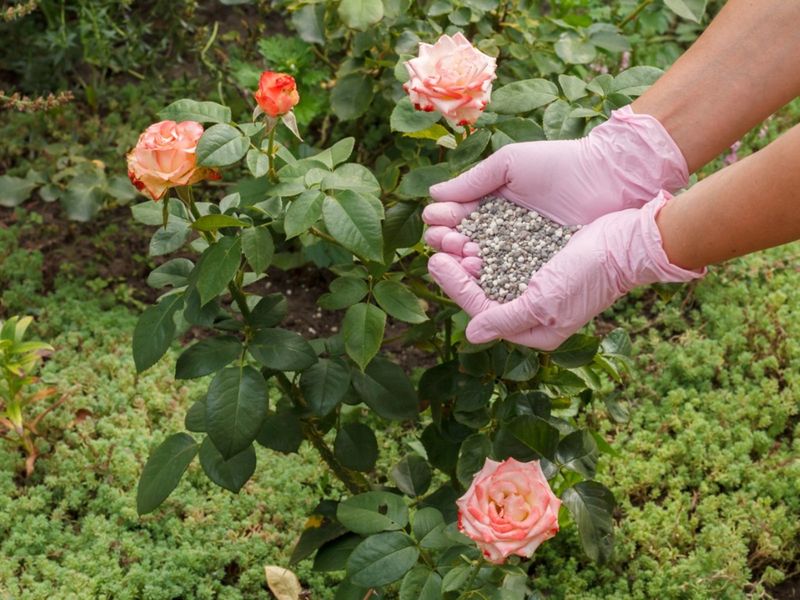
Roses in Florida have a reputation for being demanding, and honestly, that reputation is earned. Unlike in cooler climates where roses get a single big spring push, Florida roses can bloom repeatedly across multiple seasons, and that kind of ongoing performance requires consistent fuel.
April falls squarely within the regular feeding window across most of the state.
In South Florida, roses may already be mid-season by April since the growing season starts earlier. In North Florida, April marks the beginning of a more active growth phase, and feeding helps support that early momentum.
A balanced rose fertilizer, such as a 6-6-6 formula or one specifically labeled for roses, provides the right mix of nutrients without overwhelming the plant.
Consistent, moderate feeding is far more effective than heavy, infrequent applications. Overloading roses with fertilizer at once can stress the root system and lead to soft, weak growth that is more vulnerable to pests and fungal issues, which are common in Florida’s humid climate.
Applying fertilizer every four to six weeks during active growth, following label directions, gives roses the steady support they need to keep producing blooms through the season.
4. Hibiscus Push Stronger Growth With A Spring Feeding Boost
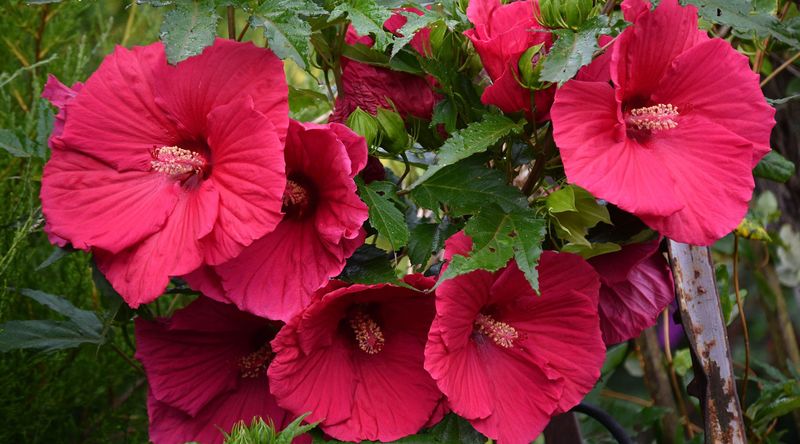
There is something almost theatrical about a tropical hibiscus in full bloom. The flowers are huge, the colors are bold, and when the plant is happy, it puts on a show that is hard to ignore.
Getting that kind of performance in spring starts with understanding when to resume feeding after the slower winter months.
Tropical hibiscus begins ramping up its growth as temperatures warm in spring, making April a good time to start regular fertilizing across much of Florida. South Florida gardeners may begin a little earlier since warming happens sooner there, while those in North Florida should wait until nighttime temperatures are consistently staying above 50 degrees before pushing growth with fertilizer.
A balanced fertilizer with moderate potassium works well for hibiscus, and some gardeners prefer formulas with a higher potassium ratio to encourage more flowering rather than just leafy growth. Overfertilizing, especially with high-nitrogen products, can actually reduce flower production by pushing the plant to focus on leaves instead of blooms.
Applying fertilizer every four to six weeks during the growing season, rather than in large single doses, keeps growth steady and flower production strong through summer.
5. Loropetalum Benefits From A Light Post Bloom Fertilizer
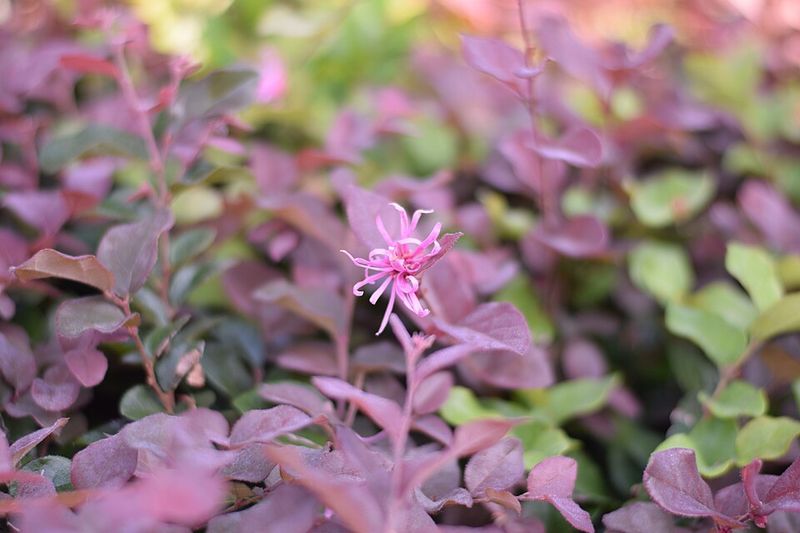
Loropetalum has become one of the most popular landscape shrubs in Florida over the past couple of decades, and it is easy to see why. The deep burgundy foliage and soft fringe-like flowers make it a standout in any yard.
Spring is when this plant transitions out of its bloom period and starts pushing fresh new growth, which makes timing a post-bloom fertilizer application worth thinking about carefully.
Flowering typically occurs in late winter to early spring, and the timing can shift slightly depending on whether you are in North, Central, or South Florida. Once blooms have faded and new leaves are beginning to emerge, a light feeding helps support that growth without overloading the plant.
A general slow-release shrub fertilizer works well and reduces the risk of pushing too much growth too fast.
Heavy fertilization is actually counterproductive with loropetalum. Excessive nutrients tend to produce an abundance of leafy growth that can throw off the plant’s natural shape and require more frequent pruning to manage.
Keeping applications light and infrequent, following product label directions, maintains the plant’s attractive compact form while still giving it the nutritional support it needs to stay healthy and vibrant through the growing season.
6. Gardenias Follow A Different Feeding Schedule In Florida
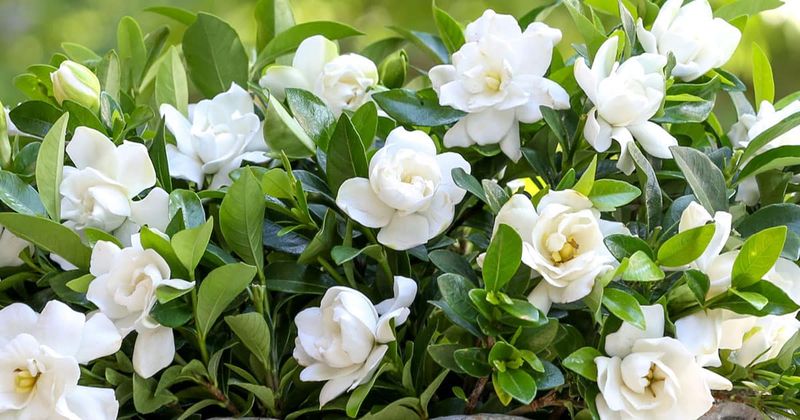
Gardenias are one of those plants that smell absolutely incredible but can be surprisingly particular about their care. In Florida, they are well-loved in home landscapes, but they have a reputation for being a little fussy, especially when it comes to fertilizing.
April is not always the universal sweet spot for feeding gardenias across the state.
In South Florida, gardenias often benefit from earlier spring feeding, sometimes as soon as February or March, because the growing season starts sooner. In North Florida, slightly later timing may be more appropriate as the plant comes out of its cooler-season slowdown.
Feeding too early when the plant is not yet actively growing, or too late when heat stress is setting in, can both lead to poor results.
Gardenias are also sensitive to nutrient imbalances, particularly iron and magnesium deficiencies, which show up as yellowing leaves with green veins. A fertilizer formulated for acid-loving plants helps maintain the right soil chemistry for proper nutrient absorption.
Soil pH matters a great deal here, and getting a soil test before fertilizing is a smart move. UF/IFAS Extension recommends testing soil every couple of years to stay ahead of any deficiencies before they become visible problems.
7. Oleander Thrives Without Frequent Fertilizing
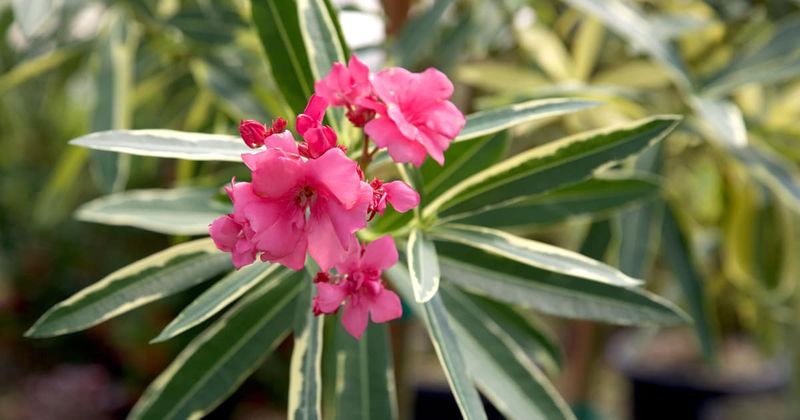
Oleander is one of the toughest shrubs you will find growing in Florida landscapes. It handles heat, tolerates drought, grows in sandy and poor soils, and still manages to produce clusters of bright flowers season after season.
That kind of resilience comes partly from the fact that oleander does not need much help from a fertilizer bag.
Overfeeding oleander can actually work against you. High-nitrogen fertilizers in particular tend to push rapid, soft leafy growth that looks lush at first but is weaker structurally and more attractive to pest insects.
The plant ends up requiring more maintenance without gaining much in terms of flower production or overall health. Oleander is genuinely built to thrive in low-nutrient conditions.
If an oleander is planted in extremely poor or sandy soil and shows signs of slow growth or pale foliage, a very light application of a general slow-release fertilizer can be considered. However, most established oleanders in Florida landscapes do not need regular feeding at all.
Skipping the April fertilizer routine for this shrub is not neglect; it is actually the smarter, lower-maintenance choice. Focusing on proper watering during dry spells and occasional pruning for shape is usually all the care oleander really needs.
8. Indian Hawthorn Needs Very Little Feeding Once Established
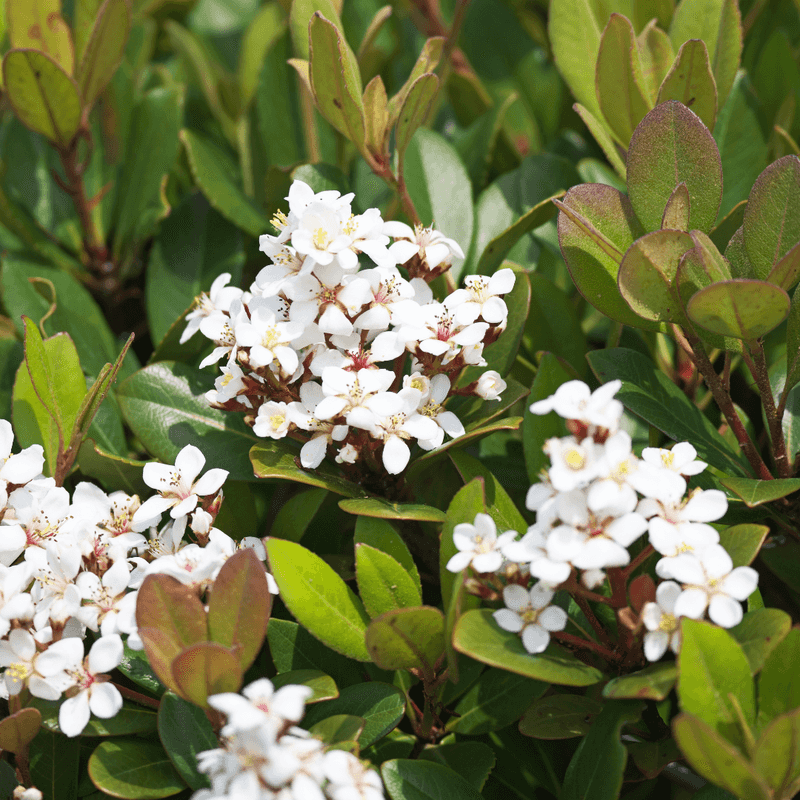
Indian hawthorn is a reliable workhorse in Florida landscapes. It stays compact, produces pretty spring flowers, tolerates heat and salt spray, and generally asks for very little in return.
Once it has been in the ground for a full growing season and established a healthy root system, fertilizing becomes something you can largely step back from.
Excessive fertilizing of Indian hawthorn can actually create problems rather than solving them. Heavy nitrogen applications push rapid, lush growth that is more susceptible to Entomosporium leaf spot, a fungal disease that is already a common challenge for this plant in Florida’s humid climate.
Keeping fertilizer applications minimal reduces that risk and helps the plant maintain its naturally tidy shape without requiring constant pruning to manage overgrowth.
If a newly planted Indian hawthorn needs a little support during its first year, a light application of a slow-release shrub fertilizer can help it get established. After that, most plants in average Florida landscape conditions do not need regular feeding.
Good mulching, proper irrigation, and well-draining soil go much further toward keeping Indian hawthorn healthy than any fertilizer program. April is a fine month to simply enjoy watching this shrub bloom and hold off on the fertilizer altogether.