Flowers Ohio Gardeners Should Fertilize In April For Better Blooms
There’s a familiar moment every April in Ohio when everything seems to wake up at once. Lawns green up, perennials push new growth, and flower buds start forming faster than expected.
It’s also when many gardeners reach for fertilizer, hoping to give everything a strong start.
But not every plant needs that boost right away. In fact, feeding the wrong flowers too early can lead to weak growth or fewer blooms later on.
Timing matters more than most people think, especially with Ohio’s cool soil and unpredictable spring weather.
A well-timed feeding can make a noticeable difference in how your garden looks heading into late spring. The flowers ahead are the ones that truly benefit from April fertilizing and respond with stronger, healthier blooms.
1. Roses Pushing Out Bigger, Fuller Blooms
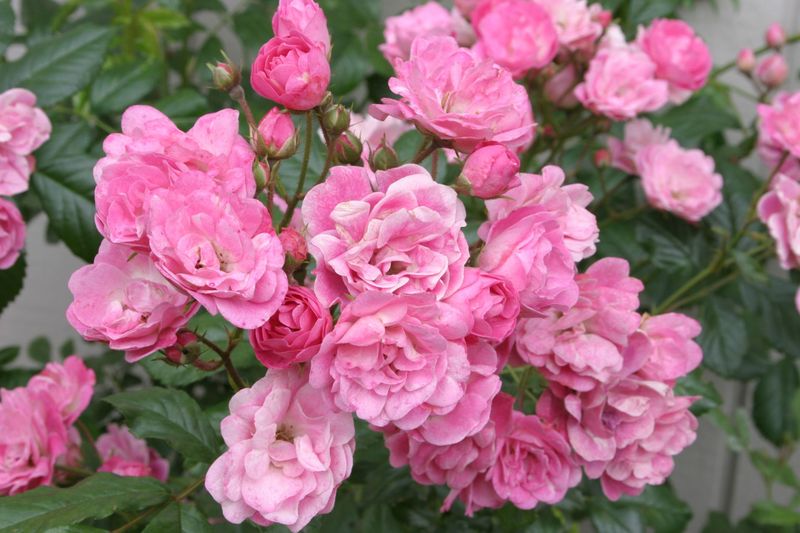
Few flowers command attention quite like a rose in full bloom. In Ohio, April is the sweet spot for getting your rose bushes off to a strong start.
As new growth begins to push out from the canes, your plants are hungry for nutrients that will fuel weeks of spectacular flowering. Applying a balanced fertilizer, such as a 10-10-10 formula, right when you see those first red or green shoots emerging gives your roses the nitrogen, phosphorus, and potassium they need.
Nitrogen supports leafy, green growth. Phosphorus strengthens roots and encourages bud formation, while potassium helps the whole plant stay resilient through Ohio’s unpredictable spring weather.
Granular slow-release fertilizers work especially well for roses because they feed the plant steadily over several weeks rather than all at once. Sprinkle the granules around the base of each plant, keeping them a few inches away from the main canes to avoid burning the stems.
Water thoroughly after applying so the nutrients can travel down to the root zone. Ohio gardeners should plan to fertilize roses again every four to six weeks through the growing season.
Avoid fertilizing too late in the summer, as this can encourage tender new growth that struggles when cooler fall temperatures arrive. With consistent April feeding, your rose garden can produce fuller blooms and stronger, healthier plants throughout much of the growing season.
2. Daylilies Powering Up For A Strong Summer Show
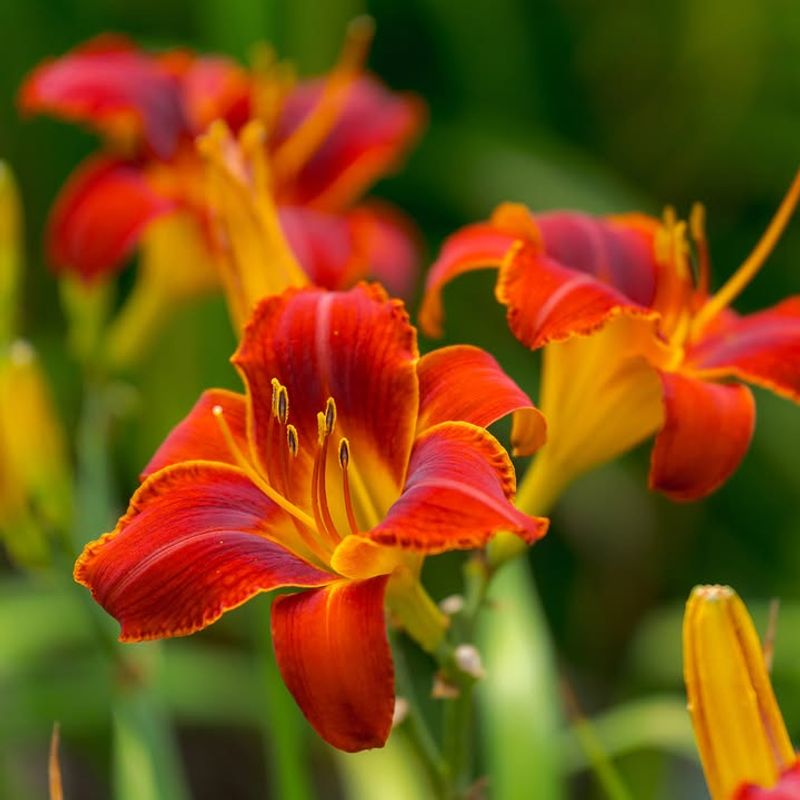
Daylilies are one of the hardest-working flowers in any Ohio garden. They come back year after year, spread reliably, and put on a show that lasts for weeks.
April is the perfect time to give them a nutritional head start before the real heat of summer arrives.
When you notice the fresh, grassy foliage beginning to push up from the ground, that is your signal to fertilize. A balanced fertilizer with equal parts nitrogen, phosphorus, and potassium works great for daylilies.
Some experienced Ohio gardeners prefer a fertilizer that is slightly higher in phosphorus to really encourage strong root development and abundant flowering later in the season.
Spread granular fertilizer evenly around each clump, staying a few inches away from the crown of the plant. Water well after application so nutrients soak into the soil where the roots can reach them.
Your Ohio Garden Changes Every Week. Your Plan Should Too.
Gardening in Ohio changes quickly throughout the season. Every Friday you’ll receive a simple weekly plan showing exactly what to plant, prune, fertilize, harvest, and protect so you never miss the right timing.
Avoid using too much nitrogen on daylilies, as this tends to produce lots of leafy growth at the expense of actual blooms.
One fun fact about daylilies is that each individual flower only lasts a single day, but a healthy, well-fed plant can produce dozens of buds over the course of the season. With a timely April fertilizer application in Ohio, you give each clump the energy it needs to set as many buds as possible.
The result is a longer, more colorful display that keeps your garden looking lively from midsummer through early fall.
3. Peonies Building Strength For Reliable Spring Flowers
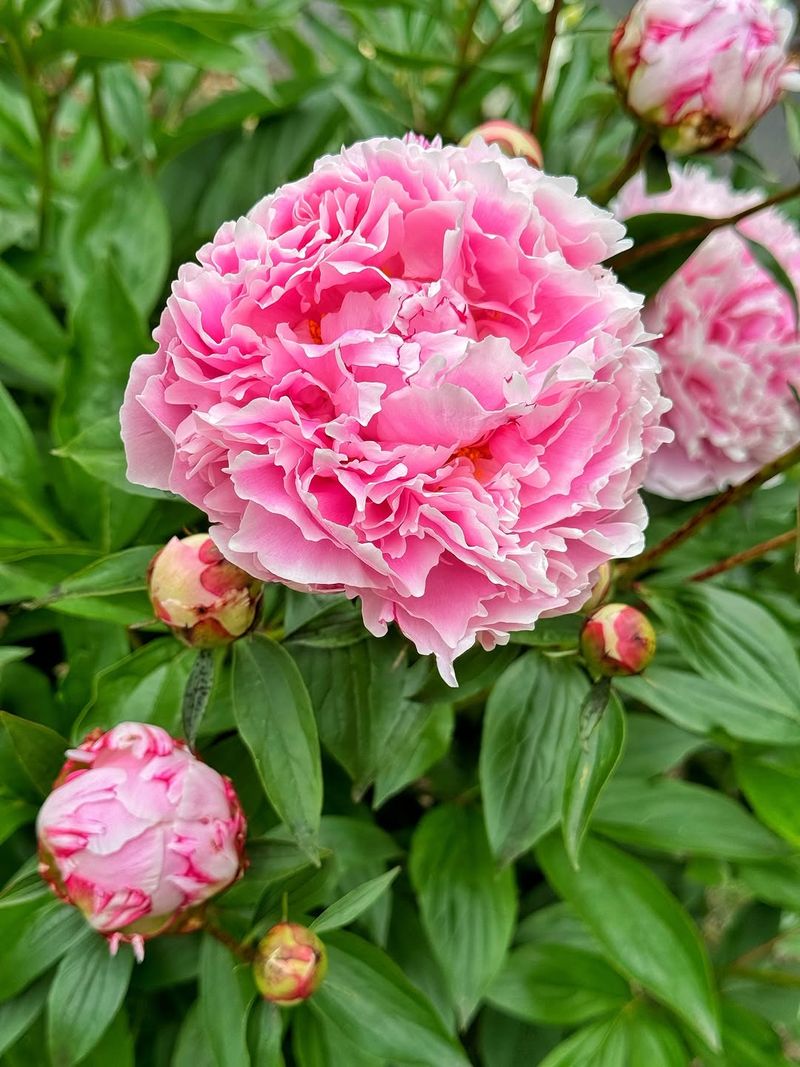
There is something almost magical about peonies. Their enormous, fragrant blooms feel like a reward for every chilly Ohio winter you have endured, and fertilizing them in April is one of the best ways to make sure that reward is as spectacular as possible.
Peonies benefit from light feeding, especially in soils that are low in nutrients, when growth is just getting started. In Ohio, April is ideal because the red or pink “eyes” of the peony are just beginning to push up through the soil.
At this stage, a low-nitrogen fertilizer works best. Too much nitrogen pushes leafy growth but actually reduces the number and quality of blooms.
Look for a fertilizer labeled for flowering plants or bulbs, something with a higher middle number on the label, which indicates more phosphorus. Phosphorus is the key nutrient for strong root systems and generous flowering.
Work the fertilizer gently into the soil around the plant, being careful not to disturb those emerging shoots, then water well.
Ohio gardeners should know that peonies are long-lived perennials that can thrive in the same spot for decades when they are cared for properly. Feeding them in early spring sets the tone for the entire growing season.
Avoid planting or fertilizing peonies too deeply, as this is one of the most common reasons they fail to bloom. Keep the eyes no more than one to two inches below the soil surface for best results.
4. Coneflowers Boosting Sturdy Growth And Color
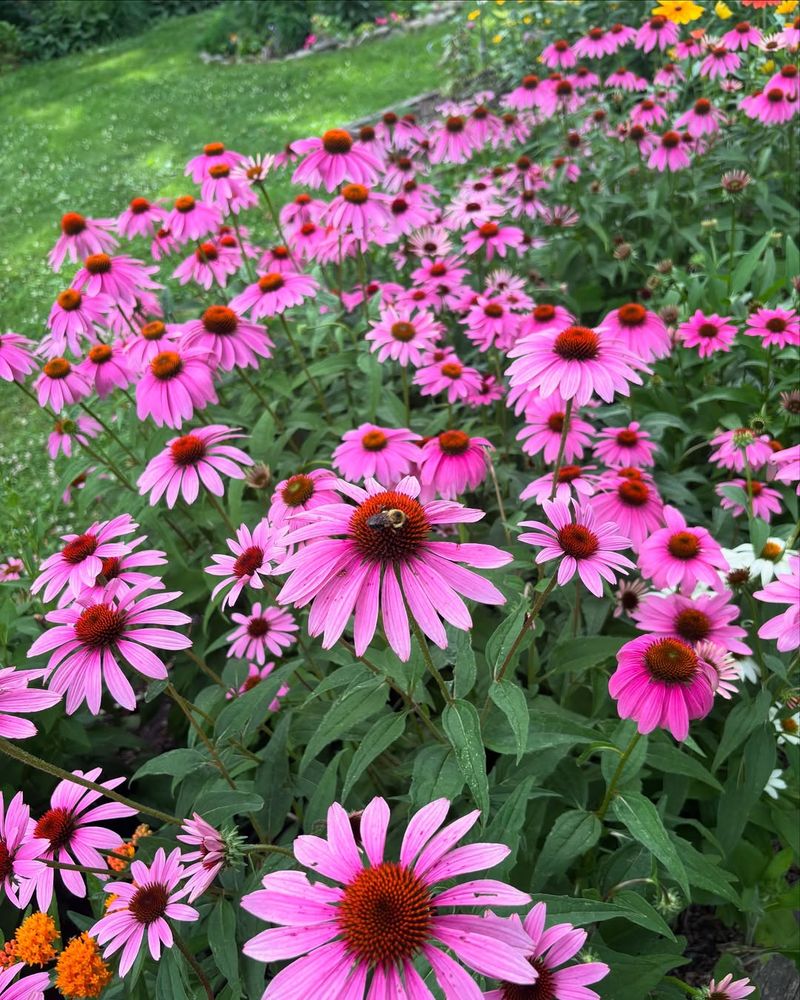
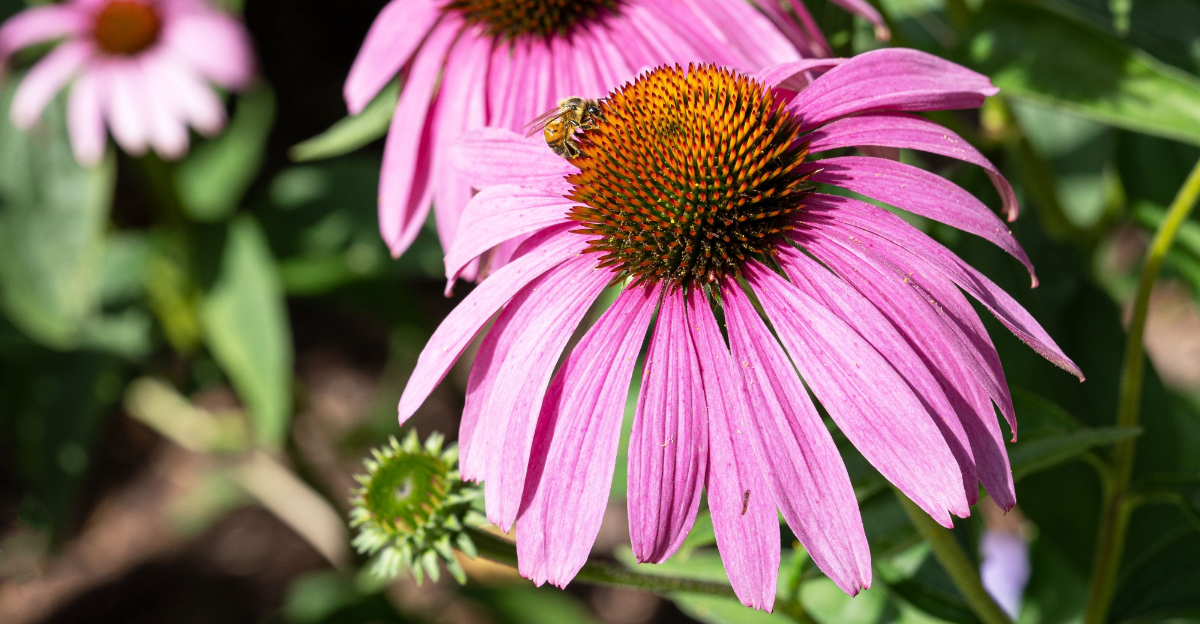
Coneflowers, also known as echinacea, are practically made for Ohio gardens. They handle heat, tolerate drought once established, and attract butterflies and bees all summer long.
Fertilizing them in April can support early growth and help establish a healthy foundation for the months ahead.
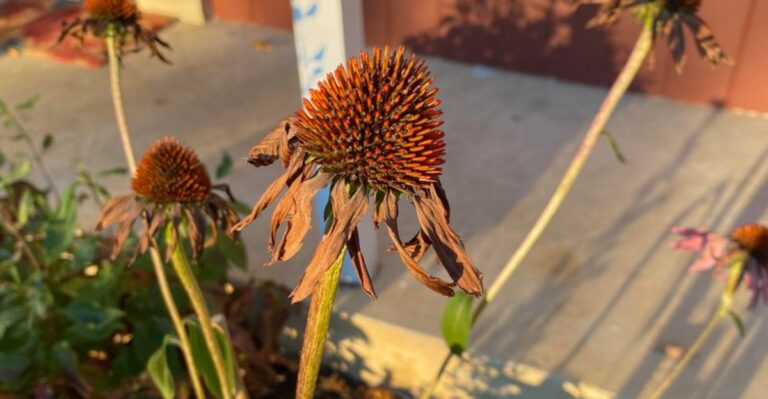
As coneflowers begin to send up their basal rosettes of leaves in early spring, they are actively building the root system and stem strength they will rely on when blooming time arrives. A light application of a balanced fertilizer in April provides the phosphorus and potassium they need without overloading them with nitrogen, which can make the plants floppy and weak-stemmed.
Coneflowers are not heavy feeders, so less is more when it comes to fertilizing. A single application of a slow-release granular fertilizer in April is often all they need for the entire season.
Scatter the granules around the base of each plant and water in well. Avoid piling fertilizer right against the crown of the plant to prevent any risk of rot.
Did you know that coneflowers are native to North America and were traditionally used by Indigenous peoples for their medicinal properties? Today, Ohio gardeners love them for their toughness and the cheerful pop of purple, pink, or white they bring to beds and borders.
When you fertilize in April, you can support healthy growth, which may lead to sturdier stems, well-formed flower heads, and a bloom period that can extend from midsummer into early fall.
5. Black-Eyed Susans Gearing Up For Bright, Late Blooms
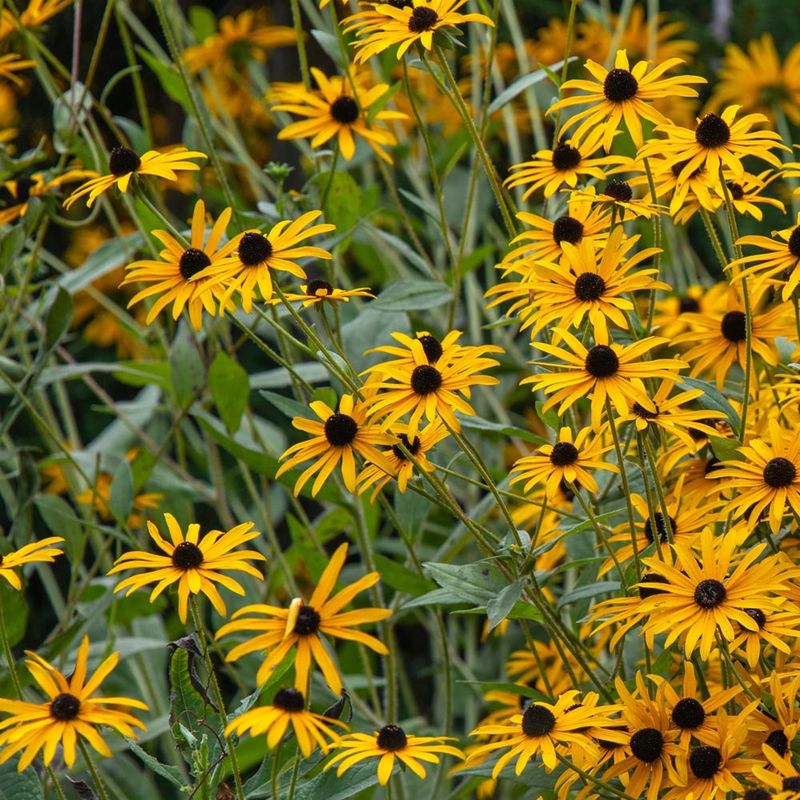
Walk through almost any Ohio meadow or roadside in summer and you will spot the cheerful golden-yellow faces of Black-Eyed Susans nodding in the breeze. These native wildflowers perform well in home gardens too, and a light April fertilizing can support stronger growth and flowering.
Black-Eyed Susans are perennials that return reliably each year in Ohio. In April, as the new foliage begins to emerge from the crown of the plant, it is a great time to work a light dose of balanced fertilizer into the surrounding soil.
Because these plants are naturally adapted to lean, well-drained soils, they do not need heavy feeding. A modest application of a 5-10-5 or similar fertilizer encourages root growth and bud formation without causing overly lush, floppy stems.
One practical tip is to combine fertilizing with a light top-dressing of compost. Compost adds organic matter to Ohio’s clay-heavy soils, improves drainage, and releases nutrients slowly over time.
Together, fertilizer and compost create an excellent growing environment for Black-Eyed Susans to thrive.
These flowers are also incredibly pollinator-friendly, drawing bees, butterflies, and even goldfinches that feed on the seed heads in late summer. By giving them a nutritional boost in April, you are not only improving your garden’s appearance but also supporting local wildlife throughout the season.
Black-Eyed Susans are considered relatively easy to grow in Ohio, and a little April attention can support their overall performance.
6. Shasta Daisies Setting Up Clean, Classic Flowers
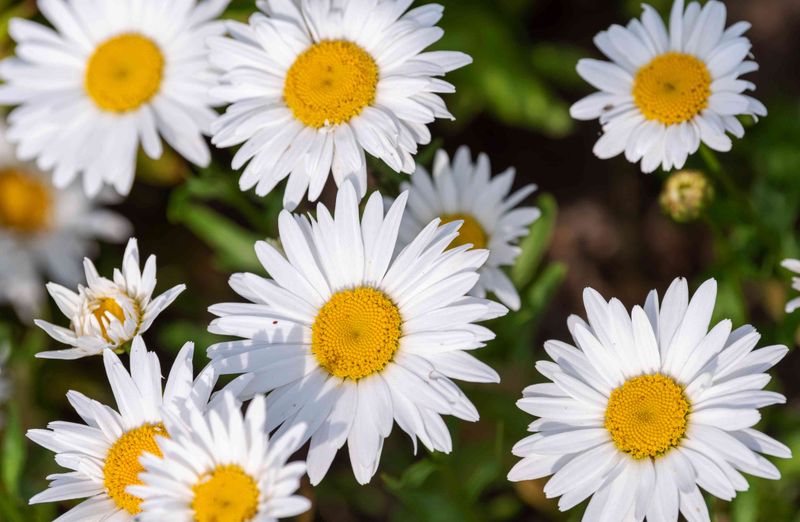
Crisp white petals surrounding a sunny yellow center, Shasta Daisies bring a classic, clean look to Ohio gardens. These cheerful perennials are surprisingly easy to grow, but they do appreciate a bit of extra attention in April when the growing season is just getting going.
Shasta Daisies are moderate feeders, meaning they benefit from fertilization without needing as much as heavy bloomers like roses. As new foliage appears at the base of the plant in early spring, apply a balanced granular fertilizer around each clump.
A 10-10-10 formula works well, providing a steady supply of the three major nutrients your daisies need to build strong stems and produce those iconic blooms.
One thing Ohio gardeners should keep in mind is that Shasta Daisies prefer well-drained soil. If your garden beds tend to hold water after spring rains, mix some compost or coarse sand into the soil to improve drainage before fertilizing.
Waterlogged roots have trouble absorbing nutrients effectively, which can leave your plants looking lackluster even after feeding.
Shasta Daisies typically bloom from early summer through midsummer in Ohio, and deadheading spent flowers encourages a second flush of blooms later in the season. Pairing your April fertilizer application with good soil preparation and regular watering can support a longer and more consistent bloom period.
They look stunning in mixed borders, cutting gardens, and even large containers on a sunny Ohio porch or patio.
7. Phlox Filling In With Dense, Colorful Clusters
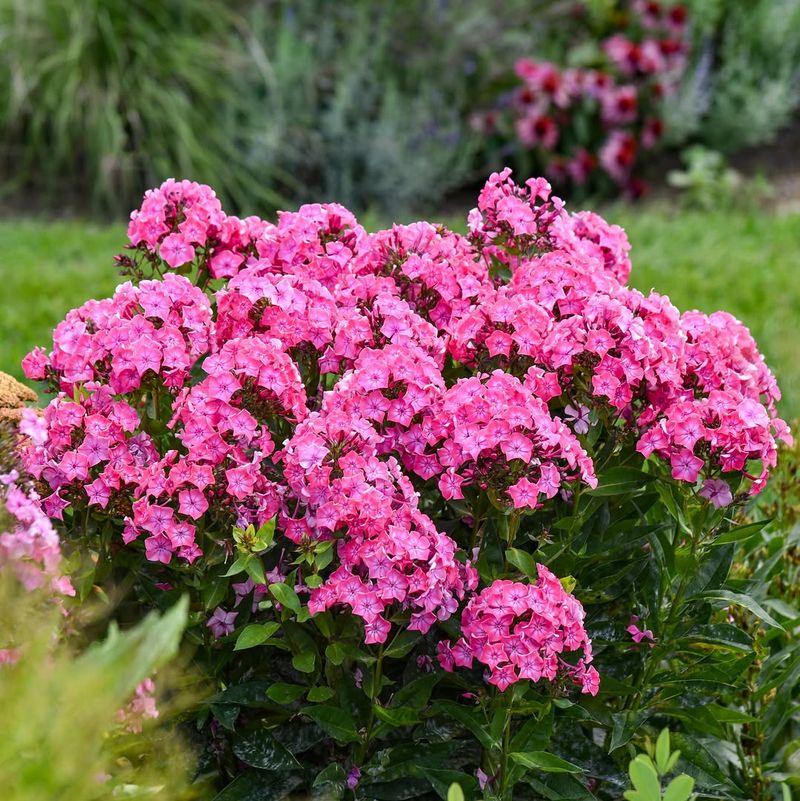
When it blooms in summer, the clusters of fragrant flowers in shades of pink, purple, red, and white are absolutely eye-catching. Getting a strong display starts with smart spring care, and fertilizing in April can be an important part of the process.
Ohio gardeners growing tall garden phlox should apply a balanced fertilizer when the new shoots are just a few inches tall. At this stage, the plant is actively developing its root system and building the structural strength it needs to support those heavy flower clusters.
A fertilizer with a balanced N-P-K ratio, like 10-10-10, applied according to package directions, gives phlox everything it needs for strong early growth.
Phlox can be prone to powdery mildew, especially in Ohio’s humid summers. Interestingly, over-fertilizing with too much nitrogen can make this problem worse by encouraging lush, dense foliage that traps moisture and limits airflow.
Stick to moderate fertilizer amounts and space your plants properly to keep air circulating around the stems and leaves.
After fertilizing in April, water your phlox regularly and adjust based on rainfall and soil conditions throughout the growing season. Consistent moisture, combined with that early nutritional boost, helps phlox develop a robust root system that supports it through Ohio’s hot, sometimes dry summers.
Tall garden phlox can reach three to four feet in height, making it a dramatic and fragrant backdrop for shorter flowers in your Ohio garden beds and borders.
8. Bee Balm Driving Vigorous Growth And Pollinator Appeal
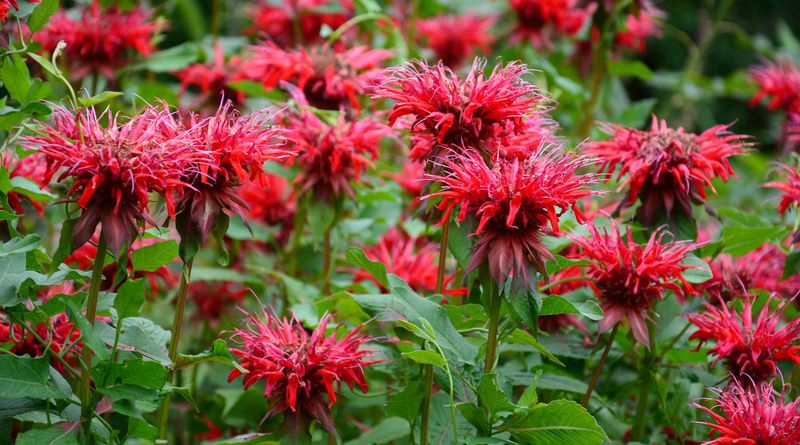
If you want to turn your Ohio garden into a buzzing, fluttering wildlife paradise, Bee Balm is the plant to grow. Hummingbirds, bees, and butterflies absolutely love its shaggy, tube-shaped flowers, and Ohio gardeners love how reliably it comes back every year.
April fertilizing can support early growth for this native perennial each spring.
Bee Balm spreads by underground runners and can form impressive clumps over time. In April, as fresh new shoots emerge from the soil, apply a balanced slow-release fertilizer around the perimeter of each clump.
Avoid piling fertilizer in the center of an established plant where the stems are already crowded. Feeding the outer edges encourages outward growth and helps the plant stay vigorous.
Like phlox, Bee Balm is susceptible to powdery mildew in Ohio’s humid climate. Choosing mildew-resistant varieties and avoiding excess nitrogen fertilizer both help reduce this problem.
Good air circulation is equally important, so thin out crowded clumps every few years to keep plants healthy and productive.
Bee Balm comes in a range of colors including red, pink, lavender, and white, and it typically blooms from midsummer into early fall in Ohio. The blooms are also edible and have a mild, oregano-like flavor that makes them a fun addition to salads and drinks.
By fertilizing in April, you can support early-season growth, which may lead to taller stems, well-formed flower heads, and a longer bloom period.