10 Places North Carolina Gardeners Should Never Plant Tomatoes
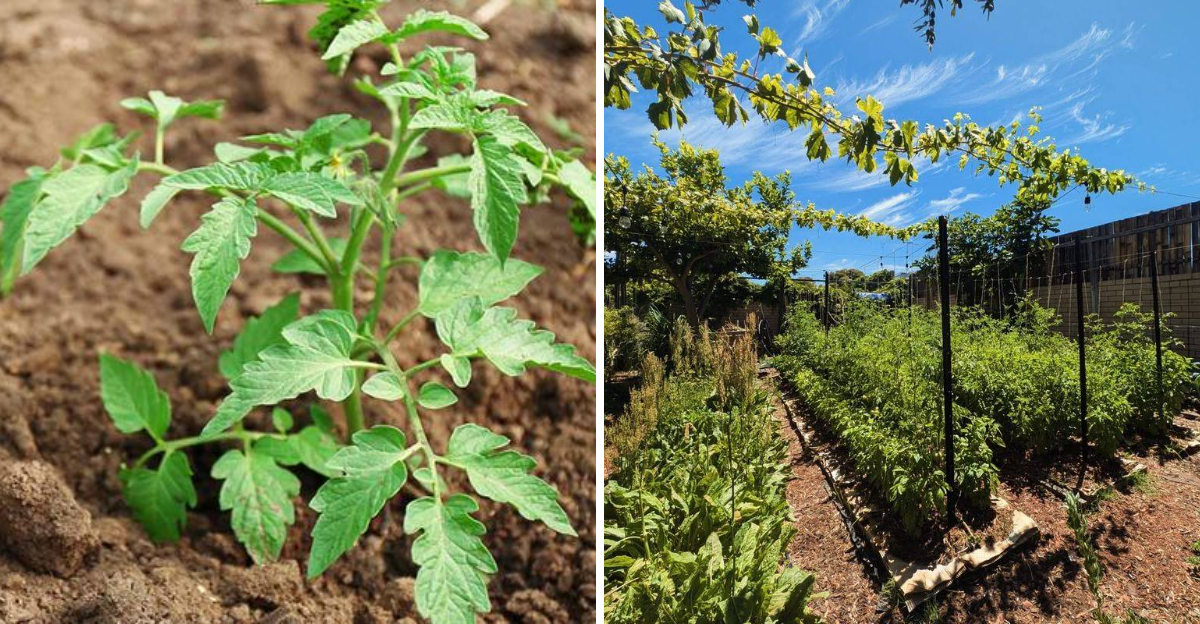
Tomatoes are a favorite in North Carolina gardens, but where you plant them can make all the difference.
It is easy to focus on watering and care, yet overlook how much location affects their growth. Even strong, healthy plants can struggle if they are placed in the wrong spot from the start.
In a state known for heat, humidity, and sudden weather changes, certain areas of your yard can create problems you might not expect.
Too much shade, poor airflow, or the wrong soil conditions can slow growth and lead to ongoing issues throughout the season.
What seems like a small decision at planting time can shape your entire harvest. The good news is that avoiding a few common mistakes can set your plants up for success.
Once you know the places tomatoes should never go, you can choose better spots and enjoy a stronger, more productive garden.
1. Heavy, Poorly Drained Clay Soil
Picture this: you plant your tomatoes with excitement, water them in, and then watch helplessly as they turn yellow and struggle within weeks.
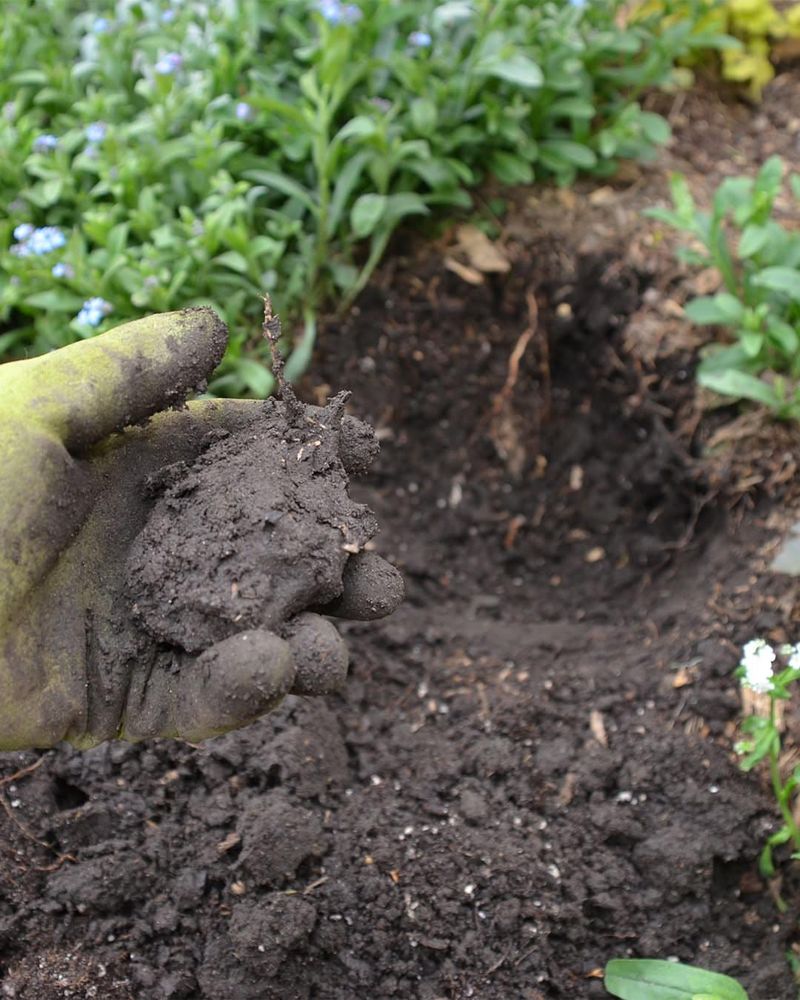
Heavy clay soil is one of the sneakiest problems North Carolina gardeners face, especially across the Piedmont region where thick red clay sits just below the surface.
When clay gets wet, it stays wet, and tomato roots sitting in soggy ground simply cannot get the oxygen they need to grow strong. Tomato roots need a balance of water and air moving through the soil.
In dense clay, water fills every tiny space and pushes out the oxygen, leaving roots stressed and vulnerable to rot and fungal disease.
North Carolina’s spring rain season makes this problem even worse, turning clay beds into something closer to mud pits than garden plots. The good news is that you have options.
Mixing compost, pine bark fines, and aged organic matter into your clay soil can dramatically improve its texture and drainage over time.
Even better, raised beds filled with quality garden mix completely sidestep the clay issue altogether.
Many experienced North Carolina gardeners swear by raised beds for exactly this reason, and once you try them, you will likely never go back to fighting the native clay again.
2. Low Spots Where Water Collects
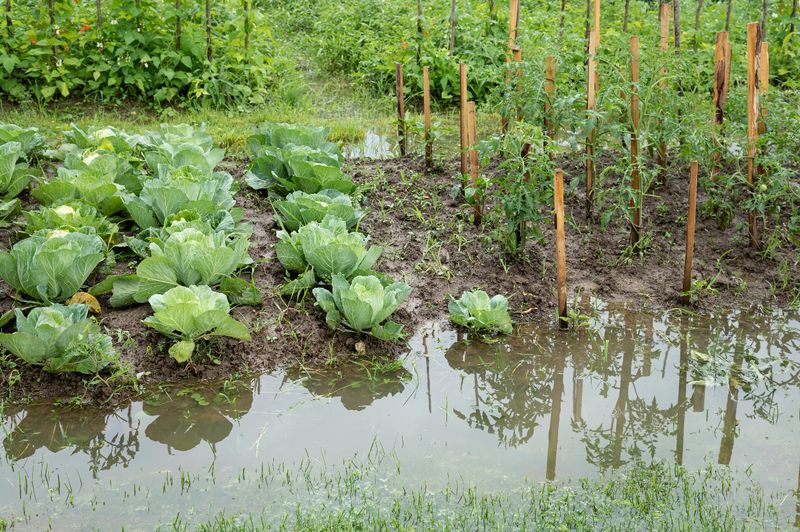
After a heavy spring rainstorm rolls through North Carolina, take a walk around your yard and watch where the water goes.
If you notice a dip or depression that holds water long after everything else has drained, mark that spot and keep your tomatoes far away from it.
Low-lying areas might look like perfectly flat garden space, but they act like invisible traps for moisture that spells serious trouble for your plants.
Standing water around tomato roots cuts off oxygen flow and creates the ideal environment for soil-borne diseases to thrive.
Fungal pathogens like Phytophthora, which causes root rot, absolutely love the wet, warm conditions that low spots provide.
North Carolina’s spring season is already rainy enough without giving disease a head start by planting in the worst possible location.
Choosing a slightly elevated or naturally well-drained area makes a huge difference in how your tomatoes perform through the season.
Your North Carolina Garden Changes Every Week. Your Plan Should Too.
Gardening in North Carolina changes quickly throughout the season. Every Friday you’ll receive a simple weekly plan showing exactly what to plant, prune, fertilize, harvest, and protect so you never miss the right timing.
Even a gentle slope that encourages water to move away from the root zone is far better than a perfectly flat but poorly drained spot.
If your yard mostly consists of low areas, building up a raised mound or installing a simple raised bed will give your plants the drainage advantage they need to thrive all season long in North Carolina’s unpredictable spring weather.
3. Full Shade Or Less Than 6 Hours Of Sun
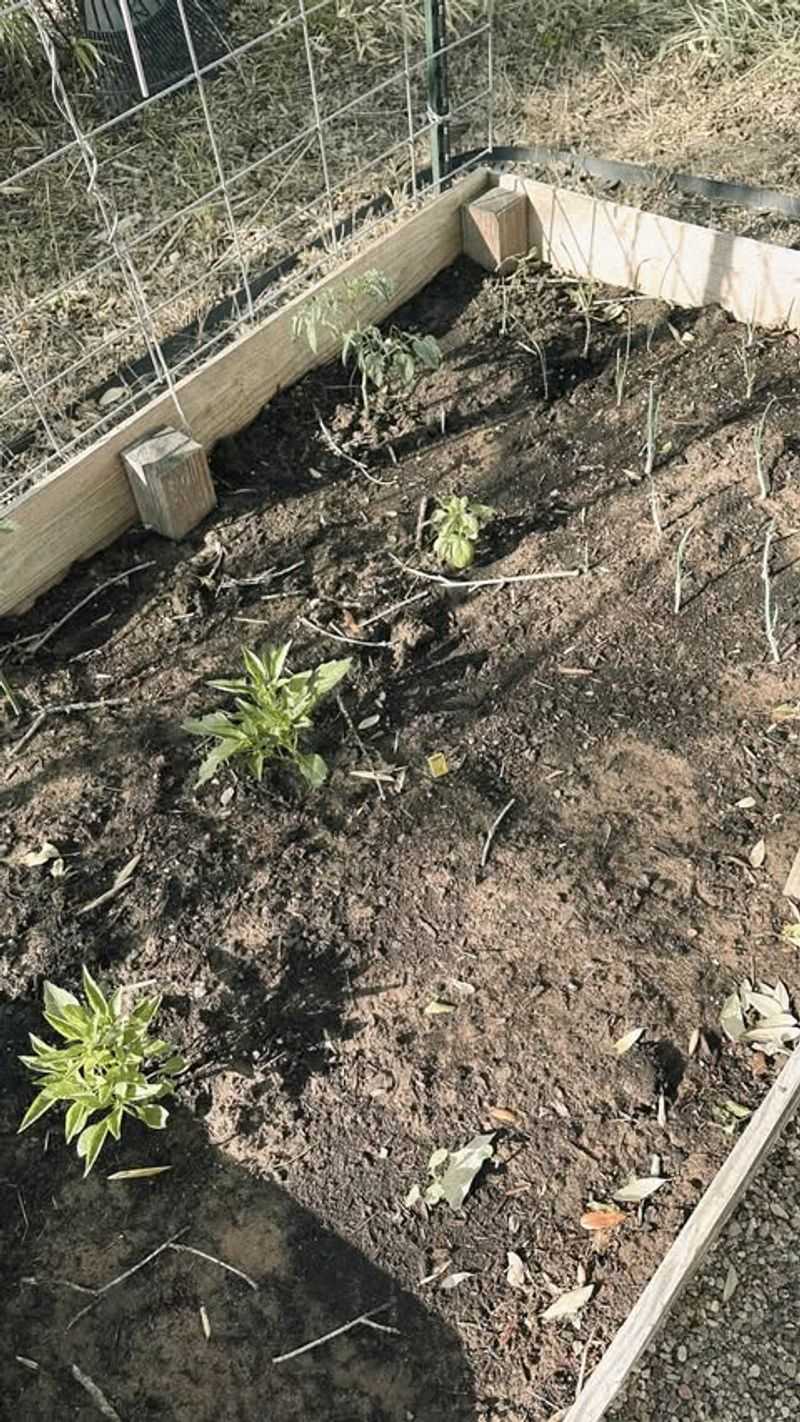
Sunlight is basically tomato fuel, and without enough of it, your plants will stretch, struggle, and produce almost nothing worth eating.
Tomatoes need a solid six to eight hours of direct sunlight every single day to develop strong stems, healthy foliage, and plenty of fruit.
Any spot in your North Carolina yard that falls short of that mark is simply not going to cut it, no matter how much you fertilize or water.
Shaded areas produce what gardeners call “leggy” plants, meaning the stems grow long and weak as the plant desperately reaches toward whatever light it can find.
These stretched-out plants are far more vulnerable to disease, pest damage, and stem breakage.
In North Carolina, where summer humidity already puts extra pressure on tomatoes, adding shade stress into the mix makes growing a successful crop almost impossible.
Before you choose a planting spot, spend a full day tracking sunlight patterns across your yard. Morning sun is valuable, but afternoon sun in North Carolina’s warm climate is especially important for strong fruit development.
Watch out for shadows cast by fences, outbuildings, hedges, and neighboring trees, because these can creep further than you expect as the season progresses.
Finding that bright, open patch of yard with uninterrupted sun is truly the single most important step toward a productive tomato harvest anywhere in North Carolina.
4. Areas With Poor Airflow
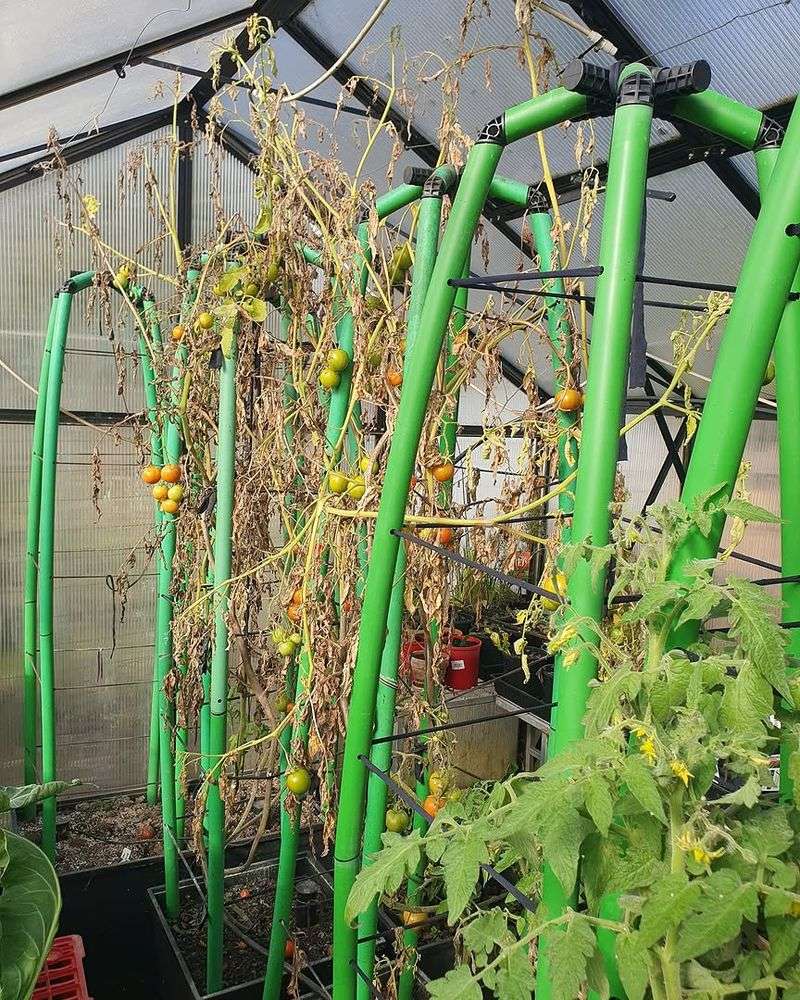
Tucked-away corners, narrow spaces between fences, and overly crowded garden beds might seem like creative use of yard space, but for tomatoes they are a recipe for disaster.
Good airflow around your plants is not just a nice bonus, it is genuinely necessary for keeping fungal diseases under control.
When air cannot move freely through the foliage, moisture lingers on leaves and stems, creating exactly the conditions that diseases like early blight, Septoria leaf spot, and powdery mildew love most.
North Carolina’s climate already brings plenty of humidity, especially during the summer months when afternoons feel thick and heavy with moisture in the air.
Adding a cramped planting location into that equation makes fungal outbreaks almost unavoidable.
Experienced gardeners across the state have learned the hard way that beautiful, lush-looking beds packed tightly together often end up as breeding grounds for leaf disease by midsummer.
Spacing your tomato plants properly, typically 24 to 36 inches apart depending on the variety, allows air to circulate freely around each plant throughout the day.
Pruning lower leaves and suckers also helps open up the canopy so that breezes can pass through more easily.
Choosing open, unobstructed spots in your North Carolina garden rather than cozy corners will pay off enormously when your plants stay cleaner and healthier well into the harvest season.
5. Right Next To Large Trees Or Shrubs
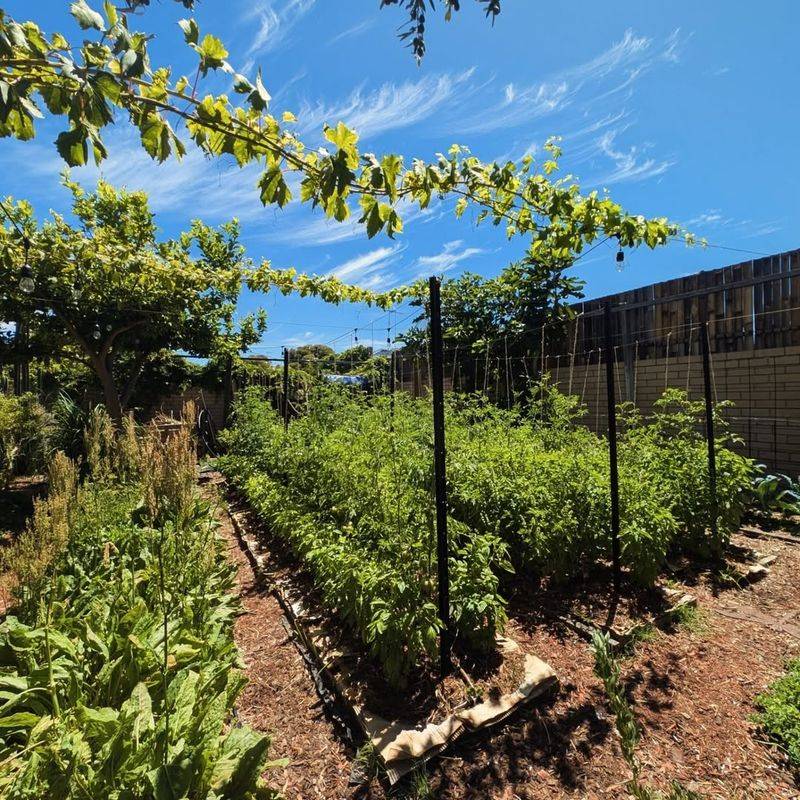
That gorgeous oak or maple tree shading your backyard might be one of your favorite features, but your tomatoes want nothing to do with it.
Large trees and shrubs are incredibly aggressive underground, sending roots outward in every direction to grab water and nutrients from a surprisingly wide area.
When tomatoes get planted within that root zone, they end up in a constant, one-sided competition they simply cannot win.
Tomatoes are heavy feeders that need consistent access to water and a steady supply of nutrients like nitrogen, phosphorus, and potassium throughout the growing season.
A nearby tree will quietly intercept much of that moisture and nutrition before it ever reaches your tomato roots.
On top of that, tree canopies reduce the sunlight reaching your plants, and falling leaves can bring fungal spores directly into your garden bed.
In North Carolina landscapes, common culprits include large oaks, maples, sweetgums, and especially black walnut trees, which release a natural chemical called juglone that is actually harmful to tomatoes.
Even ornamental shrubs with aggressive root systems can cause problems if planted too close.
A good rule of thumb is to keep your tomato bed at least as far away from a large tree as the tree is tall, giving your vegetables enough space to access the soil resources they need without fighting for every drop of water.
6. Where Tomatoes Or Related Crops Grew Last Year
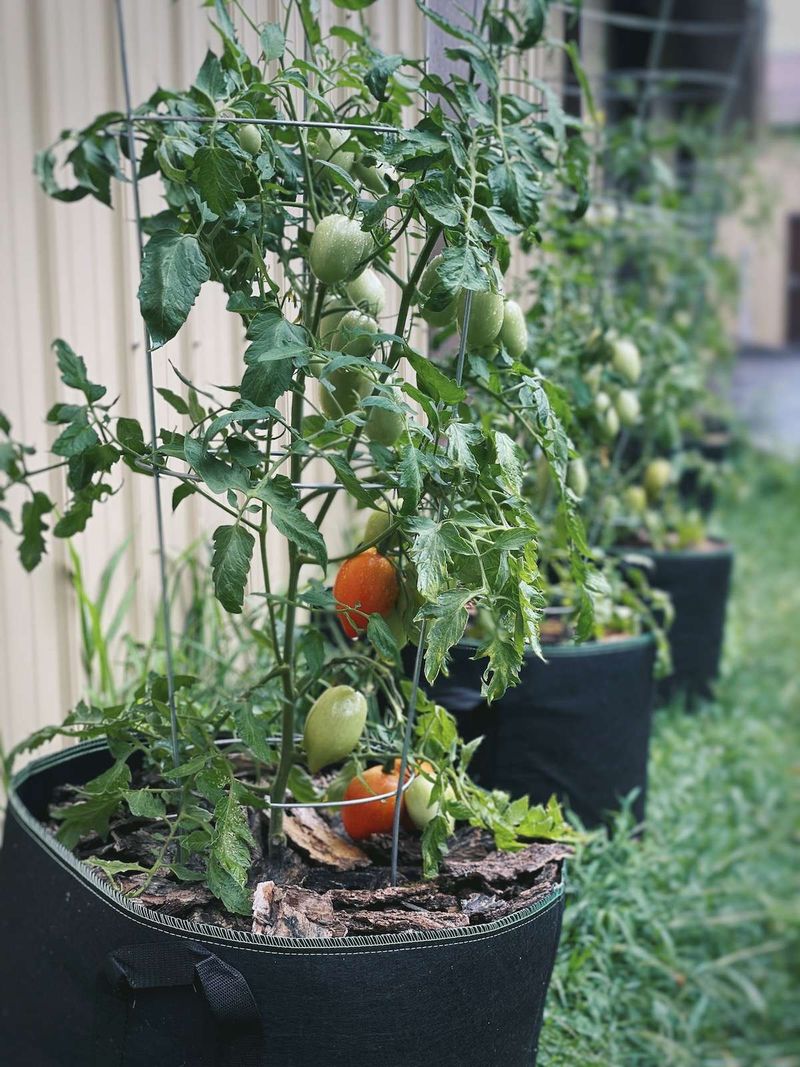
Gardening in the same spot year after year might feel like a smart use of space, but for tomatoes it is one of the most common mistakes North Carolina gardeners make.
Planting tomatoes, peppers, eggplants, or potatoes in the same bed they occupied last season allows soil-borne diseases and pests to build up to damaging levels.
These pathogens survive winter in the soil and are ready to attack the moment new plants arrive in spring.
Diseases like Fusarium wilt, Verticillium wilt, and bacterial canker can persist in garden soil for several years.
North Carolina’s warm, moist climate provides ideal conditions for these organisms to thrive, making the rotation issue even more serious here than in cooler states.
Gardeners who skip rotation often notice their plants declining faster each year, with no obvious cause other than the history of the soil beneath them.
Crop rotation is the straightforward solution, and it works remarkably well when practiced consistently.
Move your tomatoes to a different bed or section of the garden each year, waiting at least three years before returning to the same spot.
Fill the old tomato bed with unrelated crops like beans, corn, or leafy greens in the meantime.
Keeping a simple garden journal or sketch of your plot each season makes tracking rotations much easier and takes the guesswork out of planning your North Carolina garden layout every spring.
7. Areas Exposed To Extreme Reflected Heat

Most gardeners know tomatoes love sunshine, but there is a big difference between healthy sun exposure and the brutal, reflected heat that bounces off hard surfaces like concrete driveways, brick walls, and metal fences.
During a North Carolina summer, afternoon temperatures can soar into the upper 90s, and surfaces like asphalt and concrete can radiate heat that pushes the temperature at ground level even higher.
Tomato plants sitting near these surfaces often experience far more heat stress than those planted in open garden beds.
When soil temperatures climb too high and heat reflects intensely onto the plant itself, tomatoes stop setting fruit.
This is called blossom drop, and it happens when daytime temperatures consistently exceed 95 degrees Fahrenheit at the flower level.
Gardeners in North Carolina’s Piedmont and Coastal Plain regions often see this problem in July and August, especially in beds positioned near south or west-facing walls.
Mulching generously around the base of your plants with straw, shredded leaves, or wood chips helps keep soil temperatures cooler and more stable even on the hottest days.
Choosing planting locations away from heat-reflective surfaces is an even better long-term strategy.
If you only have spots near walls or pavement, consider planting heat-tolerant tomato varieties like Solar Fire or Heatmaster, which are specifically bred to handle North Carolina’s intense summer conditions without dropping their blossoms.
8. Poorly Prepared Soil With No Organic Matter
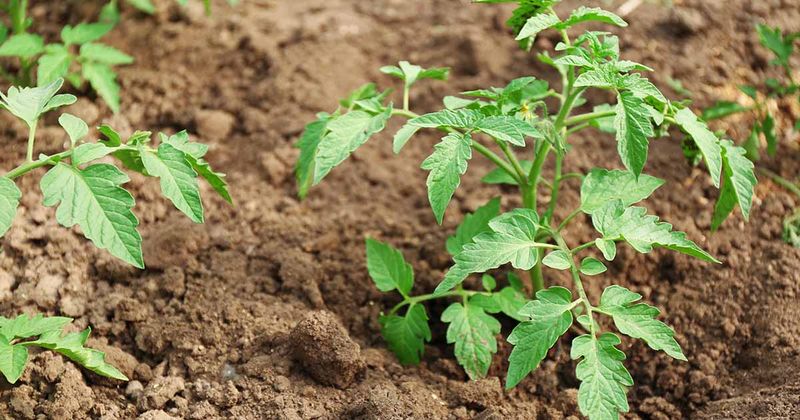
Dropping tomato transplants into raw, unamended soil and hoping for the best is a gamble that rarely pays off in North Carolina.
Tomatoes are among the most demanding vegetables in the garden, requiring rich, well-structured soil packed with organic matter to support their fast growth and heavy fruit production.
Soil that has never been improved with compost, aged manure, or other organic amendments simply does not have the nutrient levels or the physical structure that tomatoes need to perform well.
Both the heavy clay soils common in the Piedmont region and the sandy soils found along North Carolina’s Coastal Plain share the same problem: they lack the organic content that feeds beneficial soil microbes and supports healthy root development.
Clay holds too much water without organic matter to open it up, while sandy soil drains too fast without organic matter to hold moisture and nutrients in place.
Either way, tomatoes end up struggling. Adding two to four inches of quality compost worked into the top 12 inches of soil before planting transforms both soil types dramatically.
Balanced granular fertilizers mixed into the bed at planting time give your tomatoes a strong nutritional foundation to build on.
Investing just a few hours in proper soil preparation before the season starts pays back far more than any amount of mid-season fertilizing can fix once plants are already stressed and underperforming in your North Carolina garden.
9. Spots With Frequent Overhead Irrigation
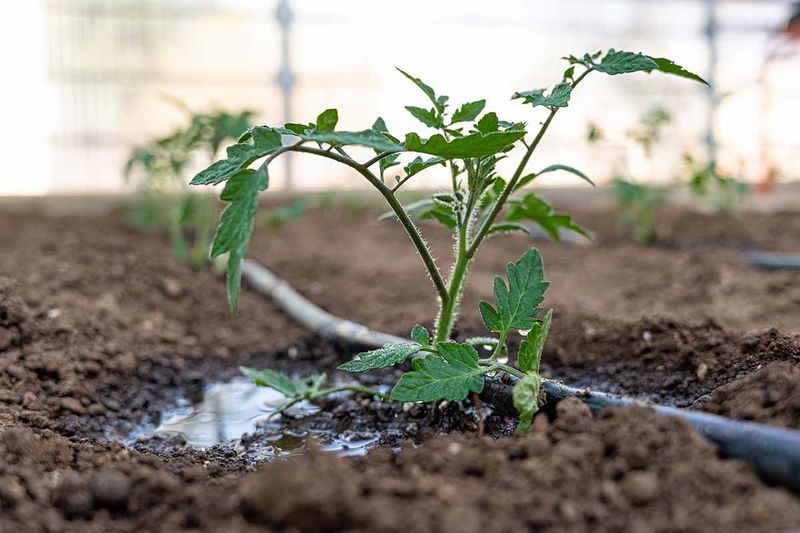
Watering your garden feels like pure nurturing, but the way you deliver that water to your tomatoes matters enormously.
Overhead sprinklers that regularly wet tomato foliage create a moisture-soaked environment on the leaves and stems where fungal diseases absolutely thrive.
In North Carolina, where summer humidity already keeps the air heavy and warm, adding overhead irrigation into the mix dramatically increases the risk of early blight, late blight, and Septoria leaf spot spreading through your plants.
Wet leaves dry slowly on humid North Carolina afternoons, especially when there is little wind moving through the garden.
Every hour that foliage stays damp is an opportunity for fungal spores to germinate and begin infecting the plant.
Gardeners who use overhead sprinklers often notice their tomato plants developing brown, spotted leaves by midsummer, followed by rapid defoliation that weakens the whole plant and reduces the harvest.
Switching to drip irrigation or soaker hoses is one of the best upgrades any North Carolina tomato grower can make.
These systems deliver water slowly and directly to the root zone, keeping foliage completely dry while still giving plants a deep, consistent drink.
Watering early in the morning at the base of the plant rather than from overhead is an easy and effective habit that significantly reduces disease pressure throughout the entire growing season without requiring any expensive equipment upgrades.
10. Wind-Exposed Locations Without Any Protection
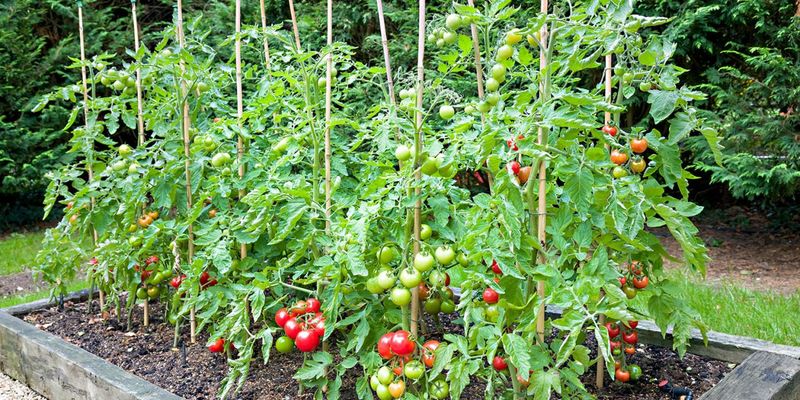
Open fields and exposed hillsides might offer plenty of sun and airflow, but when the wind picks up across North Carolina, especially in the coastal regions and open Piedmont farmland, tomatoes can take a real beating.
Consistent strong winds stress plants physically, snapping stems, knocking over cages, and shredding foliage against support stakes.
Beyond the physical damage, wind also pulls moisture out of leaves faster than roots can replace it, leaving plants dehydrated even when the soil has plenty of water available.
Coastal areas of North Carolina are particularly challenging for tomato growers because afternoon sea breezes can be surprisingly powerful and relentless during summer.
Even inland gardens sitting in open, flat areas without trees or fences nearby can experience damaging wind gusts during summer thunderstorms.
Plants that are constantly battered by wind redirect energy toward recovery instead of fruit production, which shows up as smaller harvests and slower overall growth.
Providing some wind protection makes a noticeable difference in plant health and productivity.
Planting near a permeable windbreak like a row of tall shrubs, a slatted fence, or a garden wall that blocks the prevailing wind direction helps enormously without creating the airflow problems that solid barriers can cause.
Heavy-duty tomato cages and sturdy wooden stakes also give plants the structural support they need to stay upright and keep growing strong throughout the North Carolina growing season.