What To Plant In April In Michigan For An Early Harvest
April is when Michigan gardeners finally get the chance to start planting again, and it can feel like the season is full of possibilities. As the soil begins to warm and dry out, there is a short window to get certain crops in the ground early.
Taking advantage of this timing can lead to a faster and more rewarding harvest. Not every plant is suited for early spring, but some thrive in cooler conditions and grow quickly once established.
These crops can handle light frosts and do not mind the chilly nights that are still common this time of year. Choosing the right ones now means you can start harvesting sooner, sometimes weeks ahead of the main growing season.
In a place like Michigan, where the growing season can feel short, that early start really matters. Once you know what to plant in April, you can get ahead and enjoy fresh produce much sooner than expected.
1. Spinach
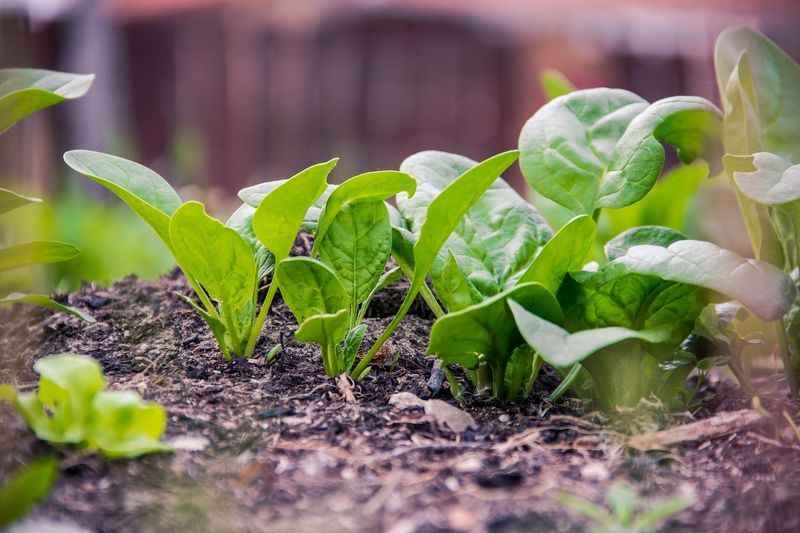
Spinach might just be the most rewarding thing you can grow in a Michigan spring garden. It sprouts in soil as cold as 40 degrees Fahrenheit, which means you can sow it the moment the ground becomes workable in April.
Few vegetables are that eager to grow in chilly conditions, and spinach takes full advantage of every cool day Michigan throws at it.
Direct sow seeds about half an inch deep and one inch apart in rows. Keep the soil evenly moist and you will see tiny green sprouts poking through within a week or two.
Baby leaves are ready to harvest in as little as three to four weeks, making this one of the fastest early-season wins you can get in your Michigan garden.
Harvest the outer leaves first and let the center keep growing for multiple pickings over several weeks. Spinach is packed with iron, vitamins A and C, and tastes incredible when it is fresh and young.
One great tip for Michigan gardeners is to use a floating row cover to protect plants from any surprise late frosts that April sometimes brings. The flavor of homegrown spinach picked straight from cool spring soil is something store-bought bags simply cannot match.
Start a second sowing two weeks after the first for a longer, continuous harvest all spring long.
2. Radishes
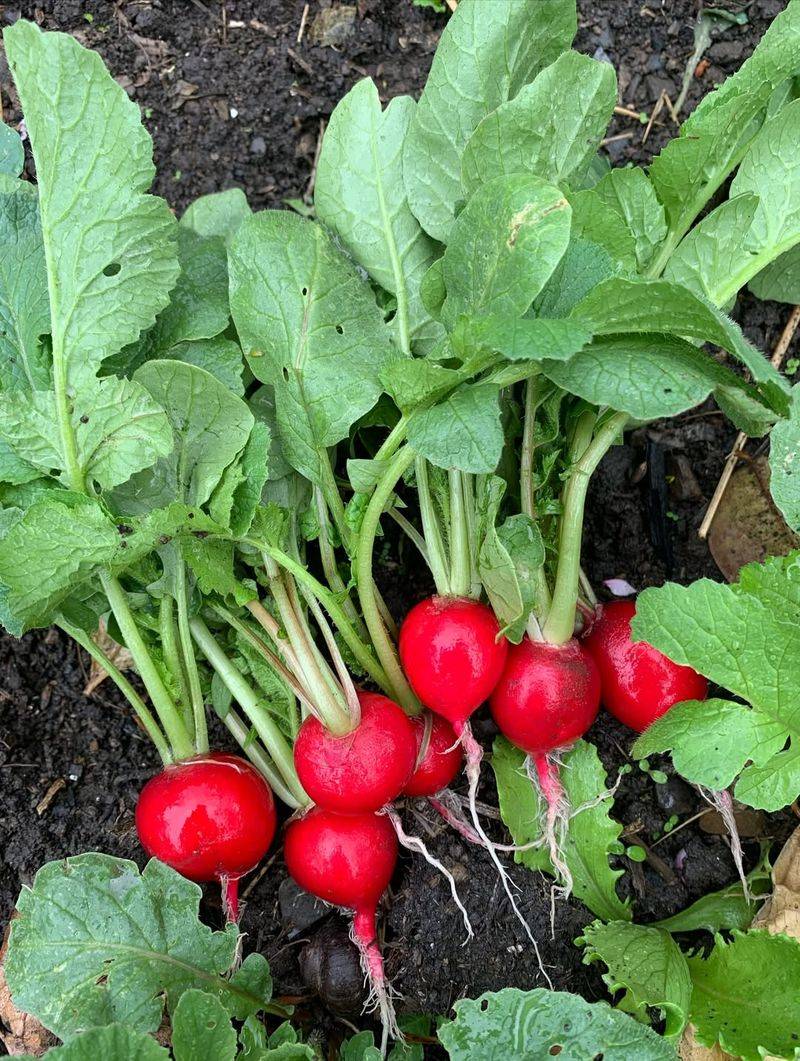
Nothing beats the excitement of pulling your first harvest from the ground just three to four weeks after planting. Radishes are the ultimate fast-growing vegetable, and April in Michigan is their favorite time of year.
Cool soil and mild spring temperatures produce crisp, spicy roots that are far superior to anything sitting in a grocery store bin.
Sow seeds directly into loosened soil about half an inch deep and one inch apart. Radishes need very little attention once they are in the ground.
Just keep the soil consistently moist and thin seedlings to about two inches apart so each root has room to swell properly. Michigan spring rains usually help with moisture, but a light watering every couple of days goes a long way during dry spells.
Your Michigan Garden Changes Every Week. Your Plan Should Too.
Gardening in Michigan changes quickly throughout the season. Every Friday you’ll receive a simple weekly plan showing exactly what to plant, prune, fertilize, harvest, and protect so you never miss the right timing.
Varieties like Cherry Belle and Easter Egg mature incredibly fast and produce colorful, crunchy roots that look beautiful in salads. One fun fact about radishes is that they were among the first vegetables brought to the Americas by European explorers in the 1500s.
Planting a short row every ten days gives you a continuous supply of fresh radishes all the way through late spring.
Radishes also work as natural row markers for slower-germinating crops like carrots, making them a smart companion planting choice for any Michigan garden bed this April.
3. Leaf Lettuce
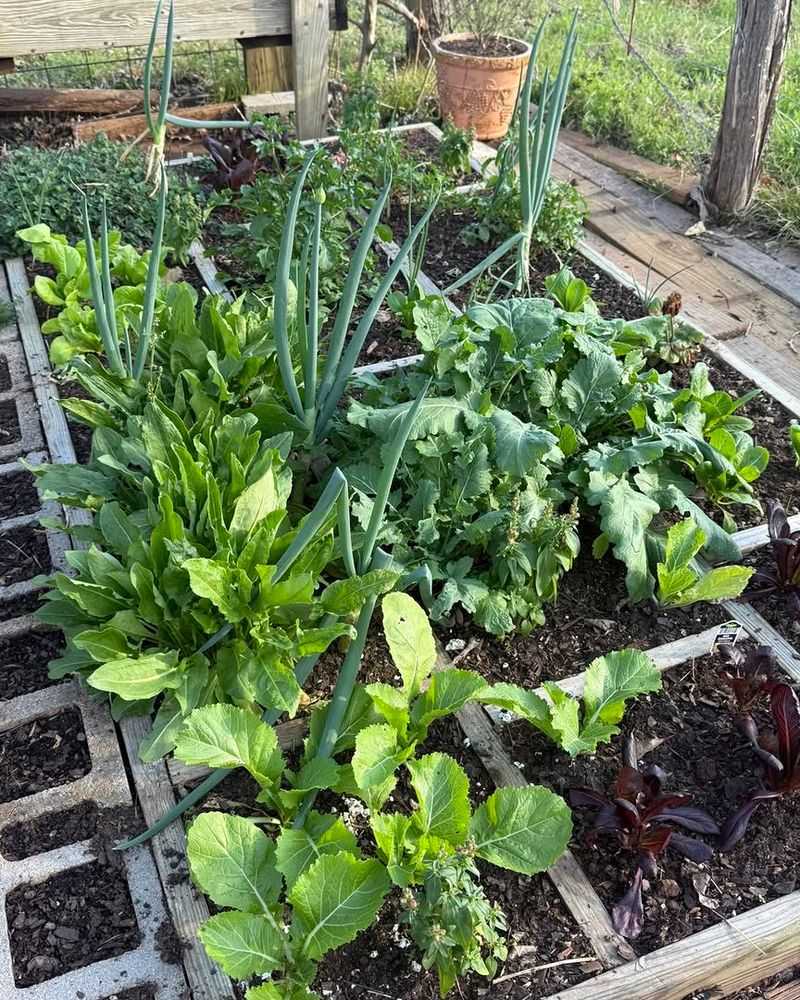
Crispy, colorful, and genuinely easy to grow, leaf lettuce is one of the best crops you can put in a Michigan garden during April.
Unlike head lettuce, which takes longer and needs more space, leaf varieties grow quickly and let you harvest just the outer leaves while the plant keeps producing.
It is a cut-and-come-again crop that gives you weeks of fresh salad greens from a single planting.
Scatter seeds thinly across prepared soil or sow them in short rows about a quarter inch deep. Leaf lettuce germinates well in cool spring temperatures and does not mind a light frost at all.
Michigan April weather is actually ideal because cool air slows bolting, which is when the plant shifts energy toward flowering and the leaves turn bitter. Warmer months speed that process up, so planting now locks in the best flavor window.
Varieties like Black Seeded Simpson, Red Sails, and Buttercrunch are popular choices among Michigan gardeners for good reason. They are productive, flavorful, and grow beautifully in raised beds, containers, or traditional rows.
Begin harvesting outer leaves when they reach about four inches tall. Keep the center of the plant intact and it will continue pushing out fresh leaves for weeks.
A light layer of mulch around the base helps retain moisture and keeps roots cool during warmer April afternoons in Michigan.
4. Arugula
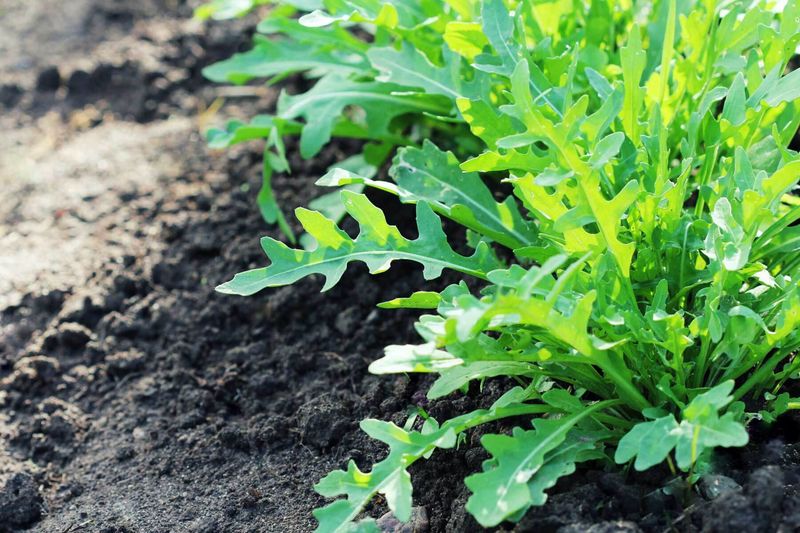
Arugula has a bold, peppery bite that makes it stand out from every other spring green in the garden. Gardeners in Michigan who have never grown it before are usually surprised by how fast it goes from seed to salad bowl.
Under cool April conditions, arugula can be ready to harvest in as little as two to three weeks after sowing, which makes it one of the speediest crops you can plant this spring.
Scatter seeds directly onto prepared soil and press them in lightly since arugula needs light to germinate well. Thin seedlings to about four inches apart once they emerge, and you will notice the plants filling in quickly.
Cool Michigan spring temperatures keep the leaves tender and give them a milder, more pleasant flavor compared to arugula grown in summer heat. Warmer weather intensifies the bitterness, so April is truly the sweet spot for this crop.
Succession planting every ten to fourteen days keeps fresh arugula coming all season long. Simply sow a new short row while the previous one is still growing.
Arugula pairs wonderfully with fresh radishes and lettuce from your Michigan garden for an amazing spring salad. It also grows well in containers on a porch or balcony, making it accessible even for gardeners without a full yard.
Harvest leaves when they reach two to three inches long for the best flavor and texture every time.
5. Green Onions
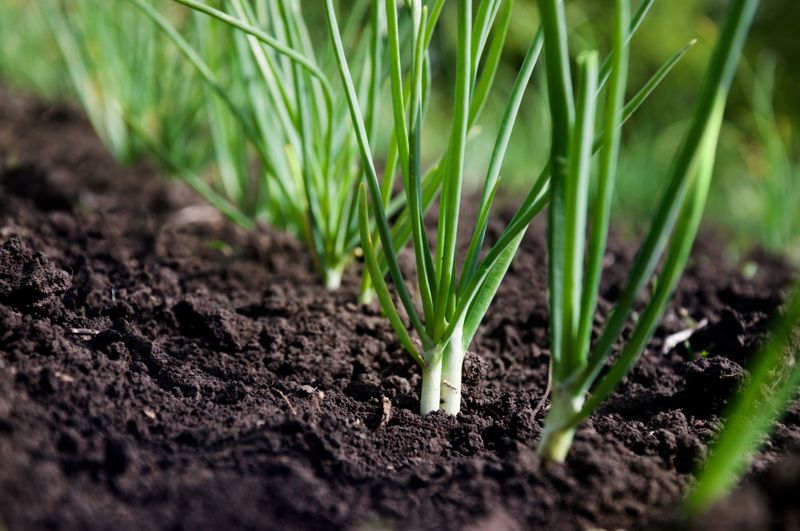
Green onions are one of those quiet overachievers in the spring garden that rarely get the attention they deserve.
Planted from seeds or sets in April, they establish quickly in Michigan soil and start delivering usable greens long before most other vegetables even sprout.
They are incredibly versatile in the kitchen, adding fresh flavor to eggs, soups, salads, tacos, and just about everything else.
Plant onion sets about one inch deep and three to four inches apart in rows. Seeds work well too, though sets tend to produce faster results for an early harvest.
Michigan cool spring soil is actually perfect for onion establishment since they prefer temperatures between 50 and 75 degrees Fahrenheit.
They tolerate light frost without any trouble, which makes them a reliable choice for April planting when the weather is still unpredictable.
Start harvesting green tops as soon as they reach six to eight inches tall by snipping just what you need. The plant will continue sending up new growth, giving you a steady supply for weeks.
One helpful trick for Michigan gardeners is to plant green onions along the edges of garden beds where they double as a natural pest deterrent while saving valuable center space for larger crops.
Bunching varieties like Evergreen Hardy White are especially productive and cold-tolerant. Fresh green onions from your own Michigan garden have a crisp sweetness that grocery store versions rarely deliver.
6. Peas
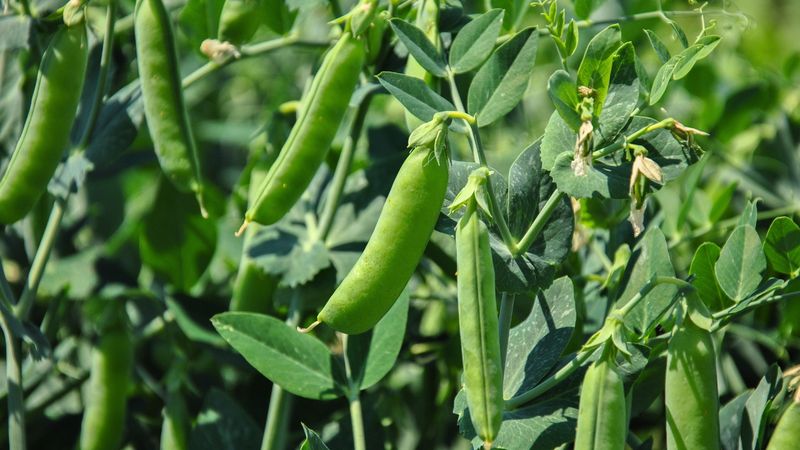
Peas are one of those crops that practically beg to be planted as early as possible in Michigan, and April is the perfect time to answer that call. They are one of the few vegetables that actually prefer cool soil and will struggle once summer heat arrives.
Getting them in the ground early means you can enjoy a full harvest of sweet, crisp pods before the season turns warm.
Sow seeds directly into the soil about one inch deep and two inches apart. Set up a simple trellis, fence, or stakes before planting since pea vines climb and need support as they grow.
Michigan April soil tends to hold moisture well from spring rains, which helps peas germinate consistently. Avoid overwatering since soggy soil can cause seeds to rot before they sprout, especially during cooler stretches of April weather.
Sugar snap varieties like Sugar Ann and Super Sugar Snap are favorites among Michigan gardeners because the whole pod is edible and incredibly sweet.
Snow peas are another great option for early harvests since the flat pods are ready to pick before the seeds fully develop inside.
Peas are also natural nitrogen fixers, meaning they improve your soil while they grow, which benefits whatever you plant in that bed next season.
Expect your first harvest roughly sixty to seventy days after planting, which lands right in late spring or early summer for most Michigan gardens.
7. Baby Carrots
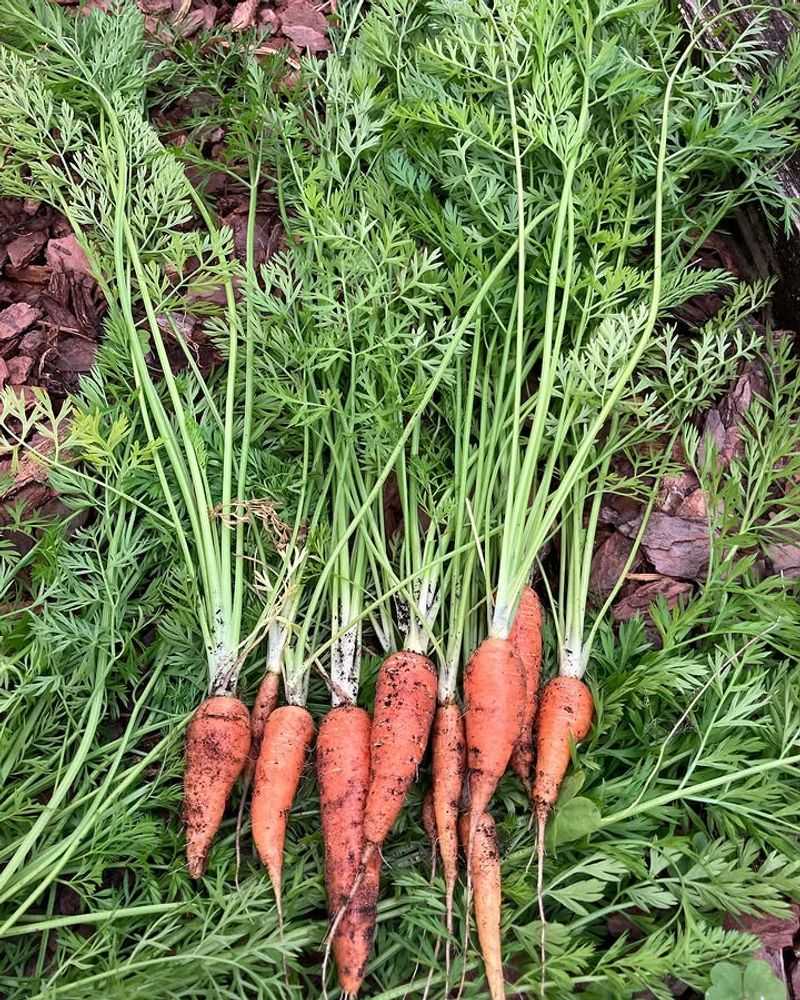
Carrots have a reputation for being slow, but baby carrots flip that script entirely. Harvested young at around two to three inches long, they mature significantly faster than full-size varieties and still deliver that sweet, satisfying crunch everyone loves.
April in Michigan is actually an ideal time to sow carrot seeds because the cool soil and consistent spring moisture support strong, even germination.
Prepare your soil well before planting since carrots need loose, rock-free ground to develop properly. Sow seeds very thinly about a quarter inch deep in rows six inches apart.
Carrot seeds are tiny and can be tricky to space evenly, so mixing them with a little sand before sowing helps distribute them more evenly across the row.
Keep the soil surface consistently moist until germination occurs, which usually takes one to two weeks depending on soil temperature.
Thin seedlings to about two inches apart once they reach an inch tall, and your baby carrots will be ready to pull in roughly fifty to sixty days.
Varieties like Chantenay Red Core and Little Finger are bred specifically for shorter roots and work beautifully in Michigan garden soils that have not been deeply loosened.
One fun detail about carrots is that they actually get sweeter after exposure to light frost, so any cool nights in April and May only improve their flavor. Homegrown baby carrots eaten fresh from your Michigan garden are genuinely nothing like the ones from a bag.
8. Turnips
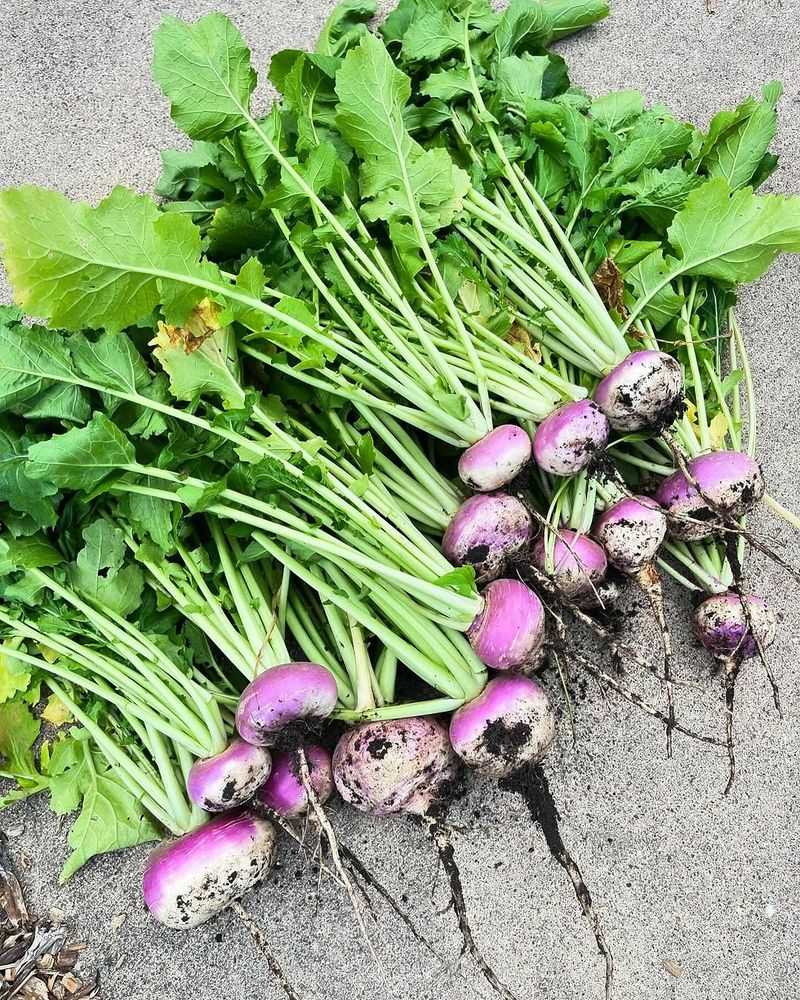
Turnips might not always get the spotlight, but Michigan gardeners who plant them in April discover just how productive and rewarding they really are. What makes turnips especially exciting is that you get two crops in one.
The leafy tops are edible and nutritious, ready to harvest as greens within just a few weeks, while the roots continue developing underground for a second harvest later on.
Sow seeds directly about half an inch deep and one inch apart in prepared garden soil. Turnips germinate quickly in cool April temperatures, often sprouting within just four to seven days.
Thin plants to about four inches apart once seedlings are established so each root has room to expand without crowding its neighbors.
Michigan spring conditions are genuinely ideal because turnips prefer soil temperatures between 50 and 65 degrees Fahrenheit for the best growth and flavor.
Roots are typically ready to harvest when they reach two to three inches in diameter, which happens roughly thirty to sixty days after sowing.
Leaving them in the ground too long during warm weather reduces quality, so April planting helps you beat the summer heat entirely.
Varieties like Purple Top White Globe and Tokyo Cross are reliable performers in Michigan gardens. The greens are best when harvested young and tender, tasting similar to mustard greens with a mild, pleasant bite.
Turnips are also extremely nutritious, offering vitamin C, fiber, and potassium in every serving.
9. Kale
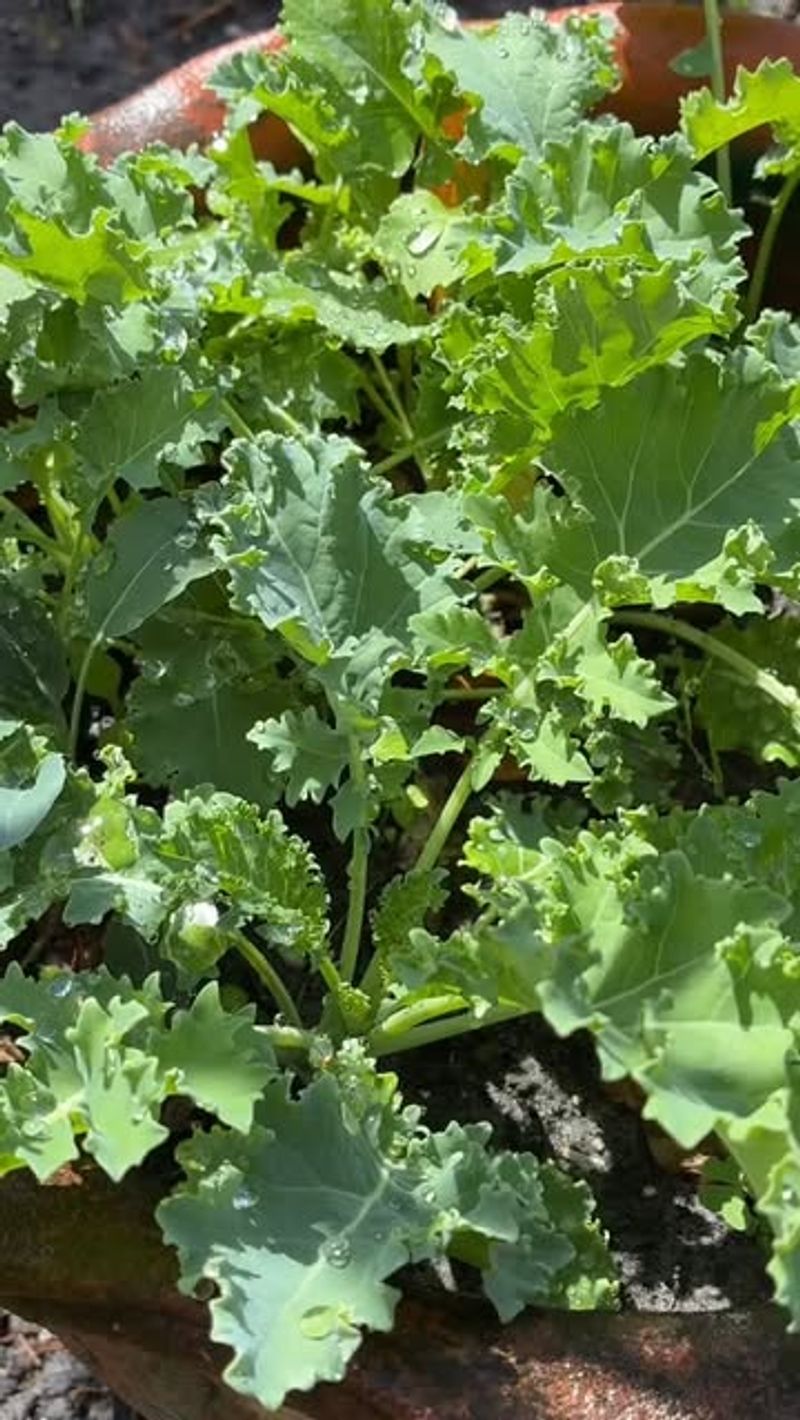
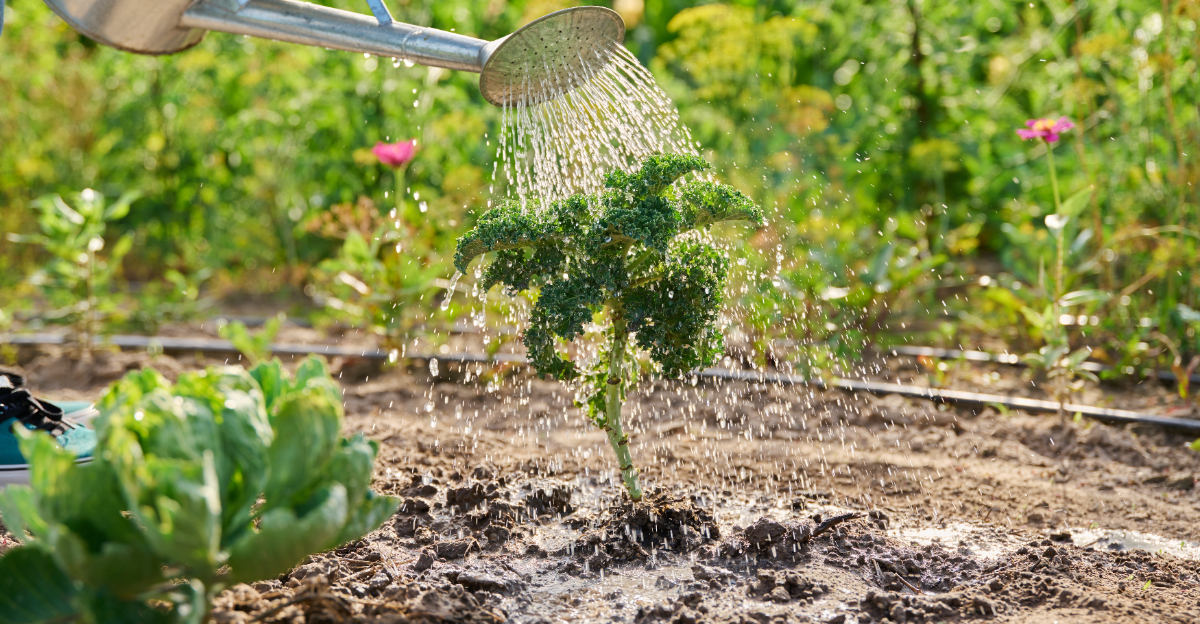
Kale is one of the toughest, most cold-tolerant leafy greens you can grow, and Michigan April weather is practically made for it. While some vegetables need coddling during spring temperature swings, kale just shrugs off the cold and keeps on growing.
A light frost actually improves kale flavor by converting some of the plant starches into sugars, giving the leaves a slightly sweeter, more mellow taste.
Direct sow seeds about half an inch deep in April or transplant seedlings started indoors a few weeks earlier. Space plants about twelve inches apart so each one has room to grow into a full, leafy rosette over the coming weeks.
Michigan spring soil paired with regular watering and a bit of balanced fertilizer gives kale everything it needs to thrive from April all the way through early summer and sometimes beyond.
Harvest young leaves from the bottom of the plant upward, always leaving the central growing tip intact so production continues for months.
Baby kale leaves are tender and mild enough for raw salads, while larger leaves work beautifully in soups, stir-fries, and smoothies.
Curly varieties like Winterbor and Vates are popular in Michigan gardens for their productivity and visual appeal in the garden bed. Red Russian kale is another excellent option with flat, tender leaves and a slightly sweeter flavor profile.
Starting kale in April gives Michigan gardeners a long, generous harvest window that stretches well into the warmer months ahead.