How Texas Gardeners Can Prevent Scorpions From Showing Up
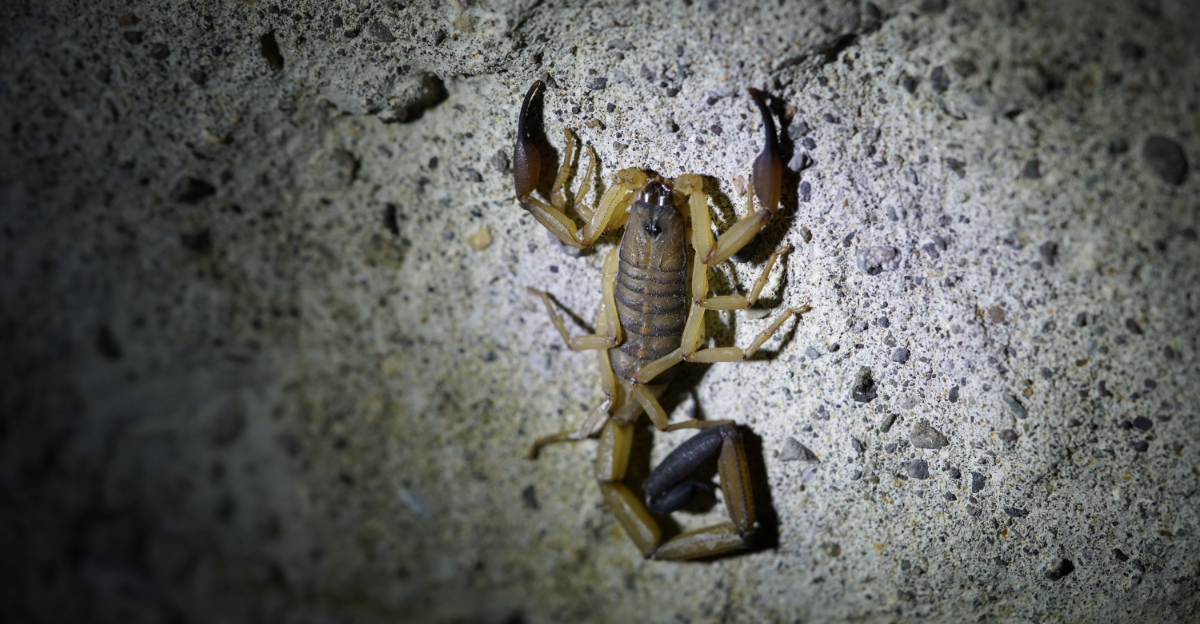
Most Texas gardeners have had that moment. You move a pot, step near a wall, or reach into a shaded corner and suddenly spot something you were not expecting.
Scorpions tend to show up quietly, especially as temperatures rise and outdoor spaces stay warm well into the evening.
They are drawn to areas that offer shelter, moisture, and easy access to food. That often means cluttered garden beds, stacked materials, or spots that stay cool during the day.
It does not take much for a yard to become inviting without anyone realizing it.
The good news is that a few simple adjustments can shift things in your favor. Paying attention to how your garden is set up can help reduce those hiding spots.
The steps ahead focus on practical ways to make your space less appealing to scorpions.
1. Remove Debris, Woodpiles, And Hiding Spots
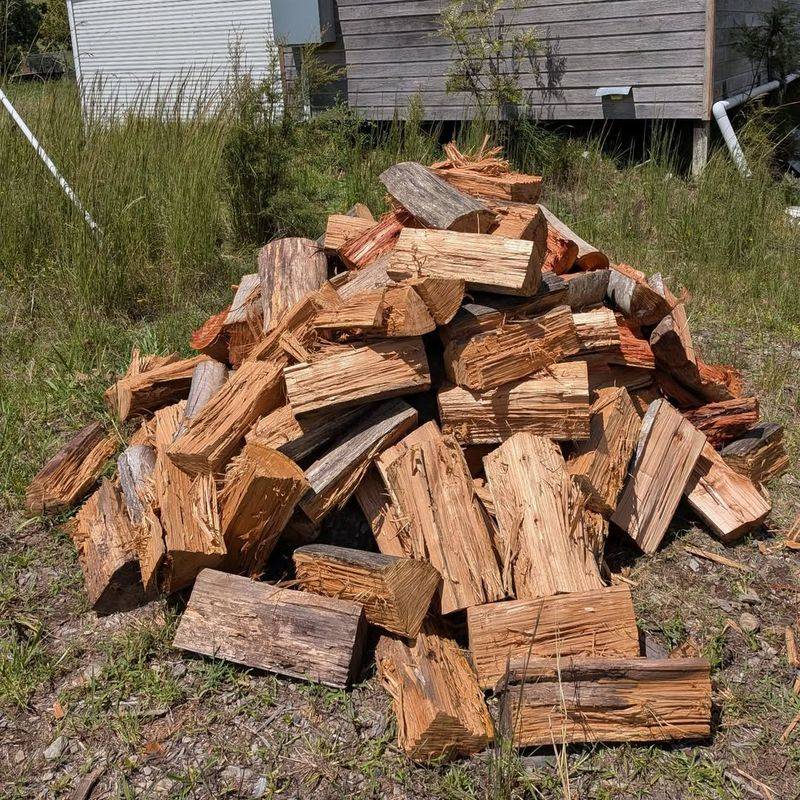
Scorpions are expert hiders, and your garden might be offering them the perfect five-star shelter without you even realizing it. Piles of leaves, old boards, fallen branches, and rotting wood are basically a welcome mat for these creatures.
In Texas, where scorpions are especially active during warm months, keeping your yard free of debris is one of the most effective things you can do.
Start by walking around your property and looking for anything that sits flat on the ground for long periods. Old lumber, unused pots, and thick layers of mulch are all prime hiding spots.
Move woodpiles away from the house and store them elevated on a rack so scorpions cannot nestle in underneath them.
Leaf litter along fences and garden beds is another common problem area. Rake regularly and bag up debris instead of letting it pile up near your home.
Compost bins should also be kept away from the house and sealed tightly when possible.
A clean yard is not just about looks. In Texas, it is a genuine safety strategy.
When scorpions have nowhere to hide during the day, they are much less likely to stick around your property. Getting into the habit of regular cleanup, especially after storms or windy days when debris accumulates quickly, will go a long way toward making your outdoor space less attractive to these unwanted guests.
Even small changes in how you manage yard waste can make a noticeable difference over time. They are nocturnal and prefer cool, shaded hiding spots during daylight hours to avoid heat and predators.
2. Seal Cracks And Gaps Around Garden Structures
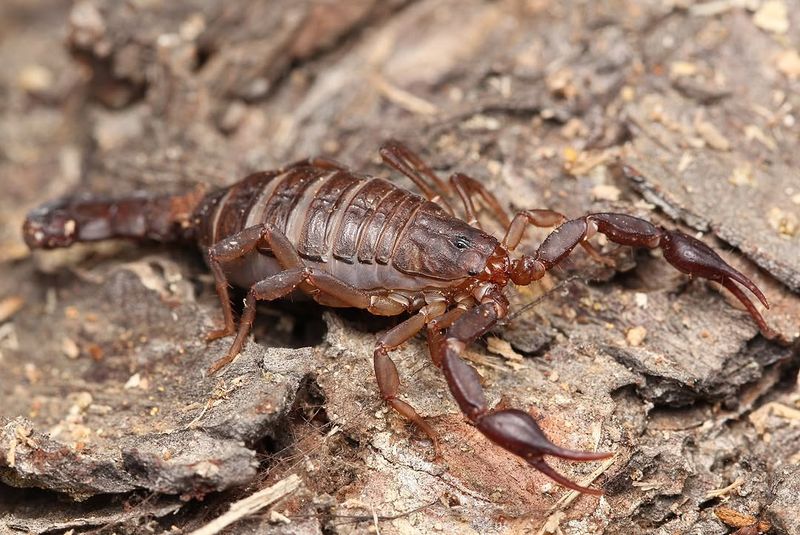
You might be surprised how little space a scorpion needs to squeeze through. Some species can flatten their bodies and slip through a gap no wider than a credit card.
That means any crack in a garden shed, retaining wall, raised bed border, or outdoor structure is a potential entry point worth addressing.
Walk around your garden structures and look carefully for openings near the base of sheds, around pipe entry points, and where different building materials meet. Caulk works well for smaller gaps, while expanding foam sealant handles larger openings effectively.
Your Texas Garden Changes Every Week. Your Plan Should Too.
Gardening in Texas changes quickly throughout the season. Every Friday you’ll receive a simple weekly plan showing exactly what to plant, prune, fertilize, harvest, and protect so you never miss the right timing.
Pay special attention to the areas where your garden beds meet a fence or wall.
In Texas, where scorpions are found in both urban and rural settings, sealing these gaps is especially worthwhile. Bark scorpions in particular are known for being skilled climbers, so gaps higher up on structures should not be ignored either.
Check along rooflines, window frames, and door frames of any outdoor buildings you use for storage.
Weatherstripping on shed doors is another smart addition. If light passes through a gap under a door, so can a scorpion.
Replacing worn weatherstripping takes only minutes but provides long-lasting protection. Think of it as building a barrier that makes your garden structures unappealing rest stops.
Staying consistent with inspections each season, especially heading into spring and summer when scorpion activity picks up across Texas, will help you catch and fix new gaps before they become a bigger problem. They can enter through openings as small as one eighth of an inch, making even tiny cracks worth sealing.
3. Reduce Outdoor Lighting That Attracts Insects

Here is something most people never connect: your outdoor lights might be indirectly inviting scorpions into your garden. Bright white lights attract moths, beetles, flies, and other insects.
Scorpions feed on those insects, so wherever bugs gather at night, scorpions are likely to follow. It is a simple food chain playing out right in your yard.
Switching to yellow-tinted or warm LED bulbs can make a big difference. These wavelengths are far less attractive to insects than cool white or blue-toned lights.
Motion-activated lights are another great option because they only turn on when needed, reducing the total amount of time insects are drawn to your outdoor space.
In Texas, summer nights are warm and long, which means insects are active for extended periods. Reducing the insect buffet near your patio, garden shed, and back door is a smart way to lower scorpion activity in those same areas.
Position lights away from doorways and garden entry points when possible, directing the beam outward rather than attracting bugs straight to your home.
Solar-powered path lights with amber tones are a stylish and functional choice for Texas gardens. They provide enough visibility without cranking up insect activity.
Think of your lighting setup as part of your overall pest management plan. Small adjustments in the type and placement of outdoor lights can quietly reduce the insect population near your garden, which in turn makes the whole yard a less rewarding hunting ground for scorpions looking for an easy meal.
They rely on abundant insect prey, so reducing nighttime insects can directly lower scorpion activity around homes.
4. Keep Grass Trimmed And Plants Well-Spaced
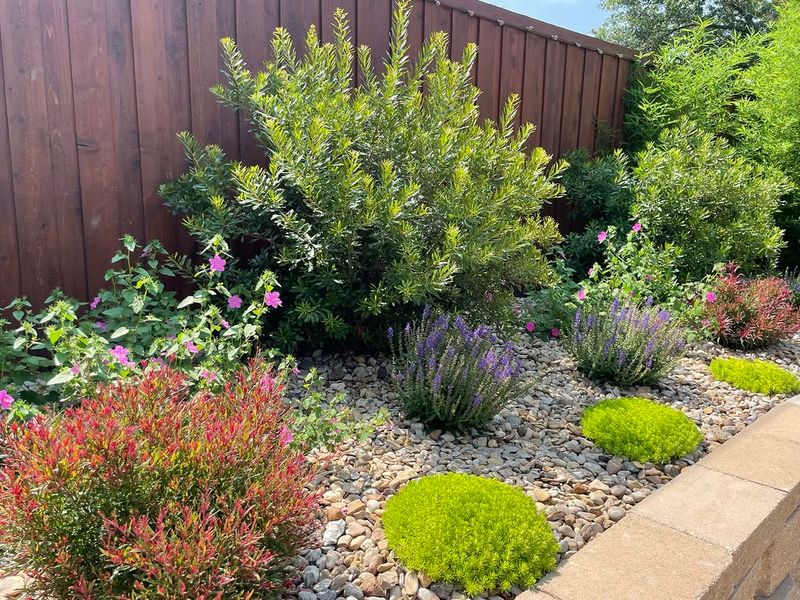
Overgrown grass and densely packed plants create exactly the kind of dark, moist, sheltered environment that scorpions love. When vegetation is thick and untrimmed, it gives scorpions easy cover to move around your yard without being seen or disturbed.
Keeping things neat and open takes away that advantage.
Mow your lawn regularly, especially during Texas summers when grass grows fast. Aim to keep it short enough that you can clearly see the ground beneath it.
Along garden borders and fence lines, use edgers and trimmers to cut back any overgrown patches that might otherwise go unnoticed for weeks at a time.
When planting shrubs, perennials, and ground covers, give each plant enough room to breathe. Crowded plantings not only invite scorpions but also encourage fungal issues and other garden problems.
Spacing plants properly improves airflow and makes it easier to spot anything unusual moving around in your beds.
Pruning is just as important as mowing. Branches that hang low to the ground or drape over pathways create natural ramps and hiding places.
In Texas, where landscape plants grow vigorously due to the warm climate, staying on top of pruning throughout the growing season is a real commitment. However, the payoff goes beyond scorpion prevention.
A well-maintained garden is healthier, more productive, and simply more enjoyable to spend time in. Think of regular trimming as a form of garden hygiene that benefits every living thing in your yard except the pests you are trying to discourage.
They avoid open, exposed areas and prefer dense cover that protects them from heat, predators, and disturbance.
5. Limit Moisture And Fix Leaks In The Yard
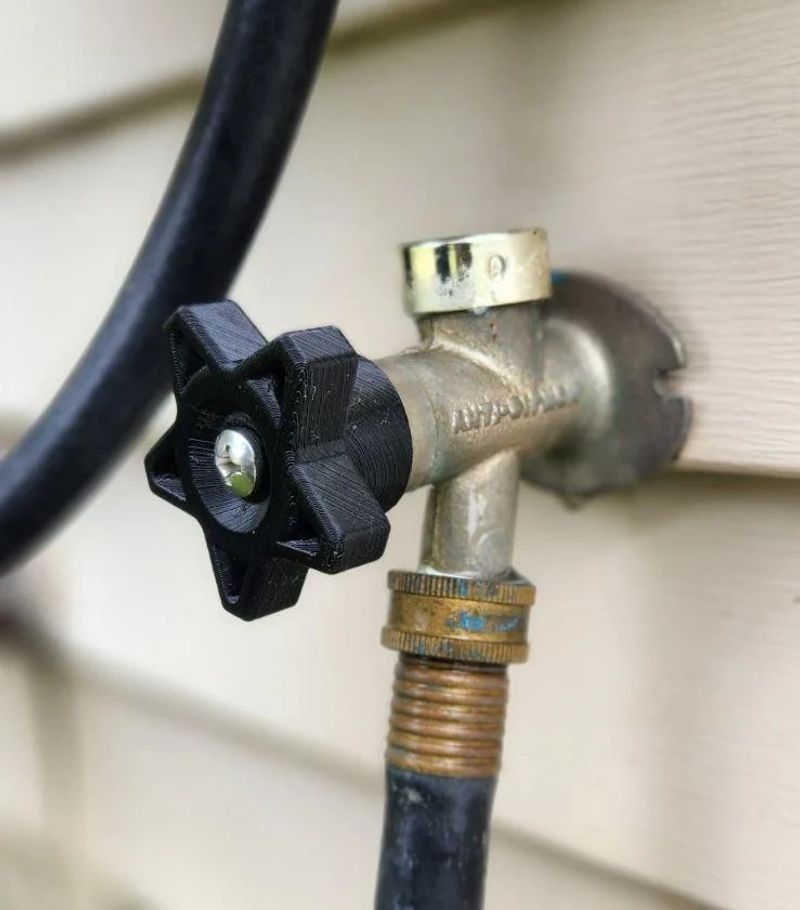
Water is life, and that applies to scorpions too. Like most creatures, scorpions are drawn to moisture, especially in the dry heat of a Texas summer.
Leaky hoses, dripping faucets, clogged gutters, and areas of standing water all create moist microhabitats that scorpions and their insect prey find very appealing.
Walk your yard and look for any spots where water tends to collect after rain or irrigation. Low-lying areas, spots near air conditioning drainage lines, and places where hoses connect to spigots are common trouble zones.
Fixing even a slow drip can reduce the moisture level enough to make that area less attractive to pests.
Adjust your irrigation schedule so you are not overwatering. Many Texas gardeners water too frequently out of habit, especially during cooler stretches of weather.
Watering deeply but less often encourages plant roots to grow deeper while keeping the surface of the soil drier. This simple change can have a big impact on how many moisture-seeking creatures linger near your garden beds.
Gutters that overflow or drain too close to the house foundation are another common moisture source worth addressing. Make sure downspouts direct water away from the home and garden structures.
Installing French drains or gravel borders along fence lines can also help manage excess moisture in problem areas. Keeping your yard as dry as possible, while still meeting your plants water needs, is one of the most underrated scorpion prevention strategies available to Texas gardeners who want real results.
They lose water easily through their bodies and seek humid spots to reduce dehydration and survive hot conditions.
6. Clear Rocks, Boards, And Clutter Near The House
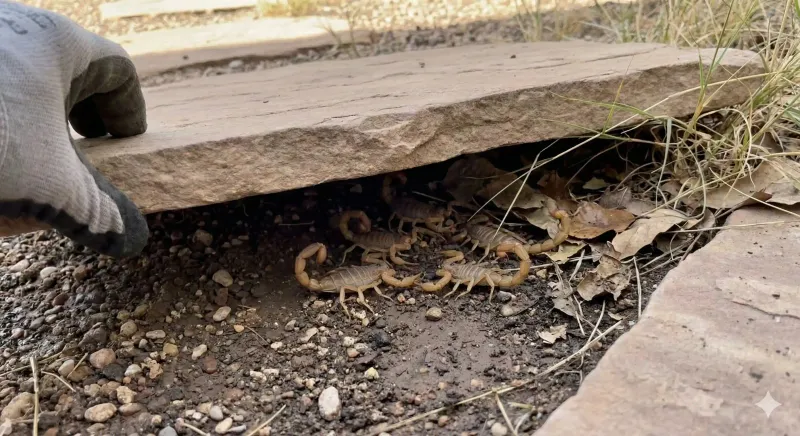
Flat rocks, stacked boards, old bricks, and forgotten garden tools lying on the ground are among the most common scorpion shelters found right next to Texas homes. Scorpions are nocturnal, spending their days tucked under cool, dark objects pressed against the ground.
Anything flat and undisturbed near your house is worth checking and removing.
Decorative rock borders can be beautiful, but they also create a network of tiny hiding spots. If you love using rocks in your landscaping, consider switching to larger boulders that sit more openly and are harder for scorpions to hide under.
Alternatively, keep rock features well away from the walls of your home and inspect them regularly during active scorpion seasons.
Old lumber, broken pots, unused garden equipment, and stacks of pavers left on the ground are all clutter worth eliminating. In Texas, where the striped bark scorpion is the most commonly encountered species, these ground-level hiding spots near the home are a serious concern.
That species is considered the most medically significant scorpion in North America, which makes minimizing its habitat options around your property a smart priority.
Make it a seasonal habit to clear the perimeter of your home thoroughly. Spring and fall are great times to do a full sweep of the area immediately around your house.
The closer something sits to your foundation, the more important it is to move or remove it. A clean perimeter is one of the strongest lines of defense you can maintain as a Texas gardener looking to reduce scorpion encounters.
7. Encourage Natural Predators Like Birds And Lizards
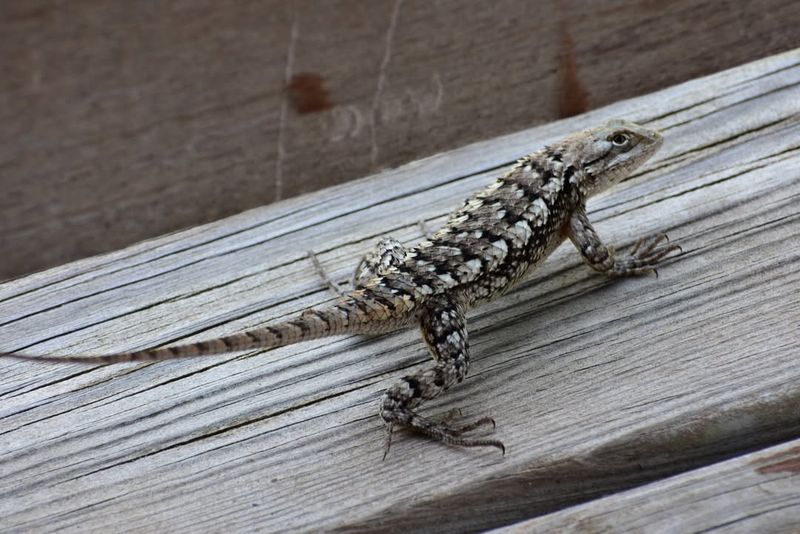
Nature already has a built-in scorpion management system, and all you have to do is invite it into your garden. Several animals that are common across Texas naturally feed on scorpions, including roadrunners, owls, large lizards, and even certain species of birds.
Encouraging these creatures to visit or live near your property is one of the most satisfying and eco-friendly ways to reduce scorpion populations.
Setting up bird feeders and birdbaths attracts a variety of bird species that also hunt insects and small invertebrates. Owls, in particular, are excellent nocturnal hunters that will happily pursue scorpions after dark.
Installing an owl box on a fence post or tree at the edge of your property is a simple and rewarding project for Texas gardeners who want to work with nature.
Lizards like the Texas spiny lizard and the green anole are fast, agile hunters that patrol gardens and fences regularly. Providing flat rocks in sunny spots, dense native plantings, and low brush piles away from the house can give lizards a comfortable habitat from which they will naturally manage pest populations nearby.
Avoid using broad pesticides that might harm these helpful allies.
Chickens are another surprisingly effective option for Texas homeowners with enough space. They scratch through leaf litter and soil looking for insects and small creatures, and scorpions are fair game.
Creating a yard that supports biodiversity does double duty by making your garden more vibrant and productive while quietly keeping scorpion numbers in check through completely natural means. Many predators are resistant to venom and can safely hunt scorpions without being seriously affected.