What Texas Bougainvillea Needs In May For Blooms Through September
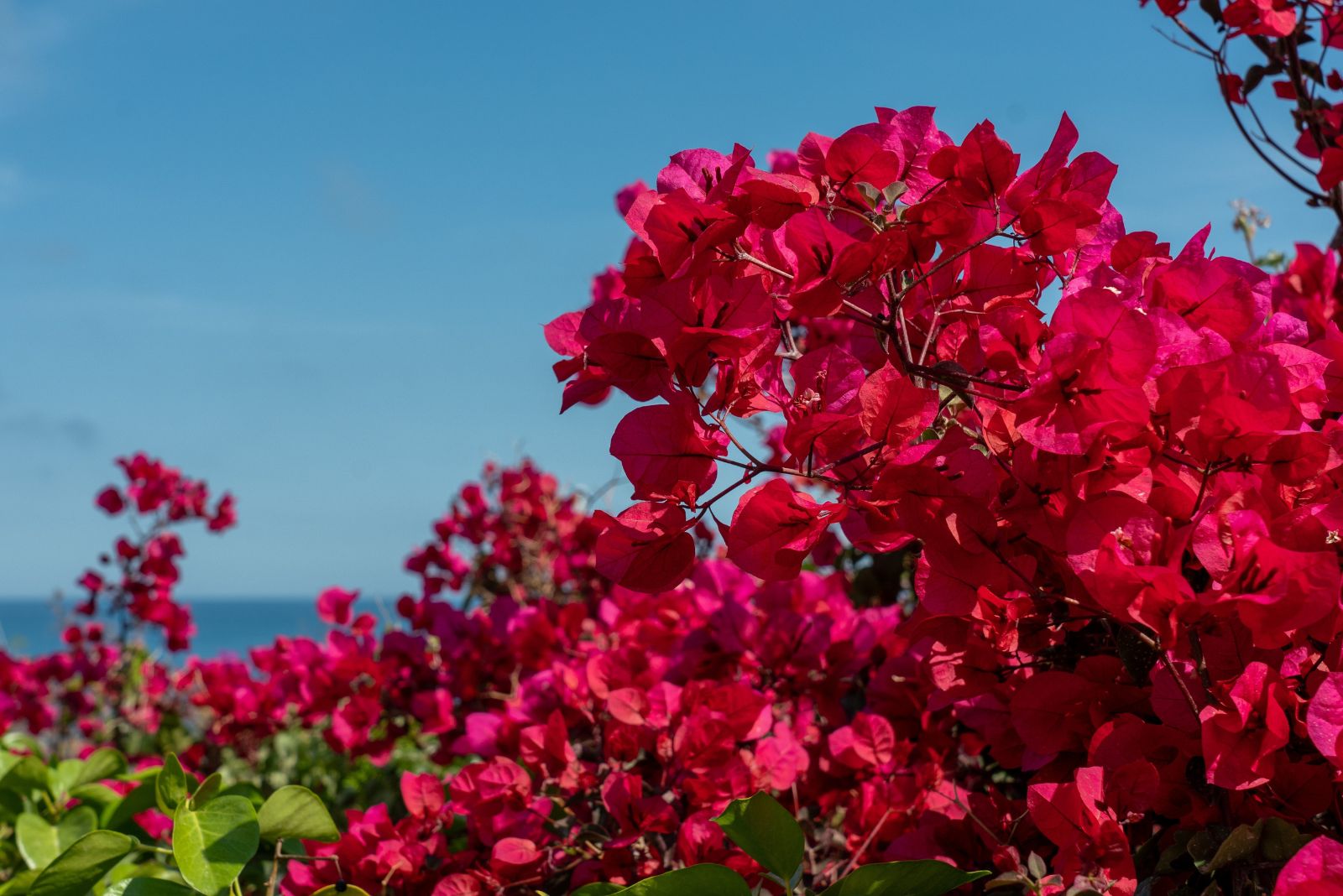
May is the month that sets the tone for your bougainvillea’s entire summer performance. Get the care right now and you can have bold, nonstop color straight through September, even through the peak of a Texas summer when most plants are just trying to survive.
Skip the right steps and you will likely end up with a plant that looks decent but never really delivers the show it is capable of. Bougainvillea is built for Texas heat, but that toughness does not mean it runs on autopilot.
What you feed it, how you water it, and whether you prune at the right moment in May all play a direct role in how many blooms you see over the next several months.
The window to get this right is open right now, and the good news is that none of it is complicated once you know exactly what this plant is asking for.
1. Full Texas Sunlight
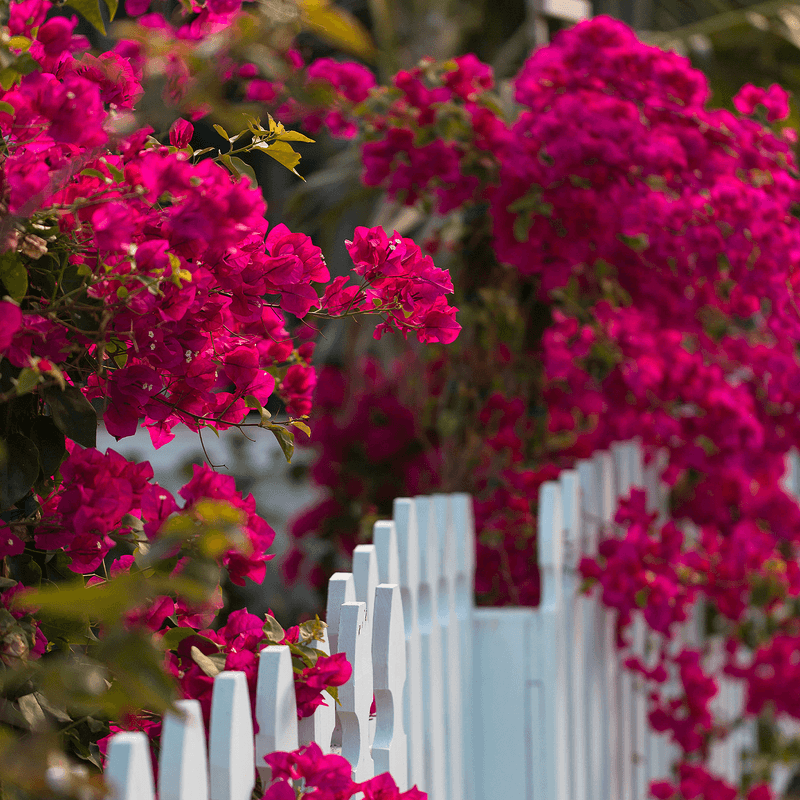
Nothing gets a bougainvillea going quite like a full blast of Texas sun. These plants are built for heat and light, and they absolutely thrive when they get at least six to eight hours of direct sunlight every single day.
In Texas, May is the perfect month to make sure your plant is positioned where nothing is blocking that sun.
Bougainvillea actually produces more blooms when it feels a little stressed by the heat. Shade can trick the plant into putting energy into growing leaves instead of those gorgeous colorful bracts.
So if your plant is sitting under a tree or near a structure that casts afternoon shade, consider moving it or trimming back whatever is blocking the light.
South-facing and west-facing spots in your yard are usually the best choices in Texas. The afternoon sun in those locations is intense, and bougainvillea loves every bit of it.
Container plants are especially easy to reposition if needed. Just make sure the pot gets direct sun for most of the day.
One thing to keep in mind is that young or recently transplanted bougainvillea may need a few days to adjust to full sun after being in a shaded nursery. Give it about a week to settle in before expecting big blooms.
Once it gets comfortable in that bright spot, the flowering show really begins. Strong, consistent sunlight in May sets the whole season up for success, and your plant will keep pushing out color well into September.
2. Well-Draining Soil
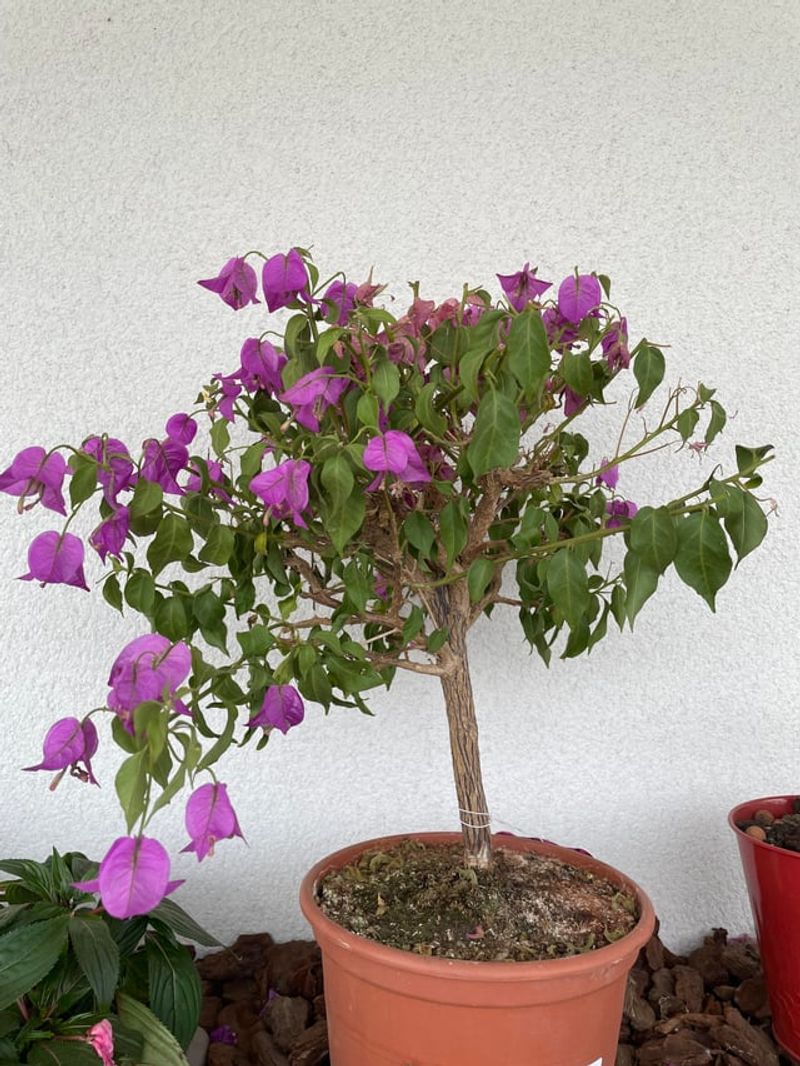
Soggy soil is one of the fastest ways to slow down a bougainvillea. These plants come from dry, coastal regions of South America, so their roots are designed to handle dry spells much better than wet ones.
In Texas, where spring rains can be heavy and unpredictable, having the right soil setup makes a huge difference.
If your bougainvillea is planted in the ground, check that the area drains well after rain. Standing water around the roots for more than a few hours can cause problems and reduce flowering.
Raised beds or slightly elevated planting spots work great because water moves away from the roots naturally. Mixing coarse sand or perlite into clay-heavy Texas soil can also improve drainage quite a bit.
Your Texas Garden Changes Every Week. Your Plan Should Too.
Gardening in Texas changes quickly throughout the season. Every Friday you’ll receive a simple weekly plan showing exactly what to plant, prune, fertilize, harvest, and protect so you never miss the right timing.
For container plants, always use a fast-draining potting mix. Cactus and palm mixes work really well for bougainvillea because they let water flow through quickly.
Make sure your pot has drainage holes at the bottom, and never let the pot sit in a saucer full of water for long periods.
Healthy drainage also helps prevent fungal issues that show up in humid Texas summers. When roots stay too wet, the plant focuses its energy on surviving rather than blooming.
Getting the soil situation right in May means your bougainvillea can spend its energy producing those bright, colorful bracts all season long.
Think of well-draining soil as the foundation of everything else you do for your plant. Get this part right, and the rest becomes much easier to manage through September.
3. Light Pruning Before Peak Growth
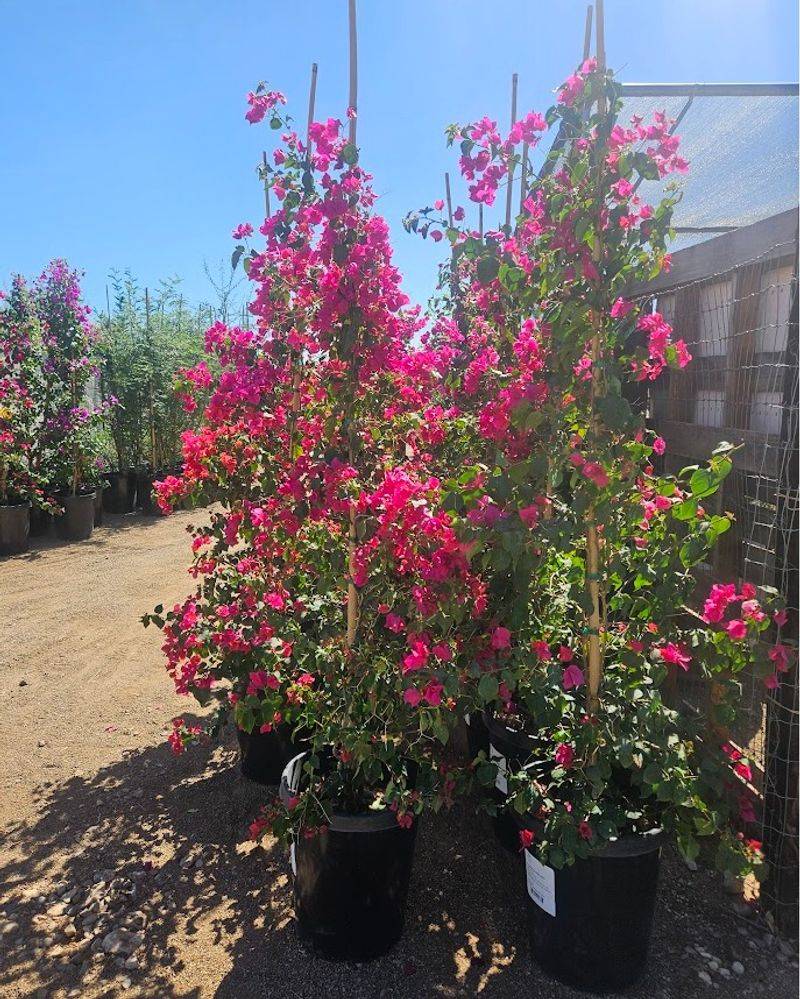
May is the sweet spot for giving your bougainvillea a light trim. By this point in the year, the plant has woken up from its slower winter period and is pushing out new growth.
A little strategic pruning right now can shape the plant and encourage it to branch out more, which means more flowering tips and a fuller, more impressive display through summer.
You do not need to go heavy-handed here. The goal is to snip back any long, leggy stems that have stretched out without producing many blooms.
Cutting those stems back by about one-third encourages the plant to send out multiple new shoots from each cut point. More shoots mean more branch tips, and bougainvillea blooms on new growth, so more tips equals more flowers.
Use clean, sharp pruning shears to make smooth cuts just above a leaf node. Jagged cuts can invite pests or create spots where moisture collects.
After pruning, the plant may look a little bare for a week or two, but that is completely normal. New growth will appear quickly, especially in the warm Texas weather.
Avoid heavy pruning once the plant is in full bloom, because that would cut off the very stems that are producing your color show. May is the right window because you are getting ahead of peak growth, not interrupting it.
A well-timed light trim in May can genuinely double the number of blooms you see by July and August. It is one of the simplest things you can do with the biggest payoff for your plant.
4. A Low-Nitrogen Fertilizer
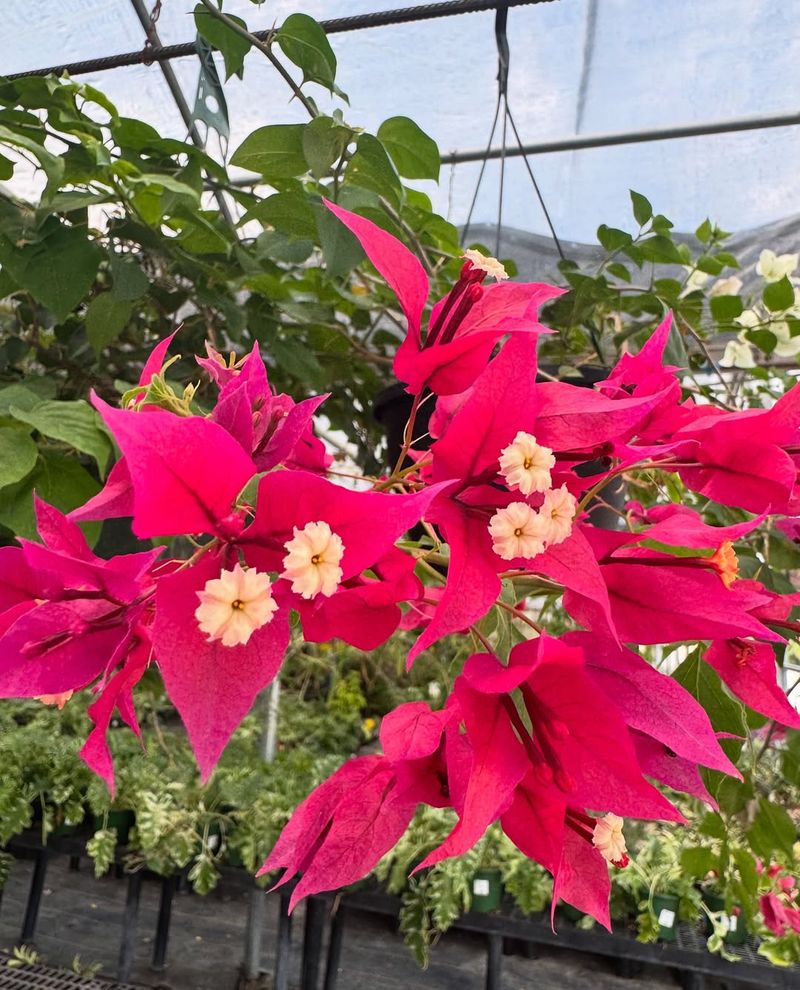
Here is something that surprises a lot of gardeners: feeding bougainvillea the wrong fertilizer can actually work against you. Standard all-purpose fertilizers are often high in nitrogen, which is great for leafy green plants.
But for bougainvillea, too much nitrogen sends the plant into a leaf-growing frenzy instead of a blooming one. You end up with a big, lush, green plant that barely flowers.
What bougainvillea really needs is a fertilizer that is higher in phosphorus and potassium than nitrogen. Look for products labeled as bloom boosters or flowering plant fertilizers.
The numbers on the bag represent nitrogen, phosphorus, and potassium in that order. For bougainvillea, you want the first number to be low and the second and third numbers to be higher, something like 6-30-30 or similar ratios.
Start fertilizing in May when the plant is actively growing and heading into its peak blooming season. A light application every three to four weeks through summer is usually enough.
Do not over-fertilize, because too much of anything can stress the plant. Always water the plant before applying fertilizer to avoid burning the roots.
Slow-release granular fertilizers work well because they feed the plant gradually over time. Liquid fertilizers give faster results but need to be applied more often.
Either option works fine as long as the nitrogen content stays low. Getting the fertilizer balance right in May gives your bougainvillea exactly what it needs to pump out those vivid bracts from now all the way through September without burning out.
5. Careful Watering
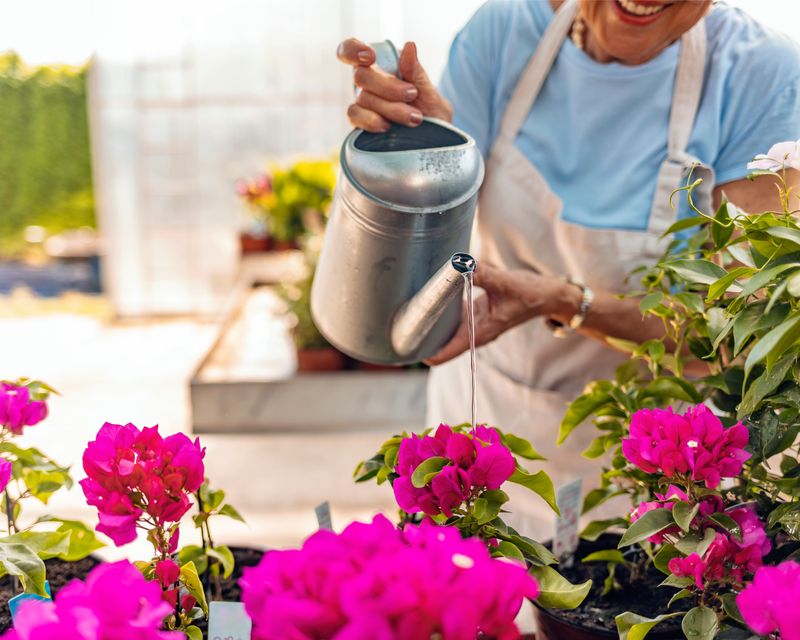
Watering bougainvillea is a little different from watering most other garden plants. Most people assume that more water means more blooms, but with bougainvillea, the opposite is often true.
Letting the soil dry out slightly between waterings actually triggers the plant to produce more flowers. It is a stress response, and in this case, that stress works in your favor.
In May, Texas weather can swing between rainy spells and dry stretches. Pay attention to what the weather is doing and adjust your watering schedule accordingly.
During dry periods, water deeply once or twice a week rather than giving small amounts every day. Deep watering encourages roots to grow downward, which makes the plant stronger and more drought-tolerant as the summer heats up.
Check the soil before you water. Stick your finger about two inches into the soil near the base of the plant.
If it still feels moist, hold off for another day or two. If it feels dry, go ahead and water thoroughly.
Container plants dry out faster than in-ground plants, especially in Texas heat, so they may need water more frequently.
Avoid getting water on the leaves and bracts when possible. Wet foliage in hot, humid conditions can invite fungal problems.
Water at the base of the plant in the early morning so any splashed moisture has time to evaporate during the day.
Consistent but careful watering through May and into summer keeps your bougainvillea happy, healthy, and focused on doing what it does best: producing stunning color through September.
6. Protection From Early Pest Problems
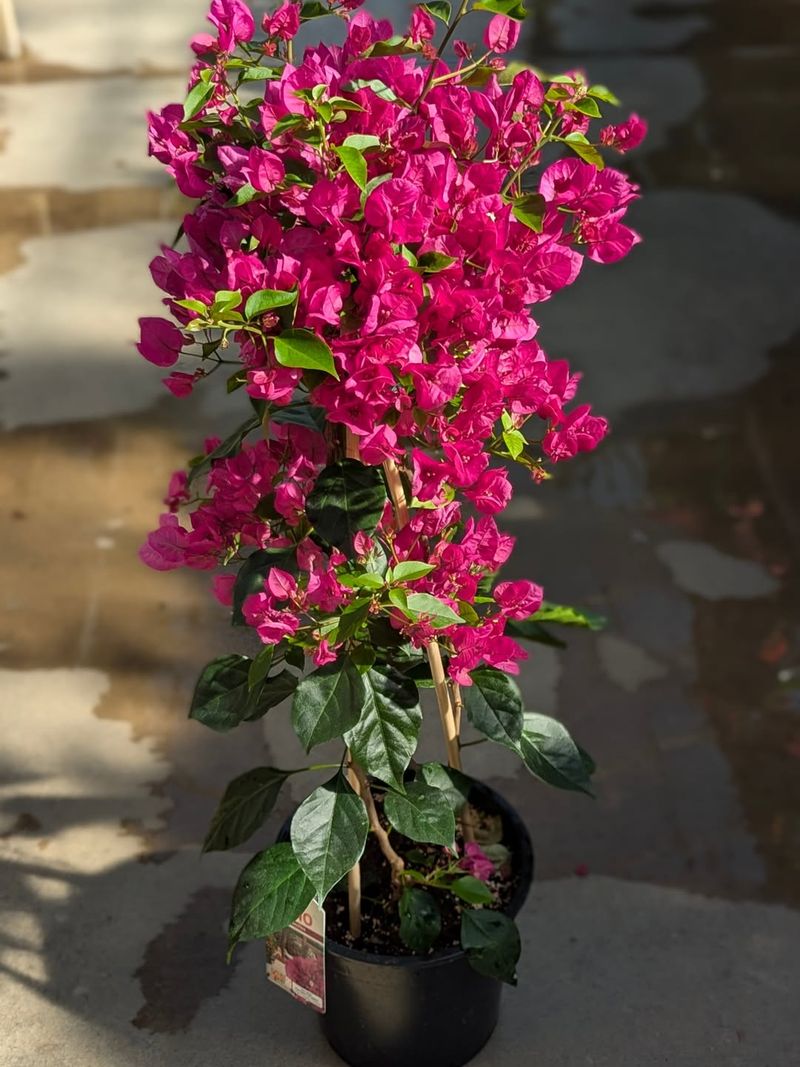
Spider mites and caterpillars are two of the most common pest problems that can show up on Texas bougainvillea as temperatures warm up in May. Catching these pests early makes a big difference.
If they get a head start, they can weaken the plant just before its peak blooming season, and you end up with less color through the summer months.
Spider mites are tiny and hard to see, but they leave behind telltale signs. Look for fine webbing on the undersides of leaves and a dusty or stippled appearance on the leaf surface.
These pests thrive in hot, dry conditions, which makes Texas in May a perfect environment for them. A strong spray of water from a garden hose can knock them off the plant, and insecticidal soap works well for more serious infestations.
Caterpillars, especially the larvae of certain moths, love to chew through bougainvillea leaves and young stems. Check your plant regularly in the morning when caterpillars are most active.
Hand-picking works well if there are only a few. For larger numbers, a product containing Bacillus thuringiensis, often called Bt, is a safe and effective option that targets caterpillars without harming beneficial insects.
Making pest checks a weekly habit in May keeps small problems from turning into big ones. A healthy, pest-free plant going into June and July has all the energy it needs to push out wave after wave of brilliant blooms.
Staying on top of pest protection early in the season is one of the smartest investments you can make for a spectacular bougainvillea display through September.