Best Sun Loving Indoor Plants For Pennsylvania Homes
There’s a certain satisfaction in finding that one sunny spot in your home where plants actually thrive. In Pennsylvania, where winter light can feel limited, those bright windows become valuable space for growing something green indoors.
Not every houseplant can handle direct sun, though. Some fade, scorch, or lose their shape when placed in strong light, even when everything else seems right.
Choosing plants that enjoy those conditions makes indoor growing much easier.
It often comes down to matching the plant to the light you already have instead of trying to adjust everything else. A few well-chosen options can stay healthy and keep their color without constant attention.
The plants coming up are known for handling sunny indoor spots and staying reliable throughout the year.
1. Aloe Vera Thriving In Bright, Sunny Spots
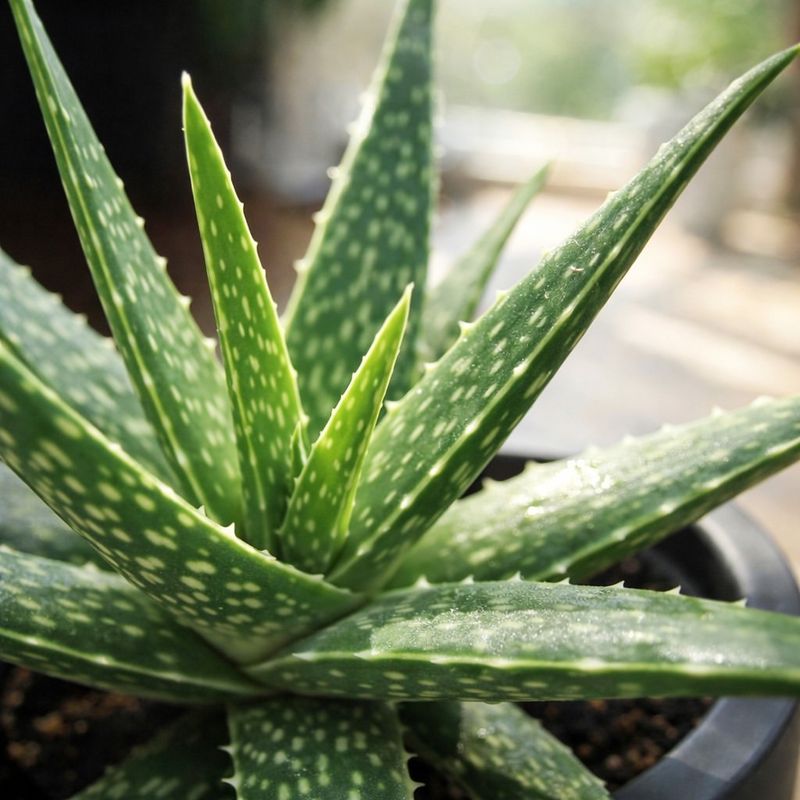
Few plants have earned their place in homes across Pennsylvania quite like aloe vera. Known for its thick, spiky leaves filled with a cooling gel, this succulent is both a beautiful houseplant and a handy natural remedy.
Got a minor sunburn after a summer afternoon in Pittsburgh? Just snap off a leaf and apply the soothing gel directly to your skin.
Aloe vera loves bright, indirect sunlight and does well near a south- or west-facing window. It can handle a few hours of direct morning sun without any trouble.
However, too much harsh afternoon sun can cause the leaves to turn a yellowish color, so a sheer curtain can help during peak summer heat.
One of the best things about this plant is how forgiving it is when it comes to watering. Allow the soil to dry out completely between waterings, as aloe hates sitting in soggy soil.
Watering every two to three weeks during summer and even less in winter is usually plenty.
Plant it in well-draining cactus or succulent mix and choose a pot with drainage holes. Aloe vera grows slowly but steadily, and over time it can produce small offshoots called pups that you can repot and share with friends.
For Pennsylvania homeowners who want a low-effort, high-reward plant, aloe vera is a fantastic starting point for any sunny indoor garden.
2. Snake Plant Handling Sun With Tough, Upright Leaves
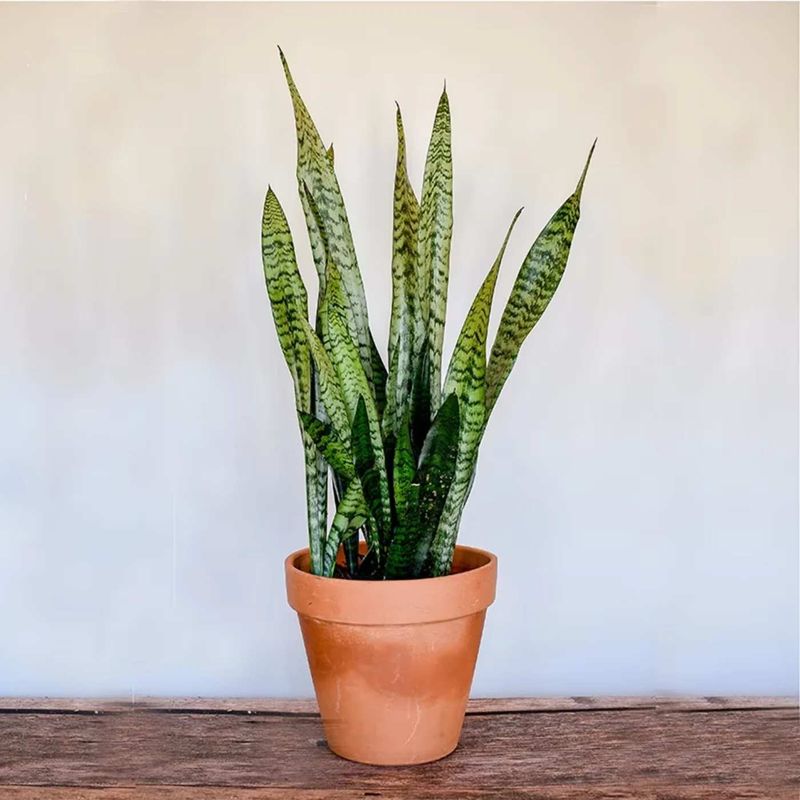
Tough, stylish, and practically indestructible, the snake plant is one of the most celebrated houseplants among Pennsylvania homeowners. Its tall, upright leaves with bold green and yellow edges look like modern art standing in the corner of a room.
Even people who think they cannot keep plants alive tend to find success with this one.
While the snake plant is well known for tolerating low light, it truly thrives in bright, sunny conditions. Place it near a south- or east-facing window in your Pennsylvania home and watch it grow with impressive vigor.
It can handle some direct sunlight too, especially the gentler morning rays, which help bring out the vibrant color in its leaves.
Watering the snake plant is refreshingly simple. It stores water in its thick leaves, so overwatering is a much bigger concern than underwatering.
Your Pennsylvania Garden Changes Every Week. Your Plan Should Too.
Gardening in Pennsylvania changes quickly throughout the season. Every Friday you’ll receive a simple weekly plan showing exactly what to plant, prune, fertilize, harvest, and protect so you never miss the right timing.
During summer, water every two to three weeks. In winter, once a month is usually more than enough.
Always let the soil dry out completely before watering again.
Beyond its good looks, the snake plant is also known for its air-purifying qualities. For Pennsylvania residents looking for a bold, architectural plant that handles sunny rooms with ease, the snake plant absolutely delivers on every front.
3. Jade Plant Building A Thick, Sculptural Look
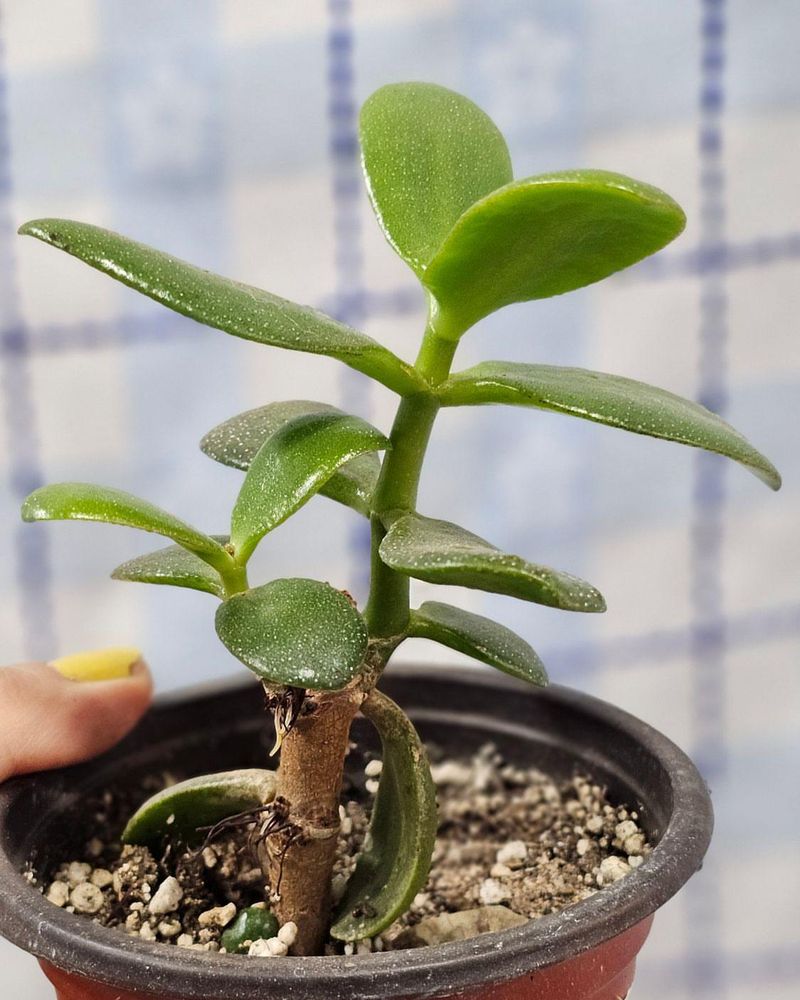
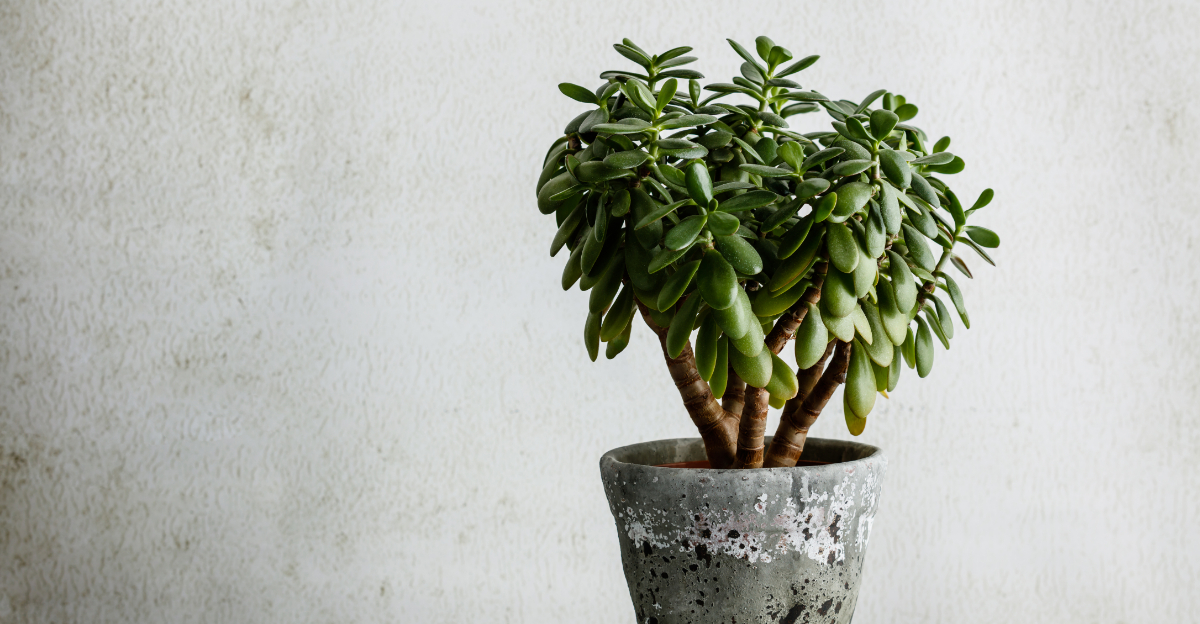
Imagine a plant that looks like a tiny tree, stores water in its plump leaves, and can live for decades with the right care. That is exactly what the jade plant offers Pennsylvania homeowners.
Originating from South Africa, this charming succulent has become one of the most popular houseplants in homes across the country, and for good reason.
Jade plants thrive with at least four hours of direct sunlight each day, making a south-facing window in your Pennsylvania home the ideal spot. During the shorter winter days, you may notice the plant slowing its growth, which is completely normal.
Just make sure it still gets as much light as possible during those gray Pennsylvania winters.
Watering is simple: let the soil dry out between waterings and avoid overwatering, which is the most common mistake new plant owners make. In spring and summer, water more frequently.
In fall and winter, cut back significantly. Using a well-draining potting mix made for succulents works best.
Fun fact: in many cultures, the jade plant is considered a symbol of good luck and prosperity, earning it the nickname “money plant.” With its small, oval-shaped leaves and thick woody stems, it adds a bonsai-like elegance to any bright room. Whether you place it on a kitchen counter or a sunny living room shelf in your Pennsylvania home, the jade plant is a reliable and rewarding companion for plant lovers of all experience levels.
4. ZZ Plant Glossy Leaves That Stay Sharp In Light
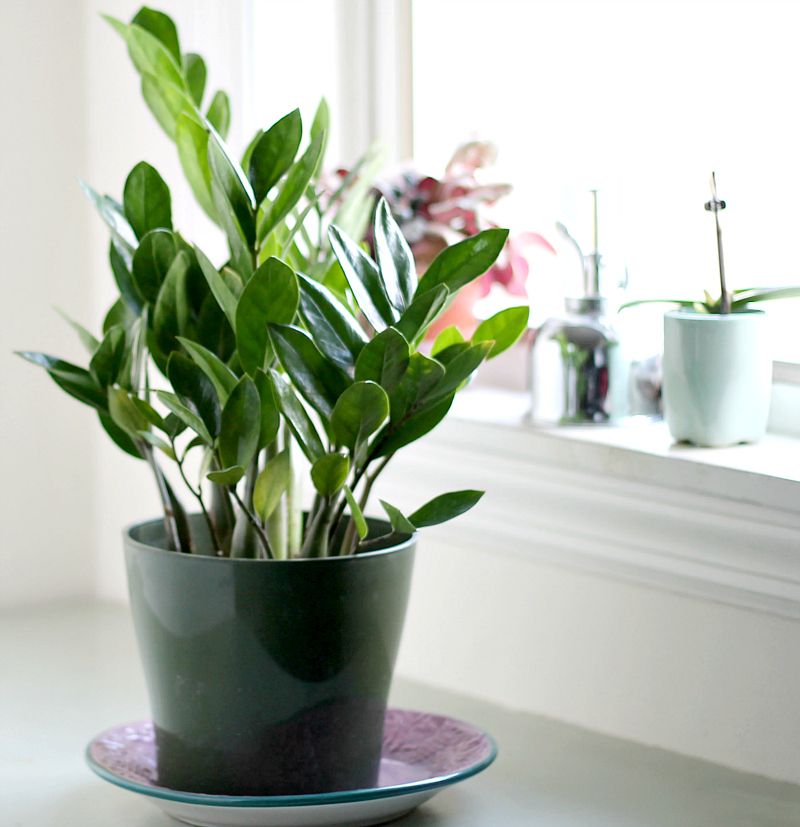
Glossy, dark green leaves that practically shine under natural light, the ZZ plant is one of those houseplants that looks like it belongs in a design magazine. Originally from Eastern Africa, this slow-growing beauty has become a favorite in Pennsylvania homes because of its ability to adapt to a wide range of light conditions, including sunny spots near windows.
Although ZZ plants are famous for handling low light, giving them bright, indirect sunlight helps them grow faster and look their absolute best. A spot near a bright east- or north-facing window works wonderfully.
Avoid placing it in harsh, direct afternoon sun for extended periods, as the leaves can develop brown patches if exposed too long without any shade.
What makes the ZZ plant stand out is its underground rhizomes, which store water much like a camel stores water in its hump. This means you can go weeks without watering and your plant will still look perfectly fine.
For busy Pennsylvania homeowners or anyone who travels frequently, this is a huge advantage.
Use a well-draining potting mix and a pot with drainage holes to keep the roots healthy. Fertilize lightly once a month during spring and summer with a balanced liquid fertilizer.
Its low-maintenance nature, combined with its stunning appearance, makes it a top pick for anyone wanting to add greenery to their Pennsylvania home without a lot of fuss.
5. Ponytail Palm Bringing A Fun Shape
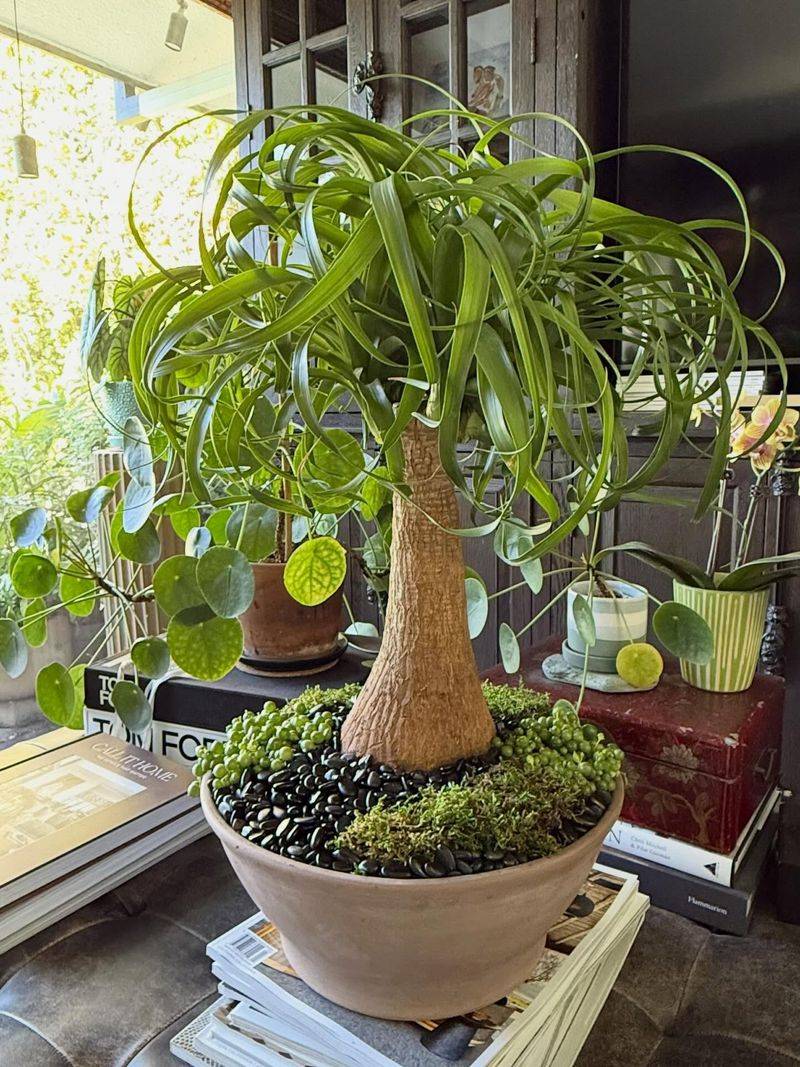
With its swollen trunk base and long, curly leaves cascading like a fountain, the ponytail palm is one of the most distinctive-looking plants you can grow indoors. Despite its name, it is not actually a palm tree at all.
It belongs to the agave family and is technically a succulent, which explains why it handles dry conditions so effortlessly.
Pennsylvania homes with south- or west-facing windows are perfect for this quirky plant. It loves as much direct sunlight as it can get, so do not be shy about giving it the sunniest spot in the room.
The more light it receives, the healthier and more vibrant its long, strap-like leaves will appear throughout the year.
Watering is where many new plant owners go wrong with the ponytail palm. Because it stores water in its thick trunk, it only needs to be watered every two to three weeks in summer and even less in winter.
Stick your finger two inches into the soil; if it still feels damp, hold off on watering a little longer.
The ponytail palm grows slowly, which makes it ideal for tabletops and shelves when it is young. Over many years, it can grow quite tall and become a real statement piece in any Pennsylvania living room or sunroom.
Use sandy, well-draining soil and a pot that is not too large. This cheerful, sculptural plant brings a tropical, playful energy to any bright indoor space without demanding much attention in return.
6. Croton Showing Off Bold, Tropical Color
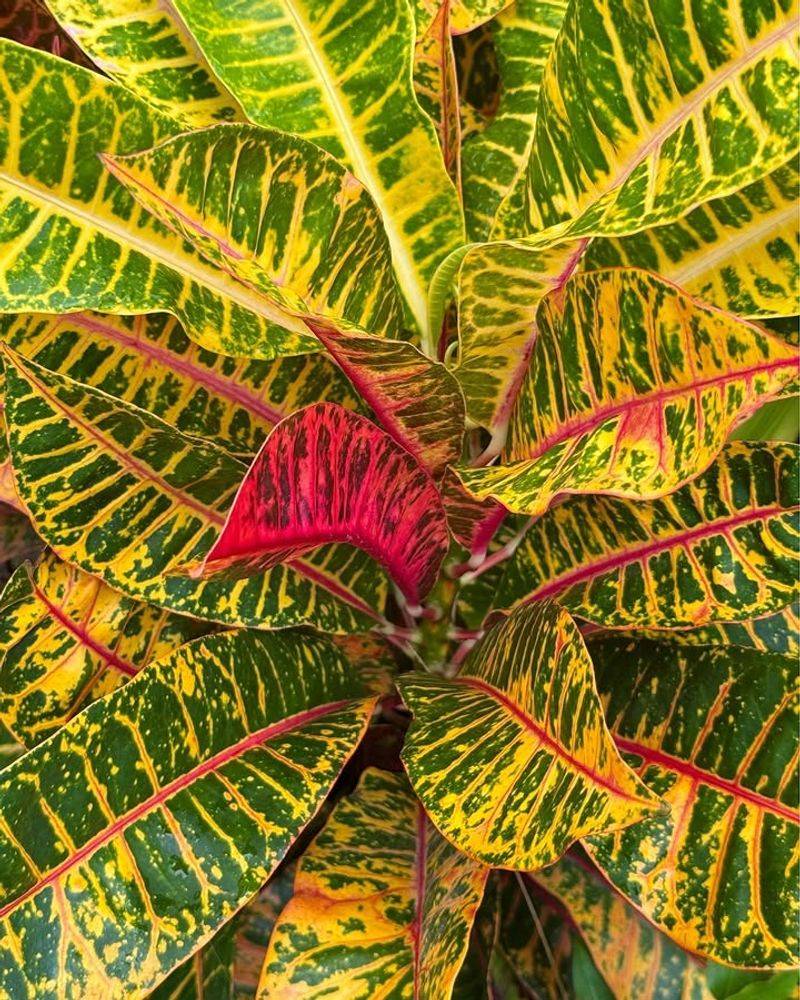
If you want a houseplant that looks like it was painted by an artist, the croton is the one for you. Its bold, multicolored leaves come in shades of red, orange, yellow, green, and even purple, all swirled together on a single leaf.
No two croton plants look exactly alike, which makes every one of them a true original.
Crotons are sun lovers through and through. To keep those vivid colors popping, they need plenty of bright light, ideally four to six hours of direct or bright indirect sunlight daily.
A south-facing window in your Pennsylvania home is the best spot. When crotons do not get enough light, their colors fade to a dull, washed-out green, which is a clear sign they need to be moved closer to the window.
These plants enjoy warmth and humidity, so Pennsylvania summers suit them well. During winter, keep them away from cold drafts and heating vents, both of which can cause leaf drop.
Misting the leaves occasionally or using a small humidifier nearby can help maintain the moisture levels they prefer.
Water crotons when the top inch of soil feels dry. They like consistent moisture but do not appreciate waterlogged roots.
Feed them with a balanced fertilizer once a month during the growing season to encourage lush, colorful new growth. Crotons can be a bit dramatic when first brought home, dropping a few leaves as they adjust to their new environment, but once settled in a sunny Pennsylvania room, they reward you with a spectacular, year-round display of tropical color.
7. Hibiscus Producing Eye-Catching Blooms
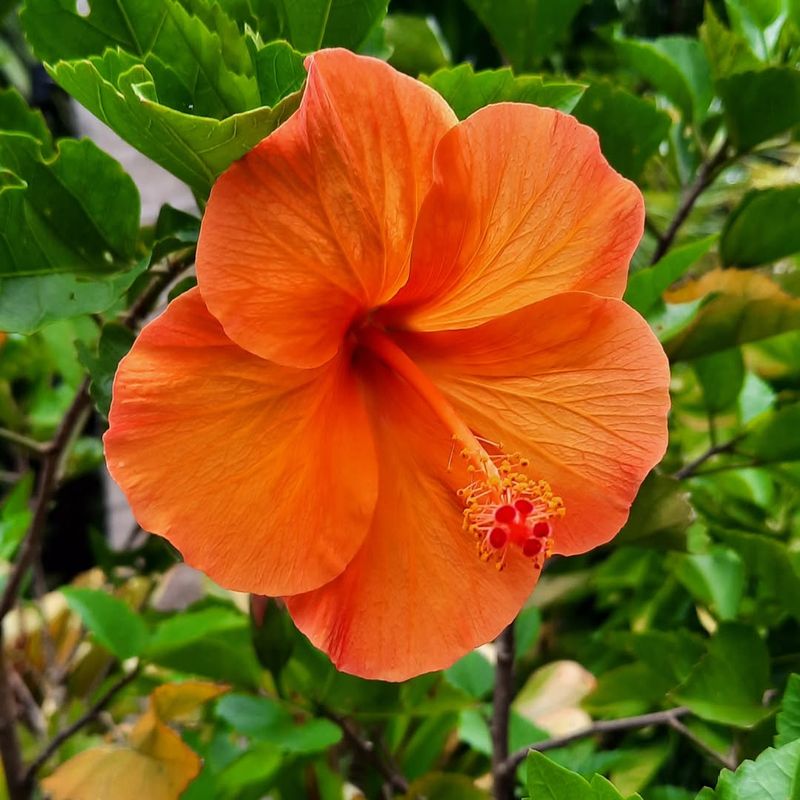
Growing hibiscus indoors in Pennsylvania is a rewarding experience, especially during the long winter months when you could really use a burst of color and tropical energy.
Hibiscus plants are serious sun enthusiasts. They need at least six hours of bright, direct sunlight each day to produce those eye-catching flowers.
A south-facing window is the sweet spot in most Pennsylvania homes. During the warmer months, you can also move the plant outdoors to a sunny patio or porch to give it an extra boost of natural light and fresh air.
Watering hibiscus consistently is key to keeping it healthy and in full bloom. The soil should stay evenly moist but never waterlogged.
During active growth in spring and summer, you may need to water every couple of days. In winter, when the plant slows down, reduce watering noticeably.
Feeding hibiscus regularly with a high-potassium fertilizer encourages more blooms throughout the growing season. Pruning the plant in late winter or early spring helps promote bushy, compact growth and even more flowers.
Watch out for common pests like spider mites and whiteflies, which can be managed with neem oil or insecticidal soap. For Pennsylvania plant lovers who want a bold, flower-producing indoor showstopper, hibiscus brings a slice of the tropics right into your living room all year long.
8. Kalanchoe Packing Bright Color Into A Small Space
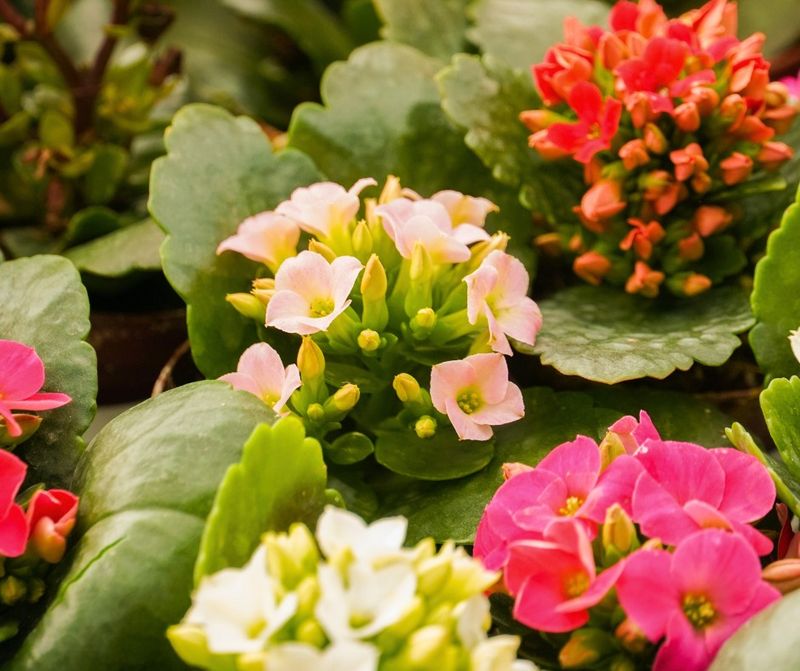
Cheerful, compact, and covered in clusters of tiny long-lasting flowers, kalanchoe is one of those plants that instantly makes a room feel warmer and more welcoming. Originally from Madagascar, this succulent has found its way into homes all across Pennsylvania, and it is easy to see why people keep coming back to it.
Kalanchoe loves bright light and does especially well in east- or south-facing windows where it gets several hours of direct or bright indirect sunlight each day. In Pennsylvania, where winter days can be short and gray, placing kalanchoe near the sunniest window in your home helps it stay happy and continue blooming.
Without enough light, the plant becomes leggy and produces fewer flowers over time.
One of the biggest perks of kalanchoe is its incredible drought tolerance. As a succulent, it stores water in its thick leaves, so you only need to water it every one to two weeks.
Always let the soil dry out completely between waterings. Overwatering is the fastest way to run into trouble with this plant, so when in doubt, wait a few more days.
After a blooming cycle ends, you can encourage kalanchoe to bloom again by giving it about six weeks of long, dark nights, around 14 hours of darkness per day. This mimics the short-day conditions of its natural habitat and triggers a brand-new round of flowers.
With its small size and big personality, kalanchoe is a perfect windowsill plant for any Pennsylvania home looking for easy, colorful indoor gardening success.