This One Pruning Mistake Can Ruin Your Coral Honeysuckle Blooms In Florida
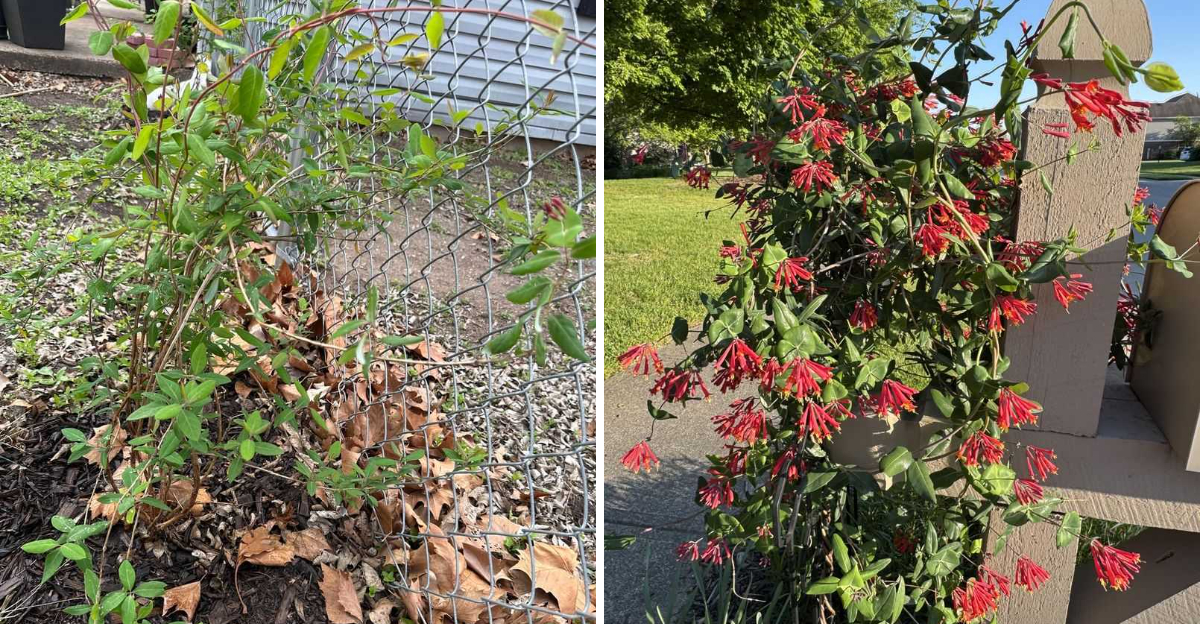
You can do everything right with coral honeysuckle and still end up with zero blooms, all because of one quick cut at the wrong time. Florida gardeners make this mistake every year, and the plant rarely gives a second chance once those hidden buds are gone.
Coral honeysuckle looks like an easy, forgiving vine that can handle a little trimming whenever it starts to sprawl. In Florida’s warm climate, though, it moves on its own schedule, setting up future flowers earlier than most people expect.
That means a simple cleanup trim can quietly remove the very growth that was about to bloom. The vine keeps climbing, the leaves stay lush, and everything looks healthy, yet the flowers never show.
Once you understand how early those buds form in Florida conditions, the whole pattern makes sense, and a small shift in timing can completely change what you see next season.
1. Pruning At The Wrong Time Is What Ruins The Blooms
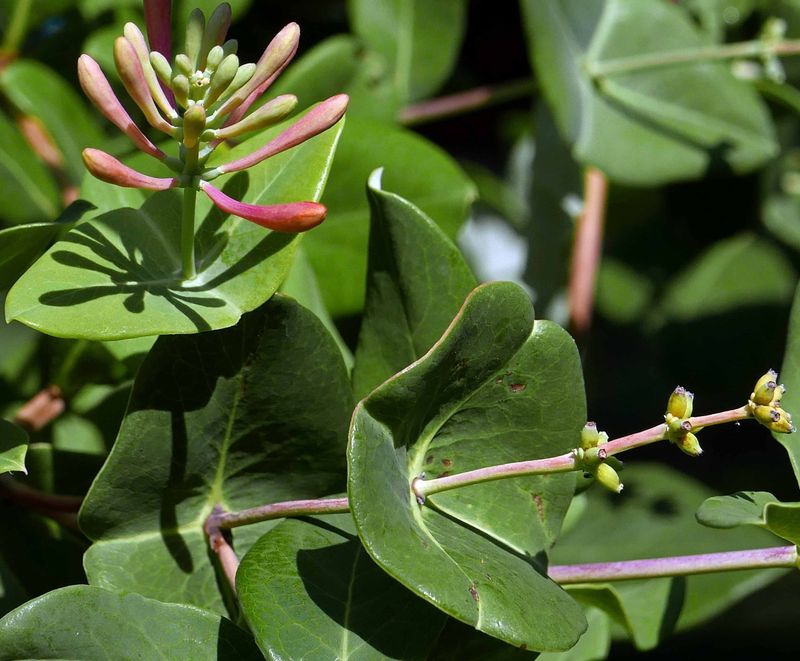
Timing is everything when it comes to keeping a coral honeysuckle vine (Lonicera sempervirens) loaded with flowers. Most gardeners do not realize that this vine blooms on new growth, meaning the fresh stems it pushes out each season are the ones that carry the flowers.
When you prune during the wrong window, you are not just shaping the plant. You are removing the very growth that was gearing up to produce blooms.
Early to mid-spring is one of the riskiest times to make heavy cuts. By that point, the vine has already started pushing out new shoots and setting up flower buds.
Cutting back aggressively during this period removes those developing buds before they ever get a chance to open. The result is a vine that looks trimmed and tidy but delivers very little color for weeks or even months.
Many Florida gardeners make this mistake simply because spring feels like the natural time to tidy up the yard. The weather is pleasant, everything is growing fast, and the urge to grab the shears is strong.
But for coral honeysuckle, that instinct can work against you. Recognizing that the plant is already working toward its first bloom flush by early spring is the first step toward making smarter pruning decisions all year long.
2. Late Winter Is The Window Most Florida Gardeners Miss
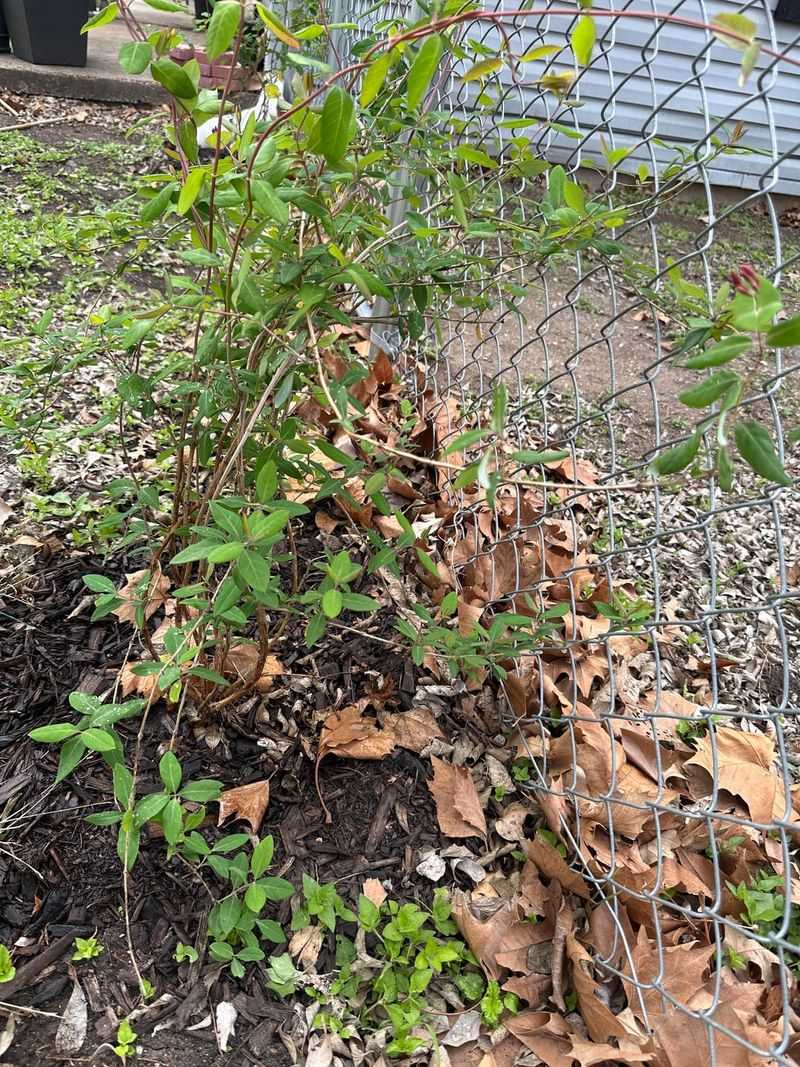
Most people think of late winter as the season when plants are still sleeping, but in Florida, that is not quite how things work. The state’s mild temperatures mean that coral honeysuckle begins waking up earlier than it would in cooler climates.
Late winter, roughly January into early February depending on your region, is actually the sweet spot for making any significant pruning cuts.
At this point, the vine has not yet pushed out a strong flush of new growth. Pruning now allows you to shape the plant, remove older or tangled stems, and set it up for a season of vigorous, bloom-producing growth without cutting off buds that are already forming.
Your Florida Garden Changes Every Week. Your Plan Should Too.
Gardening in Florida changes quickly throughout the season. Every Friday you’ll receive a simple weekly plan showing exactly what to plant, prune, fertilize, harvest, and protect so you never miss the right timing.
According to University of Florida IFAS Extension guidance, late winter pruning before active growth begins is the recommended approach for maintaining vines like this one without sacrificing flowering.
The tricky part is that late winter in Florida can feel like early spring in other parts of the country. Temperatures are already warming up, and some gardeners assume the growing season is already in full swing.
Staying aware of your local conditions and acting before the vine puts out its strongest new growth is what separates a bloom-heavy season from a disappointing one. Mark your calendar and make late winter your go-to pruning window every year.
3. Spring Pruning Often Cuts Off Your First Big Flush
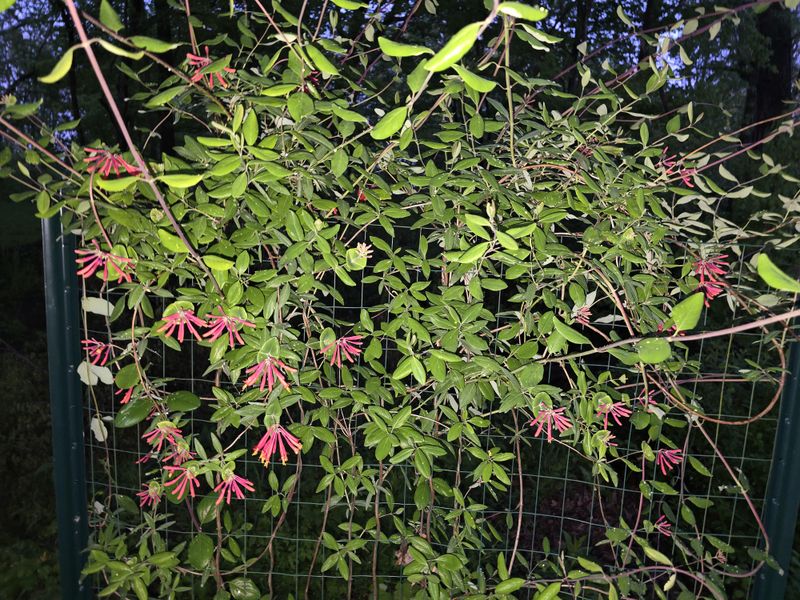
Spring pruning is not automatically a problem for every plant, but with coral honeysuckle, heavy cuts during this season carry a real cost. The vine’s first major bloom cycle of the year is triggered by the new growth it produces as temperatures rise.
If you make significant cuts after that growth has already started, you are essentially removing the stems that were about to flower.
Light trimming in spring is a different story. Guiding a wayward stem, snipping off a withered tip, or gently redirecting growth along a trellis is unlikely to cause major setbacks.
The issue arises when gardeners decide to do a full reshaping or aggressive cutback during spring, thinking they are helping the plant look neater before it blooms. That kind of heavy pruning during an active growth phase can delay the first big flush by several weeks or reduce the number of flowers significantly.
Think of it this way: the vine has already invested energy into building those new shoots. Cutting them away forces it to start over, redirecting resources toward regrowth rather than flowering.
For Florida gardeners who look forward to seeing hummingbirds visiting those bright orange-red blooms, losing even part of that first spring flush is a real disappointment. Saving the major pruning for late winter protects that first bloom cycle and keeps the season starting strong.
4. Coral Honeysuckle Sets Up Blooms Earlier Than You Think
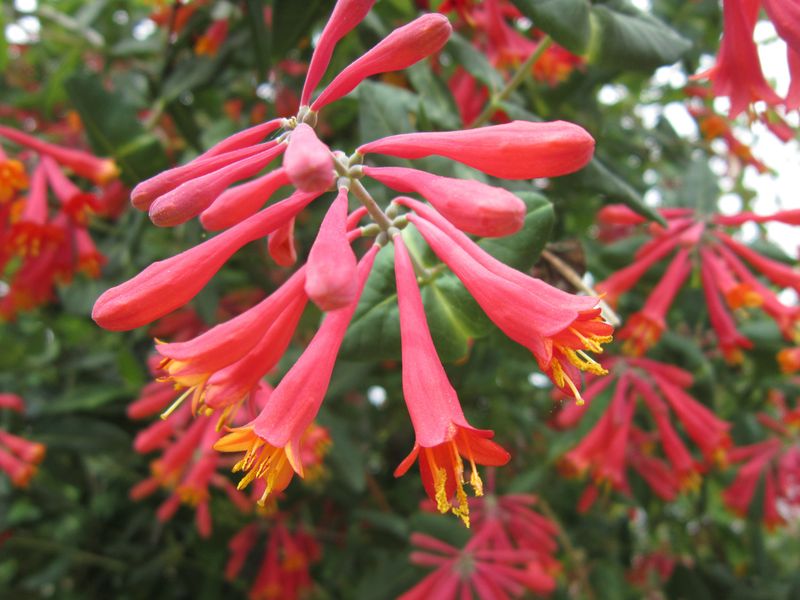
One of the most surprising things about growing coral honeysuckle in Florida is how quickly this vine gets moving after winter. Gardeners who are used to plants that take their time waking up in spring often underestimate just how early this native vine begins producing new growth and setting the stage for blooms.
In Florida’s warm climate, that process can start much earlier than expected, sometimes as early as late January or February.
This fast startup is actually one of the vine’s best qualities. It means you get color earlier in the season and for a longer stretch of time compared to many other flowering plants.
But it also means your window for safe pruning closes sooner than you might realize. By the time most gardeners think about picking up their shears in spring, the vine may already be well into its bud-setting phase.
Paying close attention to your specific plant is the best way to stay ahead of this. Watch for the first signs of new shoot growth after winter and use that as your cue that the pruning window is closing fast.
North Florida gardeners may have a slightly longer window than those in Central or South Florida, where warmth arrives even earlier. Knowing your vine’s personal rhythm, shaped by your local microclimate and sun exposure, helps you make the right call every season.
5. Heavy Cutting Back Delays Flowering Across The Season
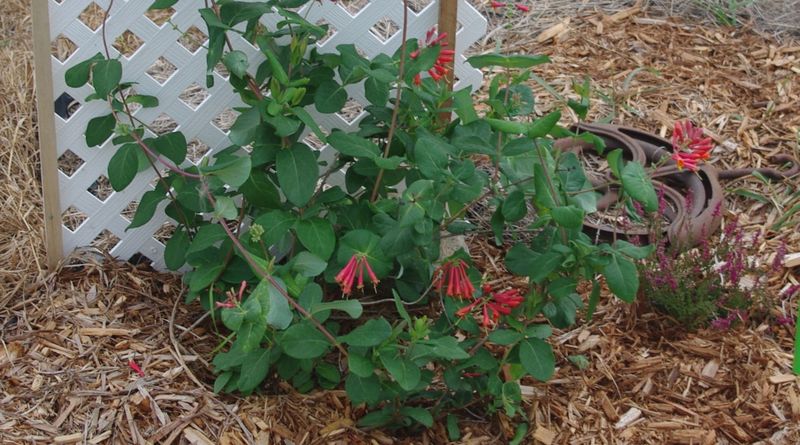
Grabbing the pruning shears and going to town on an overgrown vine is tempting, especially when it has climbed in every direction and looks more like a tangle than a garden feature. But for coral honeysuckle, aggressive cutbacks come with a real trade-off: you may end up waiting a long time before you see any flowers at all.
When a vine is cut back hard, its energy gets redirected. Instead of channeling resources into producing flower buds, the plant focuses on rebuilding its stems and foliage.
This is a natural survival response, but it means flowering takes a back seat while the vine works to restore what was removed. Depending on how much was cut and when, you could be looking at a delayed bloom cycle that affects flowering well into the season.
This does not mean you should never cut the plant significantly. There are situations where a hard reset is necessary, such as when a vine has become severely tangled, damaged, or overgrown.
In those cases, late winter is still the safest time to make those bigger cuts so the vine has the full spring growing season to recover and eventually flower. Planning any major pruning carefully, with realistic expectations about the timeline for blooms to return, helps you avoid frustration and keep the plant on a healthy long-term track.
6. Light Trimming Keeps The Vine Blooming Without Setbacks
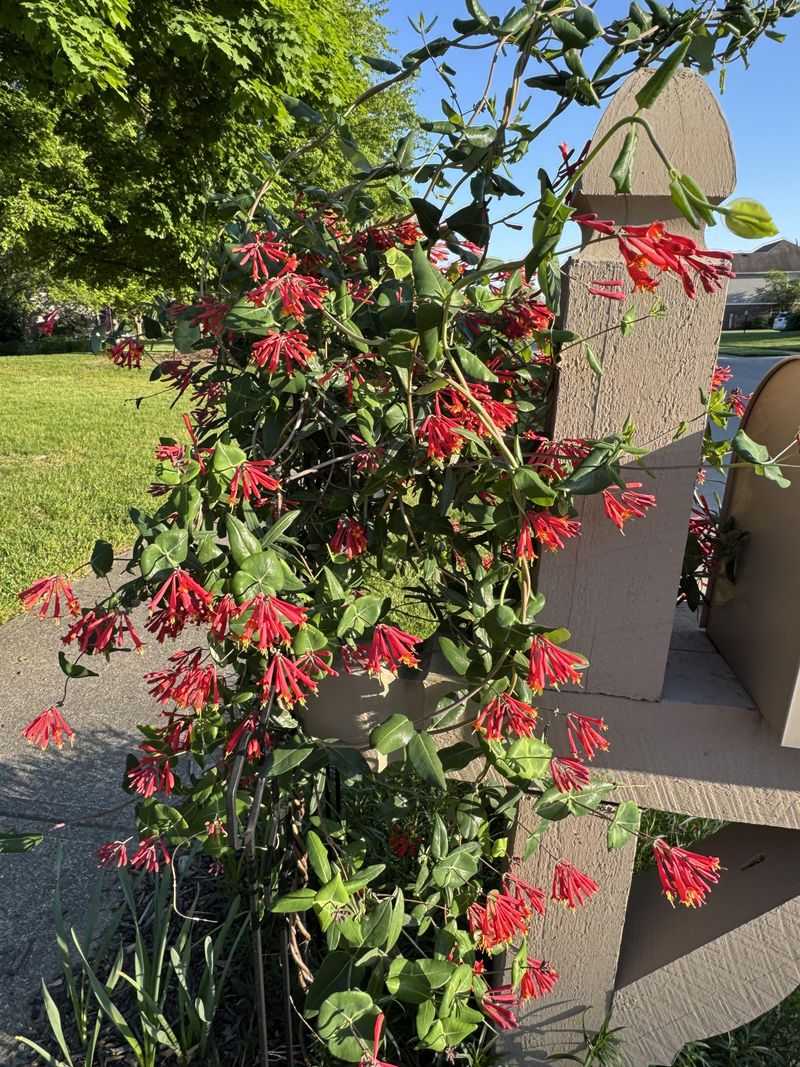
Not every interaction with your coral honeysuckle has to be a major pruning event. In fact, some of the most effective maintenance you can do for this vine involves nothing more than a few small, well-placed cuts.
Light trimming throughout the growing season keeps the plant looking tidy, encourages branching, and supports continued flowering without the setbacks that come from heavier cutting.
During spring and summer, focus on redirecting stems that are growing in the wrong direction, removing the occasional withered or damaged tip, and gently guiding the vine along its support structure. These minor adjustments do not remove significant amounts of flowering wood, so the plant can keep producing blooms without interruption.
According to horticultural guidance on native vines, regular light maintenance is far more beneficial to long-term bloom production than infrequent heavy cuts.
Think of light trimming as a conversation with the plant rather than a correction. You are nudging it in the right direction, keeping it healthy and well-shaped, while letting it do what it does best.
Even deadheading spent flower clusters can help encourage new blooms to form. The key is restraint.
Removing small amounts of growth regularly is always safer and more productive than waiting until the vine is out of control and then making dramatic cuts to compensate.
7. Old Wood Removal Should Be Strategic, Not Aggressive
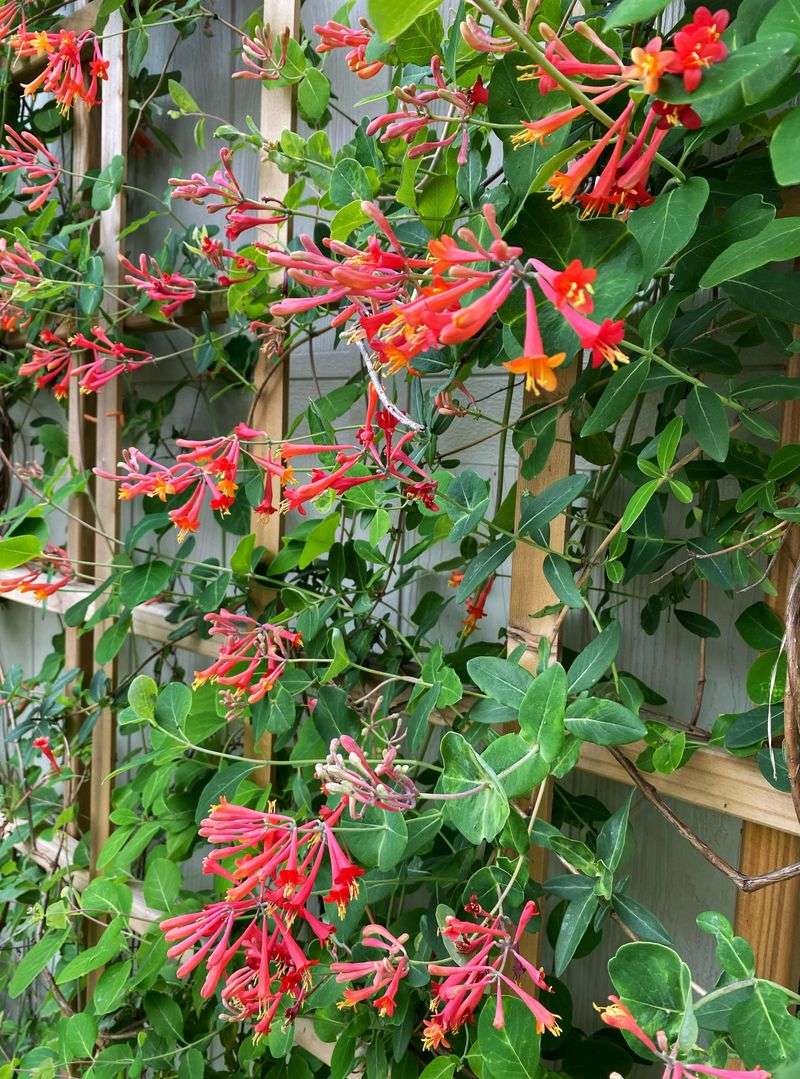
Every mature vine eventually develops older, woodier stems that no longer contribute much to flowering. For coral honeysuckle, those older canes can become crowded over time, reducing airflow and making the vine look dense and unruly.
Removing them is a good idea, but the way you go about it makes a significant difference in how the plant responds.
Strategic old wood removal means identifying specific stems that are truly past their prime, crossing awkwardly through the vine, or blocking light and airflow from reaching younger growth. Removing those targeted stems opens up the canopy, allows healthier shoots to thrive, and keeps the overall structure of the vine clean and manageable.
This kind of selective pruning, done carefully and with intention, actually supports better blooming rather than hindering it.
Where gardeners run into trouble is when old wood removal turns into a sweeping cutback of everything that looks thick or established. Coral honeysuckle produces blooms on new growth, but it still needs a healthy framework of established stems to support and anchor that new growth.
Cutting away too much of that structure at once leaves the vine scrambling to rebuild from scratch. A good rule of thumb is to remove no more than one-third of the vine’s total growth at any single pruning session, keeping the plant balanced and productive throughout the season.
8. A Simple Timing Shift Can Bring Back A Full Bloom Cycle
Sometimes the most powerful gardening advice is also the simplest.
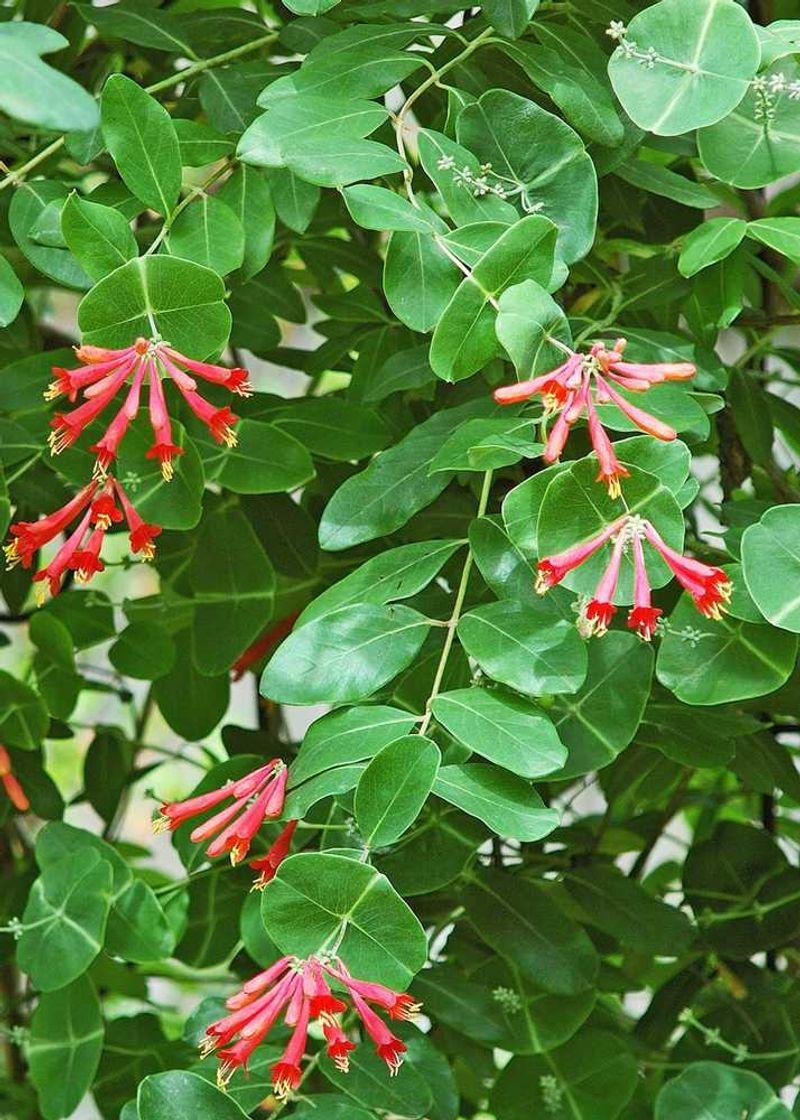
If your coral honeysuckle has been underperforming for a season or two, delivering sparse blooms or none at all after pruning, there is a good chance the fix requires nothing more than adjusting when you make your cuts.
Shifting your major pruning to late winter, before the vine begins its active spring push, can completely change what you see come blooming season.
Gardeners who make this timing adjustment often notice a real difference within the very first season. The vine enters spring with its energy fully intact, pushes out strong new growth, and channels that momentum directly into producing flowers.
Instead of spending weeks recovering from late pruning cuts, it moves straight into its natural bloom cycle.
Over time, consistent late-winter pruning combined with light maintenance throughout the season leads to a vine that stays healthy, well-shaped, and reliably covered in blooms.
Coral honeysuckle is a forgiving and resilient native plant. Even if last season did not go as planned, this vine has a strong ability to bounce back when given the right conditions.
A little patience, a calendar reminder for late January or early February, and a commitment to lighter cuts during spring is genuinely all it takes. Small changes in your pruning routine can deliver big rewards in color, wildlife activity, and overall garden satisfaction.