Fire-Smart Landscaping Ideas Florida Homeowners Can Use Without Making The Yard Look Bare
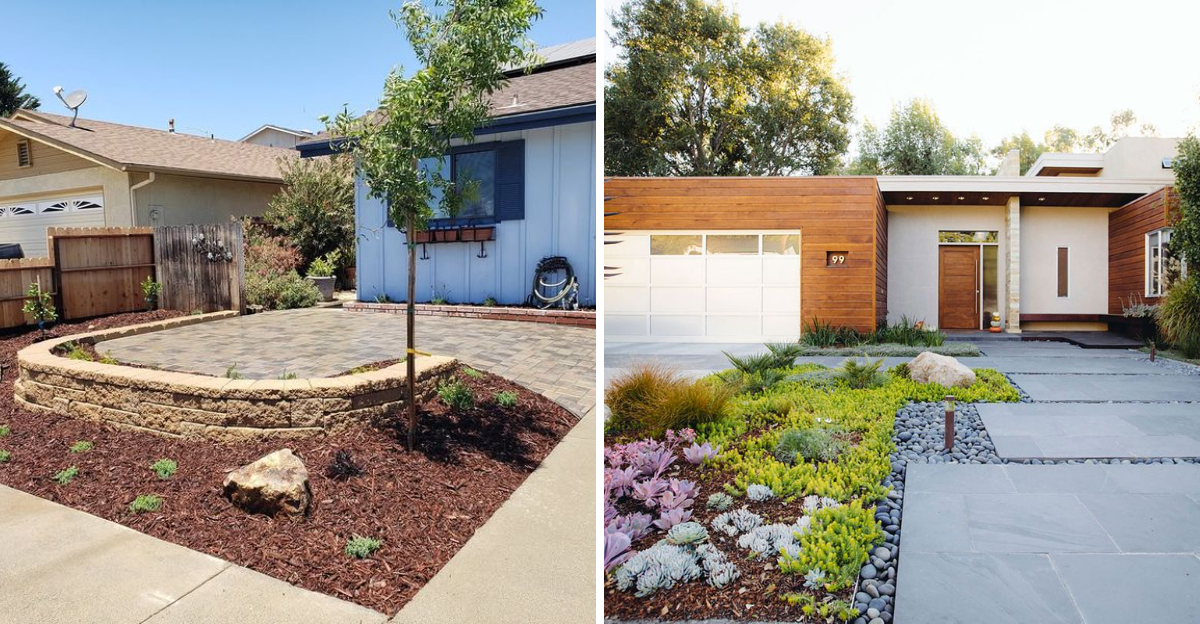
Nobody wants their yard to look like a parking lot, but nobody wants to watch their home go up in flames either. Florida homeowners are stuck between a rock and a hard place, and the old advice of “just clear everything out” is not cutting it anymore.
The good news? You do not have to choose between a beautiful yard and a smart one.
Fire-smart landscaping has come a long way, and the results are turning heads for all the right reasons. Think lush, colorful, and intentional, not stripped down and sad.
The real trick is not what you remove, it is what you replace it with and how you arrange it.
Florida yards can look like a million bucks and still stop a fire in its tracks.
Curious how your neighbors are pulling it off? The answer is a lot simpler than you think.
1. Create Defensible Space Without Stripping The Yard
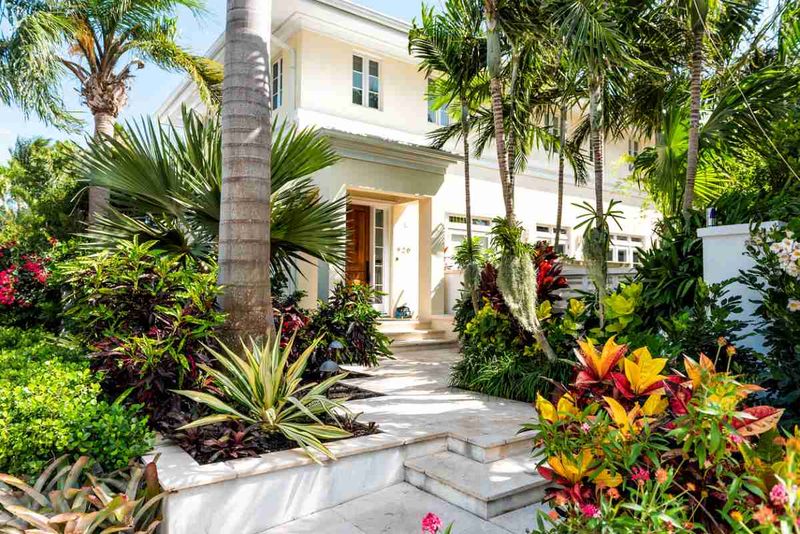
Many Florida homeowners hear the phrase “defensible space” and immediately picture a yard scraped clean of every plant. That picture could not be further from the truth.
Defensible space simply means creating a planned buffer around your home where vegetation is spaced, maintained, and arranged so that a potential fire has fewer easy paths toward the structure.
Florida’s fast-growing plants, sandy soils, and dry winter spells make this planning especially worthwhile. The idea is not to remove everything but to organize what you have.
Think of it as giving your plants some breathing room. Group shrubs in small clusters with open ground or pathways between them.
Keep beds neat and free of dry leaf buildup. Lift low-hanging branches off the ground where appropriate.
The area within a few feet of the house deserves the most attention. Avoid letting shrubs press directly against walls, vents, or wooden decks.
Keep fences and gates clear of tangled vines or withered growth. A yard with open sightlines, tidy beds, defined edges, and well-spaced plants can look polished and purposeful while also being more defensible.
Curb appeal and fire-smart design can absolutely go hand in hand.
2. Choose Plants That Look Lush But Burn Less Easily
No plant is fireproof. That is a fact worth repeating.
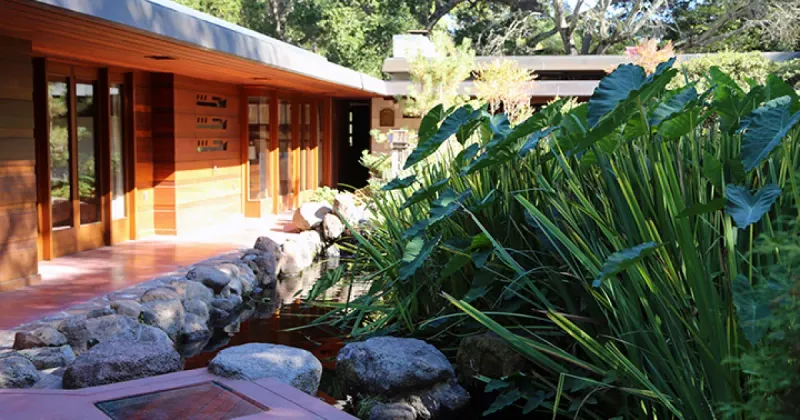
But some plants are better suited for a fire-smart Florida yard because they hold more moisture in their leaves, have open growth habits, produce less dry litter, and are easier to keep healthy and well-maintained.
According to UF/IFAS and Florida-Friendly Landscaping guidance, plant health matters enormously.
A stressed, drought-weakened plant is far more of a concern than a healthy, well-irrigated one of the same species.
Avoid planting resinous, oily, or heavily debris-producing plants close to the house. Plants that drop large amounts of dry leaves, bark, or seed pods near the structure add to the fuel load around your home.
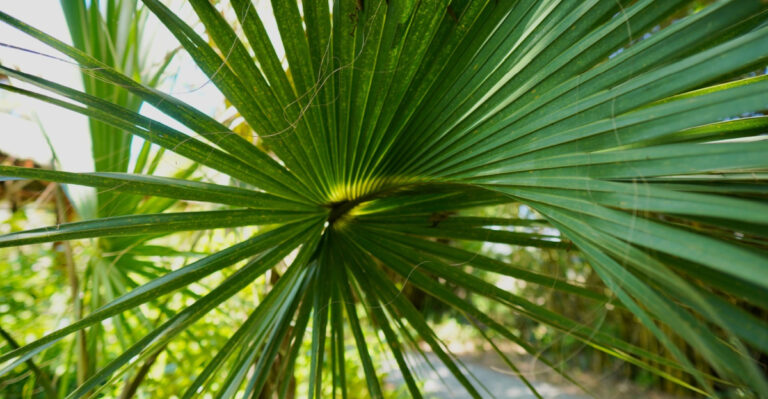
Palmettos and ornamental grasses can look striking, but their placement near the house should be considered carefully and discussed with your local county Extension office.
Focus on choosing healthy, properly spaced plants that suit your specific Florida region, soil type, and sun exposure. Right Plant, Right Place is a guiding principle of Florida-Friendly Landscaping for good reason.
Your Florida Garden Changes Every Week. Your Plan Should Too.
Gardening in Florida changes quickly throughout the season. Every Friday you’ll receive a simple weekly plan showing exactly what to plant, prune, fertilize, harvest, and protect so you never miss the right timing.
A plant thriving in the right conditions stays greener, grows more predictably, and generally requires less intervention to keep looking its best.
3. Keep Mulch Beautiful, But Use It Wisely
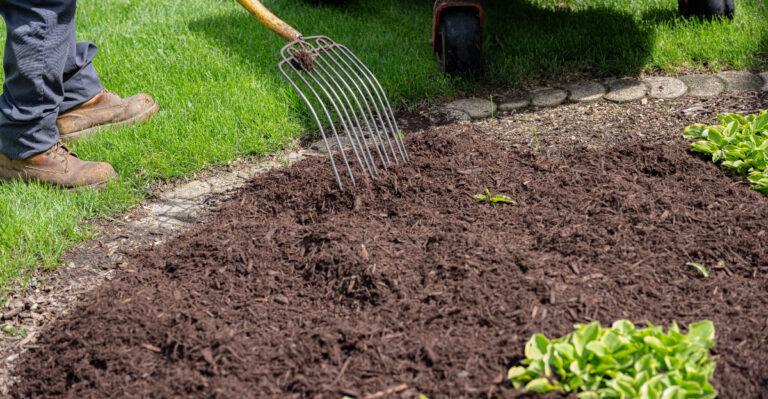
Mulch is one of the best tools in a Florida gardener’s kit. It holds moisture in sandy soils, keeps roots cooler during hot summers, suppresses weeds, and improves the overall look of plant beds.
Florida-Friendly Landscaping recommends mulch as a standard practice for good plant health. The key is using it wisely, especially near your home.
Deep mulch piles against siding, wooden deck posts, vents, or window frames can become a concern during dry, windy conditions. A thin, maintained layer works better than a thick mound.
Pull mulch back a few inches from the base of the house and avoid letting it accumulate in corners or against steps. Refreshing mulch regularly instead of piling new layers on top of old ones keeps it healthier for plants and tidier overall.
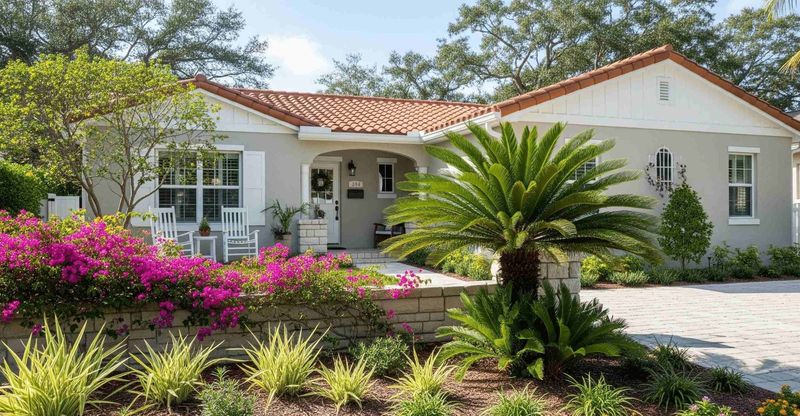
For the zone closest to the house, consider noncombustible alternatives such as shell, gravel, pavers, or bare mineral soil where appropriate for your site and local rules. Crushed shell has a distinctly Florida character and looks right at home around tropical plantings.
Stone borders near the foundation can also frame beds beautifully while creating a practical buffer. Mulch does not have to disappear entirely.
It just needs a smarter placement strategy.
4. Break Up Plant Beds With Stone, Shell, Or Walkways
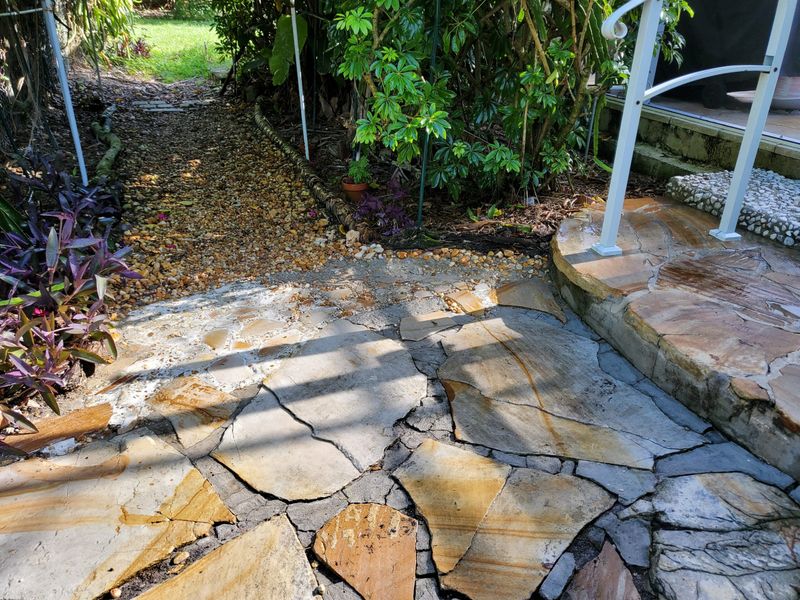
One of the most stylish fire-smart moves a Florida homeowner can make is adding hardscape to break up continuous plant beds.
Walkways, shell paths, gravel bands, stepping stones, patios, and low borders all interrupt the unbroken flow of vegetation across a yard.
That interruption matters because flames and heat move more easily through continuous, connected plantings than through a yard with defined open spaces between plant groups.
Florida yards lend themselves beautifully to this kind of design. Crushed shell paths winding between tropical beds look like they belong in a coastal garden magazine.
Paver walkways between shrub groups give the yard a clean, intentional feel. Gravel around utility areas or along fences adds a finished look without requiring any plant maintenance.
Stone borders near the foundation frame beds with a sense of order and purpose.
The goal is not to replace plants with rock everywhere. A few well-placed hardscape elements can make the whole yard feel more designed and less crowded without removing a single favorite plant.
Open breathing room between plant islands also makes it easier to walk through the yard, access garden beds, and keep everything tidy. Good design and fire-smart thinking often lead to the same smart choices.
5. Prune Palms, Shrubs, And Trees Before They Become Fuel
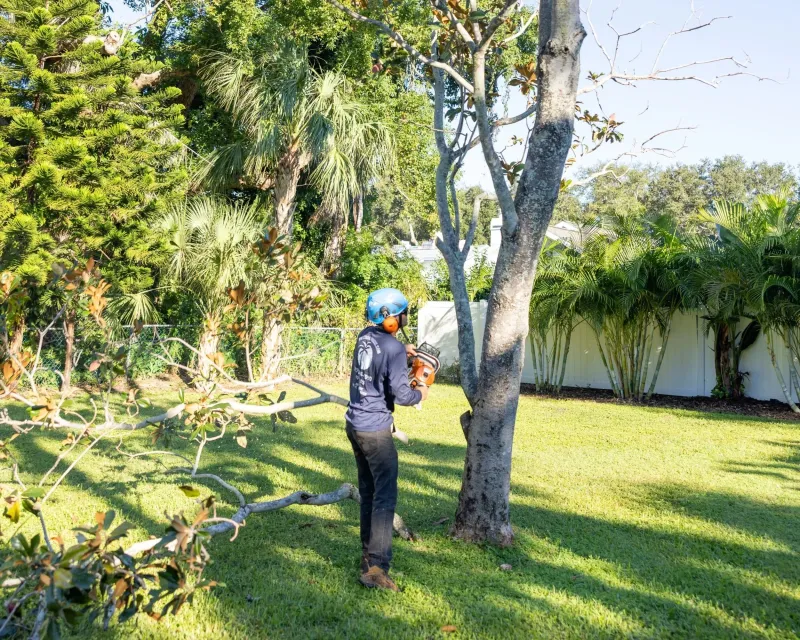
Florida plants grow fast. A shrub that was neatly trimmed in spring can turn into a sprawling tangle by midsummer, especially after a wet season.
Staying on top of pruning is one of the most practical things a homeowner can do to keep a yard fire-smart and looking great at the same time.
Removing dry palm fronds, trimming withered or browning branches, and thinning overgrown shrubs all reduce the amount of dry material that could contribute to a fire spreading.
Palms deserve a specific note. According to UF/IFAS, over-pruning palms, sometimes called hurricane cutting, weakens the tree and is not recommended.
Remove only brown, fully dry fronds and avoid cutting into green growth. A healthy, properly pruned palm is better for the tree and reduces hanging dry material near the structure.
Vines climbing onto fences, walls, or roof edges should be kept in check. Leaf piles in gutters, along fence lines, in deck corners, and in plant bed edges are worth clearing regularly, especially during Florida’s dry season.
UF/IFAS Extension offices offer pruning guidance specific to Florida species and seasons, which is worth checking before tackling major trees or unfamiliar shrubs. Proper timing makes a real difference in plant health.
6. Give The House A Clean, Green Safety Buffer
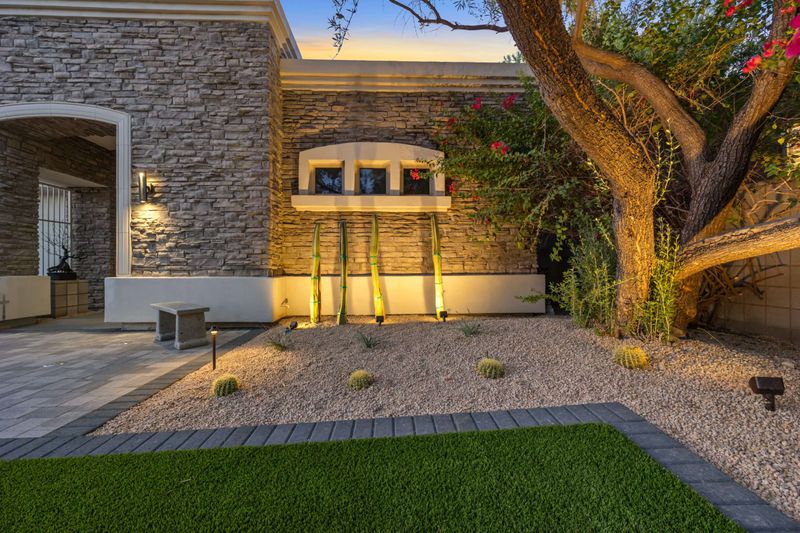
The area right around the house is where fire-smart landscaping choices matter most.
Dry leaves piling up against the siding, dense shrubs pressed against the wall, and mulch tucked into every corner near vents and steps can all create an easier path for heat and embers to reach the structure.
A clean perimeter does not mean a plain one. Low-growing, well-spaced plants in a tidy bed can look polished and welcoming while keeping the zone around the house much more manageable.
Move firewood stacks, stored lumber, old pots, and outdoor clutter away from the exterior walls. Gutters and rooflines should stay free of accumulated oak leaves and pine needles, which can build up quickly in Florida yards.
Vents near the foundation are worth keeping clear of plant material and debris. Small habits like sweeping corners and clearing edges make a noticeable difference over time.
Noncombustible edging materials near the foundation, such as stone, concrete borders, or pavers, add a clean, finished look while reducing organic buildup right against the structure.
Low-growing, open plants placed with a few inches of space from the wall look intentional rather than sparse.
A well-maintained buffer around the house can actually improve curb appeal while making the whole landscape feel more intentional and cared for.
7. Use Native And Florida-Friendly Plants In Smarter Spots
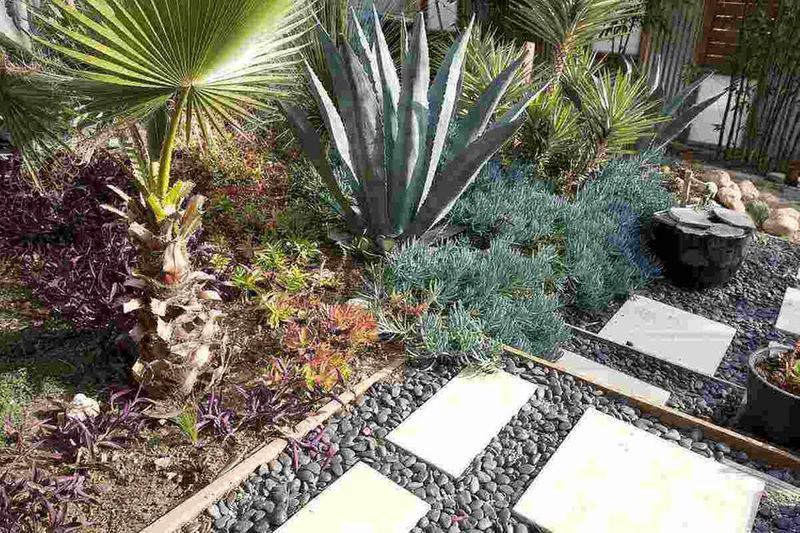
Florida’s native plants are genuinely special. They support local birds, butterflies, bees, and other pollinators while needing less water and fewer inputs than many non-native choices.
The Florida Native Plant Society and UF/IFAS both highlight the value of using native plants thoughtfully in Florida landscapes.
The phrase to remember is Right Plant, Right Place, which means matching each plant to the right region, soil, sun level, moisture, and location in the yard.
Native does not automatically mean fire-safe in every spot. Placement and maintenance still matter.
Avoid clustering dense native plantings directly against the house. Low-growing natives work well near structures, while larger, more robust native shrubs and trees can shine further out in the yard where spacing is more flexible.
Grouping plants by water needs makes irrigation more efficient and keeps plants healthier overall.
Florida-Friendly Landscaping principles encourage choosing plants suited to the specific site conditions, not just ones that look good in a catalog. A plant struggling in the wrong soil or the wrong amount of shade will not stay as healthy or as attractive.
Well-chosen, well-placed native plants can give a Florida yard genuine character, seasonal color, and wildlife habitat without creating a maintenance burden or adding unnecessary fuel near the home.
8. Design A Yard That Feels Tropical, Not Overgrown
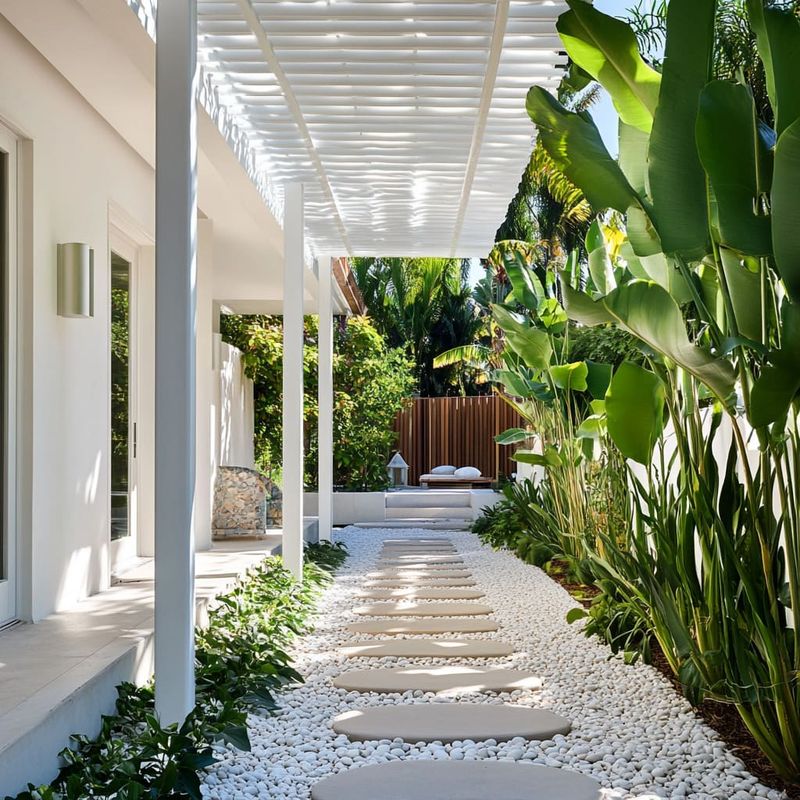
A yard can feel full, shaded, and richly tropical without becoming a tangled mess of overlapping shrubs and vines. The difference comes down to design choices.
Layering plants thoughtfully, with taller specimens toward the back or center and lower plants at the edges, creates visual depth without crowding.
Leaving open space between plant groupings, what designers sometimes call breathing room, keeps the yard from feeling dense or unmanaged.
Choose a few strong focal plants and let them shine. Repeating colors and textures across the yard ties everything together without requiring every square foot to be packed with plants.
Defined edges around beds make even a large planting look intentional. Clear pathways through the yard improve access and keep the landscape from feeling like it has been left to grow unchecked.
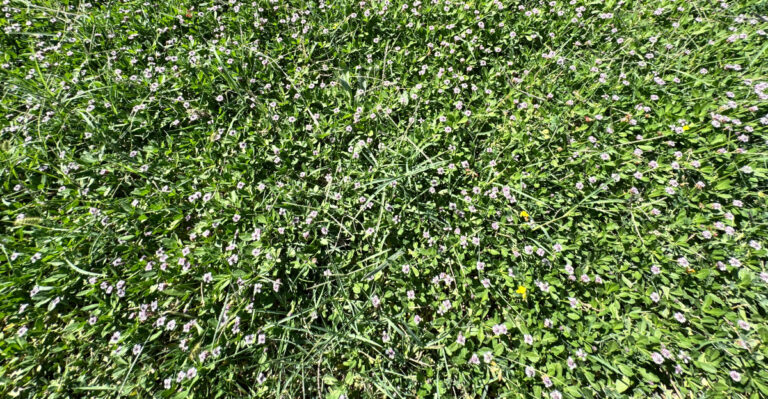
Groundcovers can fill space beautifully but should be chosen and placed with care near the house. Avoid letting any single planting type run continuously from the outer yard all the way to the walls or deck.
Islands of planting separated by shell paths, stone, or open lawn give a Florida yard a designed, magazine-worthy look that also happens to support fire-smart spacing. Lush and smart are not opposites.
With the right design approach, they work together naturally.
9. Replace Risky Clutter With Fire-Smart Curb Appeal
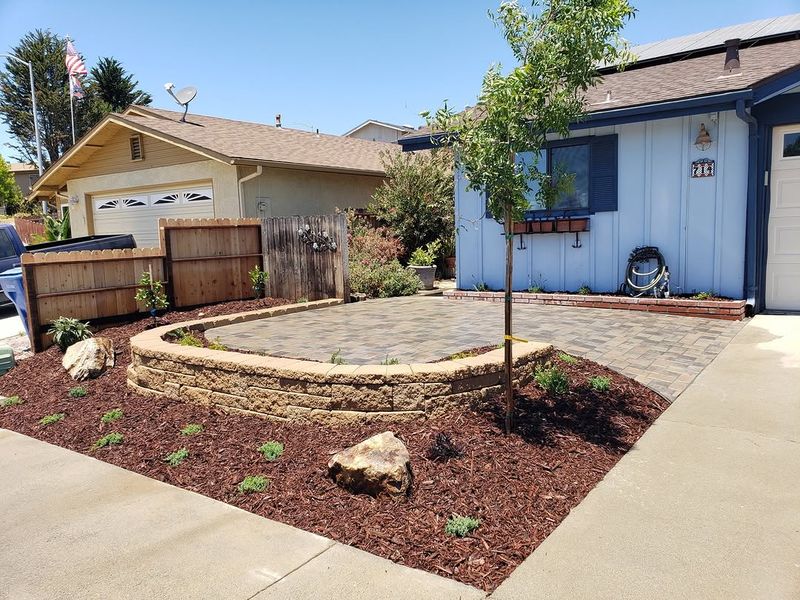
Stacked lumber next to the fence. A pile of old pots near the back door.
Dried palm fronds waiting to be hauled away. Bags of mulch left sitting against the house.
Most Florida yards have at least a little clutter, and during dry and windy stretches, that clutter can become more of a concern than people realize. The good news is that clearing it out and replacing it with purposeful design can genuinely improve the way a yard looks.
Firewood should be stored away from the house, off the ground, and covered. Stored cushions, plastic bins, cardboard, and dried holiday wreaths near exterior walls are worth relocating.
Piles of oak leaves and pine needles along fences or in bed corners should be cleared regularly, especially heading into Florida’s dry season. Gutters are easy to forget but worth checking a few times a year.
Replacing clutter with clean edging, fresh gravel, decorative rock, or well-placed containers can transform a side yard or back corner from an eyesore into a feature.
Containers placed on pavers or stone pads rather than directly on wooden decks look purposeful and are easier to move.
Small weekend projects like these add real curb appeal while quietly reducing the amount of dry material sitting close to the home.
10. Make The First Five Feet Around The Home Count
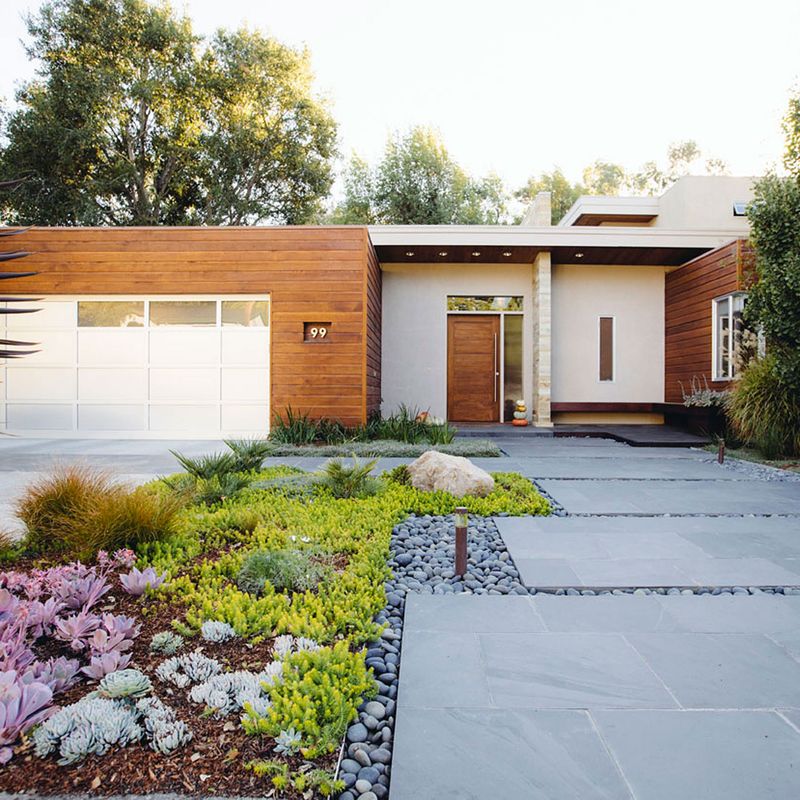
The first five feet around a home are sometimes called the home ignition zone, and for good reason. Embers from a nearby fire can land in this area and ignite dry debris, mulch piles, or declined plant material before flames even reach the yard.
Keeping this zone clean, simple, and low-fuel is one of the highest-impact choices a Florida homeowner can make, and it does not require sacrificing all greenery near the house.
Small, well-spaced plants work well here. Avoid woody shrubs pressed against the wall or plants touching windows, soffits, or deck railings.
Keep mulch pulled back from the siding and opt for stone, shell, or pavers in the area closest to the structure. Clear vents of any plant material or debris buildup.
Sweep corners and edges regularly since leaves and pine needles accumulate faster than most people expect in a Florida yard.
Noncombustible edging gives this zone a finished, intentional look that actually elevates the home’s appearance from the street. Low-growing, open plants with visible spacing look purposeful rather than sparse.
A few small changes in this critical area can make the entire landscape feel more organized and cared for. Starting close to the house and working outward is a practical and rewarding way to build a fire-smart yard one step at a time.